

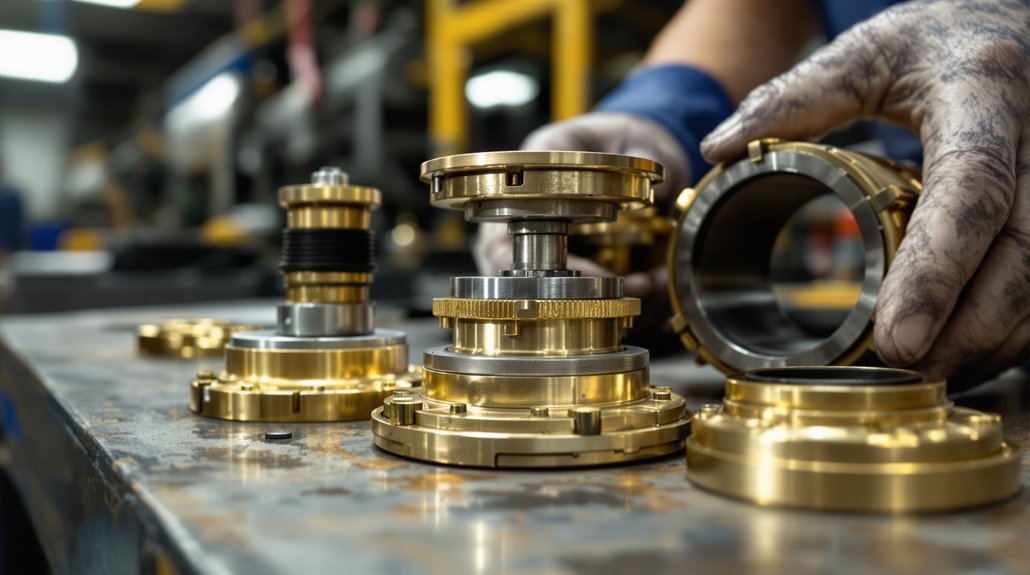
When your EMD generator coupling bushings are failing, you’ll notice rhythmic knocking, elevated drivetrain vibration, and erratic voltage output. Before purchasing a replacement kit, verify the bushing bore diameter, outer diameter, and elastomer durometer rating against your specific locomotive’s OEM specs. During installation, use a soft mandrel to press the bushing evenly and check seating depth with a dial indicator. Keep exploring to sharpen your bushing selection and installation process.
Key Takeaways
- Verify bushing bore diameter, outer diameter, and length match OEM specifications for your specific EMD locomotive model before purchasing.
- Match the bushing kit’s dynamic load capacity to your generator’s continuous torque output to prevent premature fatigue failure.
- Use soft mandrels to evenly distribute pressing force and apply light assembly lubricant to the outer diameter during installation.
- Check seating depth with a dial indicator after installation to confirm proper alignment between the bushing bore and coupling housing.
- Select kits rated for your duty cycle, as mismatched load ratings between light switching and heavy mainline service accelerate wear.
How to Tell When Your EMD Generator Bushings Have Failed
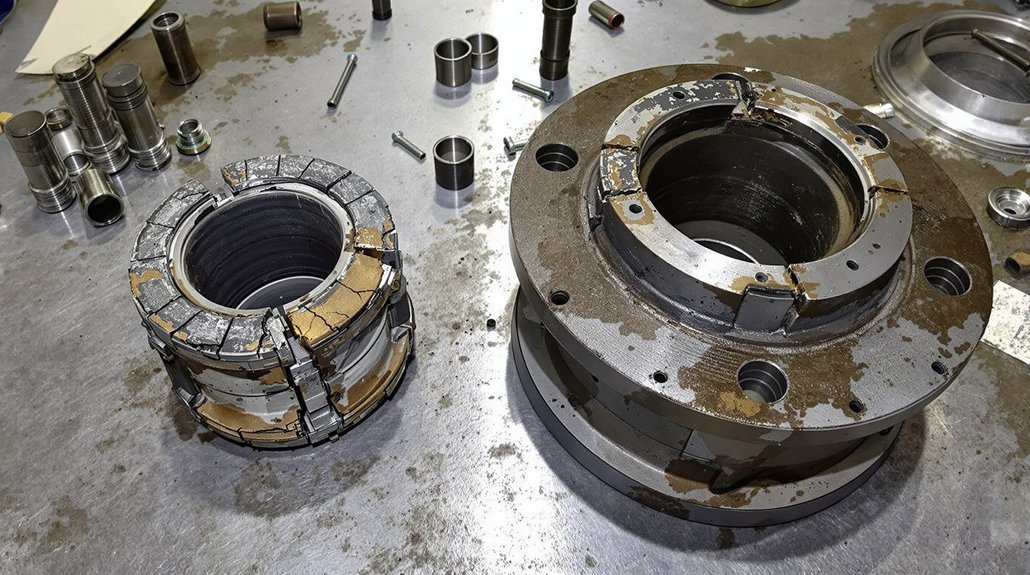
Worn or failed EMD generator coupling bushings typically show up through a distinct set of symptoms that you can identify through visual inspection, sound analysis, and performance monitoring. Start by checking for visual wear on the bushing surfaces — look for cracking, deformation, or material loss around the coupling interface. These indicators confirm degradation that’s already affecting mechanical integrity.
Next, monitor for noise increase during operation. A failing bushing transmits abnormal vibration through the drivetrain, producing rhythmic knocking or irregular thumping sounds that intensify under load. Don’t dismiss subtle acoustic changes; they’re early failure warnings you can’t afford to ignore.
You should also track generator output consistency. Coupling bushing failure introduces rotational instability, which disrupts power transfer and causes voltage fluctuation. If you’re seeing erratic electrical output alongside physical wear signs and elevated noise levels, replace the bushings immediately before secondary drivetrain damage occurs.
Choose EMD Generator Bushing Kits by Compatibility and Load Rating
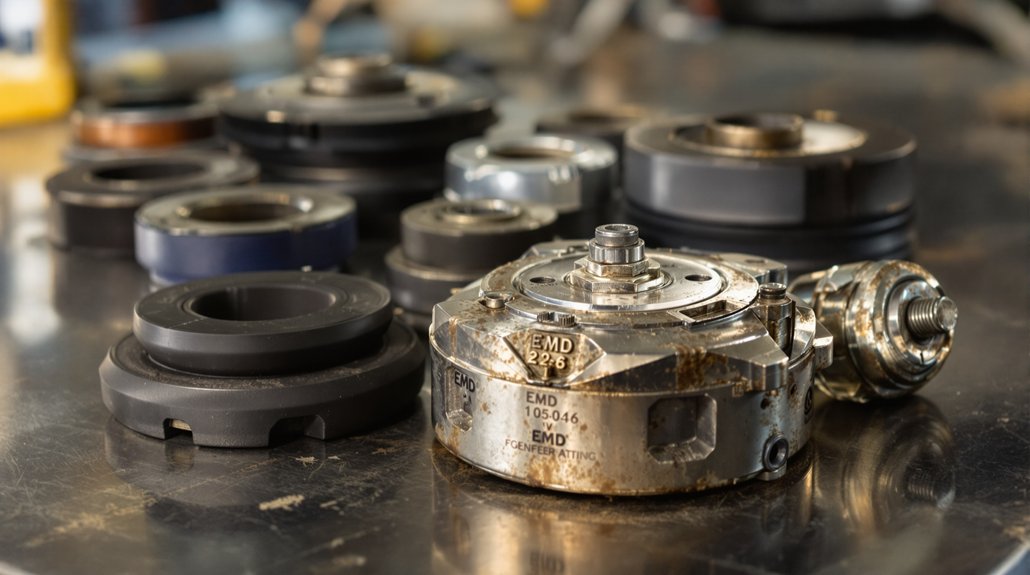
Before selecting an EMD generator bushing kit, you’ll need to confirm two non-negotiable criteria: dimensional compatibility with your specific locomotive model and a load rating that matches your drivetrain’s torque demands.
Selecting an EMD generator bushing kit starts with two non-negotiables: dimensional compatibility and a load rating matched to your torque demands.
Cross-reference these parameters before purchasing:
- Model compatibility: Verify bushing bore diameter, outer diameter, and length against your locomotive’s OEM specifications
- Load rating: Match the bushing’s dynamic load capacity to your generator’s continuous torque output
- Material grade: Confirm the elastomer durometer rating suits your operational temperature range
- Interference fit tolerance: Validate the press-fit specification against your coupling hub’s machined bore
- Service cycle alignment: Select kits rated for your locomotive’s duty cycle, whether light switching or heavy mainline operations
Mismatched load ratings accelerate fatigue failure, while incorrect model compatibility creates misalignment that transfers harmful stress to generator bearings. Always pull your locomotive’s maintenance manual and confirm specifications before finalizing your kit selection.
Install EMD Coupling Bushings Without Damaging the Generator
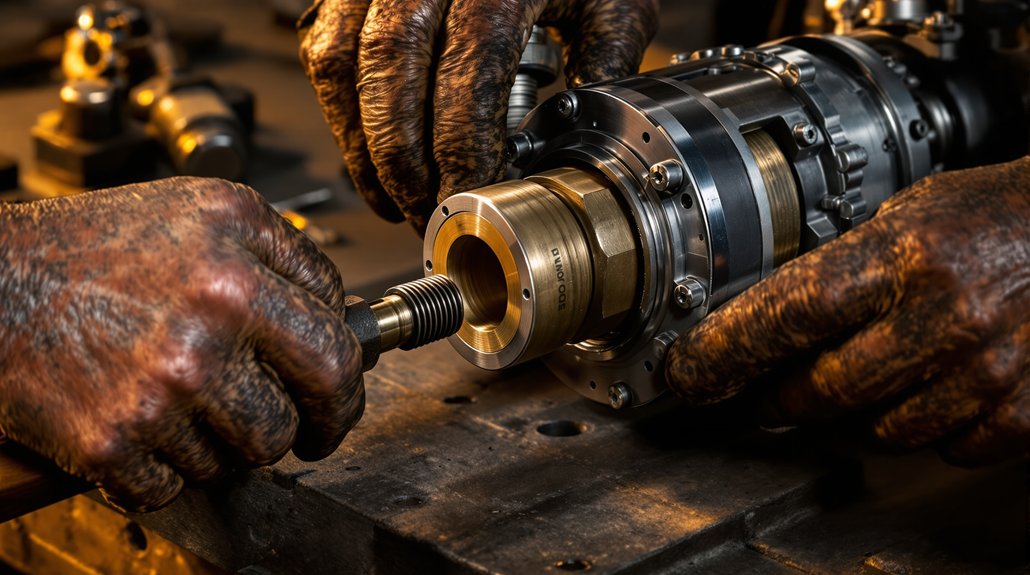
Correct installation technique protects both the bushing and generator from damage that’s difficult and expensive to reverse. Before pressing any bushing into position, verify proper alignment between the bushing bore and the generator coupling housing. Misalignment during installation creates uneven stress that cracks the housing or distorts the bushing wall.
Always use soft mandrels when pressing bushings into place. Steel-on-steel contact concentrates force unevenly and gouges seating surfaces, compromising the interference fit you need for reliable power transfer. Soft mandrels distribute pressing force evenly across the bushing flange, preventing deformation.
Apply a light film of assembly lubricant to the outer diameter before pressing. Check seating depth with a dial indicator after installation—an improperly seated bushing shifts under load and accelerates wear on both the coupling and generator shaft. Never use heat on the generator housing unless the manufacturer explicitly specifies it.
Frequently Asked Questions
How Long Do EMD Locomotive Generator Coupling Bushings Typically Last?
EMD locomotive generator coupling bushings typically last between 500,000 and 1,000,000 miles under normal operating conditions, though service intervals vary based on load cycles and maintenance practices. You’ll need to monitor replacement frequency closely, as heavy-haul applications accelerate wear markedly. You should inspect bushings during every major overhaul, typically every 18–24 months, and replace them when clearances exceed manufacturer tolerances to prevent generator misalignment.
What Materials Are EMD Generator Coupling Bushings Commonly Made From?
You’ll find EMD generator coupling bushings commonly manufactured from bronze alloys or composite polymers. Bronze alloys offer superior thermal conductivity and wear resistance under heavy mechanical loads, making them ideal for high-torque applications. Composite polymers, however, provide excellent vibration dampening and corrosion resistance in moisture-prone environments. When selecting your bushing material, you’ll need to evaluate your locomotive’s operational demands, load cycles, and environmental conditions to determine the most appropriate composition.
Can Worn Bushings Cause Fuel Efficiency Problems in EMD Locomotives?
Yes, worn bushings absolutely tank your fuel efficiency—it’s like running a steam-age machine in a modern fleet. When bushings degrade, you’ll experience misalignment between the engine and generator, forcing the prime mover to work harder. This inefficiency creates reduced power output, meaning your engine compensates by burning more fuel. Additionally, incomplete combustion cycles trigger increased emissions, compounding both your operational costs and environmental compliance concerns.
Are EMD Generator Bushing Kits Covered Under Any Warranty Programs?
It’s not a one-size-fits-all situation — warranty coverage varies by supplier. You’ll typically find that OEM-certified EMD generator bushing kits carry manufacturer-backed warranties, covering defects in materials and workmanship. Additionally, you can secure extended protection through service contracts offered by authorized distributors. Always review contract terms carefully, confirming coverage durations, exclusions, and replacement procedures before committing to guarantee your components remain operationally compliant and protected.