

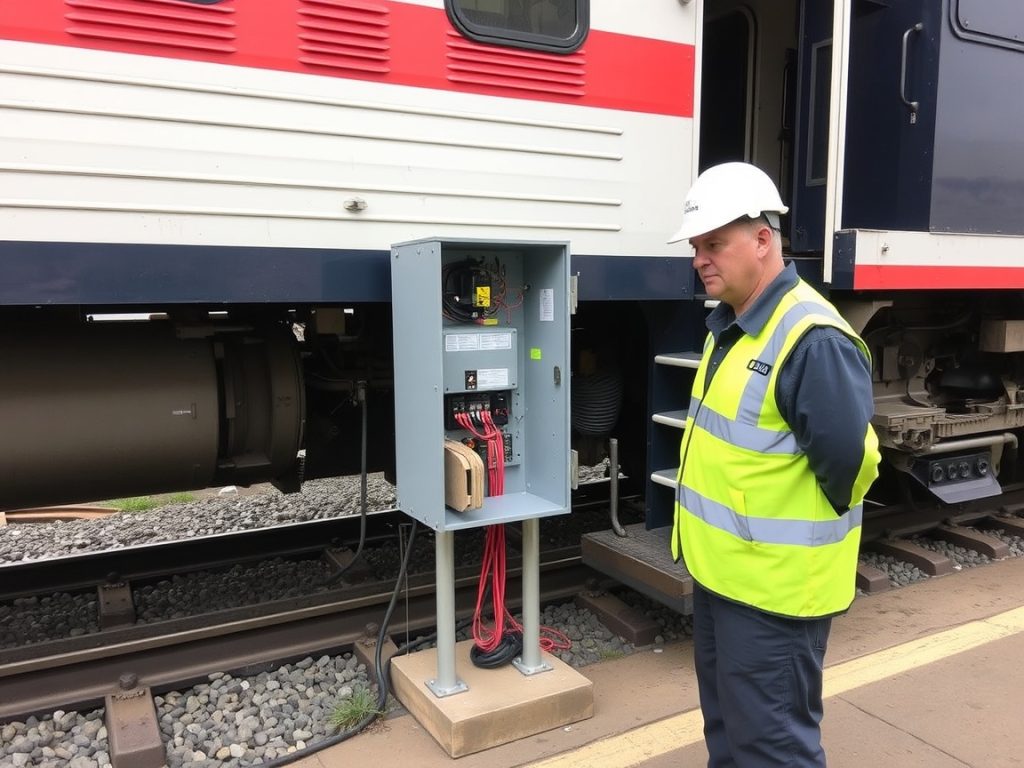
Operators struggle with high energy consumption, rising diesel fuel costs, and inconsistent power quality on the rail. The grid and traction network can waste braking energy. Substation limits cap maximum power for electric trains. Regenerative braking energy often goes unused. A compact Grid Box helps save energy and stabilize the railway power system.
Key Capabilities and Benefits
| Capability | Benefit |
|---|---|
| Capture and store braking energy with an energy storage system | Use regenerative braking even on weak railway lines |
| Smooth power flow between the overhead line and traction motors | Improve voltage stability in the traction power supply |
- Lower fuel consumption in diesel and hybrid locomotive fleets
- Reduce peak demand at the substation connection
- Support wayside energy storage for urban rail and transit systems
- Enhance energy management with real-time analysis of energy consumption
- Integrate renewable energy sources with the electrical grid
- Extend component life by mitigating power quality issues
Understanding the Role of Grid Boxes in Energy Efficiency
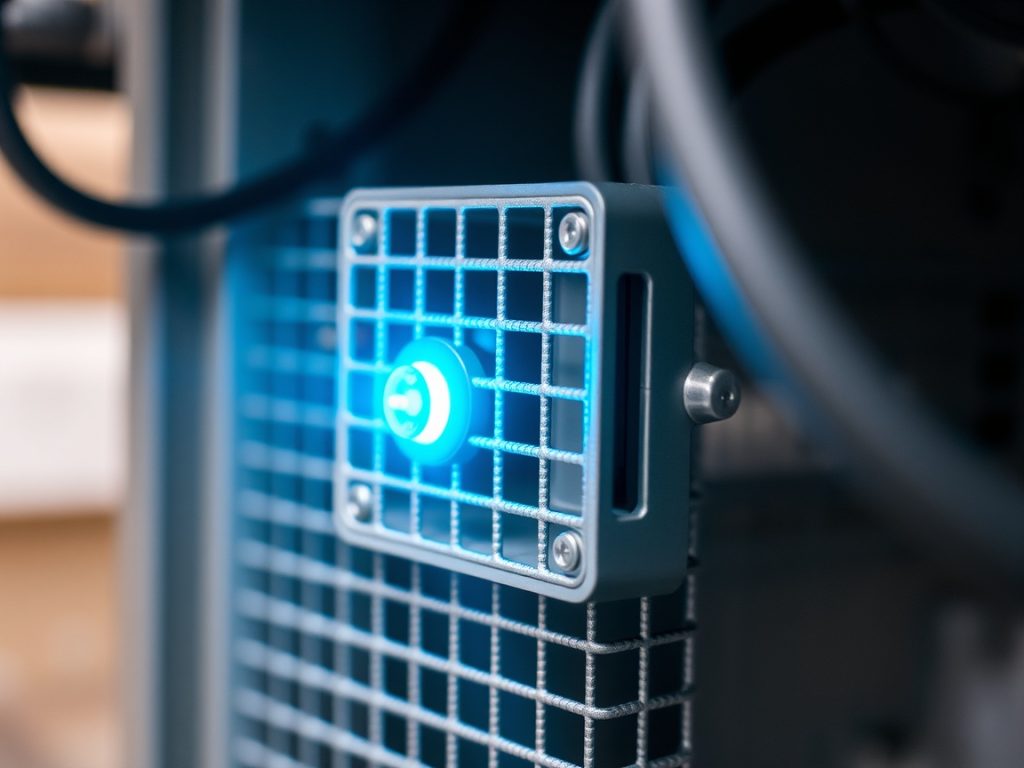
The Grid Box is a modular power system interface that links the locomotive, the traction power supply system, and optional wayside energy storage. It manages power flow among the power grid, onboard converter, and traction motor drives. By absorbing regenerative braking energy, it prevents waste and reduces energy consumption. It stabilizes voltage in both direct current and alternating current traction networks. It also buffers short spikes in maximum power demand. In electric locomotive operations, it optimizes supply power from the overhead line and substation. In hybrid or diesel-electric fleets, it supports an energy storage system to electrify auxiliary loads and save fuel. The result is measurable efficiency and better railway power reliability.
Importance of Energy Efficiency in Locomotive Operations
Energy efficiency is a strategic lever for every railway system. Lower energy consumption cuts operating costs for freight train and urban rail services. Efficient traction power lowers diesel fuel burn and reduces emissions. Stable voltage improves power quality and protects traction equipment. Better use of regenerative braking reduces heat and brake wear. Smarter energy management defers costly substation upgrades. Operators can store braking energy and redeploy it for acceleration, reducing peak loads on the traction power supply. A Grid Box enables analysis of energy consumption at the train and network level. That data drives continuous improvement. For buyers with commercial intent, these gains translate to fast payback and greater network capacity.
How Grid Boxes Enhance Energy Storage Systems in Locomotives
A Grid Box coordinates the energy storage system with traction power and electric power interfaces. It controls bidirectional converter stages that charge during braking and discharge during traction. It balances power flow to maintain overhead line voltage and protect the substation. In electric trains, it enables regenerative braking even when the traction power supply cannot absorb energy. In diesel-electric locomotives, it reduces fuel consumption by supplying acceleration bursts from stored energy. The system supports both direct current and alternating current railway lines. It can scale from hundreds of kW to multi-MW applications. Integrated energy management ensures safe limits, high efficiency, and reliable service across the railway system.
Impact on Energy Consumption in Locomotive Operations
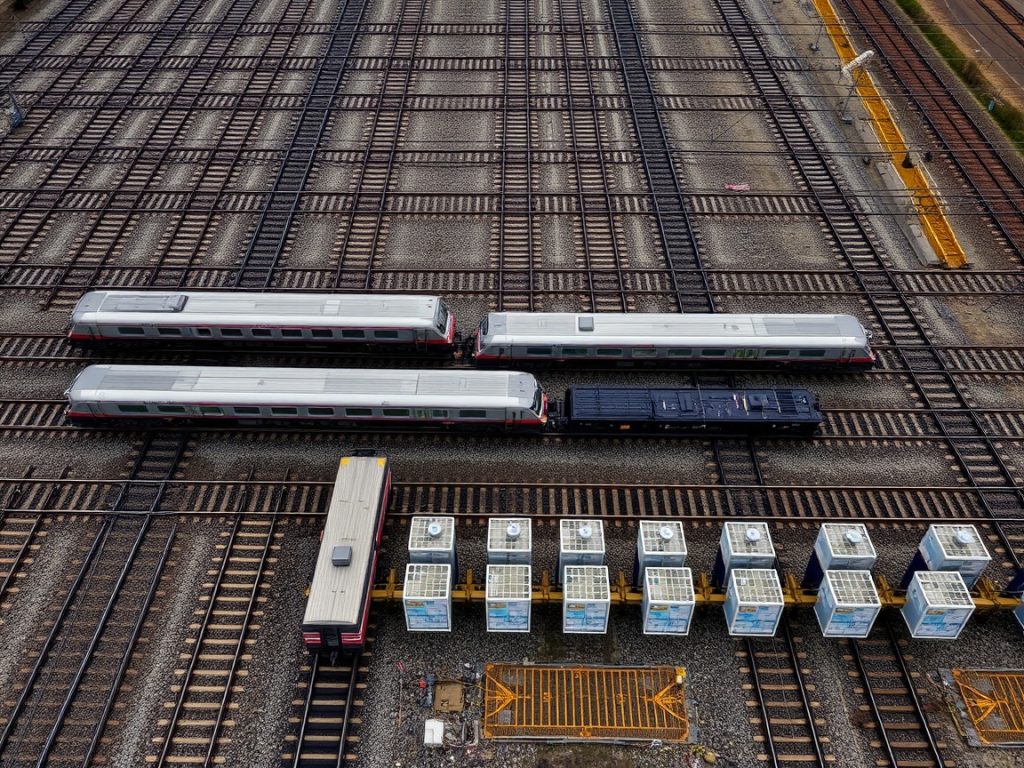
High traction energy consumption erodes margins in freight train operations. Operators face diesel fuel volatility, substation constraints, and unused regenerative braking energy. Voltage instability hurts power quality and asset life. A Grid Box can capture braking energy, smooth power flow, and electrify auxiliaries to save energy. It also enables analysis of energy consumption and better energy management across the railway system.
Map traction power peaks by corridor and time to target savings
To approach this effectively, focus on the following:
- Identify peak power usage by corridor
- Analyze peak times to understand demand patterns
- Align insights with targeted savings opportunities
Use regenerative braking on weak railway lines with buffered energy
This approach focuses on capturing braking energy and reusing it efficiently, especially on lines with limited power capacity. Key actions include:
- Implement regenerative braking systems to recover energy during train deceleration.
- Add energy buffers to stabilize the network and store surplus energy for later use.
– Reduce diesel fuel burn by powering acceleration from storage
– Stabilize voltage at the overhead line to protect converters
– Shift demand away from maximum power windows at the substation
– Deploy wayside energy storage near load pockets on urban rail
– Integrate renewable energy sources via the power grid connection
– Audit power flow to cut idle losses and parasitic loads
– Set MW caps and enforce with the traction power supply system
Analysis of Energy Consumption in Freight Trains
Freight train energy consumption is driven by train mass, gradients, speed profile, and traction motor efficiency. Start-stop cycles on busy rail corridors cause spikes in traction power and wasted braking energy. A Grid Box enables granular analysis of energy consumption to locate losses and quantify savings from storage. Operators can correlate overhead line voltage, converter efficiency, and power flow to locate losses. Results often show high return from capturing regenerative braking energy on long downhill runs and reveal idle electric power draw at yards. With this data, buyers can prioritize sections where grid constraints and substation limits inflate costs.
Comparing Diesel and Electric Locomotives
Diesel and electric locomotive fleets face different constraints, yet share the same goal: reduce energy consumption without harming throughput. Diesel traction benefits from storage-assisted acceleration, cutting fuel use and heat. Electric trains rely on traction power from the overhead line and can recover braking energy when the traction network and substation accept it. A Grid Box buffers regenerative energy and stabilizes voltage on DC and AC lines. The result is higher energy efficiency and fewer maximum power excursions.
Wayside Energy Storage and Its Benefits
Wayside energy storage places capacity on the rail network near high-demand nodes. It captures braking energy from passing trains and returns it during the next acceleration. This reduces peak traction power at the substation and improves rail voltage stability. A Grid Box coordinates power flow between the traction power supply, energy storage system, and electrical grid. Benefits include fewer feeder upgrades, improved use of regenerative braking, and lower line losses. Storage can be scaled from hundreds of kW to multi-MW for DC or AC lines to save energy efficiently.
Technological Innovations in Locomotive Grid Systems
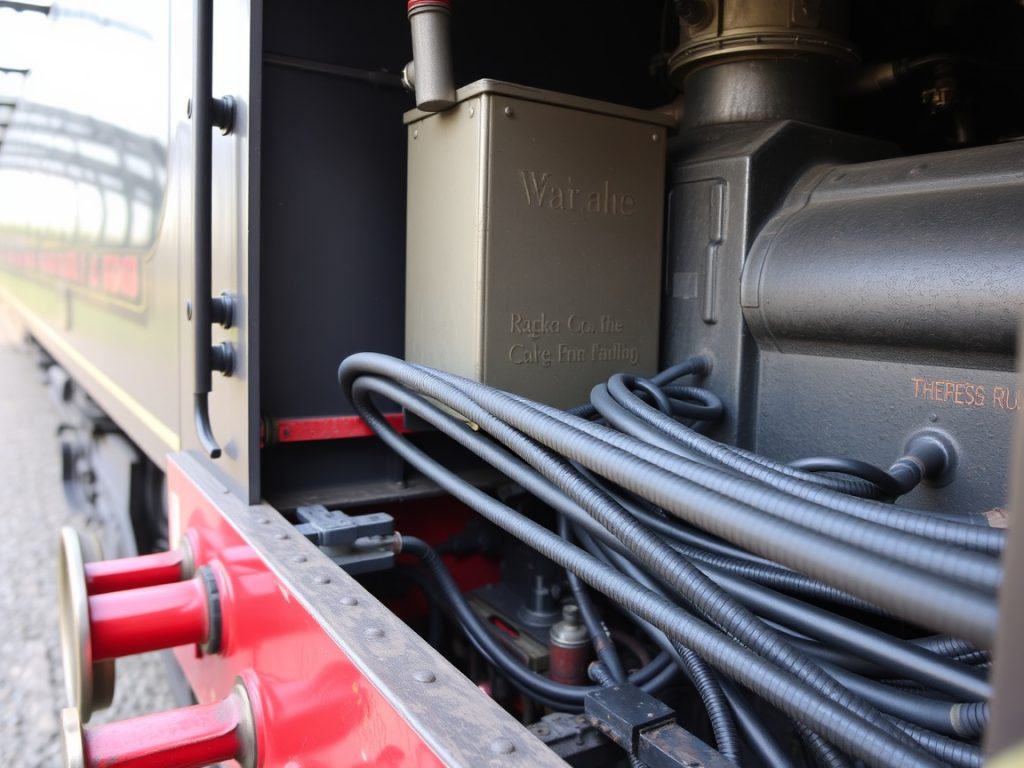
Most operators ask how to cut energy consumption without hurting timetable reliability. The answer lies in smarter traction power interfaces, better storage, and clean power flow. A modern Grid Box links the railway, overhead line, and traction network to capture regenerative energy and stabilize voltage. These innovations boost energy efficiency and reduce diesel fuel costs.
– Deploy energy storage systems to capture braking energy
– Use regenerative braking on weak railway lines with buffered power
– Improve power quality with active converters and filters
– Stabilize overhead line voltage to protect traction motors
– Limit maximum power at the substation with peak shaving
– Integrate renewable energy sources via the electrical grid
– Electrify auxiliaries to lower fuel consumption in diesel fleets
– Coordinate wayside energy storage across urban rail corridors
– Run analysis of energy consumption to target savings
– Use direct current and alternating current optimization modes
Advancements in Grid Technology for Railways
Recent grid technology advances focus on dynamic control of traction power and clean electric power delivery. A Grid Box now combines fast bidirectional converters, wide-bandgap semiconductors, and real-time energy management. It shapes power flow between the power grid, overhead line, and traction motor drives. Active rectification reduces harmonics and improves power quality on DC and AC railway lines. Model predictive control anticipates regenerative braking energy and allocates it to storage. Voltage support features hold the traction power supply within tight limits during acceleration surges. Modular MW blocks allow scalable deployments for urban rail and freight operations, reducing energy consumption without new substations.
Future Trends in Energy Efficiency for Locomotives
Future locomotive energy efficiency will be defined by deeper integration of storage, smarter converters, and grid-aware traction control. Grid Boxes will forecast power flow using timetable and gradient data to pre-position capacity for braking energy. Hybrid fleets will electrify auxiliaries and use storage to cut diesel peaks. On electric trains, synchronized regenerative braking across consists will minimize increase in energy demand at the substation. Multi-MW storage will sit at rail nodes to shave maximum power and stabilize voltage. Standards will enhance data exchange with the traction power supply system for fast curtailment. Renewable energy sources will be coordinated at depots through the electrical grid. Continuous analysis of energy consumption will guide maintenance and investment.
Integration with the Power Grid
Robust integration with the power grid is now a core design goal for railway power systems. A Grid Box manages bidirectional energy exchange, enforces MW caps, and keeps overhead line voltage within range. When regenerative braking energy exceeds local demand, it routes power to storage. If the grid is weak, it filters disturbances to protect converters and traction motors. Coordinated dispatch across DC and AC assets improves efficiency and resilience. Mikura International supplies grid-ready modules that simplify interconnection and accelerate compliance while helping operators reduce energy consumption and improve efficiency.
Practical Tips for Implementing Grid Boxes in Locomotives
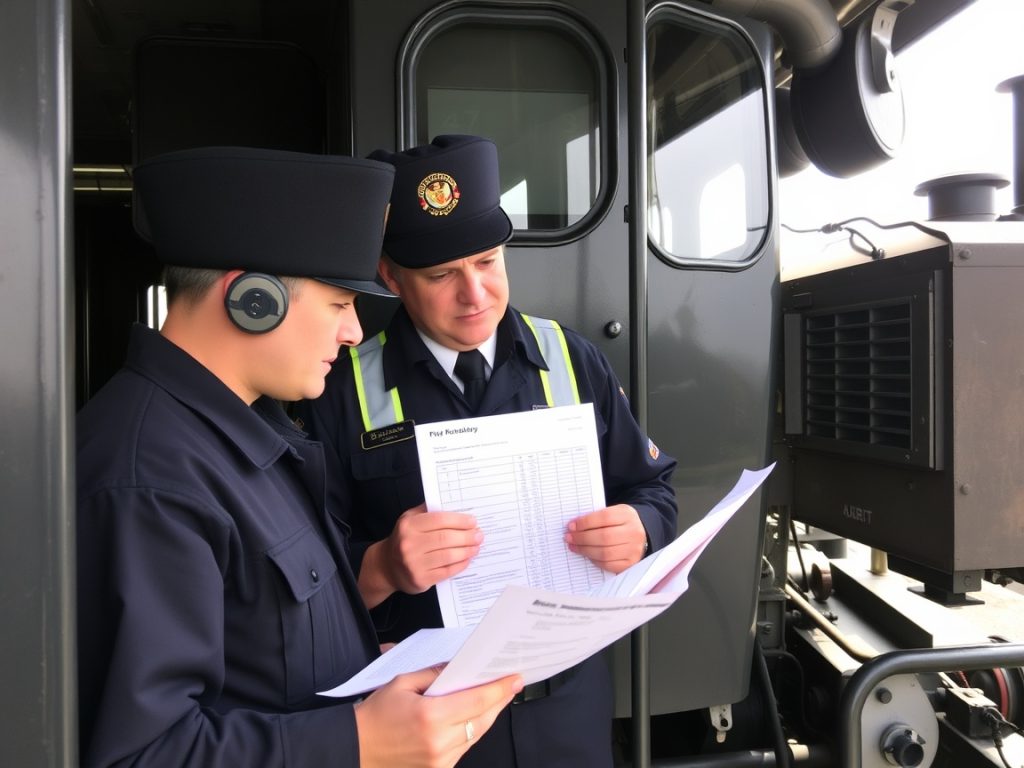
Many operators fear complex retrofits, unclear payback, and disruption to rail schedules. Grid Box deployment can be simple, staged, and data-driven when aligned to traction power realities. Start with measured power flow, voltage stability, and regenerative braking opportunities. Map substations, overhead line constraints, and train duty cycles. Then size the energy storage system to match braking energy and maximum power events.
– Audit traction power data across railway lines for 8–12 weeks
– Benchmark energy consumption by train type and timetable
– Identify substations with frequent voltage sag and demand spikes
– Prioritize corridors with high braking energy potential
– Select direct current or alternating current interfaces per route
– Right-size MW capacity for traction peaks and yard moves
– Define converter thermal margins for hot climates
– Stage wayside energy storage near urban rail bottlenecks
– Integrate energy management with existing SCADA
– Validate safety limits on the traction power supply system
Best Practices for Locomotive Operators
Begin with a structured analysis of energy consumption to pinpoint losses and opportunities. Instrument the traction network to capture overhead line voltage, converter losses, and regenerative braking energy. Use driving profiles that maximize braking recovery without exceeding traction limits. Calibrate the Grid Box to electrify auxiliaries on diesel fleets and reduce fuel consumption at idle. For electric trains, set thresholds to use regenerative braking even when the substation is constrained. Align maintenance with power quality metrics and set alarms for maximum power excursions. Deploy wayside storage where electric power dips cause delay. Use monthly dashboards to track save energy KPIs.
Cost-Benefit Analysis of Grid Box Implementation
Quantify benefits with corridor-specific data. Start with baseline traction energy and diesel fuel costs per train-km, then model braking energy capture and peak shaving. Include reduced brake wear, improved power quality, and deferred substation upgrades. Translate MW peak reductions into avoided transformer and feeder costs. For diesel fleets, estimate fuel cuts from storage-assisted launch. Consider AC versus DC integration, converter sizing, and cooling. Payback often arrives within 18–36 months on busy corridors. Run sensitivity tests for fuel price volatility, timetable changes, and renewable participation.
Case Studies of Successful Energy Efficiency Projects
On a heavy-haul railway with steep grades, operators captured braking energy across long descents. A 2 MW Grid Box reduced maximum power at two substations by 18% and halved converter trips via voltage stabilization. In an urban rail corridor, wayside storage near a junction smoothed peaks during rush hours, increasing regenerative energy utilization by 30%. A mixed diesel-electric fleet used storage to power acceleration from yards, trimming fuel consumption by 8%. In each case, real-time energy management and precise power flow control provided measurable save energy outcomes without timetable impact.
Conclusion: The Future of Energy Efficiency in Railways
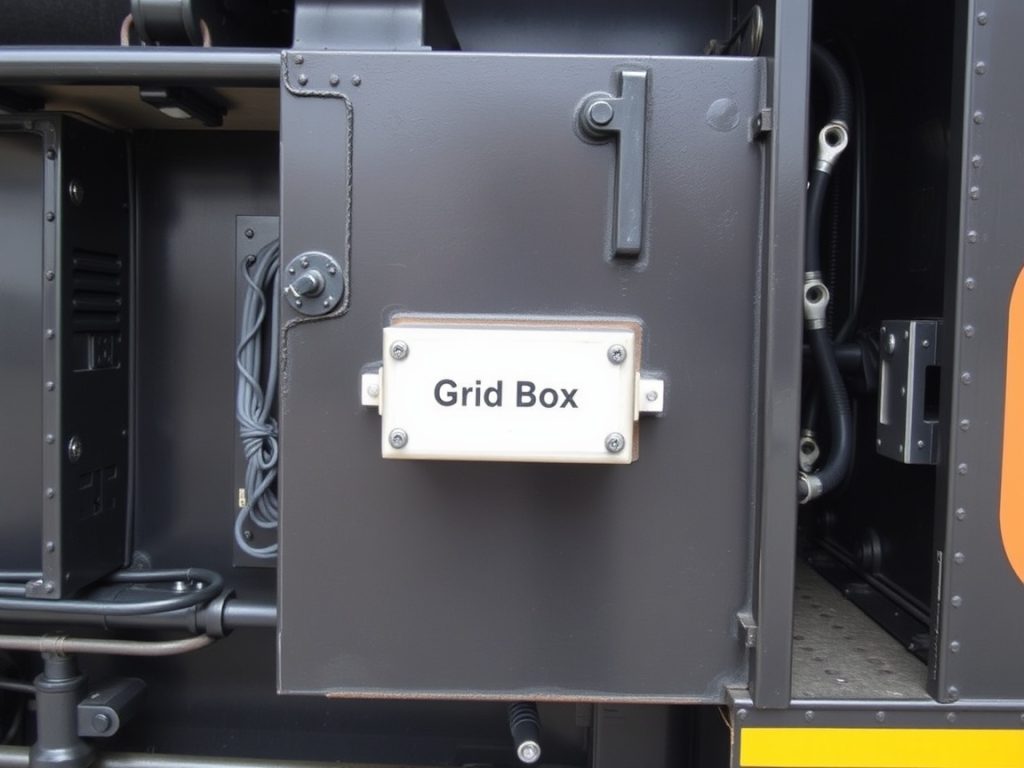
Grid Boxes turn braking energy into usable power, stabilize voltage, and reduce maximum power events. They protect traction assets and improve power quality across the railway system. With streamlined deployment, rail networks cut energy consumption and defer substation investments.
Summary of Key Benefits
Grid Box adoption boosts efficiency for both electric and diesel-electric fleets. It enables operators to use regenerative braking on weak lines and store energy for the next launch. Power flow control eases substation stress, while voltage support protects traction equipment. Wayside storage strengthens urban rail performance at peaks. Continuous energy analysis reveals savings hotspots. Grid integration improves compliance and resilience, lowering operating cost and smoothing traction demand.
Final Thoughts on Grid Box Adoption
Success hinges on data, right-sizing, and staged rollout. Start with corridors where traction power constraints and demand charges bite hardest. Choose DC or AC Grid Box modules to match line standards. Set clear MW caps and control policies in the traction power supply system. Align energy management with maintenance to catch power quality drift early. Blend locomotive and wayside storage for system-wide impact. Engage dispatch to coordinate regenerative braking windows. With disciplined execution, a Grid Box becomes a core power system tool that will reduce energy consumption while protecting critical electric power infrastructure on the rail.
Call to Action for Locomotive Operators
Now is the time to assess your traction network and act. Commission a rapid study of overhead line voltage, power flow, and braking energy. Shortlist lines for immediate save energy gains and substation relief. Pilot a MW-scale Grid Box with storage on a busy corridor, then expand to urban rail nodes. For integrated supply, consulting, and export-ready solutions, partner with Mikura International to accelerate delivery. We export grid-ready modules and help you use regenerative braking at scale. Build a roadmap that pays back fast, cuts diesel fuel burn, and strengthens the railway power backbone.
FAQ
How does the Grid Box affect traction power delivery and overall energy use in locomotive operations?
The Grid Box stabilizes traction by conditioning and buffering the power source between the overhead catenary and locomotive converters. It reduces peak demand on traction substations, smooths power flow and lowers total energy consumption by enabling more efficient use of electric energy during acceleration and coasting phases. That reduction in peaks and improved power quality contributes to an increase in energy efficiency and a measurable decrease in overall energy drawn from the grid.
In what ways does the Grid Box support utilization of regenerative braking energy for traction systems?
The Grid Box captures and stores regenerative braking energy from railway vehicles, then returns it to traction loads or the grid when needed. By managing energy flows—either through local storage, controlled return to the catenary, or coordinated release via an energy management system—it maximizes recovery of regenerative braking energy and thus reduces the amounts of electric energy that must be supplied from external power sources.
Can the Grid Box improve the efficiency of railway traction across different numbers of trains and service patterns?
Yes. A Grid Box, when integrated with a grid simulation model and on-site control logic, adapts to variations in the number of trains and duty cycles to optimize energy distribution. It reduces inefficiencies caused by mismatched generation and demand, lowering total energy consumption per train and improving the efficiency of railway operations across variable traffic densities.
How does the Grid Box interact with an energy management system to influence energy consumption for traction?
The Grid Box functions as a hardware node controlled by an energy management system (EMS) that orchestrates charging, discharging and power flow. The EMS uses real‑time data and predictive models to schedule storage use, prioritize recovery of regenerative braking energy, and minimize energy prices by shifting consumption. This coordinated control improves energy efficiency and enables smarter analysis of the energy consumption profile.
What role does the Grid Box play in reducing environmental impacts associated with traction power?
By increasing energy efficiency and maximizing recovery of regenerative braking energy, the Grid Box lowers the amount of electric energy that must be produced from fossil fuels, reducing greenhouse gas emissions and other environmental impacts. Additionally, by smoothing demand peaks, it can reduce grid losses and the need for fast‑ramping backup plants, further decreasing the system’s environmental footprint.
How does being grid connected affect the Grid Box’s ability to improve traction energy efficiency?
When grid connected, the Grid Box can export excess recovered energy back to the wider network or import low‑cost energy during off‑peak periods. This flexibility increases opportunities to reduce energy prices for operators and to use cheaper or cleaner energy sources, thereby improving energy efficiency and lowering operational costs while supporting balanced grid operation.
Does the Grid Box enable a measurable recovery of regenerative braking energy and how is that quantified for traction applications?
Yes. Recovery is quantified by comparing amounts of energy captured and reused versus energy that would otherwise be dissipated as heat. Metrics include percentage recovery of braking energy, reduction in total energy consumption per kilometer or per service, and decreases in peak traction supply. Field trials typically report significant savings—often double‑digit percentages—depending on service patterns and the presence of on‑site storage.
How can operators use a grid simulation model to evaluate the Grid Box’s impact on traction efficiency and energy management?
Operators run grid simulation models that include train timetables, electrical network constraints, and Grid Box behavior to predict outcomes such as recovered energy amounts, load shifting potential, and changes in power source utilization. These simulations support analysis of the energy consumption, optimization of control strategies, and assessment of operational scenarios to maximize improving energy efficiency across the railway.
What practical operational benefits do railway vehicles and system planners gain from deploying Grid Boxes for traction systems?
Practical benefits include lower energy use and costs, improved voltage stability for traction loads, reduced wear on substations and onboard equipment, and greater resilience to supply variability. By improving the efficiency of railway traction and enabling better energy management, Grid Boxes also support fleet expansion (more trains) without proportional increases in grid capacity, contributing to long‑term sustainability and reduced environmental impacts.