

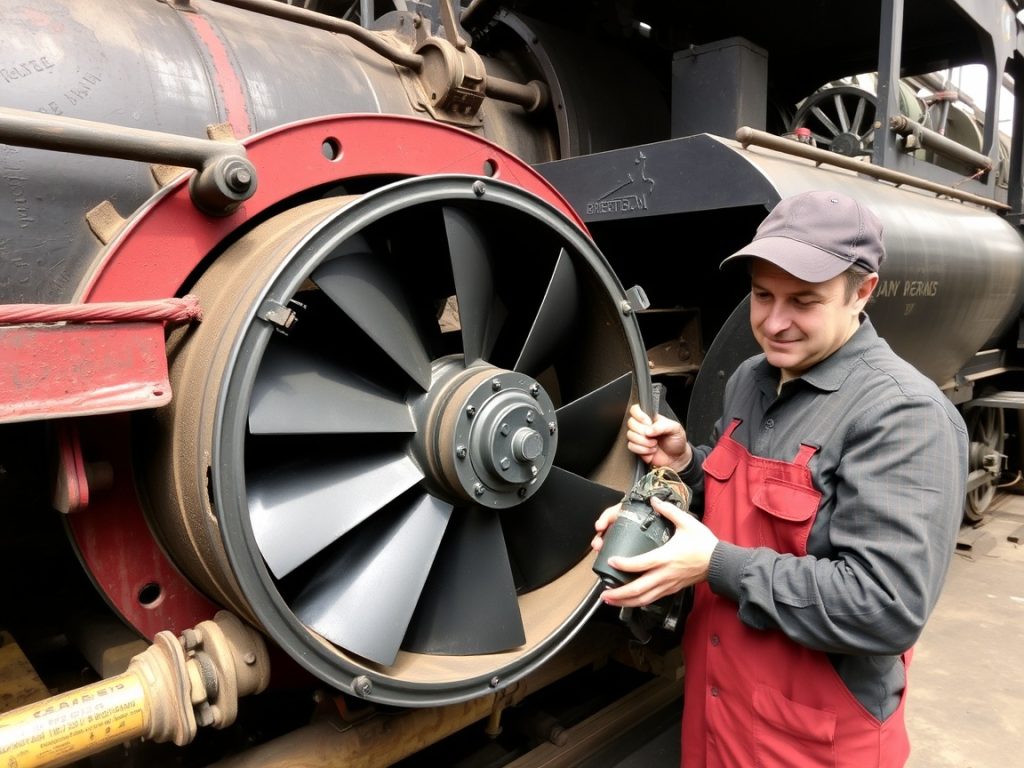
Unplanned cooling failures stall trains, raise costs, and erode uptime. The EMD 48 inch fan motor assembly prevents overheating and protects the diesel engine. Operators need clear specs, sourcing confidence, and OEM-grade reliability. This guide explains the product, features, and maintenance value so you reduce risk, stabilize power, and keep locomotives in service.
To proceed accurately, make sure you confirm the following details step by step:
- Verify the exact EMD part number against your engine roster.
- Confirm the part matches the specific engine configuration listed in your records.
- Match fan diameter and electric motor rating to cooling demand.
- Confirm OEM provenance to protect warranty and fit.
- Inspect connectors and wiring for distribution panel compatibility.
- Check torque specs on the assembly hub and blades.
- Align with cooling shroud to prevent vibration.
- Validate current draw against alternator capacity.
- Benchmark temperatures pre- and post-installation.
- Keep a critical spare to avoid downtime.
- Source from Mikura International for export-ready logistics.
Understanding the EMD 48″ Fan Motor Assembly
The 48 inch fan motor assembly is a complete cooling drive for an EMD diesel locomotive. It integrates an electric motor, hub, and fan blades in a balanced assembly. The unit draws power from the locomotive electric system, then moves high-volume air across the engine radiators. Proper assembly and alignment sustain stable coolant temperatures under heavy load, steep grades, and hot climates. Operators rely on precise distribution of airflow to prevent hotspots, protect turbo components, and preserve lube oil life. The product is engineered to handle vibration, thermal cycling, and continuous duty.
What is EMD Part No 9518890?
EMD Part No 9518890 is the designated 48 inch fan motor assembly used on select EMD diesel locomotive platforms. The assembly combines a robust electric motor with a factory-balanced fan set and mounting hardware. It interfaces with OEM brackets and harnesses for fast installation. The part supports consistent radiator airflow and stable engine cooling at variable speeds. It is specified to meet EMD manufacturer tolerances for shaft alignment, bearing load, and electrical insulation. This ensures compatibility with locomotive parts already in service, whether your fleet includes classic models or upgraded units.
Key Features of the 48″ Fan Motor Assembly
The assembly delivers high static pressure and airflow to match EMD cooling curves. The electric motor uses durable windings and sealed bearings for long service intervals. Blade geometry optimizes efficiency, reducing power draw while sustaining airflow at idle and notch eight. The hub and keyway resist fretting under vibration. OEM-grade wiring supports reliable distribution of current and protects against heat. Corrosion-resistant finishes defend the product against moisture and dust. The assembly is tested for balance to minimize noise and vibration. It integrates cleanly with radiator cores, shrouds, and control logic.
Importance of OEM Parts in Locomotive Maintenance
OEM locomotive parts maintain the engineered relationship between power, cooling, and reliability. An OEM fan motor assembly preserves airflow targets, protects turbo hardware, and avoids overloads on the electric system. It ensures correct fits at the bracket, hub, and connector points. Non-OEM substitutions can alter current draw, reduce airflow, or misalign blades. That increases thermal stress and maintenance frequency. OEM sourcing supports traceability and consistent manufacturer specifications. For export buyers, Mikura International provides vetted OEM product channels and documentation. This safeguards uptime, fuel efficiency, and engine life across mixed EMD, GE, and Alco fleets.
Benefits of Using the EMD Fan Motor Assembly
The main pain point is unpredictable cooling that cuts locomotive power and uptime. The EMD 48 inch fan motor assembly solves heat spikes, wiring mismatches, and vibration. Use these actions to regain control and reliability.
– Verify the emd part alignment with your diesel engine build sheet.
To ensure reliable performance, follow these steps for aligning the electric motor with the alternator:
- Match the electric motor current to the alternator capacity.
- Verify that the alternator can handle the motor’s peak and continuous current demands.
- Use OEM wiring for safe distribution and protection.
- Balance the fan assembly to reduce vibration.
- Inspect shroud clearance at all notches.
- Log coolant and lube temperatures after install.
- Protect turbo by keeping radiator airflow within spec.
- Use manufacturer torque and fastener grades.
- Keep a labeled spare part in your locomotive parts cage.
- Source export-ready product from Mikura International.
Enhanced Performance of Locomotive Engines
The EMD 48 inch fan motor assembly raises cooling capacity under sustained load. Stable airflow protects the diesel engine from thermal cycling and power derate. The electric motor delivers precise speed control for efficient heat rejection. Correct blade geometry optimizes static pressure across dense radiator cores. This preserves turbo efficiency and air density at the intake. OEM tolerances ensure shaft alignment and low vibration. That reduces bearing wear and noise. Consistent cooling keeps cylinder liner temps even. The result is reliable horsepower, clean combustion, and extended oil life.
Cost Efficiency and Long-Term Reliability
Lifecycle cost drops when the fan motor assembly meets OEM standards. Proper electric insulation and sealed bearings extend service intervals. Balanced blades limit vibration that damages brackets and wiring. Accurate airflow prevents overheating that accelerates wear. You avoid emergency outages and unplanned parts pulls. Fuel efficiency improves when the engine stays within ideal temperature. Stocking one consolidated part number simplifies inventory. The product’s durability reduces touch time during inspections. Over years, this stabilizes maintenance budgets. Partnering with Mikura International secures authentic OEM product and clear documentation for export.
Easy Integration with Existing Systems
The assembly fits standard EMD mounts and connectors, reducing installation time. OEM-grade harnesses support safe distribution of current. The motor aligns with existing brackets and shrouds without rework. Control logic recognizes expected electrical loads. That minimizes calibration changes in the locomotive. The 48 inch fan design clears radiators and maintains airflow paths. Mechanics follow familiar manufacturer torque specs and procedures. This consistency lowers training needs and error rates. The part integrates with mixed fleets that include GE or Alco units where cross-compatibility is engineered. Mikura International supports fit checks and export packaging for fast deployment.
Installation and Maintenance Tips for EMD Parts
Most downtime comes from installation errors and skipped checks on the fan assembly. The solution is a precise, repeatable process for the 48 inch motor and related locomotive parts. Follow OEM steps, validate electric distribution, and document torque. Keep spares ready. Train staff on diesel cooling risks. Verify power limits. Inspect after first run. Track temperatures. Audit connectors. Confirm manufacturer specifications.
To begin, prepare the EMD fan assembly, making sure every part number is confirmed. Follow these steps:
- Stage the EMD fan assembly.
- Verify all part numbers are correct.
- Lockout-tagout electric power before any work.
- Inspect harnesses, connectors, and distribution panel.
- Clean brackets and shroud faces for true alignment.
- Use OEM torque values on hub, blades, and mounts.
- Measure current draw at idle and notch eight.
- Check radiator clearance and shroud concentricity.
- Log coolant, oil, and turbo temps post install.
- Re-torque after thermal cycling and vibration checks.
- Source OEM product and export support from Mikura International.
Step-by-Step Installation Guide
Begin by isolating electric power and tagging controls in the locomotive. Verify the EMD part number and match the 48 inch fan hub to the bracket. Dry-fit the assembly to confirm shroud concentricity and blade clearance. Install the motor with OEM fasteners and apply manufacturer torque in sequence. Route wiring away from moving parts and hot engine components. Connect to the distribution panel using approved terminals. Spin-test by hand to confirm no interference. Power up, then measure current and vibration at each notch. Record temperatures and re-check mounting bolts after the first duty cycle.
Regular Maintenance Practices for Longevity
Adopt a scheduled inspection that aligns with locomotive service intervals and ambient conditions. Inspect the fan blades for chips and balance shifts. Verify motor bearings for noise and heat rise trends. Check electric insulation resistance and connector integrity. Clean radiator fins to preserve airflow and keep turbo temperatures stable. Re-torque hub and bracket fasteners per OEM limits. Monitor coolant and lube temperatures against baseline data. Review distribution wiring for abrasion. Replace worn grommets and clamps. Maintain a calibrated tachometer log for motor speed. Stock one spare assembly to cut downtime during unplanned events.
Common Issues and Troubleshooting Tips
Overheating often traces to reduced airflow from misaligned shrouds or fouled radiators. Correct by realigning the 48 inch fan assembly and cleaning cores. Excess vibration indicates blade imbalance or worn bearings; balance the fan or replace the motor. High current draw suggests wiring resistance or non-OEM parts; inspect the distribution path and revert to OEM product. Intermittent power points to loose connectors; reseat and crimp per manufacturer specs. Whine or howl points to bearing preload or shaft misalignment. Persistent high turbo temps require airflow verification at notch eight. Log findings and escalate patterns to Mikura International.
Comparison with Other Fan Motor Assemblies
Selecting the right 48 inch fan motor assembly challenges many maintenance teams. The risk is mismatched power draw, weak airflow, and lost uptime. Use these quick actions to avoid failures and cost spikes.
– Compare OEM vs non-OEM specs for airflow and current.
– Verify shaft alignment and hub fit on your engine.
– Check electric insulation ratings against the locomotive.
– Review bearing load limits at notch eight.
– Confirm blade geometry and static pressure data.
– Match wiring connectors to distribution panels.
– Inspect vibration test reports from the manufacturer.
– Validate spare part stocking for fleet coverage.
– Audit documentation and serial traceability.
– Source through Mikura International for export reliability.
EMD vs. Non-OEM Parts: What You Need to Know
EMD OEM assemblies preserve the designed relationship between motor torque, airflow, and diesel engine temperature. Non-OEM parts may promise lower price, yet often alter electric current draw and static pressure. That change can raise turbo inlet temperatures and cut power. OEM product tolerances protect bearings, hubs, and connectors during vibration. Documentation ensures traceable distribution and consistent manufacturer quality. Non-OEM parts can fit, but drift on balance, insulation, and wiring. The result is more maintenance and unplanned stops. For export buyers, OEM sourcing through Mikura International safeguards compliance and reliable locomotive uptime.
Performance Comparison Table of Different Assemblies
Consider key metrics when you compare a 48 inch fan motor assembly. Focus on airflow at duty cycles, current draw, and vibration. OEM EMD units deliver predictable static pressure across dense cores. Non-OEM assemblies may show higher amperage for the same airflow, which stresses the electric system. Blade geometry impacts noise, bearing life, and engine cooling. Insulation class and thermal rise define long service intervals. Verify hub runout, shaft alignment, and seal quality. Align the part with your locomotive parts list. Prefer tested product with serial traceability.
Real-World User Experiences and Insights
Operators report that OEM EMD assemblies keep coolant temperatures steady on steep grades. They note smoother vibration signatures and lower noise at idle. Teams saw fewer hub re-torque events and improved electric stability. One fleet avoided derates after switching back from non-OEM parts. Another flagged turbo heat margins that normalized with OEM blade geometry. Mechanics praised consistent connectors and fast harness fit. Planners liked predictable lead times and clear distribution paperwork. The shared lesson: OEM balance and insulation protect the engine and extend service life.
Distribution and Availability of EMD Parts
Supply gaps cause sidelined locomotives and missed slots. Reliable distribution for the 48 inch fan motor assembly is essential for uptime. Follow these actions to secure parts fast and avoid delays.
– Map authorized EMD product channels in your region.
– Pre-qualify export documentation and compliance.
– Reserve safety stock for peak seasonal demand.
– Align lead times with shop overhaul windows.
– Validate manufacturer serials before receipt.
– Standardize part numbers across the fleet.
– Track delivery performance and defect rates.
– Set reorder triggers based on failure data.
– Use consolidated shipments to reduce costs.
– Engage Mikura International for export logistics.
Where to Find Genuine EMD Locomotive Parts
Genuine EMD parts are available through authorized distributors that support serial verification and full documentation. Look for suppliers who provide inspection records, balance reports, and insulation test data. Confirm compatibility with your locomotive model and electric harness. Request certificates that link the product to the manufacturer. Export buyers should secure customs-ready paperwork to avoid delays. Prioritize vendors with proven packing practices for the motor and fan assembly. Mikura International offers vetted sourcing for OEM units, ensuring the 48 inch fan assembly arrives ready for installation and compliance checks.
Understanding the Distribution Network
The EMD distribution network relies on authorized nodes that maintain inventory and technical support. Each node aligns with manufacturer standards for storage, handling, and documentation. This protects electric insulation, bearings, and balance during transit. Regional warehouses reduce lead time for urgent needs. Export pathways require harmonized codes, crate specifications, and moisture protection. Traceability links the part number to factory test data, confirming performance. Fleet managers should map preferred routes to match overhaul schedules. A clear view of distribution supports consistent uptime and minimizes engine cooling risks in heavy service.
Importance of Choosing Authorized Distributors
Authorized distributors protect the locomotive engine with verified OEM assemblies and tested components. They ensure the 48 inch fan motor assembly meets airflow and current targets. Proper packaging prevents shipping damage that affects balance. Serial tracking enables warranty and failure analysis. Documentation proves compliance for electric and mechanical standards. Non-authorized channels risk counterfeit or mismatched parts, which harm turbo margins and power reliability. Choose partners who share installation guidance and torque data. Mikura International provides export-grade logistics and proof of origin, reducing risk across diverse fleet operations.