

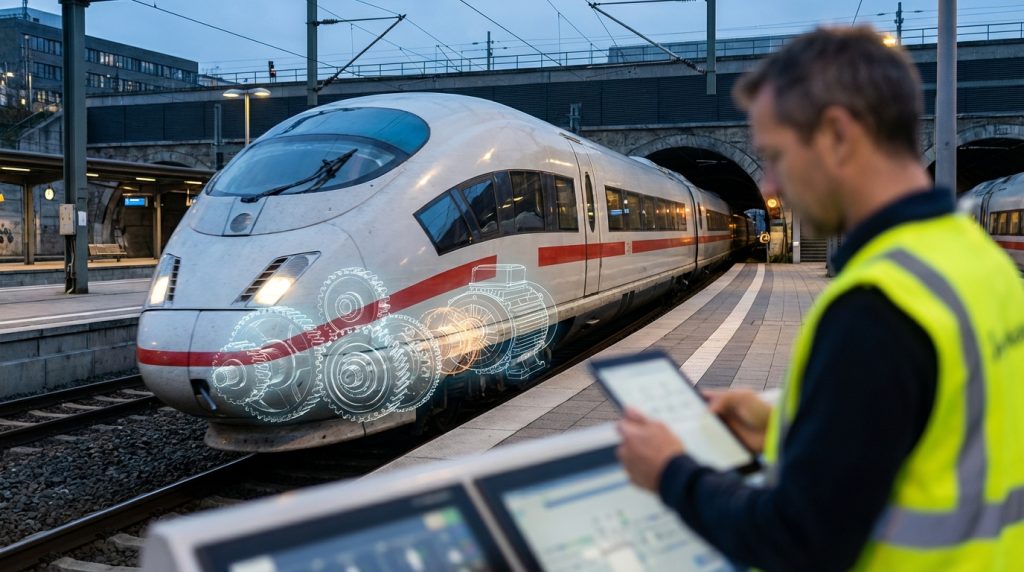
Sourcing reliable locomotive components presents significant challenges. Managers frequently face high gear failure rates and unpredictable downtime. Inferior gearing directly impacts operational schedules and safety. Incorrect part specification causes premature wear and catastrophic failure. Mikura International supplies certified replacement parts for these critical systems. This ensures maximum uptime for your global fleet operations.
- Identify and mitigate uncertainty in component material quality immediately.
- Use only certified, high-strength alloy steel for all replacement gears.
- Avoid prolonged lead times through dedicated inventory programs.
- Install replacement components designed for extended maintenance cycles.
- Consult experts for precise Gear Ratio Selection matching OEM specifications.
- Minimize the risk of premature bearing failure using verified parts.
- Employ robust, high-durability Traction Motor Pinion Gears consistently.
- Ensure parts meet high Tractive Effort demands across all load profiles.
The Foundation of Locomotive Gearing Reliability

Effective locomotive operation depends entirely on robust power transmission. The gear system translates the torque from the Traction Motors to the axles. This process determines the locomotive’s Tractive Effort and speed capability. Failure in this system leads to immediate operational shutdown.
Component selection requires rigorous material verification. Low-quality components increase the Maximum Traction Motor Revolutions Per Minute beyond safe limits. This causes excessive heat and rapid component degradation. Sourcing managers must prioritize proven reliability over low initial cost.
Critical Factors in Gear Ratio Selection
The choice of Gear Ratio Selection is crucial for balancing speed and pulling power. A higher ratio favors high Tractive Effort necessary for heavy freight operations, such as those utilized by Norfolk Southern. A lower ratio supports higher speeds required for passenger services like Amtrak or VIA Rail.
Understanding the application profile dictates the required gearing specification. Incorrect ratios compromise performance and increase stress on the entire powertrain. This affects the lifespan of the engine and the Traction Motor Pinion Gears.
Analyze the operational requirements based on track gradient and payload. Define the necessary Minimum Continuous Speed for your fleet. This prevents overheating the traction motors during sustained heavy pulls.
| Gear Ratio Type | Primary Benefit | Operational Limitation |
|---|---|---|
| High Ratio (e.g., 85:18) | Maximum Tractive Effort | Lower Maximum Speed |
| Low Ratio (e.g., 62:15) | Higher Maximum Speed | Reduced Starting Pull |
Proper Locomotive Gearing is essential for meeting operational benchmarks. Mikura International provides components certified to meet the demanding standards of major rail operators, including CP Rail and GO Transit.
Expert Insight
“The maximum speed is a function of the gear ratio on a diesel or electric locomotive, because the traction motor armature has a maximum allowable revolutions per minute rating above which mechanical stresses could damage or destroy it,” according to Walter Rosenberger, research and testing operations engineer, Norfolk Southern.
Locomotive Gearing: The Core of Propulsion

Locomotive Gearing is the central mechanism for rail propulsion systems. It manages power transfer from the Traction Motors to the axles. This system translates rotational motor energy into linear motion. The gear set determines the locomotive’s performance profile. Different ratios are required for varied operational duties.
Sourcing reliable components for Locomotive Gearing is non-negotiable. Inferior parts lead directly to unpredictable downtime. We provide certified parts that ensure maximum power transmission efficiency.
Function of Traction Motors and Pinion Gears
Traction Motors are essential electrical machines. They convert energy from the diesel-electric system, generating the necessary torque for propulsion. The motor shaft connects directly to the Traction Motor Pinion Gears. These pinion gears mesh with the bull gear mounted on the axle. The durability of these components is crucial for maintaining railway schedules.
The efficiency of power conversion relies entirely on the quality of the Traction Motors and associated gearing. High quality components reduce energy loss and heat generation, which extends the service life of the entire drive system.
Operational limits must be strictly observed. Exceeding the Maximum Traction Motor Revolutions Per Minute (RPM) causes rapid component degradation. This thermal stress drastically shortens motor life. Implement proper maintenance protocols to monitor this critical parameter. We supply robust motors engineered for sustained peak performance.
Criticality of Gear Ratio Selection
Selecting the specific gear ratio dictates locomotive performance characteristics. Sourcing managers must define the intended duty cycle first, as this decision impacts both speed and pulling capability. High ratios are selected to maximize Tractive Effort for heavy loads; this is essential for freight carriers.
For example, operations similar to Norfolk Southern or CP Rail require high ratios. These ratios facilitate pulling heavy tonnage across challenging terrain, such as the Ohio River Valley. A lower ratio favors higher speed capability. Passenger services, such as Amtrak, VIA Rail, or GO Transit, utilize these lower ratios. Proper Gear Ratio Selection balances maximum speed against pulling capacity.
Managing Minimum Continuous Speed
The Minimum Continuous Speed is a vital operational metric. This parameter is directly influenced by the chosen gear ratio. Operating below this speed during prolonged heavy pulls causes motor overheating. This thermal stress severely damages the Traction Motors. Sourcing certified replacement gearing is the first step in mitigating this risk.
Follow these steps to avoid thermal failure related to speed limits:
- Verify the specific ratio required for the intended duty cycle.
- Ensure replacement Traction Motor Pinion Gears match OEM specifications precisely.
- Implement monitoring systems for motor temperature during low-speed, high-load operation.
- Review the locomotive’s Engine Ramp Rate settings to ensure smooth power application.
Accurate component specification prevents costly failures. We guarantee the precision required for reliable operation, maximizing your fleet uptime.
Comparison: Gear Ratio Impact Summary
Understanding the trade-offs is essential for procurement decisions. Use the table below to compare typical operational profiles based on Gear Ratio Selection:
| Ratio Type | Primary Benefit | Impact on Tractive Effort | Impact on Speed |
|---|---|---|---|
| High Ratio (e.g., 83:20) | Maximum Pulling Power | High (Crucial for freight) | Lower Top Speed |
| Low Ratio (e.g., 59:18) | Maximum Velocity | Lower (Suitable for light loads) | Higher Top Speed (Crucial for passenger service like Amtrak) |
This comparison confirms why specific ratios are non-negotiable. Mismatched gearing compromises the locomotive’s core mission. We ensure every component meets the stringent demands of its specific Locomotive Gearing application.
Expert Insight
“A locomotive’s operational profile is a function of two constraints: its gearing, which dictates the fundamental trade-off between speed and tractive effort, and its minimum continuous speed, a thermal barrier that AC traction technology has significantly minimized compared to older DC systems,” according to a Motive Power Engineer.
Technological Advancements in Traction Gears

Modern Locomotive Gearing has advanced significantly. Improved material science drives this technical revolution. Components now handle greater torque density safely. Specialized processes ensure superior surface hardness and finish. This minimizes operational failures for operators like CP Rail and VIA Rail. Sourcing upgraded components reduces unplanned maintenance costs.
The Critical Role of Traction Motor Pinion Gears
The Traction Motor Pinion Gears endure immense operational stress. They manage power transfer directly from the Traction Motors. These gears face high contact pressures and shock loading daily. Our manufacturing demands superior metallurgy for this application. Case hardening techniques provide exceptional wear resistance, which dramatically extends the component life cycle. Using certified gears is vital for heavy-haul routes, such as those operated by Norfolk Southern.
We utilize specific alloy steels and proprietary heat treatments. These methods actively prevent pitting and surface fatigue. Quality assurance minimizes unexpected failures across the network. Reliability is enhanced even in high-demand environments like the Ohio River Valley lines. This prevents delays for critical freight and passenger services like Amtrak or GO Transit.
Precision Manufacturing Process Steps
Manufacturing precision Locomotive Gearing follows strict procedures. These steps ensure compliance with stringent industry standards. Sourcing managers must verify these processes to guarantee performance matching original specifications.
- Material Selection: Choose high-grade forged alloy steel blanks.
- Rough Machining: Establish primary dimensions and initial tooth profile.
- Gear Cutting: Utilize hobbing or shaping for precise tooth generation.
- Heat Treatment: Perform case hardening to achieve required surface durability.
- Grinding: Finish the tooth flank geometry for optimal mesh.
- Inspection: Verify dimensions, hardness, and profile using CMMs.
- Final Coating: Apply protective treatments against corrosion and wear.
Impact on Locomotive Performance Metrics
Advanced gearing directly affects key performance metrics. Optimized gearing improves the locomotive’s Tractive Effort capability. Accurate production ensures precise Gear Ratio Selection, which is critical for meeting specific duty cycles. Proper gear integrity prevents issues related to Minimum Continuous Speed requirements. Furthermore, high-quality gears safely manage the Maximum Traction Motor Revolutions Per Minute.
Sourcing reliable Locomotive Gearing supports efficient power use. It helps operators maximize benefits from the Engine Ramp Rate. This focus on component quality ensures sustained operational efficiency.
Impact on Rail Operations and Fleet Management

Advanced Locomotive Gearing significantly optimizes rail operations. Optimized Gear Ratio Selection increases overall fleet flexibility. Passenger services like Amtrak use lower ratios for top speed. Heavy freight operators in the Ohio River Valley demand maximum Tractive Effort.
Case Studies in Operational Performance
Major operators rely on precise gearing to meet demanding schedules. Commuter services like GO Transit demand high acceleration capacity. Their Traction Motors must handle frequent starts and stops reliably. Freight lines such as CP Rail and Norfolk Southern prioritize hauling capacity. They utilize higher gear ratios to maximize Tractive Effort.
Reliable components reduce unscheduled maintenance events. Fewer failures improve operational efficiency directly. Sourcing managers must prioritize certified component quality, as this quality drives overall rail network performance.
Selecting the Correct Gear Ratio Components
Proper Gear Ratio Selection is critical for component longevity. This comparison guides sourcing decisions for specific applications. Use this data to specify the correct Traction Motor Pinion Gears. Matching the gear set to the operational profile is essential.
| Parameter | Freight Application | Passenger Application (e.g., VIA Rail) |
|---|---|---|
| Typical Gear Ratio | Higher (e.g., 62:15, 74:18) | Lower (e.g., 59:18, 60:21) |
| Primary Focus | Maximum Tractive Effort | Maximum Speed Capability |
| Speed Limit Range | 65 to 75 MPH | 90 to 135 MPH |
| Critical Limit | Minimum Continuous Speed | Maximum Traction Motor Revolutions Per Minute |
| Operational Environment | Prolonged low-speed heavy haul | High-speed, dynamic operation |
Practical Advice for Ratio Selection
Specifying the wrong gear ratio causes immediate problems. Freight ratios used in passenger service limit top speed severely. Passenger ratios used in heavy freight risk motor overheating. This occurs because the Traction Motors operate below the Minimum Continuous Speed. Always consult the locomotive service manual first. Ensure the replacement gear material matches or exceeds OEM specifications.
Consider the required Engine Ramp Rate when selecting parts. High acceleration demands superior gear strength. Certified suppliers guarantee material integrity and dimensional accuracy. Source components that handle maximum thermal and mechanical stress.
Impact of Gear Failure on Scheduling
A catastrophic gear failure stops the train immediately. This results in severe schedule disruption for carriers. Sourcing managers must reduce the risk of this costly downtime. High-quality Traction Motor Pinion Gears are an investment in reliability. Mikura International provides certified components to mitigate this risk.
Expert Insight
“Traction gearing is the critical determinant of locomotive capability; a ‘taller’ ratio maximizes speed at the cost of tonnage capacity, and using the wrong ratio risks catastrophic motor failure and severe schedule disruption,” notes a Railway Engineering Specialist.
Maintenance Protocols and Longevity
Regular maintenance dictates traction gear lifespan. Rigorous inspection prevents minor faults from escalating into failures. Managers must strictly follow lubrication schedules. Monitoring system vibration detects early component wear. These protocols safeguard the critical Traction Motors.
Preventative steps maximize the lifespan of Locomotive Gearing. High operating temperatures require immediate attention. Ensure proper oil viscosity according to manufacturer specifications. Failure to maintain tolerances increases friction and heat generation.
Protecting Locomotive Gearing Through Control
Modern locomotives utilize complex power management systems. Effective Wheelslip Software manages traction delivery precisely. This prevents damaging wheel spin on the rail surface. Proper control preserves the life of the sensitive Traction Motor Pinion Gears.
Operators requiring high Tractive Effort, such as Norfolk Southern, rely on this control. Effective wheelslip management maintains adhesion under heavy load conditions. This reduces unnecessary mechanical stress on the entire drive assembly.
The Engine Ramp Rate is a crucial operational setting. This rate controls the speed of diesel engine power increase. A controlled ramp rate minimizes sudden torque spikes on the drivetrain. This reduces shock loading on the Locomotive Gearing. Uncontrolled ramping accelerates wear and reduces component lifespan.
Sourcing Strategy for Maximum Gear Longevity
Sourcing high-quality replacement parts is crucial for fleet reliability. Inferior components guarantee premature failure and costly downtime. We specialize in components that meet or surpass OEM standards. Sourcing managers must demand certified components and established inventory support.
Follow these steps when selecting replacement Locomotive Gearing:
- Verify Material Certification: Ensure all steel meets specified metallurgical standards.
- Inspect Tooth Finish: A smooth surface minimizes friction and abrasive wear.
- Confirm Heat Treatment Records: Verify case depth and core hardness for optimal durability.
- Evaluate Supplier Traceability: Demand full provenance documentation for every gear set.
- Utilize Unit Exchange Service: This option minimizes locomotive downtime by providing certified refurbished units instantly.
We provide comprehensive support for your entire maintenance cycle. Our inventory covers major platforms including EMD, GE, and ALCO. Choosing certified quality guarantees long-term operational success. We ensure rapid response and guaranteed on-time delivery.
Frequently Asked Questions
What is the importance of Gear Ratio Selection?
Gear Ratio Selection dictates the locomotive’s operational profile. A higher ratio maximizes pulling force, or Tractive Effort. This is vital for heavy freight hauls by operators like Norfolk Southern. A lower ratio maximizes top speed for passenger service, such as VIA Rail. Selecting the wrong ratio compromises Locomotive Gearing efficiency and longevity.
How do Traction Motors affect overall train performance?
Traction Motors deliver power directly to the wheels. They convert generated electrical energy into torque at the axle. Performance impacts acceleration and sustained speed profiles. Reliable Traction Motors are essential for maintaining schedules for Amtrak or CP Rail. Failure leads directly to severe operational delays.
What is the Minimum Continuous Speed threshold?
The Minimum Continuous Speed (MCS) is a critical safety threshold. It is the lowest speed allowed at maximum current draw. Operating below MCS causes extreme heat buildup in the Traction Motors. This rapid heating damages insulation and winding integrity. Conversely, exceeding the Maximum Traction Motor Revolutions Per Minute risks mechanical failure. Adhere strictly to the specified speed range limits.
Why are Traction Motor Pinion Gears so critical?
Traction Motor Pinion Gears are the primary mechanical interface. They transfer high torque from the motor shaft to the axle gear. These gears endure massive shock loads, especially in dynamic regions like the Ohio River Valley. Their material quality determines the reliability of the entire Locomotive Gearing system. Failure of the pinion gear causes immediate axle stoppage.
How does Engine Ramp Rate relate to gear longevity?
The Engine Ramp Rate manages the speed of power increase. A smooth ramp rate prevents sudden, high-stress torque spikes. Utilizing advanced Wheelslip Software helps control this power application precisely. Controlled acceleration reduces excessive wear on the Locomotive Gearing components. This practice extends component lifespan, crucial for high-frequency services like GO Transit.
What is the benefit of a Unit Exchange Service for Traction Motors?
A Unit Exchange Service minimizes locomotive downtime. Managers receive a tested, certified replacement unit immediately. This practice eliminates the long wait time associated with internal repairs. Mikura International offers certified units for immediate swap. This guarantees faster return to service and lower lifecycle costs.