


How to maintain ALCO Grid Box – DLW Part No.: EL/PT/0631? The answer starts with routine inspection, correct torqueing, and timely cleaning. Operators face overheating, cracked elements, and loose connections. These lead to dynamic braking loss. Below are quick steps to prevent failures and extend service life.
Follow these maintenance actions to keep the system reliable and safe. Inspect the ALCO grid box weekly for hot spots and discoloration. Verify tightness of bus bars and cable lugs after each heavy duty cycle. Clean dust and carbon with dry air, and keep moisture away from grids. Check insulation resistance of the DLW part circuit regularly. Monitor brake effort logs for fading under dynamic braking load. Replace cracked resistive elements before they short. Confirm motor blower output to ensure airflow across grids. Use OEM-matched fasteners and spacers to avoid warping. Record part numbers like EL/PT/0631 for traceability. Schedule thermal imaging during peak season operations.
| Task | Frequency/Note |
|---|---|
| Inspect ALCO grid box for hot spots and discoloration | Weekly |
| Verify tightness of bus bars and cable lugs | After each heavy duty cycle |
As a quick intro, this guide helps procurement and maintenance teams evaluate, purchase, and maintain the ALCO grid box. It focuses on DLW part EL/PT/0631 used in diesel-electric locomotives. You will learn what the component does, why it matters to dynamic braking, and how to avoid costly downtime. Practical steps and expert checks are included.
Understanding the ALCO Grid Box
The ALCO grid box is a resistive assembly for dynamic braking. It converts kinetic energy from the traction motor into heat. In diesel-electric locomotives, this box protects running gear on long descents. The DLW part EL/PT/0631 aligns with ALCO configurations and mounting. It differs from an EMD grid box or EMD part by geometry and rating. Yet the core function is similar. Proper airflow and tight connections are vital. The assembly must handle repeated cycles without hot spots. Choose the correct 10634215 or 10634216 mounting hardware if specified for your fleet.
What is an ALCO Grid Box?
An ALCO grid box is a bank of resistors inside a ventilated enclosure. It absorbs energy from traction motors during dynamic braking. The diesel prime mover stays at idle while the motor acts as a generator. Current flows into the grid elements, producing heat. The enclosure guides airflow to cool the resistors. The DLW part number EL/PT/0631 denotes a specification fit for ALCO designs. It is not interchangeable with every EMD grid box. The assembly includes terminals, spacers, and support frames. Correct clearances prevent arcing and premature failure of the part.
Importance of the ALCO Grid Box in Locomotives
The grid box safeguards braking performance on steep grades. It reduces wear on friction brakes and wheels. Dynamic braking stability depends on resistor value, airflow, and uniform heating. A healthy ALCO grid box holds brake effort steady and predictable. It prevents overheating in traction motor circuits. The right DLW part ensures designed resistance and mounting integrity. Using mismatched hardware, like certain 10634216 or 10634215 kits, can distort alignment. That creates hot spots. Reliable supply matters for uptime. Mikura International supports fleets with quality-assured ALCO grid box assemblies and related parts.
Common Issues with ALCO Grid Boxes
Heat stress can crack resistive elements and loosen joints. Dust and moisture lead to tracking and shorts. Poor airflow from blocked ducts increases temperature. Loose terminals cause arcing and burnt lugs. Using an incorrect EMD part in an ALCO position can misalign the grid. That raises risk of failure. Watch for uneven color on banks. Inspect for warped frames and degraded insulation. Verify torque after thermal cycles. Track DLW part EL/PT/0631 serials for maintenance history. When in doubt, replace suspect components. Mikura International can guide selection and supply the correct ALCO grid box for diesel locomotives.
Features of the ALCO Grid Box – DLW Part No.: EL/PT/0631
The ALCO grid box delivers stable dynamic braking on diesel locomotives. Its DLW part specification ensures fit and electrical integrity. The enclosure manages airflow to the dynamic braking grid. Heat is dispersed evenly across resistive banks. Terminals and spacers maintain safe clearances. Hardware tolerances limit warping under load. The assembly resists vibration and thermal cycling. Inspection windows or access points speed service. Mounting aligns with ALCO frames, not an EMD grid box pattern. Mikura International supplies this part with tight quality control for long service life and repeatable motor braking performance.
Specifications of the ALCO Grid Box
DLW part EL/PT/0631 aligns with ALCO geometry and interface. The dynamic braking grid features calibrated resistor elements. Resistance values hold within low tolerance bands. Terminals accept standard locomotive bus bars and lugs. Insulators meet high creepage and clearance needs. The enclosure supports forced airflow from the motor blower. Thermal mass and spacing control hotspot propagation. Mounting brackets accept 10634215 or 10634216 kits where specified. Fasteners are high temperature rated. The part avoids cross fit with any EMD part. All surfaces resist oxidation and carbon tracking for reliable diesel dynamic braking.
Dynamic Braking Grid Functionality
The dynamic braking grid converts motor generated current into heat. During retarding, the traction motor acts as a generator. Current flows through the ALCO grid box resistors. The airflow carries heat away to prevent overload. Proper resistance keeps braking effort linear. The DLW part design ensures even distribution across banks. Thermal expansion is controlled by spacers and frames. Stable terminals reduce arcing at high load. Grid segments isolate faults and ease service. Unlike an EMD grid box layout, the paths and clearances suit ALCO dimensions. This protects components under repeated diesel cycles.
Comparing Models: 10634216 vs 10634215
Both 10634216 and 10634215 relate to hardware used with the ALCO grid box. The differences involve bracket geometry and fastener stack heights. 10634216 suits frames with revised standoff spacing. 10634215 fits earlier mounts with shorter offsets. Each kit preserves airflow lanes and resistor alignment. Using the wrong set can skew the dynamic braking grid. That raises temperature at joints and lugs. Always match DLW part EL/PT/0631 with the specified kit. Do not substitute an EMD part mounting scheme. Mikura International can help verify which option your diesel fleet requires for safe operation.
How to Buy the Right ALCO Grid Box
Buying the correct ALCO grid box DLW part EL/PT/0631 prevents costly retrofit work. It ensures safe dynamic braking grid performance on diesel locomotives. Start with a precise bill of materials and mounting audit. Verify resistor ratings and airflow path. Check compatibility of 10634215 or 10634216 hardware. Confirm terminal sizes, insulators, and creepage distances. Request test certificates and serial traceability. Mikura International supplies verified ALCO grid box assemblies with documentation for procurement audits and maintenance records.
Identifying Genuine DLW Parts
Genuine DLW part identification starts with the stamped EL/PT/0631 marking on the enclosure or nameplate. Cross-check the serial number with the test certificate and packing list. Examine terminal plating, insulator color, and spacer material consistency. Review resistance values at 25°C and tolerance bands on the dynamic braking grid. Inspect weld quality on resistor elements and bus bars. Ensure mounting points match ALCO geometry, not any EMD grid box pattern. Genuine parts include torque specs, wiring diagrams, and airflow orientation arrows for diesel service.
Where to Purchase ALCO Grid Boxes
Source ALCO grid box EL/PT/0631 from a supplier that provides lot traceability, QA documentation, and post-sale technical support. Choose vendors who can match 10634215 and 10634216 mounting kits to your frame drawings. Confirm availability of replacement resistive elements and insulators. Require acceptance testing data, including resistance verification and hipot results. Mikura International offers controlled manufacturing, inspection reports, and export-ready packing for harsh rail environments. Avoid marketplaces listing mixed EMD part references, which risk misfit and dynamic braking issues on ALCO platforms.
Pricing Factors for ALCO Grid Boxes
Price varies with resistor alloy grade, enclosure material, insulator class, and bus bar copper mass. Certification packages, including third-party tests, add cost but reduce lifecycle risk. Customization for 10634216 or 10634215 mounting affects fabrication time. Lead time, batch size, and export documentation also influence the price. Freight class, moisture-proof packing, and shock indicators raise logistics cost but protect the part. Beware of low-priced offers that mix ALCO and EMD geometries. Mikura International provides transparent quotes with itemized specifications and QA inclusions.
Maintenance Tips for Your ALCO Grid Box
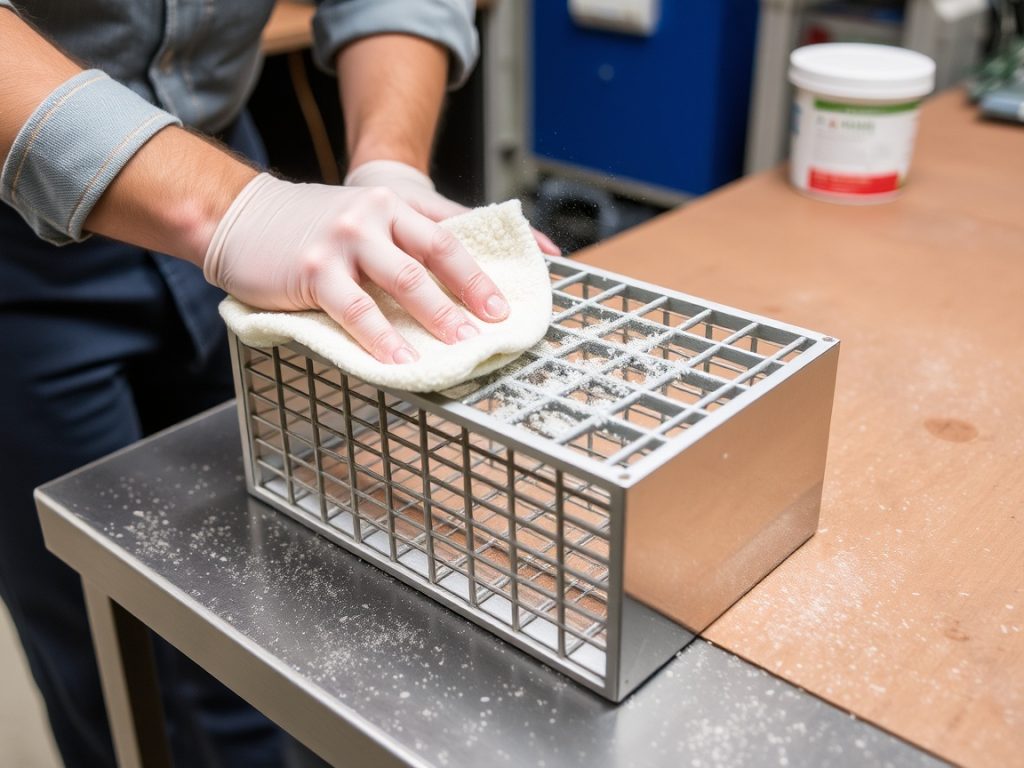
Reliable dynamic braking starts with disciplined care of the ALCO grid box. Maintenance reduces thermal stress, arcing, and unplanned stoppages. It protects the diesel traction motor circuits and ensures predictable brake effort. Focus on cleanliness, torque accuracy, airflow, and insulation strength. Track every dlw part intervention by serial. Verify hardware like 10634216 and 10634215 aligns with frame drawings. Replace any distorted spacers fast. Do not fit any EMD grid box patterns or an emd part into ALCO geometry. Precision procedures keep the dynamic braking grid stable under peak load.
How to Maintain ALCO Grid Box – DLW Part No.: EL/PT/0631
Begin with a locked-out locomotive and ensure all components are cool. Inspect the ALCO grid box for discoloration, soot, and warped frames. Clean using oil-free dry air and avoid liquid cleaners on resistors. Torque bus bars and lugs to specification after heavy diesel cycles. Measure insulation resistance phase-to-ground and phase-to-phase. Confirm blower output and that ducting over the dynamic braking grid is unobstructed. Validate resistor values within tolerance at ambient. Replace cracked elements without delay. Ensure 10634215 or 10634216 mounting keeps airflow lanes open. Log each dlw part action with before-and-after photos for traceability.
| Task | Key Detail |
|---|---|
| Inspection and Cleaning | Check ALCO grid box for discoloration/soot/warping; use oil-free dry air only |
| Electrical and Mechanical Checks | Torque bus bars/lugs to spec; measure insulation resistance phase-to-ground and phase-to-phase |
| Cooling and Airflow | Confirm blower output; keep ducting and airflow lanes unobstructed (mount 10634215 or 10634216) |
| Resistor Elements | Validate values at ambient; replace cracked elements immediately |
| Documentation | Log each dlw part action with before/after photos for traceability |
Common Maintenance Practices
Follow these maintenance guidelines to ensure reliable performance and safety across new and existing installations.
| Task | Frequency/Condition |
|---|---|
| Adopt a visual survey | Weekly |
| Perform a deep inspection | Monthly |
- Use thermal imaging after steep-grade service to spot hot joints.
- Re-torque terminals after the first 50 hours on new installs.
- Vacuum carbon dust from the ALCO grid box interior and louvers.
- Check all insulators for tracking marks and micro-cracks.
- Verify motor blower belts, filters, and amperage draw.
- Confirm that no EMD part geometry is mixed with ALCO fittings.
- Audit 10634216 or 10634215 stack heights for uniformity.
- Calibrate torque tools quarterly.
- Maintain a DLW part-specific spares kit to speed replacement.
Expert Insights on Grid Box Longevity
Longevity hinges on thermal balance and mechanical stability. Keep airflow at design CFM to prevent resistor creep. Use matched fasteners and spacers to control expansion paths. Avoid over-torque, which distorts lugs and invites arcing. Replace aged insulators on schedule, not only on failure. Standardize the ALCO grid box rebuild process with acceptance tests. Never adapt an emd grid box layout into ALCO frames. Select 10634215 or 10634216 hardware per drawing revision. Track diesel duty cycles to plan proactive overhauls. Partner with Mikura International for verified dlw part assemblies and guidance.
Conclusion
A disciplined maintenance plan sustains stable dynamic braking and protects the traction motor system. The ALCO grid box works best when clean, cool, and mechanically tight. Matching the dlw part EL/PT/0631 with correct 10634216 or 10634215 hardware preserves airflow and alignment. Avoid any EMD part substitutions that alter geometry. Use thermal scans, torque checks, and insulation tests to detect early faults. Proper records support warranty, audits, and reliability growth. Mikura International supplies quality-assured components and technical support to keep diesel fleets on schedule.
Recap of Benefits and Features
The ALCO grid box converts kinetic energy to heat with predictable resistance. It stabilizes dynamic braking and reduces wear on friction brakes. The dlw part EL/PT/0631 ensures ALCO geometry, clearances, and safe creepage distances. Hardware options 10634215 and 10634216 align frames and airflow. Terminals, spacers, and insulators manage thermal cycling. Clean ducts and strong motor blower output keep temperatures in range. Avoiding an emd grid box misfit prevents hot spots. With accurate torque and routine testing, fleets extend service life. Documentation supports traceability and faster troubleshooting.
Final Thoughts on Purchasing and Maintenance
Buy only verified EL/PT/0631 units with test data and serial trace. Confirm mounting compatibility before release to service. Demand resistance and hipot certificates, plus airflow orientation details. Maintain the ALCO grid box with scheduled cleaning, torque audits, and thermal imaging. Replace worn elements and insulators proactively. Do not mix emd part geometries into ALCO frames. Select 10634216 or 10634215 per drawing revisions. Mikura International offers export-ready, documented dlw part solutions and expert support. This reduces downtime, secures safety margins, and optimizes diesel locomotive braking performance.
FAQ
Q: What is the Buy ALCO Grid Box – DLW Part No.: EL/PT/0631 and how does it relate to an EMD part?
A: The Buy ALCO Grid Box – DLW Part No.: EL/PT/0631 is a replacement/purchase designation for the ALCO-style grid box used on diesel-electric traction equipment. It is functionally equivalent to certain EMD part grid assemblies used for dynamic braking and power dissipation, making it a compatible option where EMD-specified parts are either obsolete or superseded.
Q: What are the key specifications to check when replacing an EMD grid box with DLW Part No.: EL/PT/0631?
A: Verify resistance values, power dissipation (W or kW), maximum continuous and peak current ratings, physical dimensions, terminal configuration, and cooling requirements. Also confirm the dynamic braking grid thermal management and enclosure ratings to ensure safe operation under diesel traction loads.
Q: What testing and installation procedures are recommended when fitting the ALCO Grid Box for dynamic braking grid service?
A: Perform insulation resistance and continuity checks, verify resistance under cold and hot conditions, inspect mounting for vibration isolation, ensure proper airflow for the dynamic braking grid, and conduct a staged commissioning with controlled load tests. Follow locomotive maintenance manuals and safety lockout procedures.
Q: Are there maintenance considerations unique to the ALCO Grid Box compared to traditional EMD part grid assemblies?
A: Maintenance focuses on corrosion control of resistor elements and terminals, checking for hotspots or discoloration, validating cooling paths, and ensuring enclosure seals. While the core resistor technology is similar, specific mounting or cooling differences mean maintenance intervals should be adjusted per manufacturer guidance and operational duty cycle.