The Best Vintage ALCO Parts: Your Ultimate Locomotive Guide

The Best Vintage ALCO Parts: Your Ultimate Locomotive Guide

If you’re a locomotive enthusiast or a vintage ALCO locomotive owner, you know the value of maintaining these historic machines with quality parts. Understanding which parts are vital and where to find them can make all the difference in keeping your locomotive running smoothly. In this comprehensive guide, we will explore the best vintage ALCO parts available on the market, providing you with vital information to help you make informed decisions about maintaining your prized locomotive.

Key Takeaways:

  • Quality: When looking for vintage ALCO parts, prioritize quality to ensure optimal performance and longevity of your locomotive.
  • Authenticity: Always source parts from reputable suppliers like Mikura International to guarantee authenticity and compatibility with your ALCO locomotive model.
  • Rarity: Vintage ALCO parts may be rare to find, so thorough research and networking within the locomotive community can help in locating them.
  • Proper Maintenance: Regular maintenance and timely replacement of vintage parts are crucial in preserving the historical and operational value of your ALCO locomotive.
  • Consult Experts: Seek advice from experienced collectors, restorers, or locomotive enthusiasts when in doubt about the authenticity or compatibility of vintage ALCO parts.

Understanding ALCO Locomotives

History of the American Locomotive Company (ALCO)

One of the most prominent names in the history of locomotive manufacturing is the American Locomotive Company (ALCO). Established in 1901 through the merger of seven smaller companies, ALCO quickly became a powerhouse in the production of steam and diesel locomotives. The company’s legacy includes iconic locomotives that played a vital role in shaping the railroad industry in the United States.

Any railroad enthusiast or historian would appreciate the significant contributions of ALCO to the evolution of locomotive technology. ALCO’s reputation for building robust and reliable locomotives made them a favorite choice for many railroad companies across the country.

Types of ALCO Locomotives

ALCO manufactured a diverse range of locomotives, catering to various needs and specifications of different railroad companies. From powerful steam locomotives to innovative diesel-electric models, ALCO was at the forefront of locomotive innovation during its prime. These locomotives varied in design, size, and purpose, showcasing ALCO’s versatility in meeting industry demands.

Recognizing an ALCO locomotive can be based on distinct characteristics such as the wheel arrangement, hood design, and specific model features. Each type of ALCO locomotive served a unique purpose, from heavy freight hauling to passenger service, demonstrating the company’s adaptability to different operational requirements.

ALCO RS-3ALCO C424
ALCO RS-11ALCO FA-1
ALCO PA-1ALCO S-2
ALCO RSD-15ALCO HH660
ALCO RS-1ALCO C636

American Locomotive Company (ALCO) produced a wide array of locomotives admired for their robust construction and outstanding performance on the tracks. ALCO engines were known for their distinctive sound and solid build, standing as a testament to the company’s dedication to quality engineering and craftsmanship.

Identifying Vintage ALCO Parts
Image is for the representation purpose only

Identifying Vintage ALCO Parts

Common Vintage ALCO Parts

While ALCO locomotives are known for their durability and longevity, certain parts tend to wear out over time. Common vintage ALCO parts that collectors often seek out include brake shoes, traction motors, turbochargers, and crankshafts. These components are necessary for the proper functioning of the locomotive and can be challenging to find in good condition.

Tips for Authenticating ALCO Parts

When dealing with vintage ALCO parts, it is crucial to authenticate their authenticity to ensure their value and compatibility with your locomotive. One of the first things to check is the part number. ALCO typically used specific part numbers for each component, so matching the number with the manufacturer’s documentation is a good start. Additionally, examining the quality of the materials, any manufacturer stamps or logos, and comparing the part to known authentic examples can help verify its authenticity.

  • Look for part numbers and compare them with manufacturer documentation.
  • Examine materials, stamps, and logos for authenticity.

Any doubts about the authenticity of a vintage ALCO part should lead you to further investigate its origins. Consulting with ALCO experts or reputable dealers can provide additional insight into the part’s history and authenticity. Bear in mind, authenticity is key when it comes to preserving the value and integrity of your vintage ALCO locomotive collection.

  • Consult with ALCO experts or reputable dealers for authentication.

Gauges are another crucial component of vintage ALCO locomotives that collectors often seek out. These precision instruments, such as pressure gauges and temperature gauges, play a vital role in monitoring the locomotive’s performance and ensuring safe operation. Authentic vintage ALCO gauges can be rare finds, so it is necessary to verify their authenticity through thorough research and examination.

Factors to Consider When Purchasing

Now, when looking to purchase vintage ALCO parts for your locomotive, there are several key factors to keep in mind to ensure you are getting the best value for your money. By considering these factors, you can make informed decisions that will help you maintain and improve the performance of your locomotive.

Age and Condition

When considering the age and condition of the ALCO parts you are purchasing, it is crucial to inspect them thoroughly. Look for any signs of wear and tear, corrosion, or damage that may affect their functionality. Older parts may have a vintage appeal, but they may also require more frequent maintenance or repairs. It is crucial to strike a balance between authenticity and functionality when choosing vintage ALCO parts for your locomotive. Thou, prioritize parts that are in good condition and have been well-maintained to ensure optimal performance.

Rarity and Demand

There’s a fine balance between rarity and demand when it comes to vintage ALCO parts. While rare parts may be highly sought after by collectors, they may also come with a higher price tag. On the other hand, more common parts may be easier to find and more affordable, but they may lack the unique appeal of rare components. To ensure you are making a sound investment, consider the rarity and demand of the ALCO parts you are purchasing and weigh this against your budget and restoration goals.

To maximize the value of your purchase, research the market trends and popular models within the vintage locomotive community. This will give you a better understanding of which ALCO parts are in high demand and which ones are considered rare finds. By staying informed and doing your due diligence, you can make informed decisions that will enhance the authenticity and performance of your locomotive.

Step-by-Step Guide to Acquiring Vintage ALCO Parts

Once again, if you’re on the hunt for vintage ALCO parts, navigating the world of locomotive restoration can be a challenging task. Fear not! This step-by-step guide will help you acquire the necessary components needed to restore your ALCO locomotive to its former glory.

Researching and Sourcing ALCO Parts

Parts for vintage ALCO locomotives can be challenging to find, but conducting thorough research is key to acquiring the right components. Begin your search by exploring online forums, locomotive restoration websites, and specialized marketplaces that cater to vintage locomotive enthusiasts. Joining relevant online communities can provide valuable insights into reputable sellers and resources for ALCO parts. Additionally, attending locomotive swap meets or heritage railway events can also be fruitful in connecting with sellers who specialize in vintage ALCO parts.

Evaluating Seller Reliability

With the abundance of online platforms offering vintage ALCO parts, it’s crucial to evaluate the reliability of sellers before making a purchase. Look for sellers with a track record of positive feedback and reviews from satisfied customers. Verify the authenticity of the parts being sold by requesting detailed photos and documentation whenever possible. Communication is key – reach out to the seller with any questions or concerns to gauge their responsiveness and professionalism. By conducting due diligence on sellers, you can ensure a smooth transaction and acquire quality ALCO parts for your restoration project.

Evaluating the reliability of sellers is paramount when sourcing vintage ALCO parts. It’s necessary to prioritize quality and authenticity over price to avoid potential counterfeit or subpar components. By investing time in researching sellers and establishing trust before making a purchase, you can safeguard your restoration project and secure genuine ALCO parts.

The Pros and Cons of Restoring with Vintage ALCO Parts

Many locomotive enthusiasts face the decision of whether to restore their ALCO locomotive with vintage parts. While using vintage parts can add authenticity to the restoration, there are also some drawbacks to consider. Let’s break down the pros and cons in the table below:

ProsCons
AuthenticityAvailability
Historical ValueCompatibility
Unique CharacterCost

Authenticity Versus Modernization

Little can compare to the authenticity that vintage ALCO parts bring to a restoration project. Restoring a locomotive with vintage parts allows enthusiasts to maintain the historical accuracy and unique character of the machine. However, modernization comes with its benefits as well. Upgrading to newer parts can improve performance, reliability, and overall efficiency.

Cost-Benefit Analysis

Little can be more important in a restoration project than considering the cost-benefit analysis of using vintage parts. While vintage parts may offer authenticity and historical value, they can also be more expensive and harder to find. Modern parts, on the other hand, are generally more readily available and can sometimes be more cost-effective.

Analysis: When deciding between vintage and modern parts for your ALCO locomotive restoration, it is important to weigh the pros and cons carefully. Consider factors such as budget, availability, authenticity, and performance to make the best decision for your project.

Maintenance and Upkeep of Vintage ALCO Parts
Image is for the representation purpose only

Maintenance and Upkeep of Vintage ALCO Parts

Best Practices in Maintenance

One of the key aspects of maintaining vintage ALCO parts is regular inspection and servicing. This involves checking for wear and tear, lubricating moving parts, and ensuring that all components are functioning optimally. By following a scheduled maintenance routine, you can prevent unexpected breakdowns and prolong the lifespan of your locomotive.

Overcoming Common Challenges

While vintage ALCO parts are known for their durability, they can still face common challenges such as rust, corrosion, and obsolescence. It’s important to address these issues promptly to avoid further damage. Regular cleaning, applying rust inhibitors, and sourcing replacement parts from reputable suppliers can help overcome these challenges and keep your vintage ALCO locomotive running smoothly for years to come.

Maintenance of vintage ALCO parts requires attention to detail and a proactive approach to upkeep. By staying vigilant, addressing issues promptly, and following best practices, you can ensure that your beloved locomotive remains in top condition for years to come.

Case Studies of Successful Vintage ALCO Restorations

After years of wear and tear, vintage ALCO locomotives can be brought back to their former glory with the right parts and expertise. Here are some case studies of successful restorations that showcase the power of utilizing the best vintage ALCO parts:

  • Case Study 1: ALCO RS-3 Locomotive Model: RS-3 Year Built: 1950 Restoration Details: The ALCO RS-3 locomotive was fully restored to operational condition by replacing key parts such as the turbocharger, fuel injectors, and traction motors with high-quality vintage ALCO parts. The locomotive now runs smoothly and efficiently, showcasing the durability of these vintage components.
  • Case Study 2: ALCO FA-2 Locomotive Model: FA-2 Year Built: 1951 Restoration Details: The ALCO FA-2 locomotive underwent a comprehensive restoration process that included the replacement of worn-out components like the engine block, crankshaft, and piston rings with authentic vintage ALCO parts. The locomotive now operates with increased power and reliability, proving the effectiveness of using original parts for restoration projects.
  • Case Study 3: ALCO C424 Locomotive Model: C424 Year Built: 1963 Restoration Details: The ALCO C424 locomotive was successfully restored to working condition by replacing critical parts such as the governor, air compressor, and traction alternator with genuine vintage ALCO components. The locomotive now operates with optimal performance and efficiency, highlighting the importance of using authentic parts for ALCO restorations.

These case studies illustrate how vintage ALCO locomotives can be effectively restored using the best quality parts, ensuring their longevity and performance for years to come.

To wrap up

From above it is clear that when it comes to finding the best vintage ALCO parts and maintaining your locomotive, having the ultimate guide is crucial. The information provided in this article will assist you in making informed decisions and ensuring the longevity of your equipment. For further insight into ALCO locomotives, you may find the Boston & Albany Developer Interview – Dovetail Live insightful and helpful in expanding your knowledge.

FAQ

Q: Why should I choose vintage ALCO parts for my locomotive?

A: Vintage ALCO parts are known for their durability, quality, and reliability. They are manufactured to high standards and can help maintain the authenticity and performance of your locomotive. Choosing vintage ALCO parts ensures that you are getting the best possible components for your locomotive.

Q: How can I identify authentic vintage ALCO parts?

A: Authentic vintage ALCO parts typically have the ALCO logo or branding stamped on them. They may also have specific part numbers or markings that indicate they are genuine ALCO parts. It is important to purchase from reputable sources to ensure that you are getting authentic vintage ALCO parts for your locomotive.

Q: Where can I find the best vintage ALCO parts for my locomotive?

A: The best place to find vintage ALCO parts for your locomotive is through specialized dealers or suppliers who have expertise in locomotive restoration and maintenance. They can guide you in selecting the right parts for your specific model and ensure that you are getting authentic components. Online marketplaces and locomotive enthusiast forums can also be helpful in sourcing vintage ALCO parts.
The Best EMD Parts Distributor: How to Find?

The Best EMD Parts Distributor: How to Find

If you are also like thousands of others who are confused about how to find the best EMD parts distributor, then you must read through these steps and tips.

When exploring the intricate web of EMD parts distributors, it’s akin to searching for a needle in a haystack, a critical decision that can make or break your engine’s performance. But fear not, for the path to finding the best distributor is paved with strategic steps and discerning choices. From vetting credentials to analyzing inventory, the journey to securing a reliable supplier promises to be an enlightening one. So, buckle up and prepare to uncover the secrets to landing the perfect match for your EMD parts needs.

Key Takeaways

  • Choose distributors with strong industry reputation and deep EMD parts expertise.
  • Prioritize quality standards, certifications, and diverse part inventory for reliable supply.
  • Assess pricing transparency, competitiveness, and alignment with budget constraints.
  • Build lasting partnerships based on values, customer service, and efficient order fulfillment.

Understanding EMD Parts

When delving into EMD parts, you will discover a diverse range of components essential for locomotive and marine engine functionality. EMD, short for Electro-Motive Diesel, is a renowned manufacturer of diesel-electric locomotives and engines. Their parts are critical for the smooth operation of these powerful machines. From engine blocks to fuel injectors, each component plays a pivotal role in ensuring excellent performance and efficiency.

One key component of EMD parts is the turbocharger. This device increases the efficiency of the engine by forcing more air into the combustion chamber, resulting in enhanced power output. Additionally, EMD engine parts encompass a variety of valves and liners designed specifically for marine engines. These parts are meticulously crafted to withstand the harsh conditions of marine operations, ensuring durability and reliability.

Understanding the intricacies of EMD parts is essential for maintaining and repairing locomotives and marine engines. By familiarizing yourself with the different components and their functions, you can effectively troubleshoot issues and perform necessary maintenance tasks. Whether you are a seasoned mechanic or a novice enthusiast, having a thorough understanding of EMD parts will empower you to make informed decisions when it comes to selecting the best components for your locomotive or marine engine.

Importance of a Reliable EMD Parts Distributor

To guarantee the seamless operation of your locomotive or marine engine, securing a dependable distributor for EMD parts is paramount. When it comes to the importance of a reliable distributor, there are several key factors to consider:

  1. Supply Chain Efficiency: A trustworthy distributor ensures a smooth and efficient supply chain, minimizing downtime for your engine. They stock a wide range of EMD parts and have systems in place to promptly fulfill orders, keeping your operations running without unnecessary delays.
  2. Quality Assurance: A reliable distributor sources genuine EMD parts directly from manufacturers or authorized suppliers. By prioritizing quality assurance, they guarantee that the parts you receive are authentic, reliable, and compatible with your engine, reducing the risk of malfunctions or breakdowns.
  3. Exceptional Customer Service: A dependable distributor values customer satisfaction and provides excellent customer service. They are responsive to inquiries, offer technical support when needed, and prioritize building a long-term relationship with you. This level of service ensures that you not only receive the right parts on time but also have a trusted partner to rely on for future needs and support.

Researching Potential Distributors

Securing a dependable distributor for EMD parts involves thorough research into potential suppliers who align with your core values and operational requirements. Start by delving into the distributor’s reputation within the industry. Look for customer reviews, testimonials, and any feedback on their performance. This will give you insights into their track record of customer satisfaction and reliability in delivering parts on time.

Next, analyze the distributor’s responsiveness. Reach out to them with inquiries about their products and services. Evaluate how promptly and effectively they respond to your questions. A distributor who values clear communication and acts with urgency is important for maintaining a smooth supply chain.

Moreover, examine the distributor’s experience and expertise with EMD parts. A distributor who specializes in EMD parts is likely to have a deeper understanding of the products and can provide better support and guidance. Check if they hold any relevant certifications or awards that demonstrate their commitment to quality and excellence.

To conclude, consider the distributor’s overall approach to business. Make sure that their values align with yours, especially regarding integrity, trustworthiness, and a focus on long-term customer relationships. Researching these aspects will help you narrow down your options and find a distributor that meets your specific needs and standards.

Evaluating Distributor Credentials

Evaluating a distributor’s credentials requires a meticulous examination of their industry reputation, product expertise, and commitment to quality standards.

  1. Industry Reputation: Look for distributors with a strong track record in the locomotive and marine engine parts industry. Seek out companies that have positive reviews from customers, suppliers, and industry experts. A distributor’s reputation can speak volumes about their reliability and trustworthiness.
  2. Product Expertise: Assess the distributor’s knowledge and experience with EMD parts specifically. A reputable distributor should have a deep understanding of the intricacies of EMD engines and related components. Inquire about their team’s technical expertise, training, and certifications to ensure they can provide accurate guidance and support.
  3. Commitment to Quality Standards: Verify if the distributor adheres to industry quality standards and certifications. Look for distributors with ISO certifications or other relevant accolades that demonstrate their commitment to delivering high-quality EMD parts. Quality assurance processes and a dedication to meeting or exceeding industry standards are important factors when evaluating a distributor’s credentials.

Assessing Distributor Inventory

With a keen eye for detail and expertise in the industry, a thorough examination of the distributor’s inventory is important in guaranteeing the availability and quality of essential EMD parts. When evaluating a distributor’s inventory, look for a diverse range of EMD parts including engine components, electrical parts, filters, and other essential elements. Make sure that the distributor carries both common parts and more specialized components to meet your varied needs.

Pay close attention to the stock levels of essential parts to avoid delays in your maintenance or repair projects. A reliable distributor should have a sufficient quantity of EMD parts readily available to fulfill orders promptly. Additionally, check for the freshness of the inventory to guarantee that you receive parts with the best shelf life and performance.

Assess the quality of the EMD parts in the distributor’s inventory by researching the brands they carry and their reputation in the industry. High-quality parts are vital for the smooth operation and longevity of your EMD engines. Look for certifications or endorsements from manufacturers to make sure that the parts meet industry standards.

In addition, consider the distributor’s storage and handling practices to prevent issues like contamination or damage to the parts. Proper storage conditions are crucial for maintaining the integrity of EMD parts and ensuring their reliability when installed in engines. By meticulously evaluating the distributor’s inventory, you can confidently select a partner that provides excellent EMD parts to support your operations.

Comparing Pricing Structures

When analyzing pricing structures for EMD parts distributors, focus on the cost-effectiveness and value proposition offered by each provider to make informed procurement decisions. Here are three key points to take into account when comparing pricing structures:

  1. Bulk Purchase Discounts: Inquire about discounts offered for bulk purchases of EMD parts. Some distributors may provide tiered pricing based on the quantity of parts ordered, leading to cost savings for larger orders. Evaluate how these discounts align with your procurement needs and budget.
  2. Price Matching Policies: Check if the distributor offers price matching policies. This makes certain that you are getting competitive pricing and can help you save money by matching or beating prices offered by other distributors. Understanding these policies can assist in negotiating the best deal for your EMD parts.
  3. Additional Fees and Charges: Be vigilant about any hidden fees or extra charges that might impact the total cost of purchasing EMD parts. Take into account factors such as shipping costs, handling fees, or surcharges that could affect the overall price. Request a breakdown of all potential fees to accurately compare pricing structures across different distributors.

Checking Distributor Reviews

The Best EMD Parts Distributor: How to Find | Checking Distributor Reviews

To assess the reliability and credibility of potential EMD parts distributors, explore the feedback and reviews provided by past customers and industry experts alike. Customer reviews offer valuable insights into the quality of service, product authenticity, and overall satisfaction levels. Look for patterns in the reviews, paying attention to recurring positive or negative comments. Positive reviews highlighting prompt delivery, part quality, and excellent customer service can indicate a trustworthy distributor. Conversely, consistent negative feedback about late deliveries, poor communication, or subpar parts should raise red flags.

In addition to customer reviews, check for any industry expert opinions or certifications that the distributor may have. Awards like the EEPC India Export Excellence Awards, membership affiliations, or ISO certifications can serve as indicators of a distributor’s commitment to quality and professionalism. Industry experts’ endorsements can further validate a distributor’s reputation and reliability.

When analyzing reviews, prioritize recent feedback as it reflects the distributor’s current performance and practices. Keep an eye out for how distributors respond to negative reviews, as their dedication to addressing customer concerns and improving their services. By thoroughly examining distributor reviews, you can make an informed decision when selecting the best EMD parts distributor for your needs.

Making Your Final Decision

Explore the culmination of insights gathered from distributor reviews and expert endorsements to confidently determine the best EMD parts distributor for your requirements. As you navigate through the final decision-making process, consider the following key factors:

  1. Quality Assurance: Guarantee that the distributor adheres to strict quality control measures and provides genuine EMD parts that meet industry standards. Look for certifications like ISO, which demonstrate a commitment to quality and reliability in their products.
  2. Customer Service: Assess the distributor’s customer service practices, including their responsiveness to inquiries, flexibility in meeting your specific needs, and overall dedication to customer satisfaction. A distributor that prioritizes clear communication and prompt assistance can enhance your overall experience.
  3. Supply Chain Efficiency: Evaluate the distributor’s supply chain management to guarantee timely delivery of parts. A reliable distributor should have efficient logistics in place to ensure on-time delivery, minimizing downtime for your operations.

Frequently Asked Questions

Can EMD Parts Distributor Provide Customized Solutions for Specific EMD Parts Requirements?

Yes, distributors can offer customized solutions for your specific EMD parts requirements. They tailor solutions to meet your unique needs, ensuring precision and efficiency. By collaborating closely with you, they deliver parts that align perfectly with your specifications. This personalized approach guarantees that you receive top-quality EMD parts that fit seamlessly into your locomotives or marine engines. Trust in their expertise to provide tailored solutions for your EMD parts needs.

How Do Distributors Handle International Shipping and Logistics for EMD Parts?

When handling international shipping and logistics for EMD parts, distributors coordinate with trusted carriers to guarantee timely and secure delivery to your location. They manage customs clearance, documentation, and tracking to streamline the process. By leveraging their expertise and network, distributors navigate complex logistics challenges, offering you peace of mind and efficient solutions for your international EMD parts needs.

What Kind of After-Sales Support Do Distributors Offer for EMD Parts?

When it comes to after-sales support for EMD parts, distributors typically offer a range of services. This may include technical assistance for installation, troubleshooting guidance, warranty claims processing, and quick response to any post-purchase queries. Ensuring customer satisfaction is a top priority, so distributors aim to address any concerns promptly and effectively. Engaging with a distributor who provides thorough after-sales support can enhance your overall experience and maximize the value of your EMD parts purchase.

Are There Any Warranty Policies or Guarantees Associated With Purchasing EMD Parts From Distributors?

When purchasing EMD parts from distributors, you can typically expect warranty policies or guarantees to be in place. These warranties often cover defective parts or issues arising from the manufacturing process. Always inquire about the specific terms and conditions associated with the warranty to make sure you understand what is covered and for how long. This adds peace of mind to your purchase and makes sure you have recourse if any issues arise post-purchase.

Do Distributors Provide Technical Support or Expertise for Troubleshooting EMD Engine Issues?

When seeking technical support for troubleshooting EMD engine issues, distributors typically offer expertise to help resolve problems efficiently. They can provide guidance on identifying and rectifying engine-related issues, ensuring smooth operations. By leveraging their knowledge and experience, distributors assist in diagnosing problems accurately and recommending appropriate solutions. This support enhances your ability to address engine concerns promptly and effectively.

Conclusion

In the realm of locomotive engine parts, it is essential to conduct thorough research and evaluation to find a reliable distributor. Mikura International is a trusted supplier of genuine locomotive parts from renowned manufacturers like ALCO, EMD, and GE. Our focus is on catering to experts in the locomotive engines industry, individuals with decades of experience seeking quality parts for their projects.

When exploring options for locomotive parts, consider the importance of reliability, credentials, inventory, pricing, and customer reviews. By prioritizing these factors, you can make an informed decision that aligns with your specific needs. Trust in a distributor like Mikura International, known for upholding values of integrity and prioritizing customer satisfaction.

With Mikura International, you can rest assured that your locomotive engine needs will be met with top-notch products and exceptional service. Explore our range of genuine parts to find the perfect fit for your locomotive projects.

Find Your Ideal EMD Parts Distributor Now: Way to Excellence

Way to Excellence: Find Your Ideal EMD Parts Distributor Now

When it comes to finding your ideal EMD parts distributor, think of it as searching for the perfect puzzle piece that seamlessly fits into your locomotive maintenance needs. The right distributor can open a world of efficiency and reliability for your machinery. But how do you navigate the sea of options to pinpoint the one that aligns with your requirements? Understanding what sets apart an exceptional distributor is key, and we’ll guide you through the essential factors to think about for a successful partnership that elevates your locomotive’s performance to new heights.

Key Takeaways

  • Prioritize supplier reliability and timely delivery for optimal locomotive performance
  • Evaluate distributor track record and adherence to industry standards for durability
  • Balance cost-effectiveness with quality for long-term benefits and total cost of ownership
  • Optimize performance through innovation, technology integration, and seamless part compatibility

Understanding EMD Parts

Understanding EMD parts intricately guarantees excellent maintenance and performance of diesel-electric locomotives. When delving into the technical specifications of EMD parts, it is important to grasp their intricate design tailored for locomotive systems. These components, including controllers, alternators, and traction motors, are finely tuned to meet compatibility requirements and industry standards, ensuring seamless integration within the locomotive framework.

Way to Excellence: Find Your Ideal EMD Parts Distributor Now

To achieve prime performance, EMD parts must adhere to specific maintenance guidelines to uphold efficiency and reliability. Regular inspections and servicing play an essential role in prolonging the longevity of these components, ultimately reducing maintenance costs and enhancing operational safety. By prioritizing performance optimization, locomotive operators can make sure that their diesel-electric engines run smoothly and efficiently.

Industry standards serve as the benchmark for quality assurance when selecting EMD parts. It is imperative to choose components that meet these standards to guarantee the reliability and functionality of the locomotive. By aligning with industry norms, operators can rest assured that their diesel-electric locomotives are equipped with authentic, high-quality EMD parts that have been manufactured to the highest standards.

Importance of a Good Distributor

For ideal locomotive performance and reliability, selecting a reputable EMD parts distributor is paramount. When it comes to the importance of a good distributor, keep in mind the critical aspects that will directly impact your locomotive operations:

  1. Supplier reliability: A reliable distributor guarantees that you receive high-quality EMD parts consistently, minimizing the risk of delays or subpar components that could affect your locomotive’s performance.
  2. Timely delivery: Timeliness is key in the railway industry. A good distributor will prioritize delivering EMD parts promptly, helping you maintain your locomotives’ efficiency and reducing downtime.
  3. Performance impact: The distributor you choose can have a substantial impact on the overall performance of your locomotives. Opting for a reputable distributor means you are more likely to receive parts that enhance the performance, longevity, and safety of your EMD locomotives.

Selecting a distributor that offers expert guidance, operational efficiency, and a commitment to quality can make a substantial difference in how smoothly your railway operations run. By partnering with a distributor that excels in these areas, you can guarantee that your locomotives operate at their best, keeping your trains running efficiently and safely.

Evaluating Product Quality

To assess the quality of EMD parts effectively, prioritize evaluating industry-standard certifications and the track record of distributors in providing durable components for diesel-electric locomotives. Look for distributors who adhere to quality standards and possess relevant certifications to guarantee reliability and performance. Consider the materials used in manufacturing EMD parts, focusing on high-grade metals and advanced manufacturing technologies that contribute to durability. Assess the distributor’s quality control processes to guarantee consistency in the components supplied.

When evaluating product quality, it is essential to prioritize the performance testing conducted by the distributor to guarantee the reliability of the EMD parts. Emphasize the importance of longevity and durability in the components, as these factors are important for the efficient operation of diesel-electric locomotives. By prioritizing distributors with a proven track record of providing high-quality components, you can be confident in the reliability and performance of the EMD parts you acquire.

Make sure that the distributor offers thorough warranties and reliable customer support to address any concerns regarding product quality promptly. By focusing on these key aspects, you can make informed decisions when selecting an EMD parts distributor that aligns with your quality standards and expectations.

Assessing Customer Service

Assess the distributor’s responsiveness to inquiries and orders to gauge the effectiveness of their customer service. When evaluating customer service, consider the following key aspects:

  1. Response Time: Quick response to inquiries and orders is important for efficient service. A distributor that promptly addresses your needs shows a commitment to customer satisfaction.
  2. Technical Support: Availability of technical expertise is essential for resolving any issues or answering questions regarding EMD parts. A distributor with knowledgeable support staff can provide valuable assistance when needed.
  3. Delivery Deadlines: Look for a distributor with a proven track record of meeting delivery deadlines consistently. Timely deliveries are essential to keeping your operations running smoothly and avoiding costly downtimes.

Assessing these factors will give you insights into the distributor’s customer service quality. Additionally, consider the communication flexibility and customer feedback to vital a well-rounded evaluation of their service. A distributor that excels in these areas is more likely to provide a seamless experience and meet your expectations efficiently.

Price Vs. Value Consideration

Consider the long-term value of EMD parts over initial pricing to guarantee the best reliability and performance for your locomotives. When making decisions about EMD parts, conducting a cost-effectiveness analysis to determine the most suitable option for your needs is crucial. Here is a comparison table to help you evaluate the price quality balance and value proposition of EMD parts:

AspectConsideration
Performance ComparisonAssess how different EMD parts perform under various conditions to determine the best fit for your locomotives.
Reliability AssessmentEvaluate the reliability of EMD parts based on historical performance, reviews, and reputation to minimize downtime and maintenance.
Price Quality BalanceBalance the upfront cost of EMD parts with their quality and long-term benefits to make an informed decision that aligns with your budget and operational requirements.
Value PropositionLook at the overall value that premium EMD parts offer efficiency, longevity, and operational savings to justify the initial investment for superior performance and reliability.
Cost Effectiveness AnalysisConsider the total cost of ownership, including maintenance, repairs, and downtime, to determine the most cost-effective option that provides excellent performance and reliability in the long run.

Long-Term Partnership Expectations

For a successful and enduring partnership with an EMD parts distributor, prioritize seeking a company that embodies reliability, excellence, and innovation. When considering long-term partnership expectations, here are key aspects to focus on:

  1. Reliability Assurance: Choose a distributor with a proven track record of supplying high-quality EMD parts for consistent and dependable performance. Reliability is important for ensuring that your locomotives operate smoothly and efficiently over time.
  2. Performance Optimization: Look for a partner that prioritizes excellence in manufacturing and adheres to industry standards to optimize the performance of your locomotives. A distributor committed to delivering high-quality products will help enhance the overall efficiency and effectiveness of your fleet.
  3. Technology Integration: Seek a distributor that is dedicated to innovation and continuous improvement to meet the evolving technology needs of locomotives. By integrating the latest technologies into their parts and services, they can help you stay ahead in the industry and adapt to changing requirements seamlessly.

When forming a long-term partnership with an EMD parts distributor, consider these factors to ensure that they can provide the reliability, performance, and innovation necessary to support your locomotive operations effectively. Additionally, make sure they conduct compatibility testing, manage inventory efficiently, and offer exceptional customer service to maintain a strong and enduring relationship.

Frequently Asked Questions

Which Is Better EMD or ALCO?

When comparing EMD vs ALCo, consider performance, reliability, and cost. Industry preferences often favor EMD for its efficiency and innovation. EMD’s designs excel in reliability, outperforming ALCo. Though ALCo has a historic background, EMD’s emphasis on efficiency sets it apart. When choosing between the two, prioritize your needs for performance and reliability. EMD’s market success and reputation for excellence make it a preferred choice in the locomotive industry.

Conclusion

In conclusion, finding the right supplier for your locomotive engine parts is crucial for ensuring the optimal performance of your machinery. By exploring reputable distributors offering a wide range of genuine parts from manufacturers like ALCO, EMD, and GE, you can establish a successful partnership that aligns with your requirements. Prioritizing quality, reliability, and long-term benefits will enhance the efficiency and longevity of your locomotives. Take the first step in sourcing your locomotive parts by connecting with a trusted supplier like Mikura International. With a wealth of experience in the industry, we specialize in providing genuine locomotive engine parts to meet your project needs effectively. Start your search today and experience the difference with Mikura International.

Better Locomotive Bearings: Strive for the Ultimate Results

Better Locomotive Bearings: Strive for the Ultimate Results

As you journey down the tracks of locomotive maintenance, the bearings act as the unsung heroes keeping your ride smooth and efficient. But are you truly optimizing their potential? Let’s explore how aiming for the ultimate results in your locomotive bearings can lead to enhanced performance and cost savings. By delving into the intricacies of proper care and quality components, you can reveal a world of benefits for your locomotive.

Key Takeaways

  • Prioritize quality bearings for ultimate performance and longevity.
  • Proper maintenance directly impacts passenger comfort and satisfaction.
  • Regular upkeep and adherence to maintenance schedules ensure optimum efficiency.
  • Investing in superior bearings elevates customer loyalty and repeat business opportunities.

Understanding Locomotive Bearings Significance

Understanding the significance of locomotive bearings is paramount for ensuring high-quality train performance and longevity. Proper maintenance of these essential components is necessary for optimizing performance, reliability assurance, and longevity benefits. By implementing appropriate maintenance practices, such as regular lubrication using proper techniques, operators can enhance performance optimization and reduce the risk of premature failures. Neglecting maintenance can lead to increased friction, wear, and costly repairs, underscoring the importance of investing in quality bearings and following best practices.

Regular lubrication of locomotive bearings is key to reducing friction, heat, and wear, ultimately extending their lifespan and ensuring efficient operation. By adhering to proper lubrication techniques, operators can minimize the risk of damage and maintain the best performance levels. Additionally, conducting regular inspections enables early detection of any signs of wear or damage, allowing for timely interventions to prevent larger issues from arising.

Investing in high-quality bearings not only ensures reliability and longevity but also contributes to overall transportation efficiency and customer satisfaction. By understanding the maintenance needs of locomotive bearings and following best practices, operators can achieve smoother, quieter, and more efficient travel experiences for passengers. Prioritizing proper care practices is fundamental to maximizing performance and minimizing the risk of costly repairs, ultimately leading to a safer and more reliable railway system.

Decreasing Vibrations With Quality Locomotive Bearings

To decrease vibrations in locomotives, you need to comprehend the impact of bearing-induced vibrations and how they affect passenger experience. By choosing high-quality bearings and adhering to a strict maintenance regimen, you can greatly reduce vibrations, ensuring a smoother and more comfortable ride for passengers. Prioritizing the mitigation of vibrations through proper bearing selection and maintenance is crucial for enhancing both locomotive performance and passenger satisfaction.

Understanding Bearing-Induced Vibrations

With quality locomotive bearings, you can greatly decrease vibrations, ensuring a smoother and more enjoyable ride for passengers. Vibration analysis of bearings is critical for identifying potential issues and optimizing performance. Using advanced bearing materials designed for durability and reduced friction can help minimize vibrations. Dynamic balance plays a key role in decreasing oscillations and ensuring stable operation. Implementing proper maintenance strategies, such as regular lubrication and inspections, is essential for preventing excessive wear and vibrations. Quality bearings not only reduce noise levels but also contribute to overall noise reduction efforts, creating a quieter environment for passengers. By prioritizing high-quality bearings and maintenance protocols, operators can enhance passenger comfort, safety, and satisfaction during travel.

Selecting High-Quality Locomotive Bearings

When selecting high-quality bearings for locomotives, prioritize those designed to significantly reduce vibrations for enhanced passenger comfort and safety. Opting for bearings that excel in vibration control enhances the overall passenger experience by minimizing discomfort and fatigue during travel. High-quality bearings not only contribute to comfort but also play an essential role in improving reliability and efficiency. By investing in premium bearings, operators can maintain a quieter environment onboard, elevating the satisfaction levels of passengers. Superior bearings are key in decreasing noise levels, ensuring a smoother and more pleasant ride. Choosing premium bearings is essential for enhancing transportation efficiency and safety, ultimately leading to increased customer satisfaction and loyalty.

Maintenance for Reduced Vibrations

For best reduction of vibrations in locomotives, prioritize regular maintenance of high-quality bearings. Proper maintenance techniques are essential for vibration reduction, optimizing performance, and ensuring bearing longevity. Implementing effective lubrication practices is vital to decreasing vibrations and noise levels, enhancing the overall riding experience for passengers. By investing in quality bearings and adhering to maintenance schedules, you can minimize the risk of structural fatigue and component damage, ultimately improving safety. Reduced vibrations also lead to lower energy loss, contributing to better locomotive efficiency. Make maintenance a priority to achieve smoother rides, quieter environments, and enhanced locomotive performance. Prioritizing maintenance for reduced vibrations is indispensable for optimizing overall locomotive operations.

Longevity Through Proper Installation Techniques

When it comes to ensuring the longevity of locomotive bearings, correct installation techniques are paramount. Professional training and adherence to best practices can help you avoid common mistakes that may compromise the performance and lifespan of these critical components. By focusing on precision and attention to detail during installation, you can maximize the efficiency and durability of locomotive bearings.

Correct Installation of Locomotive Bearings

Proper alignment during locomotive bearing installation is important to guarantee longevity and best performance. When installing bearings, consider the following:

  1. Proper Alignment: Confirm the bearings are aligned correctly to reduce stress and extend lifespan.
  2. Precision Tools: Use precision tools and techniques to prevent damage during installation.
  3. Motor Stability: Place bearings correctly on the motor housing to maintain stability and minimize wear.
  4. Manufacturer Guidelines: Always follow manufacturer guidelines for installation to maximize bearing lifespan.

Incorrect installation can result in premature bearing failure, impacting locomotive efficiency and reliability. By adhering to these practices, you can confirm smooth operation and prolonged bearing performance.

Importance of Professional Training

Enhance the longevity and performance of locomotive bearings through professional training in correct installation techniques. Training benefits include guaranteeing proper alignment during installation, reducing stress on the bearings, and ultimately extending their lifespan. Professional techniques taught in these programs help prevent premature bearing failure, avoiding costly repairs down the line. Emphasizing correct installation practices through training guarantees that the right tools and methods are used, preventing damage during the installation process. Additionally, receiving professional instruction on maintenance practices leads to reliable locomotive operation and best bearing performance. By prioritizing professional training on proper installation and maintenance procedures, operators can achieve the desired bearing longevity essential for efficient and smooth train operations.

Avoiding Common Mistakes

To achieve prime longevity for locomotive bearings, meticulous attention to detail during the installation process is paramount. Avoid common mistakes that can jeopardize the efficiency and lifespan of your bearings by following these essential steps:

  1. Installation errors: Guarantee precise alignment and proper seating to prevent premature wear.
  2. Bearing contamination: Guard against dust, dirt, and moisture infiltration during installation to maintain best performance.
  3. Overloading risks: Adhere to weight limits and loading guidelines to prevent excessive stress on the bearings.
  4. Damage prevention: Use appropriate tools and techniques to handle bearings carefully and prevent any harm during installation.

Optimal Performance via Regular Maintenance

To achieve best performance for your locomotive bearings, it is important to prioritize regular maintenance, thorough lubrication, and diligent inspection practices. By adhering to these maintenance routines, you can greatly impact the longevity and efficiency of your bearings. Investing time and effort into these practices will not only enhance the performance of your locomotive but also minimize the risk of unexpected failures and costly downtime.

Importance of Regular Maintenance of Locomotive Bearings

Regular maintenance of locomotive bearings plays an important role in ensuring peak performance and longevity of trains. To achieve excellent results, consider the following:

  1. Bearing Maintenance: Regular upkeep reduces friction, wear, and potential overheating, guaranteeing ideal performance.
  2. Performance Optimization: Proper maintenance minimizes vibrations, noise levels, and guarantees a smoother travel experience.
  3. Safety Measures: Neglecting maintenance can lead to increased vibration, noise, and potential safety risks.
  4. Preventative Inspections: Early detection of wear or damage through regular checks can prevent major issues and breakdowns, contributing to overall transportation efficiency.

Lubrication and Inspection Practices

For peak performance and longevity of locomotive bearings, adherence to strict lubrication and inspection practices is essential. Proper bearing lubrication techniques are necessary to reduce friction, heat, and wear, ensuring smooth operation and extending the bearing lifespan. Inspection best practices play an important role in detecting early signs of damage or wear in bearings, preventing larger issues and ensuring reliable performance. Following bearing maintenance tips, such as investing in high-quality lubricants and adhering to a strict maintenance schedule, can greatly improve locomotive bearing performance and longevity. By selecting the right lubricants and preventing bearing failures through regular inspections, operators can maintain efficient and reliable locomotive operation, ultimately enhancing overall transportation efficiency and customer satisfaction.

Impact on Bearing Longevity

Maximizing locomotive bearing longevity hinges on the meticulous execution of maintenance protocols and the strict adherence to precision lubrication practices. To guarantee performance and reliability enhancement, consider the following impact assessment and longevity strategies:

  1. Regular Maintenance Benefits: Consistent lubrication and inspections greatly extend the lifespan of bearings.
  2. Performance Optimization: Monitoring for wear or damage prevents major issues and maintains peak performance.
  3. Reliability Enhancement: Adequate lubrication reduces friction, enhancing bearing durability and operational smoothness.
  4. Longevity Strategies: Prioritizing proper care practices is essential for maximizing the longevity and reliability of locomotive bearings. By adhering to these maintenance benefits and strategies, you can achieve optimum performance and efficiency while minimizing costly repairs.

Friction Reduction With Correct Lubrication

To achieve ultimate locomotive performance, it’s imperative to prioritize correct lubrication practices. Understanding the importance of using the right type of lubricant and adhering to recommended lubrication frequencies is key to reducing friction effectively. By implementing proper lubrication methods, you can minimize wear on bearings and promote smoother operation, ultimately enhancing overall locomotive efficiency.

Importance of Correct Lubrication

Correctly lubricating locomotive bearings is important for reducing friction, ensuring smooth operation, and preventing wear and overheating. When it comes to the importance of correct lubrication, consider the following:

  1. Lubrication benefits: Proper lubrication reduces friction, enhancing efficiency.
  2. Bearing performance: Adequate lubrication guarantees smooth operation and extends bearing lifespan.
  3. Maintenance practices: Implementing regular lubrication schedules is essential for safe transportation.
  4. Longevity benefits: Prioritizing correct lubrication practices is critical for reliable locomotive operation.

Types of Bearing Lubricants

When selecting bearing lubricants for locomotives, it is essential to ponder their specific properties and benefits to optimize friction reduction and enhance overall performance. Mineral oils, commonly used in locomotive bearings, offer cost-effectiveness and general lubrication properties. Synthetic oils excel in extreme temperatures, enhancing bearing efficiency and longevity. Greases provide superior adhesion and protection against contaminants, making them ideal for heavy-duty applications in locomotive bearings. Solid lubricants like graphite or molybdenum disulfide guarantee long-lasting lubrication in high-temperature environments, promoting the smooth operation of bearings. Understanding the unique advantages of mineral oils, synthetic oils, greases, and solid lubricants will aid in selecting the most suitable lubricant to achieve perfect friction reduction and maximize locomotive performance.

Lubrication Frequency and Methods

For ideal locomotive performance and longevity, adhere to the recommended lubrication frequency and methods to reduce friction effectively. When it comes to lubricating locomotive bearings, consider the following:

  1. Lubrication intervals: Stick to a schedule of every 30-60 days or after 1000-2000 miles of operation.
  2. Grease vs oil: Choose the correct lubricant based on the bearing type and manufacturer’s guidelines to minimize friction and wear.
  3. Lubricant monitoring: Regularly check for contamination or degradation to maintain efficient bearing operation.
  4. Bearing lifespan: Implement a consistent lubrication regimen with high-quality lubricants tailored to the operating conditions to prolong the bearings’ lifespan significantly.

Following these practices guarantees performance and contributes to the overall efficiency of locomotive operations.

High-Quality Bearings: A Smart Investment

Investing in high-quality locomotive bearings is a vital decision that yields long-term benefits for operational efficiency and passenger satisfaction. High-quality bearings play an important role in bearing efficiency, enhancing overall performance, and improving reliability. By opting for superior bearings, operators can expect cost-saving benefits in the long run. These bearings are designed to withstand heavy loads and harsh conditions, ensuring a longer lifespan and better performance for the locomotive.

One of the key advantages of high-quality bearings is the reduction in the risk of premature failures. This reduction not only saves on maintenance costs but also contributes to smoother operation by decreasing noise and vibrations, ultimately leading to a more enjoyable ride for passengers. The superior quality of these bearings enhances locomotive reliability, providing operators with a smart investment choice aimed at improving efficiency and customer satisfaction.

Boosting Customer Satisfaction With Smooth Rides

Better Locomotive Bearings: Strive for the Ultimate Results
Image is only for the representation purpose

Enhancing passenger satisfaction through the promotion of smooth rides is a critical focus area for locomotive operators. Achieving this goal involves prioritizing passenger comfort and overall customer experience by reducing vibrations and ensuring a quieter, more enjoyable journey. Here are four key ways in which boosting smooth rides can lead to enhanced customer satisfaction:

  1. Passenger Comfort: Smooth travel made possible by well-maintained bearings greatly improves the comfort levels of passengers during their journey. By minimizing vibrations and noise, passengers can relax and enjoy a more pleasant ride.
  2. Vibration Reduction: Properly functioning bearings play an important role in reducing vibrations, which in turn leads to a smoother travel experience. This reduction in vibrations not only enhances passenger comfort but also contributes to the overall efficiency of the locomotive.
  3. Customer Experience: Investing in high-quality bearings and ensuring their proper maintenance directly impacts the customer experience. By providing a smoother, quieter ride, operators can enhance customer satisfaction and loyalty.
  4. Enhanced Satisfaction: Prioritizing smooth rides through well-functioning bearings is key to achieving enhanced customer satisfaction. When passengers experience a comfortable and pleasant journey, their overall satisfaction with the service increases, leading to positive feedback and repeat business opportunities.

Frequently Asked Questions

What Are the Best Locomotive Bearings for High RPM?

When considering high RPM applications, ceramic bearings stand out for their low friction, high speed, and heat resistance. Precision engineering guarantees the best radial and axial load capacities. Lubrication techniques play a critical role in enhancing performance and longevity. Material composition, such as ceramic balls and steel rings in hybrid bearings, offers durability under demanding conditions. Performance testing validates the reliability and efficiency of bearings in high RPM environments.

What Is the Best Bearing for High Loads?

When looking for the best bearing for high loads, consider tapered roller bearings. They excel in handling both radial and axial forces efficiently, with large contact areas distributing loads evenly. Their high stiffness and rigidity make them ideal for heavy-duty applications. Choose the right design and size for best performance and longevity under heavy loads. Prioritize friction reduction, heat dissipation, lubrication technology, material durability, and performance testing for top results.

How Long Do Railroad Bearings Last?

Railroad bearings typically last between 8,000 to 12,000 operating hours before needing replacement. To extend their lifespan, focus on proper lubrication, maintenance, and timely inspections. Common issues include overheating, contamination, and overloading. Implementing effective lubrication techniques, regular checks, and swift replacements are crucial for maximizing bearing longevity. By prioritizing maintenance tips and replacement considerations, you can guarantee peak performance and durability for your locomotive bearings.

Who Makes Railroad Bearings?

When it comes to railroad bearings, industry leaders like Timken, SKF, NTN Corporation, American Roller Bearing Company, and The Schaeffler Group are known for their top-quality products. These bearing manufacturers utilize high-performance materials and conduct rigorous performance testing to make sure superior train operation. By choosing bearings from these reputable suppliers, you can enhance locomotive efficiency and reliability, ultimately improving the overall travel experience for passengers.

Conclusion

To sum up, maintaining your locomotive bearings is essential for maximizing performance and longevity. By investing in high-quality bearings, following proper installation techniques, and regularly lubricating and inspecting your bearings, you can reduce vibrations, prevent wear, and enhance overall efficiency. This not only improves the ride quality for passengers but also increases transportation effectiveness and customer satisfaction. Prioritizing proper bearing care will ultimately lead to better results for your locomotive.

You may also like to read the Indian Railways’ Guide on Bearing in this PDF: Maintenance handbook for roller bearing on axle & TM.

Best EMD Water Pump Parts for Superior Performance and Efficiency

Best EMD Water Pump Parts for Superior Performance and Efficiency

Benefits of Using EMD Water Pump Parts for High Performance

Benefits of EMD Water Pump Parts for Superior Cooling Efficiency

When you opt for EMD water pump parts to enhance the performance of your machinery, you are ensuring superior cooling efficiency. The high-quality materials used in these parts contribute to better heat dissipation, keeping your equipment running at optimal temperatures during operation. By using EMD water pump parts, you can maintain the cooling system’s effectiveness, leading to improved overall performance and durability.

Advantages of Using Genuine EMD Water Pump Parts

When using genuine EMD water pump parts, you benefit from a perfect fit and compatibility with your existing equipment. These parts are designed specifically for EMD machinery, ensuring seamless integration and functionality. By choosing genuine parts over aftermarket alternatives, you also guarantee quality and reliability, reducing the risk of breakdowns and malfunctions. Additionally, genuine EMD water pump parts come with warranties, providing you with added peace of mind regarding their performance and longevity.

Advantages of Using Genuine EMD Water Pump Parts
Image Source: m.media-amazon.com

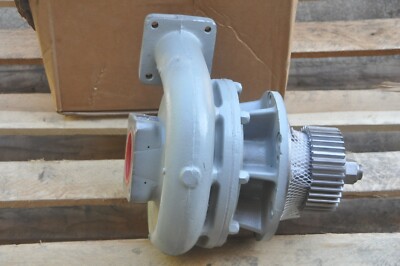
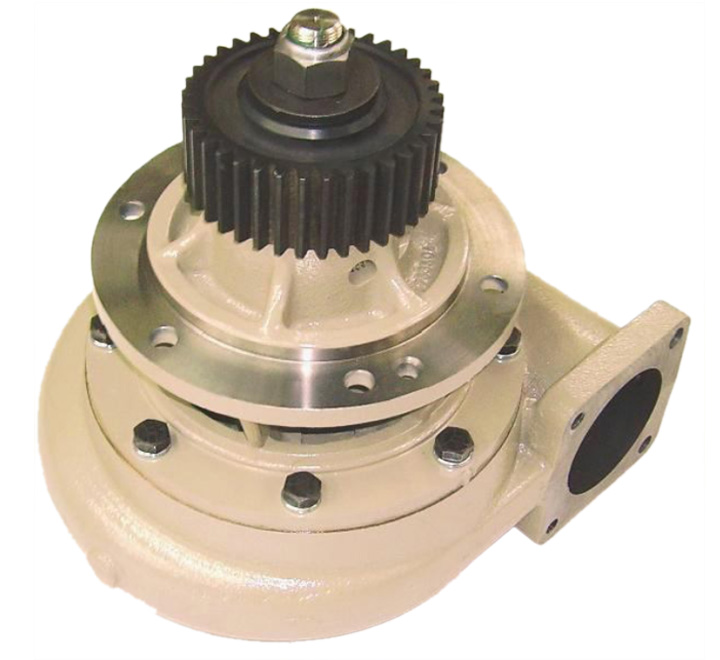
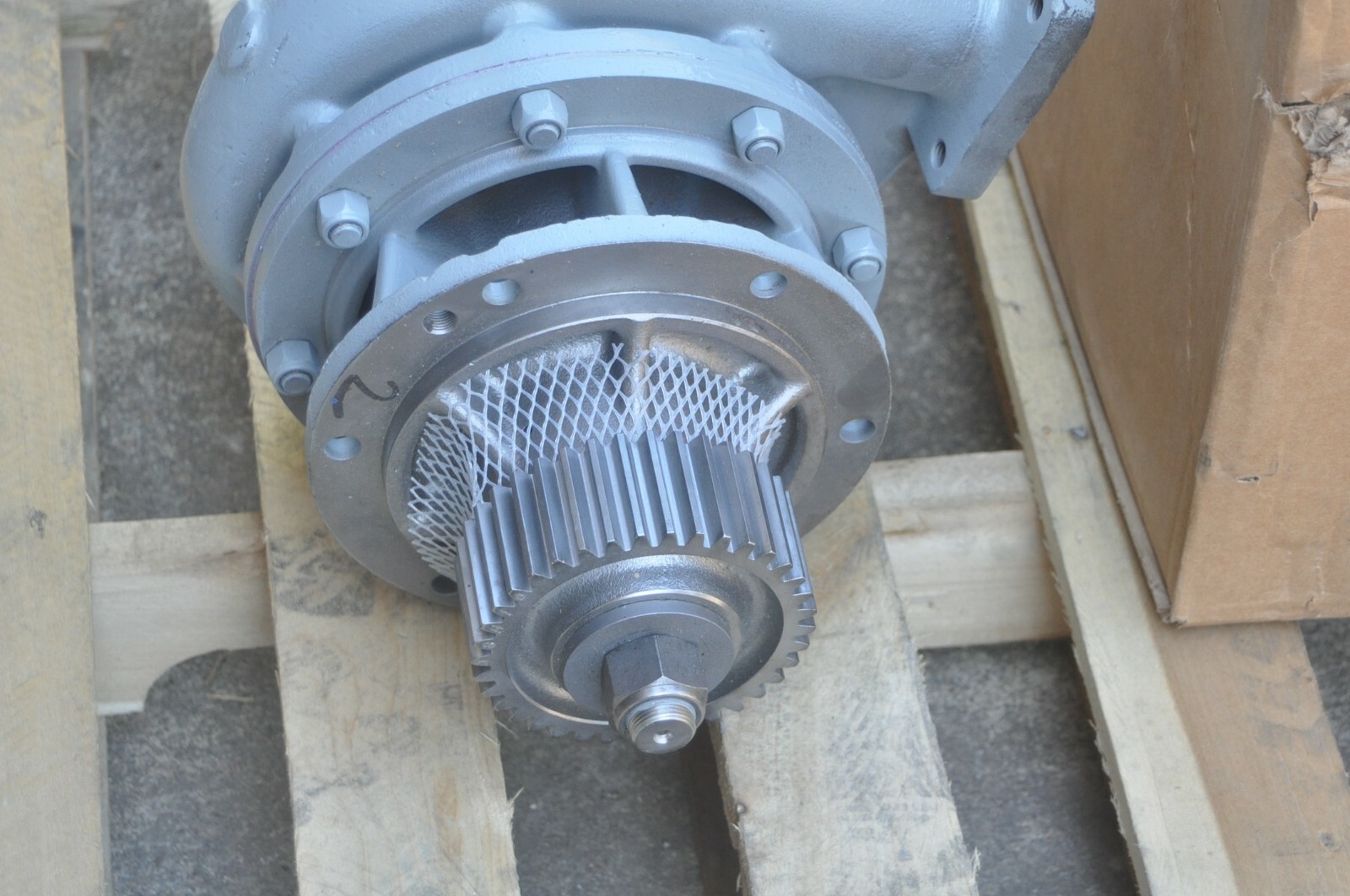
EMD Water Pump Impeller Blades

EMD Water Pump Impeller Blade Material and Durability

When opting for EMD water pump impeller blades, you are selecting components known for their durability and high-quality material construction. These blades are crafted to withstand the rigors of demanding machinery operations, ensuring longevity and performance consistency. The materials used in EMD water pump impeller blades are selected for their resistance to wear and corrosion, providing reliability even in harsh working environments.

Functions and Importance of EMD Water Pump Impeller Blades

The EMD water pump impeller blades play a crucial role in facilitating the circulation of coolant within the system. By efficiently moving the coolant, these blades contribute to maintaining optimal operating temperatures, preventing overheating and ensuring consistent cooling efficiency. Ensuring that the impeller blades are functioning correctly is essential for the overall performance and longevity of your equipment, as any inefficiencies in this component can lead to decreased cooling effectiveness and potential operational issues.

Functions and Importance of EMD Water Pump Impeller Blades
Image Source: i.ebayimg.com

EMD Water Pump Impeller Blades

EMD Water Pump Impeller Blade Material and Durability

When opting for EMD water pump impeller blades, you are selecting components known for their durability and high-quality material construction. These blades are crafted to withstand the rigors of demanding machinery operations, ensuring longevity and performance consistency. The materials used in EMD water pump impeller blades are selected for their resistance to wear and corrosion, providing reliability even in harsh working environments.

Functions and Importance of EMD Water Pump Impeller Blades

The EMD water pump impeller blades play a crucial role in facilitating the circulation of coolant within the system. By efficiently moving the coolant, these blades contribute to maintaining optimal operating temperatures, preventing overheating and ensuring consistent cooling efficiency. Ensuring that the impeller blades are functioning correctly is essential for the overall performance and longevity of your equipment, as any inefficiencies in this component can lead to decreased cooling effectiveness and potential operational issues.

EMD Water Pump Housing

Materials Used in EMD Water Pump Housing

When considering EMD water pump housing, it is essential to highlight the advanced materials utilized in their construction. These housings are typically made from durable materials such as stainless steel or aluminum, chosen for their resistance to corrosion and ability to withstand varying temperatures and pressures.

Features of EMD Water Pump Housing for Optimal Performance

The EMD water pump housing incorporates features designed to enhance performance and reliability. These may include precision engineering for a perfect fit, efficient heat dissipation properties, and a robust design that can endure harsh operating conditions without compromising functionality. The housing acts as a protective casing for internal components, ensuring proper alignment and functioning of the water pump assembly.

EMD Water Pump Shaft Assembly

Importance of EMD Water Pump Shaft Assembly in Water Circulation

When utilizing the EMD water pump shaft assembly, you are incorporating a critical component essential for efficient water circulation within your system. The shaft assembly is responsible for transmitting power from the motor to drive the impeller blades, enabling the movement of coolant throughout the cooling system. Ensuring the proper functioning and alignment of the shaft assembly is imperative to maintain optimal water flow rates and prevent potential cooling issues.

Components and Functionality of EMD Water Pump Shaft Assembly

The EMD water pump shaft assembly consists of precision-engineered components designed to work seamlessly together. Key elements include the shaft itself, bearings for smooth rotation, and seals to prevent leakage. The functionality lies in the ability of the assembly to convert rotational energy into linear motion, driving the impeller blades to circulate coolant effectively. With proper maintenance and care, the shaft assembly can operate efficiently over an extended period, supporting continuous water circulation for cooling purposes.

EMD Water Pump Bearings

Types of Bearings Used in EMD Water Pumps

EMD water pumps utilize various types of bearings to support the shaft assembly and ensure smooth rotation. The most common types of bearings found in these pumps include ball bearings, roller bearings, and sleeve bearings. Each type is selected based on factors such as load capacity, speed requirements, and durability. Ball bearings are popular for their high precision and low friction properties, making them suitable for applications where high speeds are involved. Roller bearings are preferred for heavy-duty applications due to their ability to handle larger radial loads. Sleeve bearings, on the other hand, offer excellent resistance to wear and are often used in less demanding environments.

Significance of High-Quality Bearings in EMD Water Pump Parts

The quality of bearings used in EMD water pump parts plays a crucial role in the overall performance and longevity of the system. High-quality bearings can withstand the stresses of continuous operation without premature failure, ensuring reliable water circulation. They contribute to reduced energy consumption by minimizing frictional losses and improving efficiency. Moreover, quality bearings help maintain proper alignment of components, preventing unnecessary wear and extending the lifespan of the pump assembly. Investing in high-quality bearings not only enhances the operational efficiency of EMD water pumps but also reduces maintenance costs and downtime associated with frequent replacements.

Significance of High-Quality Bearings in EMD Water Pump Parts
Image Source: bitsourcesolutions.com

EMD Water Pump Seals

Role of Seals in EMD Water Pump Parts

EMD water pumps rely on seals to prevent leakage and contamination within the system. These seals are crucial components that help maintain the integrity of the pump assembly by keeping water and debris out of critical areas. By creating a barrier between different parts of the pump, seals contribute to the efficient operation and longevity of the equipment.

Benefits of Properly Sealed EMD Water Pumps

Properly sealed EMD water pumps offer numerous advantages, including reduced maintenance requirements and prolonged service life. By effectively sealing off sensitive components from external elements, these pumps are less prone to corrosion and damage, resulting in lower repair costs over time. Additionally, well-maintained seals play a crucial role in preserving the efficiency of the pump, ensuring consistent performance and optimal water circulation throughout their operational lifespan.

Benefits of Properly Sealed EMD Water Pumps
Image Source: m.media-amazon.com

EMD Water Pump Gaskets

Importance of EMD Water Pump Gaskets in Preventing Leaks

EMD water pump gaskets are essential components that play a crucial role in preventing leaks within the system. These gaskets are designed to create a tight seal between different parts of the pump, ensuring that no water or contaminants escape from critical areas. Without properly functioning gaskets, there is a risk of leakage, which can lead to reduced pump efficiency and potential damage to other components in the system.

Materials and Durability of EMD Water Pump Gaskets

EMD water pump gaskets are typically made from high-quality materials such as rubber or silicone that offer excellent durability and resistance to wear and tear. These materials are specifically chosen for their ability to withstand the demands of continuous use in challenging environments. By using robust gasket materials, EMD water pumps can maintain their integrity over an extended period, reducing the need for frequent replacements and minimizing downtime for maintenance tasks. Properly maintained gaskets ensure the longevity and reliable performance of the water pump, enhancing its overall efficiency in water circulation processes.

Materials and Durability of EMD Water Pump Gaskets
Image Source: m.media-amazon.com

EMD Water Pump Motor

Performance Features of EMD Water Pump Motors

EMD water pump motors are engineered to deliver outstanding performance in various water circulation systems. With high-quality components and precise design, these motors provide reliable power to drive the water pumps efficiently. The motors are equipped with features such as thermal protection and overload safeguards, ensuring safe and consistent operation even under demanding conditions. By maintaining optimal performance levels, EMD water pump motors contribute to the overall effectiveness of water distribution systems.

Efficiency and Longevity of EMD Water Pump Motors

EMD water pump motors are built to last, thanks to their robust construction and durable materials. These motors are designed to operate efficiently while minimizing energy consumption, making them cost-effective solutions for continuous water pumping needs. With proper maintenance and care, EMD water pump motors can offer extended service life without compromising on performance. By investing in reliable EMD water pump motors, businesses can ensure uninterrupted operation of their water circulation systems, leading to enhanced efficiency and productivity.

Efficiency and Longevity of EMD Water Pump Motors
Image Source: i.ebayimg.com

EMD Water Pump Motor

Performance Features of EMD Water Pump Motors

EMD water pump motors are engineered to deliver outstanding performance in various water circulation systems. With high-quality components and precise design, these motors provide reliable power to drive the water pumps efficiently. The motors are equipped with features such as thermal protection and overload safeguards, ensuring safe and consistent operation even under demanding conditions. By maintaining optimal performance levels, EMD water pump motors contribute to the overall effectiveness of water distribution systems.

Efficiency and Longevity of EMD Water Pump Motors

EMD water pump motors are built to last, thanks to their robust construction and durable materials. These motors are designed to operate efficiently while minimizing energy consumption, making them cost-effective solutions for continuous water pumping needs. With proper maintenance and care, EMD water pump motors can offer extended service life without compromising on performance. By investing in reliable EMD water pump motors, businesses can ensure uninterrupted operation of their water circulation systems, leading to enhanced efficiency and productivity.

Conclusion

Importance of Using Genuine EMD Water Pump Parts for Optimal Performance

Using genuine EMD water pump parts is crucial for maintaining the efficiency and reliability of the water pump motors. Genuine parts are specifically designed to fit seamlessly with the motors, ensuring maximum performance and longevity. By opting for authentic EMD parts, users can safeguard their investment in the equipment and avoid potential issues related to compatibility or quality.

Maintenance Tips for Ensuring Longevity of EMD Water Pump Parts

Regular maintenance is key to extending the lifespan of EMD water pump parts. Simple tasks such as cleaning filters, checking for leaks, and lubricating moving components can prevent premature wear and tear. Additionally, following the manufacturer’s guidelines for maintenance schedules and procedures can help users address any potential issues proactively, ensuring that the water pump system operates smoothly for years to come.

You may also like to see this video on EMD Water Pump Test.

Raising Performance with the Best Locomotive Contactors: Optimal Choices

Raising Performance with the Best Locomotive Contactors: Optimal Choices

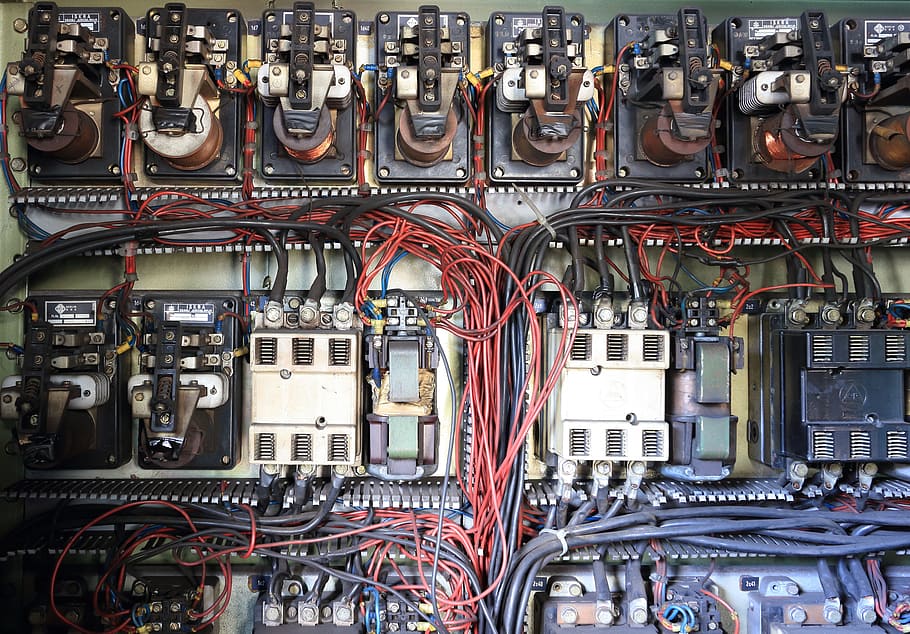
Imagine your locomotive as a well-oiled machine, seamlessly gliding along the tracks with precision and efficiency. The key to achieving this level of performance lies in the optimal choices you make when selecting locomotive contactors.

These crucial components play a significant role in enhancing your locomotive’s capabilities and ensuring smooth operations. By understanding the impact of high-quality contactors on your electrical systems, you can unlock a world of possibilities for maximizing performance and reliability. Curious to explore how the right contactors can transform your locomotive’s operation?

Key Takeaways

  • Upgrading to high-quality contactors enhances locomotive performance and efficiency.
  • Efficient contactors optimize power distribution for reliability and safety.
  • Regular maintenance practices ensure optimal contactor functionality and longevity.
  • Battery integration and advanced generators contribute to sustainable and efficient locomotive operations.

Locomotive Electrical Systems

When exploring the points related to locomotive electrical systems, you should focus on an essential components overview, system maintenance practices, and efficiency improvement strategies. Understanding the key components and how they interact within the system is crucial for maintaining optimal performance. By implementing effective maintenance practices and efficiency improvement strategies, you can enhance the reliability and functionality of locomotive electrical systems.

Essential Components Overview

To understand the intricate workings of locomotive electrical systems, you must grasp the pivotal role that locomotive contactors play in regulating power distribution and ensuring safe and efficient operation. Locomotive contactors are critical electrical components that control the flow of power to various systems on the locomotive, helping manage the electrical current to motors, lights, heaters, and other essential functions. These components are designed to handle high currents and voltages, making them essential for reliable performance. Contactors play a key role in power regulation, optimizing performance, and current management. Understanding the function and importance of contactors is crucial for maintaining optimal locomotive electrical systems, contributing to the overall safety and efficiency of rail transportation.

System Maintenance Practices

Regularly inspecting, cleaning, and testing components such as contactors, relays, wiring, and connectors is essential for maintaining the optimal performance and reliability of locomotive electrical systems. To ensure effective system maintenance, adhere to the following practices:

  • Inspection Techniques: Use thorough examination methods to identify potential issues early.
  • Safety Protocols: Follow strict safety guidelines to protect personnel and equipment during maintenance.
  • Component Reliability: Assess the durability and performance of contactors, relays, and wiring regularly.
  • Preventive Measures: Implement proactive maintenance schedules to prevent unexpected failures and extend component lifespan.

Proper maintenance training is crucial for personnel to understand inspection techniques, safety protocols, and preventive measures for maintaining locomotive electrical systems efficiently.

Efficiency Improvement Strategies

How can implementing advanced contactors enhance the efficiency of locomotive electrical systems? Upgrading to high-quality contactors can lead to significant improvements in energy savings, performance optimization, reliability enhancement, overheating prevention, and maintenance cost reduction. By selecting the best contactors for locomotives, operators can ensure efficient power distribution, minimize energy losses, and optimize electrical performance. Utilizing efficient contactors plays a crucial role in regulating electrical currents, reducing maintenance costs, and preventing overheating and electrical failures. This proactive approach not only enhances the overall efficiency of locomotives but also contributes to energy savings, increased reliability, and improved performance on the railway.

Efficiency Improvement StrategiesBenefits
Energy savingsReduced operational costs
Performance optimizationEnhanced system efficiency
Reliability enhancementImproved system reliability

Battery Power in Locomotives

Locomotive Contactors | Battery Power in Locomotives

Integrating battery power into locomotives revolutionizes energy storage and delivery for enhanced electrical component performance. This advancement brings about a significant shift in how locomotives operate, providing a range of benefits that optimize overall efficiency and sustainability. Here are some key points to consider:

  • Battery Technology: Incorporating advanced battery technology, such as Nickel Cadmium and Lithium-ion batteries, ensures reliable power sources for locomotives, enhancing their performance capabilities.
  • Energy Storage: Battery-powered locomotives excel in efficiently storing and delivering energy to various electrical components, enabling smooth operations and reducing downtime.
  • Environmental Impact: By reducing emissions and promoting sustainability, battery-powered locomotives contribute to a cleaner and greener transportation system, aligning with eco-friendly initiatives.
  • Operational Flexibility: The use of batteries in locomotives offers operational flexibility, particularly in areas without overhead power lines, allowing for increased versatility in rail transportation.

Generator Functionality

When considering generator functionality in locomotives, focus on optimizing efficiency enhancements, regulating power output, and implementing maintenance best practices. Understanding how generators convert mechanical energy into electrical power for various systems is crucial for maximizing locomotive performance. Proper monitoring and care for generators ensure continuous power supply and reliable locomotive operation.

Generator Efficiency Enhancements

Enhancing locomotive generator efficiency involves optimizing the conversion of mechanical energy into electrical energy for improved performance and reduced environmental impact. To achieve this goal effectively, consider the following:

  • Implement energy optimization techniques to maximize the efficiency of the generator.
  • Enhance performance through the integration of advanced generator advancements.
  • Upgrade generator components and systems to boost efficiency levels.
  • Improve electrical efficiency by employing cutting-edge control systems.

Power Output Regulation

To optimize locomotive performance, ensuring precise regulation of power output from generators is essential in maintaining operational efficiency and controlling speed effectively. Power output optimization is crucial for the overall functionality of the locomotive. Voltage regulation techniques help in stabilizing the electrical supply to different components, while current control mechanisms ensure that the right amount of power is distributed. Speed management strategies rely on the accurate control of power output to adjust locomotive speeds as needed. Efficiency enhancement methods are implemented through the proper regulation of power output, contributing to the safe and reliable operation of the locomotive. The table below summarizes the key elements related to power output regulation in locomotives:

Power Output OptimizationVoltage Regulation TechniquesCurrent Control Mechanisms
Ensure efficiencyStabilize electrical supplyControl power distribution
Regulate speed effectivelyMaintain consistent voltageMonitor power flow
Enhance operational efficiencyPrevent voltage fluctuationsAdjust current levels
Optimize locomotive performanceControl electrical outputRegulate power supply
Ensure safe and reliable operationEnsure stable voltageManage power distribution

Maintenance Best Practices

Inspecting locomotive generator contactors regularly is a critical maintenance practice to prevent malfunctions and ensure optimal functionality. To maintain peak performance of the generator, follow these best practices:

  • Contactor cleaning: Regularly clean contactor components to remove dirt and debris that can affect their operation.
  • Lubrication techniques: Apply recommended lubricants to contactor parts to reduce friction and wear, extending their lifespan.
  • Voltage testing: Conduct regular voltage tests to ensure that the contactors are receiving and transmitting the correct voltage levels.
  • Current flow analysis: Monitor the current flow through the contactors to detect any irregularities that may indicate potential issues.

Motor Mechanisms

Selecting the appropriate motor contactors for locomotives is essential for optimizing the efficiency and reliability of their electrical systems. Motor contactors in locomotives play a vital role in controlling the electrical current flow to the motors, enabling their operation. These components help manage the start, stop, and direction of locomotive motors efficiently, contributing to overall performance optimization. Contactors are crucial for ensuring the smooth and safe functioning of locomotive motors, protecting them from electrical overload by opening or closing the circuit as needed.

To enhance motor operation, it is important to focus on current regulation through the proper selection and maintenance of contactors. By adhering to maintenance tips and guidelines, operators can ensure that the contactors function effectively, promoting electrical safety and preventing potential issues that could lead to downtime. Regular inspection and testing of contactors are essential for identifying any issues early on and addressing them promptly to maintain optimal performance. By prioritizing the selection of high-quality contactors and implementing proactive maintenance practices, operators can maximize the longevity and efficiency of locomotive motor mechanisms.

Traction Control Insights

Traction Control Insights

Enhancing the efficiency and reliability of locomotive electrical systems requires a keen focus on traction control insights, crucial for optimizing power delivery to traction motors and ensuring operational safety and effectiveness. When delving into traction control technology, several key aspects need consideration:

  • Motor Performance: Traction control systems are pivotal in managing and enhancing the performance of traction motors, ensuring optimal power delivery and efficiency.
  • Contactors Reliability: The reliability of contactors is paramount in traction control systems, as they are responsible for switching high current circuits to regulate motor operations effectively.
  • Wheel Slip Prevention: Traction control technology aids in managing wheel slip, ensuring maximum adhesion between the wheels and the track for safe and efficient locomotive operation.
  • Speed Regulation Strategies: Effective speed control strategies are implemented through traction control systems to maintain operational safety and efficiency, allowing for precise regulation of locomotive speeds.

Electrical Circuitry Benefits

Controlling the flow of electricity within locomotive systems, locomotive contactors play a vital role in optimizing power distribution and enhancing overall performance. Voltage regulation is a key benefit provided by these contactors, ensuring that the electrical systems receive the appropriate voltage levels for efficient operation. Moreover, current management is crucial in maintaining the balance of electrical currents flowing through different components, preventing overloads and potential damage.

Efficient power distribution is another advantage offered by locomotive contactors. By directing electricity to the necessary parts of the locomotive system, these components enable smooth operation and effective utilization of power. This optimized distribution contributes to energy efficiency, reducing wastage and promoting a more sustainable operation.

In addition to managing voltage and current, contactors play a significant role in performance optimization. Their ability to enable quick and reliable switching of electrical currents enhances the overall functionality of locomotive systems. By ensuring that the right amount of power is delivered to each component at the right time, contactors help maximize performance and minimize disruptions during operation.

Diagnostic System Advantages

Diagnostic System Advantages

Utilizing diagnostic systems in locomotive contactors provides real-time monitoring capabilities for assessing performance metrics. These systems offer a range of advantages that significantly contribute to the efficiency and reliability of locomotive operations:

  • Performance Monitoring: Diagnostic systems continuously track key performance indicators, allowing operators to gauge the effectiveness of the contactors in real-time.
  • Early Detection: By detecting issues at their onset, these systems enable early intervention, preventing potential malfunctions and minimizing downtime.
  • Preventive Maintenance: The ability to identify and address issues proactively through diagnostic systems facilitates scheduled maintenance, reducing the likelihood of unexpected breakdowns.
  • Reliability Enhancement: Through detailed monitoring and analysis, these systems enhance the overall reliability of locomotive contactors, ensuring consistent performance and operational safety.

Frequently Asked Questions

How Do Locomotive Contactors Differ From Regular Electrical Contactors?

When comparing locomotive contactors to regular electrical contactors, you’ll notice significant differences. Locomotive contactors are built to withstand the demanding conditions of rail operations, with enhanced electrical and mechanical features. They use robust contact materials and are designed to handle higher operating voltages and current capacities. These specialized contactors ensure reliable performance and safety in locomotive electrical systems, catering specifically to the unique requirements of rail transportation.

What Are the Key Factors to Consider When Selecting Contactors for Battery-Powered Locomotives?

When selecting contactors for battery-powered locomotives, key factors include contactors selection, maintenance, performance optimization, efficiency enhancement, and traction control advancements. The right contactors are crucial for regulating electricity flow, controlling speed, and maintaining overall performance. By choosing high-quality contactors tailored to locomotive requirements, operators can ensure smooth operations and reduce downtime, ultimately contributing to safe and efficient rail transportation.

How Do Contactors Contribute to the Overall Efficiency of Generator Functionality in Locomotives?

When it comes to the efficiency of generator functionality in locomotives, contactors are key players. They optimize efficiency, enhance performance, and contribute to traction control. By comparing different contactor options, you can determine the best fit for your locomotive’s needs. The right contactors regulate electricity flow, ensure smooth operations, and maintain overall performance, crucial for safe and efficient rail transportation. Choose wisely for optimal generator functionality in your locomotives.

Can Contactors Impact the Performance and Lifespan of Locomotive Motors?

When it comes to the impact on performance and lifespan of locomotive motors, contactors play a crucial role. Optimal contactor selection directly influences the efficiency of electrical systems in battery-powered locomotives. By regulating electricity flow and ensuring proper traction control, high-quality contactors contribute to extended motor lifespan and enhanced overall performance. Advancements in technology further improve efficiency and reliability, making contactor choice essential for safe and efficient rail transportation.

Are There Specific Technologies or Features in Contactors That Improve Traction Control in Locomotives?

When it comes to traction control in locomotives, specific technologies and features in contactors can significantly improve performance. Advanced contactors with enhanced traction control capabilities can optimize efficiency, regulate electricity flow, and maintain speed control. These features not only contribute to better traction control but also impact the overall performance and lifespan of locomotive motors. Selecting contactors designed for traction control can ensure safe and efficient rail transportation.

Conclusion

By carefully selecting high-quality contactors for your locomotive, you can significantly enhance its performance and ensure smooth operations. Optimal choices in contactors play a crucial role in managing electricity flow, regulating speed, and optimizing overall locomotive functionality. With the right contactors in place, you can maximize efficiency, reduce disruptions, and achieve your operational goals with ease. Make informed decisions when it comes to choosing contactors for your locomotive to elevate its capabilities and enhance its reliability.

If you want to read further in detail on this topic, check out: Maintenance of Electromagnetic Contactor On Electric Locomotive.

Know Quality Railroad Parts Importance in Ensuring Safety and Efficiency

Know Quality Railroad Parts' Importance in Ensuring Safety and Efficiency

This article highlights the importance of high-quality railroad parts in ensuring safety and efficiency within the industry, as well as the significance of a well-maintained rail network for smooth operations. It delves into the impact of proper maintenance on the longevity of rail tracks and equipment, levels of safety in the railway industry, and the supply chain involved in providing railroad parts.

Additionally, it discusses the importance of reliable suppliers for maintaining operational efficiency and explores cost considerations between ownership and maintenance in the railway industry.

Brief Overview of the Railway Industry and its Importance in Transportation

The railway industry plays a critical role in transportation, serving as an efficient and cost-effective mode of moving passengers and freight. With the ability to carry large volumes of goods over long distances, railways are crucial in connecting different regions and countries, facilitating trade and commerce. In terms of passenger transportation, trains offer a convenient and environmentally friendly alternative to other modes of travel.

The impact of the railway industry on economic growth and development is significant. It has contributed to the development of industries, created job opportunities, and stimulated trade and investment. Additionally, the construction and maintenance of railway infrastructure also generate economic activity and support local communities.

The historical development of the railway industry dates back to the 19th century, with the invention of steam-powered locomotives. Since then, the industry has evolved into a crucial component of global transportation infrastructure, with advancements in technology and operational efficiency.

Overall, the railway industry continues to play a vital role in shaping the movement of people and goods, and in driving economic growth and development worldwide.

Importance of Quality Railroad Parts in Ensuring Safety and Efficiency

Importance of Quality Railroad Parts in Ensuring Safety and Efficiency

High-quality railroad parts are essential in maintaining safety and efficiency within the railway industry. Using inferior parts can lead to potential risks such as derailments, breakdowns, and accidents, putting the safety of passengers and railway workers at risk. In addition to safety concerns, the overall operation of the railway can be severely impacted by the use of subpar parts, leading to increased downtime, costly repairs, and disruptions to schedules. Regular maintenance of high-quality railroad parts is crucial in ensuring that they are functioning properly and can help prevent accidents and breakdowns.

Several accidents and derailments have been caused by faulty railroad parts, resulting in significant costs for repairs and downtime. For example, in 2013, a train derailment in Quebec, Canada, was attributed to a faulty rail, costing millions in damages and leading to severe environmental consequences. By investing in high-quality railroad parts and prioritizing regular maintenance, the railway industry can ensure the safety of its operations and the efficiency of its services.

The Vital Role of Rail Network

Rail networks play a vital role in transportation systems around the world. From commuter trains to freight trains, they are crucial in connecting people and goods from one point to another. This mode of transportation is known for its efficiency, safety, and environmental benefits. The rail network also serves as a backbone for economic development, enabling the movement of essential goods, raw materials, and finished products. With its ability to reduce traffic congestion and greenhouse gas emissions, the rail network has become an integral part of sustainable and efficient transportation systems. Whether for daily commutes or long-distance travel, the vital role of the rail network cannot be overstated.

How rail networks connect people and goods across vast distances

Rail networks such as the Trans-Siberian Railway in Russia and the Indian Railways in India play a crucial role in connecting people and goods across vast distances. These extensive networks allow for the transportation of goods and passengers from one end of the country to the other, and in some cases, even across continents. The Trans-Siberian Railway is the longest railway line in the world, spanning over 9,000 kilometers and connecting Moscow to the Russian Far East and beyond. Similarly, the Indian Railways is one of the largest networks in the world, connecting people and goods across the vast and diverse subcontinent of India.

These connections have had a significant impact on economic and social development, allowing for the efficient and cost-effective transportation of goods and opening up new markets. Freight trains play a crucial role in transporting goods across continents, while high-speed passenger trains provide a convenient and fast mode of long-distance travel.

A well-connected rail network brings numerous benefits, including increased connectivity, economic development, and reduced environmental impact compared to other modes of transportation. However, maintaining such extensive infrastructure comes with challenges such as the need for regular maintenance, upgrades, and ensuring safety and security.

Importance of a well-maintained rail network for smooth operations

A well-functioning rail network is essential for efficient transportation services for both passengers and freight. Maintenance of the rail network ensures smooth operations and reduces the risk of delays and disruptions. It plays a crucial role in connecting different regions and facilitating the movement of goods and people, thereby supporting economic activities and growth.

A poorly maintained rail network can have a detrimental impact on the economy, safety, and overall public satisfaction. It can lead to increased travel times, unreliable services, and decreased productivity for businesses reliant on rail transportation. Moreover, inadequate maintenance can compromise safety, leading to potential accidents and injuries. This can result in a loss of public trust and satisfaction with the rail network, impacting its use and public perception.

In conclusion, the maintenance of a well-functioning rail network is crucial for ensuring efficient operations and transportation services for both passengers and freight. Neglecting maintenance can have severe economic and safety implications, as well as negatively affect public satisfaction with the services provided.

Proper Maintenance of Railroad Parts

Proper Maintenance of Railroad Parts

Railroads play a crucial role in the transportation of goods and people, and the proper maintenance of railroad parts is essential to ensure the safety and efficiency of the entire system. From tracks and switches to signals and crossings, a well-maintained railroad system is necessary for the smooth running of trains and the overall safety of everyone involved.

In this article, we will explore the importance of proper maintenance of railroad parts, and the various components that require regular inspection and upkeep to ensure smooth operations and prevent accidents. We will also discuss the best practices for maintaining these parts, and the benefits of proactive maintenance in ensuring the longevity and reliability of the railroad system. Whether it’s regular inspections, routine maintenance, or the use of advanced technologies, the proper maintenance of railroad parts is essential for the safe and efficient operation of our transportation infrastructure.

The significance of regular maintenance of railroad parts for ensuring safety

Regular maintenance is crucial for ensuring safety in any environment, especially when it involves the use of equipment and machinery. By conducting regular inspections, cleaning, and repairs, potential risks can be identified and addressed before they lead to accidents or equipment failure.

Regular maintenance helps to keep equipment in optimal condition, reducing the likelihood of malfunctions and breakdowns that could endanger the safety of those using it. It also allows for the identification of worn or damaged parts that could ultimately lead to equipment failure.

In addition to preventing accidents, regular maintenance also helps to maintain the integrity of the equipment, ensuring that it operates efficiently and effectively. This not only contributes to a safer work environment, but also allows for uninterrupted, productive operations.

By implementing a routine maintenance schedule, potential risks can be proactively addressed, and equipment failure can be prevented. Overall, regular maintenance is crucial for ensuring safety, as it allows for the identification and mitigation of potential hazards, reducing the likelihood of accidents and equipment failure.

Impact of proper maintenance on the longevity of rail tracks and equipment

Proper maintenance practices play a critical role in extending the lifespan of rail tracks and equipment. Regular track inspections allow for the identification of potential issues, such as worn components or damaged sections, before they escalate into larger problems. By promptly replacing worn components and addressing issues as they arise, the overall safety and operational efficiency of the rail system can be maintained at a high level.

Applying appropriate lubricants to the tracks and equipment also prevents excessive wear and tear, reducing the frequency of replacements and ultimately extending the longevity of the infrastructure. Timely repairs and preventive maintenance not only contribute to the overall safety of the rail system but also minimize the risk of accidents and costly downtime. This, in turn, enhances operational efficiency and reduces the likelihood of disruptions to train schedules.

By investing in regular maintenance and addressing potential issues before they escalate, rail operators can ensure the safety and longevity of their tracks and equipment, ultimately contributing to the overall efficiency and reliability of the rail system.

Levels of Safety in the Railway Industry

Levels of Safety in the Railway Industry

Safety is of utmost importance in the railway industry to ensure the protection of both passengers and employees. There are various levels and aspects of safety that need to be considered and implemented to ensure a safe and secure environment. From the infrastructure of the railway systems to the training and procedures followed by the staff, each level plays a critical role in maintaining safety standards. In this article, we will explore the different levels of safety in the railway industry and how they contribute to overall safety and security.

Safety practices implemented to protect passengers and workers

In response to the ongoing pandemic, transportation services have implemented various safety practices to protect both passengers and workers. Sanitation procedures have been increased, with regular cleaning and disinfecting of commonly touched surfaces such as handrails, seats, and door handles. Mask mandates have been enforced for both passengers and workers, with face coverings required at all times while onboard or in transportation facilities. Social distancing guidelines have also been implemented, with reduced passenger capacity on vehicles and marked spots to encourage proper distancing while waiting in line.

Specific protocols such as touchless payment options, contactless ticketing, and temperature checks have been adopted to minimize physical contact and ensure the safety of all individuals involved in transportation services. Additionally, the use of personal protective equipment (PPE) such as gloves and face shields for workers has been implemented to provide an additional layer of protection. These measures are aimed at reducing the risk of transmission and creating a safe environment for everyone utilizing transportation services.

Importance of using high-quality railroad parts for enhancing safety measures

The importance of using high-quality railroad parts cannot be overstated when it comes to enhancing safety measures in the railroad industry. Low-quality parts can pose potential hazards and risks, such as equipment failure, derailments, and accidents, which can significantly impact the safety of passengers, crew members, and communities surrounding railroad tracks. Moreover, using low-quality parts can also lead to increased maintenance costs, downtime, and potential legal liabilities.

On the other hand, using high-quality railroad parts has been proven to improve safety records and reduce accidents in the industry. For example, the introduction of high-quality signaling and communication systems has enhanced the overall safety of railroad operations. Additionally, the use of high-quality track components has led to improved track stability, reducing the risk of derailments and ensuring the safety of train operations.

In conclusion, investing in high-quality railroad parts not only enhances safety measures but also reduces maintenance costs and legal liabilities. It is crucial for railroad companies to prioritize the use of high-quality parts to ensure the safety and well-being of all stakeholders involved in railroad operations.

Supply Chain in the Railway Industry

The railway industry plays a vital role in supply chain management, as it is responsible for the transportation of goods and materials across vast distances. From the movement of raw materials to the delivery of finished products, the efficient functioning of the railway supply chain is crucial to the success of many industries. In this context, it is important to understand the different elements that make up the supply chain in the railway industry, including logistics, infrastructure, and technology. This article will explore these key components and their impact on supply chain management within the railway industry.

Understanding the supply chain involved in supplying railroad parts

The supply chain for providing railroad parts involves several key players, beginning with the manufacturers who produce the various components and parts used in the construction and maintenance of railroad systems. These manufacturers then distribute their products to various distributors who specialize in railroad parts. These distributors then supply the parts to retailers, such as repair shops and maintenance departments, who are the end users of the railroad parts.

The logistical and transportation processes involved in moving these parts from production facilities to the end users often include the use of specialized freight services, such as rail or truck transportation, to ensure that the parts are delivered in a timely and efficient manner.

Key factors impacting the efficiency and reliability of the supply chain for railroad parts include the ability of manufacturers to produce high-quality parts, the reliability of transportation services, and the ability of distributors to efficiently manage inventory and meet the demands of the end users. Additionally, factors such as weather, supply and demand fluctuations, and changes in regulations can all impact the overall efficiency of the supply chain.

Importance of reliable suppliers of railroad parts for maintaining operational efficiency

Reliable suppliers play a crucial role in maintaining operational efficiency within the supply chain. By consistently providing high-quality materials and components, they contribute to smooth production processes and reduce the risk of disruptions. This, in turn, leads to reduced lead times as production schedules can be adhered to without unexpected delays. Additionally, reliable suppliers often offer competitive pricing and favorable terms, leading to overall cost savings for the company.

Conversely, unreliable suppliers can have a significant negative impact on manufacturing and distribution. Poor quality or inconsistent supply of materials can result in production bottlenecks and potentially lead to defective products. Delays in deliveries can also affect distribution schedules, inventory management, and ultimately, customer satisfaction.

A dependable and responsive supplier network is essential for businesses to ensure the smooth operation of their supply chain. This includes not only delivering high-quality materials on time but also being able to communicate and adapt to changing requirements. Ultimately, establishing and maintaining strong relationships with reliable suppliers is critical in achieving operational efficiency and cost-effectiveness in supply chain management. Mikura International is a reputed name in the field of railroad parts suppliers having been in this business for over three decades.

Cost Considerations: Ownership vs. Maintenance

When considering the cost implications of ownership vs. maintenance, it’s important to first look at the initial investment required for ownership. This includes the purchase price of the asset, as well as any additional costs such as installation or set-up fees. On the other hand, maintenance costs typically involve regular upkeep, repair, and replacement of parts or components.

While ownership involves a larger upfront investment, it also comes with ongoing costs associated with maintenance. These ongoing costs can add up over time and should be factored into the total cost of ownership. Additionally, ownership may also involve depreciation of the asset over time, affecting its value and potential resale value. On the other hand, maintenance costs may vary depending on the frequency and extent of the required upkeep, as well as any unexpected repair expenses.

In the long term, ownership may result in higher total costs due to depreciation and ongoing maintenance expenses. Conversely, maintenance may require lower initial investment but could lead to higher costs over time, especially if the asset requires frequent repairs or replacements. Ultimately, the decision between ownership and maintenance should consider the total cost of ownership, taking into account all relevant factors such as depreciation, repair expenses, and ongoing maintenance costs.

You may also like to read – The Importance of Precision Machined Parts for the Rail Industry.

New Power of Quality Diesel Engine Parts in Locomotive Efficiency

Locomotive Efficiency: The Power of Quality Diesel Engine Parts

In the world of locomotive efficiency, the importance of quality diesel engine parts cannot be overstated. These crucial components play a significant role in maximizing efficiency, ensuring smooth operations, and reducing fuel consumption. High-quality diesel engine parts contribute to improved performance, extended engine life, and reduced maintenance costs.

From electronic fuel injection systems that optimize combustion to turbochargers that enhance power output, each component plays a vital role in achieving optimal locomotive efficiency. Regular maintenance is equally essential to uphold efficiency, involving the inspection and replacement of worn-out components.

Investing in quality diesel engine parts and adhering to routine maintenance practices are key elements for locomotive operators looking to achieve long-term reliability and cost savings. As the industry strives for efficiency scores above 70, the focus on quality diesel engine parts remains pivotal for the future of locomotive technology.

Importance of Quality Diesel Engine Parts

Quality diesel engine parts are a crucial factor in maximizing locomotive efficiency. Using high-quality parts ensures the smooth and efficient operation of the diesel engine, resulting in improved performance and reduced downtime.

When diesel engine parts are manufactured to meet strict quality standards, they offer several benefits. These include better fuel economy, reduced emissions, increased power output, and extended engine life. By using quality diesel engine parts, locomotive operators can achieve higher levels of efficiency, leading to cost savings and improved overall performance.

Regular maintenance of diesel engine parts is also vital to maintain optimal efficiency. This includes inspecting and replacing worn-out components, such as fuel injectors, turbochargers, and filters, as required. Proper maintenance helps to avoid breakdowns, enhances fuel combustion, and ensures the engine operates at peak efficiency.

Investing in quality diesel engine parts and practicing routine maintenance are essential elements for maximizing locomotive efficiency and achieving long-term reliability.

Benefits of using quality diesel engine parts

Using quality diesel engine parts offers several benefits for locomotive efficiency.

  1. Improved fuel economy: High-quality parts ensure efficient fuel combustion, resulting in better mileage and reduced fuel consumption.
  2. Reduced emissions: Quality parts help to optimize the fuel-air mixture, leading to cleaner and more environmentally friendly exhaust emissions.
  3. Increased power output: Quality components, such as turbochargers and fuel injectors, enhance engine performance, resulting in increased power output and improved acceleration.
  4. Extended engine life: Durability and reliability are key characteristics of quality diesel engine parts. Using these parts helps to extend the engine’s lifespan, reducing downtime and maintenance costs.
  5. Enhanced reliability: By using reliable parts, locomotive operators can minimize the risk of breakdowns and ensure consistent performance, leading to improved efficiency and operational reliability.
  6. Cost savings: Efficiency improvements achieved through quality parts can result in significant cost savings in terms of fuel consumption, maintenance, and downtime.

Investing in quality diesel engine parts is a smart choice for locomotive operators looking to maximize efficiency, reduce emissions, and ensure reliable performance.

Impact on locomotive efficiency

Using quality diesel engine parts has a significant impact on locomotive efficiency. These parts are designed to optimize fuel combustion, resulting in improved fuel economy. This means that locomotives can travel further on a given amount of fuel, reducing overall fuel consumption and costs. Furthermore, quality parts help to achieve cleaner exhaust emissions by optimizing the fuel-air mixture, resulting in reduced environmental impact.

By using high-quality components such as turbochargers and fuel injectors, locomotives can achieve increased power output and improved acceleration. This leads to enhanced locomotive performance and efficiency.

Additionally, the durability and reliability of quality diesel engine parts contribute to extended engine life. This reduces downtime and maintenance costs, ensuring the locomotive remains operational for longer periods of time.

Overall, the use of quality diesel engine parts not only improves locomotive efficiency but also offers cost savings through reduced fuel consumption, lower emissions, and decreased maintenance needs. Locomotive operators can rely on these parts to maximize efficiency and ensure consistent performance.

Essential Diesel Engine Parts for Locomotive Efficiency

Maximizing Locomotive Efficiency: The Power of Quality Diesel Engine Parts Essential Diesel Engine Parts for Locomotive Efficiency
Image Source: 1.bp.blogspot.com

When it comes to maximizing locomotive efficiency, certain diesel engine parts play a vital role. These essential components ensure optimal performance and fuel economy.

The key components of a diesel engine include the cylinder block, pistons, crankshaft, camshaft, cylinder head, and valves. However, certain parts have a direct impact on locomotive efficiency.

One such part is the fuel injection system. This system is responsible for providing the engine with the right amount of fuel at the precise moment. By using high-quality fuel injectors, engines can achieve better fuel atomization, resulting in improved combustion efficiency and reduced fuel consumption.

Another crucial part is the turbocharger. Turbochargers, powered by exhaust gases, compress the incoming air to provide more oxygen for combustion. This results in increased power output and better overall efficiency.

By ensuring the quality and performance of these essential diesel engine parts, locomotives can achieve maximum efficiency and optimize their performance on the tracks.

Components of a diesel engine

A diesel engine is comprised of several crucial components that work together to generate power and propel locomotives. These components include the cylinder block, pistons, crankshaft, camshaft, cylinder head, and valves.

The cylinder block serves as the main structure, housing the cylinders where fuel combustion takes place. Connected to the cylinder block are the pistons, which move up and down within the cylinders, converting the pressure generated from fuel combustion into rotating motion.

The crankshaft is responsible for converting the up-and-down motion of the pistons into rotational motion, which then drives the locomotive. The camshaft controls the opening and closing of the valves, allowing fuel and air to enter the cylinders and exhaust gases to exit.

The cylinder head houses the valves and spark plugs, if equipped, and helps regulate the flow of fuel and air. The valves play a crucial role in controlling the intake and exhaust of gases during the combustion process.

Overall, these components work in harmony to ensure the efficient operation of the diesel engine, maximizing power output and locomotive efficiency.

Key parts that impact efficiency

Key parts that significantly impact the efficiency of a diesel engine include the fuel injectors, turbochargers, and engine control modules (ECMs). Fuel injectors play a crucial role in delivering precise amounts of fuel into the cylinders, ensuring efficient combustion. High-quality fuel injectors help optimize fuel atomization, resulting in improved combustion efficiency and reduced emissions.

Turbochargers, on the other hand, enhance engine efficiency by increasing the amount of air entering the cylinders. They utilize exhaust gases to spin a turbine, which in turn compresses the intake air, providing a greater quantity of oxygen for combustion. This process improves power output and fuel efficiency.

Engine control modules (ECMs) monitor and regulate various parameters of the engine, such as fuel injection timing, air-fuel ratio, and turbocharger boost pressure. By optimizing these parameters, ECMs help maximize engine efficiency and performance.

Investing in high-quality parts for these key components is essential for maximizing locomotive efficiency. Regular maintenance and monitoring of these parts also contribute to long-term efficiency and performance.

Fuel Injection Systems and Efficiency

Fuel injection systems play a crucial role in maximizing locomotive efficiency. They are responsible for delivering precise amounts of fuel into the cylinders, ensuring efficient combustion. Investing in high-quality fuel injection systems can significantly impact the overall efficiency of a diesel engine.

There are two main types of fuel injection systems: mechanical and electronic. Mechanical fuel injection systems use a mechanical fuel pump to deliver fuel to the cylinders, while electronic fuel injection systems utilize electronic sensors and injectors for more precise control. Electronic fuel injection systems offer greater efficiency by optimizing fuel atomization and injection timing.

By accurately regulating the amount of fuel injected into the cylinders, fuel injection systems contribute to improved combustion efficiency, reduced emissions, and increased power output. Regular maintenance and monitoring of the fuel injection system components, such as injectors and fuel filters, are essential to maintain optimal efficiency and performance.

Role of fuel injection systems in locomotive efficiency

Fuel injection systems play a crucial role in maximizing locomotive efficiency. They are responsible for delivering precise amounts of fuel into the cylinders, ensuring efficient combustion. By accurately regulating the amount of fuel injected into the cylinders, fuel injection systems contribute to improved combustion efficiency, reduced emissions, and increased power output.

The fuel injection system ensures that the fuel is atomized into fine particles, allowing for better mixing with air in the cylinder. This promotes a more complete and efficient combustion process, resulting in increased fuel efficiency and power generation. The precise control provided by fuel injection systems also allows for optimum injection timing, which further enhances combustion efficiency.

Investing in high-quality fuel injection systems can significantly impact the overall efficiency of a diesel engine. Regular maintenance and monitoring of the fuel injection system components, such as injectors and fuel filters, are essential to maintain optimal efficiency and performance. By ensuring a proper fuel-to-air ratio and efficient combustion, fuel injection systems contribute to maximizing locomotive efficiency.

Types of fuel injection systems for diesel engines

There are primarily two types of fuel injection systems commonly used in diesel engines: mechanical fuel injection and electronic fuel injection.

  1. Mechanical Fuel Injection: This traditional system uses mechanical components, such as a mechanical injector pump, to deliver the fuel directly into the cylinders. The injector pump is driven by the engine’s camshaft, which creates the necessary pressure for fuel injection. While mechanical fuel injection systems are simple and robust, they lack the precise control and flexibility offered by electronic systems.
  2. Electronic Fuel Injection: This modern system uses electronic control units and sensors to precisely regulate fuel injection. Electronic fuel injection systems continuously monitor various engine parameters, such as engine speed, load, and temperature, to determine the optimal fuel injection timing and quantity. These systems offer better control over combustion, resulting in improved fuel efficiency, reduced emissions, and enhanced power output.

Overall, electronic fuel injection systems are becoming increasingly popular due to their superior performance, efficiency, and ability to adapt to varying operating conditions.

Turbochargers and Power Output

Locomotive Efficiency: The Power of Quality Diesel Engine Parts
Image Source : upload.wikimedia.org

Turbochargers play a significant role in enhancing the power output of diesel engines, ultimately contributing to improved locomotive efficiency. A turbocharger is a forced induction device that increases the airflow entering the engine, allowing for greater fuel combustion and power generation.

By utilizing the energy from exhaust gases, a turbocharger compresses the intake air, resulting in higher air density within the cylinders. This denser air allows for a larger quantity of fuel to be burned, generating more power.

The increased power output provided by turbochargers allows locomotives to operate more efficiently, enabling them to achieve higher speeds and pull heavier loads without putting excessive strain on the engine. This not only improves overall productivity but also reduces fuel consumption and emissions.

It is important to note that turbochargers require regular maintenance and may need replacement over time to ensure optimal performance. Regular inspection and cleaning of the turbocharger components are essential to prevent any loss of efficiency and maintain locomotive performance.

Significance of turbochargers in diesel engines

Turbochargers hold significant importance in diesel engines due to their role in enhancing performance and efficiency. A turbocharger is a forced induction system that increases the airflow entering the engine, allowing for better combustion and power generation. By utilizing the energy from exhaust gases, a turbocharger compresses the intake air, resulting in higher air density within the cylinders. This denser air enables a larger quantity of fuel to be burned, generating more power output.

The increased power provided by turbochargers allows diesel engines to operate more efficiently, achieving higher speeds and handling heavier loads without straining the engine excessively. This not only improves overall productivity but also reduces fuel consumption and emissions. Turbochargers are a crucial component for maximizing the efficiency of diesel engines, ensuring optimal performance and enhancing locomotive capabilities. Regular inspection and maintenance of turbocharger components are essential to prevent any loss of efficiency and maintain consistent power output.

How turbochargers contribute to increased power and efficiency

Turbochargers play a vital role in boosting the power and efficiency of diesel engines. By utilizing the energy from exhaust gases, turbochargers compress the intake air, increasing its density and oxygen content. This denser air allows a larger quantity of fuel to be burned in each cylinder, resulting in increased power output. The turbocharger’s ability to provide a higher volume of air to the engine enables diesel engines to operate with more power while still maintaining optimal fuel efficiency.

Furthermore, turbochargers help engines reach their peak torque at lower RPMs, allowing for better acceleration and improved performance. With a turbocharger, diesel engines can handle higher workloads while maintaining lower fuel consumption, making them ideal for heavy-duty applications.

In addition to increased power, turbochargers also contribute to reduced emissions. By optimizing combustion efficiency, they help diesel engines run cleaner, minimizing harmful pollutants.

Overall, turbochargers are a crucial component in maximizing the power, efficiency, and environmental friendliness of diesel engines.

Regular Maintenance for Optimal Efficiency

Proper and regular maintenance is crucial for maintaining optimal efficiency in locomotives with diesel engines. Regular maintenance helps to identify and address any issues or malfunctions in the diesel engine parts before they become major problems, ensuring that the locomotive operates at its peak performance.

Here are some tips for maintaining diesel engine parts:

  1. Follow a regular maintenance schedule provided by the manufacturer to ensure timely inspections and servicing.
  2. Change oil and filters as recommended to keep the engine lubricated and clean.
  3. Monitor coolant levels and maintain proper coolant concentration to prevent overheating.
  4. Keep the air intake system clean to ensure proper airflow and prevent clogging.
  5. Inspect and clean the fuel system regularly to prevent any blockages or fuel contamination.
  6. Check and maintain proper tension in belts and hoses to avoid slippage or leaks.
  7. Regularly inspect and clean the turbocharger to ensure proper functioning.

By adhering to a regular maintenance routine, locomotives can maintain optimal efficiency and minimize the risk of breakdowns and costly repairs.

Importance of regular maintenance for locomotive efficiency

Regular maintenance plays a crucial role in maintaining locomotive efficiency. By adhering to a regular maintenance schedule, operators can identify and address any potential issues or malfunctions in the diesel engine parts before they become major problems. This proactive approach ensures that the locomotive operates at its peak performance, maximizing fuel efficiency and reducing operational costs.

Regular maintenance helps to keep the engine in optimal condition by changing oil and filters as recommended, monitoring coolant levels, and keeping the air intake system clean. It also involves inspecting and cleaning the fuel system, checking and maintaining proper tension in belts and hoses, and regularly inspecting and cleaning the turbocharger.

By following a regular maintenance routine, operators can minimize the risk of breakdowns and avoid costly repairs. This not only improves locomotive efficiency but also enhances overall safety and reliability. Therefore, regular maintenance is essential for maintaining optimal efficiency and prolonging the lifespan of the diesel engine parts.

Tips for maintaining diesel engine parts

Regular maintenance is essential for prolonging the lifespan and optimizing the efficiency of diesel engine parts. Here are some key tips for maintaining these parts:

  1. Follow the manufacturer’s recommended maintenance schedule for oil changes, filter replacements, and other routine checks.
  2. Monitor coolant levels regularly and ensure that it is clean and free from contaminants.
  3. Keep the air intake system clean by regularly inspecting and cleaning the air filters.
  4. Inspect and clean the fuel system regularly to prevent clogging and ensure smooth fuel flow.
  5. Maintain proper tension in belts and hoses to avoid slippage and leaks.
  6. Check for any signs of wear or damage, such as leaks, cracks, or corrosion, and address them promptly.
  7. Regularly inspect and clean the turbocharger to ensure optimal performance.
  8. Use quality fuel and lubricants to minimize wear and tear on engine parts.

By following these tips and maintaining diesel engine parts regularly, locomotive operators can ensure optimal efficiency, reduce the risk of breakdowns, and extend the lifespan of their diesel engines.

Conclusion

In conclusion, maximizing locomotive efficiency is crucial for ensuring smooth operations and reducing fuel consumption. Quality diesel engine parts play a significant role in achieving this goal. By using high-quality parts, locomotive operators can reap numerous benefits, including improved performance, increased lifespan of the engine, and reduced maintenance costs. These parts have a direct impact on the overall efficiency of the locomotive and contribute to optimal fuel combustion, better power output, and lower emissions.

Regular maintenance of diesel engine parts is equally important. Following manufacturer-recommended schedules for oil changes, filter replacements, and other routine checks is essential. Inspecting and cleaning the air intake system, fuel system, and turbocharger regularly further enhances efficiency and prolongs the life of the engine. By adhering to these maintenance practices and using quality parts, operators can maximize locomotive efficiency, minimize downtime, and pave the way for future advancements in diesel engine technology.

Maximizing locomotive efficiency with quality diesel engine parts

Maximizing locomotive efficiency is essential for smooth operations and fuel conservation. The use of quality diesel engine parts is crucial in achieving this goal. When operators invest in high-quality parts, they reap numerous benefits. Improved performance, an extended engine lifespan, and reduced maintenance costs are just a few of the advantages that come with using quality parts.

These parts directly impact locomotive efficiency by ensuring optimal fuel combustion, enhancing power output, and reducing emissions. From fuel injection systems to turbochargers, every component plays a significant role in maximizing efficiency and minimizing energy wastage.

Regular maintenance also plays a vital role in maintaining locomotive efficiency. Following manufacturer-recommended schedules for maintenance and inspections, such as oil changes and filter replacements, prolongs the life of the engine and ensures optimal performance. By adhering to maintenance practices and using quality parts, operators can maximize locomotive efficiency, minimize downtime, and pave the way for future advancements in diesel engine technology.

Future advancements in diesel engine technology

As technology continues to evolve, there are several exciting advancements on the horizon for diesel engine technology. These developments aim to further enhance locomotive efficiency and reduce environmental impact.

One area of focus is the development of more efficient fuel injection systems. Research and development efforts are underway to optimize fuel injection processes, resulting in better fuel combustion and reduced emissions.

Another promising advancement is the improvement of turbochargers. Engineers are working on designing turbochargers with increased efficiency and reduced turbo lag, allowing for even greater power output and improved fuel efficiency.

Additionally, advancements in engine management systems and sensors are being made. These developments will enable real-time monitoring of engine performance and efficiency, allowing for better optimization and preventive maintenance.

Furthermore, ongoing research is being conducted in alternative fuels and hybrid technologies, aiming to reduce the dependence on traditional diesel fuel and further enhance fuel efficiency.

In conclusion, the future of diesel engine technology holds great promise for maximizing locomotive efficiency. Continued advancements and innovations will not only improve operational efficiency but also contribute to a more sustainable and environmentally-friendly railroad industry.

If you are interested in getting down into the technical details further, you may read: Optimization Analysis of Locomotive Diesel Engine Intake System Based on Matlab-Simulink and GT-Power.

Why is it Important to Care for Diesel Locomotive Exhaust Chambers?

Why is it Important to Care for Diesel Locomotive Exhaust Chambers?

Ensuring the proper maintenance of diesel locomotive exhaust chambers is crucial for your operational success. The care and attention given to these chambers play a pivotal role in not only enhancing performance but also in safeguarding the longevity of your locomotive. Neglecting this essential aspect could lead to potential issues that may impact your operations significantly. By understanding the importance of caring for these chambers, you can proactively address maintenance needs and optimize the efficiency and reliability of your locomotive.

Key Takeaways

  • Exhaust chambers maintenance enhances engine performance, reduces noise pollution, and ensures optimal fuel efficiency.
  • Regular care prevents leaks, noise, and structural issues, contributing to longevity and environmental conservation.
  • Proper upkeep of exhaust components maximizes engine reliability, minimizes emissions, and supports pollution control efforts.
  • Implementing preventive maintenance strategies like inspections and quality gaskets improves air quality, reduces noise, and enhances engine efficiency.

Diesel Locomotive Overview

When maintaining diesel locomotives, understanding their intricate components, such as the cylinder head, intake manifold, and exhaust manifold, is crucial for ensuring optimal performance and efficiency. Exhaust system maintenance is a key aspect of diesel locomotive care. Engine cleanliness is essential for efficient operations, as any build-up or blockages in the exhaust system can lead to decreased performance. Emission control is another critical factor in diesel locomotive maintenance. By ensuring that the exhaust system is functioning correctly, operators can help minimize harmful emissions, contributing to pollution prevention efforts.

Proper upkeep of the chambers is necessary to maintain the overall health of the engine and ensure that it meets emission standards. Regular inspection and cleaning of the exhaust components, such as the mufflers and tailpipes, are vital for safe and efficient operation. By attending to these areas, operators can prevent leaks, reduce noise and vibration, and maintain engine performance. This meticulous care of the exhaust system not only leads to better engine efficiency but also plays a significant role in environmental conservation by promoting cleaner emissions. Diesel locomotive exhaust chamber maintenance is a crucial part of ensuring the longevity and optimal performance of these powerful machines.

Exhaust Chamber Functionality

To understand exhaust chamber functionality in diesel locomotives, consider its role in enhancing engine performance, reducing noise pollution, preventing structural damage, and maintaining fuel efficiency. These aspects are critical for ensuring optimal operation and longevity of the locomotive. By focusing on these points, operators can effectively care for and maintain the exhaust chambers, contributing to overall engine reliability and performance.

Enhancing Engine Performance

Enhancing engine performance through optimizing the functionality of diesel locomotive exhaust chambers is pivotal for ensuring efficient operation and maximizing overall efficiency.

  • Combustion Optimization: Properly maintained exhaust chambers lead to optimized combustion processes, enhancing engine efficiency.
  • Turbocharger Benefits: Components like turbochargers in exhaust chambers help increase engine power output, improving performance.
  • Emission Control: Well-maintained exhaust chambers with catalytic converters aid in reducing harmful emissions, promoting environmental sustainability.
  • Engine Reliability: Regular care of exhaust chambers is essential for maximizing engine lifespan and ensuring reliable locomotive operation.

Reducing Noise Pollution

Optimizing the functionality of diesel locomotive exhaust chambers is essential for effectively reducing noise pollution and enhancing overall locomotive performance. Noise control is a critical aspect addressed by these chambers, as they contain and direct exhaust gases away from the engine, minimizing engine noise during operation. The design and components of exhaust chambers play a crucial role in sound dampening, ensuring a quieter train operation. By maintaining exhaust chambers properly, operators contribute to engine efficiency, passenger comfort, and environmental impact reduction. Efficient noise reduction not only benefits passenger comfort but also minimizes the environmental footprint of diesel locomotives. This focus on sound dampening through exhaust chambers showcases the importance of regular care in achieving optimal locomotive performance.

Preventing Structural Damage

Preventing structural damage in diesel locomotive exhaust chambers is crucial for ensuring optimal engine performance and longevity. Here are key factors to consider:

  • Preventive Maintenance: Regular upkeep is vital to detect and address issues promptly.
  • Temperature Fluctuations: Exhaust chambers must withstand varying heat levels to prevent damage.
  • Structural Integrity: Ensuring the exhaust chamber’s strength is essential for long-term functionality.
  • Exhaust Chamber Leaks: Any leaks can harm the engine and should be promptly repaired.

Maintaining Fuel Efficiency

Maintaining fuel efficiency in diesel locomotive exhaust chambers involves crucial steps to regulate air intake and exhaust flow for optimal performance. By ensuring proper maintenance, you can achieve significant fuel savings through engine optimization. Well-kept exhaust chambers contribute to performance enhancement by promoting complete combustion, thus maximizing power output while minimizing fuel wastage. Regular upkeep of intake and exhaust components such as manifolds and turbochargers is key to efficiency improvement and reduced emissions. Monitoring and servicing these chambers prevent clogs and leaks, preserving the engine’s efficiency and longevity. Additionally, maintaining components like mufflers and catalytic converters not only enhances efficiency but also ensures compliance with emission standards, thereby controlling environmental impact.

Maintenance Benefits

Maintenance Benefits of Diesel Locomotive Exhaust Chambers
This image is for representation purpose only

Maintaining diesel locomotive exhaust chambers offers enhanced engine performance by reducing noise and vibration during operation. Regular upkeep helps prevent leaks, ensuring efficient exhaust gas removal and minimizing the risk of engine damage. By implementing leak prevention measures and attending to maintenance tasks, you can improve the overall functionality and longevity of the locomotive.

Enhanced Engine Performance

How does regular care for diesel locomotive exhaust chambers directly impact engine performance and efficiency? Proper maintenance of these chambers leads to enhanced engine performance and efficiency, offering several benefits:

  • Increased Power: Well-maintained exhaust chambers contribute to increased engine power output.
  • Smoother Operation: Regular care ensures the engine runs smoothly, reducing vibrations and improving overall locomotive operation.
  • Fuel Savings: Maintaining exhaust chambers optimizes fuel combustion, resulting in fuel savings.
  • Emission Control: Proper maintenance helps control emissions, reducing the locomotive’s environmental impact.

Reduced Noise, Vibration

Regularly servicing diesel locomotive exhaust chambers results in a noticeable reduction in noise and vibration levels, enhancing overall maintenance benefits. Noise reduction and vibration control are crucial aspects of maintenance practices to ensure optimal performance and operational efficiency. By maintaining these exhaust chambers, you contribute to the enhancement of the locomotive’s performance and longevity. Proper care not only minimizes disruptions caused by excessive noise and vibration but also creates a quieter and more comfortable environment for operators and passengers. Additionally, reduced noise and vibration from well-maintained exhaust chambers can prevent potential damage to other engine components over time. Overall, attending to the exhaust chambers is essential for improving operational efficiency and extending the lifespan of the locomotive.

Leak Prevention Measures

To ensure peak performance and longevity of your diesel locomotive, meticulous care of the exhaust chambers is imperative for preventing leaks and maintaining engine efficiency. When it comes to leak prevention measures, it is essential to prioritize preventive maintenance strategies. Here are some key actions to consider:

  • Implement regular inspections to detect potential leaks early.
  • Utilize high-quality gaskets and seals to ensure optimal sealing.
  • Monitor temperature variations to prevent structural damage.
  • Secure components effectively to control vibrations and maintain structural integrity.

Environmental Impacts

Environmental Impacts of Diesel Locomotive Exhaust Chambers
This image is for representation purpose only

When caring for diesel locomotive exhaust chambers, you must consider the environmental impacts. Emission reduction benefits, noise pollution mitigation, and air quality improvement are key points to focus on. Proper maintenance of these chambers plays a crucial role in reducing harmful emissions and promoting a cleaner environment.

Emission Reduction Benefits

Maintaining diesel locomotive exhaust chambers plays a crucial role in reducing harmful emissions and supporting environmental sustainability efforts. By addressing emission reduction benefits, you actively contribute to pollution control, public health improvement, and cleaner air. Here’s why caring for these chambers matters:

  • Reducing harmful emissions like black carbon and ultrafine particles.
  • Minimizing nitrogen oxide levels for cleaner air quality.
  • Supporting environmental sustainability efforts through emission reduction.
  • Lowering the environmental impact of diesel locomotive operations.

Noise Pollution Mitigation

By addressing noise pollution mitigation through proper maintenance of diesel locomotive exhaust chambers, you actively contribute to a quieter and more environmentally friendly operation of railway systems. Diesel locomotive exhaust chambers are crucial for noise reduction, environmental preservation, sound attenuation, and pollution control. Components like mufflers and catalytic converters within the exhaust chambers play a vital role in reducing noise levels emitted during engine operation. Regular maintenance practices ensure that diesel locomotives comply with acceptable noise emission limits, making them more sustainable. Effective care for these chambers is essential for minimizing the environmental impacts of noise pollution in railway operations. Below is a table illustrating the importance of noise pollution mitigation through exhaust chamber maintenance:

KeywordImportance
Noise reductionReduces noise emissions from engines
Environmental preservationMinimizes environmental impacts
Sound attenuationDampens noise levels effectively
Pollution controlHelps in controlling pollution emissions

Air Quality Improvement

Improving air quality through diligent care of diesel locomotive exhaust chambers is essential for reducing harmful emissions and enhancing environmental health.

  • Health benefits: Proper maintenance of exhaust chambers aids in lowering pollution levels, leading to a healthier living environment.
  • Pollution control: Regular care for diesel exhaust chambers helps in reducing nitrogen oxide emissions, contributing to improved air quality.
  • Respiratory wellness: Maintaining these chambers minimizes the impact on respiratory health, benefiting individuals exposed to diesel emissions.
  • Environmental stewardship: By ensuring the cleanliness and efficiency of exhaust chambers, you actively participate in environmental stewardship and contribute to clean air initiatives.

Health and Safety Considerations

Why is it Important to Care for Diesel Locomotive Exhaust Chambers?
This image is for representation purpose only

Regular exposure to diesel exhaust from diesel-powered trains poses significant health risks, including reduced lung function and increased DNA damage. Diesel trains emit higher concentrations of black carbon and ultrafine particles compared to electric trains, contributing to environmental pollution and respiratory health issues. Long-term exposure to diesel exhaust is associated with an increased risk of lung cancer, emphasizing the critical importance of pollution control measures in the transportation sector. Traffic-generated air pollution, including diesel exhaust, is a known risk factor for cardiovascular diseases, underscoring the necessity for stringent occupational safety practices when working with diesel locomotive exhaust chambers.

To safeguard both workers and the environment, proactive measures must be taken to mitigate the health implications of diesel exhaust exposure. This includes regular maintenance of diesel locomotive exhaust chambers to minimize leaks and ensure optimal engine performance. By addressing these health and safety considerations, operators can help reduce the detrimental effects of diesel exhaust on individuals and the surrounding environment. Prioritizing occupational safety and pollution control not only enhances the longevity and efficiency of diesel engines but also safeguards the well-being of those exposed to diesel exhaust emissions.

Performance and Efficiency

Addressing the performance and efficiency of diesel locomotive exhaust chambers is integral to maximizing engine output and minimizing environmental impact. Proper maintenance of these chambers ensures optimal engine optimization, leading to various benefits:

  • Fuel Savings: Efficient exhaust chambers help reduce fuel consumption, resulting in cost savings and increased operational efficiency.
  • Engine Optimization: Well-maintained exhaust chambers contribute to the overall optimization of the locomotive’s engine, enhancing its performance and longevity.
  • Emission Control: Components within the exhaust chambers, such as catalytic converters, play a vital role in controlling emissions, reducing the locomotive’s environmental impact.
  • Noise Reduction: By caring for the exhaust chambers, operators can achieve quieter locomotive operation, improving the overall work environment and reducing noise pollution.

Focusing on the performance and efficiency of these chambers not only leads to immediate benefits like fuel savings and noise reduction but also contributes to the long-term health and effectiveness of the diesel locomotive. Proper maintenance ensures that the locomotive operates at its peak performance levels, benefiting both operators and the environment.

Fuel Economy and Emissions

Fuel Economy and Emissions
This image is for representation purpose only

Ensuring optimal fuel economy and emissions control in diesel locomotives hinges on the meticulous care and maintenance of their exhaust chambers. Diesel locomotive exhaust chambers are integral to achieving fuel savings through efficient combustion processes. Proper maintenance minimizes emissions of pollutants like black carbon and nitrogen oxides, contributing to pollution reduction and environmental compliance. By enhancing the efficiency of exhaust chambers, operators can reduce the locomotive’s carbon footprint and meet stringent air quality standards.

Efficient combustion within the exhaust chambers not only leads to fuel savings but also plays a crucial role in emission control. Regular care helps minimize the release of harmful particulate matter, ensuring that the locomotive operates in an environmentally friendly manner. Additionally, maintaining these chambers is essential for enhancing the overall efficiency of the engine, leading to better performance and longevity. By adhering to maintenance schedules and ensuring the proper functioning of exhaust chambers, operators can achieve cleaner air quality, reduce pollution, and comply with environmental regulations effectively. Diesel locomotive exhaust chambers are key components in the pursuit of both fuel economy and emissions control.

Frequently Asked Questions

Why Is Diesel Engine Exhaust Hazardous?

Diesel engine exhaust is hazardous due to its emission of combustion-derived air pollutants, such as black carbon and ultrafine particles. Exposure to these emissions poses health risks, including reduced lung function, increased DNA damage, respiratory symptoms, and cardiovascular diseases. Long-term exposure can even raise the risk of lung cancer. Consequently, regulations mandate emission controls to mitigate environmental impact and ensure workplace safety for those handling diesel engines.

How Does Diesel Exhaust System Work?

When fuel combustion occurs in a diesel engine, exhaust gases are created. These gases flow through the exhaust system, including emission control components like mufflers and catalytic converters. Exhaust treatment is crucial for reducing air pollution by filtering harmful emissions. Proper functioning of the exhaust system is essential for optimal engine performance. Turbochargers compress air intake for efficient combustion, while heat exchangers regulate temperatures in the exhaust chambers.

What Is Exhaust System in Diesel Power Plant?

In a diesel power plant, the exhaust system comprises components like the intake manifold, exhaust manifold, turbocharger, muffler, catalytic converter, and heat exchanger. The intake manifold brings in air for combustion, while the exhaust manifold directs hot gases away from the engine. The turbocharger compresses air for efficient combustion, with the muffler and catalytic converter filtering and cooling exhaust gases. The heat exchanger regulates temperature to ensure optimal engine performance.

What Are the Fumes From a Diesel Train?

When considering fumes from a diesel train, it’s crucial to understand the health risks, environmental impact, chemical composition, ventilation systems, and safety measures. These fumes contain combustion-derived air pollutants like black carbon and NOx, which can harm respiratory and cardiovascular health. Proper ventilation systems and safety measures are essential to mitigate exposure. Understanding the composition and effects of these fumes is vital for ensuring the well-being of both passengers and workers in the vicinity.

Conclusion

In conclusion, ensuring proper care and maintenance of diesel locomotive exhaust chambers is vital for optimizing performance, reducing noise and vibration, and preventing vehicle damage. By prioritizing regular upkeep, operators can enhance efficiency, prolong the lifespan of their locomotive, and reduce environmental impacts. Promptly addressing any issues is essential to uphold the safety, functionality, and longevity of exhaust chambers in diesel locomotives. For high-quality locomotive engine parts from trusted brands like ALCO, EMD, and GE, consider Mikura International, a leading supplier in the industry. With a focus on genuine parts and expert service, Mikura International is here to support your locomotive projects with top-notch components.

Read more about Diesel Exhaust in general.

Enhance Your Diesel Locomotive Exhaust Chambers: Tips for Better Performance

Enhance Your Diesel Locomotive Exhaust Chambers: Tips for Better Performance

Tired of your diesel locomotive exhaust chambers holding back your engine’s potential? Discover the subtle tweaks that could make a world of difference in your locomotive’s performance. From simple adjustments to strategic upgrades, each step is a piece of the puzzle to unlocking your locomotive’s true power. Stay ahead of the curve and elevate your locomotive’s capabilities with these expert tips.

Key Takeaways

  • Clean exhaust chambers regularly for efficiency gains and maintenance savings.
  • Monitor fuel efficiency and exhaust temperatures to optimize performance.
  • Use after-treatment systems for emission control and environmental compliance.
  • Implement a maintenance schedule with effective cleaning methods for peak engine operation.

Understanding Exhaust Chambers

When upgrading your diesel locomotive exhaust chambers, understanding the components, such as intake and exhaust manifolds, turbochargers, mufflers, and catalytic converters, is crucial for optimizing performance. Intake manifolds play a vital role in drawing fresh air into the engine for combustion, while exhaust manifolds efficiently direct hot gases away from the engine, maintaining overall efficiency. Turbochargers, a pinnacle of technology advancements in diesel engines, compress incoming air to enhance combustion efficiency and overall engine performance. Additionally, mufflers and catalytic converters, meeting industry standards for emissions control, filter and cool exhaust gases, reducing harmful emissions and ensuring air quality.

To achieve peak performance, it is essential to adhere to maintenance practices that ensure these components function optimally. Regular checks and servicing will help identify any issues early on, preventing potential performance setbacks. By keeping up with maintenance schedules and industry standards, you can maximize efficiency and prolong the lifespan of your diesel locomotive exhaust system. By understanding these components and their functions, you pave the way for enhanced performance optimization, efficiency enhancement, and adherence to the latest technology advancements in the field.

Regular Cleaning Techniques for Diesel Locomotive Exhaust Chambers

Ensure optimal performance by prioritizing the cleanliness of your intake and exhaust manifolds. Utilize diesel fuel injection cleaners to eliminate carbon deposits and enhance combustion efficiency for peak engine operation. Regularly inspect and clean components like the turbocharger to prevent debris build-up and maintain smooth functionality.

Importance of Cleanliness

Regularly cleaning your diesel locomotive exhaust chambers is crucial for maintaining optimal engine performance and fuel efficiency. Keeping your exhaust chambers clean prevents the build-up of soot and carbon deposits, leading to efficiency benefits, performance gains, maintenance savings, improved fuel economy, and longevity benefits. Clean exhaust chambers ensure that your engine operates at its best, enhancing overall efficiency and reducing the risk of issues related to clogged components. Routine maintenance, including cleaning intake and exhaust manifolds, turbochargers, and catalytic converters, is essential to achieve these benefits. By utilizing diesel fuel additives and implementing proper cleaning techniques, you can extend the lifespan of your exhaust chamber components, resulting in reduced maintenance costs over time.

Effective Cleaning Methods

To maintain peak performance in your diesel locomotive exhaust chambers, it is essential to utilize effective cleaning methods that optimize airflow and combustion efficiency. When cleaning your exhaust system, consider the following:

  1. Innovative Solutions: Explore cutting-edge cleaning products specifically designed for diesel engines to remove carbon deposits effectively.
  2. Advanced Techniques: Utilize modern tools to clean intake and exhaust manifolds thoroughly, ensuring optimal airflow and reducing engine stress.
  3. Expert Advice: Seek guidance on cleaning turbocharger components to maintain proper compression and ensure smooth operation.
  4. Proven Results: Implement a scheduled cleaning routine for mufflers and catalytic converters to reduce emissions and sustain engine performance over time.

Maintenance Schedule Tips

Utilize recommended cleaning products and solvents at specified intervals to maintain peak performance in your diesel locomotive exhaust chambers. Regular maintenance reminders are crucial for optimal performance. Implement effective cleaning techniques to prevent carbon buildup and ensure proper airflow and exhaust gas removal. Monitoring performance indicators such as fuel efficiency can help identify any issues early on. Additionally, schedule professional inspections to detect and address any potential problems promptly. By adhering to a strict maintenance schedule, you can prolong the lifespan of your exhaust chambers, improve overall performance, and maximize fuel efficiency. Stay proactive in your approach to maintenance to avoid costly repairs and ensure your diesel locomotive operates at its best.

Upgrade Components for Your Diesel Locomotive Exhaust Chambers

When upgrading diesel locomotive exhaust components, focus on selecting high-flow mufflers, optimal pipe sizes, minimizing back pressure, and enhancing scavenging efficiency. These choices are critical for maximizing performance gains and improving overall engine efficiency. Proper selection and installation of these components can lead to increased horsepower, torque, fuel economy, and lower exhaust temperatures.

Selecting High-Flow Mufflers

When upgrading your diesel locomotive exhaust components, selecting high-flow mufflers is crucial for optimizing engine performance. High-flow mufflers are designed to reduce exhaust back pressure, allowing for better airflow and resulting in increased horsepower and torque gains. Upgrading to high-flow mufflers can also enhance fuel efficiency in diesel locomotives by minimizing restrictions and optimizing exhaust flow. These mufflers play a key role in improving overall engine performance. When considering muffler selection, prioritize performance gains, ease of installation, noise reduction, and durability features to ensure maximum benefits for your diesel locomotive exhaust system upgrade.

Optimal Pipe Size Choices

To optimize the performance of your diesel locomotive exhaust system, selecting the correct pipe size is crucial for maximizing power and efficiency gains. Proper pipe sizing plays a significant role in minimizing back pressure, allowing exhaust gases to flow freely and enhancing engine power. Choosing the right pipe size facilitates efficient scavenging, resulting in increased horsepower and torque. By avoiding restrictions and back pressure through selecting the optimal pipe size, you can enhance overall engine performance. Consider opting for a spiral louvered high-flow muffler paired with the correct pipe size to further boost exhaust system efficiency and power output. Understanding flow dynamics and selecting the appropriate pipe size is essential for achieving optimal performance and exhaust efficiency.

Minimizing Back Pressure

Upgrade diesel locomotive exhaust components for enhanced performance by focusing on minimizing back pressure. Follow these steps to optimize efficiency, reduce restrictions, and enhance power:

  1. Choose high-flow mufflers to improve flow and reduce resistance.
  2. Ensure correct pipe sizing for maximum efficiency and minimal back pressure.
  3. Opt for spiral louvered mufflers to minimize restrictions and enhance power output.
  4. Properly scavenge exhaust gases to efficiently reduce back pressure and boost overall performance. By implementing these strategies, you can enhance the flow of exhaust gases, increase power, and improve the efficiency of your diesel locomotive’s exhaust system.

Enhancing Scavenging Efficiency

Enhance scavenging efficiency in your diesel locomotive exhaust system by upgrading key components such as the exhaust manifold and turbocharger for optimal intake and exhaust flow paths. By implementing scavenging efficiency techniques, you can improve cylinder filling, exhaust flow optimization, and reduce back pressure. Turbocharger upgrades play a crucial role in enhancing scavenging efficiency, ensuring proper evacuation of exhaust gases for better combustion. Upgraded exhaust systems with efficient scavenging lead to increased power output, reduced emissions, and overall better engine performance. By focusing on cylinder filling improvements and back pressure reduction through upgraded components, you can achieve a more efficient and powerful diesel locomotive exhaust system.

Monitoring Performance Metrics

Monitoring Performance Metrics for Diesel Locomotive Exhaust Chambers
This image is for representation purpose only

Track fuel efficiency, measure exhaust temperatures, and analyze horsepower increases to ensure your diesel locomotive exhaust chambers are performing optimally. These metrics provide valuable insights into the efficiency and power output of your system, guiding you in making informed decisions for enhancements. Utilize this data to fine-tune your exhaust chamber settings and maintain peak performance levels efficiently.

Track Fuel Efficiency of Your Diesel Locomotive Exhaust Chambers

To optimize fuel efficiency in your diesel locomotive, monitoring performance metrics such as fuel consumption per mile or gallon is essential. Here are some key steps to help you track fuel efficiency effectively:

  1. Efficiency Tracking: Utilize tools to monitor fuel consumption and engine performance.
  2. Performance Analysis: Analyze data to understand how efficiently fuel is being utilized.
  3. Trend Identification: Regularly check for trends to spot any deviations or inefficiencies.
  4. Maintenance Impact: Compare fuel efficiency data over time to assess the impact of maintenance or upgrades.

Measure Exhaust Temperatures

When assessing diesel locomotive performance metrics, monitoring exhaust temperatures plays a crucial role in evaluating engine efficiency and identifying potential issues. Temperature monitoring is essential for efficiency assessment and performance evaluation. High exhaust temperatures could indicate problems such as fuel burning inefficiency or engine issues. Ideal diesel engine exhaust temperatures typically fall within the range of 300-500 degrees Fahrenheit. Regularly measuring exhaust temperatures is key for preventive maintenance, helping to avoid overheating and potential damage. Using temperature gauges or sensors enables real-time data tracking to monitor exhaust chamber performance effectively. Stay proactive in monitoring exhaust temperatures to ensure optimal performance and to address any issues promptly.

Analyze Horsepower Increases

To effectively assess the impact of modifications on diesel locomotive engine performance, accurately measure horsepower increases using dynamometers. When analyzing horsepower gains, consider the following:

  1. Performance Monitoring: Use dynamometers to track changes in engine output.
  2. Horsepower Analysis: Compare horsepower levels before and after upgrades.
  3. Engine Upgrades: Evaluate the effectiveness of modifications on power delivery.
  4. Efficiency Improvements: Analyze torque curves to understand efficiency enhancements.

Implementing After-treatment Systems

Implementing After-treatment Systems for Diesel Locomotive Exhaust Chambers
This image is for representation purpose only

Implementing after-treatment systems such as Diesel Particulate Filters (DPF) and Selective Catalytic Reduction (SCR) is crucial for reducing harmful emissions in diesel exhaust. DPF traps soot particles, while SCR utilizes a catalyst to convert harmful nitrogen oxides into nitrogen and water. These systems are mandated by emissions regulations to improve air quality and meet environmental standards, playing a crucial role in reducing pollution from diesel engines, making them environmentally friendly.

After-Treatment Systems Overview Table:

SystemFunctionImportance
Diesel Particulate FilterTraps soot particlesEssential for emission reduction
Selective Catalytic ReductionConverts harmful nitrogen oxides into nitrogen and waterKey for meeting regulatory compliance

Proper maintenance and monitoring of after-treatment systems are essential to ensure optimal performance and compliance with regulations. By integrating these systems into your diesel locomotive exhaust chambers, you not only enhance emission reduction but also align with regulatory standards, optimizing your locomotive’s overall efficiency. Consider these systems as vital components in your diesel exhaust setup to achieve peak performance while being environmentally conscious.

Avoiding Common Pitfalls

Ensure optimal performance and compliance by avoiding common pitfalls when maintaining and upgrading your diesel locomotive exhaust chambers. To maximize the efficiency and longevity of your system, adhere to the following guidelines:

  1. Avoiding shortcuts: Taking the time to properly maintain and upgrade your exhaust chambers will pay off in the long run. Shortcuts may lead to subpar performance and potential damage to your locomotive’s engine components.
  2. Quality parts: Opt for high-quality exhaust components from reputable brands to ensure performance consistency and durability. Investing in superior parts will result in better engine efficiency and overall system reliability.
  3. Preventing damage: Installing heat-resistant components and avoiding low-quality mufflers can prevent overheating and potential damage to your exhaust chambers. Prioritizing quality over cost savings will safeguard your locomotive’s components and enhance its operational lifespan.
  4. Engine efficiency: Properly sized exhaust pipes and well-designed exhaust systems contribute to improved engine efficiency. By selecting the right components and maintaining them diligently, you can enhance your locomotive’s overall performance and fuel economy while minimizing the risk of back pressure issues.

Scheduling Professional Inspections

Scheduling Professional Inspections
This image is for representation purpose only

Scheduling regular professional inspections ensures optimal functioning of diesel locomotive exhaust chamber components. Inspection benefits include early detection of issues, preventing costly repairs, and maintaining peak performance. Qualified technicians bring expertise to assess the condition of intake and exhaust manifolds, turbochargers, catalytic converters, mufflers, and tailpipes. Early detection through these inspections allows for preventive maintenance measures to be taken promptly, optimizing the locomotive’s performance.

Technician expertise plays a crucial role in identifying potential problems before they escalate. By conducting regular inspections, you can ensure that your diesel locomotive exhaust system operates efficiently and meets emissions standards. Preventive maintenance based on professional evaluations helps in enhancing the longevity of your locomotive’s components. This proactive approach not only saves you money in the long run but also keeps your locomotive running smoothly.

Frequently Asked Questions

How Can I Make My Diesel Engine More Powerful?

To make your diesel engine more powerful, focus on performance tuning, turbocharging benefits, fuel efficiency, engine modifications, and power upgrades. Enhance horsepower by upgrading to a larger exhaust system, install a turbocharger for increased air intake into the combustion chamber, and ensure regular tune-ups. These steps can lead to higher engine power, improved efficiency, and overall enhanced performance for your diesel locomotive.

What Is Most Commonly Added to Diesel Engines to Increase Power Output?

To increase power output in diesel engines, turbochargers are commonly added to compress incoming air for efficient combustion. Fuel additives, like cetane boosters or injector cleaners, enhance combustion efficiency. Performance chips optimize engine parameters for better power delivery. Upgrading to high-pressure injectors and larger air intakes also boost power output. These enhancements improve engine performance significantly.

How Do You Increase the Airflow in a Diesel Engine?

To increase airflow in a diesel engine, optimize intake modifications, consider turbocharger installation, and upgrade exhaust systems. These enhancements boost power output while maintaining fuel efficiency. By focusing on airflow optimization through strategic upgrades, you can achieve improved engine performance for your diesel locomotive. Prioritize these modifications to maximize efficiency and power without compromising fuel economy.

How Can I Improve My Diesel Combustion?

To improve your diesel combustion, focus on fuel efficiency, emission control, turbocharging benefits, combustion optimization, and performance tuning. Use high-quality diesel fuel, maintain injectors, upgrade to a better turbocharger, ensure proper air-fuel ratio, and utilize fuel additives for enhanced combustion. These steps can boost horsepower, torque, and fuel economy while reducing exhaust temperatures. Prioritize these aspects for optimal diesel combustion performance.

Conclusion

To optimize your locomotive’s performance, consider enhancing its exhaust chambers with high-flow mufflers and correctly sized pipes. This upgrade can make a significant difference in how your locomotive operates. It is crucial to conduct regular maintenance and monitor performance metrics to ensure maximum efficiency. Additionally, incorporating after-treatment systems and avoiding common pitfalls will further improve your locomotive’s power and efficiency. Professional inspections are recommended to keep your exhaust system in top condition and unleash your locomotive’s full potential. For genuine locomotive parts from top manufacturers like ALCO, EMD, GE, trust Mikura International. Elevate your locomotive’s performance with these essential tips from a trusted supplier in the industry.

If you want to go into deep technical details, you can read Turbocharging of Diesel Engine for Improving Performance and Exhaust Emissions: A Review.

Translate »