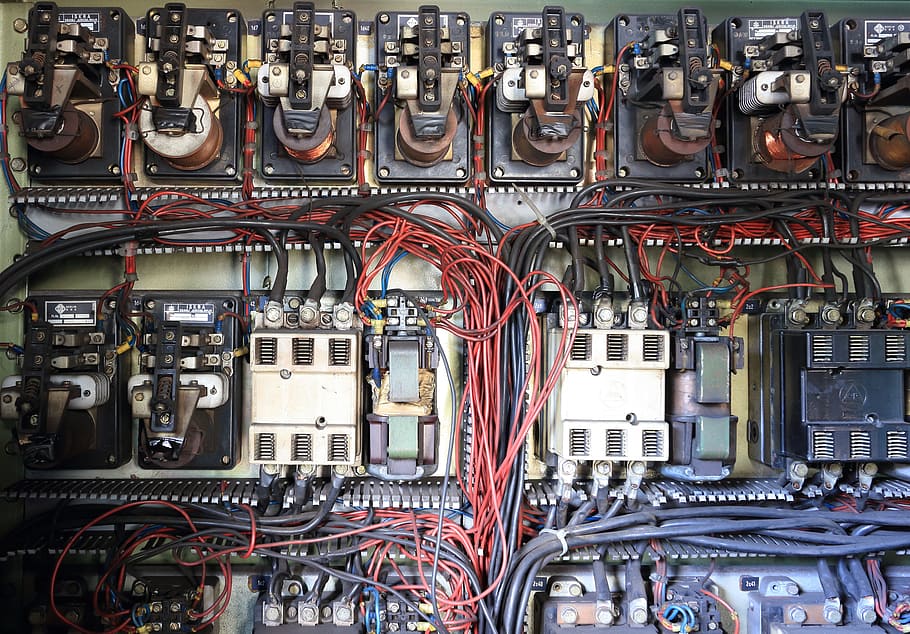
Common Signs of Locomotive WABCO Compressor Parts Wear and How to Address Them

Common Signs of Locomotive WABCO Compressor Parts Wear and How to Address Them

Unveiling the Marvels of WABCO Compressor Parts

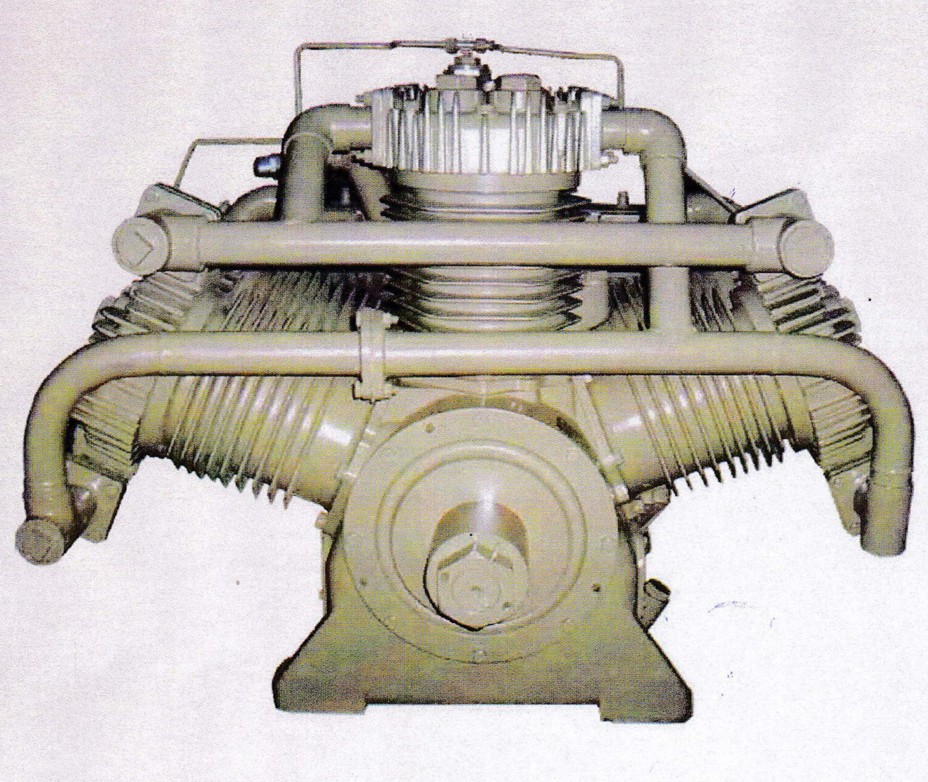
WABCO compressors and parts are essential components in the diesel locomotive industry. As an industry leader in North America and a subsidiary of the renowned parent company, Electro-Motive Diesel, WABCO specializes in manufacturing high-quality electrical parts for locomotives. Compressors are responsible for providing the necessary air pressure to power various systems on both diesel-electric and non-db locomotives. They play a crucial role in ensuring proper brake operation, which is vital for the safety of railway operations. However, over time, WABCO compressors and their associated parts may experience wear and tear, diminishing their effectiveness and potentially posing risks to locomotive operation. Recognizing the common signs of wear in these components and taking appropriate measures to address them is crucial for maintaining locomotive safety and functionality. In this article, we will explore some of the common signs of WABCO compressor and parts wear and discuss the steps to address them effectively.

Common Signs of Wear in Locomotive WABCO Compressor Parts

Locomotive compressors play a vital role in the air compressor system, powering various components such as brakes and pneumatic devices. Like any mechanical system, these compressor parts are subject to wear and tear over time. Recognizing the signs of wear in locomotive compressor parts is crucial for maintenance and ensuring the safe operation of the locomotive.

One common sign of wear is low oil pressure levels. The compressor relies on oil lubrication to reduce friction and heat. When oil pressure drops, it indicates potential wear or failure within the compressor assembly. Similarly, high air pressure levels can indicate blockages or damage in the compressor valves or seals. These issues can lead to inefficient or inconsistent airflow, affecting the overall performance of the locomotive.

Unusual noises or smells from the air compressor system are another indication of wear. Grinding, squealing, or knocking sounds may suggest worn-out parts or misalignment. Additionally, a burnt or acrid smell can indicate overheating or excessive friction within the compressor assembly.

Excessive vibration and heat from the system are critical signs of wear. Vibrations can result from misbalanced or damaged compressor parts, impacting the overall stability and performance of the locomotive. Excessive heat, on the other hand, can be a result of worn-out seals, damaged valves, or inefficient cooling systems.

Recognizing these signs of wear is crucial as they indicate potential risks, such as reduced braking capacity and compromised safety. Regular inspection and maintenance of locomotive compressor parts are necessary to address these signs of wear and ensure optimal performance. It is advisable to consult industry experts and follow the manufacturer’s recommendations for maintenance and replacement of worn-out parts. By addressing the signs of wear in locomotive compressor parts promptly, operators can maintain the longevity and reliability of the locomotive.

The Parent Company of Locomotive WABCO Compressors

The parent company of locomotive WABCO compressors is Electro-Motive Diesel (EMD), an industry leader in the production of diesel-electric locomotives. EMD is a subsidiary of Progress Rail, which is a part of Caterpillar Inc. With its headquarters in the United States, EMD has been a prominent player in the diesel locomotive industry, providing innovative solutions for the transportation sector. EMD’s locomotives are known for their reliability, performance, and ability to operate in extreme temperatures. As a sister company to Progress Rail, EMD reinforces the commitment to high-quality locomotive electrical parts and meets the rigorous safety and industry requirements for locomotive operations. By providing a diverse range of locomotive solutions, including DB-equipped, non-DB-equipped, hybrid, and four-axle locomotives, EMD caters to the specific requirements of the railway industry.

Electro-Motive Diesel (EMD)

Electro-Motive Diesel (EMD) is a significant player in the diesel locomotive industry and stands as one of the leading manufacturers of diesel-electric locomotives. With a strong background in the automobile industry, EMD has successfully established itself as an industry leader through their innovative designs and aggressive marketing strategies.

EMD’s origins date back to the early 20th century when it was a subsidiary of General Motors. Leveraging GM’s resources and expertise, EMD quickly rose to prominence by pioneering the development of diesel-electric technology for locomotives. This revolutionary advancement allowed for more efficient and powerful locomotives, ultimately replacing the steam locomotives that dominated the industry at the time.

Through strategic partnerships and continuous research and development, EMD differentiated itself from competitors like American Locomotive Company (ALCo). ALCo, which primarily manufactured steam locomotives, failed to adapt to the changing market demands and ultimately trailed behind EMD.

EMD’s aggressive marketing strategies further solidified its dominance in the industry. With a focus on providing reliable and high-performance locomotives, EMD successfully captured a significant market share in North America and expanded its reach globally.

Today, EMD continues to innovate and provide cutting-edge locomotive solutions, ensuring efficient and reliable transportation across the railway network. With a rich heritage and a relentless commitment to excellence, EMD remains at the forefront of the diesel locomotive industry, setting new standards for performance, sustainability, and industry advancements.

Industry Leadership in North America and the United States

Union Pacific Railroad Company is a true industry leader in North America and the United States, renowned for its unwavering commitment to safety, efficiency, and high-quality services. With a rich history dating back to 1862, Union Pacific has continuously set the standard for excellence in the railway industry.

One of the key factors that sets Union Pacific apart as an industry leader is their unyielding emphasis on safety. They prioritize the well-being of their employees, customers, and the communities they serve by implementing rigorous safety protocols and continuously improving their safety measures. Union Pacific’s safety programs and initiatives have earned them recognition and accolades within the industry.

In addition to safety, Union Pacific is dedicated to maximizing efficiency and productivity. They leverage the latest advancements in technology and best practices to streamline their operations and enhance the overall efficiency of their network. Through initiatives like precision scheduled railroading, Union Pacific strives to improve train velocity, reduce transit times, and increase asset utilization.

Union Pacific’s focus on providing high-quality services is another driving force behind their industry leadership. They prioritize customer satisfaction and have built a reputation for delivering reliable and dependable transportation solutions. With a vast network encompassing major trade corridors and strategic partnerships with key stakeholders, Union Pacific ensures seamless connectivity and efficient movement of goods across the country.

In conclusion, Union Pacific Railroad Company’s industry leadership in North America and the United States can be attributed to their steadfast commitment to safety, dedication to efficiency, and focus on delivering high-quality services. Through their continuous efforts and adherence to best practices, Union Pacific sets the benchmark for excellence in the railway industry.

Sister Locomotives and How They Differ From Single Locomotives

Sister locomotives, also known as multiple unit locomotives, are a unique configuration in the locomotive industry. Unlike single locomotives, which operate individually, sister locomotives are designed to work together as a pair or in a group. This configuration allows for increased power and efficiency in the movement of trains.

One of the main differences between sister locomotives and single locomotives is their design. Sister locomotives are specifically engineered to be operated as a unit, with shared controls and synchronised operations. This allows for seamless coordination between the locomotives, resulting in smoother acceleration and deceleration, as well as improved overall performance.

The use of sister locomotives is advantageous in various scenarios. They are especially beneficial in situations that require more power than a single locomotive can provide, such as hauling heavy freight or climbing steep gradients. By combining the power of multiple locomotives, sister locomotives can effectively handle these demanding tasks.

In addition, sister locomotives offer increased reliability and redundancy. If one locomotive experiences a mechanical issue or requires maintenance, the other locomotive(s) in the set can continue to operate, ensuring minimal disruption to train services.

Overall, sister locomotives play a crucial role in the transportation industry, providing enhanced power and efficiency compared to single locomotives. Their design and configuration allow for seamless coordination and improved reliability, making them a valuable asset in the movement of goods and passengers.

Types of Diesel-Electric Locomotives Equipped With WABCO Compressors

Diesel-electric locomotives are an essential part of the railway industry, providing the power necessary to transport goods and people efficiently. These locomotives are equipped with various components, including air compressors, which play a crucial role in their operation. WABCO compressors, known for their quality and reliability, are commonly used in diesel-electric locomotives. These compressors ensure the proper functioning of the air brake system, which is critical for safety and control during train operations. Understanding the different types of diesel-electric locomotives equipped with WABCO compressors can help in identifying signs of wear and addressing them promptly, ensuring the continued smooth and safe operation of these locomotives.

Four-Axle Locomotives (4As)

Four-axle locomotives (4As) equipped with WABCO compressors are widely used in the railway industry, particularly in the United States and North America. These locomotives, often referred to as four-axle switchers or road switchers, play a vital role in various operations, such as yard switching and local freight transport.

What sets 4As apart from other types of locomotives is their compact design and flexibility, allowing them to navigate tight curves and maneuver in restricted areas with ease. These locomotives typically have two powered axles and two unpowered axles, providing excellent traction and load capacity.

The WABCO compressors in these locomotives are crucial for their overall performance and safety. These compressors generate compressed air, which is used to power various systems, such as the locomotive brakes, suspension, and pneumatic control systems. Without properly functioning WABCO compressor parts, the operation of these essential systems would be compromised, resulting in potential risks and the violation of railway locomotive inspection and safety rules.

Some of the specific components and systems in 4As that rely on WABCO compressors include the locomotive brakes, control valves, and one-way check valves. These parts work in harmony to ensure proper braking and control of the locomotive.

However, as with any mechanical equipment, wear and failure of WABCO compressor parts can occur over time. Signs of wear may include decreased air pressure, unusual noises during operation, or difficulty in building up air pressure. If these signs are ignored, it can lead to complete failure and, consequently, a loss in functionality of the affected components and systems.

To address wear and failure in WABCO compressor parts effectively, regular maintenance, thorough inspection, and timely replacement are recommended. Engaging in dynamometer and bench testing, as well as post-accident and subsequent air brake testing, can help identify any potential issues before they become critical. It is also essential to consult industry experts and adhere to recommended guidelines, such as those provided by Progress Rail, Transport Canada Rail Safety, and other relevant authorities.

By prioritizing the maintenance and proper functioning of WABCO compressor parts, locomotive engineers and operators can ensure the safety, efficiency, and sustainable capacity of four-axle locomotives, ultimately contributing to the safe and reliable operation of the railway system.

Hybrid Locomotives with 40-Inch Wheels or 40-Inch-Diameter Wheels

Hybrid locomotives equipped with 40-inch wheels or 40-inch-diameter wheels offer unique characteristics and features that set them apart from other types of locomotives. The larger wheel size provides several advantages in terms of design and capabilities.

One of the main characteristics of hybrid locomotives with 40-inch wheels is their increased load capacity. The larger wheels allow for greater weight distribution, enabling these locomotives to carry heavier loads compared to locomotives with smaller wheels. This enhanced load capacity is particularly beneficial for industries that require transportation of heavy goods or materials.

Additionally, hybrid locomotives with 40-inch wheels exhibit improved traction and braking performance. The larger wheel diameter increases the contact area between the wheels and the tracks, resulting in enhanced grip and better control during acceleration and deceleration. This allows for smoother and more efficient operation, especially in challenging terrain or adverse weather conditions.

However, there are potential challenges associated with using hybrid locomotives with larger wheels. The increased size and weight of the wheels can lead to higher maintenance requirements and costs. Additionally, the construction and manufacturing processes for these specialized wheels may be more complex and expensive.

In conclusion, hybrid locomotives with 40-inch wheels or 40-inch-diameter wheels offer distinct advantages in terms of load capacity, traction, and braking performance. Despite the potential challenges, these locomotives are an innovative solution for industries requiring efficient and reliable transportation of heavy loads.

Non-DB Equipped Locomotives Versus DB Equipped Locomotives

Non-DB equipped locomotives and DB equipped locomotives are two distinct types of locomotives that differ in their braking capabilities. DB stands for dynamic braking, which refers to a braking system that allows locomotives to efficiently slow down or stop by utilizing the traction motors as generators.

Non-DB equipped locomotives, on the other hand, lack this dynamic braking feature. Instead, they rely solely on their air brakes and mechanical braking systems to slow down or bring the locomotive to a complete halt.

DB equipped locomotives offer several advantages over non-DB equipped locomotives. Firstly, dynamic braking enables smoother and more efficient control of the locomotive’s speed, especially when descending steep grades or when there is a need for rapid deceleration. This can enhance both the safety and overall productivity of the locomotive.

In contrast, non-DB equipped locomotives may struggle to slow down or stop efficiently, especially in challenging terrain or adverse weather conditions. They rely heavily on their air brakes and mechanical braking systems, which may be less effective in situations requiring quick reduction of speed.

However, DB equipped locomotives also have some disadvantages. The dynamic braking system adds complexity to the locomotive’s design, leading to increased maintenance and potential for higher costs. Additionally, the energy dissipated during dynamic braking is not recoverable, resulting in increased energy consumption.

In summary, DB equipped locomotives offer superior braking performance and control compared to non-DB equipped locomotives. However, the added complexity and higher maintenance requirements of DB systems should be considered when evaluating locomotive options.

Identifying Common Signs of Wear in WABCO Compressor Parts

The WABCO compressor is an integral component of locomotive air brake systems, responsible for compressing and supplying air to operate the brakes. Over time, these parts can experience wear and tear, leading to potential issues and decreased brake performance. Identifying common signs of wear in WABCO compressor parts is crucial to ensure the continued safety and efficiency of locomotives. By recognizing these signs early on, appropriate actions can be taken to address the problem and prevent further damage. In this article, we will discuss some common signs of wear in WABCO compressor parts and provide guidance on how to address them effectively.

Low Oil Pressure Levels

Low oil pressure levels in locomotive compressor parts can be concerning as they can lead to potential risks and operational issues. There are several common signs of low oil pressure levels that indicate a problem. These include abnormal noises, decreased performance, and increased compressor temperatures.

Low oil pressure can result from various factors, such as intake obstruction, oil leaks, worn piston rings, and improper oil viscosity. Intake obstruction can restrict the flow of oil, leading to decreased pressure. Oil leaks can result in insufficient oil reaching the compressor, causing pressure to drop. Worn piston rings can allow oil to escape from the compression chamber, reducing pressure. Lastly, improper oil viscosity can hinder the proper flow, resulting in low pressure levels.

To address low oil pressure issues, it is important to diagnose and fix the underlying causes. Begin by checking for intake restrictions, ensuring that the intake system is clean and clear of any obstructions. Inspect for oil leaks and repair any identified leaks promptly. Regularly monitor oil levels and maintain them within the recommended range. Additionally, make sure the oil used is of the proper viscosity as specified by the manufacturer.

By addressing these issues, locomotive operators can maintain optimal oil pressure levels in compressor parts, reducing the risks of operational problems and ensuring reliable performance.

High Air Pressure Levels

High air pressure levels in locomotive compressor parts can lead to pressure and flow problems, affecting the overall performance and safety of the locomotive. When the compressor builds up too much air or the pressure cannot reach the desired level, several signs may indicate this issue.

One common sign is the activation of pressure relief valves or safety valves, which release excess air to prevent damage. Another sign is rapid or irregular cycling of the compressor, indicating that the pressure is constantly fluctuating. Additionally, leaks in the intake valve, pressure valve, gaskets, piston seals, or tank check valve may occur due to the excessive pressure.

To address high air pressure levels, it is crucial to identify and resolve the underlying causes. Start by inspecting and cleaning the intake valve and pressure valve to ensure proper functioning. Replace any worn or damaged gaskets, piston seals, or tank check valve components. It is also essential to check the compressor’s pressure gauge and adjust it to the recommended level.

Regular maintenance, including proper lubrication and inspection of compressor components, can prevent high air pressure levels. Additionally, following the manufacturer’s guidelines for maintenance and operation will help maintain optimal performance and safety.

By addressing high air pressure levels promptly and effectively, you can ensure the smooth operation and longevity of locomotive compressor parts.

Unusual Noises or Smells from the Air Compressor System

Unusual noises or smells from the air compressor system are common signs of potential issues that need to be promptly addressed. These signs could indicate several possible causes, and understanding them will help troubleshoot and resolve the problem effectively.

One possible cause of unusual noises is loose or damaged components. Inspect the compressor for loose bolts or screws and tighten them if necessary. If any parts are damaged, such as a worn-out belt or a broken fan blade, they should be replaced immediately.

Another possible cause is an oil leak. Check for any visible signs of oil leakage around the compressor. If a leak is detected, tighten the connections, replace faulty gaskets, or repair damaged seals to prevent further leakage.

Overheating can also lead to strange noises or smells. Ensure that the compressor is placed in a well-ventilated area and that the cooling fans are clean and operational. Regularly clean the air filters to prevent clogging and airflow restriction.

To troubleshoot these issues, follow these steps:

1. Inspect and tighten all bolts and screws.

2. Replace any damaged components.

3. Check for oil leaks and repair as necessary.

4. Ensure proper ventilation and clean the cooling fans.

5. Clean or replace clogged air filters.

By addressing these potential issues and following the troubleshooting steps, you can resolve unusual noises or smells from the air compressor system effectively. Regular maintenance and proper operation will help ensure optimal performance and prolong the lifespan of the compressor.

Excessive Vibration and Heat from the System

Excessive vibrations and heat from the locomotive compressor system can be indications of underlying issues that need to be addressed promptly. These problems can be caused by a variety of factors, such as dirt accumulation, poor ventilation, worn head gasket and valves, or limited air intake.

To address excessive vibration and heat in the locomotive compressor system, several solutions can be implemented. Firstly, it is important to ensure that the compressor is clean and free from dirt or debris. Regularly clean the compressor to prevent dirt accumulation, which can interfere with its proper functioning.

Improving ventilation is another key step in addressing these issues. Ensure that the compressor is placed in a well-ventilated area and that there are no obstructions blocking the airflow. Additionally, clean the cooling fans regularly to ensure their effective operation.

Worn parts, such as the head gasket and valves, can also contribute to excessive vibration and heat. If these components are worn or damaged, they should be replaced promptly to restore proper functioning and prevent further deterioration.

In some cases, relocating the compressor to a more suitable location can help mitigate excessive vibrations and heat. Assess the current placement of the compressor and consider relocating it to an area with better airflow and less potential for vibrations.

By addressing these potential causes and implementing the appropriate solutions, excessive vibration and heat from the locomotive compressor system can be effectively mitigated, ensuring optimal performance and prolonging the lifespan of the equipment.

The Importance of Genuine WABCO Compressor Parts in Locomotives in Ensuring Optimal Performance

The Importance of Genuine WABCO Compressor Parts in Locomotives in Ensuring Optimal Performance

Overview of WABCO Compressor Parts in Locomotives

In the world of locomotives, the importance of genuine WABCO compressor parts cannot be overstated. These critical components play a vital role in ensuring the optimal performance of the air compressor, which is an integral part of the locomotive’s auxiliary systems. From emergency brake application to train brakes and brake pipe continuity, the proper functioning of the air compressor is essential for safe and efficient operations. WABCO, known for its commitment to quality, has been a trusted supplier of locomotive parts in North America for decades. Their genuine compressor parts not only help in preventing the loss of brake pressure or inoperative brakes but also contribute to satisfactory brake response and overall safety. Whether it’s the traditional brake pipe or the latest electro-pneumatic brake systems, WABCO compressor parts provide the reliability and durability required in various brake design types. When it comes to keeping locomotives running smoothly and reducing maintenance costs, reliance on genuine WABCO compressor parts is a wise choice.

Benefits of Genuine WABCO Compressor Parts in Locomotives

Using genuine WABCO compressor parts in locomotives is essential for ensuring optimal performance. These high-quality parts contribute to efficient air compression, resulting in improved locomotive performance and reduced maintenance costs.

One of the key benefits of using genuine WABCO compressor parts is their impact on critical components. These parts are specifically designed to match the specifications of the locomotive system, ensuring compatibility and reliability. By using genuine parts, locomotive operators can trust that their critical components will function at their best, minimizing the risk of failure and downtime.

Moreover, genuine WABCO compressor parts contribute to efficient air compression. This is crucial for the proper functioning of auxiliary systems, emergency brake applications, and the overall efficiency of the train brakes. Inadequate air compression can lead to issues such as loss of brake pressure, inoperative brakes, or reduced brake pipe integrity. With genuine WABCO compressor parts, locomotives can maintain optimal air pressure and ensure satisfactory brake response.

Finally, using genuine WABCO compressor parts helps reduce maintenance costs. These parts are known for their durability and longevity, meaning less frequent replacements and repairs. By investing in genuine parts, locomotive operators can minimize maintenance expenses and increase the overall reliability of their locomotive system.

In conclusion, genuine WABCO compressor parts play a vital role in ensuring optimal locomotive performance. From efficient air compression to reduced maintenance costs and improved reliability, these parts are a valuable investment for any locomotive operator.

Types of WABCO Compressor Parts for Locomotives

Introduction:

WABCO compressor parts play a crucial role in ensuring optimal performance and reliability of locomotives. These genuine parts are designed to match the specifications of the locomotive system, providing compatibility and longevity. There are various types of WABCO compressor parts that cater to different aspects of locomotive functioning, including air compression, brake applications, and critical component support. Understanding the different types of WABCO compressor parts can help locomotive operators make informed decisions about maintenance and replacement, ultimately leading to improved efficiency and reduced downtime. Let’s explore the types of WABCO compressor parts that are essential for locomotives.

Air Compressors

Air compressors play a crucial role in locomotives and are essential components of the air brake system. They generate and supply compressed air, which is used to operate the brakes. This ensures optimal performance and safety during train operations.

In the air brake system, the air compressor works in conjunction with other components, particularly the triple valve. The compressor supplies compressed air to the triple valve, which controls the application and release of the brakes. When the brakes need to be applied, the triple valve allows the compressed air to flow into the brake cylinders, exerting the necessary force to slow down or stop the train.

Key features and specifications of air compressors used in locomotives include a maximum operating pressure and cooling methods. The compressor is designed to withstand high pressures to ensure effective braking. Additionally, air compressors may utilize different cooling methods, such as air or water cooling, to prevent overheating during operation.

In summary, air compressors are critical components of locomotives, playing a vital role in the air brake system. They work in conjunction with other components, ensuring effective and reliable braking. The use of genuine air compressor parts is crucial in maintaining optimal performance and reducing maintenance costs.

Auxiliary Systems

Auxiliary systems play a crucial role in ensuring the optimal performance of locomotives. These systems, such as the electro-pneumatic brake system and the electro-vacuum brake system, perform important functions that contribute to the overall functioning of the locomotive.

The electro-pneumatic brake system is highly efficient and widely used in modern locomotives. It utilizes electrical signals to control the application and release of the brakes. This system offers precise and immediate response, ensuring that the train can be safely slowed down or brought to a halt when necessary. It also allows for individual control of each car’s brakes, enhancing the overall braking capacity of the train.

On the other hand, the electro-vacuum brake system utilizes a vacuum to apply and release the brakes. While not as commonly used as the electro-pneumatic system, it is still found in certain locomotives. This system also provides reliable braking performance, especially in situations where the train encounters slippery tracks or harsh weather conditions.

These auxiliary systems consist of various components such as the brake valve, brake pipe, and control circuits. These components work together to ensure a satisfactory brake response and maintain the integrity of the brake pipe. For example, the brake valve regulates the flow of air or vacuum through the brake pipe, enabling the desired brake pressure to be applied or released.

While auxiliary systems offer many benefits, they also come with challenges. These challenges include the need for regular maintenance and the risk of system failures. However, with proper maintenance and genuine components such as wabco compressor parts, these challenges can be minimized.

In summary, auxiliary systems, such as the electro-pneumatic and electro-vacuum brake systems, are essential for the optimal functioning of locomotives. These systems provide precise and reliable braking performance, ensuring safety for both passengers and cargo. By utilizing genuine components and conducting regular maintenance, locomotives can operate at their best and deliver efficient and reliable transportation.

Emergency Brake Application System Components

The emergency brake application system in locomotives is a critical component for ensuring the safe operation of train brakes. It consists of several key components that work together to provide immediate and reliable braking in emergency situations.

One of the key components is the brake cylinder, which is responsible for applying the necessary force to engage the brakes. When the emergency brake is activated, the brake cylinder piston force is generated, pushing against the brake shoes or discs and bringing the train to a halt.

Another essential component is the brake cylinder release valve. This valve allows for the release of the brake cylinder pressure, allowing the brakes to be disengaged. It is important for this valve to function properly to ensure that the brakes can be released smoothly after an emergency stop.

Additionally, the exhaust of the brake cylinder plays a crucial role in the emergency brake application system. It allows for the controlled release of air or vacuum from the brake cylinder, regulating the braking force and preventing sudden and excessive braking.

Overall, these components of the emergency brake application system are vital for the safe operation of train brakes. Their proper functioning ensures that the brakes can be engaged quickly and released smoothly in emergency situations, minimizing the risk of accidents or derailments.

Traditional Brake Pipe Components

Traditional brake pipe systems used in locomotives consist of various components that work together to ensure the effective application and release of brakes in a steam engine. These components include the brake pipe, angle cocks, brake cylinder, triple valve, and brake shoe or disc.

The brake pipe is a long pipe that runs the length of the train and carries compressed air or vacuum from the locomotive to the brakes of each individual car. It is connected to the angle cocks, which are valves that control the flow of air or vacuum to each car’s brake system.

The brake cylinder is responsible for applying the necessary force to engage the brakes. When the brake pipe pressure is reduced, the triple valve detects the pressure reduction and allows air or vacuum to enter the brake cylinder, applying force to the brake shoes or discs and bringing the train to a halt.

To release the brakes, the brake pipe pressure is increased, causing the triple valve to redistribute the air or vacuum in the brake cylinder, allowing the brakes to be disengaged. The brake shoe or disc makes direct contact with the wheels, providing the friction necessary to slow down or stop the train.

To ensure the integrity and continuity of the brake pipe, it is crucial to regularly inspect and maintain it. Any leaks or damages in the brake pipe could result in a loss of brake pressure and compromised brake response, potentially leading to accidents or derailments. It is essential to prioritize the maintenance of the brake pipe to ensure safe and satisfactory brake performance in steam engines.

Automatic Air Brake Valve Components

The Automatic Air Brake Valve is a critical component in the braking system of a locomotive. It is responsible for controlling and regulating the flow of compressed air throughout the system. Let’s take a look at the different components of the Automatic Air Brake Valve and their functions:

1. Casing: The casing houses all the internal components of the valve, providing protection and support.

2. Diaphragm: The diaphragm acts as a flexible barrier, separating the upper and lower chambers of the valve. It responds to changes in pressure, enabling the valve to open or close.

3. Slide Valve: The slide valve regulates the flow of air between the upper and lower chambers of the valve. It opens or closes in response to input from the engineer, allowing the desired brake application or release.

4. Equalizing Reservoir: The equalizing reservoir stores compressed air, helping to equalize pressure within the valve and providing a steady source of air for brake applications.

5. Release Valve: The release valve is responsible for bleeding excess air from the braking system when the brakes are released. It ensures that the brakes disengage smoothly and quickly.

The Automatic Air Brake Valve works in conjunction with other components in the braking system, such as the brake pipe and brake cylinder, to ensure optimal performance. It plays a crucial role in maintaining brake pipe integrity, ensuring the proper application and release of brakes, and preventing the loss of brake pressure. The accurate and reliable operation of each component is essential for safe and efficient locomotive braking. By using genuine Wabco compressor parts for these components, operators can ensure the overall performance and longevity of their locomotive braking system.

Air Brake Hoses

Air brake hoses are an integral component of the locomotive braking system, connecting different parts of the system together and transferring compressed air from one point to another. They provide a secure connection between the brake pipe and the triple valve, allowing for accurate communication between each component. Additionally, air brake hoses also connect the triple valve to other parts of the train, such as the angle cocks and brake cylinders, ensuring proper distribution of air or vacuum for efficient braking. It is essential to use genuine Wabco compressor parts in order to maintain optimal performance in these components.

Due to their frequent usage and exposure to different elements, air brake hoses can be prone to wear and tear over time. If any leaks or damages are detected in these hoses, it is important to take immediate action and replace them with genuine Wabco compressor parts. The installation of quality Wabco compressor parts will ensure that the brakes operate efficiently and effectively without any risks or dangers. Furthermore, replacing worn-out components with genuine Wabco compressor parts will extend their lifespan considerably, allowing operators to enjoy long-lasting performance from their locomotive braking systems.

24-RL Locomotive Brake Equipment Components

The 24-RL Locomotive Brake Equipment is a critical component of the air brake system in locomotives. It consists of several important parts that work together to ensure the efficient and reliable operation of the brakes.

One of the key components of the 24-RL Locomotive Brake Equipment is the brake cylinder. This device converts air pressure into mechanical force to apply the brakes. It consists of a piston that exerts force on the brake shoes, causing them to squeeze against the wheels and slow down the locomotive.

The exhaust portal is another essential part of the 24-RL Locomotive Brake Equipment. It allows the release of air from the brake cylinder after a brake application. This exhaust ensures that the brakes disengage smoothly and quickly, allowing for efficient operation and minimal downtime.

The piston force within the brake cylinder is crucial for the proper functioning of the brakes. It determines the amount of force applied to the brake shoes, which directly affects the stopping power of the locomotive. Optimal piston force ensures satisfactory brake response and safe operation.

The release valve is responsible for bleeding excess air from the braking system when the brakes are released. It plays a vital role in maintaining brake pipe pressure, brake pipe integrity, and brake pipe reductions. A well-functioning release valve enables a reduction in brake pipe pressure to release the brakes effectively.

In conclusion, the various components of the 24-RL Locomotive Brake Equipment, such as the brake cylinder, exhaust portal, piston force, and release valve, are integral to the efficient and reliable operation of the air brake system in locomotives. These components ensure optimal brake performance, contributing to the overall safety and effectiveness of locomotive operations.

Emergency Brake Application

The emergency brake application is one of the most important safety features on a locomotive, as it allows operators to quickly and reliably stop the train in an emergency situation. For this reason, it is essential that only genuine WABCO compressor parts are used in the maintenance of these brakes, as they can provide optimal performance and reliability that imitations simply cannot match.

Genuine WABCO compressor parts are designed to meet the highest standards of quality and performance. They ensure that all components of the 24-RL Locomotive Brake Equipment work together as intended, providing consistent and reliable operation for locomotive braking systems. By using only genuine WABCO parts in the maintenance of their locomotives, operators can rest assured that their brakes will perform optimally, contributing to the overall safety and efficiency of their operations.


Maintenance and Repair Requirements for WABCO Compressor Parts in Locomotives

Maintenance and repair requirements for WABCO compressor parts in locomotives are crucial for ensuring optimal performance and safe operation. These genuine WABCO compressor parts play a vital role in the efficient functioning of the locomotive’s braking system. Regular maintenance and timely replacement of these parts are necessary to prevent breakdowns, minimize downtime, and reduce overall maintenance costs. With their commitment to quality, WABCO compressor parts are designed to withstand the demanding conditions of locomotive operation. By using genuine WABCO compressor parts, locomotive operators in North America can have peace of mind knowing that their auxiliary systems, such as the emergency brake application and train brakes, are reliable and effective. Additionally, these parts contribute to maintaining brake pipe continuity, preventing the loss of brake pressure, and ensuring the integrity of the brake pipe system. Investing in genuine WABCO compressor parts is an essential aspect of the regular maintenance and repair of locomotives, leading to smooth operation and enhanced safety on the railways.

Cleaning and Inspection Requirements for Air Compressors

Proper cleaning and inspection of air compressors is vital for maintaining optimal performance and ensuring the safety and efficiency of locomotives.

To ensure proper maintenance and performance, a series of steps should be followed. Firstly, it is essential to establish a regular cleaning schedule for the air compressors. This involves removing any accumulated dirt, debris, and oil residues that can hinder the compressor’s function.

During the inspection process, various components of the air compressor need to be thoroughly examined. This includes inspecting the inlet and discharge valves, cylinders, pistons, and filters for any signs of wear, damage, or corrosion. Additionally, it is crucial to check for proper lubrication and ensure the belts, pulleys, and other related parts are in good condition.

To clean and inspect air compressors, employ appropriate cleaning agents and tools such as compressed air, brushes, and lint-free cloths. Special attention should be paid to the cleanliness of the filters and the ventilation system.

By adhering to these cleaning and inspection procedures, locomotive operators can decrease the risk of compressor failures, reduce maintenance costs, and improve the overall performance of the air compressors. Regular cleaning and inspection underline the commitment to quality and guarantee the longevity of critical components in locomotives’ auxiliary systems.

Testing Procedures for Auxiliary Systems and Emergency Brake Application System Components

Testing procedures for auxiliary systems and emergency brake application system components in locomotives are crucial for ensuring their functionality and the safety of the overall system.

1. Auxiliary Systems Testing:

– Conduct a comprehensive inspection of all auxiliary systems, including air compressors, fans, generators, and pumps, to identify any signs of wear and potential failures.

– Test the operation and performance of each auxiliary system, following the manufacturer’s guidelines and specifications.

– Use appropriate measuring instruments and gauges to check parameters such as air pressure, voltage, and flow rates.

– Check for any leaks, blockages, or abnormalities in the system and address them promptly.

– Verify the proper functioning of control mechanisms, switches, solenoids, and relays.

2. Emergency Brake Application System Testing:

– Inspect and test the emergency brake valve, brake pipe, brake cylinder, and related components such as hoses and connectors.

– Perform tests to ensure the integrity of the brake pipe and continuity of the brake system.

– Check for proper brake pipe pressure reduction when applying the emergency brake.

– Verify the effectiveness of the brake cylinder in generating sufficient braking force.

– Test the response time and functionality of the emergency brake application system in simulated emergency situations.

Methods used for testing can include visual inspections, functional tests, pressure measurements, and performance evaluations. It is important to follow specific testing procedures recommended by the locomotive manufacturer and adhere to industry standards to ensure accurate and reliable results.

Commitment to Quality with Locomotive WABCO Compressor Parts in North America

As a leading manufacturer of locomotive components, WABCO has a strong commitment to quality when it comes to producing genuine compressor parts for locomotives in North America. The importance of using genuine WABCO compressor parts cannot be overstated, as they play a crucial role in ensuring the optimal performance of locomotives. With their extensive experience and expertise in the industry, WABCO understands the critical role that compressor parts play in maintaining the smooth and efficient operation of auxiliary systems and emergency brake application systems. By adhering to high-quality standards and rigorous testing procedures, WABCO compressor parts are designed to meet and exceed the demands of locomotive applications, reducing maintenance costs and ensuring the continued reliability and safety of locomotives in North America.

Quality Assurance Guidelines for All Products Used in North America

Union Pacific is committed to providing high-quality products for all locomotives used in North America. To ensure the durability and reliability of these products, the company follows strict quality assurance guidelines.

One of the key testing methods used by Union Pacific is Computer-Aided Design (CAD). This technology allows for precise design and simulation, ensuring that the products meet the required specifications. CAD enables engineers to identify potential issues and make necessary adjustments before manufacturing.

Accelerated Stress Testing (AST) is another important testing method employed by Union Pacific. This process involves subjecting the products to extreme conditions to simulate years of use in a short period of time. By doing so, potential weaknesses or failures can be identified early on, allowing for improvements to be made before the products are deployed in the field.

Environmental Testing is also crucial in ensuring the reliability of the products. Union Pacific conducts rigorous tests to ensure that the products can withstand harsh weather conditions, temperature variations, vibrations, and other environmental factors.

By adhering to these quality assurance guidelines and employing rigorous testing methods like CAD, AST, and Environmental Testing, Union Pacific ensures that the products used in locomotives in North America are of the highest quality. This commitment to quality minimizes maintenance costs, enhances the performance of auxiliary systems, and ensures the safety and efficiency of train operations.

Customer Support Programs Available to Customers in North America

WABCO Compressor parts are known for their high quality and reliability in the locomotive industry. In addition to their exceptional performance, WABCO also offers a range of customer support programs for their customers in North America.

One of the key customer support programs offered by WABCO is their dedicated technical support team. This team consists of knowledgeable experts who are available to answer any questions or concerns that customers may have regarding the WABCO compressor parts. They provide assistance in troubleshooting issues, offering guidance and solutions to ensure optimal performance of the locomotives.

WABCO also understands the importance of timely product availability for their customers. Therefore, they have implemented efficient inventory management systems to ensure quick and reliable delivery of their compressor parts. This reduces downtime for the locomotives and enables customers to maintain their schedules without disruptions.

Furthermore, WABCO offers comprehensive warranty programs for their compressor parts. These warranty programs provide customers with peace of mind knowing that their investment is protected. In the unlikely event of any defects or failures, customers can rely on WABCO to address the issue promptly and provide suitable replacements or repairs.

By offering these customer support programs, WABCO displays their commitment to customer satisfaction and the performance of their compressor parts in the locomotive industry. Customers in North America can rely on the additional benefits and services provided by WABCO to ensure the optimal performance of their locomotives.


(Mikura International is a leading supplier of genuine WABCO compressor parts and components for locomotives. Since its founding in 1981, Mikura has strived to provide quality products that meet or exceed industry standards. The companyโ€™s commitment to excellence and innovation have allowed them to become the go-to source for WABCO compressor parts.)

A Comprehensive Guide to Locomotive Bearings: Types, Functions, and Maintenance

A Comprehensive Guide to Locomotive Bearings: Types, Functions, and Maintenance

Introduction to Locomotive Bearings

When it comes to locomotive systems, there is one vital component that plays a crucial role in ensuring smooth operations – locomotive bearings. These bearings provide support, reduce friction, and enable the proper movement of rotating shafts. In this comprehensive guide, we will explore the different types of locomotive bearings, their functions, and the essential maintenance practices to keep them in optimal condition.

Overview of locomotive bearings and their importance in locomotive systems

Types of Locomotive Bearings:

  1. Rolling Element Bearings: These bearings consist of rolling elements, such as balls or rollers, that reduce friction and enable smooth motion. Common examples include deep groove ball bearings and tapered roller bearings.
  2. Plain Bearings: Also known as sleeve bearings, these bearings use a lubricated sliding surface between the bearing and the rotating shaft. They are commonly used in slow-speed and low-load applications.

Functions of Locomotive Bearings:

  • Support: Locomotive bearings provide support for rotating shafts, ensuring they stay in position.
  • Reduce Friction: By minimizing friction between moving parts, bearings enable smooth rotation and minimize energy loss.
  • Absorb Shock and Vibration: Bearings help absorb shocks and vibrations, protecting other components within the locomotive system.
  • Transmit Loads: Bearings transmit the load from the rotating shaft to the surrounding structure, ensuring proper distribution of forces.

Maintenance of Locomotive Bearings:

  • Regular Lubrication: Proper lubrication is crucial to reduce friction and prevent premature wear.
  • Inspection and Monitoring: Regularly inspect bearings for signs of damage, abnormal noise, or excessive heat.
  • Cleaning: Remove dirt and debris to prevent contamination and extend bearing life.
  • Proper Storage: When not in use, store bearings in a clean and dry environment to prevent corrosion.

In conclusion, locomotive bearings are essential components in locomotive systems, ensuring smooth operations, reducing friction, and absorbing shocks and vibrations. By understanding the different types of bearings, their functions, and implementing proper maintenance practices, locomotive operators can optimize performance and prolong bearing life, ultimately leading to cost savings and efficient locomotive operations.

Introduction to Locomotive Bearings

Source : upload.wikimedia.org

Types of Locomotive Bearings

As a locomotive expert with a passion for locomotives, I understand the importance of understanding the various types of bearings used in these powerful machines. Locomotive bearings play a critical role in ensuring smooth and efficient operation, so it’s essential to know the different types, their functions, and how to maintain them properly. In this comprehensive guide, we’ll delve into the fascinating world of locomotive bearings.

Explanation of different types of bearings used in locomotives, such as roller bearings, ball bearings, and plain bearings.

Roller Bearings: Roller bearings are one of the most common types used in locomotives. They consist of cylindrical rollers that distribute the load evenly, reducing friction and allowing for high-speed operation. Their design enables them to withstand heavy loads and vibrations, making them ideal for locomotive applications.

Ball Bearings: Ball bearings are another type commonly found in locomotives. They use small balls to separate the moving parts, reducing friction and enabling smooth rotation. Ball bearings are known for their durability and efficiency, making them suitable for high-speed locomotives.

Plain Bearings: Plain bearings, also known as sleeve bearings, are simpler in design compared to roller and ball bearings. They consist of a shaft rotating inside a bushing made of a low-friction material. Plain bearings are commonly used in slower-speed applications and require regular lubrication to prevent wear and tear.

To facilitate a better understanding, let’s compare the features of these locomotive bearings:

Bearing Type Features
Roller Bearings – Excellent load capacity
– Suitable for high-speed operation
Ball Bearings – Durability and efficiency
– Ideal for high-speed locomotives
Plain Bearings – Simpler design – Suitable for slower-speed applications

By familiarizing yourself with these different types of bearings used in locomotives, you can better appreciate their roles and functions in ensuring smooth and reliable locomotive operation. Additionally, proper maintenance, including regular lubrication and inspection, is essential for maximizing the lifespan and performance of these bearings. With this comprehensive guide, you’re now equipped with the knowledge needed to keep locomotive bearings in optimal condition.

Functions of Locomotive Bearings
Source: assets.isu.pub

Functions of Locomotive Bearings

When it comes to locomotives, one component that plays a crucial role in their smooth operation is the bearings. These small but significant components are responsible for supporting loads, reducing friction, and controlling heat. Let’s dive into a detailed discussion on the functions and roles of locomotive bearings.

Load Support: One of the primary functions of locomotive bearings is to support heavy loads. Locomotives carry tremendous amounts of weight, and it is the bearings’ responsibility to distribute and bear this weight efficiently. They provide a stable and secure platform for the locomotive’s moving parts, ensuring smooth and safe operation.

Reducing Friction: Friction is the enemy of efficient locomotive operation. The bearings play a crucial role in minimizing friction between moving parts, such as wheels and axles. By providing a smooth surface and minimizing contact, bearings help reduce wear and tear, increase efficiency, and extend the lifespan of locomotive components.

Controlling Heat: The intense heat generated during locomotive operation can be detrimental. Bearings help control and dissipate this heat, ensuring that the locomotive operates within optimal temperature ranges. By preventing excessive heat buildup, bearings prevent damage to crucial components and ensure smooth and continuous operation.

In summary, locomotive bearings perform essential functions that contribute to the smooth and efficient operation of locomotives. They support heavy loads, reduce friction, and control heat. Without these small but vital components, locomotives would struggle to perform their duties effectively.

For more detailed information on locomotive bearings, their types, and maintenance, you can refer to the comprehensive guide on Wikipedia. It provides valuable insights and technical details for those interested in a deeper understanding of locomotive bearings.

Common Bearing Problems in Locomotives
Source: journals.sagepub.com

Common Bearing Problems in Locomotives

As a locomotive engineer, I understand the importance of keeping the bearings in our trains in top-notch condition. Locomotive bearings play a crucial role in the smooth operation of the train by reducing friction and supporting the weight of the rolling elements. In this section, let’s explore the most common bearing problems that occur in locomotives and how to identify and address them.

  1. Overheating: Overheating is one of the most common issues in locomotive bearings. It can be caused by excessive friction, improper lubrication, or bearing misalignment. Signs of overheating include discoloration, excessive noise, and hot surfaces. To address this problem, it is important to regularly inspect and lubricate the bearings, ensure proper alignment, and replace any worn-out or damaged bearings.
  2. Noise: Unusual noises coming from the bearings can indicate a problem. These noises can range from grinding, popping, or squeaking sounds. It is essential to investigate and address these noises promptly to prevent further damage. This may involve cleaning, greasing, or replacing the bearings.
  3. Premature Wear: Premature wear of bearings can be attributed to factors such as inadequate lubrication, excessive loads, or improper mounting. Signs of premature wear include pitting, flaking, or spalling on the bearing surfaces. Regular maintenance and inspections are crucial to detect and address any signs of premature wear early on.

By being aware of these common bearing problems and taking proactive measures, we can ensure the smooth and reliable operation of our locomotives. Regular inspections, proper lubrication, and timely replacement of worn-out bearings are key to maintaining the long-term performance and safety of our trains.

Remember, when it comes to locomotive bearings, prevention is always better than cure. Stay vigilant, follow manufacturer guidelines, and prioritize maintenance. Your train and passengers will thank you for it!

Locomotive Bearing Maintenance
Source: upload.wikimedia.org

Locomotive Bearing Maintenance

Maintaining locomotive bearings is crucial for ensuring optimal performance and preventing costly breakdowns. In this comprehensive guide, we will explore the different types of locomotive bearings, their functions, and essential maintenance practices to keep them in top condition.

Types of Locomotive Bearings:

  1. Plain Bearings: Also known as journal bearings, these are the most commonly used type of bearings in locomotives. They consist of a shaft rotating inside a cylindrical sleeve, which is lubricated to reduce friction.
  2. Rolling Element Bearings: These bearings include ball bearings and roller bearings. They use rolling elements between two rings to reduce friction and facilitate smooth rotation.
  3. Thrust Bearings: These bearings handle axial loads and prevent axial movement of the shaft. They are commonly used in locomotive applications where there is significant axial force.

Functions of Locomotive Bearings:

  1. Support: Bearings support the weight of the rotating components and enable smooth rotation without excessive friction.
  2. Load Distribution: Bearings distribute the load evenly across the bearing surface to prevent localized wear or damage.
  3. Reducing Friction: By providing a low-friction interface between rotating components, bearings minimize power loss and improve overall efficiency.

Locomotive Bearing Maintenance Guidelines:

Proper maintenance is essential to ensure the longevity and reliability of locomotive bearings. Here are some guidelines and best practices:

  1. Lubrication: Regularly lubricate bearings with the appropriate lubricant to reduce friction and prevent wear. Follow the manufacturer’s recommendations for lubrication intervals and use high-quality lubricants.
  2. Inspection: Regularly inspect bearings for signs of wear, overheating, or abnormal noise. Replace any damaged or worn-out bearings promptly to prevent further damage.
  3. Replacement: When replacing bearings, choose high-quality replacements that meet the manufacturer’s specifications. Improperly fitted or substandard bearings can result in premature failure.

By following these maintenance guidelines and best practices, you can ensure the smooth and reliable operation of locomotive bearings, minimizing downtime and maximizing efficiency. Remember, proper maintenance is key to prolonging the lifespan of your locomotive bearings and preventing costly repairs.

A Comprehensive Guide to Locomotive Bearings: Types, Functions, and Maintenance
Source : upload.wikimedia.org

Importance of Proper Bearing Installation

As a mechanical engineer with a passion for locomotives, I understand the critical role that bearings play in the smooth operation of these powerful machines. In this comprehensive guide, I will delve into the types, functions, and maintenance of locomotive bearings. So, if you’re a fellow locomotive enthusiast or a maintenance professional looking to enhance your knowledge, keep reading!

Explanation of the significance of proper bearing installation in locomotives and its impact on performance and longevity.

Bearings are an integral part of a locomotive’s mechanical system, serving the crucial function of reducing friction and supporting the weight of rotating parts. Proper installation of locomotive bearings is essential for optimizing performance and ensuring the longevity of the locomotive.

When bearings are installed correctly, they facilitate smooth rotation, reducing wear and tear on other components such as axles, wheels, and gears. This, in turn, contributes to improved efficiency and lower maintenance costs.

On the other hand, improper bearing installation can lead to a myriad of issues, including increased energy consumption, excessive heat generation, and premature bearing failure. These problems can not only compromise the locomotive’s performance but also pose safety risks.

To ensure proper bearing installation, the following factors must be considered:

  1. Selection of the right bearing type, taking into account load capacity, speed, and environmental conditions.
  2. Alignment of the bearing components to ensure proper load distribution and minimize stress concentrations.
  3. Proper lubrication to reduce friction and heat buildup.
  4. Monitoring and regular maintenance to detect any abnormalities or signs of wear and take corrective actions.

By following these guidelines and paying attention to the installation process, locomotive operators and maintenance teams can optimize performance, extend the lifespan of bearings, and ensure safe and efficient operations.

In the upcoming sections of this guide, we will delve deeper into the various types of locomotive bearings, their functions, and essential maintenance practices. So, stay tuned for an in-depth exploration of this fascinating topic!

Innovations and Advancements in Locomotive Bearings
Source: assets.isu.pub

Innovations and Advancements in Locomotive Bearings

As a locomotive engineer, I know how crucial it is to have a comprehensive understanding of locomotive bearings. These mechanical components are responsible for supporting the weight and enabling smooth and efficient operation of the locomotive. In this article, we will explore the various types of locomotive bearings, their functions, and essential maintenance tips to ensure optimal performance and longevity.

Overview of recent innovations and advancements in locomotive bearing technology, such as self-lubricating bearings and condition monitoring systems.

Self-lubricating Bearings: One of the significant advancements in locomotive bearing technology is the use of self-lubricating bearings. These bearings have built-in lubrication systems, reducing the need for frequent manual lubrication and maintenance. They offer improved performance, reduced friction, and increased durability.

Condition Monitoring Systems: Another innovation in locomotive bearings is the use of condition monitoring systems. These systems utilize sensors to monitor various parameters such as vibration, temperature, and lubrication levels. By continuously monitoring these factors, maintenance teams can detect any abnormalities or potential failures early on, allowing for timely preventive maintenance and reducing downtime.

To help you understand the differences and make an informed decision, here’s a comparison table of some common types of locomotive bearings:

Bearing Type Self-Lubricating Conventional
Lubrication Built-in lubrication system Requires manual lubrication
Maintenance Reduced maintenance required Regular maintenance required
Performance Improved performance, reduced friction Standard performance, increased friction
Durability Increased durability Standard durability

It is essential to recognize that regular maintenance is still necessary for locomotive bearings, regardless of the type used. Routine inspections, lubrication checks, and timely repairs are crucial for ensuring safe and efficient operation.

In conclusion, locomotive bearings play a critical role in maintaining the smooth operation of locomotives. Self-lubricating bearings and condition monitoring systems are two significant advancements in locomotive bearing technology that can enhance performance and reduce maintenance requirements. By understanding these innovations and following proper maintenance practices, locomotive engineers can ensure the longevity and reliability of their machines.

Case Studies: Successful Implementation of Locomotive Bearings
Source: upload.wikimedia.org

Case Studies: Successful Implementation of Locomotive Bearings

As a mechanical engineer with a passion for locomotives, I have always been fascinated by the role of bearings in the smooth operation of these powerful machines. Locomotive bearings play a crucial role in supporting the rotating parts and ensuring efficient and reliable performance. In this comprehensive guide, I will explore the different types of locomotive bearings, their functions, and the maintenance practices that help maximize their lifespan.

Types of Locomotive Bearings:

  1. Journal Bearings: These are the most commonly used bearings in locomotives and provide support to the axles. They are usually made of steel or bronze and require sufficient lubrication for smooth operation.
  2. Roller Bearings: Roller bearings are used in locomotives to support heavy loads and handle radial and axial forces. They are known for their high load-carrying capacity and durability.

Functions of Locomotive Bearings:

  1. Load Support: Bearings provide support to the rotating parts of the locomotive, such as the axles and wheelsets, and help distribute the load evenly.
  2. Reducing Friction: Bearings minimize friction between the moving parts, reducing wear and tear and ensuring efficient energy transfer.
  3. Absorbing Shock and Vibration: Locomotives operate in challenging conditions, and bearings help absorb shocks and vibrations, ensuring a smooth and comfortable ride.

Maintenance of Locomotive Bearings:

  1. Regular Lubrication: Proper lubrication is essential for the smooth operation of bearings. The type and amount of lubricant used depend on the specific bearing type and operating conditions.
  2. Inspection and Monitoring: Regular inspection helps detect any signs of wear or damage early on. Monitoring techniques such as vibration analysis can also provide valuable information about the bearingโ€™s condition.
  3. Replacement and Repair: When bearings show signs of wear or damage, timely replacement or repair is crucial to prevent further damage and ensure the locomotive’s safe operation.

Real-world examples showcasing the successful implementation of high-performance bearings in locomotives and the resulting benefits:

1. The Union Pacific Railroad implemented advanced roller bearings in their locomotives, resulting in reduced maintenance costs and increased efficiency.2. The Indian Railways switched to ceramic-coated bearings, leading to extended bearing life and improved reliability.

By understanding the types, functions, and maintenance of locomotive bearings, we can ensure the smooth and efficient operation of these powerful machines, keeping them on track for years to come.

Source: www.tstar.com

Conclusion

After exploring the comprehensive guide to locomotive bearings, it is clear that these components play a crucial role in the smooth operation of locomotives. By understanding the different types of bearings, their functions, and proper maintenance techniques, railway operators can ensure optimal performance and longevity for their locomotives.

To recap the key points discussed in the guide:

  1. Types of Locomotive Bearings:
    • Plain Bearings: Offer simplicity and high load capacity.
    • Roller Bearings: Provide enhanced load distribution and reduced friction.
    • Ball Bearings: Ideal for high-speed applications.
  2. Functions of Locomotive Bearings:
    • Load-bearing: They support the weight of the locomotive and its cargo.
    • Reducing Friction: Bearings minimize friction between moving parts.
    • Absorbing Shocks and Vibrations: They help absorb shocks and vibrations during operation.
  3. Maintenance of Locomotive Bearings:
    • Regular Lubrication: Proper lubrication is essential for reducing friction and preventing wear.
    • Inspections: Regular inspections can identify any signs of damage or wear, allowing for timely repairs.
    • Replacement: Bearings should be replaced when they exceed their recommended lifespan or show signs of damage.

Proper maintenance and selection of locomotive bearings are of utmost importance for ensuring safe and efficient railway operations. Neglecting maintenance can lead to increased downtime, costly repairs, and even safety hazards.

For more in-depth information on locomotive bearings, you can refer to the Wikipedia page on locomotives. It provides a broader understanding of the role bearings play in the overall functioning of locomotives.

By following the guidelines outlined in this guide and consulting with industry experts, railway operators can make informed decisions when it comes to selecting the right bearings and implementing effective maintenance practices. This will ultimately result in improved performance, reduced costs, and enhanced safety for locomotives.

The Importance of Locomotive Bearings: Ensuring Smooth and Reliable Performance

The Importance of Locomotive Bearings: Ensuring Smooth and Reliable Performance

Have you ever wondered what keeps a locomotive running smoothly and reliably? One crucial component that often goes unnoticed is the locomotive bearing. These small but mighty parts play a vital role in the overall performance of a locomotive, ensuring that it operates efficiently and without any hiccups. In this blog post, we will explore the importance of locomotive bearings and why you should never underestimate their significance. So, let’s dive into the world of locomotive bearings and discover how they contribute to the seamless functioning of these massive machines.

Key Takeaways

  1. Proper maintenance of locomotive bearings is vital to keep your train running smoothly and reliably. Neglecting the bearings can result in increased friction, wear, and potentially costly repairs, while regular upkeep ensures your train operates efficiently.
  2. Regular lubrication of locomotive bearings is crucial to reduce friction, heat, and wear. This not only helps prevent breakdowns and malfunctions but also extends the lifespan of the bearings, saving you time and money on replacement parts.
  3. Regular inspections of locomotive bearings allow you to detect any early signs of damage or wear, such as overheating or unusual noises, before they escalate into larger issues. Timely identification and repair of these problems will help you avoid unexpected delays, breakdowns, or even accidents on the rail.
  4. Investing in high-quality bearings from reputable manufacturers is essential for ensuring the reliability and performance of your locomotive. Inferior bearings may not withstand the demanding conditions of train operations, leading to premature failure and potential safety hazards. Prioritizing the use of top-notch bearings will provide peace of mind and help you maintain an efficient and dependable train system.

Include Locomotive Bearings to Reduced Vibration and Noise

Locomotive bearings are a crucial component in ensuring the smooth and reliable performance of trains. These bearings play a major role in reducing vibration and noise, creating a more pleasant ride for passengers and minimizing wear and tear on the locomotive itself.

One of the key benefits of locomotive bearings is their ability to reduce vibration. This is especially important in high-speed trains, where excessive vibrations can not only be uncomfortable for passengers but also pose a safety risk. By minimizing vibrations, locomotive bearings enhance the overall riding experience and contribute to a more efficient and reliable transportation system.

In addition to reducing vibrations, locomotive bearings also help to reduce noise levels. Imagine sitting on a train and being able to have a conversation or enjoy some peaceful reading without being disturbed by loud rattling or screeching noises. The presence of well-maintained bearings ensures a quieter ride, adding to the overall comfort and enjoyment for passengers.

By incorporating bearings that reduce vibration and noise, the railway industry can elevate the travel experience for passengers and improve the performance and longevity of locomotives. These bearings are a testament to the continuous efforts being made to enhance transportation efficiency while prioritizing customer satisfaction. With their role in maximizing comfort and minimizing noise pollution, locomotive bearings are undoubtedly instrumental in the smooth running of trains.

Proper Installation of Locomotive Bearings for Longevity

The proper installation of locomotive bearings is critical to ensuring smooth and reliable operation. Although locomotives are built to be durable, their bearings are susceptible to wear and tear. That’s why it’s important to place great emphasis on proper installation techniques.

One key factor in ensuring the longevity of locomotive bearings is the correct alignment during installation. Proper alignment reduces unnecessary stress on the bearings and enhances their overall performance. Additionally, using the right tools and techniques during installation helps avoid damage to the bearings.

Regular maintenance is also vital for the longevity of locomotive bearings. Routine inspections and maintenance ensure that bearings are properly lubricated. This reduces friction and wear, extending their lifespan and keeping them running smoothly. Taking these proactive measures not only guarantees the reliability of locomotive bearings but also minimizes the risk of unexpected failures.

The longevity and reliability of locomotive bearings can ultimately be achieved by following proper installation techniques and maintaining them on a regular basis. This not only benefits the locomotive itself but also contributes to a more efficient and reliable transportation system. So, let’s focus on getting the installation right and keeping those locomotives running smoothly for years to come.

Maintenance of Locomotive Bearings for Optimal Performance

Maintaining optimal performance is crucial when it comes to locomotive bearings. These essential components play a significant role in ensuring a smooth and reliable performance of trains, and therefore, it is vital to take proper care of them. By implementing regular maintenance routines, we can maximize the lifespan and efficiency of locomotive bearings, ultimately minimizing downtime and costly repairs.

One of the key aspects of maintenance for optimal performance is lubrication. Adequate lubrication not only reduces friction and wear but also keeps the bearings running smoothly. Regularly monitoring and replenishing the lubricant levels is essential to prevent overheating and potential damage to the bearings. Proper lubrication can significantly extend the lifespan of locomotive bearings, allowing trains to run efficiently and reliably.

In addition to lubrication, routine inspections are paramount in maintaining optimal performance. Regularly checking for signs of wear or damage can help identify potential issues before they become major problems. By addressing these issues promptly, we can avoid unexpected breakdowns and ensure that the locomotive bearings continue to function at their best. Implementing a comprehensive inspection plan will not only increase the lifespan of the bearings but also contribute to the overall safety and performance of the locomotives.

Keeping locomotive bearings in good condition is essential for optimal performance. By prioritizing lubrication and routine inspections, we can ensure that these vital components operate smoothly and reliably. With proper care and attention, locomotive bearings can help trains to stay on track, providing efficient and safe transportation for years to come.

Lubrication Solutions to Reduce Friction

Efficient locomotive bearings play a crucial role in ensuring smooth and reliable performance. These bearings, responsible for supporting the weight and facilitating the movement of the locomotive’s rotating machinery, require proper lubrication to reduce friction and keep things running smoothly. Without adequate lubrication, the high forces and temperatures generated by the locomotive’s operation can quickly lead to wear and damage.

One effective lubrication solution to reduce friction is the use of high-quality lubricants specifically designed for locomotive bearings. These lubricants are formulated to withstand extreme pressures and temperatures, providing a protective barrier between moving parts. By reducing friction, these lubricants not only minimize wear and tear but also improve energy efficiency, translating into cost savings and reduced environmental impact.

In addition to utilizing the right lubricants, proper lubrication practices are essential to ensure optimal performance. Regular maintenance and lubricant monitoring help identify any potential issues early on and allow for prompt action. By sticking to manufacturer-recommended schedules for lubricant application and replacement, operators can maximize the lifespan of their locomotive bearings and minimize downtime.

The most important aspect of lubrication solutions is the reduction of friction, which is essential for ensuring smooth and reliable locomotive operation. By choosing the right lubricants and adhering to proper maintenance practices, operators can maximize the lifespan of their bearings and enhance the efficiency of their locomotives, all while enjoying cost savings and a more environmentally friendly operation.

Final Words

There is no denying that locomotive bearings play a crucial role in ensuring the smooth and reliable operation of trains. Although small in size, their importance cannot be overstated. From reducing friction and wear to optimizing energy efficiency, these little marvels keep our trains running seamlessly, safely, and efficiently. As we dive deeper into the world of locomotive engineering, it becomes clear that the health and quality of these bearings are paramount. So next time you hop on a train and marvel at its powerful yet graceful motion, take a moment to appreciate the unsung heroes behind the scenes – locomotive bearings. They truly embody the essence of precise engineering, making every journey an exceptional and delightful experience.

Precision Engineering: Enhancing Power and Performance in Locomotive Parts

Precision Engineering: Enhancing Power and Performance in Locomotive Parts

Precision engineering is the backbone of the power and performance seen in locomotive parts. With their ability to seamlessly integrate art and science, precision engineering plays a pivotal role in ensuring the smooth operation of these powerful machines. From the intricate design of locomotive parts to their precise manufacturing process, every aspect of precision engineering serves to enhance the power and efficiency of these locomotives.

When it comes to locomotive parts, precision engineering is not just a necessity, but an art form. It involves the meticulous attention to detail and the use of advanced techniques to create parts that not only meet the highest standards of quality and durability but also contribute to the overall performance of the locomotive. By utilizing the principles of precision engineering, locomotive parts are able to withstand the rigorous demands of the railway system, ensuring that these machines continue to operate at their peak performance for years to come.

Introduction to Precision Engineering in Locomotive Parts

Precision engineering is a field that focuses on the design, development, and manufacturing of locomotive parts. It entails the use of advanced techniques and technologies to ensure high accuracy and quality in the production process. The benefits of precision engineering in this context are numerous, including improved performance, durability, and efficiency of locomotive parts. There are various types of precision engineering, such as CNC machining, 3D printing, and laser cutting, each offering unique advantages. However, these advancements also come with challenges, such as complex designs and tight tolerances.

What Is Precision Engineering?

Introduction to Precision Engineering

With each locomotive part playing a crucial role in the smooth functioning of a train, ensuring utmost precision becomes paramount. Precision engineering, the art of designing and manufacturing intricate components with meticulous accuracy, is the key to achieving this. By employing cutting-edge technology and advanced techniques, precision engineering ensures that every locomotive part is crafted to perfection, leaving no room for error.

What is Precision Engineering?

Precision engineering is a specialized discipline that focuses on the production of components with extremely tight tolerances and fine details. It involves the use of advanced machinery and tools to fabricate intricate parts with utmost accuracy and precision. From gears and bearings to pistons and valves, every locomotive part* is meticulously designed and manufactured to meet exact specifications.

Benefits of Precision Engineering in Locomotive Parts

Precision engineering plays a crucial role in ensuring the optimal performance and reliability of locomotive parts. By employing precise manufacturing techniques and advanced technologies, precision engineering offers a multitude of benefits in the realm of locomotive parts. Firstly, it enhances the overall efficiency of locomotives by minimizing energy wastage and reducing friction between components. Secondly, it ensures the longevity and durability of locomotive parts, resulting in reduced maintenance costs and extended lifespan. Additionally, precision engineering enables the production of lighter and more compact locomotive parts, leading to improved fuel efficiency and increased carrying capacity. Furthermore, the high level of accuracy achieved through precision engineering ensures seamless integration and compatibility among locomotive parts, guaranteeing smooth and reliable operation.

Types of Precision Engineering

The world of locomotive parts is a fascinating one, filled with intricate designs and precision engineering. In order to ensure optimal performance and safety, precision engineering plays a crucial role in the manufacturing of these parts. There are various types of precision engineering techniques that are employed in this field.

One such technique is CNC machining, which stands for Computer Numerical Control. This method involves the use of computer-controlled machines to precisely shape and cut the different components of locomotive parts. CNC machining offers high levels of accuracy and repeatability, resulting in parts that fit together seamlessly.

Another type of precision engineering commonly used for locomotive parts is 3D printing. This innovative technique allows for the creation of complex geometries and intricate designs that would be difficult to achieve through traditional manufacturing methods.

Design and Manufacturing of Locomotive Parts

Improving Part Design is crucial in the design and manufacturing of locomotive parts. It involves analyzing and enhancing the functionality, efficiency, and aesthetics of each component. Automation for Manufacturing plays a vital role, as it streamlines the production process, reduces errors, and increases productivity. Using Advanced Materials revolutionizes the durability and performance of locomotive parts, ensuring longevity and sustainability. Design for manufacturability focuses on creating parts that can be efficiently produced at scale, reducing costs and time. Quality control ensures that each part meets the highest standards, guaranteeing safety and reliability.

Improving Part Design

In the world of locomotive parts, precision engineering plays a crucial role in ensuring efficient and reliable performance. One of the key aspects of precision engineering is improving part design. This involves analyzing the existing designs and identifying areas for enhancement. Engineers meticulously examine each component, focusing on aspects such as functionality, strength, and compatibility. By employing advanced computer-aided design (CAD) software, they can simulate various conditions and test the performance of different designs virtually. This allows for the identification of potential flaws and the implementation of necessary modifications before physical production begins. Through continuous refinement and innovation, engineers strive to create parts that are not only visually appealing but also optimized for maximum durability and functionality.

Using Automation for Manufacturing

Improving Part Design is crucial in the manufacturing of locomotive parts. To ensure efficiency and accuracy, automation has become an integral part of the manufacturing process. With the use of automated machinery and robotics, the production of locomotive parts can be streamlined and optimized. These advanced systems can perform tasks with precision and speed, reducing the need for human intervention and minimizing errors. The integration of automation also allows for increased productivity and a shorter production cycle, leading to cost savings and improved lead times. Moreover, the use of automation in manufacturing locomotive parts ensures consistency and uniformity, resulting in high-quality products that meet the stringent standards of the industry.

Using Advanced Materials

As locomotive technology evolves, so does the need for stronger and more durable parts. Advanced materials have become a game-changer in the design and manufacturing of locomotive parts, ensuring increased performance and efficiency. These materials, such as carbon fiber composites and titanium alloys, possess exceptional strength-to-weight ratios, allowing for the creation of lighter, yet sturdier components. By incorporating these cutting-edge materials into locomotive part design, engineers can optimize fuel efficiency, reduce maintenance costs, and enhance overall locomotive performance.

Installation and Maintenance of Locomotive Parts

To ensure efficient installation and maintenance of locomotive parts, it is crucial to streamline the procedures involved. This involves implementing advanced diagnostics to identify any potential issues and address them promptly. Long-term maintenance strategies should be developed to optimize the performance of the locomotive. Additionally, alignment and calibration of parts should be done meticulously to achieve optimum efficiency. If any parts are worn-out, it is essential to replace them promptly to maintain overall efficiency. By following these steps, it becomes possible to achieve smooth installation and long-term maintenance of locomotive parts, ultimately enhancing the overall performance.

Streamlining Installation Procedures

Efficient installation and maintenance of locomotive parts are vital for ensuring the smooth operation of locomotives. To streamline installation procedures, meticulous planning and organization are key. Before any installation takes place, a comprehensive assessment of the locomotive’s needs is conducted. This includes identifying the specific parts that require installation or replacement. Advanced technologies, such as computer-aided design (CAD) software, are utilized to create detailed installation plans, reducing the risk of errors and delays. Additionally, standardized installation procedures are developed, providing a step-by-step guide for technicians. By implementing these measures, the installation of locomotive parts becomes a streamlined process, minimizing downtime and optimizing efficiency.

Using Advanced Diagnostics in Locomotive Parts

When it comes to the installation and maintenance of locomotive parts, precision and efficiency are paramount. To ensure optimal performance, advanced diagnostics have become an essential tool in the industry. These cutting-edge diagnostic systems provide detailed insights into the condition and functionality of locomotive parts, allowing for proactive measures to be taken.

Equipped with advanced sensors and algorithms, these diagnostics systems can detect even the slightest deviations or abnormalities in the parts. This enables technicians to identify potential issues before they escalate, minimizing downtime and costly repairs. By leveraging advanced diagnostics, train operators can streamline their maintenance procedures, ensuring that locomotives stay in peak condition for prolonged periods.

Long-Term Maintenance Strategies

Streamlining the installation and maintenance procedures of locomotive parts is crucial to ensure the smooth operation and longevity of the system. However, it is equally important to develop long-term maintenance strategies that can keep the locomotive parts in optimal condition over an extended period. These strategies involve regular inspections, preventive maintenance, and timely replacements of components as needed.

Long-term maintenance aims to minimize downtime and maximize the overall efficiency of the locomotive system. It requires a comprehensive understanding of the parts’ lifespan and their susceptibility to wear and tear. By implementing a proactive maintenance approach, potential issues can be identified and resolved before they escalate into major problems. This includes closely monitoring the condition of critical parts, such as the engine, brakes, and electrical systems, and conducting regular lubrication and cleaning routines.

Energy Efficiency

Reducing energy consumption is a key aspect of energy efficiency. By improving the efficiency of locomotive parts, such as engines and gears, we can minimize energy waste. Additionally, utilizing renewable energy sources like solar or wind power can greatly reduce the carbon footprint of locomotives. Intelligent control systems play a crucial role in precise power distribution and energy management. By analyzing and optimizing energy usage, these systems ensure that energy is allocated efficiently. Lastly, streamlined locomotive designs that minimize air resistance and energy requirements can significantly improve energy efficiency.

Reducing Energy Consumption

As the locomotive industry continues to evolve, finding ways to reduce energy consumption has become a top priority. By improving the efficiency of locomotive parts, operators can minimize the power required to operate these massive machines. One key area of focus is the locomotive’s engine, where advancements in technology have led to more fuel-efficient designs. Additionally, locomotive parts such as braking systems and traction control mechanisms have been optimized to minimize energy wastage. These advancements not only reduce the environmental impact of locomotives but also decrease operational costs for railway companies. By investing in energy-efficient locomotive parts, operators can ensure a greener and more sustainable future for the industry.

Improving Efficiency of Parts

In the pursuit of energy efficiency, locomotive manufacturers are constantly striving to enhance the performance of locomotive parts. By focusing on the individual components that make up these powerful machines, engineers can unlock new levels of efficiency and reduce energy consumption. This involves employing cutting-edge technologies and innovative design principles.

One key area of improvement lies in the optimization of locomotive engines. By incorporating advanced fuel injection systems and combustion chambers, manufacturers can maximize the utilization of fuel and minimize waste. Additionally, the development of lightweight and durable materials for train wheels and axles reduces friction and improves overall energy efficiency.

Moreover, advancements in regenerative braking systems have significantly improved the efficiency of locomotive brakes.

Utilizing Renewable Energy Sources

Energy Efficiency is crucial in locomotive parts to reduce energy consumption and improve overall efficiency. One way to achieve this is by utilizing renewable energy sources. Imagine a locomotive powered not only by traditional fuel sources, but also by sustainable energy alternatives such as solar or wind power. By incorporating these renewable energy sources into locomotive parts, we can significantly reduce the reliance on fossil fuels and decrease harmful emissions. Utilizing renewable energy sources not only benefits the environment, but also ensures a more sustainable and cost-effective operation of locomotives. This integration of renewable energy into locomotive parts represents a step forward in creating a greener and more efficient transportation system.

Performance Improvement

Enhancing the performance of locomotive parts involves utilizing advanced technologies to predict their performance in different environments. Upgrading braking systems is crucial for improved safety and shorter stopping distances, ensuring smoother operation and better traction. By implementing advanced control systems, locomotives can operate more efficiently and effectively. These enhancements not only enhance the overall performance of locomotives, but they also contribute to a safer and more reliable transportation system. With the incorporation of these advancements, locomotives can achieve optimal performance, ensuring a smooth and efficient journey.

Enhancing Performance of Locomotive Parts

As locomotives continue to evolve, the need for enhancing the performance of locomotive parts becomes increasingly crucial. Every aspect of a locomotive’s operation relies on the efficiency and reliability of its components, and any improvement can result in significant gains. Utilizing advanced technologies is essential in achieving this. By incorporating cutting-edge materials and manufacturing techniques, locomotive parts can be made stronger, lighter, and more durable, improving overall performance. Additionally, the ability to predict performance in different environments is vital. Through advanced modeling and simulation, engineers can anticipate how locomotive parts will perform under various conditions, enabling them to make necessary adjustments to optimize performance.

Utilizing Advanced Technologies

Utilizing advanced technologies is crucial in enhancing the performance of locomotive parts. By incorporating cutting-edge innovations, locomotives can operate at optimal levels, ensuring efficiency and effectiveness. These advanced technologies enable locomotive parts to withstand the rigorous demands of different environments, guaranteeing their longevity and reliability.

One significant aspect of utilizing advanced technologies is the ability to predict performance in different environments. By utilizing sophisticated sensors and data analysis systems, locomotive operators can accurately anticipate how various parts will perform in different conditions. This allows for better planning and maintenance, reducing downtime and increasing overall productivity.

Moreover, advanced technologies facilitate the upgrading of braking systems for improved safety and stopping distances.

Predicting Performance in Different Environments

Enhancing the energy efficiency of locomotive parts is just the beginning when it comes to improving the overall performance of these essential components. To truly optimize locomotive operations, it is crucial to predict how these parts will perform in different environments. By utilizing advanced technologies and data analysis, manufacturers can simulate a wide range of scenarios and determine how locomotive parts will function under varying conditions, such as extreme temperatures or high altitudes. This predictive capability allows for the identification of potential issues and the development of solutions before they arise, minimizing downtime and maximizing efficiency. Furthermore, manufacturers can use this information to make informed decisions about material selection and design improvements, ultimately leading to more reliable and high-performing locomotive parts.

Longevity of Parts

Longevity of parts is crucial for the smooth functioning of any locomotive. Increasing the life of parts is a key aspect that ensures fewer breakdowns and increased operational efficiency. By reducing wear and tear, the lifespan of components can be extended, leading to substantial cost savings. Implementing strategies for component reliability is essential to maintain the overall performance of a locomotive. Continuous improvement in maintenance practices and advanced technologies can greatly contribute to achieving these goals. By prioritizing the longevity of locomotive parts, the entire system can be optimized, resulting in enhanced reliability and minimized downtime.

Increasing the Life of Parts

Longevity of Parts

After discussing ways to improve performance, it is crucial to address the longevity of locomotive parts. The reliability and durability of these components directly impact the efficiency and effectiveness of the locomotive. To ensure a longer life for these vital parts, several measures can be taken.

Firstly, regular maintenance and inspections play a pivotal role in increasing the life of locomotive parts. By implementing a strict maintenance schedule, any potential issues can be identified and resolved promptly. In addition, lubrication and cleaning of the parts can minimize friction and reduce wear and tear.

Furthermore, it is essential to focus on reducing wear and tear caused by factors such as excessive heat, vibrations, and high-speed operations.

Reducing Wear and Tear

To ensure the longevity of locomotive parts, it is crucial to focus on reducing wear and tear. The constant movement and harsh conditions that locomotive parts endure can lead to accelerated deterioration if not properly maintained. Implementing proactive maintenance strategies can significantly minimize wear and tear, ultimately extending the lifespan of these vital components.

One effective method for reducing wear and tear is to regularly inspect and lubricate locomotive parts. This process not only reduces friction between moving parts but also prevents corrosion caused by exposure to harsh environmental factors. Additionally, the use of durable and high-quality materials can minimize the impact of daily operations on these parts, ensuring their reliability and longevity.

Extending Partsโ€™ Lifespan

As locomotive parts play a crucial role in the smooth functioning of trains, it is imperative to focus on extending their lifespan. By implementing effective maintenance strategies and utilizing high-quality components, locomotive operators can ensure that their parts endure rigorous operations for a prolonged period. Regular inspections and timely repairs significantly reduce the risk of premature failure and enhance the longevity of locomotive parts. Furthermore, advanced technologies and materials can be employed to design parts that are more resistant to wear and tear. By continuously improving the manufacturing processes and implementing innovative techniques, locomotive operators can optimize the endurance and reliability of their parts, ultimately resulting in improved performance and reduced operational costs.

Cost Reduction

Reducing the cost of locomotive parts is crucial for any company looking to optimize their manufacturing process. By identifying ways to minimize expenses, such as sourcing materials from reliable suppliers and negotiating favorable pricing, manufacturers can achieve significant cost savings. Additionally, utilizing automation in the production line can improve efficiency and reduce labor costs. Optimizing supply chain management is another key strategy, as it helps to minimize transportation and inventory costs. Simultaneously, conducting regular maintenance and implementing preventive measures can extend the lifespan of locomotive parts, further reducing expenses in the long run. Overall, these cost reduction measures are essential for sustainable and profitable operations.

Reducing Cost of Parts

In the ever-evolving locomotive industry, finding innovative ways to reduce the cost of locomotive parts is crucial for maintaining a competitive edge. Manufacturers are constantly seeking methods to streamline production and optimize efficiencies, all while ensuring the highest quality standards are met. By leveraging advanced technologies and implementing cost-saving measures, such as utilizing automated manufacturing processes, companies can significantly reduce expenses associated with labor and materials. Additionally, optimizing supply chain management plays a pivotal role in minimizing transportation and inventory costs. By establishing strategic partnerships with suppliers and implementing just-in-time inventory systems, manufacturers can eliminate excess stock and reduce the risk of obsolescence.

Optimizing the Manufacturing Process

As we delve into the realm of reducing costs in locomotive parts, one crucial aspect to consider is optimizing the manufacturing process. The manufacturing process plays a pivotal role in ensuring the efficient production of high-quality locomotive parts while minimizing expenses. By implementing lean manufacturing techniques, manufacturers can eliminate waste and streamline operations, resulting in significant cost savings. This involves analyzing and reorganizing the production flow, improving equipment and tooling, and training employees to enhance productivity. Additionally, automated manufacturing processes can further reduce costs by increasing efficiency, minimizing errors, and speeding up production. By optimizing the manufacturing process, manufacturers can achieve a higher level of cost-effectiveness while maintaining the superior quality of locomotive parts.

Utilizing Automation for Cost Savings

To further reduce the cost of locomotive parts, automation has emerged as a game-changer. By implementing automated processes and technologies, manufacturers can streamline their production lines, increase efficiency, and ultimately save on operational expenses. With automation, the repetitive and labor-intensive tasks involved in manufacturing locomotive parts can be executed with precision and speed, minimizing the risk of errors and reducing the need for manual intervention. Furthermore, automation enables manufacturers to optimize resource allocation, ensuring that the right materials are used at the right time, thus minimizing waste and reducing costs. By leveraging automation, manufacturers can achieve significant cost savings while maintaining the highest standards of quality and reliability in the production of locomotive parts.

In conclusion, the summary of precision engineering benefits highlights the significant advantages it brings to various industries, including the production of locomotive parts. The key takeaways emphasize the importance of precision in improving efficiency, quality, and performance. Moving forward, the next steps for precision engineering involve continued research and development, as well as the implementation of advanced technologies. However, it is essential to acknowledge the challenges and constraints in precision engineering, such as cost and complexity. Nevertheless, the overall benefits of precision engineering cannot be overstated, as it revolutionizes manufacturing processes and ensures the creation of high-quality, reliable products.

Summary of Precision Engineering Benefits

Throughout this report, we have delved into the world of locomotive parts and explored the advantages of precision engineering. The benefits of this meticulous approach to manufacturing are clear and significant. By employing precision engineering techniques, manufacturers can ensure that every locomotive part is manufactured to exact specifications, resulting in improved performance, durability, and reliability. Precision engineering also allows for tight tolerances, reducing the risk of malfunctions or failures. Furthermore, the use of advanced technologies in precision engineering enables manufacturers to streamline production processes, ultimately leading to cost savings and increased efficiency. In conclusion, precision engineering is a vital component in the production of locomotive parts, delivering superior quality and performance in this crucial industry.

Key Takeaways

As we conclude our discussion on cost reduction in the context of locomotive parts, it is important to reflect on the key takeaways. Precision engineering offers numerous benefits in this industry. By applying precise techniques, manufacturers can improve the quality and performance of locomotive parts, leading to enhanced reliability and reduced maintenance costs. Additionally, precision engineering allows for more efficient use of materials, resulting in cost savings and reduced waste. Moving forward, it is crucial for companies in the locomotive industry to embrace precision engineering and invest in the necessary technology and training. However, it is important to acknowledge the challenges and constraints that come with precision engineering, such as the need for highly skilled professionals and potential initial investment costs.

Next Steps for Precision Engineering

Moving forward, the next steps for precision engineering in the context of locomotive parts are crucial to further enhance the efficiency and reliability of these critical components. First and foremost, it is imperative to invest in state-of-the-art technology and equipment that can accurately measure and manufacture these intricate parts. This will allow for tighter tolerances and minimize any potential errors. Additionally, collaborating with industry experts and research institutions to stay updated with the latest advancements in precision engineering is paramount. Furthermore, implementing continuous improvement programs will enable us to identify and address any existing challenges and constraints in precision engineering.

Conclusion

Precision engineering plays a crucial role in enhancing power and performance in locomotive parts. By employing advanced design and manufacturing techniques, these parts are crafted with utmost accuracy and attention to detail. The installation and maintenance of these parts are carried out with precision, ensuring optimal functionality and longevity.

Energy efficiency is another key advantage of precision engineering in locomotive parts. By reducing friction and improving overall efficiency, these parts contribute to significant energy savings and reduced emissions. Additionally, the performance of locomotives is greatly improved, resulting in smoother and more reliable operations.

The longevity of these precision-engineered parts is a testament to their quality and durability. With proper installation and regular maintenance, these parts can withstand the rigors of daily use and continue to perform at their best for extended periods of time.

Furthermore, precision engineering also offers cost reduction benefits.

Wabco Parts: Enhancing Locomotivesโ€™s Performance and Safety

Wabco Parts: Enhancing Locomotivesโ€™s Performance and Safety

When it comes to maintaining the optimal performance and safety of locomotives, reliable and high-quality parts are of utmost importance. And in this regard, Wabco parts have emerged as the industry leader. With their unwavering commitment to excellence, Wabco parts have become the go-to choice for those who prioritize top-notch performance and safety.

By exploring the vast range of Wabco parts, one can truly understand their significance in enhancing overall locomotive experience. These parts, meticulously designed and manufactured, serve a variety of functions, contributing to the seamless operation and safety of locomotives. From braking systems to traction control, Wabco parts play a critical role in ensuring efficient and reliable performance.

Overview of Wabco Parts

Wabco parts are a vital component in various systems that improve traction, stability, and safety in vehicles. These parts come in different types, each designed to cater to specific needs. Wabco Parts for traction control systems ensure that the vehicle maintains grip on the road, especially in challenging weather conditions. Wabco Parts for stability control systems help in preventing rollovers and maintaining control during sharp turns. Wabco Parts for safety systems include features like ABS and air suspension, providing a safe and comfortable ride.

Types of Wabco Parts

Wabco Parts come in a wide variety of types, ensuring that the needs of every vehicle are met. Each type of part is specifically designed and engineered to deliver optimal performance and reliability. Whether you need parts for traction control systems, stability control systems, or safety systems, Wabco has you covered.

Traction control systems are vital for maintaining traction and preventing wheel slippage, especially in challenging road conditions. Wabco offers a range of parts such as sensors, valves, and modulators that work seamlessly to ensure maximum traction and stability.

Stability control systems are designed to keep vehicles stable and prevent them from skidding or rolling over.

Benefits of Wabco Parts

*After gaining an understanding of the types of Wabco parts, it is important to explore the benefits they provide. Wabco parts are renowned for their exceptional quality and reliability, making them a preferred choice for many industries. One of the key advantages of Wabco parts is their ability to enhance the overall performance of vehicles. By using Wabco parts, vehicles can experience improved braking efficiency, resulting in shorter stopping distances and enhanced safety. Additionally, Wabco parts are designed to withstand harsh environments and extreme operating conditions, ensuring their longevity and durability. This reliability translates into reduced maintenance costs and increased uptime for vehicles, ultimately leading to improved productivity and profitability for businesses.

Wabco Parts for Traction Control Systems

One of the key areas where Wabco Parts excel is in their ability to enhance the performance of traction control systems. These parts are specifically engineered to optimize the grip between the tires and the road surface, thereby improving the overall traction of the vehicle. Whether it’s on wet or icy roads, Wabco Parts provide the necessary support to ensure maximum traction, reducing the risk of skidding or loss of control.

Through innovative technology and superior design, Wabco Parts offer a range of features that contribute to their effectiveness in traction control. These include advanced sensors that constantly monitor wheel speed and slip, allowing for quick and precise adjustments to be made.

Wabco Parts for Maintenance and Upgrades

When it comes to locomotive maintenance and upgrades, Wabco parts are the go-to choice for professionals in the industry. Whether it’s ensuring the smooth functioning of the locomotive or enhancing its safety features, Wabco has a solution for every need. From electronic stability control enhancement to train control management systems maintenance, their products guarantee optimal performance and reliability. In addition, their expertise extends to wheel speed sensor replacement, a crucial aspect of locomotive upkeep.

Locomotive Maintenance

As locomotives proudly chug along the tracks, their maintenance becomes crucial to ensure their smooth operation and longevity. Locomotive maintenance is an intricate process that requires precision and expertise. Wabco Parts understands the significance of this task and provides a comprehensive range of products to cater to every locomotive’s maintenance needs. From brake systems to air compressors, we offer top-of-the-line components that guarantee optimal performance and safety. Our parts undergo rigorous testing to ensure durability and reliability. Whether it’s routine inspections or major repairs, our products are designed to withstand the harshest conditions and deliver exceptional results. Trust Wabco Parts to provide you with the finest locomotive maintenance solutions that keep your trains running seamlessly, ensuring a safer and more efficient railroad operation.

Locomotive Upgrades

In addition to providing parts for maintenance, Wabco also offers a wide range of upgrades for locomotives that enhance their performance and efficiency. From electronic stability control enhancements to train control management systems maintenance, Wabco has the expertise to take locomotives to new heights. Electronic stability control enhancements ensure that locomotives maintain stability and prevent accidents, even in challenging weather conditions. These upgrades utilize advanced sensors and algorithms to constantly monitor the locomotive’s movements and adjust braking and traction control systems accordingly. Additionally, train control management systems maintenance ensures that locomotives are equipped with the latest technology to optimize train operations, improve fuel efficiency, and enhance safety.

Electronic Stability Control Enhancement

As locomotives rumble across the tracks, their massive weight and power can sometimes make them difficult to control. That’s why it is crucial to enhance their electronic stability control. WABCO offers top-of-the-line solutions for this important aspect of maintenance and upgrades. By implementing advanced algorithms and sensors, WABCO’s electronic stability control enhancement* ensures that locomotives maintain their stability and prevent dangerous situations such as wheel slippage or derailments. With this cutting-edge technology, operators can have peace of mind knowing that their locomotives are equipped with the latest safety features. These enhancements not only improve the overall performance of the locomotive, but they also enhance the safety of both the crew and the cargo they transport.

Wabco Parts for Performance

Wabco Parts for Performance offer a range of benefits that enhance the overall functioning of vehicles. Enhanced fuel efficiency ensures that vehicles can travel longer distances with less fuel consumption, resulting in cost savings and reduced environmental impact. Improved maneuverability allows drivers to navigate through tight spaces and tricky terrain with ease, ensuring smooth and efficient transportation of goods. Safety systems provide added protection for drivers and passengers, minimizing the risk of accidents and injuries. Diagnostic systems and monitoring systems enable real-time analysis of vehicle performance, allowing for prompt identification and resolution of any issues.

Enhanced Fuel Efficiency

As we delve into the next section on Wabco Parts for Performance, we will explore how these parts can greatly enhance fuel efficiency for your vehicles. With the ever-increasing cost of fuel, it is imperative to find ways to maximize efficiency and minimize consumption. Wabco offers a range of innovative parts designed to achieve this goal.

One such part is the Wabco Air Compressor. This component is specifically engineered to deliver maximum air supply to the engine, allowing for optimal combustion and fuel efficiency. By ensuring a steady and reliable air supply, the air compressor enables the engine to operate at its peak performance, resulting in reduced fuel consumption.

*Another notable part is the Wabco Electronic Control Unit (ECU).

Improved Maneuverability

As we delve into the realm of Wabco Parts for Performance, a world of enhanced maneuverability unfolds before us. Wabco understands that precise control and agility are essential for any vehicle, be it on the bustling city streets or the treacherous terrains of the wilderness.

Improved Maneuverability is a hallmark of Wabco’s performance-oriented parts. Their advanced steering systems provide unparalleled responsiveness, allowing drivers to effortlessly navigate tight corners and congested roads. With their innovative suspension components, Wabco ensures a smooth and stable ride, even in the face of challenging terrains.

Furthermore, Wabco’s braking systems contribute to the improved maneuverability, providing precise stopping power and reducing the risk of skidding.

Safety Systems

In addition to providing parts for maintenance and upgrades, Wabco also offers a range of safety systems* to enhance the overall performance of your vehicle. These innovative systems are designed to keep you and your cargo safe on the road, no matter the conditions. With Wabco’s safety systems, you can have peace of mind knowing that your vehicle is equipped with the latest technology to prevent accidents and protect both you and other road users. From advanced braking systems to collision mitigation systems, Wabco’s safety systems are engineered to provide optimal protection in any situation. Trust in Wabco to keep you safe on the road.

Wabco Parts for Safety

Wabco Parts for Safety offer a comprehensive range of innovative solutions to enhance vehicle safety. Improved braking systems ensure quick and efficient stopping power, reducing the risk of accidents. Enhanced visibility allows drivers to have a clear view of the road, even in low-light conditions. With electronic stability control, vehicles maintain stability and prevent rollovers, ensuring a safe driving experience. Collision mitigation systems further reduce the risk of accidents by detecting potential collisions and automatically applying brakes. Vehicle diagnostics and telematics enable proactive maintenance and improved fleet management, ensuring vehicles are always in top condition.

Improved Braking Systems

Wabco Parts for Safety

In the pursuit of enhancing safety on the road, Wabco’s commitment to innovation is evident in their improved braking systems. Designed with precision engineering and advanced technology, these braking systems are a testament to Wabco’s dedication to excellence.

Imagine a scenario where a driver is faced with an emergency situation that requires immediate braking. With Wabco’s improved braking systems, this driver can rely on the unparalleled stopping power that these parts provide. The combination of high-performance components and state-of-the-art control systems ensures that the vehicle comes to a halt swiftly and safely, preventing potential accidents.

Furthermore, these braking systems offer enhanced control and stability during challenging driving conditions.

Enhanced Visibility

Building on the foundation of high-performance braking systems, Wabco also offers a range of innovative parts for enhancing visibility, ensuring a safer driving experience. These parts are designed to provide drivers with clear and unobstructed views of the road ahead, reducing the risk of accidents caused by poor visibility. With enhanced visibility*, drivers can better anticipate potential hazards and react accordingly, leading to quicker response times and ultimately preventing accidents. Wabco’s advanced lighting solutions, including high-intensity LED headlights and tail lights, illuminate the road with unparalleled brightness, ensuring optimal visibility even in challenging weather conditions. Additionally, their cutting-edge windshield wiper systems with adjustable speed and sensitivity settings ensure that the driver’s view remains crystal clear, eliminating distractions caused by rain, snow, or debris.

Electronic Stability Control for Maintaining Vehicle Stability and Preventing Rollovers

In addition to providing high-performance parts, Wabco also offers a range of components designed to enhance safety on the road. One such component is the electronic stability control system, which plays a crucial role in maintaining vehicle stability and preventing rollovers.

Electronic stability control is a cutting-edge technology that constantly monitors various sensors to detect any loss of control or instability in a vehicle. With lightning-fast precision, it automatically applies individual brakes to specific wheels and adjusts engine torque to counteract skidding or sliding. This proactive intervention helps drivers maintain control, especially in challenging driving conditions such as slippery roads or sudden maneuvers.

By continuously analyzing data from various sensors, the electronic stability control system can anticipate potential rollovers and take corrective action to prevent them.

Quality and Durability of Wabco Parts

Wabco Parts prides itself on its Quality Assurance Process, which ensures that every part meets the highest standards. This process includes rigorous testing and inspection to identify and resolve any potential issues before the parts are released. As a result, Wabco Parts has earned a trusted reputation for providing reliable and long-lasting parts. Additionally, the company uses high-quality components that are designed to withstand wear and tear, reducing the need for frequent maintenance and minimizing downtime. With their commitment to excellence, Wabco Parts delivers consistent performance and service life, making them a top choice for customers seeking durability and quality.

Quality Assurance Process

As we delve further into the world of Wabco parts, it is crucial to understand the meticulous quality assurance process that sets their products apart from the competition. Wabco takes pride in their commitment to excellence, ensuring that every part undergoes rigorous testing and inspection before it reaches the market. From the moment a component is manufactured, it goes through a series of stringent quality checks to ensure it meets the highest industry standards. Wabco’s state-of-the-art testing facilities enable them to simulate real-world conditions, guaranteeing the reliability and durability of their parts.

Service Life

*With a commitment to providing the highest quality products, it is no surprise that Wabco parts have an impressive service life that surpasses industry standards. Each part undergoes a rigorous Quality Assurance Process to ensure its durability and longevity. From the design phase to the manufacturing process, every step is meticulously monitored and tested to guarantee that the parts meet the highest standards of quality. This meticulous attention to detail results in parts that have an exceptional service life, providing customers with peace of mind and confidence in their investment. Whether it is an air compressor, brake valve, or any other component, Wabco parts consistently deliver reliable performance over an extended period, minimizing maintenance needs and downtime.

Consistent Performance to Minimize Maintenance and Downtime

Consistent performance to minimize maintenance and downtime

When it comes to the quality and durability of Wabco parts, one aspect that stands out is their consistent performance, which plays a crucial role in minimizing maintenance and downtime.

Imagine a bustling trucking depot, with vehicles constantly coming in and out, carrying heavy loads across treacherous terrains. In such a demanding environment, any delay or breakdown can lead to costly disruptions and lost productivity. However, with Wabco parts, this is a rare occurrence.

*Through a rigorous quality assurance process, each part is meticulously tested to ensure it meets the highest standards. This meticulous attention to detail guarantees that the parts perform flawlessly, time and time again, minimizing the need for frequent maintenance and the associated downtime.

Cost-Effectiveness of Wabco Parts

Cost-saving benefits are a key aspect of the cost-effectiveness of Wabco Parts. With reduced maintenance and repair costs, businesses can save a substantial amount of money. These parts also enhance operational efficiency, ensuring that everything runs smoothly and efficiently. In addition, the enhanced safety features provided by Wabco Parts contribute to the overall cost-effectiveness. These parts not only save money but also provide peace of mind, as businesses can trust in the reliability and durability of Wabco Parts. With their cost-saving benefits, reduced maintenance costs, enhanced operational efficiency, and improved safety features, Wabco Parts are truly a cost-effective choice for businesses.

Cost-Saving Benefits

In addition to their high quality and durability, Wabco parts also offer significant cost-saving benefits. By utilizing Wabco parts, businesses can effectively reduce their maintenance costs and optimize their operational efficiency.

One of the key cost-saving benefits of Wabco parts is their long lifespan and reliability. Due to their superior quality, these parts require less frequent replacements, resulting in lower maintenance costs over time. This not only saves businesses money on purchasing new parts but also reduces the amount of time and resources spent on repairs and maintenance.

*Furthermore, Wabco parts are designed to enhance operational efficiency, leading to additional cost savings. These parts are engineered to improve the performance of vehicles, resulting in reduced fuel consumption and increased fuel efficiency.

Maintenance Costs

*In addition to their superior quality and durability, Wabco parts also offer significant cost-saving benefits to customers. One of the key areas where customers can experience these cost savings is in maintenance costs. Wabco parts are designed to be long-lasting and reliable, reducing the need for frequent maintenance and repairs. This means that customers can save on the labor and material costs associated with regular maintenance activities. Furthermore, by using Wabco parts, customers can minimize downtime and increase the overall efficiency of their operations. With fewer breakdowns and fewer maintenance requirements, businesses can focus on maximizing productivity and profitability. The cost-saving benefits of Wabco parts extend beyond the initial purchase, providing customers with a long-term and sustainable solution.

Reduced Maintenance and Repair Costs

After discussing the quality and durability of Wabco parts, it is imperative to acknowledge the cost-saving benefits that come with using these products. One of the major advantages is the reduced maintenance and repair costs associated with Wabco parts.

By investing in Wabco parts, businesses can significantly decrease their expenses related to maintaining and repairing their vehicles. These parts are designed to withstand rigorous usage and are known for their longevity. As a result, the frequency of repairs and replacements is greatly reduced, allowing businesses to save on both labor and parts costs.

*Moreover, the reliability of Wabco parts minimizes the need for unscheduled maintenance, preventing unexpected breakdowns and costly emergency repairs. This allows businesses to allocate their resources more effectively and concentrate on their core operations.

Advantages of Wabco Parts

Wabco Parts offer several advantages including improved performance and enhanced safety. With their high-quality design and engineering, these parts ensure optimal performance in various weather conditions. Whether it’s rain, snow, or extreme heat, Wabco Parts deliver consistent and reliable performance. Additionally, these parts contribute to increased fuel efficiency, reducing costs and environmental impact. Wabco Parts also come equipped with enhanced safety features that prioritize the well-being of both drivers and passengers. From advanced braking systems to intelligent traction control, these features provide peace of mind on the road. Choose Wabco Parts for superior performance, safety, and efficiency.

Improved Performance

Improved Performance

Imagine a scenario where a heavy-duty truck is traversing a steep mountain road, its engine roaring as it overcomes the unforgiving incline. In such challenging conditions, Wabco parts prove their worth by significantly enhancing the truck’s performance. With their advanced technology and precision engineering, these parts ensure that every component of the vehicle functions seamlessly, enabling it to deliver optimal power and torque. As a result, the truck effortlessly conquers steep gradients, leaving behind a trail of impressed onlookers. Whether it’s accelerating on a highway or maneuvering through tight urban streets, Wabco parts consistently elevate the performance of commercial vehicles, making them the preferred choice for discerning professionals in the industry.

Enhanced Safety

As we have discussed earlier, Wabco parts are not only cost-effective but also offer various advantages over other options in the market. One of the most crucial advantages is the enhanced safety they provide.

Wabco parts are designed with a keen focus on safety, ensuring optimal performance on the road. With their cutting-edge technology and advanced features, these parts significantly contribute to the overall safety of your vehicle.

*Imagine driving with the peace of mind knowing that your braking system is equipped with Wabco parts, designed to deliver improved performance and reliability. These parts incorporate sophisticated safety features, such as anti-lock braking systems (ABS) and electronic stability control (ESC), which help prevent accidents and maintain vehicle stability.

Increased Fuel Efficiency

After considering the cost-effectiveness of Wabco parts in the previous section, it is important to delve into the numerous advantages they offer. One of these advantages is the increased fuel efficiency that Wabco parts provide.

Wabco parts are meticulously engineered to optimize fuel consumption, making them a top choice for businesses seeking to reduce their operational costs. By utilizing advanced technology and innovative designs, Wabco parts contribute to the efficient performance of vehicles, resulting in improved fuel economy. Whether it’s a heavy-duty truck or a commercial vehicle, Wabco parts ensure that every drop of fuel is utilized to its maximum potential, helping businesses save on fuel expenses.

Wabco Parts for New-Build Applications

Design and Engineering: Wabco offers top-notch design and engineering solutions for new-build applications. Their team of experts meticulously analyzes the requirements of each project, ensuring that the design is innovative and efficient. With their expertise, they create products that are at the forefront of technology, meeting the highest industry standards.

Installation and Testing: Once the design is finalized, Wabco’s skilled technicians carry out the installation with precision. They meticulously follow industry guidelines and ensure that all components are properly integrated, guaranteeing optimal performance. Rigorous testing is then conducted to ensure that the system functions flawlessly.

Train Control Systems:

Design and Engineering

When it comes to new-build applications, Wabco Parts takes pride in its exceptional design and engineering capabilities. Every component is meticulously crafted to meet the highest industry standards and ensure optimal performance. The design process begins with a thorough analysis of the specific requirements of the application, taking into account factors such as load capacity, speed, and environmental conditions. Innovative engineering techniques are employed to create parts that are not only durable and reliable but also highly efficient. Wabco Parts’ team of experienced engineers utilizes advanced software and cutting-edge technologies to design components that seamlessly integrate into the overall system, maximizing functionality and minimizing maintenance needs. This commitment to design excellence makes Wabco Parts the preferred choice for new-build applications.

Installation and Testing

Installation and Testing

During the installation and testing phase, Wabco Parts for new-build applications undergo a meticulous process to ensure seamless integration and optimal performance. Highly skilled engineers and technicians meticulously install each component, following precise instructions and guidelines. They work diligently to connect various train control systems, ensuring proper communication and functionality. Rigorous testing is then conducted to validate the performance and safety of the installed parts. Each component is subjected to a battery of tests, including stress tests, temperature tests, and compatibility tests. Any issues detected during testing are promptly addressed and resolved, guaranteeing the reliability and longevity of the Wabco Parts. The installation and testing phase is an essential step in the process, ensuring that Wabco Parts meet the highest standards of quality and performance.

Train Control Systems

Wabco Parts for New-Build Applications

In addition to their numerous advantages, Wabco parts also offer exceptional performance when it comes to train control systems. With their cutting-edge design and engineering, these parts ensure seamless integration into new-build applications. From the initial stages of installation to the rigorous testing process, Wabco parts are meticulously crafted to meet the highest standards of quality and reliability.

Train control systems play a crucial role in maintaining the safety and efficiency of railway operations. Wabco parts excel in this aspect by providing advanced functionalities that enhance train control capabilities. These parts are equipped with state-of-the-art sensors and control algorithms, allowing for precise and accurate control of train movements.

Conclusion

In conclusion, Wabco Parts have proven to be a reliable and effective choice for enhancing locomotive performance and safety. With a wide range of options available for maintenance, upgrades, and new-build applications, Wabco Parts cater to the diverse needs of the industry. The quality and durability of these parts ensure long-lasting performance, reducing downtime and improving operational efficiency. Moreover, their cost-effectiveness makes them a practical choice for both small-scale repairs and large-scale projects.

What sets Wabco Parts apart is their commitment to safety. These parts are designed to meet the highest industry standards, ensuring the well-being of both the locomotive and its operators. From brake systems to air compressors, Wabco Parts offer the peace of mind that comes with superior safety features.

FAQ

1. What are Wabco parts and how do they enhance locomotive performance and safety?

Wabco parts are high-quality components specifically designed for locomotives to enhance their performance and safety. With a strong focus on innovation and advanced technology, Wabco has been a leading provider of locomotive parts for many years.

2. What are the specific Wabco parts available for locomotives?

When it comes to locomotives, Wabco offers a wide range of specific parts that are designed to meet the unique needs of the industry. These parts are meticulously engineered to ensure optimal performance and durability, making them the preferred choice for locomotive operators worldwide. Some of the specific Wabco parts available for locomotives include air compressors, brake valves, control units, and electronic braking systems. These components are crucial for the safe and efficient operation of locomotives, ensuring smooth braking, effective control, and reliable performance in various operating conditions.

3. How do Wabco parts contribute to improving locomotive braking systems?

Wabco parts play a crucial role in enhancing the performance and safety of locomotive braking systems. With their advanced technology and precision engineering, Wabco parts provide superior braking capabilities, ensuring efficient stopping power and responsive control. These parts are designed to withstand the demanding conditions and rigorous operations of locomotives, offering long-lasting durability and reliability. By incorporating Wabco parts into locomotive braking systems, operators can experience improved braking efficiency, reduced stopping distances, and enhanced overall performance.

4. How do Wabco parts enhance the overall safety and efficiency of locomotives?

Wabco parts play a crucial role in enhancing the overall safety and efficiency of locomotives. These parts are designed with the highest standards of quality and precision, ensuring optimal performance and reliability. By incorporating advanced technologies and innovative engineering, Wabco parts enable locomotives to operate at peak efficiency, minimizing downtime and maximizing productivity. One key aspect of Wabco parts is their ability to improve safety. These parts are equipped with cutting-edge features such as anti-lock braking systems (ABS) and electronic stability control (ESC).

The Importance of EMD Water Pump Parts in Locomotive Cooling Systems

The Importance of EMD Water Pump Parts in Locomotive Cooling Systems

What is an EMD Water Pump?

An EMD water pump is a crucial component in locomotive cooling systems, responsible for maintaining optimal operating temperatures for the engine. As locomotives generate heat during operation, it is vital to dissipate this heat efficiently to prevent engine overheating and ensure reliable performance. EMD water pumps work by circulating coolant throughout the engine, removing excess heat and regulating temperatures. These pumps consist of various components such as impellers, seals, bearings, and housings, all working together to facilitate proper coolant flow. High-quality EMD water pump parts are essential for efficient cooling, which in turn improves fuel efficiency, reduces emissions, and extends the lifespan of locomotive engines. Regular maintenance and scheduled replacements of EMD water pump parts are crucial to prevent unexpected failures and ensure uninterrupted locomotive operations. By prioritizing the proper functioning and maintenance of EMD water pump parts, professionals in the locomotive engine parts industry can maximize efficiency and longevity, ultimately resulting in cost savings and improved operational performance.

How Does a Water Pump Work in a Locomotive Cooling System?

A water pump is a vital component in a locomotive’s cooling system, playing a crucial role in maintaining the desired operating temperature of the engine. It works in conjunction with other parts of the cooling system to ensure efficient heat dissipation and prevent overheating.

The water pump operates by circulating coolant throughout the engine, removing excess heat generated during operation. The coolant absorbs the heat and carries it to the radiator, where it is dissipated into the surrounding air. The radiator acts as a heat exchanger, allowing the heat to transfer from the coolant to the air passing through its fins.

The water pump consists of several components that work together to facilitate the coolant circulation. The impeller, driven by the engine’s crankshaft or belt, creates a centrifugal force that draws coolant from the engine block and pushes it into the radiator. The seals ensure a tight fit between the pump and the engine, preventing coolant leakage. Bearings support the rotating motion of the impeller, ensuring smooth and efficient operation. The housing contains all the components and provides stability to the water pump assembly.

By maintaining the proper coolant flow and temperature, the water pump prevents engine overheating. It works in synergy with other cooling system components, such as the thermostat, radiator cap, and fan, to regulate the engine temperature within the desired range.

In conclusion, the water pump in a locomotive cooling system plays a critical role in dissipating heat generated by the engine. Its components and functions ensure efficient coolant circulation and prevent engine overheating, contributing to the smooth and reliable operation of the locomotive.

Types of EMD Water Pumps

Types of EMD Water Pumps:

EMD (Electro-Motive Diesel) locomotives utilize different types of water pumps based on their specific cooling requirements. There are two main types of EMD water pumps: the centrifugal pump and the gear-driven pump.

1. Centrifugal Pump: This type of water pump operates using centrifugal force. It consists of an impeller that rotates at high speeds, drawing coolant from the engine and pushing it out to the radiator. Centrifugal pumps are commonly used in EMD locomotives due to their ability to handle high flow rates and maintain steady coolant circulation.

2. Gear-Driven Pump: As the name suggests, this type of water pump utilizes gears to drive the coolant flow. Gear-driven pumps are known for their robust construction and durability. They are often used in heavy-duty applications where reliable and consistent coolant circulation is crucial.

Both types of EMD water pumps play a vital role in maintaining optimal engine temperatures and preventing overheating. The choice between centrifugal and gear-driven pumps depends on factors such as engine size, cooling system design, and specific locomotive requirements. By selecting the right type of water pump and ensuring its proper functioning, locomotive operators can enhance engine performance, reduce downtime, and extend the lifespan of their EMD locomotives.

Gear-Driven Pumps

In locomotive cooling systems, gear-driven pumps play a crucial role in circulating water and ensuring efficient engine cooling. These pumps utilize gears to drive the flow of coolant throughout the engine, providing optimal temperature regulation and preventing overheating.

One of the main functions of gear-driven pumps is to draw in coolant from the engine and force it through the cooling system. The gears within the pump create a consistent and steady flow, ensuring that coolant reaches all parts of the engine that require cooling. This circulation helps to remove excess heat generated during locomotive operations.

Gear-driven pumps are known for their robust construction and durability, making them ideal for heavy-duty applications. They can withstand high engine speeds and are designed to maintain reliable and consistent coolant circulation even in demanding conditions.

Advantages of gear-driven pumps include their ability to handle high flow rates, ensuring efficient cooling across the engine. Additionally, their sturdy construction makes them less prone to failure due to wear and tear.

However, there are some disadvantages to consider. Gear-driven pumps generally require more maintenance than other types of water pumps, as the gears need periodic inspection and lubrication to ensure smooth operation. They can also be more expensive to repair or replace compared to other pump types.

Overall, gear-driven pumps are an essential component of locomotive cooling systems. Their ability to circulate water and efficiently cool the engine is crucial for maintaining optimal locomotive performance and preventing overheating.

Centrifugal/Axial Flow Type Pumps

Centrifugal and axial flow type pumps are commonly used in water pump cooling systems for locomotives.

Centrifugal pumps utilize the kinetic energy of the rotating impeller to increase the fluid’s velocity, creating high pressure that pushes the coolant through the system. This type of pump is particularly effective in situations where a high flow rate is required. Centrifugal pumps are commonly used in locomotive cooling systems to circulate coolant throughout the engine, removing excess heat generated during operation.

Axial flow type pumps, on the other hand, operate by pulling water through the impeller and then pushing it out in the same direction as the impeller’s rotation. These pumps are typically used in applications where a large volume of water needs to be moved at relatively low pressure. In locomotive cooling systems, axial flow type pumps are often utilized to provide a steady flow of coolant to specific components such as the engine jacket water and turbocharger.

The advantage of centrifugal pumps is their ability to handle high flow rates, ensuring efficient cooling across the entire engine. They are also relatively simple to design and maintain. However, centrifugal pumps may not perform as well at low flow rates.

Axial flow type pumps, meanwhile, excel at moving large volumes of water. They are generally more energy-efficient and have a compact design. However, axial flow pumps may not be as effective when high pressure is required.

In conclusion, both centrifugal and axial flow type pumps have their advantages and disadvantages in locomotive cooling systems. Understanding the specific applications and limitations of each type of pump is crucial for optimizing cooling system performance in locomotives.

Multistage Centrifugal Type Pumps

Multistage centrifugal type pumps play a vital role in the cooling systems of compressor stations, effectively dissipating the heat generated during compression. These pumps are specifically designed to handle high-pressure applications, making them an ideal choice for cooling systems in demanding industrial environments.

Compressor station cooling systems are responsible for maintaining optimal operating temperatures and preventing overheating. Multistage centrifugal type pumps are capable of handling the high flow rates and pressures required in these systems, efficiently circulating coolant to remove excess heat.

One key operational difference between multistage centrifugal type pumps and other types used in locomotive cooling systems is their ability to handle high-pressure applications. This is crucial in compressor station cooling systems, where the generated heat needs to be dissipated effectively to ensure reliable and efficient compressor operation.

By incorporating multistage centrifugal type pumps into locomotive cooling systems, operators can rely on their robust design and efficient heat dissipation capabilities. These pumps offer a reliable solution for handling the demanding cooling requirements of compressor stations, ensuring optimal performance and preventing costly breakdowns.

In conclusion, multistage centrifugal type pumps are an essential component of compressor station cooling systems. Their ability to handle high flow rates and pressures, along with their efficient heat dissipation capabilities, make them a reliable choice for locomotive cooling applications.

High-Speed Single Stage Pump and Motor Units

High-speed single stage pump and motor units are essential components in locomotive cooling systems, designed to efficiently circulate coolant and maintain optimal engine temperatures.

These units are specifically engineered to handle the high flow rates and pressures required in locomotive cooling systems. They feature robust construction, including high-quality materials and precision engineering, to ensure reliable performance and durability.

The pump component of the unit is responsible for drawing coolant from the engine jacket and circulating it through the heat exchangers, where excess heat is dissipated. It acts as the heart of the cooling system, pumping coolant at a rapid rate to effectively remove heat generated by the engine.

The motor component provides the necessary power to drive the pump, ensuring the continuous flow of coolant. It is designed to operate at high speeds, delivering the required flow rate to regulate engine temperature.

The combination of the high-speed single stage pump and motor units provides several advantages in locomotive cooling systems. They offer efficient cooling by enabling the adequate flow of coolant, preventing engine overheating and ensuring optimal performance. Additionally, they support the longevity and reliability of the locomotive engine by maintaining a consistent and controlled temperature.

In conclusion, the inclusion of high-speed single stage pump and motor units in locomotive cooling systems is crucial for effective temperature regulation. These units are designed to handle high flow rates, ensuring efficient coolant circulation and preventing engine damage due to overheating.

Positive Displacement Pumps

Positive displacement pumps play a crucial role in locomotive cooling systems, ensuring efficient water circulation and temperature control within the engine. These pumps are specifically designed to deliver a constant flow of coolant, maintaining optimal operating temperatures in the engine and preventing overheating.

The function of positive displacement pumps in locomotive cooling systems is to precisely control and regulate the flow of water. These pumps work by trapping a fixed volume of water and then displacing it into the cooling system with each pump stroke. This ensures a continuous flow of water throughout the engine, actively dissipating heat and maintaining the desired temperature.

There are different types of positive displacement pumps commonly used in locomotive cooling systems, including reciprocating pumps and rotary pumps. Reciprocating pumps use a piston or diaphragm to create pressure and move water, while rotary pumps rely on rotating mechanisms to generate the necessary flow.

The characteristics of positive displacement pumps make them ideal for locomotive cooling systems. They deliver a consistent flow rate, ensuring efficient heat transfer from the engine. Their robust construction enables them to handle the high pressures and flow rates required in locomotive applications. Furthermore, their precise control allows for accurate temperature regulation, enhancing the overall performance and longevity of the engine.

In conclusion, positive displacement pumps are essential components in locomotive cooling systems. Their function in circulating water and maintaining proper engine temperature is crucial for optimal performance and preventing overheating. By using different types of positive displacement pumps, locomotive cooling systems can ensure efficient water circulation and effective heat dissipation.

Mechanical Seals and Bearing Systems Used for Water Pumps

Mechanical seals and bearing systems play a vital role in ensuring the proper functioning of water pumps in locomotive cooling systems. These components are essential for maintaining the integrity of the pump and ensuring a reliable and efficient cooling process.

Mechanical seals are used to prevent leaks and maintain the desired pressure within the pump. They consist of stationary and rotating faces that create a seal when pressed together. This seal prevents the escape of coolant and ensures that the pump can effectively circulate the coolant throughout the engine. High-quality mechanical seals are vital for preventing leaks and protecting the overall performance of the cooling system.

Bearing systems, on the other hand, are responsible for facilitating smooth rotation and reducing friction within the water pump. They provide support and stability to the rotating components, allowing them to operate efficiently and effectively. Common types of bearings used in water pumps for locomotive cooling systems include ball bearings and roller bearings. These bearings are designed to withstand the high loads and operating conditions encountered in locomotives.

By ensuring proper lubrication and minimizing friction, the bearing systems contribute to the longevity and reliability of the water pump. Regular maintenance and inspection of the bearing systems are crucial to identify any signs of wear or damage and to replace them if necessary.

In summary, mechanical seals and bearing systems are essential components of water pumps in locomotive cooling systems. They work together to prevent leaks, maintain proper pressure, and facilitate smooth rotation, ultimately ensuring the longevity and reliability of the pump. Proper maintenance of these components is crucial to avoid unexpected failures and ensure uninterrupted cooling system performance.

Advantages of Using EMD Water Pump Parts in Locomotive Cooling Systems

EMD water pump parts offer numerous advantages in locomotive cooling systems, making them a preferred choice for reliable and efficient engine performance. Firstly, these parts are specifically designed and manufactured to withstand the rigorous demands of locomotive operations, ensuring durability and longevity. The high-quality materials and precision engineering of EMD water pump parts contribute to their ability to efficiently circulate coolant, regulate temperatures, and remove excess heat from the engine. This results in optimal engine performance, enhanced fuel efficiency, and reduced emissions. Additionally, EMD water pump parts are designed to work seamlessly with other components, such as mechanical seals and bearing systems, to prevent leaks, reduce friction, and maintain smooth rotation. By using reliable EMD water pump parts, locomotive operators can minimize breakdowns, increase operational efficiency, and save on maintenance costs. Regular maintenance and inspections are essential to ensure the continued performance and lifespan of these crucial components. Overall, the advantages of utilizing EMD water pump parts in locomotive cooling systems cannot be overstated, providing a reliable solution for maintaining optimal engine temperature and enhancing locomotive performance.

Cost Efficiency & Lower Maintenance Costs

Cost Efficiency & Lower Maintenance Costs:

Utilizing EMD Water Pump Parts in locomotive cooling systems not only ensures efficient engine performance but also brings about significant cost savings and reduced maintenance requirements. These parts play a crucial role in achieving cost efficiency through various means.

Firstly, EMD Water Pump Parts contribute to energy savings. By efficiently circulating coolant and regulating temperatures, these parts help prevent engine overheating, reducing the need for excessive fuel consumption. The result is improved fuel efficiency, leading to substantial cost savings over time.

Moreover, EMD Water Pump Parts are engineered with advanced technologies that enhance their durability and reliability. These features translate into reduced repair and replacement needs, minimizing downtime and associated costs. High-quality materials and precision engineering ensure the longevity of these parts, further reducing maintenance requirements.

In addition to cost efficiency, using EMD Water Pump Parts in locomotive cooling systems also brings environmental benefits. By maintaining optimal engine temperatures, these parts help minimize emissions, contributing to eco-friendly operations.

Overall, employing EMD Water Pump Parts offers a cost-effective solution for locomotive cooling systems. Their energy-saving capabilities, lower maintenance costs, and environmental advantages make them an investment worth considering. By prioritizing these parts, locomotive operators can enjoy improved operational efficiency and long-term cost savings.

Improved Performance & Reliability of the System

Using EMD water pump parts in locomotive cooling systems can significantly improve the performance and reliability of the entire system. These parts enhance energy efficiency, lower maintenance costs, and promote occupant health and productivity.

By efficiently circulating coolant and regulating temperatures, EMD water pump parts prevent engine overheating, resulting in improved fuel efficiency and substantial cost savings. They also contribute to reduced maintenance needs by being engineered with advanced technologies that enhance their durability and reliability. High-quality materials and precision engineering ensure the longevity of these parts, further lowering maintenance costs.

In addition to cost efficiency, EMD water pump parts also promote occupant health and productivity. By maintaining optimal engine temperatures, these parts help minimize emissions, contributing to a healthier and safer working environment.

Regular inspections and cleanings are essential for ensuring the continued performance and reliability of EMD water pump parts. This preventive maintenance helps detect any issues early on and ensures uninterrupted locomotive operations.

In summary, incorporating EMD water pump parts in locomotive cooling systems not only improves performance and reliability but also brings about significant cost savings and promotes occupant health and productivity.

Increased Longevity of Parts and Components

One of the key advantages of EMD water pump systems is their increased longevity. These systems are designed and constructed with durability and reliability in mind, allowing them to withstand the harsh conditions and demands of locomotive engines.

EMD water pump parts are specifically engineered to function efficiently at high engine speeds, ensuring optimal performance without compromising their longevity. The materials used in their construction are of the highest quality, capable of withstanding extreme temperatures, pressures, and vibrations.

Advanced technologies are also incorporated into the design of EMD water pump parts, further enhancing their durability and reliability. These technologies include precision engineering, innovative sealing mechanisms, and enhanced impellers that minimize wear and tear.

All these factors contribute to the increased longevity of parts and components in EMD water pump systems. By choosing these high-quality and technologically advanced products, locomotive operators can reduce maintenance needs, extend the lifespan of their cooling systems, and ultimately save on costs. EMD water pump systems are built to last, ensuring reliable and consistent performance throughout the lifespan of the locomotive.

Maintenance Tips for EMD Water Pump Parts in Locomotive Cooling Systems

Regular maintenance is essential to ensure the efficient and reliable operation of EMD water pump parts in locomotive cooling systems. Here are some key maintenance tips to consider:

1. Inspection: Regularly inspect EMD water pump parts for any signs of wear, damage, or leaks. Check for corrosion, loose connections, and proper alignment.

2. Lubrication: Ensure proper lubrication of bearings and seals to minimize friction and prevent premature wear. Follow manufacturer guidelines for lubrication intervals and use high-quality lubricants.

3. Coolant Quality: Monitor and maintain the quality and level of coolant in the system. Use the recommended coolant type and ensure it is free from contaminants that can clog the water pump and impeller.

4. Cleaning: Periodically clean the water pump and associated components to remove dirt, debris, and sediment that may hinder performance. Pay attention to the impeller and ensure it spins freely.

5. Replacement: Consider replacing worn or damaged EMD water pump parts promptly to prevent further damage to the cooling system and ensure optimal performance.

By following these maintenance tips, locomotive operators can prolong the lifespan of EMD water pump parts, prevent costly breakdowns, and ensure the efficient cooling of locomotive engines.

Inspections & Cleanings on a Regular Basis

Regular inspections and cleanings are crucial for maintaining the efficiency and performance of EMD water pump parts in locomotive cooling systems. These maintenance tasks play a vital role in preventing damage and ensuring optimal functioning.

By conducting regular inspections, professionals can identify any signs of wear, damage, or leaks in the EMD water pump parts. This allows for timely repairs or replacements, preventing further damage to the cooling system. Additionally, inspections help ensure proper alignment, corrosion prevention, and tight connections, maximizing the effectiveness of the water pump.

Regular cleanings remove dirt, debris, and sediment that may accumulate on the water pump and associated components. This build-up can hinder the performance of the water pump and impeller, leading to reduced cooling efficiency. By periodically cleaning the water pump, professionals can ensure smooth and unencumbered water flow, maintaining optimal temperatures for the locomotive engine.

Other key maintenance tasks include checking for leaks, lubricating bearings and seals, and replacing worn-out parts. These actions help to prevent potential failures, minimize friction, and extend the lifespan of the EMD water pump parts.

In conclusion, conducting regular inspections and cleanings is essential for the reliable operation of EMD water pump parts in locomotive cooling systems. By prioritizing these maintenance tasks, professionals can prevent damage, ensure optimal performance, and prolong the lifespan of the locomotive engine.

A Complete Guide to EMD Water Pump Parts: Functionality and Maintenance Tips

A Complete Guide to EMD Water Pump Parts: Functionality and Maintenance Tips

I. Introduction to EMD Water Pump Parts

Importance of water pumps in EMD locomotives

Water pumps play a crucial role in EMD locomotives, ensuring the efficient cooling of the engine and preventing overheating. Here are a few reasons why water pumps are essential in EMD locomotives:

  • Temperature regulation: Water pumps circulate coolant throughout the engine, regulating the temperature and preventing it from reaching dangerous levels.
  • Preventing engine damage: Overheating can cause severe damage to the engine components, leading to costly repairs or even engine failure. Water pumps help maintain a stable temperature, protecting the engine.
  • Enhancing performance: By keeping the engine at an optimal temperature, water pumps contribute to the locomotive’s performance, ensuring smooth operation and efficient fuel consumption.

Overview of EMD water pump parts

EMD water pumps consist of several key components that work together to circulate coolant and maintain the engine’s temperature. Here is a brief overview of these parts:

  • Impeller: The impeller is a rotating component that moves coolant through the water pump, creating the necessary pressure for circulation.
  • Housing: The housing contains the impeller and other internal components, providing protection and support.
  • Shaft: The shaft connects the impeller to the motor or engine, transferring mechanical energy to rotate the impeller.
  • Seals and gaskets: Seals and gaskets help prevent coolant leaks and maintain the pressure within the water pump.
  • Bearings: Bearings support the rotating components and reduce friction, ensuring smooth operation.

Proper maintenance of EMD water pump parts is crucial to ensure the locomotive’s reliable and efficient performance. Regular inspections, cleaning, and timely replacement of worn-out parts can help extend the lifespan of the water pump and prevent unexpected breakdowns.

For more detailed information on EMD water pumps and their functionality, you can visit this Wikipedia article.

Centrifugal Pumps
Image Source: www.iqsdirectory.com

II. Impeller

Function of the impeller

The impeller is a crucial component of an EMD water pump that is responsible for generating the flow of water. Here’s a breakdown of its function:

  • The impeller is a rotating component with curved blades or vanes that spin within the pump housing.
  • As the impeller spins, it creates a centrifugal force that draws water into the pump and forces it outward.

Types of impellers used in EMD water pumps

EMD water pumps come with different types of impellers, each designed for specific applications and performance requirements. Here are some common impeller types used:

  1. Open Impeller:
  • Consists of blades that are not surrounded by any casing.
  • Suitable for applications where the fluid being pumped contains suspended solids or debris.
  1. Closed Impeller:
  • Consists of blades enclosed in a casing.
  • Ideal for applications where the fluid being pumped is clean and free from solids.
  1. Semi-Open Impeller:
  • Features blades that are partially surrounded by a casing.
  • Used in applications that require higher efficiency and the ability to handle some solids.
  1. Vortex Impeller:
  • Has a unique design that creates a vortex or whirlpool effect.
  • Suitable for applications where the fluid being pumped contains high levels of solids or fibrous material.

Proper maintenance of the impeller is essential to ensure the longevity and efficiency of the EMD water pump. Regular inspection and cleaning can help prevent clogging and damage to the impeller and improve the overall performance of the pump.

For more information on EMD water pump parts and maintenance, you can visit this Wikipedia link.

Centrifugal Pump Basics
Image Source: theengineeringmindset.com

III. Shaft and Seals

When it comes to the functionality and maintenance of EMD water pump parts, the shaft and seals play crucial roles in ensuring smooth operation and preventing leaks. Here’s a closer look at their importance in the water pump assembly:

Role of the shaft in the water pump assembly

The shaft is a vital component of the water pump assembly, responsible for transferring power from the driving mechanism to the impeller. Here’s why the shaft is essential:

  • The shaft connects to the motor or engine, transmitting rotational force to the impeller.
  • It ensures that the impeller rotates at the desired speed, creating the necessary water flow for cooling and other system requirements.
  • The shaft’s design and material quality directly impact the pump’s overall performance and longevity.
  • Regular maintenance of the shaft, such as lubrication and inspections, is necessary to prevent excessive wear or damage.

Importance of seals in preventing leaks and maintaining efficiency

Seals are critical components of the water pump assembly because they prevent leaks and maintain the pump’s efficiency. Here’s why seals are important:

  • Seals ensure that fluid (in this case, water) remains contained within the pump and doesn’t leak out.
  • They create a tight barrier between the rotating shaft and the pump casing, preventing any fluid from escaping.
  • By preventing leaks, seals help maintain the pump’s efficiency and prevent damage to other components due to fluid loss.
  • Mechanical seals are commonly used in water pumps and require regular inspections and maintenance to ensure proper functioning.
  • If a seal shows signs of wear or leakage, it should be replaced promptly to prevent further damage to the pump and maintain optimal performance.

Proper maintenance of the shaft and seals is crucial to ensure the longevity and efficiency of EMD water pumps. Regular inspections, lubrication, and replacement of worn or damaged parts are essential to prevent costly repairs and downtime. By understanding the role and importance of these components, you can take the necessary steps to maintain your water pump’s functionality.

IV. Bearings

Purpose of bearings in EMD water pumps

Bearings play a crucial role in the functionality of EMD water pumps. These components are responsible for reducing friction and allowing the smooth rotation of various parts within the pump. The main purposes of bearings in EMD water pumps are:

  1. Support: Bearings provide support to the rotating shaft and other moving parts, ensuring their stability and alignment.
  2. Reduced Friction: The bearings act as a barrier between the rotating shaft and the stationary parts of the pump, reducing friction and minimizing wear and tear.
  3. Load Distribution: Bearings distribute the load evenly across the different parts of the pump, ensuring efficient and reliable operation.
  4. Noise Reduction: By maintaining proper alignment and reducing friction, bearings contribute to quieter pump operation.

Types of bearings commonly used and their maintenance requirements

There are different types of bearings commonly used in EMD water pumps, each with its own maintenance requirements. Here are a few examples:

1. Ball Bearings: These bearings make use of steel balls to reduce friction and provide smooth rotation. They require regular lubrication and periodic inspection to ensure proper functioning.

2. Roller Bearings: Roller bearings use cylindrical rolling elements to support and guide the rotating shaft. Regular lubrication is essential, and occasional bearing replacement may be necessary.

3. Thrust Bearings: Thrust bearings are designed to handle axial loads, preventing the shaft from moving forward or backward. These bearings require proper lubrication and occasional inspection to check for any signs of wear or damage.

Proper maintenance of bearings in EMD water pumps is vital to ensure their longevity and the reliable operation of the pump itself. Here are some general maintenance tips:

  • Regularly lubricate the bearings as per the manufacturer’s recommendations.
  • Monitor the temperature of the bearings to detect any signs of overheating.
  • Keep the bearings clean and free from dust, debris, and contaminants.
  • Inspect the bearings periodically for any signs of wear, damage, or vibration.

By following these maintenance practices, you can ensure the optimal performance and longevity of the bearings in your EMD water pump, contributing to the overall efficiency and reliability of the system.

V. Housing and Cover

Functions of the housing and cover in the water pump assembly

The housing and cover are essential components of the EMD water pump assembly and play crucial roles in its functionality. Here are the main functions of these components:

1. Enclosing the impeller: The housing and cover enclose the impeller, which is responsible for creating the necessary pressure to pump water through the system. They ensure that the impeller operates in a controlled environment and prevents water leakage.

2. Creating a sealed chamber: The housing and cover create a sealed chamber around the impeller, ensuring efficient water flow and preventing air or fluid leaks. This sealing is necessary to maintain the desired pressure and prevent any external contamination.

3. Mounting the water pump: The housing and cover provide a stable and secure mounting for the water pump assembly. They ensure proper alignment with the engine and other components, minimizing vibrations and maintaining optimal performance.

Materials used and considerations for maintenance

The housing and cover are typically made of durable materials that can withstand the demanding conditions of the engine compartment. Common materials used include:

1. Cast iron: Cast iron is a popular choice for its strength and heat resistance. It provides excellent durability and corrosion resistance, making it suitable for long-term use in the water pump assembly.

2. Aluminum alloy: Aluminum alloy is another commonly used material due to its lightweight properties. It offers good heat dissipation and corrosion resistance, making it a practical choice for high-performance applications.

To ensure proper functionality and longevity of the housing and cover, regular maintenance is essential. Here are some considerations for maintenance:

1. Regular inspection: Perform visual inspections of the housing and cover for any signs of damage, such as cracks or corrosion. Timely identification of issues can help prevent further damage and ensure proper function.

2. Proper cleaning: Keep the housing and cover clean from dirt, debris, and coolant residue. Use a mild detergent and a soft brush or cloth to clean the surfaces. Avoid using harsh chemicals that can corrode the material.

3. Monitor coolant levels: Check the coolant levels regularly and ensure they are within the recommended range. Low coolant levels can lead to overheating, which can damage the water pump housing and cover.

By understanding the functions of the housing and cover in the water pump assembly and implementing proper maintenance practices, you can ensure the optimal performance and longevity of your EMD water pump.

VI. Maintenance Tips for EMD Water Pump Parts

To ensure optimal performance and longevity of your EMD water pump parts, it is essential to follow proper maintenance procedures. Here are some tips to keep your water pump running smoothly:

Regular inspection and cleaning procedures

โ€ข Check for leaks: Inspect the water pump system regularly for any signs of leaks. This includes checking the hoses, fittings, and seals for any cracks or damages that may cause leaks.

โ€ข Clean the pump intake: The pump intake can accumulate debris, such as dirt or leaves, which can hinder the flow of water. Regularly clean the intake area to prevent clogs and ensure proper water circulation.

โ€ข Monitor the water levels: Ensure that the water levels in the pump are at the recommended level. Insufficient water levels can lead to overheating and damage to the pump.

โ€ข Lubricate moving parts: Apply lubricant to the moving parts of the water pump, such as the bearings and impeller shaft, according to the manufacturer’s guidelines. This helps reduce friction and maintain smooth operation.

Replacement guidelines for worn or damaged parts

โ€ข Replace worn or damaged seals: Seals play a crucial role in preventing water leaks in the pump. If you notice any signs of wear or damage, replace the seals promptly to maintain the efficiency of the water pump.

โ€ข Replace worn or damaged impellers: The impeller is responsible for creating the water flow within the pump. If the impeller becomes worn or damaged, it may not efficiently move water through the system. Replace the impeller as needed to maintain optimal performance.

โ€ข Inspect and replace worn or damaged hoses: Hoses can deteriorate over time due to exposure to heat and chemicals. Regularly inspect the hoses for any signs of wear, such as cracks or bulges. Replace worn or damaged hoses to prevent leaks and ensure proper water flow.

With proper maintenance and timely replacements of worn or damaged parts, your EMD water pump will continue to function effectively and provide reliable water circulation. Remember, regular inspection and cleaning are key to preventing major issues and extending the lifespan of your water pump.

VII. Troubleshooting Common Issues

Common problems with water pump parts and their causes

Water pump parts can sometimes experience issues that affect their functionality. Here are some common problems and their possible causes:

1. Insufficient flow: If you notice a decrease in water flow, it could indicate a problem with the impeller, which may be worn out or damaged.

2. Leakage: Leakage can occur due to a faulty seal or gasket. Over time, these components can deteriorate and cause water to leak from the pump.

3. Overheating: Overheating is often caused by a malfunctioning thermostat or a clogged radiator. If the water pump is not circulating coolant properly, it can lead to engine overheating.

4. Noisy operation: Unusual noises, such as squeaking or grinding, can be a sign of a worn-out bearing or a misaligned pulley.

Steps to diagnose and resolve issues

If you encounter any of the above issues with your water pump parts, here are some steps you can take to diagnose and resolve the problems:

1. Conduct a visual inspection: Start by visually inspecting the water pump and its components for any signs of damage, such as cracks or leaks. Pay attention to the impeller, seals, and gaskets.

2. Check for proper coolant flow: Ensure that the coolant is flowing freely through the pump. If there is insufficient flow, it may be necessary to clean or replace the impeller.

3. Inspect for leaks: Check for any signs of leakage around the water pump. If you find a leak, replace the faulty seal or gasket.

4. Test the thermostat: To determine if the thermostat is functioning correctly, you can perform a simple test using a thermometer and a pot of boiling water. Follow the manufacturer’s instructions for thermostat testing.

5. Address noise issues: If you hear unusual noises coming from the water pump, it is essential to locate the source. Check the bearing and pulley for any damage or misalignment. Replace any worn-out components if necessary.

Remember, if you are unsure or uncomfortable with performing troubleshooting and repairs on your water pump, it is always recommended to seek assistance from a professional mechanic or technician.

VIII. Importance of Genuine EMD Water Pump Parts

Using genuine EMD water pump parts is crucial for the optimal performance and longevity of your EMD water pump. Here are some of the key reasons why using genuine parts is important:

Benefits of using genuine EMD parts

1. Reliable Performance: Genuine EMD water pump parts are specifically designed and manufactured to meet the high standards and specifications set by EMD. This ensures that the parts will fit seamlessly into your water pump and provide reliable performance.

2. Durability: Genuine EMD parts are made from high-quality materials and undergo rigorous testing to ensure their durability. They are built to withstand the demanding conditions of the marine industry and provide long-lasting performance.

3. Optimal Functionality: Genuine EMD parts are engineered to work harmoniously with other components of the water pump, ensuring optimal functionality. Using genuine parts will help maintain the efficiency and effectiveness of your water pump.

4. Warranty Coverage: When you use genuine EMD parts, you can take advantage of the warranty coverage provided by EMD. This gives you peace of mind knowing that your investment is protected and any potential issues will be addressed.

Risks of using counterfeit or aftermarket parts

Using counterfeit or aftermarket parts for your EMD water pump can lead to numerous problems and risks, including:

1. Compromised Performance: Counterfeit or aftermarket parts may not meet the same quality standards as genuine EMD parts. This can result in compromised performance and reduced efficiency of your water pump.

2. Increased Maintenance Costs: Using inferior parts may lead to more frequent breakdowns and failures, resulting in increased maintenance and repair costs over time. Genuine EMD parts help minimize the risk of unexpected repairs and costly downtime.

3. Safety Concerns: Counterfeit or aftermarket parts may not undergo the same rigorous testing and quality control processes as genuine EMD parts. This can pose safety risks for your equipment and potentially endanger the crew and vessel.

4. Voided Warranty: If you use non-genuine parts in your EMD water pump, it can void any existing warranty coverage. This means you will be responsible for any repairs or replacements needed, resulting in additional expenses.

It’s important to prioritize the use of genuine EMD water pump parts to ensure the optimal performance, durability, and safety of your equipment. By using genuine parts, you are investing in the long-term reliability and efficiency of your EMD water pump.

IX. Conclusion

In conclusion, understanding the functionality and importance of EMD water pump parts is crucial for maintaining the performance and longevity of your EMD locomotive. Here is a summary of the key points discussed in this guide:

  • EMD water pump parts play a vital role in the cooling system of EMD locomotives, ensuring that the engine operates within the optimal temperature range.
  • The main components of an EMD water pump include the impeller, volute, seals, bearings, and shaft, all of which work together to circulate coolant and remove heat from the engine.
  • Proper maintenance of EMD water pump parts is necessary to prevent overheating, engine damage, and costly repairs. Regular inspection, cleaning, and replacement of worn or damaged parts are essential for optimal performance.
  • Choosing quality water pump parts from reputable manufacturers is crucial to ensure reliability, durability, and compatibility with your EMD locomotive. Low-quality or incompatible parts can lead to reduced performance and premature failure.
  • It is important to follow the manufacturer’s guidelines and recommendations for maintenance and replacement intervals to keep your EMD locomotive operating smoothly.
  • Regularly monitoring coolant levels, temperature, and any signs of leaks or abnormal operating conditions can help detect potential issues with the water pump system early.
  • Ongoing training and knowledge about the functionality and maintenance of EMD water pump parts are essential for locomotive engineers and maintenance personnel.

Remember, investing in proper maintenance and choosing quality EMD water pump parts will result in long-lasting performance and minimize the risk of unexpected breakdowns or costly repairs.

For more information about EMD locomotives and water pump systems, you can visit the EMD locomotives Wikipedia page.

The Power Behind Locomotives: Exploring Electrical Parts and Their Role

The Power Behind Locomotives: Exploring Electrical Parts and Their Role

The power behind locomotives has been revolutionized by electrical components, enhancing their capacity, control, and efficiency. These locomotive parts and components form an intricate system that is responsible for locomotive operations. The traction motors convert electrical energy into mechanical energy, while the control systems manage the speed and functions of the locomotive. Transformers regulate the voltage and power distribution, while batteries provide backup power and support auxiliary systems. Wiring and connectors establish a reliable electrical connection, and protective devices are implemented to ensure system integrity. All of these locomotive contactors & electrical parts, such as the locomotive contactor and line contactor in locomotive contribute to the overall power and operations of the locomotive, making it vital to understand the role and significance of these locomotive parts name.

Introduction to Locomotive Electrical Systems

Understanding the fundamentals of locomotive electrical systems is essential for any railway technician. Electricity is an integral part of modern locomotives, providing power to many vital systems. To understand how electricity is used in locomotives, it is important to learn about the overview of locomotive electrical systems, the role of electrical parts, and the components of a typical locomotive electrical system.

Overview of Locomotive Electrical Systems

Building on the previous section, the subsequent section will provide an overview of locomotive electrical systems. From the basic components of a locomotive electrical system to the role of electrical parts, understanding how locomotives operate is essential in maintaining the safety and efficiency of operations.

The locomotive electrical system is a complex network of electrical parts that power and control the various systems of a locomotive. These components enable the locomotive to draw power from the main power source or from an auxiliary power source. It also helps the locomotive to move along the track and adjust the speed according to the conditions.

The primary components of the locomotive electrical system include generators, motors, control systems, regulators, inverters, and transformers. Generators are responsible for generating and supplying the power to the locomotive while motors convert electrical energy into mechanical energy to propel the locomotive. Control systems provide the necessary instructions to the locomotive to control the speed, direction, and brake system. Regulators are responsible for controlling the voltage and current level of the electrical system while inverters convert alternating current (AC) to direct current (DC). Transformers are used to step-up or step-down the voltage in the locomotive’s electrical system.

The locomotive electrical system is essential in ensuring a safe and efficient operation of the locomotive. By understanding the components and operation of the system, maintenance personnel can identify potential issues and take the necessary steps to ensure the safe and efficient operation of the locomotive.

The Role of Electrical Parts in Locomotives

Now that an overview of locomotive electrical systems has been presented, it is important to understand the role of electrical parts in locomotives. Electrical parts can be thought of as the foundation of a locomotive, as they provide the power and control necessary for the smooth operation of the vehicle. They are responsible for controlling the speed, direction, lighting, and other functions. Electric parts also play an important role in safety, as they ensure that the locomotive is operating in a safe and reliable manner.

To understand the role of electrical parts in locomotives, it is important to understand the different types of components that make up a typical locomotive electrical system. These components include: motors, generators, rectifiers, controllers, transformers, and wiring. Each of these components plays an important role in the operation of the locomotive, and understanding their roles is essential for proper maintenance and upkeep.

The motors are the primary source of power for the locomotive. They provide the force that moves the wheels and other parts of the locomotive. Generators are responsible for converting mechanical energy from the motors into electrical energy. Rectifiers are used to convert alternating current (AC) from the generator into direct current (DC) that is used to power the motors and other systems. Controllers are responsible for regulating the power output of the motors and other components. Transformers are used to step down electrical voltages to the correct levels for use in the locomotive. Finally, wiring is used to connect the various components of the locomotive together and provide a safe and reliable connection.

These components are essential for the safe and reliable operation of the locomotive. Without them, the locomotive would not be able to move or function properly. It is important to understand the roles of electrical parts in locomotives in order to maintain them properly and ensure that they are functioning correctly. This knowledge will help to ensure the safe and reliable operation of the locomotive.

Components of a Typical Locomotive Electrical System

The air crackles with anticipation as the engine comes to life, emitting a low hum that gradually increases in intensity. It is a marvel of engineering, and its success relies on the careful integration of components of the locomotive electrical system. This system allows the engine to convert electrical energy into mechanical energy to power the vehicle, and it is composed of several components.

Electric motors are the primary source of power for a locomotive. These motors are connected to the axle through a series of gears, allowing the engine to generate torque to move the vehicle. Electric motors require a certain amount of electrical current to operate, so the system must include devices to regulate the flow of electricity.

Generators produce the electricity that powers the motors. Generators are typically connected to the axle and spin as the locomotive moves, thus producing the necessary electricity. Generators must be connected to the engine to provide a steady flow of electricity, and the engine must be regulated to ensure that the generators produce the right amount of electricity.

Control systems are responsible for regulating the flow of electricity and the speed of the locomotive. Control systems are composed of several components, including relays, switches, and circuit breakers. The relays control the flow of electricity, while the switches and circuit breakers regulate the speed of the locomotive.

The components of the locomotive electrical system work together to provide the engine with the necessary power to move the vehicle. By regulating the flow of electricity and the speed of the locomotive, these components help ensure that the engine runs smoothly and efficiently.

Locomotive Batteries

The power of locomotives lies in their batteries. From Nickel Cadmium to Lithium-ion, a variety of battery types are used in locomotives to store and deliver energy. This energy can be used to power the locomotive for extended periods of time without needing to refuel. Furthermore, battery-powered locomotives are an eco-friendly alternative, providing a number of benefits to the environment.

Battery Types Used in Locomotives

Moving on from the electrical systems within locomotives, the topic of locomotive batteries is an essential component of a successful locomotive. There are various types of batteries used in locomotives, each providing unique benefits and drawbacks.

Lead-acid batteries are the most common type of battery used in locomotives. This type of battery has deep cycles and is able to hold a charge for longer periods of time, making them ideal for the onboard power supply of the locomotive. Lead-acid batteries are also capable of withstanding extreme temperatures, making them a reliable and cost-effective option.

Lithium-ion batteries are the newest type of battery used in locomotives, and they boast many advantages. They are lightweight, compact, and able to store more energy than lead-acid batteries, making them more suitable for powering the locomotive. Furthermore, lithium-ion batteries have a longer life cycle compared to lead-acid batteries, which helps to reduce maintenance costs.

Finally, nickel-cadmium batteries are also used in locomotives, though not as commonly as lead-acid or lithium-ion batteries. Nickel-cadmium batteries are able to produce higher voltages than lead-acid batteries and are ideal for applications that require high voltage power. However, they are more expensive than lead-acid and lithium-ion batteries, and require more maintenance due to their shorter life cycle.

In conclusion, the type of battery used in locomotives depends on the application and the desired outcome. Lead-acid batteries are the most common, but lithium-ion and nickel-cadmium batteries offer unique advantages that may be preferable for certain applications.

How Locomotive Batteries Store and Deliver Energy

The power of locomotives is generated from a combination of mechanical and electrical energy, and the power of locomotive batteries lies in their ability to store and deliver this energy. In order to better understand how locomotive batteries store and deliver energy, it is important to understand the different types of batteries used in locomotives.

The most common types of batteries used in locomotives are lithium-ion and lead-acid batteries. Lithium-ion batteries are lightweight and compact, making them an ideal choice for locomotive applications. They are capable of storing and delivering large amounts of energy and can last for up to 10 years. Lead-acid batteries, on the other hand, are heavier and more cumbersome than their lithium-ion counterparts. They are also more affordable and can store and deliver energy for longer periods of time.

Regardless of the type of battery used, how locomotive batteries store and deliver energy is the same. When the battery is charged, electrons are transferred from the battery to the locomotiveโ€™s electrical system. This electrical energy is then used to power the locomotiveโ€™s various components, such as the engine, lighting, and brakes. When the battery is discharged, the electrons are transferred back to the battery, storing the energy until it is needed again.

The use of locomotive batteries is advantageous for a variety of reasons. Battery-powered locomotives are able to move freely without the need for overhead power lines, allowing them to operate in areas where overhead power is unavailable or impossible. Additionally, batteries are able to provide a steady and reliable source of energy, eliminating the need for frequent stops and starts. Finally, battery-powered locomotives are more efficient and cost-effective than traditional diesel locomotives.

The power of locomotive batteries lies in their ability to store and deliver energy to the locomotiveโ€™s electrical system. By understanding how locomotive batteries store and deliver energy, we can better appreciate the advantages that battery-powered locomotives offer.

Benefits of Battery-Powered Locomotives

As railway technology continues to progress, the use of battery-powered locomotives is becoming increasingly popular. Battery-powered locomotives offer many benefits that make them an attractive option for operators. In this section, the focus will be on the benefits of battery-powered locomotives.

One of the primary advantages of battery-powered locomotives is their reduced emissions. Battery-powered locomotives do not produce any emissions while in operation, as they rely solely on electricity for power. This means that they can be operated without contributing to air pollution, allowing for a cleaner and healthier environment. Furthermore, battery-powered locomotives are often designed to be more energy efficient than traditional diesel-powered locomotives, which can lead to significant cost savings.

Battery-powered locomotives are also more reliable than their diesel-powered counterparts. This is because they do not require as much maintenance due to their reliance on electricity instead of diesel fuel. This means that they are less likely to experience breakdowns, which can lead to fewer delays and improved operational efficiency. Additionally, battery-powered locomotives are quieter than traditional diesel-powered locomotives, which can make them more suitable for use in urban areas.

Battery-powered locomotives also offer improved safety features. Many battery-powered locomotives are equipped with advanced safety systems that can detect potential hazards before they become a problem. This can help to prevent accidents and improve the overall safety of rail operations, which is beneficial for both operators and passengers.

Overall, battery-powered locomotives offer many advantages that make them an attractive option for operators. From reduced emissions and greater reliability to improved safety and cost savings, battery-powered locomotives provide numerous benefits that make them an ideal choice for railway operators.

Locomotive Generators

Locomotives require an immense amount of power to operate, which is why generators are essential components. There are several types of generators used in locomotives, each supplying its own set of advantages. Generators create power for locomotives through a variety of different ways, such as converting mechanical energy to electrical energy. The benefits of generator-powered locomotives are numerous, including increased efficiency and a reduced environmental impact.

Types of Generators Used in Locomotives

Moving on from batteries, generators are another important component of locomotives. Generators serve to create the power necessary for locomotives to run, and there are a few different types of generators used in locomotives.

The most common type of generator used in locomotives is the electric generator. This type of generator produces electricity by using magnets and by spinning a coil of wire inside the magnetic field. This spinning of the coil creates a flow of electrons, which then creates electricity. This electricity is then used to power the locomotive.

Another type of generator used in locomotives is an alternator. Alternators work similarly to electric generators, but they use a different type of magnet. Alternators also create a flow of electrons which produces electricity, but they are typically more efficient than electric generators.

The last type of generator used in locomotives is a micro-hydro generator. This type of generator uses water pressure to create electricity. These generators are typically used in remote areas, and they are a relatively new technology. Micro-hydro generators can be used to power both locomotives and other machines.

Generators are an essential component of locomotives, and there are a few different types of generators used in locomotives. Electric generators, alternators, and micro-hydro generators are all used to create the power necessary for locomotives to run.

How Generators Create Power for Locomotives

Making the transition from batteries to generators, it’s important to understand how generators are able to create power for locomotives. Generators, which are typically powered by diesel engines, are able to convert mechanical energy into electrical energy. This is done by using the magnetism of an armature in order to produce a current.

The generator consists of two main components: the stator and the rotor. The stator is stationary and consists of a series of windings of copper wire that are wound around a metal frame. These windings create a magnetic field. Meanwhile, the rotor is a collection of magnets that turn within the stator. When the rotor turns, it creates a rotating magnetic field that induces a current in the stator. This current then passes through a set of wires to the load, which is the locomotive.

The process of converting mechanical energy into electrical energy requires the use of a voltage regulator. This device regulates the output voltage of the generator by controlling the rotor speed. In order to maintain a steady output voltage, the regulator will adjust the rotor speed when the load on the locomotive changes. This ensures that the electrical power supplied to the locomotive remains consistent and reliable.

The generator-powered locomotive has several advantages over a locomotive powered by batteries. Generators are able to provide a more consistent and reliable power source, allowing for smoother operation of the locomotive. Generators are also more efficient, meaning they require less energy to produce the same amount of power. Finally, generators are able to provide a larger power output than batteries, meaning they can power larger locomotives.

Benefits of Generator-Powered Locomotives

Having discussed the different types of generators used in locomotives, as well as how these generators create power, it is important to then consider the advantages of utilizing generators as the primary power source for these powerful machines.

The primary benefit of generator-powered locomotives is the increased efficiency and decreased environmental impact when compared to traditional methods. Electricity generation is more efficient than burning fuel, meaning that generator-powered locomotives can travel farther on the same amount of fuel. This efficiency also translates into lower emissions of pollutants, such as carbon dioxide, sulfur dioxide, and nitrogen dioxide, making it a healthier choice for the environment.

Another benefit of generator-powered locomotives is the improved safety it provides. Since electricity is the primary power source, it eliminates the risk of fuel explosions or fires, which can be catastrophic if they occur. Additionally, since there is no need for frequent refueling, it reduces the amount of time the locomotive is idle and therefore reduces the risk of accidents.

Finally, generator-powered locomotives provide increased reliability and convenience. Electric motors require less maintenance than internal combustion engines and therefore have fewer breakdowns. Additionally, the ease of refueling with electricity means that locomotives can travel longer distances without needing to stop for fuel. This can save time and money for the railroad company, as well as providing a more reliable service to passengers.

In conclusion, generator-powered locomotives provide a number of advantages over traditional methods, including increased efficiency and environmental friendliness, improved safety, and increased reliability and convenience. These benefits make it an attractive option for those looking to modernize their locomotive fleet.

Locomotive Motors

The locomotive motor is a complex machine composed of a variety of components. Types of motors used in locomotives can range from simple DC motors to complex AC induction motors. These motors allow locomotives to convert electrical energy into mechanical work, powering the wheels of the train and providing the necessary thrust and torque to move the vehicle. The benefits of motor-powered locomotives include improved fuel efficiency, reduced maintenance costs, and increased safety.

Types of Motors Used in Locomotives

The generators discussed in the previous section transform mechanical energy into electrical energy, but what happens when electrical energy needs to be transformed into mechanical energy? This is where locomotive motors come in. Types of Motors Used in Locomotives are a critical component of the locomotiveโ€™s power system.

The most common type of motors used in locomotives are DC Motors. A DC Motor is an electromagnetic device that converts electrical energy into mechanical work. It consists of two main components: a stator and a rotor. The stator is the stationary part of the motor and contains a set of windings that generate a magnetic field when energized. The rotor is the rotating part of the motor and contains a set of rotor conductors. When a voltage is applied to the stator, the magnetic field generated by the stator interacts with the rotor. This interaction causes the rotor to rotate, converting electrical energy into mechanical energy.

The second type of motor used in locomotives is the AC Motor. An AC Motor is a type of electric motor that operates on alternating current. It is similar to a DC Motor in that it consists of a stator and a rotor, with the stator generating the magnetic field that interacts with the rotor. However, the stator in an AC Motor is designed to generate an alternating magnetic field, which causes the rotor to rotate at a much higher speed than a DC Motor.

The third type of motor used in locomotives is the Synchonous Motor. A Synchonous Motor is a type of AC Motor that operates at a constant speed, regardless of the load. It consists of a stator and a rotor, with the stator generating a magnetic field that is synchronized with the rotor. As the rotor rotates, it generates an alternating current that is fed back to the stator, allowing the motor to maintain a constant speed.

By using these types of motors, locomotives are able to convert electrical energy into mechanical energy and propel the train forward. In addition to providing power to the locomotive, these motors also provide other benefits, such as increased efficiency, reduced maintenance costs, and improved reliability.

How Motors Convert Electrical Energy Into Mechanical Work

Having discussed the various types of generators used in locomotives, it is now time to explore how motors convert electrical energy into mechanical work. Motors are the opposite of generators. Where generators convert mechanical energy into electrical energy, motors convert electrical energy into mechanical energy. This conversion of energy is what powers the locomotive forward.

The most common type of motor used in locomotives is an asynchronous induction motor. This motor works by converting electrical energy into mechanical torque. This is done through the use of a rotating magnetic field created by the motor’s stator. This magnetic field interacts with the rotor, which is connected to the locomotive’s axles, to rotate it. As the rotor rotates, it powers the axles which move the locomotive forward.

Asynchronous induction motors are ideal for locomotives because they are capable of providing a high torque output at low speed. This makes them perfect for powering the large and heavy locomotives. Additionally, these motors can be easily controlled by varying the frequency of the current being supplied to them. This allows the motors to easily match the speed of the locomotive which further increases efficiency.

Finally, asynchronous induction motors are also relatively cheap and easy to maintain. This makes them a cost-effective option for powering locomotives. In sum, asynchronous induction motors are the motor of choice for powering locomotives due to their ability to provide a high torque output, ease of control, and low maintenance costs.

Benefits of Motor-Powered Locomotives

The advantages of locomotives powered by electrical motors are numerous. The most obvious is the high efficiency of the motors, which translates to increased fuel savings. By converting electrical energy into mechanical work, motors provide greater torque, allowing locomotives to pull heavier loads than those powered by steam. This increased power also results in improved acceleration, allowing locomotives to reach their destination faster. Additionally, the use of electrical motors requires less maintenance than traditional steam-powered engines, leading to fewer delays and improved reliability.

The elimination of steam and exhaust emissions is another important benefit of using motors to power locomotives. By running on electricity, locomotives do not produce any pollutants, reducing their environmental impact. This makes them much more sustainable than traditional steam-powered engines, which can cause air pollution and contribute to global warming. Furthermore, electric motors are quieter than traditional steam engines, creating a more pleasant environment for passengers and those living near railway tracks.

The use of electrical motors also offers improved safety. Since motors do not require open flames or hot surfaces, they reduce the risk of fire and explosions. Additionally, due to their high efficiency, electric motors can be run at lower speeds, minimizing the risk of derailment. Furthermore, electric motors are much lighter than steam-powered engines, reducing the wear and tear on the tracks and decreasing the likelihood of accidents.

Finally, electric motors provide greater flexibility for locomotive design. They can be easily incorporated into existing locomotives, allowing them to be adapted to different terrain and conditions. Furthermore, they can be used in combination with other power sources, such as batteries or regenerative braking, allowing for greater control and efficiency. With their numerous advantages, it is clear that electric motors are the way of the future for locomotives.

Locomotive Traction Control Systems

The locomotive traction control system is an important component of modern railway operations, providing greater control to the locomotive and improved efficiency of rail operations. It is a complex system which involves a variety of control systems, sensors, and other components. To understand how locomotive traction control systems work and the associated benefits, let’s first take an overview of the system and then explore how they help locomotives and the associated benefits.

Overview of Traction Control Systems

The roar of the locomotive engine is a powerful reminder of the past, but the future of locomotive technology requires the implementation of sophisticated traction control systems. By taking into account the physics of locomotive motion, traction control systems provide unprecedented control of locomotive performance. In this section, we will provide an overview of traction control systems and their role in the locomotive industry.

The first step in understanding traction control systems is to recognize the complexities of locomotion. From the immense amount of energy required to move the train to the force of the track, locomotives must be able to receive and respond to a variety of environmental inputs. Traction control systems take into account these inputs and provide a comprehensive control system that can optimize locomotive performance.

At the core of traction control systems is the use of both mechanical and electrical components. Mechanical components are used to detect changes in the speed of the locomotive, while electrical components monitor the power output of the engine. By combining these two systems, traction control systems can provide a wide range of control options, from speed control to torque control.

Traction control systems also provide additional benefits to locomotive operators. By using an adaptive control system, the traction control system can automatically respond to changes in environment and optimize the performance of the locomotive. This allows locomotives to handle a variety of scenarios with greater control and efficiency. Furthermore, traction control systems are designed to be highly reliable, reducing the risk of breakdowns and delays due to mechanical failure.

In summary, traction control systems provide a comprehensive control system for locomotive operators. By combining mechanical and electrical components, traction control systems can provide precise control of locomotive performance. Additionally, traction control systems provide an adaptive response that allows for increased efficiency and reliability. As the locomotive industry moves into the future, traction control systems will continue to be an integral part of locomotive technology.

How Traction Control Systems Help Locomotives

The power of locomotive motors is undeniable, but it’s only as effective as the system that controls it. Traction control systems provide the necessary regulation to ensure that locomotives can reach their full potential.

Traction control systems are designed to optimize locomotive performance and efficiency. These systems allow locomotives to draw the maximum amount of power from their motors, while operating safely and reliably. The system works by monitoring and adjusting the amount of force applied to the rail, and by controlling the speed and acceleration of the locomotive.

This system helps ensure that the locomotive is able to reach its desired speed without experiencing any slip or skid. Traction control systems can also detect when there is a change in the rail’s surface, and it can adjust the force applied accordingly. This ensures that the locomotive can maintain its desired speed and acceleration, and that it does not experience any unexpected jerks or sudden stops.

The system can also detect when a locomotive is running on a track with limited or uneven traction. In these cases, the traction control system can adjust the speed and force applied to the rail to ensure that the locomotive maintains its desired speed and acceleration. This ensures that the locomotive can operate safely and reliably.

Traction control systems are essential for ensuring that locomotives can reach their full potential and operate safely and reliably. By monitoring and adjusting the force applied to the rail, these systems ensure that locomotives can safely reach their desired speed and acceleration, no matter what the track conditions may be.

Benefits of Traction Control Systems

Switching gears, let us explore the benefits of traction control systems for locomotives. Traction control systems are essential for locomotives to optimize their performance and increase their efficiency of energy utilization. With the use of traction control systems, locomotives are able to benefit from improved acceleration, smoother deceleration, and better adhesion to the track.

These systems are also designed to reduce the amount of wear and tear on the locomotives, as they use less energy to maintain the same speed as before. By reducing the amount of energy required to keep the locomotive moving, the engine can be better cooled and maintained, leading to improved performance and less frequent need for repairs. Additionally, these systems are designed to help reduce the emissions of the locomotives, making them run cleaner and more efficiently.

The most important benefit of traction control systems is the improved safety that they provide. By improving the locomotiveโ€™s ability to brake and accelerate, the risk of an accident is greatly reduced, as an unexpected stop or movement of a train can be quickly corrected with the help of these systems. The ability to keep the locomotives in control even in difficult conditions, such as those caused by snow, ice, or rain, is also a great advantage of the traction control systems.

Ultimately, traction control systems are essential for locomotives to optimize their performance and increase their efficiency of energy utilization. With the use of these systems, locomotives are able to benefit from improved acceleration, smoother deceleration, reduced wear and tear, cleaner emissions, and improved safety.

Locomotive Electrical Circuitry

The modern locomotive is a complex system of electrical circuitry, designed to power and improve its performance. This overview will explore the electrical components and their benefits in locomotive design. In particular, we’ll examine how electrical circuits can improve locomotive performance, and the benefits of electrical circuitry in locomotives.

Overview of Locomotive Electrical Circuits

Building on the advancements of locomotive traction control systems, locomotive electrical circuitry is a further refinement that can significantly improve the performance of locomotives. An overview of locomotive electrical circuits reveals the ways that these circuits can improve the operation of locomotives and the benefits they bring.

The basic components of locomotive electrical circuits include the motor control circuits, the power supply circuits, the communication circuits, and the load circuits. These components interact with each other to allow the locomotive to function properly. The motor control circuits control the speed and direction of the locomotive, the power supply circuits provide the power for the locomotive, the communication circuits provide a means of communication between the locomotive and the control systems, and the load circuits regulate the load on the locomotive. All these components work together to ensure the locomotive is functioning properly.

The primary purpose of the locomotive electrical circuits is to provide the necessary power to the locomotive and to ensure that the locomotive is operating safely. The power supply circuits provide the power to the locomotive and the motor control circuits control the speed and direction of the locomotive. The communication circuits provide communication between the locomotive and the control systems, and the load circuits regulate the load on the locomotive. All these components work together to ensure the locomotive is operating safely and efficiently.

The most important components of locomotive electrical circuits are the power supply circuits and the motor control circuits. The power supply circuits provide the power to the locomotive and the motor control circuits control the speed and direction of the locomotive. Without these components, the locomotive would not be able to move. The communication circuits and the load circuits are also important components of locomotive electrical circuits. They provide a means of communication between the locomotive and the control systems and regulate the load on the locomotive, respectively. All these components work together to ensure the locomotive is operating safely and efficiently.

How Electrical Circuits Can Improve Locomotive Performance

Having explored the fundamentals of locomotive traction control systems, it is now time to delve into the world of locomotive electrical circuitry. Electrical circuitry in locomotives can be incredibly complex, but it provides an array of benefits when it comes to improving locomotive performance.

The primary way in which electrical circuitry can enhance locomotive performance is by providing a reliable source of power. Modern locomotives are powered by a combination of electricity and diesel. The locomotive’s electrical system provides the power that is needed to start the engine, operate the brakes, and power the lights and other equipment. By providing a reliable source of power, the locomotive’s performance is improved.

Another way in which electrical circuitry can improve locomotive performance is by increasing efficiency. Modern locomotives are equipped with electrical systems that are designed to be more efficient than their predecessors. By utilizing electricity more efficiently, the locomotive is able to reduce fuel consumption and emissions. This results in a more efficient locomotive that is better for the environment.

Finally, electrical circuitry can also improve locomotive performance by providing improved safety features. Electrical systems in modern locomotives are designed to be more reliable and offer additional safety features. This includes features such as advanced brake systems, automated speed control, and improved lighting. All of these features help to make locomotives safer and more reliable.

In conclusion, electrical circuitry is essential to improving locomotive performance. By providing a reliable source of power, increasing efficiency, and offering improved safety features, electrical circuitry can greatly enhance locomotive performance.

Benefits of Electrical Circuitry in Locomotives

The benefits of incorporating electrical circuitry in locomotives cannot be understated. Electrical circuitry provides superior control and power distribution, which can greatly enhance the performance of the locomotive. There are many advantages to using electrical circuitry in locomotives, including improved safety, increased efficiency, and enhanced reliability.

One of the most significant benefits of electrical circuitry in locomotives is improved safety. Incorporating electrical circuitry into locomotives allows for increased monitoring of multiple systems, which helps to ensure that all components are operating correctly. Sensors can detect issues with the various systems, alerting the operator to any potential problems. This can help prevent accidents and malfunctions, resulting in improved safety for both the locomotive and its passengers.

Another advantage of electrical circuitry in locomotives is increased efficiency. By utilizing electrical circuitry, the locomotive can be operated at optimal performance levels, reducing the amount of wasted energy. This can result in more efficient operation, resulting in reduced fuel consumption and emissions. Additionally, electrical circuitry can help reduce the amount of maintenance required, as components can be monitored remotely and replaced before they become a problem.

Finally, incorporating electrical circuitry into locomotives can provide enhanced reliability. With the use of advanced monitoring systems, components can be quickly identified and replaced when needed. This can help prevent downtime and ensure that the locomotive is operating at its peak performance. Additionally, electrical circuitry can help reduce the number of potential breakdowns, making the locomotive more reliable for long-term use.

In conclusion, the benefits of incorporating electrical circuitry into locomotives are undeniable. This technology provides improved safety, increased efficiency, and enhanced reliability, making it an invaluable asset for any locomotive operator. By utilizing this technology, locomotives can operate at their peak performance, helping to reduce fuel consumption and emissions, and ensuring the safety of its passengers.

Locomotive Signal Systems

Understanding how locomotive signal systems work is essential for controlling and optimizing locomotive movements. These systems provide a combination of visibility, communication, and control capabilities that ensure safe and efficient operations. To gain a better understanding of locomotive signal systems, let’s take a look at an overview, how they help control locomotive movements, and the benefits they provide.

Overview of Locomotive Signal Systems

Having now discussed the intricacies of locomotive electrical circuitry, it is time to move onto the realm of locomotive signal systems. Signal systems are vital components of any functioning railway, as they provide the framework for the safe and efficient control of locomotive movements. An overview of locomotive signal systems is presented here to provide an understanding of the key components that make up these systems and how they help control locomotive movements.

At the core of any locomotive signal system is the signal. This is an indication of the permission for a train to proceed, and generally consists of a combination of light signals, horns and flags. Depending on the type of signal, these can indicate the direction a train should take or the speed that should be maintained. The signals are placed along the track, and will usually be placed no more than a few hundred metres apart.

In addition to signals, there are various other components of a signal system, such as track circuits and interlockings. Track circuits are used to detect when a train is passing, and are used to provide a safe distance between two trains. Interlockings are used to ensure that a signal cannot be changed until the route ahead is clear, and are often used at railway junctions to prevent collisions.

Signal systems also rely on signal boxes, which are used to operate and control the signals and other components. Signal boxes are unmanned and will contain a number of levers and buttons that are used to control the signals. Signal boxes also have monitors that allow engineers to monitor the tracks and ensure that the signals are working correctly.

The combination of signals, track circuits, interlockings and signal boxes makes up the core components of a locomotive signal system. By understanding how these components work together, we can begin to understand how signal systems help to control locomotive movements.

How Signal Systems Help Control Locomotive Movements

_Moving forward, locomotive signal systems provide the necessary guidance and control for locomotives to traverse the rails safely. These systems are designed to detect the presence of a train in the area and to ensure that the train remains in a safe operating condition._

_Signal systems are a crucial part of the overall locomotive control system. They are used to inform the engineer of the trainโ€™s operating condition, such as speed, direction, and braking. They also indicate when it is safe for the train to proceed, as well as when the engineer must reduce the speed or stop the train._

_The signal systems help the engineer to control the locomotive by providing visual and audio warnings. For example, a red signal may indicate that the train should stop, while a green signal may indicate that the train can proceed. Additionally, an audible warning may be issued if a train is approaching a section of track that is blocked or if the speed needs to be reduced._

_The signal systems also provide information to the engineer on the current track layout. This includes information on track switches, crossovers, and other track features that the engineer needs to be aware of to safely operate the train._

Benefits of Locomotive Signal Systems

Having discussed the overview of locomotive signal systems and how they help control locomotive movements, a key advantage of having such a system in place is that it facilitates safer and more efficient train operations. With the help of these systems, the risk of collisions between trains is substantially reduced, as the signals provide the necessary guidance for locomotives to operate in a coordinated manner. Additionally, the signals provide a safe and secure means of communication between the control center and the train operators.

The robustness of locomotive signal systems is one of the major benefits that it offers. The systems are designed to withstand the extreme weather conditions that are common in many parts of the world. Furthermore, the systems are equipped with fail-safe mechanisms that can detect any potential problems and alert the appropriate personnel of the situation. This ensures that the signal systems are constantly operating at peak efficiency with minimal chances of any breakdowns.

Another benefit of locomotive signal systems is that they provide greater flexibility when it comes to the route that the train is supposed to take. The signals provide the necessary guidance for the train to take the most efficient route, while also ensuring that the train stays within the confines of the designated tracks. This helps to maximize the efficiency of the operation and minimize the amount of time required for the train to reach its destination.

Finally, the automation of locomotive signal systems provides a greater level of accuracy and reliability to the operation. The signal systems are designed to be able to detect any potential problems and alert the appropriate personnel of the situation. Furthermore, the automation of these systems ensures that the train is always running on the designated tracks, thus providing a much safer operation.

Locomotive Electronics

From small sensors to sophisticated microprocessors, locomotive electronics are essential to ensuring a safe and efficient journey. Such electronics provide the ability to control locomotive performance, enabling engineers to monitor and adjust systems like fuel consumption, braking, and speed. Furthermore, electronics are used to maintain a high level of safety, allowing operators to quickly and easily identify mechanical issues.

Types of Electronics Used in Locomotives

As railroads continue to modernize, the need for sophisticated electronics in locomotives is growing. Train engineers now have the ability to monitor and control the performance of their locomotives with the help of a variety of electronics. In this section, we will explore the different types of electronics used in locomotives, how they help to control locomotive performance, and the benefits of using these electronics.

At the heart of locomotive electronics are the microprocessors. These computers, often called ECUs (electronic control units), are responsible for running the locomotivesโ€™ control systems and are used to manage the engine, brakes, and other locomotive components. The microprocessors collect data from the various sensors located throughout the locomotive and use this data to make decisions about how the locomotive should be operated.

Communication systems are also used in locomotives to enable the engineer to communicate with other locomotives and with the dispatchers. These systems allow the engineer to send and receive messages, and to coordinate their movements with other locomotives in the area. Communication systems are also used to monitor the status of the locomotive and to alert the engineer when something is not working as it should.

Finally, navigation systems are used to help the engineer find the right route and to keep the locomotive on track. Navigation systems use GPS and other sensors to provide the engineer with information about the terrain, obstacles, and other potential dangers. Navigation systems can even provide information on the speed, direction, and location of the locomotive, allowing the engineer to make adjustments to ensure the locomotive is running safely and efficiently.

These are just a few of the types of electronics used in locomotives to help control locomotive performance. By utilizing these electronics, locomotive engineers can ensure that their locomotives are running safely and at peak performance, resulting in improved operational efficiency and overall performance.

How Electronics Help Control Locomotive Performance

Having discussed the various types of electronics used in locomotives, it is now worthwhile to explore how these electronics help control locomotive performance. Electronic systems have become increasingly important in the operation of modern locomotives, and they can be used to monitor and maintain the performance of a locomotive in a variety of ways.

From a safety perspective, sophisticated electronic systems can be used to detect irregularities in the operation of a locomotive, such as overheating, overspeed, or other issues. This allows operators to take corrective action before a more serious problem develops. Additionally, electronic systems can be used to perform routine checks on the locomotive, such as monitoring the performance of its brakes and traction systems.

From a maintenance perspective, electronic systems can be used to monitor the performance of a locomotive over time. As the locomotive operates, sensors can collect and store information about its performance, which can then be used to diagnose and troubleshoot any problems that may arise. Additionally, electronic systems can be used to schedule and track maintenance, ensuring that the locomotive is always running at its optimal performance.

Finally, electronic systems can also be used for optimization purposes. By collecting data on the performance of the locomotive over time, operators can identify areas where improvements can be made to its operation. This can involve both minor adjustments, such as adjusting engine timing to improve fuel efficiency, or more major changes, such as upgrading components of the locomotive to increase its performance. In any case, electronic systems provide an invaluable tool for monitoring and optimizing the performance of a locomotive.

Benefits of Locomotive Electronics

The introduction of electronics to locomotives has revolutionized the way they are operated and maintained. Beyond the new capabilities offered by these modern technologies, locomotives are now safer and more efficient than ever before. Moving away from the traditional mechanical systems of the past, the benefits of locomotive electronics are numerous.

One of the primary advantages of using electronics in locomotives is its ability to monitor and analyze performance metrics. Using sensors and data logging systems, information about the locomotive’s operation is collected and analyzed, allowing operators to make informed decisions about its performance. This can help identify potential problems before they become serious, saving time and money in the long run.

Another benefit of locomotive electronics is the improved safety they provide. By monitoring engine speed, temperature, and other factors, risks are minimized, increasing the safety of the operation. Additionally, by providing better control of the locomotive, the chances of derailment and other accidents are reduced.

Finally, the use of electronics in locomotives has improved their operational efficiency. By monitoring performance, operators can identify areas of improvement and increase fuel efficiency. This can lead to significant cost savings, as well as reduced emissions.

In short, the use of electronics in locomotives provides a number of valuable benefits. From improved safety and efficiency, to better performance monitoring and analysis, the advantages of locomotive electronics are clear. By taking advantage of these modern technologies, operators can ensure their locomotives are performing at their best.

Locomotive Monitoring Systems

The overview of locomotive monitoring systems focuses on understanding the components of the system and how they work together to improve locomotive performance. The system’s components can be used to diagnose faults and provide real-time updates on the locomotive’s condition. In addition, how monitoring systems help improve locomotive performance is explored by examining the ways the systems can monitor and analyze machine data, detect faults, and optimize locomotive operation. Finally, the benefits of locomotive monitoring systems are highlighted by exploring how they can reduce downtime, enhance safety, and increase efficiency.

Overview of Locomotive Monitoring Systems

The locomotive industry is constantly evolving, with modern technology providing more efficient and effective solutions to improve locomotive performance. One of these solutions is the use of locomotive monitoring systems. These systems provide an overview of locomotive performance, enabling operators to make informed decisions that can improve the effectiveness and efficiency of their operations.

Locomotive monitoring systems offer real-time data collection, analysis, and reporting. This allows operators to stay abreast of the locomotive’s condition, as well as its performance. By providing detailed information on the state of the locomotive, operators can make informed decisions regarding maintenance and operational requirements, ensuring the locomotive is running efficiently.

These systems can be used to monitor the locomotive’s fuel efficiency, speed, and other parameters. Operators can also use locomotive monitoring systems to detect problems before they become serious, reducing the risk of costly repairs or breakdowns. Additionally, the data collected can be used to develop strategies for further improving efficiency, such as fuel-saving strategies or route optimization.

The use of locomotive monitoring systems not only helps operators maintain the locomotive’s performance, but can also reduce operational costs. By monitoring the locomotive’s performance, operators can identify areas where efficiency can be improved, leading to lower fuel costs and fewer repairs. Furthermore, the data collected can be used to develop strategies for further optimization, allowing operators to maximize their locomotive’s efficiency.

How Monitoring Systems Help Improve Locomotive Performance

Transitioning from the discussion of locomotive electronics, the development of locomotive monitoring systems has been a major step forward in efficiently managing and optimizing the performance of locomotives. Locomotive monitoring systems provide invaluable insight into the performance of a locomotive, allowing operators to make informed decisions that can drastically improve the performance of their locomotives.

The introduction of monitoring systems has been a game-changer for locomotive performance. By collecting data from the locomotive, operators can detect and diagnose any issues quickly and efficiently. Through the data collected, operators can analyze the performance of the locomotive and make decisions to optimize the performance of the locomotive. This data can be used to identify any problems with the locomotive, such as power fluctuations, overheating, or any other performance issues. By addressing these issues, the performance of the locomotive can be improved.

Another benefit of monitoring systems is their ability to identify recurring issues and provide preventive maintenance. By tracking the performance of the locomotive, operators can identify any recurring issues and address them before they become larger problems. The data collected by monitoring systems can also be used to develop a preventive maintenance plan which can help the operator plan for any potential maintenance issues in the future. This provides operators with the information they need to make informed decisions about the maintenance of their locomotives, resulting in improved performance and fewer unexpected maintenance issues.

Monitoring systems also provide operators with the ability to make adjustments to the locomotive in real-time. This increases the responsiveness of the locomotive and allows the operator to make adjustments to the locomotive on the fly. This helps the operator optimize the performance of the locomotive in real-time, resulting in improved performance and smoother operation.

Overall, monitoring systems provide operators with the ability to track and optimize the performance of their locomotives, resulting in improved performance and fewer maintenance issues. By providing operators with access to data and real-time adjustments, monitoring systems revolutionize the way locomotives are operated, resulting in improved performance and efficiency.

Benefits of Locomotive Monitoring Systems

Having established the capabilities of locomotive monitoring systems, it is worth examining the benefits of implementing such technology. From cost savings to improved safety, the advantages of locomotive monitoring systems are numerous.

The primary benefit of utilizing locomotive monitoring systems is cost savings. By monitoring the performance of locomotives, engineers and managers can identify and address problems quickly, in turn avoiding costly repairs and downtime. Additionally, data collected from monitors can be used to optimize the locomotive operation, leading to improved fuel efficiency and lower operating costs.

Another advantage of implementing locomotive monitoring systems is improved safety. Monitoring systems provide data which can be used to detect failing components and potential safety hazards. Furthermore, they can detect potential issues with track conditions, such as broken rails, which can help prevent derailments.

Finally, locomotive monitoring systems can also help to enhance customer experience. Enhanced locomotive performance can lead to a smoother ride for passengers and freight, and monitoring systems can also aid in reducing delays. Ultimately, this can lead to improved customer satisfaction and loyalty.

In sum, locomotive monitoring systems offer a range of benefits; from cost savings to improved safety and customer experience. As such, they are becoming increasingly popular in the rail industry.

Locomotive Diagnostic Systems

By utilizing sophisticated locomotive diagnostic systems, it is possible to obtain a detailed overview of the locomotive’s performance and detect any potential issues. Such systems can then be used to identify problems quickly and accurately, allowing preventive maintenance and repairs to be implemented. The benefits of these systems are significant, as they can reduce costly unplanned repair costs and minimize downtime.

Overview of Locomotive Diagnostic Systems

Taking locomotive maintenance to the next level, locomotive diagnostic systems provide an additional layer of protection for the locomotive and the safety of its passengers. An overview of locomotive diagnostic systems reveals the ways in which these systems can help identify potential problems before they become major issues.

Locomotive diagnostic systems are advanced computerized systems that use a series of sensors and data-logging devices to monitor the performance of the locomotive in real-time. These systems monitor the various components of the locomotive and store the data in a central computer system. This data is then used to analyze the performance of the locomotive, identify potential issues, and recommend corrective action.

The primary purpose of locomotive diagnostic systems is to identify potential problems before they become major issues. The data collected by these systems can be used to identify areas of concern, such as fuel efficiency, engine performance, and brake system performance. By identifying these areas of concern, the locomotive diagnostic system can help to prevent major issues from occurring in the future.

The data collected by locomotive diagnostic systems can also be used to help improve the overall efficiency and effectiveness of the locomotive. By analyzing the data and making adjustments to the locomotive’s performance, the locomotive can be made more efficient and reliable. This can help to reduce operating costs and improve the overall safety of the locomotive.

In summary, locomotive diagnostic systems provide an invaluable tool for ensuring the safety of passengers and the integrity of the locomotive. By collecting and analyzing data from various components of the locomotive, these systems can help to identify potential issues before they become major issues, which can help to reduce operating costs and improve the overall safety of the locomotive.

How Diagnostic Systems Help Identify Locomotive Problems

Locomotive diagnostic systems provide a comprehensive method for identifying problems with a locomotive. By monitoring a range of parameters, they can detect when something is amiss and alert the operator to take action. This is especially important in helping to prevent costly breakdowns, as well as ensuring the locomotive is operating at peak efficiency.

The most effective diagnostic systems are able to monitor a variety of different parameters in real-time. This includes parameters such as fuel levels, engine temperature, oil levels, and other performance indicators. By identifying any discrepancies, the system can produce an alert immediately. This helps operators to spot potential problems before they become more serious.

In addition to monitoring the various parameters of the locomotive, the diagnostic system can also provide detailed analysis of any irregularities. This helps operators to pinpoint the exact location of a fault and determine what action needs to be taken to resolve the issue. By having this detailed information, operators are able to make more informed decisions and can take the necessary steps to rectify the problem quickly.

Finally, these diagnostic systems can provide valuable data which can be used to identify trends and potentially prevent future problems. By tracking performance over time, the system can detect any patterns which might indicate an oncoming issue. This helps operators to take preemptive action and reduce the risk of any future problems.

Overall, locomotive diagnostic systems provide a comprehensive and invaluable tool for identifying potential problems with a locomotive. By monitoring a variety of parameters in real-time and providing detailed analysis of any irregularities, they are essential in helping to keep locomotives running smoothly and efficiently.

Benefits of Locomotive Diagnostic Systems

Having an understanding of the overview and how locomotive diagnostic systems help identify problems, it is important to consider the benefits of these systems. Locomotive diagnostic systems are designed to provide multiple advantages to railway companies to ensure the highest level of safety and efficiency.

The primary benefit of locomotive diagnostic systems is their ability to detect and diagnose any issues with the locomotive and its components in real-time.These systems can receive data from multiple sensors and analyse the data to identify anomalies or potential problems faster than any human. This can help prevent major problems from occurring and potentially causing major safety risks.

The data collected by the diagnostic systems can also be used to track and monitor the performance of the locomotive. This can help railway companies to understand how the locomotive is performing and to identify any potential issues that may arise. This data can also be used to identify the most efficient routes, optimize locomotive maintenance, and improve the overall efficiency of the railway system.

Finally, locomotive diagnostic systems are highly reliable and can be used in any environment. These systems can be easily installed and configured, and can be used in any type of railway system. This makes them ideal for any railway company looking to improve the safety and efficiency of their fleet.

In conclusion, the benefits of locomotive diagnostic systems are numerous. They provide real-time data analysis, improved safety, and increased efficiency, making them an invaluable asset to any railway company.

Conclusion

The power behind locomotives is an intricate system of electrical parts, ranging from batteries to generators to traction control systems. These components work together to power the locomotive, as well as monitor and diagnose any issues that may arise. Locomotives have a complex array of electrical circuitry, signal systems, and electronics that are essential for their operation.

The role of electrical parts in the locomotive is critical for its efficient and safe operation. Their importance cannot be overstated, as they provide the power and control that keep it running. Without these parts, locomotives would be unable to provide the transportation services that help keep the world moving.


Demystifying Locomotive Contactors: Understanding Their Function and Importance

Demystifying Locomotive Contactors: Understanding Their Function and Importance

What is a Locomotive Contactor?

In the world of locomotive technology, contactors play a crucial role in ensuring the safe and efficient operation of locomotives. These essential electrical components are responsible for controlling the flow of power within a locomotive, enabling the activation and deactivation of electrical circuits and facilitating the movement of electrical current. Different types of contactors are used in locomotives, each with specific characteristics and applications. Factors such as voltage ratings, current capacity, and switching capabilities influence the selection and installation of contactors in locomotive systems. Reliable contactors are paramount to the smooth functioning of locomotives, as they control power distribution, protect electrical circuits, and prevent damage to sensitive components. Addressing common challenges associated with contactors, implementing preventive measures and maintenance practices, and choosing quality contactors can greatly enhance locomotive performance and safety. In this article, we will demystify locomotive contactors, shedding light on their function, importance, and role in the efficient operation of locomotives.

The Function of the Locomotive Contactor

The function of a locomotive contactor is crucial in controlling the flow of electrical current within a locomotive. These contactors serve as essential electrical components responsible for activating and deactivating electrical circuits, ultimately facilitating the movement of electrical current.

In the context of a locomotive, the contactor plays a pivotal role in the operation and control of the locomotive’s motors. By controlling the current flow to the motors, the contactor enables the locomotive’s acceleration, deceleration, and direction.

Locomotive contactors are used in both AC (alternating current) and DC (direct current) locomotive systems. In AC systems, contactors help regulate the current flow to the AC motors, allowing for precise control and operation of the locomotive. In DC systems, contactors perform a similar function, controlling the power distribution to the DC motors for efficient locomotive operation.

Overall, locomotive contactors are essential for ensuring the seamless and efficient operation of locomotives. Their functionality in controlling electrical current flow to the motors enables optimal locomotive performance, safety, and control. By understanding the function and importance of locomotive contactors, locomotive operators can make informed decisions regarding their selection and maintenance to maximize locomotive efficiency and reliability.

Types of Locomotive Contactors

Locomotive contactors come in various types, each designed to meet specific requirements and applications within a locomotive system. One common type is the electromagnetic contactor, which utilizes an electromagnet to control the movement of electrical current. These contactors are typically used in AC locomotives, as they offer efficient performance, precise control, and durability. Another type is the solid-state contactor, which uses semiconductor components to switch electrical currents. Solid-state contactors are often preferred in DC locomotives, as they provide faster switching speeds, higher reliability, and reduced maintenance needs. Additionally, there are thermal contactors, which employ a bimetallic strip to control current flow. These contactors are primarily used in locomotives with strict thermal protection requirements. It is crucial to select the appropriate type of contactor based on the specific locomotive system’s voltage ratings, current capacity, switching capabilities, and environmental conditions. By opting for the right contactor type, locomotive operators can ensure optimal performance and reliability throughout their operations.

AC and DC Contactors

AC and DC contactors are two common types of locomotive contactors that play a crucial role in the efficient functioning of locomotives. AC contactors, as the name suggests, are designed to handle alternating current, while DC contactors are specifically suited for direct current applications.

AC contactors function by controlling the flow of alternating current within a locomotive. They enable the activation and deactivation of electrical circuits, allowing for the movement of electrical current. On the other hand, DC contactors are responsible for the control of direct current, performing similar functions to AC contactors but specifically tailored for DC power systems.

One advantage of using AC contactors is their ability to handle high-power applications efficiently. AC contactors can handle large voltage ratings and current capacities, making them suitable for heavy-duty locomotive applications. Additionally, AC contactors tend to be more economical and widely available than their DC counterparts.

DC contactors, on the other hand, are known for their reliability and durability in direct current applications. They can handle high currents effectively, making them suitable for locomotives powered by DC motors. However, DC contactors may be more costly and less readily available compared to AC contactors.

In addition to AC and DC contactors, there are other types such as electro-pneumatic contactors and microprocessor-controlled contactors. Electro-pneumatic contactors combine electrical and pneumatic control for enhanced performance, while microprocessor-controlled contactors offer advanced control and monitoring capabilities.

Ultimately, the selection of locomotive contactors depends on the specific power requirements and operational needs of the locomotive system. Understanding the different types and their functions is essential for ensuring the safe and efficient operation of locomotives.

Electro-Pneumatic Contactors

Electro-Pneumatic Contactors, also known as E-P contactors, are a type of contactor commonly used in locomotives and other electrical systems. These contactors combine the functionality of electrical and pneumatic control, making them versatile and efficient components.

In locomotives, Electro-Pneumatic Contactors play a crucial role in controlling the flow of electrical power. They are responsible for activating and deactivating circuits, as well as regulating the movement and distribution of electrical current. This ability to integrate electrical and pneumatic control allows for enhanced performance and flexibility in locomotive operations.

One advantage of Electro-Pneumatic Contactors is their ability to handle high currents effectively. This makes them suitable for applications in locomotives with powerful electrical systems. Additionally, their dual-control mechanism offers increased reliability and safety in electrical circuits.

However, Electro-Pneumatic Contactors may have some limitations. They can require more complex installation and maintenance compared to other contactor types. Additionally, their performance may be dependent on pneumatic pressure, which can introduce potential risks if not properly regulated.

Despite these considerations, Electro-Pneumatic Contactors continue to be widely used in locomotives due to their versatility and efficiency in electrical systems. Their ability to integrate electrical and pneumatic control makes them valuable components in powering locomotives and ensuring optimal performance.

Microprocessor-Controlled Contactors

Microprocessor-controlled contactors play a vital role in the efficient operation of locomotives. These advanced contactors utilize cutting-edge technology and processors to optimize performance and enhance efficiency.

One of the key advantages of microprocessor-controlled contactors is their ability to automate and streamline locomotive operations. By integrating advanced processors, these contactors can intelligently monitor and regulate electrical power flow, ensuring precise activation and deactivation of circuits. This not only improves the overall efficiency but also minimizes power wastage and reduces energy consumption.

Furthermore, microprocessor-controlled contactors offer superior control and flexibility in locomotive systems. With real-time data processing capabilities, they can adapt to varying load conditions and optimize power distribution according to the specific requirements. This results in smoother locomotive operations, reduced downtime, and enhanced overall performance.

Another significant benefit of microprocessor-controlled contactors is their ability to provide diagnostic information and fault detection. Through advanced algorithms and sensor feedback, they can detect abnormal conditions, prevent potential failures, and alert operators about maintenance or repair needs. This proactive approach helps to avoid costly breakdowns and ensures reliable locomotive operations.

In summary, microprocessor-controlled contactors are an essential component in modern locomotive systems. Their advanced technology, efficiency, and performance optimization capabilities contribute to enhanced locomotive operations, reduced energy consumption, and improved overall reliability.

Advantages & Disadvantages of Locomotive Contactors

Advantages of Locomotive Contactors:

Locomotive contactors offer numerous advantages that contribute to the safe and efficient operation of locomotives. Firstly, they provide precise control over the flow of electrical power, allowing for the activation and deactivation of circuits with accuracy. This not only enhances overall efficiency but also minimizes power wastage and reduces energy consumption. Additionally, contactors equipped with microprocessor control offer superior flexibility and adaptability in handling varying load conditions. By optimizing power distribution according to specific requirements, these contactors ensure smoother locomotive operations, reduced downtime, and enhanced performance. Furthermore, advanced contactors have the ability to provide diagnostic information and fault detection. By utilizing algorithms and sensor feedback, they can detect abnormal conditions and prevent potential failures, alerting operators to necessary maintenance or repair needs. This proactive approach helps to avoid costly breakdowns and ensures reliable locomotive operations. Overall, the advantages of locomotive contactors include improved efficiency, flexibility, and the ability to detect and prevent faults, all of which contribute to the safe and reliable operation of locomotives.

Disadvantages of Locomotive Contactors:

While locomotive contactors offer numerous advantages, there are also some disadvantages to consider. One challenge associated with contactors is contact wear, which can occur over time due to frequent switching operations. This wear can lead to increased resistance and loss of performance. Another potential issue is arcing, which may occur when the contacts of the contactor separate or touch, causing a spark. This arcing can damage the contacts and other electrical components, leading to reduced reliability and increased maintenance costs. Additionally, contactors may be prone to failures if not properly selected, installed, and maintained. The failure of a contactor can result in interruptions to locomotive operations and potential safety hazards. However, these disadvantages can be mitigated through proper preventive maintenance practices, such as regularly inspecting and cleaning contacts, ensuring proper installation, and using contactors with appropriate specifications for the application. Overall, while contactors have their drawbacks, taking the necessary proactive measures can help minimize their impact and ensure the reliable performance of locomotives.

Advantages of Using a Locomotive Contactor

Advantages of Using a Locomotive Contactor in the WCUP Project Delivery Process

In the delivery process for the WCUP project, the use of a locomotive contactor offers several significant advantages. Firstly, a contactor enables efficient coordination among various stakeholders involved in the project. By centralizing communication and streamlining workflows, it minimizes delays and ensures timely decision-making, leading to smoother project delivery.

Additionally, a locomotive contactor optimizes communication by providing a single platform for all project-related information and documentation. This enhances collaboration and transparency, allowing contractors to access real-time updates, track progress, and address any issues promptly. Improved communication facilitates better project control and risk management, leading to successful project outcomes.

From a financing perspective, a locomotive contactor helps streamline financial processes. It provides an integrated solution for budgeting, cost tracking, and invoicing, ensuring accurate financial management throughout the WCUP project. By reducing administrative burdens and enabling efficient resource allocation, a contactor contributes to cost savings and overall financial efficiency.

Accessing the Toolbox, a resource offered by the locomotive contactor, brings additional benefits for contractors. This platform provides valuable content, articles, webinars, podcasts, and expert advice, enabling contractors to enhance their knowledge and skills. The Toolbox empowers contractors by equipping them with the latest industry insights and best practices, enabling them to deliver high-quality work and improve their competitiveness.

In conclusion, utilizing a locomotive contactor in the WCUP project delivery process offers advantages such as improved coordination, streamlined communication, efficient financing, and access to valuable resources through the Toolbox. These advantages contribute to the successful and efficient completion of the project.

Disadvantages of Using Locomotive Contactors

While locomotive contactors offer numerous advantages, it is important to also consider their potential disadvantages and limitations. One key challenge that may arise is reliability issues. Due to the high electrical currents and frequent switching operations involved in locomotive systems, contactors can experience wear and tear over time, leading to potential failures. This can result in unexpected downtime and disruptions to operations.

Regular maintenance is required to ensure the optimal performance and longevity of contactors. Periodic inspections and cleaning may be necessary to prevent contact wear, arcing, and other issues. Additionally, contactors may need to be replaced periodically, adding to maintenance costs and logistics.

To mitigate these challenges, it is crucial to prioritize the selection of high-quality contactors that are specifically designed for the demanding requirements of locomotive applications. Factors such as voltage ratings, current capacity, and switching capabilities should be carefully considered during the selection process.

Alternative solutions can also be explored, such as the use of solid-state relays or electronic switching devices, which are known for their enhanced reliability and durability. However, it is important to thoroughly evaluate the specific requirements and trade-offs associated with these alternatives before implementing them in locomotive systems.

In conclusion, while locomotive contactors offer significant advantages in terms of power control and system efficiency, the potential limitations and challenges should be carefully considered. By selecting high-quality contactors and implementing regular maintenance practices, operators can minimize the disadvantages and ensure reliable and safe locomotive operations.

Potential Issues with Locomotive Contactors & Solutions

Despite their importance in locomotive systems, contactors can encounter several potential issues that may impact their performance and reliability. One common problem is contact wear, which can occur due to frequent switching and high electrical currents. This wear can result in increased resistance and arcing, leading to decreased contact quality and potential failures. Additionally, environmental factors, such as dust, moisture, and vibration, can further affect contactors’ lifespan and functionality. To address these challenges, regular inspections, cleaning, and preventive maintenance are crucial. Implementing a maintenance schedule to monitor contactor conditions and replacing worn-out contact materials can help extend their lifespan and optimize performance. Furthermore, the use of high-quality contactors specifically designed for locomotive applications, along with the consideration of alternative solutions like solid-state relays or electronic switching devices, can enhance reliability and reduce potential issues. It is important to evaluate the specific requirements and trade-offs associated with these alternatives before implementation. By proactively addressing potential issues and ensuring proper maintenance, operators can minimize downtime, improve overall reliability, and maximize the efficiency of locomotive contactors.

Common Problems with DC Contactors

DC contactors are essential components in locomotive systems, responsible for controlling power distribution and ensuring the smooth operation of trains. However, in Construction 4.0, there are some common problems that can arise with DC contactors, which may affect their functioning and overall locomotive performance.

One common issue is inadequate physical hardening of contactors. Locomotives are subject to harsh environments, including temperature fluctuations, vibrations, and exposure to dust and moisture. These conditions can impact the durability and longevity of contactors, leading to premature failure or reduced performance.

Another problem is the vulnerability of DC contactors to hacking via UART access. In Construction 4.0, with the increasing integration of digital technologies and connectivity, locomotives are exposed to cybersecurity risks. Hackers can potentially exploit weaknesses in the communication protocols, such as Universal Asynchronous Receiver-Transmitter (UART) access, to gain unauthorized control over the contactors. This poses a significant threat to the safety and reliability of locomotive operations.

Addressing these issues is crucial for maintaining the optimal functioning of DC contactors in Construction 4.0. Implementing rigorous physical hardening measures, including improved sealing, insulation, and robust designs, can enhance contactor durability and resilience. Additionally, incorporating robust cybersecurity measures and protocols can help protect contactors from unauthorized access and manipulation.

By proactively addressing these common problems with DC contactors, locomotive operators can improve the reliability, safety, and efficiency of their Construction 4.0 operations.

Common Problems with AC and Electro-Pneumatic Contactors

In locomotives, AC contactors and electro-pneumatic contactors are commonly used for various electrical control applications. However, these contactors can experience certain common problems that can impact their functionality and performance.

One common issue with AC contactors is contact welding, where the contacts become stuck or fused together due to excessive electrical arcing. This can prevent the proper opening and closing of electrical circuits, leading to malfunctioning equipment or even system failure.

Electro-pneumatic contactors can also face issues such as air leakage or valve blockages, resulting in reduced efficiency in controlling the movement of electrical current. This can affect the overall performance of the locomotive, leading to slower response times or even loss of power.

To address these problems, regular maintenance and inspection of the contactors are essential. Cleaning the contacts and ensuring proper lubrication can help prevent contact welding in AC contactors. For electro-pneumatic contactors, regular checks for air leaks and cleaning of valves can help maintain optimal performance.

In some cases, contactor replacement may be necessary, especially if the issues persist despite maintenance efforts. Using high-quality contactors, properly rated for the application, can also minimize the occurrence of these problems.

By addressing these common problems and implementing appropriate solutions, locomotives can maintain reliable and efficient operation, ensuring the smooth functioning of electrical systems.

Possible Solutions to Common Issues with DC and AC/Electro-Pneumatic Contactors

DC contactors can also face issues such as contact wear, which can lead to increased resistance and unreliable operation. To address this issue, regular inspection and cleaning of the contacts can help remove any accumulated debris or oxidation, ensuring smooth and efficient operation. Additionally, using contactor-specific lubricants can help reduce friction and prevent premature wear.

For AC and electro-pneumatic contactors, contact welding and air leakage are common problems. To prevent contact welding in AC contactors, regular maintenance is crucial. This includes cleaning the contacts and ensuring proper lubrication. In the case of electro-pneumatic contactors, regular checks for air leaks and cleaning of valves can help maintain optimal performance.

In some cases, contactor replacement may be necessary, especially if the issues persist despite maintenance efforts. When replacing contactors, it is important to select high-quality ones that are properly rated for the application. This can minimize the occurrence of these problems and ensure reliable operation.

Overall, regular maintenance, inspection, and proper lubrication are key to addressing common problems with DC, AC, and electro-pneumatic contactors, ensuring efficient locomotive performance and minimizing downtime.

Challenges Faced When Installing or Replacing a Locomotive Contactor

Challenges Faced When Installing or Replacing a Locomotive Contactor:

Installing or replacing a locomotive contactor can present a set of unique challenges. One of the primary difficulties lies in the selection process, as it is crucial to choose a contactor that is properly rated for the specific application. Determining the appropriate voltage ratings, current capacity, and switching capabilities requires careful consideration to ensure optimal performance and reliability. Additionally, the physical installation of the contactor can be complex, requiring technical expertise and adherence to strict safety protocols. In some cases, the replacement of a contactor may also involve troubleshooting and diagnosing underlying issues that contribute to contactor failure. It is essential to address these challenges with meticulous attention to detail to maintain locomotive efficiency and safety. By overcoming these obstacles, operators can ensure the seamless integration of contactors into locomotive systems, enabling smooth power distribution and protecting critical electrical circuits.

Difficulty in Accessing Electrical Connections

When it comes to installing or replacing a locomotive contactor, one of the challenges that may arise is difficulty in accessing the electrical connections. The location or positioning of the contactor within the locomotive can make it challenging to reach and establish these connections.

This difficulty in accessing the electrical connections can lead to potential issues during installation or replacement. Without proper access, it may be difficult to ensure a secure and reliable connection between the contactor and the electrical circuit. This can result in poor electrical contact, increased resistance, and potential overheating or failure of the contactor.

To overcome this difficulty, there are several solutions or techniques that can be employed. One approach is to use specialized tools or equipment that can provide better access to the electrical connections. This may involve using extension arms, flexible connectors, or specially designed connectors that can reach the contactor even in hard-to-reach areas.

Another solution is to plan the positioning of the contactor during the design phase of the locomotive. By considering accessibility during the initial stages, engineers can ensure that the contactor is placed in a location that allows for easier access to the electrical connections during installation or replacement.

By being aware of the potential challenges and employing these solutions or techniques, locomotive technicians can overcome the difficulty in accessing electrical connections when installing or replacing a locomotive contactor. This will ultimately contribute to a smoother installation process and ensure the reliable and efficient operation of locomotive systems.

Translate ยป