


Can a worn-out EMD locomotive thrust washer be repaired, or does it need to be replaced?
The short answer is: it depends on wear limits, damage type, and end play. Most diesel locomotive fleets can restore service with measured repair, but severe scoring or out-of-spec end play demands replace. This article explains inspection, repair, and when to choose new OEM components, focused on EMD engine maintenance for 567, 645, and 710 models.
Before performing any repair work, ensure proper preparation and inspection steps are followed to protect component integrity and support accurate reassembly. Key checks include:
- Confirm end play against the EMD manual specification before any repair.
- Inspect bearing surfaces for scoring, heat spots, and radial wear.
- Measure crankshaft thrust faces for flatness and size tolerance.
- Check oil supply paths and filter condition to reduce future wear.
- Verify connecting rods’ axial freedom and rod side clearances.
- Identify vibration sources that increase axial load on the crank.
- Use precision shims only when allowed by the manufacturer.
- Replace gaskets and seals that could contaminate the bearing surface.
- Match washer material to the application: steel-backed brass or equivalent.
- Document all measurements for engineering review and future maintenance.
These steps help ensure reliability, reduce premature wear, and provide traceable data for future maintenance.
Understanding Thrust Washers in EMD Engines
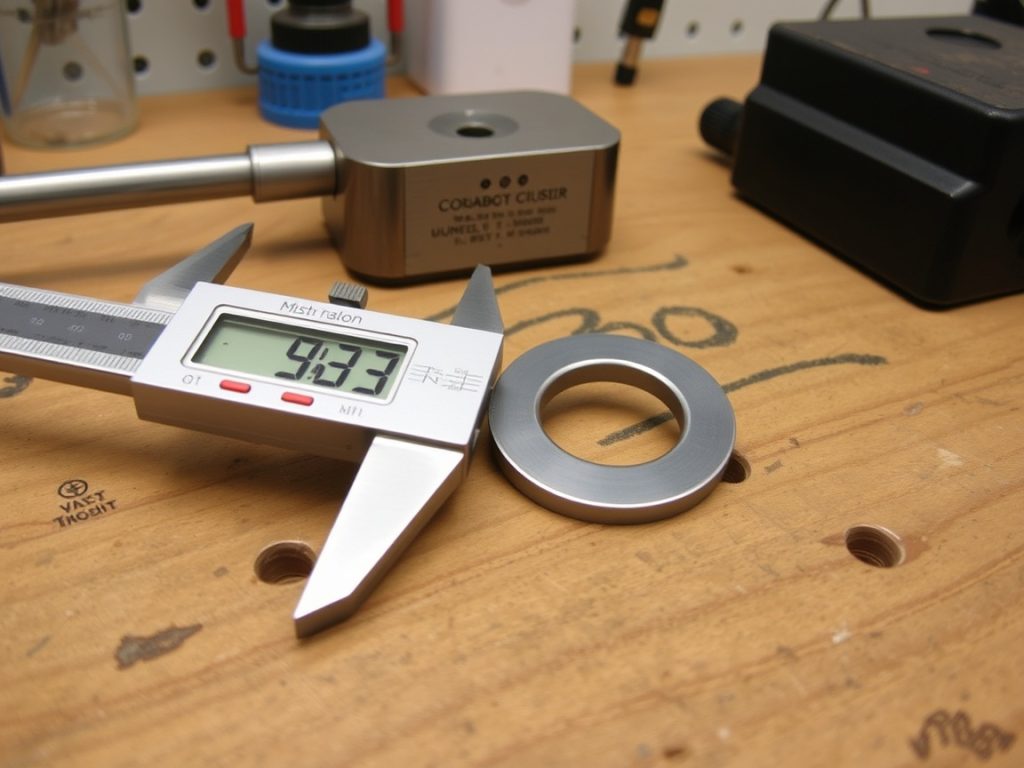
In an EMD engine, the thrust washer controls crankshaft end play, stabilizing axial load under diesel power. It protects the bearing surface on the crank and the block or cap from direct contact. The component supports rotation alignment, keeping the piston and connecting rods centered in the cylinder and liner. Proper end play preserves compression, valve timing, and fuel delivery precision. In emd diesel models like 567, 645, and 710, correct washer selection, size, and surface finish reduce wear, vibration, and mechanical damage during high load and stroke cycles.
Importance of Thrust Washers in EMD Locomotives
The thrust washer maintains crankshaft axial control so the diesel engine holds specification during power changes. It prevents the crank from moving against the block, which could damage the bearing, ring sealing, and valve train timing. Stable end play reduces mechanical vibration and protects engine components like rods, liners, and the motor-driven accessories. For heavy-duty locomotive duty cycles, proper washer surface, flat geometry, and correct model application reduce friction and heat. Precision fit helps the mechanical engineer plan maintenance intervals, optimize fuel efficiency, and extend overhaul life in emd engine maintenance programs.
In practice, a healthy thrust washer keeps the crankshaft centered while the crank transmits load from pistons through connecting rods. It supports smooth rotation and lowers radial and axial wear on the shaft and bearing cap. Good end play helps the diesel locomotive sustain power without scraping or noise. It also protects the timing gear, valve gear, and the 567 or 710 thrust faces from scuffing. Proper lubrication flow forms a film across the bearing surface, ensuring the washer’s steel or brass layer resists damage and maintains OEM-level performance during long hauls.
Common Causes of Wear in Thrust Washers
Oil contamination, poor filtration, and incorrect viscosity are common starters of wear. Abrasives score the bearing surface, while low film strength lets steel contact steel. Excessive clutch or accessory load can push axial force beyond design, increasing end play. Misaligned connecting rods or crankshaft grind errors create uneven contact. Improper rebuild practices, loose caps, or wrong shim stack alter flat contact and size. Fuel dilution and overheating harm brass layers. Ignored vibration issues in the diesel engine accelerate mechanical wear, damaging the washer and crank thrust faces in the emd engine.
Out-of-spec end play from a worn washer can cascade into larger problems. The crankshaft moves axially, upsetting valve timing and intake and exhaust valves events. Piston alignment shifts, affecting liner wear and compression. Repeated axial hits mark the bearing face, creating grooves that trap debris. A damaged surface increases heat and reduces oil film stability. If not corrected, the crank thrust face may require machine work. At that point, repair options narrow, and replace becomes the safe route. Following the EMD manual and OEM specification helps reduce load-induced wear and supports a reliable rebuild outcome.
Identifying Thrust Washer Wear and Damage
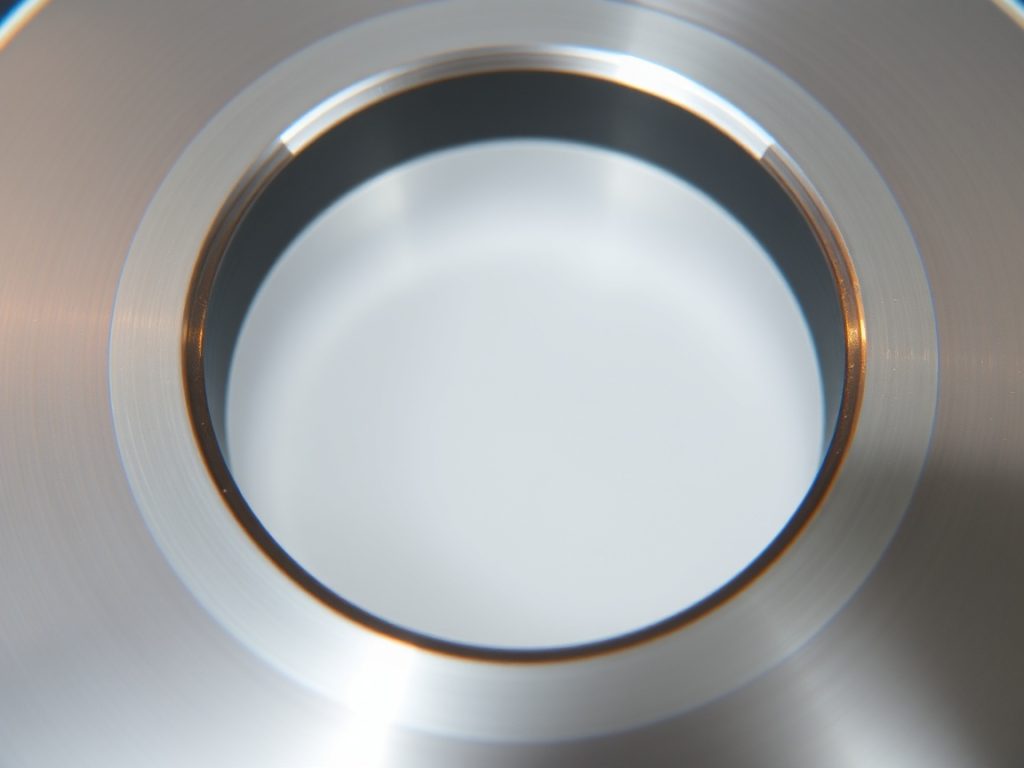
Field maintenance teams often ask if an emd thrust washer can be repaired or if they must replace it. The answer hinges on measured end play, bearing surface condition, and crankshaft thrust face geometry. Accurate inspection determines whether a controlled repair will restore the diesel locomotive to specification. Early detection reduces damage to engine components, the liner, and the shaft. It also protects compression and fuel efficiency. Use the emd manual, OEM tolerances, and precision tools to assess wear, heat marks, and flatness. Document every measurement to inform engineering decisions and ensure safe application on 567, 645, and 710 models.
Signs of Worn Thrust Washers
Be attentive to signs of progressive wear and damage in the assembly. Key indicators include the following:
- Rising end play beyond the OEM specification, especially after a rebuild or heavy load cycles
- Axial knock at idle that fades with power increase
- Metallic debris in oil filters suggesting brass or steel wear from the washer and crank thrust faces
- Erratic oil pressure during hot operation, hinting at a compromised bearing surface
- Changes in valve timing behavior, rough rotation, and vibration under stroke transitions
- Dark heat spots, scoring, or grooved surfaces observed during partial teardown
- Increased rod side clearance and unusual crank walk
These observations help pinpoint issues early and guide further inspection or corrective action.
Inspection Techniques for Thrust Washers
Begin with a cold and hot measurement of crankshaft end play using a dial indicator against the crank. Compare readings to the emd diesel manual limits for the specific model, such as 567, 645, or 710. Remove caps to visually assess the washer surface for scoring, pitting, and taper. Use bluing to highlight high spots and verify flat contact. Measure thrust face runout and size with micrometers. Confirm oil passage cleanliness to reduce future wear. Check connecting rods alignment and axial freedom to avoid side load. If surfaces are smooth with minor scratches, a controlled repair may be viable; deep grooves require replace.
Tools Needed for Inspection
Prepare a dial indicator with magnetic base for end play checks on the crank. Use outside micrometers and bore gauges to measure size and geometry of the shaft and bearing locations. Employ straightedges and feeler gauges to verify flat surfaces on caps and blocks. Keep precision stones for light surface dressing when allowed by the manufacturer. Use magnification and dye penetrant to detect cracks on the washer and crank thrust face. Ensure torque wrenches, shim gauges, and clean lint-free wipes are on hand. A calibrated thermometer, oil analysis kit, and inspection light help confirm heat-related wear and lubricant contamination.
Repairing vs. Replacing Thrust Washers

Deciding to repair or replace a thrust washer depends on measurement, surface condition, and end play. In an emd engine, small wear can be corrected with controlled dressing. Severe damage on the bearing surface or crankshaft thrust face demands replace. Follow the manual and OEM specification for each model. The goal is to restore axial control without risking the crank or liner. Use precise inspection to avoid repeat failures. A poor decision increases load, heat, and vibration. Choose the option that protects compression, valves, and uptime.
When to Repair a Thrust Washer
Repair is feasible when the washer shows light scoring, uniform wear, and intact steel backing. The bearing surface must remain flat, with size within the manual limit. End play should be close to specification after adjustment. Minor heat tint is acceptable if the surface retains hardness. A mechanical engineer can stone high spots with precision and restore surface finish. Connecting rods must move freely without side loading the crankshaft. No cracks, delamination, or deep grooves should appear. Use OEM guidance for allowable dressing depth. Repair only when within documented limits.
When Replacement is Necessary
Replace if end play exceeds maximum after shim removal. Replace if the surface has gouges, pitting, or embedded debris. Any crack, lifted brass layer, or warped geometry requires replace. Replace after a lube starvation event or heavy fuel dilution. Replace if the crankshaft thrust faces are out of flat or show deep damage. Replace if vibration or mechanical misalignment has hammered the washer. Replace in cases where the diesel engine shows axial knock under light load. If the manual forbids repair for a given model, replace.
Cost Analysis: Repair vs. Replace
Repair reduces immediate spend when wear is light and geometry is sound. It saves parts cost and shortens downtime. Replacement costs more upfront but protects the crank and engine components. A failed repair can damage the shaft, ring sealing, and valve timing—forcing a larger rebuild and machine work. Consider oil contamination risk and labor hours. In high-power duty, a new OEM washer may reduce total lifecycle cost. Evaluate emd engine maintenance history, vibration data, and fuel efficiency trends. Choose the path that reduces future failures and preserves compression and rotation stability.
Step-by-Step Guide to Thrust Washer Maintenance

A structured process keeps the locomotive engine within specification and reduces repeat wear. Begin with accurate measurement and clean work. Control debris to protect the bearing. Verify oil supply and filter integrity. Inspect the crankshaft and connecting rods for alignment. Use the correct model parts for 567, 645, 710, or 567b. Record all data for engineering review. Follow the manual torque and sequence during reassembly. Confirm end play after warm-up. This disciplined approach supports reliable power, smooth stroke transitions, and extended service life under diesel load.
Preparing for Maintenance
Secure the locomotive, isolate power, and drain oil to a clean container. Clean the area around the caps to reduce contamination. Gather tools for precision measurement and inspection. Confirm OEM specification for end play and washer size by model. Check gaskets and seals for replacement. Plan for shims if the manufacturer allows adjustment. Inspect oil passages and the filter housing. Prepare lint-free wipes to protect the bearing surface. Assign a mechanical engineer to verify geometry. Stage new washers for immediate replace if repair is not viable. Maintain strict cleanliness to protect the diesel engine.
Repairing Thrust Washers: A Detailed Process
Measure end play cold using a dial indicator on the crank. Remove caps and extract the washer with care. Clean the bearing surface and thrust faces with approved solvent. Stone high spots lightly to restore flat contact. Maintain parallelism to the shaft and avoid creating taper. Verify size and surface finish against the manual. Reinstall and lubricate with assembly oil. Check rotation and end play again. Warm the engine and remeasure hot end play. If values drift beyond limits, stop and replace. Document all steps for emd engine maintenance records and engineering oversight.
Replacing Thrust Washers: Best Practices
Confirm the correct washer part for the emd diesel model and application. Inspect crankshaft thrust faces for flatness before installation. Clean journals, caps, and oil passages. Lubricate the new washer and place it squarely against the seat. Ensure full contact with no debris trapped on the surface. Torque caps to the manufacturer’s sequence. Measure end play and adjust only with approved shim methods. Prime oil system and verify pressure on start. Listen for abnormal mechanical noise during rotation. Recheck alignment of connecting rods. Log measurements and verify that compression, intake, and exhaust valves timing remain stable.
Best Practices for EMD Engine Maintenance
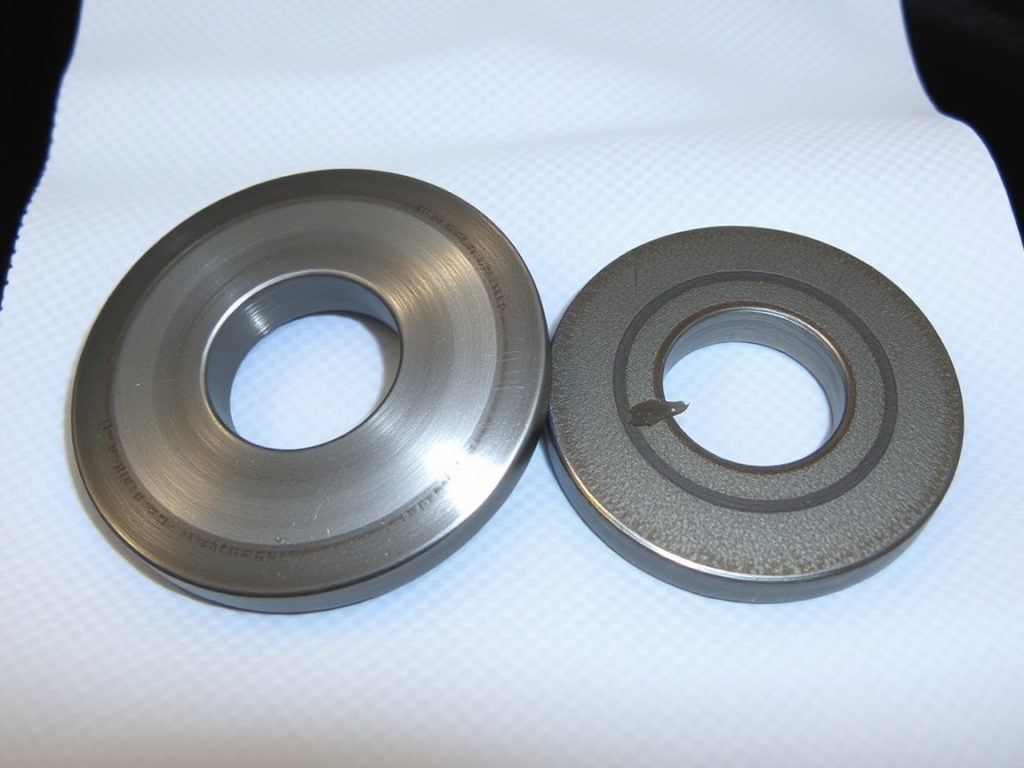
Clean oil, precise inspection, and correct application by model reduce unexpected downtime, protect the crankshaft, and stabilize end play. Keep the bearing surface flat and lubricated to prevent wear and vibration. Control axial load with the right thrust washer size and approved shim methods. Verify geometry after every rebuild. Use OEM specification for each emd diesel platform, including 567, 567b, 645, and 710. Protect the diesel engine with disciplined procedures, accurate measurement, and clean assembly to maintain compression, rotation, and power delivery.
Regular Maintenance Schedules
Set a calendar and running-hour schedule that aligns with the EMD manual and your duty cycle. Perform oil analysis every interval to detect fuel dilution and brass debris. Check crankshaft end play at major inspections. Inspect connecting rods and rod side clearances to reduce axial load. Verify intake and exhaust valves timing after rebuilds. Clean oil passages and replace the filter at each service. Review vibration trends to catch looseness early. Confirm liner condition and ring sealing. Document all size readings. Consistent scheduling stabilizes the diesel locomotive and prevents thrust washer damage.
Recommended Tools and Resources
Use a calibrated dial indicator for end play and a magnetic base for repeatable readings. Keep micrometers, bore gauges, and straightedges for shaft and cap geometry. Apply precision stones to dress minor high spots when the manufacturer allows repair. Employ dye penetrant to find cracks in the washer and crank faces. Maintain torque wrenches and shim gauges for accurate assembly. Reference the OEM specification and emd manual for each model. Use an oil analysis kit and thermometer to track heat and contamination. Reliable tools enable precision, reduce rework, and protect engine components.
Expert Tips for Longevity of Thrust Washers
Control contamination to protect the bearing surface and washer. Warm the diesel engine before heavy load to stabilize oil film. Align connecting rods to prevent side loading on the crank. Keep end play near the center of specification for your application. Avoid excessive shim stacking and follow OEM rules. Monitor vibration and correct loose hardware promptly. Verify crank thrust faces are flat during every rebuild. Use the correct steel-backed brass washer for the emd engine model. Maintain proper viscosity oil. These practices reduce wear, protect compression, and extend the life of the shaft and pistons.
Ensuring Optimal Performance in EMD Locomotives
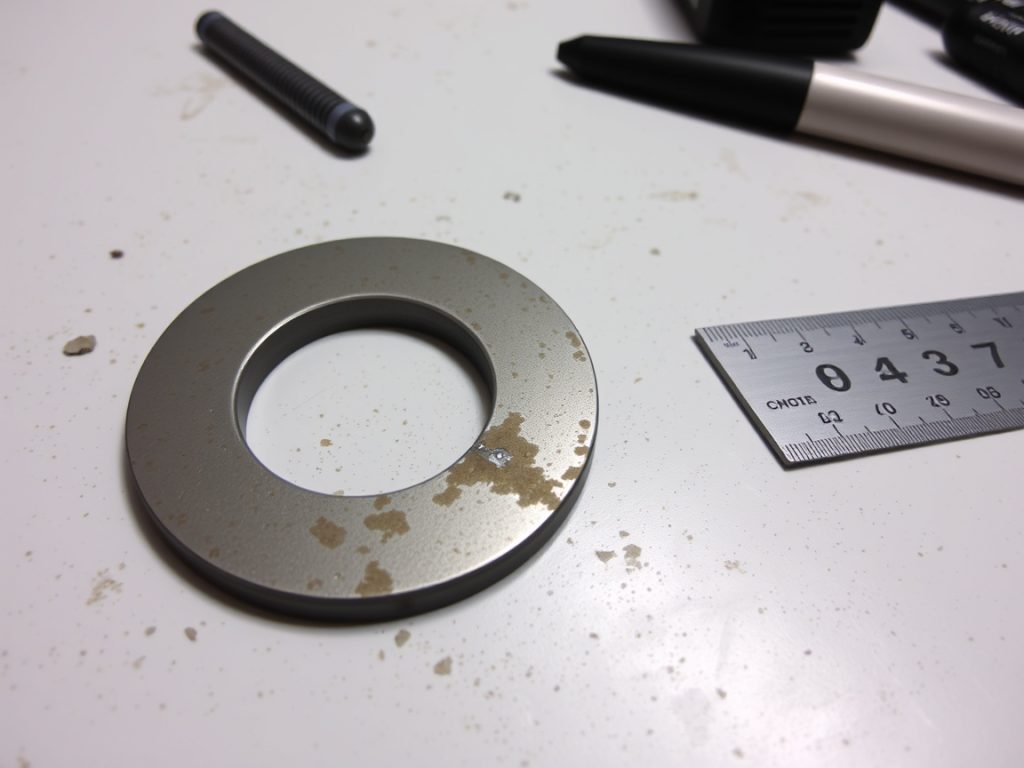
Optimal performance depends on precise measurement, clean assembly, and correct parts selection by model. The thrust washer must control end play without scuffing the crankshaft. Oil cleanliness and verified geometry reduce load and radial wear. Follow the manual at every step. Record data for engineering review after each maintenance event. Address vibration quickly to protect the bearing and liner. With disciplined procedures, the diesel locomotive sustains power and rotation stability. Consistency in emd engine maintenance cuts downtime and preserves compression and fuel efficiency over long service intervals.
Recap of Key Maintenance Tips
Measure end play cold and hot and compare to OEM specification. Inspect and keep the bearing surface flat and clean. Verify connecting rods alignment to reduce side load. Monitor oil analysis for brass and fuel dilution. Control shim use per manufacturer guidance. Track vibration and correct mechanical looseness. Confirm crankshaft and cap geometry with precision tools. Use proper washer size for 567, 567b, 645, or 710. Replace gaskets that risk contamination. Document every repair and rebuild step. These actions reduce wear and prevent damage to engine components during heavy stroke cycles. Key checks include:
- Measuring end play (cold and hot) against OEM specification and inspecting bearing surfaces
- Verifying connecting rod alignment to minimize side load
- Monitoring oil analysis for brass and fuel dilution
- Controlling shim use as guided by the manufacturer
- Tracking vibration and correcting mechanical looseness
- Confirming crankshaft and cap geometry with precision tools
- Using the proper washer size for 567, 567b, 645, or 710
- Replacing gaskets that pose a contamination risk
- Documenting every repair and rebuild step to ensure traceability
Final Thoughts on Thrust Washer Care
Thrust washer reliability is earned through cleanliness, precision, and the right parts. Keep the diesel engine’s lubrication healthy and the crank faces flat. Select the washer material and size for the specific emd diesel model. Repair only when surfaces are smooth and within limit; replace when damage or excessive end play is present. Maintain alignment across the crank, rods, and caps. Protect compression by preventing axial drift that upsets valve timing. Consistent attention to detail reduces vibration and extends uptime for the locomotive under demanding load profiles.
How Mikura International Can Support Your Replacement Needs
Mikura International supplies OEM-grade thrust washers and related EMD components for 567, 567b, 645, and 710. We provide application guidance, specification matching, and precision kitting to accelerate rebuilds. Our engineering support helps identify correct washer size and end play targets. We ship clean, ready-to-install parts that protect the bearing surface and crankshaft. Reduce downtime with reliable stock and fast delivery. Partner with us for consistent quality that sustains compression, rotation stability, and power. Get the right washer, shims, and gaskets for your locomotive fleet with confidence.