


How can you prevent premature failure of an EMD locomotive thrust washer?
Start by controlling axial loads, lubrication quality, and alignment during assembly. Many engine failures begin with small errors in diesel engine operation. These escalate under high-speed duty and heavy load cycles. Focus on clean lubricant, precision engineering, and predictive maintenance. This reduces downtime and maintenance costs and protects critical components. Keep oxidation and corrosion in check. Monitor wear during overhaul. Confirm cylinder head geometry. Validate injector timing and exhaust valve function.
For reliable performance, focus on the following:
- Use OEM-grade thrust washer alloy.
- Ensure the correct surface finish.
Verify crankcase oil cleanliness and monitor lubricant oxidation. To make this easier to follow, focus on the following steps:
- Check the crankcase oil to ensure it is clean and free of contaminants.
- Monitor signs of lubricant oxidation to detect deterioration early.
– Check misalignment between crankshaft, connecting rod, and bearings.
– Control axial loads from the 645 or 710 series power assemblies.
– Maintain proper hydraulic tension and valve train geometry.
– Inspect for abrasive debris after every diesel overhaul.
– Log temperatures to prevent overheat under high-speed duty.
– Conduct metallurgical failure analysis on any removed parts.
Implement predictive maintenance across the fleet. To get started, focus on key actions that make the rollout practical and effective:
- Identify critical assets and failure modes to prioritize monitoring.
- Set up data collection from sensors and maintenance logs to feed predictive models.
- Establish alert thresholds and workflows for timely interventions.
– Source parts from Mikura International to ensure reliability.
Understanding Locomotive Thrust Washer Failure
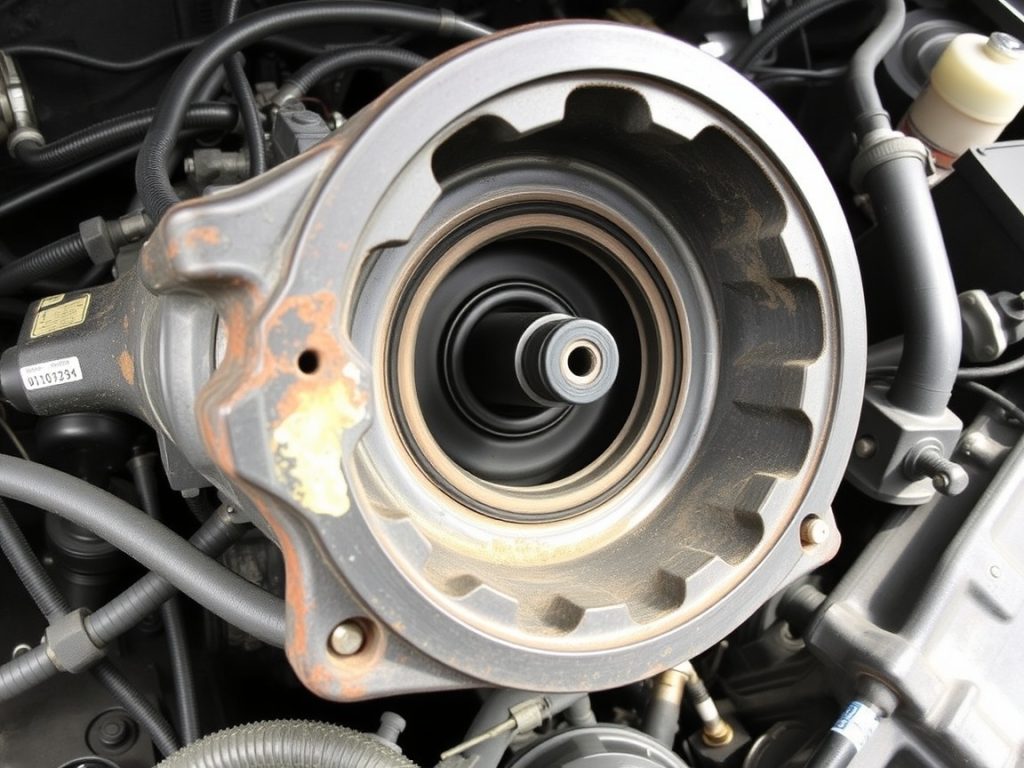
In a diesel locomotive, the thrust washer controls axial crankshaft movement under power generation loads. EMD platforms, including 645 and 710 engines, impose significant axial loads during engine operation. Inadequate lubrication, abrasive contamination, or misalignment can lead to premature failure. The washer’s alloy, surface hardness, and oil groove design must match the engine duty cycle. Poor lubricant chemistry accelerates oxidation and corrosion. Overheat conditions degrade film strength and cause bearing wipe. Precision engineering during assembly protects the piston and connecting rod relationship, stabilizing engine performance.
Common Causes of Premature Failure
Misalignment is a prime cause, often introduced during assembly or after an incomplete overhaul. Thin or degraded lubricant films allow metal-to-metal contact and bearing distress. Abrasive particles from worn injectors, cylinder wear, or crankcase debris scar the thrust washer. Excess axial loads from the valve train, exhaust valve events, or power assembly thrust lead to premature wear. Overheat events thin oil and trigger oxidation. Incorrect alloy selection or poor manufacturing technology reduces lifespan. Corrosion from coolant or fuel ingress erodes surfaces. All can lead to premature and unexpected failures.
Impact on Diesel Locomotive Engine Performance
Thrust washer degradation increases axial crankshaft movement, disturbing timing and engine performance. Main bearings lose oil wedge stability, raising friction and heat. Vibration rises and spreads through the cylinder head, injector train, and valve train. Power generation becomes uneven, and fuel efficiency drops. Overheat risk climbs under high-speed loading. Operators see increased downtime and higher maintenance costs, with risk of severe engine damage. Reliability across the fleet declines, shortening service life and forcing unplanned overhaul cycles.
Failure Analysis Techniques
Start with visual inspection for wipe, scoring, and discoloration patterns. Conduct metallurgical and hardness testing to confirm alloy and heat treatment. Use microscopy to detect abrasive tracks and corrosion pitting. Perform failure analysis on oil samples for oxidation, coolant, and fuel dilution. Check geometry for misalignment using runout and endplay measurements. Correlate temperatures and pressure data to identify lubrication loss. Compare wear maps to EMD 645 and 710 specifications. Review assembly records for torque values and precision engineering steps. Use predictive maintenance trends to isolate root causes efficiently.
Preventing Premature Thrust Washer Failure
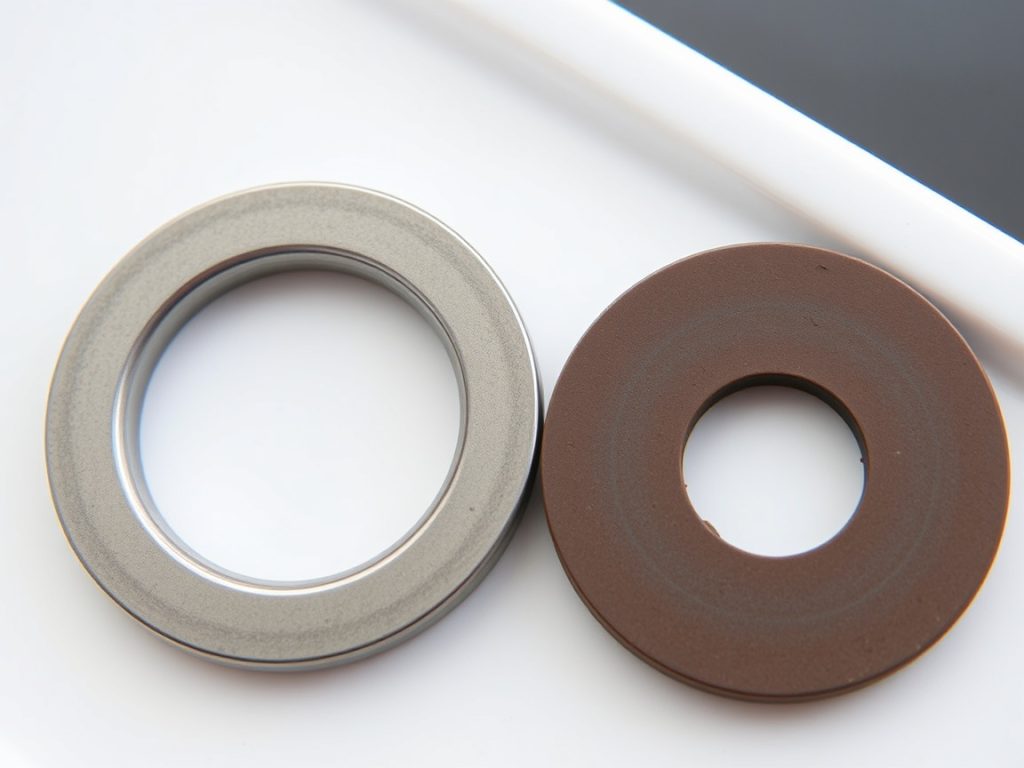
Manage axial loads, lubrication quality, and assembly alignment to prevent premature failure of an EMD locomotive thrust washer. Predictive maintenance, precise inspection, and correct alloy selection protect bearings and main bearings. Control oxidation and corrosion in the crankcase. Validate injector timing and valve train geometry on every overhaul. Monitor lubricant condition and abrasive contamination during engine operation. Keep temperatures stable under high-speed power generation. Use precision engineering in assembly to protect the piston, cylinder head, and connecting rod interface. These actions raise reliability, extend service life, and cut downtime across your fleet.
Importance of Predictive Maintenance
Predictive maintenance turns random failures into planned interventions. In an EMD diesel engine, it tracks axial loads, endplay, and thrust washer wear before damage spreads to bearings. Oil analysis detects oxidation, fuel dilution, and coolant ingress. Vibration trending flags misalignment and valve train anomalies. Thermal profiling spots overheat zones under high-speed duty. Ultrasonic checks reveal lubricant starvation during engine operation. Data from 645 and 710 engines guides overhaul intervals. This approach lowers maintenance costs and safeguards fleet reliability.
Implementing Preventive Maintenance Strategies
Build a preventive program around inspection discipline and precision engineering. Standardize runout, endplay, and geometry checks during assembly and overhaul. Replace thrust washer and bearing sets based on measured wear, not guesswork. Control cleanliness by filtering lubricant and the crankcase environment. Calibrate injector timing and exhaust valve events to limit axial loads. Verify hydraulic tension and alignment across the valve train. Document torque values for the cylinder head and connecting rod fasteners. Use metallurgical verification for alloy and surface finish. These strategies prevent premature wear, reduce downtime, and extend service life.
Effective Lubrication Practices
Lubrication quality determines thrust washer lifespan. Choose a lubricant that resists oxidation, handles high-speed shear, and protects against corrosion. Maintain target viscosity to preserve oil film on main bearings and the thrust washer. Set filtration to remove abrasive debris from assembly residue and injector byproducts. Keep oil cool to avoid overheat and bearing wipe. Validate flow paths to the cylinder and crankcase galleries. Use routine sampling to guide change intervals and flag contamination. Proper lubrication reduces axial friction, prevents premature failure, and stabilizes engine performance during power generation.
Components Influencing Locomotive Thrust Washer Lifespan

Several locomotive components directly shape thrust washer lifespan in an EMD diesel engine. Bearings, exhaust valve events, and assembly quality modulate axial loads and lubrication stability. The cylinder head, injector timing, and valve train geometry also affect wear. Misalignment and abrasive contamination reduce reliability and raise downtime. Precision engineering, correct alloy selection, and sound manufacturing technology help prevent premature failures. Control oxidation and corrosion in the crankcase. Validate endplay during overhaul for 645 and 710 platforms. Use predictive maintenance to catch early distress and extend service life.
The Role of Bearings in Thrust Washer Performance
Main bearings set the axial control envelope for the thrust washer in a diesel locomotive. Poor lubrication or incorrect oil clearance destabilizes the oil wedge and increases friction. Misalignment between crankshaft and connecting rod shifts axial loads during engine operation. Overheat conditions thin lubricant and trigger oxidation, accelerating premature failure. Bearing wipe and abrasive scoring then lead to premature wear. Confirm geometry, surface finish, and correct alloy pairing during assembly. Sample oil for debris after every overhaul. Coordinate bearing selection with duty cycles on 645 and 710 engines. This preserves engine performance and reliability.
Exhaust Valve Functionality and Its Effects
Exhaust valve events influence axial loads and thrust washer stress in EMD diesel engines. Incorrect lash or hydraulic tension alters valve train dynamics and cylinder pressure balance. The result is higher endplay and unstable lubrication at high-speed duty. Sticky guides or corrosion induce lateral forces that reach the crankcase. Injector timing drift compounds loading during power generation. Overheat at the cylinder head degrades lubricant film and alloy surfaces. Set valve train geometry precisely after each overhaul and trend temperatures/vibration to flag anomalies. This approach helps prevent premature failure and avoids unexpected failures across the fleet.
Assembly Quality and Its Impact on Longevity
Assembly quality defines thrust washer longevity by controlling alignment, torque, and cleanliness. Small errors in runout, endplay, or surface finish can lead to premature wear. Abrasive residue left in the crankcase cuts films under high-speed operation. Incorrect torque on connecting rod and cylinder head fasteners distorts geometry. Choose the right alloy and verify hardness with metallurgical checks. Record precision engineering steps and torque sequences for traceability. Validate lubrication passages and filter integrity before start-up. Apply failure analysis lessons to the next build. These practices reduce maintenance costs and extend service life in every diesel locomotive.
Monitoring and Troubleshooting
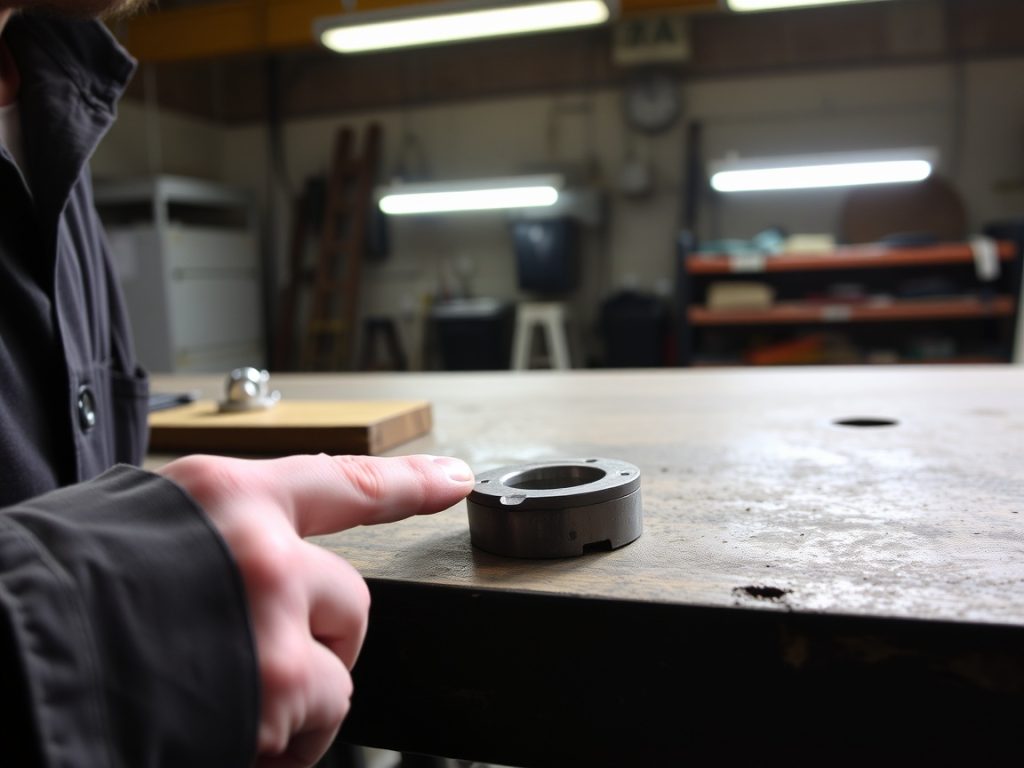
Reliable monitoring prevents premature failure of an EMD locomotive thrust washer by catching wear before damage spreads. Focus on axial loads, lubrication stability, and misalignment during engine operation. Tie measurements to the duty cycle of 645 and 710 platforms. Combine precision engineering with predictive maintenance to limit downtime. Use failure analysis to verify root causes. Control oxidation and corrosion in the crankcase. Track temperatures and vibration under high-speed power generation. Integrate inspection data with overhaul findings. This safeguards bearings and the valve train while extending service life.
Key Indicators of Locomotive Thrust Washer Wear
Early indicators include rising axial endplay, abnormal crankcase noise, and metallic debris in the lubricant. Trending oil pressure fluctuations under load can expose unstable lubrication. Vibration at specific harmonics hints at misalignment and uneven axial loads. Elevated sump temperatures signal overheat and thinning films at the bearing interface. Copper or tin in oil analysis reveals alloy distress and abrasive scoring. Shifts in injector timing effectiveness and exhaust valve events degrade engine performance. Monitor idle-to-high-speed transitions for noise and pressure dips. Compare readings to EMD 645 and 710 baselines to confirm emerging premature wear.
Using Technology for Early Detection
Deploy vibration analysis to detect misalignment and axial movement impacting the thrust washer. Use ultrasound to find boundary lubrication events before wipe occurs. Infrared thermal scans flag overheat zones near main bearings and the cylinder head. Install endplay proximity sensors to track axial loads during power generation. Oil condition sensors monitor oxidation, fuel dilution, and coolant ingress. Couple data with predictive maintenance software to set alarms and dynamic thresholds. Apply onboard analytics in diesel locomotives across the fleet. Correlate sensor events with injector corrections and valve train adjustments to prevent premature engine failures.
Conducting Regular Inspections
Conduct structured inspections at defined hour intervals and after every overhaul. Measure runout, endplay, and surface condition of the thrust washer and main bearings. Inspect the crankcase for abrasive debris and corrosion. Verify lubrication passages and filter integrity. Check injector spray patterns and reset exhaust valve lash to stabilize axial loads. Confirm torque values on connecting rod and cylinder head fasteners using precision engineering procedures. Record all readings against 645 and 710 specifications. Use metallurgical assessments on removed parts to validate alloy and hardness. These steps reduce maintenance costs and limit unexpected failures.
Best Practices for Long-Term Reliability
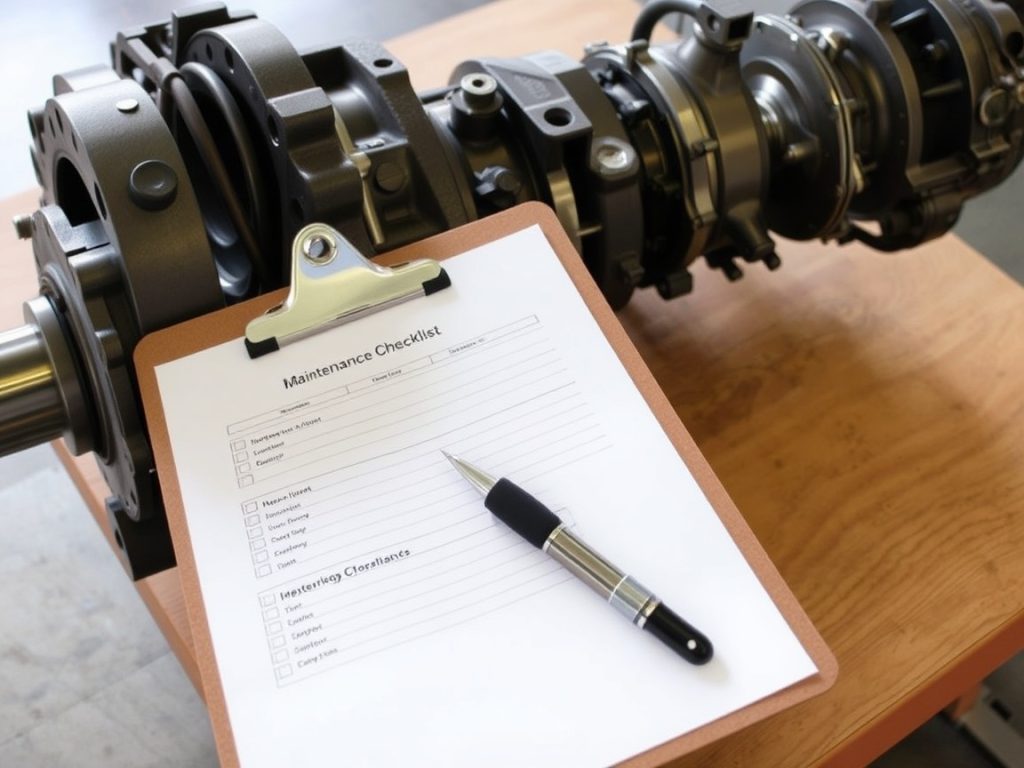
Long-term reliability depends on disciplined assembly, clean lubrication, and continuous monitoring in diesel engines. Standardize procedures across the fleet to reduce variability. Choose the correct alloy and surface finish for the thrust washer. Limit oxidation through timely oil changes and temperature control. Train machinists and technicians on alignment and hydraulic tension best practices. Use predictive maintenance to schedule interventions before premature failure. Maintain detailed records to support failure analysis. Select quality parts from Mikura International to ensure consistency. This approach extends lifespan and enhances engine performance under high-speed duty.
Training for Maintenance Personnel
Training should center on axial load control, lubrication integrity, and misalignment prevention. Teach technicians to interpret vibration and oil analysis for early thrust washer distress. Demonstrate correct measurement of endplay, runout, and bearing clearances. Emphasize injector calibration and exhaust valve settings to balance cylinder pressures. Reinforce precision engineering during assembly, including torque sequences for the cylinder head and connecting rod. Explain corrosion and oxidation mechanisms within the crankcase. Simulate high-speed scenarios to practice rapid diagnosis. Equip the team with checklists aligned to EMD 645 and 710 standards to prevent premature failures.
Documentation and Record-Keeping
Accurate records convert observations into reliability gains. Log axial endplay, oil pressure, and temperature trends at each inspection. Archive oil lab reports for oxidation, metals, and contamination. Record torque values, surface finishes, and alloy certifications from assembly. Track injector timing changes and exhaust valve adjustments with dates and hours. Link vibration spectra to specific duty cycles and loads. Capture overhaul findings with photos for failure analysis. Standardize formats across the fleet to compare locomotives fairly. Robust documentation reduces maintenance costs, guides predictive maintenance, and uncovers small issues before they lead to premature damage.
Collaboration with Experts in the Field
Partnering with experts accelerates root cause resolution and boosts reliability. Engage metallurgical specialists for alloy validation and hardness profiling. Consult vibration analysts to decode axial signatures tied to misalignment and bearing stress. Work with lubricant chemists to optimize oxidation resistance and film strength. Coordinate with experienced machinists for precision engineering during assembly and overhaul. Use insights from EMD 645 and 710 field data to refine inspection intervals. Collaborate with Mikura International for consistent manufacturing quality. Expert collaboration reduces downtime and prevents premature failure across the fleet.