


How do you ensure compatibility when replacing an EMD locomotive thrust washer?
Match the engine model, verify part data, and measure end float. The wrong thrust washer can lead to rapid wear, heat buildup, oil starvation, and loss of engine power. We provide a practical solution path to make sure your EMD engine continues to run with top reliability and efficiency on track.
When working with EMD engines and thrust bearing components, follow these key steps to ensure compatibility, correct installation, and reliable operation. Start by confirming the model and component lineage, then verify measurements and assembly details that affect performance.
- Match the EMD model family first: EMD 645 vs EMD 710
- Verify original part numbers and approved supersessions
- Measure crankshaft end float per standard before and after change
- Confirm thrust washer material specs for heat and oil compatibility
- Check block and bearing cap alignment for front and rear thrust faces
- Use OEM drawings and electro-motive diesel service bulletins
- Inspect for scoring on thrust surfaces and address root cause
- Ensure correct oil clearance and spring-loaded bearing retention
- Validate direction of installation: lead-in chamfers to correct side
- Source from a trusted exporter like Mikura International
Understanding Issues in Thrust Washers in Diesel Locomotives

In a locomotive diesel engine, the thrust washer controls axial movement of the crankshaft. Excess thrust causes damage, heat, and oil degradation that reduce reliability and efficiency. If not corrected early, the issue can break the thrust faces apart. The result is poor efficiency, higher fuel use, and reduced reliability for both industrial and passenger railway operations.
Common Issues Related to Thrust Washers
- Common issues include improper end float, wrong part selection for the EMD engine model, and contaminated oil.
- Debris scoring and incorrect materials accelerate wear and heat.
- Misalignment in the loco block reduces contact area.
- Front or rear location errors cause uneven thrust.
- Slow oil delivery at idle worsens damage.
- Ignoring early vibration signs is not worth the risk.
- Inspectors should always verify clearances and tolerances against the OEM specifications before assuming the unit is serviceable.
- Regular oil analysis will catch rising particle counts and viscosity shifts that precede catastrophic failure.
- Use magnetic plugs and particle counters to monitor ferrous contamination; ferrous wear often signals bearing distress or gear misalignment.
- When vibration is detected, perform a phased-array or modal analysis to isolate the source — unbalanced rotating assemblies, loose fasteners, or resonance in the frame all produce distinct signatures.
- Torque values on thrust bearings and bolted joints must be checked at temperature, not cold, to ensure proper preload.
- Corrective actions include immediate shutdown on detection of abnormal pressure, temperature, or vibration alarms, followed by a borescope inspection of bearing surfaces and journals.
- Replace suspect bearings with OEM-approved parts and re-establish oil flow paths: clean or replace strainers, verify pump clearances, and confirm relief valve settings.
- If contamination is present, perform a controlled flush of the sump and cooling passages and recondition or replace filters; simply topping up oil is insufficient.
- Preventive practices reduce recurrence:
- Maintain a strict parts-lot traceability program.
- Establish torque and alignment checklists for reassembly.
- Implement an oil-change schedule driven by oil analysis results rather than calendar alone.
- Train crews to recognize early cues — subtle noise changes, minor temperature drift, or brief pressure transients — and empower them to act.
- Document every inspection and repair so pattern failures are visible; small trends unchecked become major overhauls.
How to Ensure Compatibility When Replacing EMD Locomotive Thrust Washers
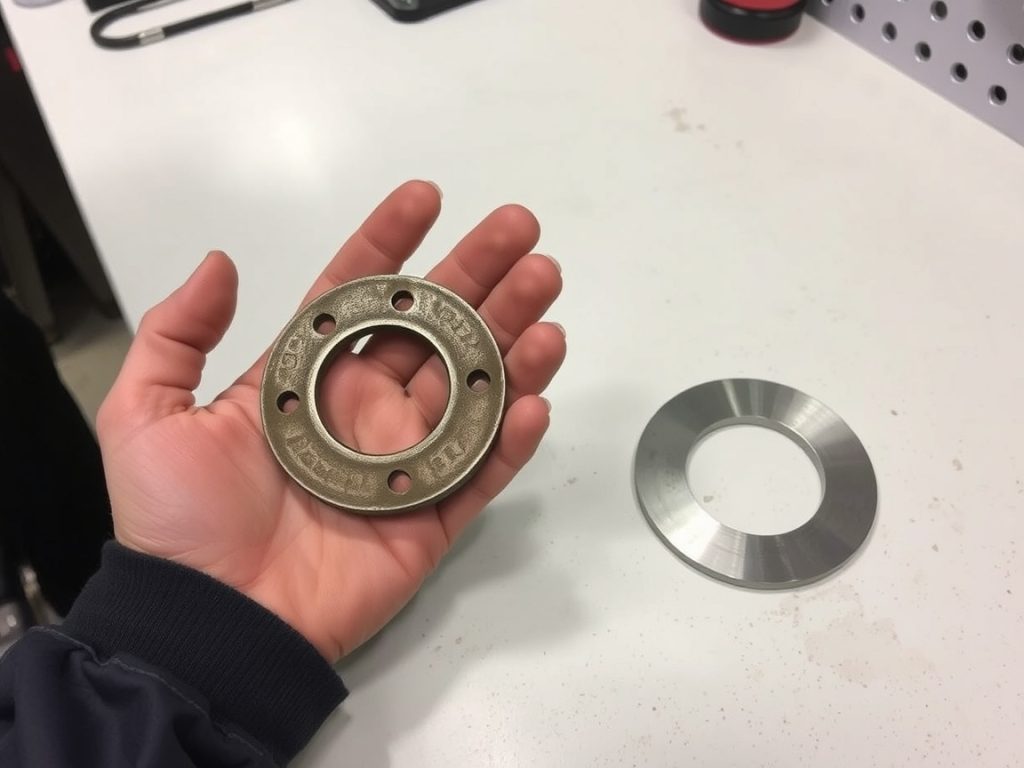
Compatibility requires accurate identification, measurement, and documentation. Start with the EMD model: EMD 645 or EMD 710. Verify whether the engine is configured for front or rear thrust. Confirm the original part and approved replacement. Make sure the thickness stack matches the standard end float spec. Assess oil system health to ensure proper lubrication. Align the bearing caps and check runout. Use only parts built to the right engineering tolerances for your diesel locomotive.
Key Factors to Consider for Compatibility
Key factors include engine family, thrust face location, and material composition. Confirm the engine build standard and any field service updates. Measure end float with a dial indicator and compare to limits. Evaluate oil viscosity and cleanliness for the service environment. Consider train duty cycle and heat load. Ensure proper chamfer orientation in the direction of rotation. Validate that the component meets electro-motive diesel requirements for load and life.
Identifying the Right Part Numbers
Identify part numbers by cross-referencing the engine data plate and service records. Use the original number and check approved supersessions for your model. Note if the washer set includes front and rear halves with different leads. The best practice is to confirm with engineering drawings. Make sure thickness and oil groove patterns match the specified standard. For commercial buyers, Mikura International can help verify the correct replacement solution.
Consulting Technical Documentation
Consult EMD service manuals, parts catalogs, and technical bulletins for your diesel engine. These documents define end float limits, material specs, and installation direction. Follow torque values, alignment steps, and inspection criteria. Use photos and schematics to ensure proper orientation. Confirm any updates for heavy-duty or passenger service. Document measurements before and after the change. This disciplined use of documentation ensures reliability and longer engine life.
Step-by-Step Guide to Replacing EMD Locomotive Thrust Washers

This step-by-step guide gives a clear path to replace the thrust washer on an EMD engine. The procedure fits EMD 645 and EMD 710 diesel locomotive models. It helps you ensure correct fit, direction, and end float. Follow the sequence to avoid heat, oil starvation, and early wear. The steps reduce risk of damage to the block and rear or front faces. Use this as a practical maintenance solution to improve reliability, power, and efficiency on track for heavy railway service.
Tools Required for the Replacement
You will need a dial indicator with magnetic base to measure float. Prepare feeler gauges, a torque wrench, and a micrometer for thickness checks. Use a straightedge, plastigage, and a flashlight to inspect the thrust faces and oil grooves. Have solvent, lint-free wipes, and assembly oil ready. A soft-faced mallet, pry bar, and suitable pullers help with careful disassembly. Keep alignment pins, thread chasers, and marking pens. Use clean trays to protect each component during the change. Select only standard, calibrated tools for consistent results.
| Purpose | Tools/Items |
|---|---|
| Measurement and inspection | Dial indicator with magnetic base, feeler gauges, torque wrench, micrometer, straightedge, plastigage, flashlight |
| Disassembly and handling | Soft-faced mallet, pry bar, suitable pullers, alignment pins, thread chasers, marking pens, clean trays |
| Cleaning and assembly | Solvent, lint-free wipes, assembly oil |
Optional items improve the work quality. A borescope helps inspect the block and bearing cap in tight areas. Use a paint marker to tag front and rear parts to avoid reverse installation. A low-range torque adapter supports accurate fastener control. A precision straightedge can detect small high spots on the thrust line. A portable heater can warm oil for slow climates. Keep EMD service manuals, torque charts, and electro-motive diesel drawings at hand. These tools ensure a precise and repeatable replacement process.
Preparation Steps Before Replacement
First, confirm the EMD model and the original part number with service records. Make sure the replacement thrust washer matches the engineering build standard. Drain oil to a clean container and filter it to check for metal. Lock out the locomotive and record baseline end float. Remove covers to access the crankshaft thrust location. Clean the surrounding area to keep debris out. Record baseline end float with a dial indicator. Note front or rear thrust placement and the correct direction of the lead-in chamfer.
Inspect the crankshaft thrust faces for scoring, heat marks, or uneven wear. Check the bearing cap alignment and look for any spring-loaded retainer features. Measure the washer thickness and compare to the standard. Review electro-motive diesel service bulletins for updates to the model. Prepare assembly oil and verify oil supply passages are clear. Mark components so they return to the same position if reused. If you need sourcing guidance, Mikura International can help identify the ideal replacement solution with top reliability.
Replacement Procedure Explained
Support the crankshaft to relieve thrust load. Remove the bearing cap at the thrust location. Note the orientation of the existing thrust washer halves, front and rear. Carefully slide the old component out to avoid scratching the block. Clean the cap and block faces with solvent. Check the oil grooves and lead chamfers on the new washer. Match chamfer direction to rotation and oil flow. Lightly coat the surfaces with assembly oil. Install the new halves and seat them flush without forcing the fit.
Reinstall the bearing cap and torque fasteners to the standard values. Rotate the engine by hand to settle the parts. Measure end float and verify within guide limits. Use plastigage if needed to confirm oil clearance. Verify smooth movement with no drag or binding. Prime the oil system and check pressure on first run. Monitor heat, noise, and vibration. Record all measurements in the maintenance log. This disciplined approach ensures performance, efficiency, and longer service life for your diesel locomotive engine.
Maintenance Tips for EMD Train Engine Thrust Washers

How do you ensure compatibility when replacing an EMD locomotive thrust washer? Control end float and confirm original build data for EMD 645 or 710. The aim is to prevent heat, oil starvation, and early thrust wear. Use disciplined inspection and precise measurement to protect power and reliability in diesel locomotive service on track. This section provides a practical guide to keep your thrust component in spec and extend engine life.
To maintain optimal performance and prevent premature wear, follow these recommendations during service and inspection:
- Verify end float at every major service interval.
- Match washer material to the oil and heat profile.
- Inspect front and rear faces for scoring and lead wear.
- Use Electro-Motive Diesel specifications for torque and fit.
- Keep oil clean and monitor viscosity and contamination.
- Align bearing caps to standard to prevent thrust line mismatch.
- Confirm the direction of chamfers to avoid reverse installation.
- Document measurements and compare them to model guide limits.
- Replace at the first small sign of rapid wear.
- Source validated replacements from Mikura International.
Regular Inspection and Monitoring
Schedule thrust inspections with each oil change and valve set on the loco. Trend crankshaft end float readings over time. Inspect the front and rear thrust faces for small lines, heat tint, or uneven contact. Check oil pressure and temperature during run-up to catch slow flow issues early. Review vibration data for axial movement indicators. Confirm bearing cap alignment to the block using a straightedge. Compare readings to electro-motive diesel limits for your engine model and service duty.
Best Practices for Maintenance
Use clean assembly oil and lint-free wipes to protect the thrust surface. Follow the guide torque sequence and standard values to prevent cap distortion. Orient the lead-in chamfer correctly relative to rotation and oil flow. Validate the washer thickness stack to achieve the ideal float range. Keep debris away from the component during change to avoid scoring. Align the cap dowels and check for spring-loaded retainer features. Record all measurements, including before and after numbers, for reliability and performance tracking.
Signs of Wear and When to Replace
Rising end float, heat discoloration, and scoring are early warning signs. Early symptoms include low idle oil pressure impact on axial control, abnormal noise, and slight power loss. Check for metal in oil filters and any scoring on the block contact surface. If the float approaches the upper limit, plan a replacement before the washer wears apart. Replace immediately if you see uneven wear on front or rear halves. Mikura International can supply a validated replacement solution matched to your EMD engine model and duty profile.
Engineering Solutions for Locomotive Thrust Washer Issues
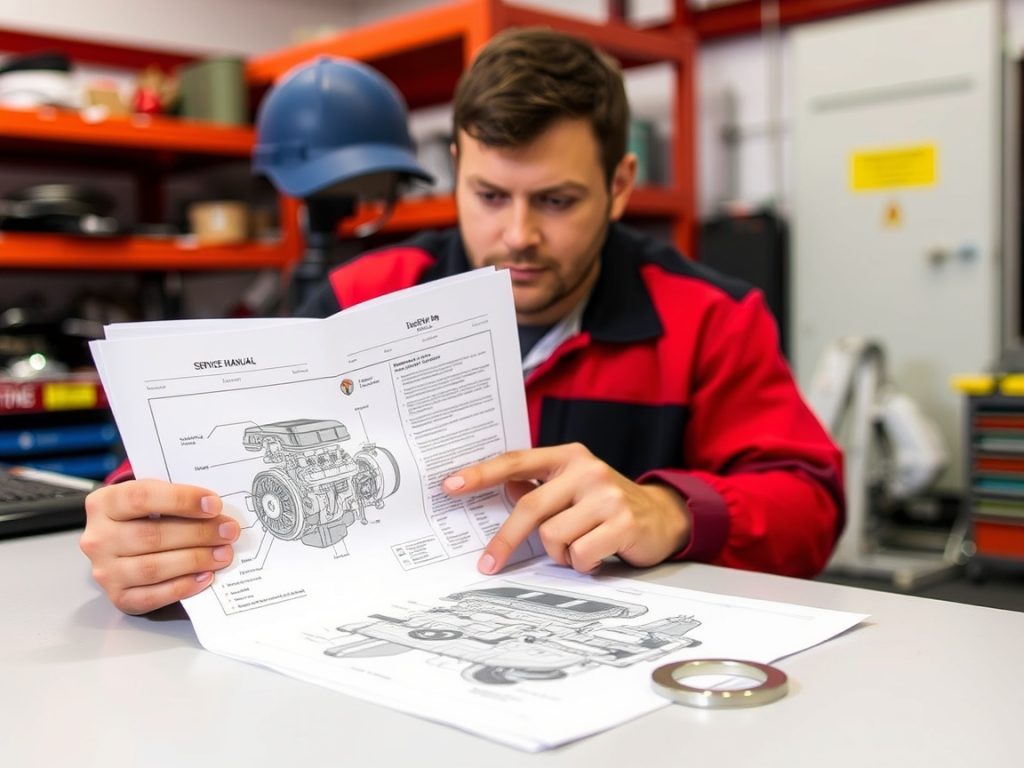
Engineering solutions focus on controlling end float, heat, and oil flow to protect the EMD engine. Ensure even load sharing across block, cap, and thrust faces. Use electro-motive diesel specifications to guide alignment and torque. Validate the direction of lead chamfers to avoid reverse installation. Address small scoring early to stop wear from growing. This approach boosts power, reliability, and efficiency in railway service.
Innovative Materials Used in Thrust Washers
Modern thrust washer materials blend steel backings with advanced overlays for heat and oil stability. Choose materials matched to model, duty cycle, and oil chemistry. Copper-lead and tri-metal systems resist seizure under high thrust at slow idle. Polymer-modified overlays reduce friction during start and protect the engine when oil is thin. Solid lubricant additives help in short oil starvation events. Engineers match hardness to the crank and block for balanced wear. The best material choice depends on the EMD 645 or EMD 710 model, duty cycle, and oil chemistry. Always ensure compatibility with electro-motive diesel standards.
Advanced Manufacturing Techniques
Precision manufacturing ensures the thrust washer holds tolerance across the thrust line. CNC machining produces consistent thickness and controlled oil groove geometry. Laser texturing improves oil film stability under variable load. Sputter or electroplated overlays add uniform wear layers for longer service. Automated inspection verifies flatness and parallelism for front and rear halves. Controlled heat treatment stabilizes the steel backing against distortion. These methods reduce early run-in wear, support correct end float, and deliver reliable performance on track for industrial and passenger locomotives.
Expert Insights on Thrust Washer Performance
Experts stress three factors: end float control, oil cleanliness, and correct installation direction. Excess float lets the crank move and concentrates load on a small area. That creates heat and accelerates wear. Clean oil keeps debris away from the thrust face and grooves. The lead chamfer must face the intended flow to prevent starvation. Match material to the engine model and build standard. Monitor idle oil pressure for a slow drop that signals risk. Small corrections early prevent parts from wearing apart and protect efficiency.
Recap of Key Points
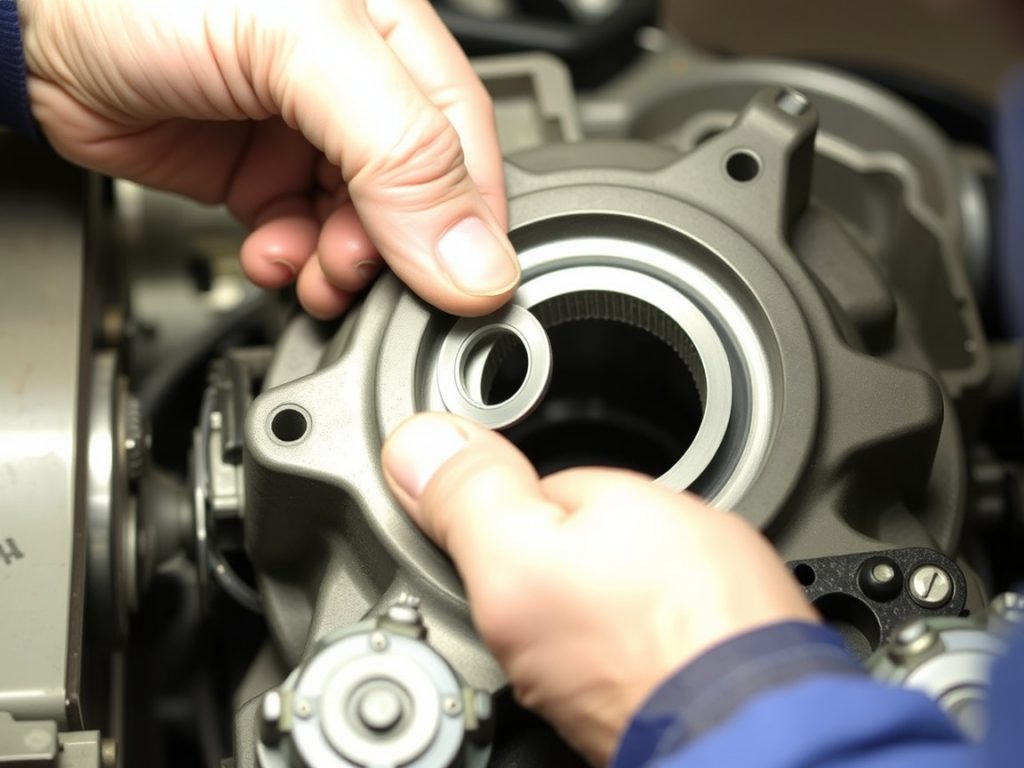
Reliability depends on disciplined measurement, correct materials, and precise assembly. Start with the original part data for your EMD 645 or EMD 710 engine. Verify the float, the front and rear washer orientation, and the chamfer direction. Use approved electro-motive diesel limits and torque values. Keep oil clean and aligned to service conditions. This guide gives a practical solution path to improve power and fuel efficiency. For commercial sourcing and engineering support, Mikura International provides validated replacement options for diesel locomotive applications.
Measure crankshaft end float before and after the change to ensure compatibility. Confirm the model, build standard, and original part supersession. Choose the right material for heat and oil profile. Align the block and bearing cap to avoid thrust line errors. Install with correct orientation and lead direction. Monitor oil pressure and temperature during run. Address small scoring early to avoid rapid wear. Follow electro-motive diesel service guidance. These steps raise reliability, maintain power, and extend diesel engine life on track.
Final Thoughts on EMD Locomotive Thrust Washer Maintenance
A thrust washer is a small component with a critical job in the locomotive engine. Its performance hinges on controlled float, clean oil, and precise assembly. The best results come from verifying part data, using calibrated tools, and documenting each service. Keep the washer within standard limits to protect the block and crank. Never ignore early heat signs or a slight vibration. With consistent practices, your EMD engine will run longer, use less fuel, and deliver dependable power for railway operations across heavy duty cycles.
Contact Information for Further Assistance
For technical clarification, replacement verification, or bulk procurement, contact Mikura International. We support EMD 645 and EMD 710 diesel locomotive thrust washer selection and compatibility checks. Our team helps confirm end float targets, material choices, and installation direction for your service duty. Request engineering drawings, tolerance data, and inspection guides. Get a rapid quote and lead time aligned to your maintenance window. Ensure a smooth replacement that meets electro-motive diesel standards and keeps your locomotive reliable and efficient on track.