


Winter operations expose locomotive fleets to catastrophic failures that cascade through your entire system. Frozen cooling systems can seize engines permanently. Gelled fuel blocks injection systems. Weakened batteries refuse to crank. These failures don’t just stop trains—they drain maintenance budgets, destroy schedules, and damage customer relationships. Fleet managers operating in harsh climates face relentless pressure to maintain reliability while battling nature’s harshest conditions.
Most locomotive owners face some of these problems in cold weather:
- Frozen cooling systems causing complete engine seizure and catastrophic damage
- Diesel fuel gelling at sub-zero temperatures, blocking fuel lines and injectors
- Dead batteries unable to provide adequate cranking power in extreme cold
- Air compressor moisture accumulation leading to brake system failures
- WABCO compressor failures from ice formation in air dryers
- Corrosion accelerating through freeze-thaw cycles in metal components
- Emergency roadside repairs consuming hours and massive costs
- Unpredictable equipment failures disrupting locomotive schedules
- Oil viscosity problems causing inadequate engine lubrication
- Reduced traction and wheel-rail adhesion on icy track conditions
This comprehensive guide provides the strategies, procedures, and component selection criteria that eliminate winter failures. These proven techniques keep locomotives operating safely and profitably throughout the harshest seasons.
Diesel Engine Winterization Procedures: The Complete Pre-Season Protocol
Proper winterization separates reliably operating fleets from those facing emergency repairs. This process isn’t optional—it’s foundational maintenance that prevents catastrophic failures.
Winterization begins with systematic inspection of every component exposed to cold. Technicians must verify oil viscosity specifications, coolant concentrations, fuel additives, and battery capacity. Each system requires specific attention before temperatures plummet.
Essential winterization checklist for locomotive diesel engines:
| System Component | Inspection Task | Cold Climate Action |
|---|---|---|
| Engine Oil | Check viscosity grade | Upgrade to winter-grade oils |
| Coolant System | Test freeze protection | Add corrosion inhibitors |
| Fuel System | Inspect water separators | Install fuel additives |
| Battery | Load test capacity | Replace if below 80% capacity |
| Starting System | Verify cranking power | Upgrade starter capabilities |
| Air Compressor | Clean intake filters | Install heated elements |
| Turbocharger | Check lubrication lines | Pre-fill with clean oil |
Locomotive Cooling System Freeze Protection and Thermal Management
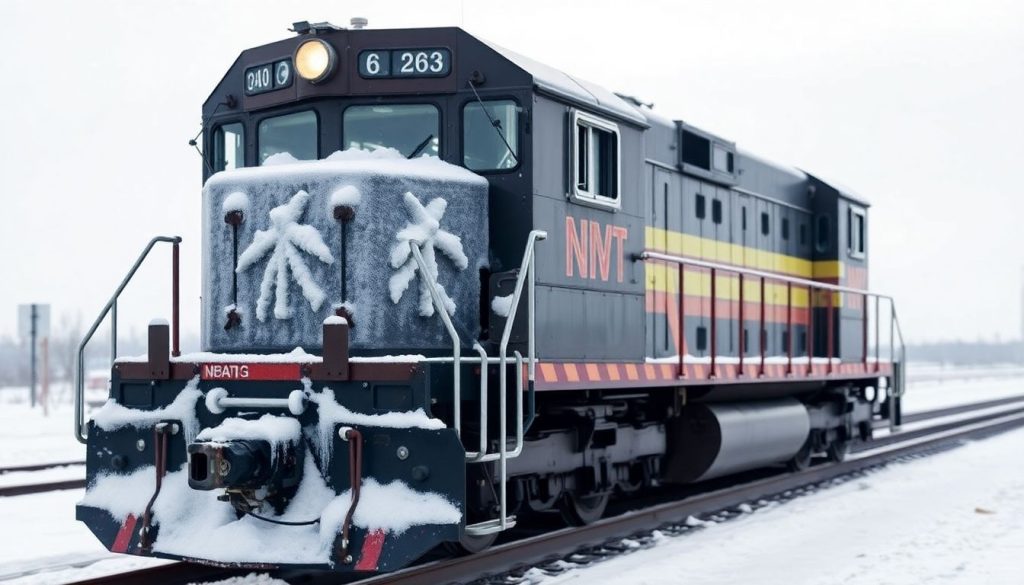
The cooling system represents your first line of defense against winter failures. Freezing coolant doesn’t just stop circulation—it expands with tremendous force, cracking engine blocks and radiator cores.
Freeze protection requires more than adequate antifreeze concentration. The cooling system must maintain consistent flow under extreme temperature differentials. Proper corrosion inhibitors prevent metal degradation that compromises system integrity.
Critical cooling system measurements for winter operation:
- Coolant freeze point should be 15-20°F below minimum expected temperature
- Corrosion inhibitor concentration typically 25-30% for full protection
- Thermostat operation verified at 160-190°F operating range
- Radiator screens inspected and cleaned monthly during winter
- Coolant drain valves inspected for freeze vulnerability
Mikura International sources premium cooling system components specifically designed for severe winter environments. Specialized drain valves, high-capacity radiators, and thermal management systems keep locomotives running safely through extreme cold.
Cold Weather Fuel System Treatment and Gelling Prevention
Diesel fuel gelling represents one of winter’s most insidious threats. As temperatures drop, paraffin wax crystals solidify, blocking fuel lines and injectors. Modern fuel treatment systems prevent this catastrophic failure mode.
Fuel gelling typically occurs around 15°F to 32°F depending on crude oil source. This narrow temperature band makes prevention critical. Fuel additives lower the cloud point, preventing crystal formation at specific temperatures.
Fuel winterization protocol:
- Install quality fuel/water separator filters rated for cold temperatures
- Use winter-grade diesel fuel (winter blends reduce gelling risk by 30-40%)
- Add fuel system biocides to prevent microbial contamination in fuel tanks
- Maintain full fuel tanks to minimize condensation formation
- Inspect fuel lines and fittings for cracks from thermal cycling
- Install electric fuel pre-heaters for temperatures below 0°F
Quality fuel pre-heating systems warm incoming fuel before reaching injection systems. This simple technology prevents gelling while improving combustion efficiency.
Engine Oil Viscosity Management and Lubrication System Optimization
Cold temperatures dramatically increase engine oil viscosity. Thick oil flows poorly, causing inadequate bearing lubrication and excessive startup wear. This contradiction demands precise oil grade selection.
Engine oil viscosity follows predictable patterns. At 40°C, standard 15W40 oil flows at one thickness. At sub-zero temperatures, the “W” (winter) viscosity rating becomes critical. A 15W oil flows adequately at -4°F; a 20W oil becomes sluggish.
Winter oil selection for diesel locomotives:
| Operating Temperature Range | Recommended Oil Grade | Cold Flow Characteristic |
|---|---|---|
| Above 32°F | 15W40 | Standard cold performance |
| 0°F to 32°F | 10W30 | Enhanced winter flow |
| -10°F to 0°F | 5W30 | Superior cold cranking |
| Below -10°F | 0W30 | Maximum cold protection |
Oil pan heaters and circulating heater systems maintain optimal oil viscosity. These heating solutions reduce cold start stress by 40-60%. Preheating engine oil before starting improves lubrication film formation and extends engine life.
WABCO Air Compressor Moisture Removal and Air Drying Systems

WABCO compressors generate compressed air for brake systems. This compressed air contains moisture that condenses as temperatures drop. Ice formation clogs air lines, rendering brake systems inoperative.
Air dryer technology removes moisture before it reaches brake components. Standard dryers operate effectively until extreme cold overwhelms their capacity. Winter-specific drying systems include heated elements preventing ice formation.
Air compressor moisture management in winter:
- Daily inspection of drain bottles for water and oil accumulation
- Weekly drain cycles removing accumulated moisture from main reservoirs
- Monthly air dryer cartridge inspection and replacement as needed
- Quarterly oil separator element cleaning preventing contamination
- Heated discharge lines maintaining moisture as vapor rather than liquid
Quality air drying systems incorporate heated inlet lines and moisture removal enhancement. These specialized components prevent catastrophic brake system failures during winter operations.
Locomotive Battery Performance Optimization and Electrical System Management
Cold temperatures reduce battery capacity by 50-70%. A battery providing adequate cranking power at 70°F may completely fail to start engines at -10°F. Winter operations demand battery performance verification and potential upgrades.
Battery testing reveals true cold-cranking amperage (CCA). A properly functioning starting system requires specific minimum CCA ratings. Cold climates demand batteries exceeding minimum specifications by 25-35%.
Battery winterization requirements:
| Temperature Range | Minimum CCA Rating | Recommended CCA Rating |
|---|---|---|
| 32°F to 50°F | 400 CCA | 450 CCA |
| 0°F to 32°F | 500 CCA | 600 CCA |
| -10°F to 0°F | 650 CCA | 800 CCA |
| Below -10°F | 800 CCA | 1000 CCA |
Battery heating systems maintain optimal temperatures, preserving cranking capacity. Thermal battery blankets and immersion heaters provide 15-20% capacity improvements in extreme cold.
Thermal Management Systems and Engine Block Heating Solutions
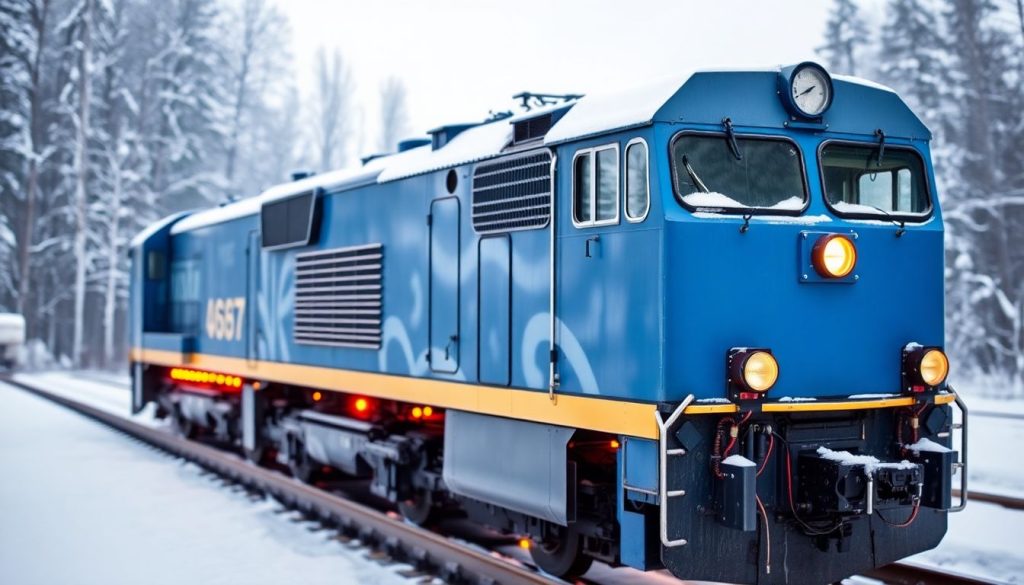
Engine block heaters have evolved into sophisticated thermal management systems. These technologies warm cooling system fluid before engine starting. Preheated engines start reliably and reach operating temperature 40% faster.
Three primary heating technologies serve winter locomotives:
Immersion heaters: Electric elements submerged directly in coolant. Simple installation. Heat transfer range: 4-6°F per hour.
Circulation heaters: Systems pumping heated coolant through engine passages. Superior heat distribution. Heat transfer range: 8-12°F per hour.
Heat exchanger systems: Warm hydraulic fluid or steam heating engine coolant. Industrial-scale heating. Heat transfer range: 15-25°F per hour.
Proper installation requires thermostatic controls preventing overheating. Excessive preheat temperatures damage coolant additives and reduce component lifespan.
Auxiliary Power Unit (APU) Systems and Idle Reduction Technology
Extended idling in cold weather wastes fuel and accelerates component wear. APU systems provide heating without continuous engine running. These systems generate 15-30 kW of heat during idle periods.
APU technology delivers multiple advantages:
- Fuel savings: 3-5 gallons per hour compared to full engine idling
- Engine life extension: Reduced cold-start wear cycles
- Environmental compliance: Dramatically reduced emissions during standby periods
- Operator comfort: Consistent cabin heating without engine noise
- Reliability: Simplified systems with minimal maintenance requirements
APU systems pair with automatic engine start-stop (AESS) technology. AESS automatically restarts engines when hydraulic system pressure drops below preset thresholds.
Predictive Maintenance Scheduling and Condition Monitoring in Winter Operations
Winter conditions accelerate component degradation. Preventive maintenance intervals established for normal conditions may prove inadequate during winter operations. Predictive monitoring systems identify components approaching failure before catastrophic breakdowns occur.
Oil analysis provides early warning indicators:
- Water contamination: Indicates cooling system leaks or moisture ingress
- Fuel dilution: Reveals fuel system injection problems
- Wear particle concentration: Predicts bearing or gear degradation
- Viscosity changes: Shows oil degradation from temperature extremes
Winter maintenance frequency recommendations:
| Maintenance Task | Summer Interval | Winter Interval | Frequency Increase |
|---|---|---|---|
| Oil sampling | Monthly | Bi-weekly | 100% |
| Coolant testing | Quarterly | Monthly | 300% |
| Battery testing | Quarterly | Monthly | 300% |
| Air dryer inspection | Monthly | Weekly | 400% |
| Fuel filter inspection | 300 hours | 150 hours | 100% |
Real-time condition monitoring systems detect temperature, pressure, and vibration anomalies. These systems alert maintenance teams before failures disrupt operations.
Cold Start Reliability Enhancement and Engine Cranking Power Verification
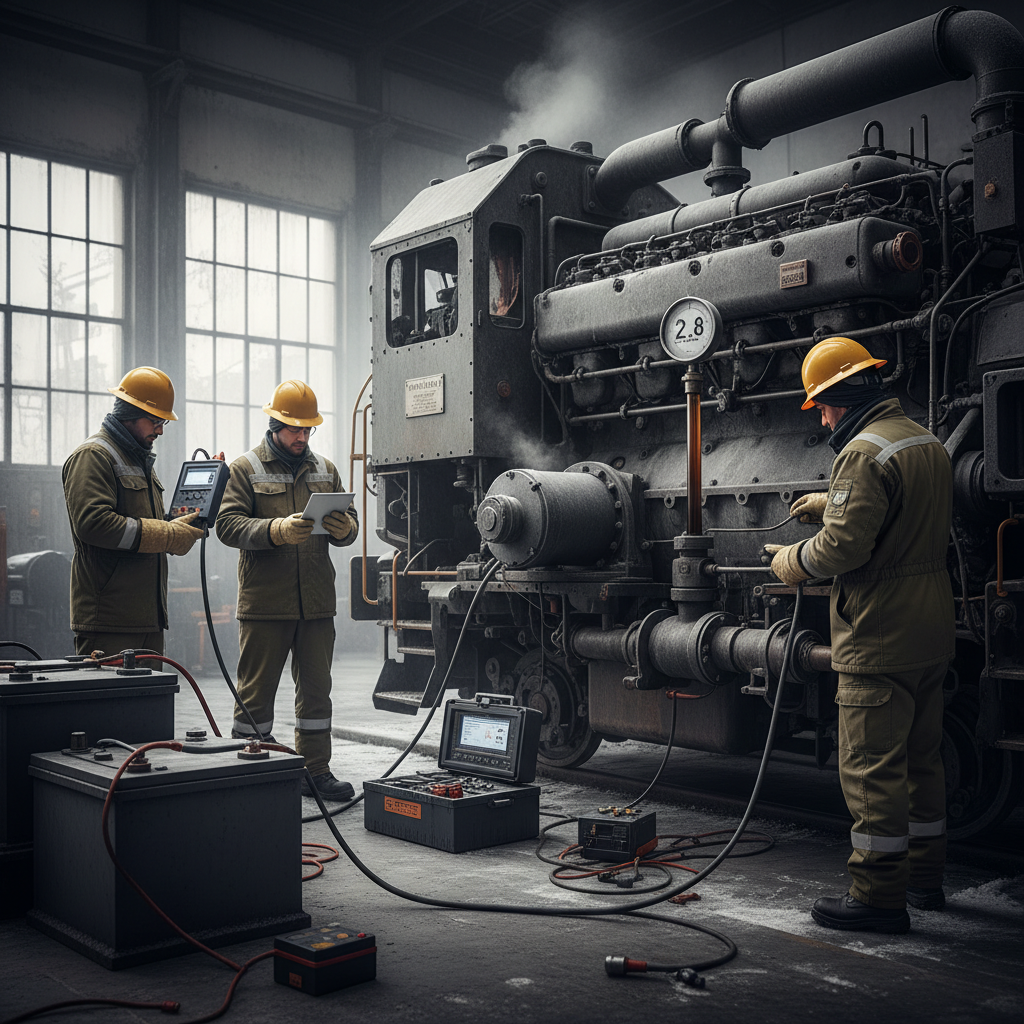
Cold starting represents the most demanding operational moment. Engine temperatures near 0°F or below challenge every system simultaneously. Proper cold-start procedures and equipment selection determine success or failure.
Cold starting demand sequence:
- Battery must deliver 90%+ rated CCA capacity
- Oil must flow to bearing surfaces within 2-3 seconds
- Fuel must atomize properly in combustion chambers
- Air intake systems must deliver adequate oxygen
- Starting motor must turn engine 200-400 RPM minimum
Each system requires verification before cold weather operations begin. Comprehensive starting system testing includes battery load tests, starter motor performance verification, and fuel system pressure checks.
Emergency Cold Weather Procedures and Roadside Maintenance
Despite perfect preparation, cold weather emergencies occur. Fleet operators require proven procedures for rapid roadside diagnosis and temporary repairs.
Cold weather emergency response checklist:
- No-start condition: Verify battery voltage (should exceed 12.5V), check fuel pressure, confirm air intake flow
- Fuel gelling: Switch to emergency fuel reserve or inject fuel thaw additive
- Frozen brake lines: Apply heat gradually to affected sections; never use open flame
- Coolant freeze: Do not attempt restart; arrange professional assistance
- Oil circulation failure: Allow extended warmup period; verify oil pressure before full load
Maintaining emergency supplies prevents catastrophic roadside failures. Stock thermal blankets, fuel additives, jumper cables, and heating equipment on all locomotives operating in winter climates.
Practical Implementation: Winter Part Care Best Practices
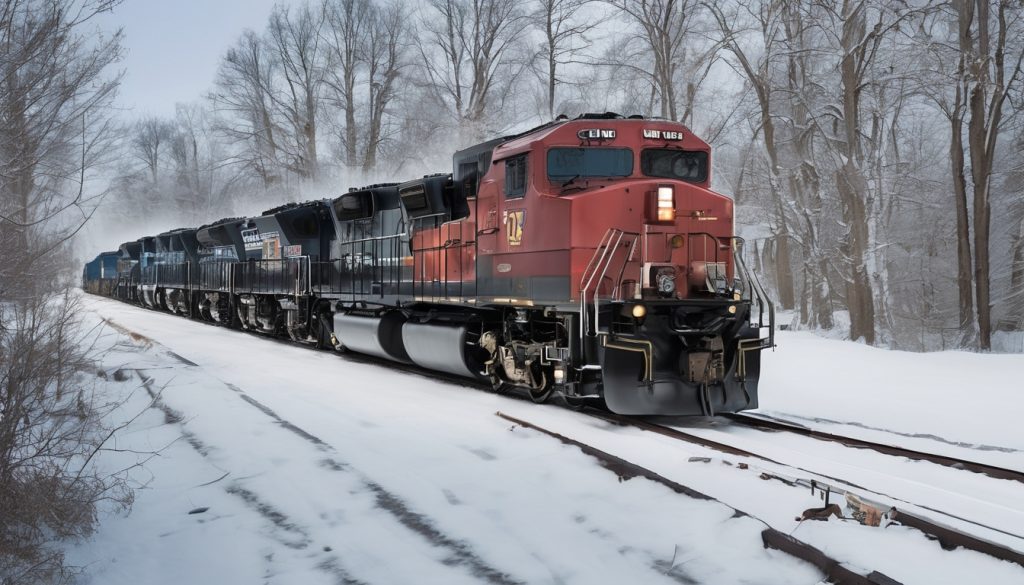
Success requires systematic component selection and maintenance discipline. Every locomotive system demands specific attention during winter operation.
Priority component upgrades for cold climates:
- Replace standard oil with winter-grade formulations
- Upgrade batteries to 25-35% above minimum specifications
- Install engine block heaters with thermostatic controls
- Upgrade air dryer systems with heated discharge lines
- Verify WABCO compressor freeze protection systems
- Install fuel pre-heaters rated for expected minimum temperatures
- Upgrade starting motors for enhanced cold performance
Professional suppliers like Mikura International provide comprehensive component packages specifically engineered for winter conditions. These integrated solutions eliminate compatibility problems and installation errors.
Conclusion: Winter Readiness Ensures Profitable Operations
Cold weather locomotive operations demand technical expertise, proper equipment, and systematic maintenance discipline. Fleet operators implementing these comprehensive strategies eliminate the majority of winter failures.
Success begins with proper winterization completed before temperatures drop. It continues through diligent condition monitoring and predictive maintenance. Emergency preparedness ensures rapid recovery when unexpected failures occur.
Winter-ready locomotives operate reliably, maintain schedules, and preserve asset value. The investment in proper preparation and quality components returns substantial dividends through reduced downtime and eliminated emergency repairs. Modern cold weather operation requires nothing less than complete system integration addressing every component from cooling systems to battery management.
Your locomotives can operate successfully through the harshest winters. The knowledge, strategies, and component specifications provided here establish the foundation for reliable, profitable winter operations regardless of climate severity.