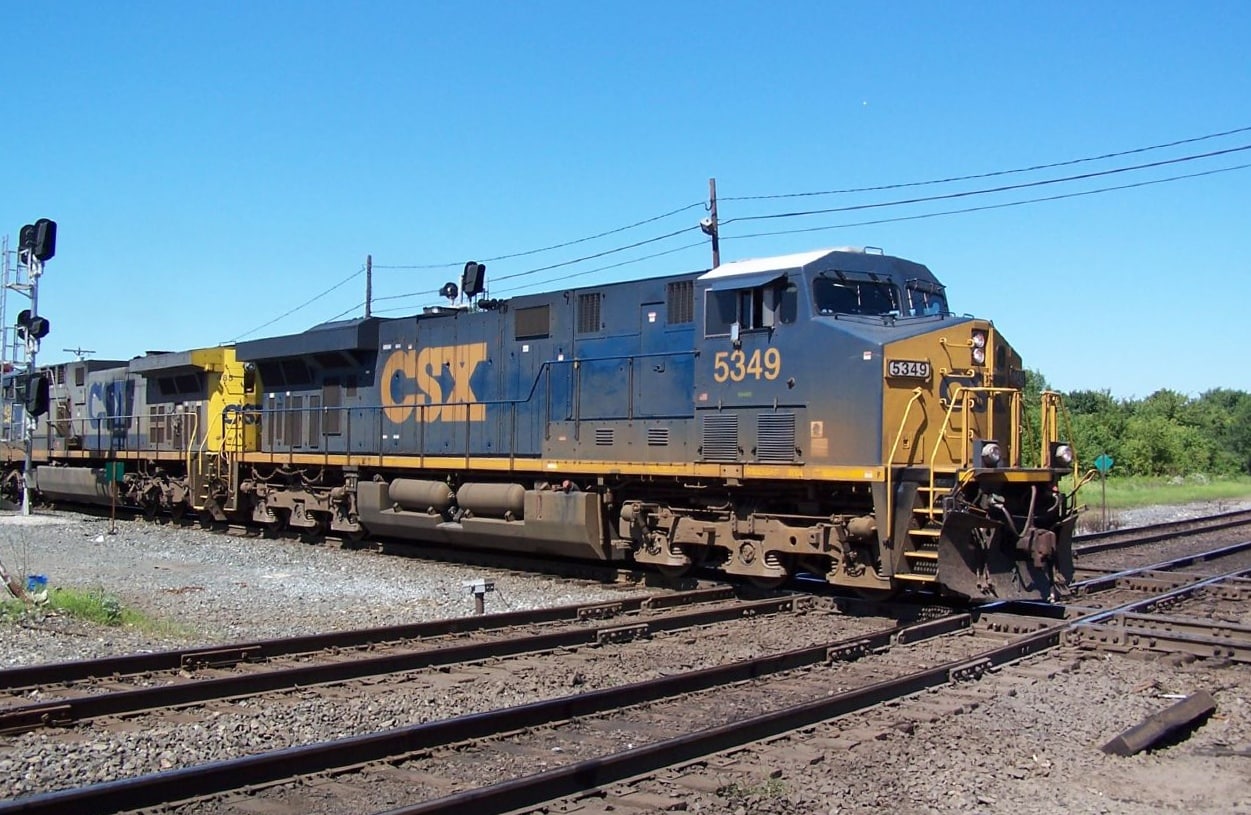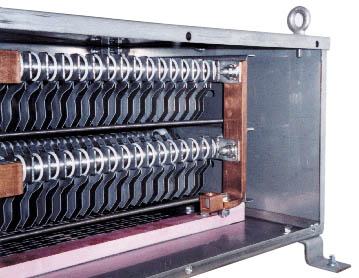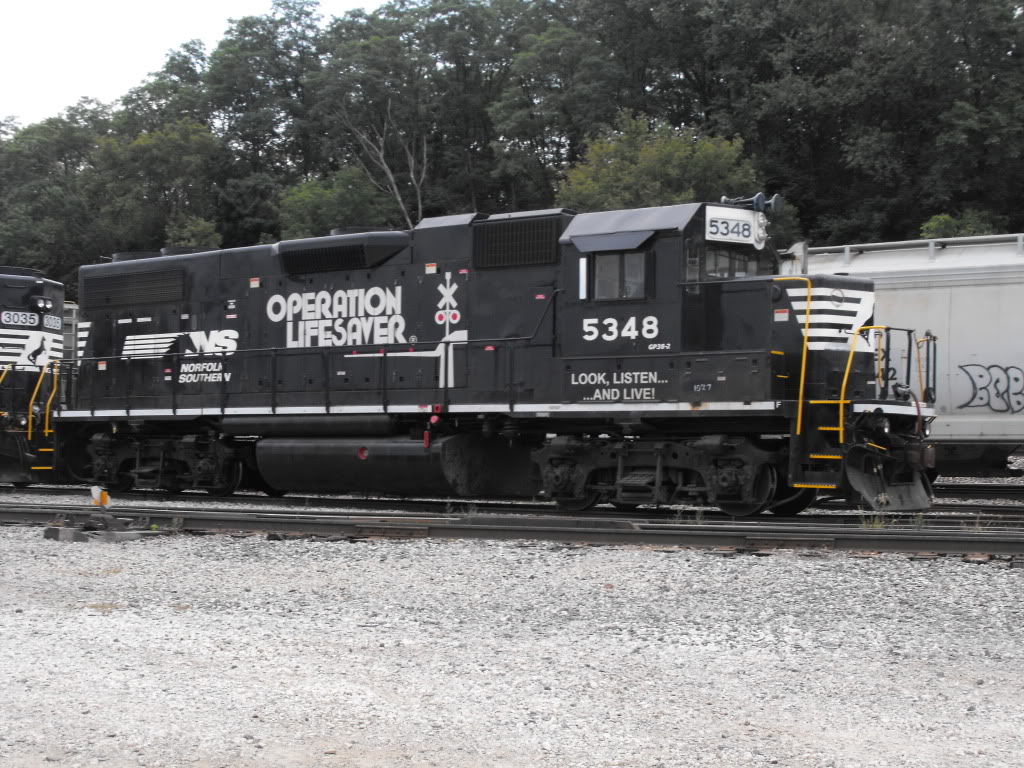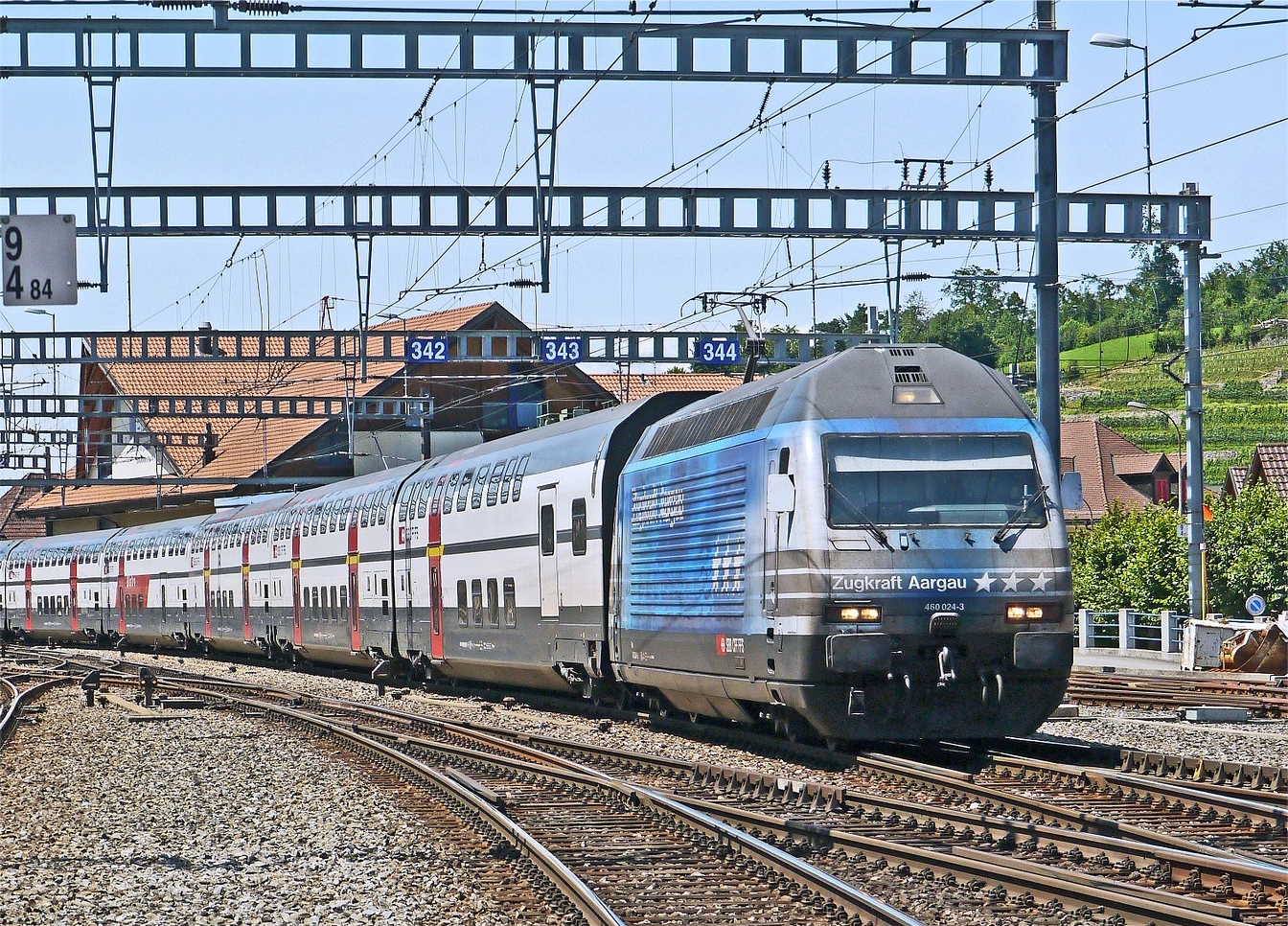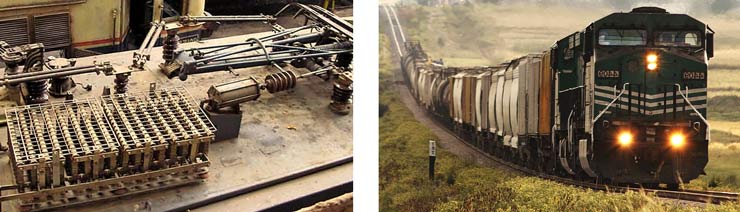
Trimmer Resistors in Locomotive Engines

Trimmer Resistors in Locomotive Engines

Introduction

Trimmer resistors play a crucial role in the functioning of locomotive engines. These compact electronic components are responsible for adjusting and fine-tuning the resistance levels in the electrical circuits of locomotives. In this article, we will provide an overview of the importance of trimmer resistors in locomotive engines and their role in maintaining optimal performance.

Trimmer Resistors in locomotive engines: An overview

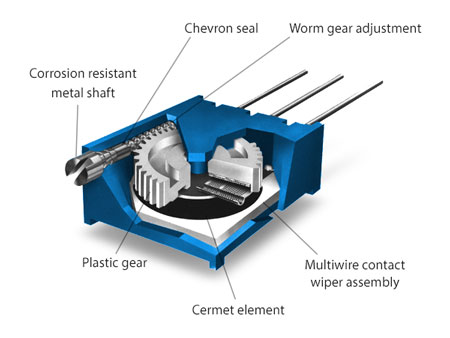
Locomotive engines require a reliable and precise control of electrical circuits to ensure efficient operation. Trimmer resistors, also known as variable resistors or preset resistors, offer an adjustable resistance value that can be finely adjusted to meet the specific requirements of locomotive systems.

These resistors are commonly used in locomotive engine control circuits, such as throttle control, traction control, and communication systems. They allow engineers and technicians to make small resistance adjustments to enhance the performance and accuracy of these systems.

One of the key advantages of trimmer resistors is their compact size, which makes them ideal for space-constrained locomotive engine applications. They are designed to be mounted directly on printed circuit boards, providing ease of installation and maintenance.

In addition to their compact size, trimmer resistors offer high reliability and stability. They are manufactured using advanced materials and construction techniques to withstand the harsh operating conditions commonly encountered in locomotive engines. This ensures that the resistance values remain consistent and accurate over time, contributing to the overall reliability and longevity of the locomotive system.

Overall, trimmer resistors are essential components in locomotive engines, enabling precise control and adjustment of electrical circuits. Their

Trimmer Resistors: Function and Importance

Understanding the role of trimmer resistors in locomotive engines

In the world of locomotive engines, trimmer resistors play a crucial role in ensuring optimal performance and efficiency. These small electronic components are designed to adjust and stabilize voltage levels within the engine’s electrical circuits.

Trimmer resistors, also known as variable resistors, allow for fine-tuning and calibration of the engine’s electrical systems. They provide a means of adjusting resistance to control current flow, voltage levels, and signal strength. This flexibility helps engineers and technicians maintain the desired operating parameters, ensuring the locomotive engine operates smoothly and reliably.

Benefits of using trimmer resistors in engine systems

There are several key benefits to using trimmer resistors in locomotive engines:

  1. Precision calibration: Trimmer resistors offer precise and accurate adjustments, allowing for precise calibration of various electrical components. This precision ensures optimal performance and avoids any deviations that could lead to engine problems or failures.
  2. Improved efficiency: With the ability to fine-tune voltage and current levels, trimmer resistors help optimize the engine’s energy consumption. By reducing power wastage, these resistors contribute to improved fuel efficiency and lower operating costs.
  3. Enhanced reliability: Trimmer resistors help stabilize voltage levels, preventing fluctuations that can damage sensitive electronic components. This ultimately increases the overall reliability and lifespan of the engine’s electrical systems.
  4. Easy maintenance: Trimmer resistors are designed for easy adjustment and replacement, allowing technicians to quickly fine-tune or replace faulty resistors during routine maintenance or troubleshooting.

In summary, trimmer resistors play a critical role in locomotive engines by providing precise adjustments, improving efficiency, enhancing reliability, and facilitating easy maintenance. These small yet powerful components contribute to the smooth and efficient operation of locomotive engines, ensuring a reliable and safe transportation system.
Trimmer Resistors in Locomotive Engines
Image Source: www.bourns.com

Types of Trimmer Resistors Used in Locomotive Engines

Variable trimmer resistors: Exploring the different types

Trimmer resistors play a crucial role in the performance and control of locomotive engines. These tiny adjustable components are designed to fine-tune electrical values within the engine system. Let’s take a closer look at the different types of variable trimmer resistors commonly used in locomotive engines:

  1. Cermet Trimmers: These trimmers utilize a combination of ceramic and metallic materials, making them robust and resistant to high temperatures. They are ideal for engine applications that require precise adjustments and stable resistance values.
  2. Wirewound Trimmers: This type of trimmer resistor is constructed by winding a resistive wire on a ceramic or plastic core. Wirewound trimmers offer excellent precision and a wide range of resistance values suitable for locomotive engines with strict control requirements.
  3. Multi-Turn Trimmers: Multi-turn trimmer resistors allow for more precise adjustments due to their multiple complete rotations. These trimmers are commonly used in engines where fine-tuning is necessary for optimal performance.

Precision trimmer resistors: Their significance in engine control

To ensure accurate control and efficient functioning of locomotive engines, precision trimmer resistors are essential. Here’s why they are significant:

  1. Stable Resistance: Precision trimmer resistors provide stable resistance values, even in harsh operating conditions. This stability plays a vital role in maintaining consistent engine performance.
  2. Improved Control: By allowing for precise adjustments, precision trimmer resistors enable engineers to optimize engine control systems. This results in better fuel efficiency, reduced emissions, and enhanced overall performance.
  3. Reliability: Locomotive engines operate in demanding environments, where reliability is of utmost importance. Precision trimmer resistors are designed to withstand vibration, temperature variations, and other challenging conditions, ensuring long-lasting performance.

In summary, both variable and precision trimmer resistors are integral to the smooth operation and control of locomotive engines. Their versatility, stability, and precision make them essential components for maintaining optimal performance and efficiency in these powerful machines.

Application of Trimmer Resistors in Locomotive Engines

Throttle control: How trimmer resistors contribute

In a locomotive engine, one of the important functions is throttle control, which determines the power and speed of the engine. Trimmer resistors play a crucial role in this process by providing precise control over the throttle position. By adjusting the resistance of the trimmer resistors, the amount of power delivered to the engine can be finely tuned, allowing for efficient operation and optimal performance.

Speed regulation: The role of trimmer resistors in engine performance

Trimmer resistors are also used in locomotive engines to regulate speed. In order to maintain consistent and safe operating speeds, the engine control system relies on trimmer resistors to accurately control the flow of electrical current. By adjusting the resistance, the speed of the engine can be controlled, ensuring smooth acceleration and deceleration as required.

These trimmer resistors are designed to withstand the harsh conditions found in locomotive engines, including high temperatures, vibrations, and electrical disturbances. They are typically made from high-quality materials that are resistant to these environmental factors, ensuring reliable and long-lasting performance.

In conclusion, trimmer resistors play a crucial role in the functionality and performance of locomotive engines. They contribute to throttle control, allowing for precise power delivery, and facilitate speed regulation, ensuring consistent and safe operation. By utilizing trimmer resistors in locomotive engines, manufacturers are able to optimize engine performance and enhance overall reliability.

Advancements in Trimmer Resistors for Locomotive Engines

When it comes to locomotive engines, precision and reliability are of utmost importance. Trimmer resistors play a crucial role in ensuring these qualities are achieved, and recent advancements in technology have made these components even more efficient and durable. Let’s take a closer look at the recent developments in trimmer resistor technology and how they enhance the performance of locomotive engines.

Recent developments in trimmer resistor technology

The latest advancements in trimmer resistors have focused on improving their precision and stability. Manufacturers are now using advanced materials and innovative designs to minimize resistance variations caused by factors like temperature changes and vibrations. This ensures that the trimmer resistors maintain their accuracy over a wide range of operating conditions, contributing to the overall reliability of the locomotive engine.

Another significant development is the integration of digital trimmer resistors. These components include microcontrollers that allow for remote adjustment, calibration, and monitoring of the trimmer resistor settings. This remote control capability not only simplifies maintenance and troubleshooting processes but also enables engineers to fine-tune the engine’s performance without physically accessing the component.

Enhanced durability and reliability

In addition to improved precision, the latest trimmer resistors boast enhanced durability and reliability. Manufacturers are incorporating advanced coating materials and protective layers to make them more resistant to environmental factors such as dust, moisture, and high temperatures. This ensures that the trimmer resistors can withstand harsh conditions commonly encountered in locomotive engines, reducing the risk of component failures and resulting in more reliable operation.

Overall, the advancements in trimmer resistor technology contribute to the enhanced performance and longevity of locomotive engines. The precision, stability, remote control capabilities, and improved durability all work together to ensure the smooth and efficient operation of these essential machines.

With continuous research and innovation, we can expect even more exciting developments in trimmer resistors that will further optimize locomotive engine performance in the future.

Maintenance and Troubleshooting of Trimmer Resistors in Locomotive Engines

Regular inspection and cleaning procedures

Trimmer resistors play a critical role in locomotive engines by providing variable resistance for circuit calibration and adjustment. To ensure optimal performance, regular inspection and cleaning procedures are necessary. Here are a few steps to follow:

  1. Visual Inspection: Check for any physical damage such as burned or corroded terminals, loose connections, or signs of overheating. Replace any damaged trimmer resistors immediately.
  2. Cleaning: Dust and dirt can accumulate on the trimmer resistors, affecting their performance. Use a soft brush or compressed air to remove any debris. Avoid using liquids that can damage the resistors.
  3. Calibration: Trim the resistors to the desired resistance using a trimmer resistor tool or a small screwdriver. Follow the manufacturer’s instructions carefully to avoid over-adjusting or damaging the resistors.

Common issues and troubleshooting tips

Even with regular maintenance, trimmer resistors can encounter issues. Here are some common problems and troubleshooting tips:

  1. Poor Contact: If the trimmer resistor’s contact is poor, it can result in intermittent or erratic resistance readings. Check for loose connections, corroded terminals, or dirt buildup. Clean the contacts and ensure a secure connection.
  2. High Resistance: A trimmer resistor with a high resistance reading may indicate that the trimmer has drifted from its original value. Calibrate the resistor to the desired resistance using a trimmer resistor tool or adjust it according to the manufacturer’s specifications.
  3. Physical Damage: Physical damage to the trimmer resistor can lead to malfunctioning or complete failure. Inspect the resistor for any signs of burning, cracking, or other damage. Replace the damaged resistor promptly.

By following these maintenance and troubleshooting tips, locomotive engine operators can ensure the optimal performance of their trimmer resistors. Regular inspections and cleaning procedures, coupled with prompt repairs or replacements, contribute to the efficient operation of the locomotive engines.

Importance of Proper Trimmer Resistor Selection in Locomotive Engines

Factors to consider when choosing trimmer resistors

When it comes to locomotive engines, selecting the right trimmer resistors is crucial for ensuring optimal performance and reliability. These small, adjustable components play a significant role in controlling voltage and current in various circuits. Here are some essential factors to consider when choosing trimmer resistors for locomotive engines:

  1. Power rating: Locomotive engines operate under extreme conditions, making it essential to select trimmer resistors with a high power rating. This ensures that the resistors can handle the high levels of voltage and current without getting damaged or overheating.
  2. Tolerance: The tolerance level of the trimmer resistors determines how accurate they are in regulating voltage or current. For locomotive engines, it is crucial to choose resistors with a low tolerance to ensure precise control and reliable performance.
  3. Temperature coefficient: Locomotive engines experience significant temperature variations, so it is crucial to select trimmer resistors with a low temperature coefficient. This ensures that the resistors’ resistance value remains stable even under extreme temperature conditions.

Ensuring compatibility and optimal performance

To ensure compatibility and optimal performance in locomotive engines, it is essential to follow these best practices when selecting trimmer resistors:

  1. Consult the manufacturer: Reach out to the manufacturer or supplier of the locomotive engine to get recommendations on the specific trimmer resistors that are compatible with the engine’s circuitry.
  2. Consider environmental factors: Take into account the environmental conditions in which the locomotive engine will operate. Factors such as moisture, vibration, and dust can affect the performance of trimmer resistors, so choose ones that are designed to withstand such conditions.
  3. Testing and quality control: Prioritize trimmer resistors that undergo rigorous testing and quality control measures to ensure they meet the required specifications for locomotive engines.

By considering these factors and following best practices, you can ensure that trimmer resistors in locomotive engines are selected correctly, leading to improved efficiency, reliability, and performance.

Future Outlook: Trimmer Resistors and Locomotive Engine Technology
Image Source: cdn.shopify.com

Future Outlook: Trimmer Resistors and Locomotive Engine Technology

Emerging trends and innovations in trimmer resistors for engines

When it comes to locomotive engine technology, trimmer resistors play a crucial role in ensuring optimal performance. These small yet mighty components are used to adjust and control electrical currents in locomotive engines. As technology continues to evolve, so do the trends and innovations in trimmer resistors for engines.

One emerging trend is the development of trimmer resistors that are more compact and offer higher precision. As locomotive engines become increasingly advanced and require smaller components, the need for trimmer resistors that can fit into tight spaces becomes crucial. Additionally, higher precision allows for more accurate adjustments, ensuring that the engine operates at its best.

Innovations in material and construction are also taking place. Trimmer resistors are being designed with materials that can withstand extreme temperatures, vibrations, and other harsh conditions commonly found in locomotive engines. This ensures their longevity and reliability, reducing the need for frequent maintenance and replacements.

Potential applications and advancements

The future of trimmer resistors in locomotive engine technology looks promising. One potential application is the integration of trimmer resistors with smart technology. By incorporating sensors and IoT capabilities, these resistors can gather real-time data on engine performance, allowing for predictive maintenance and optimized performance.

Advancements in trimmer resistors can also contribute to the development of more environmentally-friendly locomotive engines. By fine-tuning electrical currents with precision, energy efficiency can be significantly improved. This not only reduces fuel consumption but also lowers emissions, leading to a greener and more sustainable transportation system.

In conclusion, trimmer resistors continue to evolve alongside locomotive engine technology. With emerging trends and innovations, these components are becoming more compact, precise, and durable. Their potential applications extend beyond just electrical adjustments, with possibilities for integration with smart technology and environmental advancements. As locomotive engines advance, so will the role and capabilities of trimmer resistors in ensuring optimal performance.

Conclusion

Recap of key points discussed

In this article, we explored the importance of branding your business to set yourself apart from competitors and become more recognizable. We learned that branding is not just about creating a logo and catchy slogan, but about creating a strong and reliable brand identity that resonates with your target audience.

To distinguish your business from competitors, branding allows you to showcase your unique values, story, brand promise, and other assets. By leveraging these aspects, you can create a point of difference that sets you apart and attracts potential customers.

Additionally, consistent branding efforts make your brand more memorable and recognizable. When customers can easily identify your company through physical, visual, and auditory elements, it fosters trust and influences their buying decisions. Brand recognition also influences how customers recall and engage with your content, emails, or ads.

Importance of trimmer resistors in enhancing locomotive engine performance

Trimmer resistors play a crucial role in locomotive engines by allowing precise adjustment of the electrical current flowing through various components. They provide a means to fine-tune the engine’s performance, ensuring optimal operation and efficiency.

These resistors allow adjustments to be made to voltage levels, current limits, and various other electrical parameters, allowing engineers to optimize the engine’s performance for different operating conditions. Trimmer resistors help prevent overloading, overheating, or other electrical issues that can impact the locomotive’s reliability and lifespan.

In conclusion, trimmer resistors are essential components in locomotive engines that enhance performance and ensure efficient operation. Their ability to fine-tune electrical current helps prevent potential issues and extends the lifespan of the engine. By understanding their importance and incorporating them into locomotive designs, engineers can optimize performance and reliability in these powerful machines.
Variable Resistors in Locomotive Engines

Variable Resistors in Locomotive Engines

Introduction

Variable resistors play a crucial role in locomotive engines, allowing for better control of various electrical circuits. Whether it’s adjusting the brightness of the lights, regulating the speed of the motors, or managing other electrical components, these resistors provide the flexibility needed to optimize engine performance. Variable resistors are one of the important types of resistors used in ALCO locomotive electrical parts. We will deep dive into this type of resistor in the following post.

The importance of variable resistors in locomotive engines

Locomotive engines require precise control over various electrical functions to ensure safe and efficient operation. Variable resistors offer the ability to tailor the resistance level within a circuit, enabling adjustments to be made according to specific requirements. Here are some key reasons why variable resistors are vital in locomotive engines:

  1. Speed control: Variable resistors are integral in controlling the speed of motors in locomotive engines. By adjusting the resistance, the voltage and current supplied to the motors can be modified, allowing for smooth acceleration or deceleration. This is especially critical during startup or when negotiating varying terrain.
  2. Brightness control: Variable resistors are also utilized in regulating the brightness of lights on locomotive engines. Whether it’s headlights, signal lights, or interior lighting, variable resistors enable the adjustment of current flow to achieve the desired level of brightness.
  3. Temperature control: In some locomotive engines, variable resistors are deployed to manage heating elements. This allows engineers to maintain optimal operating temperatures for crucial components, preventing overheating and potential damage.
  4. Circuit protection: The ability to adjust resistance using variable resistors can help protect sensitive electrical components from voltage spikes or fluctuations. By fine-tuning the resistance levels, engineers can ensure that voltage remains within safe limits and prevent damage to critical circuits.

Overall, variable resistors play a vital role in locomotive engines by facilitating precise control over various electrical functions. Their flexibility allows for adjustments to be made according to specific requirements, ensuring safe and efficient operation. This highlights the significance of these resistors in maintaining optimal performance and reliability in locomotive engines.

Types of Variable Resistors
Image Source: upload.wikimedia.org

Types of Variable Resistors

In locomotive engines, variable resistors are an essential component that helps regulate the flow of electricity in various systems. These resistors play a crucial role in controlling speed, voltage, and current levels. Here are three common types of variable resistors used in locomotive engines:

1. Potentiometers

Potentiometers, also known as pots, are variable resistors with three terminals. They have a dial or knob that allows users to adjust the resistance manually. In locomotive engines, potentiometers are often used in control circuits to fine-tune settings such as speed control, fuel injection, and sensor calibration. They provide precise control and are widely preferred for their simplicity and versatility.

2. Rheostats

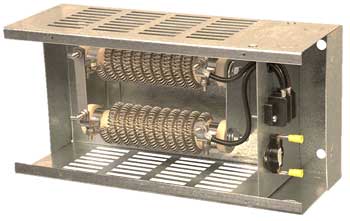
Rheostats are variable resistors designed to handle higher power ratings. They consist of a resistive wire wound around a ceramic core. By adjusting the position of the sliding contact, the resistance can be changed. In locomotive engines, rheostats are commonly used in electrical systems that require variable resistance, such as lighting controls and temperature regulation. They offer a wide range of resistance values and can handle substantial current flow.

3. Carbon Composition Resistors

Carbon composition resistors are made of a mixture of carbon particles and a binder material. They are capable of handling high power levels and offer good stability and temperature coefficients. In locomotive engines, carbon composition resistors are often used as load resistors, current-limiting resistors, and in motor control circuits. They are known for their robustness and wide operating temperature range.

These variable resistors provide flexibility and precision in adjusting electrical parameters in locomotive engines, ensuring smooth and efficient operation. They are designed to withstand the harsh conditions of locomotive environments, including high temperatures, vibrations, and humidity.

In conclusion, variable resistors are vital components in locomotive engines that enable precise control of speed, voltage, and current levels. Potentiometers, rheostats, and carbon composition resistors are commonly used in locomotive systems for their versatility, power-handling capabilities, and stability. Incorporating these variable resistors ensures the efficient and reliable operation of locomotive engines.

Applications of Variable Resistors in Locomotive Engines
Image Source: www.mouser.com

Applications of Variable Resistors in Locomotive Engines

1. Throttle control

Variable resistors play a crucial role in the throttle control system of locomotive engines. By adjusting the resistance, the operator can control the amount of fuel being injected into the engine cylinders. This, in turn, regulates the engine’s power output. The variable resistor acts as a sensor, providing feedback to the engine control unit (ECU) to adjust the fuel injection accordingly. This level of control allows the locomotive to operate efficiently and provides precise control over acceleration and deceleration.

2. Speed control

Variable resistors are also used for speed control in locomotive engines. The resistance is adjusted to regulate the current flowing through the traction motor, which, in turn, controls the speed of the locomotive. By finely tuning the resistance, the operator can achieve the desired speed and maintain it consistently. This is particularly important for maintaining a steady speed during long journeys or when navigating through varying terrains.

3. Voltage regulation

Locomotive engines require a stable power supply to operate effectively. Variable resistors are used in voltage regulation systems to adjust and stabilize the electrical current flowing through the engine’s circuits. By adjusting the resistance, the voltage can be controlled, ensuring that the various electrical components receive the appropriate amount of power. This helps prevent damage to sensitive electronics and ensures the locomotive operates reliably.

In conclusion, variable resistors play a vital role in locomotive engines, particularly in throttle control, speed control, and voltage regulation. These components enable precise control over fuel injection, speed, and electrical power, ensuring efficient and reliable operation of the locomotive. By employing variable resistors in these applications, locomotive engines can achieve optimal performance and maintain safety standards.

Factors to Consider When Choosing Variable Resistors for Locomotive Engines

1. Power rating

When selecting variable resistors for locomotive engines, the power rating is a crucial factor to consider. Locomotive engines operate under high power and demanding conditions, so the resistors should be able to handle the heat generated. It is important to choose resistors with a power rating that matches or exceeds the requirements of the engine to ensure optimal performance and avoid overheating or failure.

2. Resistance tolerance

Resistance tolerance refers to the acceptable deviation from the specified resistance value. In locomotive engines, precision and accuracy are vital for efficient operation. Variable resistors with a low resistance tolerance are preferred to ensure the resistance value remains within the desired range, allowing for precise control of electrical circuits and systems in the engine.

3. Temperature coefficient

Locomotive engines are subjected to extreme temperatures, especially in the engine bay. It is crucial to choose variable resistors with a low temperature coefficient to ensure stable and reliable performance. A resistor with a low temperature coefficient will exhibit minimal changes in resistance with temperature fluctuations, ensuring consistent and accurate operation in varying thermal conditions.

It is also important to source variable resistors from reputable manufacturers known for their quality and reliability. This ensures that the resistors are designed to withstand the harsh conditions of locomotive engines and can provide long-lasting performance.

By considering the power rating, resistance tolerance, and temperature coefficient when selecting variable resistors for locomotive engines, you can ensure optimal performance and reliability. Taking these factors into account will help you choose the right resistors that meet the specific requirements of your locomotive engine, contributing to its efficient and safe operation.

Benefits of Variable Resistors in Locomotive Engines

1. Precise control

Variable resistors play a crucial role in providing precise control over electrical systems in locomotive engines. These resistors allow for fine-tuning of parameters such as voltage, current, and power to optimize the performance of various components. By adjusting the resistance, engineers can regulate the flow of electricity, ensuring that it matches the specific requirements of the engine. This level of control helps to enhance overall performance and reliability while minimizing the risk of damage or overheating.

2. Improved efficiency

Variable resistors contribute to improved efficiency in locomotive engines by allowing for better regulation of electrical systems. By fine-tuning the resistance, engineers can ensure that the engine operates at its optimal efficiency point, reducing energy wastage and maximizing fuel utilization. This not only results in cost savings for operators but also helps to reduce the environmental impact of locomotive engines by minimizing carbon emissions.

3. Enhanced safety

Safety is a top priority in any locomotive engine operation, and variable resistors play a significant role in ensuring safe electrical systems. By adjusting the resistance, engineers can prevent excessive current flow that could lead to short circuits or component failures. These resistors help protect sensitive electronic components and prevent damage to the engine’s electrical system, reducing the risk of accidents or system malfunctions.

Variable resistors also allow for quick and reliable troubleshooting in the event of electrical issues. By adjusting the resistance levels, engineers can isolate problem areas and identify potential faults within the electrical system. This helps to minimize downtime and enables faster repairs, ensuring that locomotive engines can resume operations promptly.

In summary, the benefits of variable resistors in locomotive engines are vast. They provide precise control over electrical systems, improve efficiency, and enhance safety. By incorporating variable resistors into locomotive designs, manufacturers can optimize performance, reduce operating costs, and create a safer and more reliable transportation system.

Challenges and Solutions in Using Variable Resistors in Locomotive Engines

Variable resistors play a significant role in the functioning of locomotive engines, enabling the precise control of electrical systems. However, their usage comes with its own set of challenges that need to be addressed for smooth operations.

1. Wear and tear

Variable resistors experience wear and tear over time due to the harsh conditions they are subjected to in locomotive engines. The constant exposure to vibration, high temperatures, and contaminants can lead to the deterioration of the resistive elements, resulting in inaccurate readings and decreased performance.

To mitigate this challenge, regular maintenance and inspections are crucial. Ensuring proper lubrication, cleaning, and adequate protection from external factors can help extend the lifespan of variable resistors. In addition, using high-quality resistive elements that are specifically designed for rugged environments can increase durability.

2. Safety concerns

Safety is paramount in locomotive engines, and the use of variable resistors introduces certain risks. The potential for overheating and short circuits can pose serious hazards, including electrical fires and damage to equipment.

To address these concerns, adequate safety measures must be implemented. This includes proper insulation, heat dissipation, and overload protection mechanisms. Choosing variable resistors that comply with industry safety standards and regulations is crucial to ensure the protection of the locomotive engine and its operators.

3. Maintenance and replacement

Periodic maintenance and replacement of variable resistors are necessary to avoid unexpected failures and to maintain optimal performance. However, the restricted access to certain areas of locomotive engines can make this task challenging.

To overcome this hurdle, proactive maintenance schedules should be implemented, taking into consideration the specific requirements of each variable resistor. Additionally, careful planning and coordination between maintenance teams and locomotive operators can help minimize downtime and ensure timely replacements.

In conclusion, while variable resistors are instrumental in the functioning of locomotive engines, they come with inherent challenges. By implementing proper maintenance practices, prioritizing safety measures, and ensuring timely replacements, these challenges can be effectively addressed, ensuring the reliable and efficient operation of locomotive engines.


Conclusion

In conclusion, variable resistors play a crucial role in optimizing locomotive engine performance. By allowing for precise control of electrical circuits, they help manage important functions such as speed regulation, traction control, and lighting systems. Without variable resistors, locomotives would struggle to operate efficiently and safely.

The crucial role of variable resistors in optimizing locomotive engine performance

Variable resistors, also known as rheostats, are essential components in locomotive engines. They are used to vary the resistance in electrical circuits, enabling precise control over the flow of current. This control is vital for optimizing various aspects of engine performance.

One key area where variable resistors are utilized is speed regulation. By adjusting the resistance in the circuits that control the engine’s power supply, engineers can control the speed at which the locomotive operates. This allows for efficient acceleration, deceleration, and maintaining a constant speed.

Another important function of variable resistors in locomotives is maintaining traction control. By altering the resistance in traction motors and wheel slip control systems, engineers can ensure optimal traction on different surfaces and conditions. This is particularly crucial for ensuring the safety and stability of the locomotive.

Variable resistors also play a role in the lighting systems of locomotives. By adjusting the resistance in circuits that power headlights, signal lights, and interior lighting, engineers can control the brightness and intensity of these lights. This ensures proper visibility and enhances safety during night operations.

Frequently Asked Questions about variable resistors in locomotive engines.

Q: How do variable resistors work in locomotive engines?

A: Variable resistors allow engineers to adjust the resistance in electrical circuits, controlling the flow of current. This regulation helps optimize engine performance, enabling functions such as speed regulation, traction control, and lighting control.

Q: What are the benefits of variable resistors in locomotive engines?

A: Variable resistors provide precise control over locomotive engine systems, enhancing efficiency, safety, and performance. They allow for optimal speed regulation, traction control on different surfaces, and adjustment of lighting systems.

Q: Can variable resistors be replaced with other components?

A: Variable resistors are specifically designed to provide the necessary control and fine-tuning capabilities for locomotive engines. While there may be alternative components, they do not offer the same level of precision and functionality.

Q: How often should variable resistors be inspected and maintained?

A: Regular inspection and maintenance of variable resistors are essential to ensure they function properly. The frequency may vary depending on the manufacturer’s recommendations and the specific operating conditions of the locomotive. It is best to consult the locomotive’s maintenance guidelines for guidance.

Fixed Resistors in Locomotive Engines

Fixed Resistors in Locomotive Engines

Introduction

In the world of locomotive engines, fixed resistors play a crucial role in ensuring smooth operations and safety. Understanding the purpose and importance of fixed resistors in locomotive engines is vital for both engineers and enthusiasts alike. We have seen different types of resistors used in ALCO locomotive electrical parts. In this post we will deep dive into fixed resistors.

About fixed resistors in locomotive engines

Fixed resistors are electrical components designed to provide a specific amount of resistance to the flow of electric current. In locomotive engines, these resistors are typically used in the traction and braking systems.

In the traction system, fixed resistors are employed to control the amount of electric current supplied to the traction motors. By adjusting the resistance, the speed and torque of the locomotive can be effectively regulated. This is essential for maintaining optimal performance and ensuring smooth acceleration and deceleration.

In the braking system, fixed resistors are incorporated to dissipate excess electrical energy generated during regenerative braking. Regenerative braking is a process whereby the kinetic energy of the moving locomotive is converted into electrical energy and fed back into the power supply system. Fixed resistors provide a means to safely dissipate this excess energy, preventing damage to the locomotive and maintaining system stability.

Importance of fixed resistors for locomotive engines

The reliance on fixed resistors in locomotive engines is critical for several reasons:

  1. Control and efficiency: By accurately controlling the amount of electric current supplied to the traction motors, fixed resistors allow for precise control over the locomotive’s speed and torque. This ensures efficient operation and optimized performance.
  2. Safety: Fixed resistors play a crucial role in managing the electrical energy generated during regenerative braking. Without these resistors, excess energy could cause voltage spikes and damage the locomotive’s electrical system, jeopardizing the safety of passengers and crew.
  3. Maintenance and reliability: Properly functioning fixed resistors contribute to the overall reliability of locomotive engines. Regular maintenance and monitoring of these components help prevent breakdowns and ensure the continued smooth operation of the locomotive.

In conclusion, fixed resistors are integral to the functioning and safety of locomotive engines. Their role in regulating electric current and dissipating excess energy is vital for efficient operation and the protection of both the locomotive and its occupants.

How Fixed Resistors Work in Locomotive Engines

Function of fixed resistors in controlling electric current

In locomotive engines, fixed resistors play a crucial role in controlling electric current to ensure optimal performance and safety. These resistors are designed to restrict the flow of electricity, allowing for better control of power distribution and preventing damage to critical components.

As the name suggests, fixed resistors have a fixed resistance value that determines the amount of current passing through them. By incorporating resistors into the electrical system of a locomotive engine, engineers can regulate the voltage and current levels, preventing overloads and maintaining the integrity of the system.

The primary function of fixed resistors in locomotive engines is to reduce power consumption and dissipate excess heat generated during normal operation. By dissipating heat, the resistors prevent electrical components from overheating and safeguard against potential malfunctions or failures.

Different types of fixed resistors used in locomotive engines

There are various types of fixed resistors used in locomotive engines, each with its own unique characteristics and applications. The most common types include:

  1. Carbon Film Resistors: These are widely used due to their low cost and reliability. Carbon film resistors provide stable resistance values and excellent performance in high-temperature environments.
  2. Metal Film Resistors: Known for their accuracy and stability, metal film resistors are commonly used in locomotive engines to ensure precise current control. They are resistant to temperature changes and offer low noise levels in electronic circuits.
  3. Wirewound Resistors: These resistors are made of a metal wire wound around a ceramic or fiberglass core. They can handle high power and are ideal for applications in locomotive engines where large amounts of current need to be controlled.
  4. Thick Film Resistors: These resistors are manufactured by depositing a thick film of resistive material onto a ceramic base. They are compact and provide excellent stability over a wide range of temperatures.

Fixed resistors play a vital role in maintaining the electrical integrity of locomotive engines by controlling electric current and dissipating excess heat. Their careful selection and application ensure optimal performance and safety in the demanding environment of railway transportation.

Specifications and Features of Fixed Resistors in Locomotive Engines
Image Source: www.hilkar.com

Specifications and Features of Fixed Resistors in Locomotive Engines

When it comes to the smooth operation and performance of locomotive engines, fixed resistors play a crucial role. These resistors are designed to control and regulate the flow of electric current in various components of the engine. Let’s take a closer look at the specifications and features of fixed resistors in locomotive engines.

Power ratings and temperature coefficients

Fixed resistors used in locomotive engines are specifically chosen based on their power ratings and temperature coefficients. Power rating refers to the amount of power that a resistor can handle without getting damaged. This is essential in ensuring that the resistor can withstand the electrical load it will encounter in the engine. Temperature coefficient, on the other hand, determines how the resistance value of the resistor changes with temperature variations. It is crucial to select resistors with low temperature coefficients to ensure stability and accuracy in the engine’s electrical system.

Material composition of fixed resistors

Fixed resistors in locomotive engines are typically made of robust and heat-resistant materials such as carbon film, metal oxide, or wirewound resistors. These materials are chosen for their ability to withstand high temperatures and harsh operating conditions, ensuring the longevity of the resistor’s performance.

Voltage and current requirements

Locomotive engines operate on high voltages and currents, which means the fixed resistors used must be capable of handling these requirements safely. The resistors are carefully selected to match the voltage and current specifications of the engine’s electrical system. This ensures that the resistors can effectively control the flow of current without overheating or causing any circuit failures.

In conclusion, fixed resistors in locomotive engines are critical components that regulate electrical currents for optimal engine performance. By considering power ratings, temperature coefficients, material composition, and voltage/current requirements, these resistors provide the necessary control and stability to ensure the smooth operation of locomotive engines.

Benefits of Using Fixed Resistors in Locomotive Engines
Image Source: ars.els-cdn.com

Benefits of Using Fixed Resistors in Locomotive Engines

Ensuring stable current flow

Fixed resistors play a crucial role in regulating the current flow within locomotive engines. These resistors are designed to resist the flow of electric current, allowing it to pass through at a controlled rate. By providing a stable resistance, fixed resistors help prevent voltage spikes and surges that can damage sensitive electronic components. This ensures that the locomotive engine operates smoothly and reliably, minimizing the risk of electrical failures or malfunctions.

Protecting sensitive components

The electrical systems in locomotive engines consist of numerous sensitive components such as control modules, sensors, and communication devices. These components are prone to damage from voltage fluctuations and electrical noise. Fixed resistors act as protective barriers by limiting the current and voltage levels that reach these sensitive components. By absorbing excess energy, they safeguard the integrity and longevity of these critical engine parts, reducing the likelihood of costly repairs or replacements.

Enhancing efficiency and performance

By stabilizing the current flow and protecting sensitive components, fixed resistors contribute to the overall efficiency and performance of locomotive engines. A consistent and regulated current ensures optimal operation of various systems, including the ignition, fuel injection, and exhaust systems. The improved efficiency leads to better fuel economy, reduced emissions, and smoother locomotive performance. Additionally, the reliability provided by fixed resistors enhances the overall lifespan and dependability of the locomotive engine, minimizing downtime for maintenance and repairs.

In conclusion, the use of fixed resistors in locomotive engines offers significant benefits. These resistors ensure stable current flow, protect sensitive components, and enhance efficiency and performance. By incorporating fixed resistors into the electrical system, locomotive operators can enjoy reliable and efficient operation, extended equipment lifespan, and reduced maintenance costs.

Installation and Maintenance of Fixed Resistors in Locomotive Engines
Image Source: upload.wikimedia.org

Installation and Maintenance of Fixed Resistors in Locomotive Engines

Locomotive engines are complex machines that require proper installation and regular maintenance to ensure their efficient and safe operation. One important component found in locomotive engines is fixed resistors, which play a crucial role in regulating the electrical currents and protecting the engine from electrical damage. Here are some key points to consider when it comes to the installation and maintenance of fixed resistors in locomotive engines.

Proper installation procedures

Proper installation of fixed resistors is essential to guarantee their optimal performance. Here are some important steps to follow during the installation process:

  1. Refer to manufacturer guidelines: Before installation, it is crucial to carefully read and follow the manufacturer’s guidelines and instructions. This ensures that the resistors are installed correctly and in line with industry standards.
  2. Choose the right location: Fixed resistors should be installed in a well-ventilated area away from excessive heat or moisture. Proper placement ensures that the resistors operate at their intended temperature range, helping to prevent overheating or malfunctioning.

Regular inspection and maintenance requirements

To ensure the longevity and effectiveness of fixed resistors in locomotive engines, regular inspection and maintenance are necessary. Consider the following practices:

  1. Visual inspection: Regularly inspect the resistors for any signs of physical damage, loose connections, or burning marks. Address any issues promptly to prevent further damage to the resistors.
  2. Cleaning: Periodically clean the resistors to remove dust, dirt, and debris, as they can affect their performance. Always follow the manufacturer’s guidelines for cleaning procedures and use appropriate cleaning agents.

Troubleshooting common issues

Despite proper installation and maintenance, fixed resistors in locomotive engines may experience occasional issues. Here are a few common problems and their troubleshooting steps:

  1. Overheating: If the resistors become excessively hot, check for any obstructions to airflow, such as clogged vents or debris. Ensure that the resistors are within their specified temperature limits.
  2. Failure to regulate current: If the resistors fail to regulate electrical currents properly, inspect the connections, wiring, and control systems. Look for loose or damaged components that may be affecting the resistor’s performance.

By following proper installation procedures, conducting regular inspections, and troubleshooting common issues, locomotive engine operators can ensure the optimal performance and longevity of fixed resistors. Regular maintenance and care contribute to the efficient and safe operation of the engines, minimizing the risk of electrical damage or malfunction.

Safety and Regulatory Considerations
Image Source: www.hilkar.com

Safety and Regulatory Considerations

As locomotive engines continue to evolve with technological advancements, safety and regulatory considerations remain a crucial aspect of their design and operation. Fixed resistors, being an integral component of these engines, contribute significantly to ensuring safe and efficient performance. Let’s explore some key factors to consider when it comes to safety and regulatory compliance.

Compliance with industry standards

Safety standards and regulations laid out by industry bodies are essential guidelines for the development and use of fixed resistors in locomotive engines. Compliance with these standards ensures that the resistors are designed and manufactured to meet specified safety requirements. These standards cover aspects such as material quality, dimensions, electrical characteristics, and performance under various operating conditions. Adhering to these standards guarantees the reliability and safety of the resistors in locomotive applications.

Fire and overheating prevention measures

The prevention of fire and overheating is of utmost importance in locomotive engines, as any malfunction in this regard can have catastrophic consequences. Fixed resistors play a vital role in managing and minimizing the risk of overheating and fire hazards. These resistors are designed to dissipate heat efficiently and withstand high currents, preventing excessive temperature rise. Moreover, they are equipped with protective features such as temperature sensors and thermal fuses to detect abnormal heating and automatically shut down circuits in the event of overheating. Such preventive measures are essential for ensuring the safety of the engine and its surrounding components.

In conclusion, safety and regulatory considerations are paramount when it comes to fixed resistors in locomotive engines. Compliance with industry standards provides assurance of utmost quality and reliability, while fire and overheating prevention measures play a crucial role in preventing catastrophic incidents. By incorporating these considerations into the design and implementation of fixed resistors, locomotive engines can operate safely and efficiently, meeting the demands of modern transportation.

Successful Implementation of Fixed Resistors in a Locomotive Engine
Image Source: eepower.com

Case Study: Successful Implementation of Fixed Resistors in a Locomotive Engine

Overview of the locomotive engine project

In the world of locomotive engines, reliable and efficient electrical systems are vital for smooth operations. One crucial component that plays a significant role in managing electric power is the fixed resistor. These resistors help regulate and control the flow of electricity, ensuring the engine functions optimally and safely.

A recent case study highlighted the successful implementation of fixed resistors in a locomotive engine project. The goal was to upgrade the engine’s electrical system to enhance performance and reduce maintenance costs.

The project involved meticulous planning and collaboration between engineers, technicians, and manufacturers. The team carefully selected high-quality fixed resistors that were compatible with the engine’s power requirements and specifications.

Benefits and challenges faced during implementation

The implementation of fixed resistors in the locomotive engine brought several benefits to the project:

  1. Improved Efficiency: The fixed resistors helped regulate the flow of electric current, ensuring that the engine received the right amount of power. This optimization led to improved efficiency, reduced energy wastage, and enhanced fuel economy.
  2. Enhanced Safety: By effectively managing electrical power, fixed resistors prevented electrical overloads, which can cause damage or accidents. The implementation significantly improved the safety of the locomotive engine and reduced the risk of electrical failures.
  3. Cost Savings: The upgraded electrical system with fixed resistors reduced the need for frequent maintenance and repairs. This resulted in substantial cost savings for the locomotive operator, as the engine experienced fewer downtime events and required less troubleshooting.

However, the implementation of fixed resistors also posed some challenges. The engineers had to carefully integrate the resistors into the existing electrical system, ensuring compatibility and minimizing any disruptions during installation. Additionally, thorough testing and calibration were necessary to ensure optimal performance and reliability.

In conclusion, the successful implementation of fixed resistors in the locomotive engine project proved to be a game-changer. The benefits of improved efficiency, enhanced safety, and cost savings highlighted the importance of investing in reliable electrical components to ensure smooth and reliable locomotive operations.

Importance of fixed resistors for safe and efficient locomotive operation
Image Source: www.hilkar.com

Conclusion

To ensure safe and efficient operation of locomotive engines, fixed resistors play a crucial role. They help regulate the flow of electric current and protect sensitive components from damage. Furthermore, fixed resistors contribute to the overall reliability and performance of locomotives. As technology advances, we can expect further developments and improvements in fixed resistor technology for locomotive engines.

Summary of key points discussed

Throughout this article, we have explored the importance of fixed resistors in locomotive engines. We learned that these resistors help control the flow of electric current, regulate voltage levels, and protect sensitive electronic components. They also play a vital role in maintaining the overall reliability and performance of locomotive engines.

Importance of fixed resistors for safe and efficient locomotive operation

Fixed resistors are essential for the safe and efficient operation of locomotive engines. They help stabilize voltage levels, prevent electrical overloads, and dissipate excess heat. By regulating electric current, fixed resistors protect valuable electronic components from damage, ensuring the reliability and longevity of locomotives.

Future developments and advancements in fixed resistors for locomotive engines

As technology continues to evolve, we can expect future advancements in fixed resistors for locomotive engines. These developments may include improved materials and designs that offer higher power capabilities, increased efficiency, and better temperature management. Additionally, advancements in digital control systems may lead to more sophisticated and precise resistor usage in locomotive engines.

In conclusion, fixed resistors are vital components in locomotive engines, contributing to their safe and efficient operation. As technology progresses, we can anticipate further advancements in fixed resistor technology, leading to even more robust and reliable locomotive systems.

Locomotive Traction Motors

Locomotive Traction Motors

What are Traction Motors?

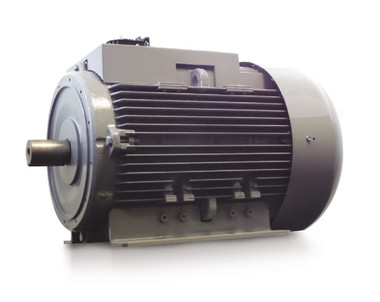
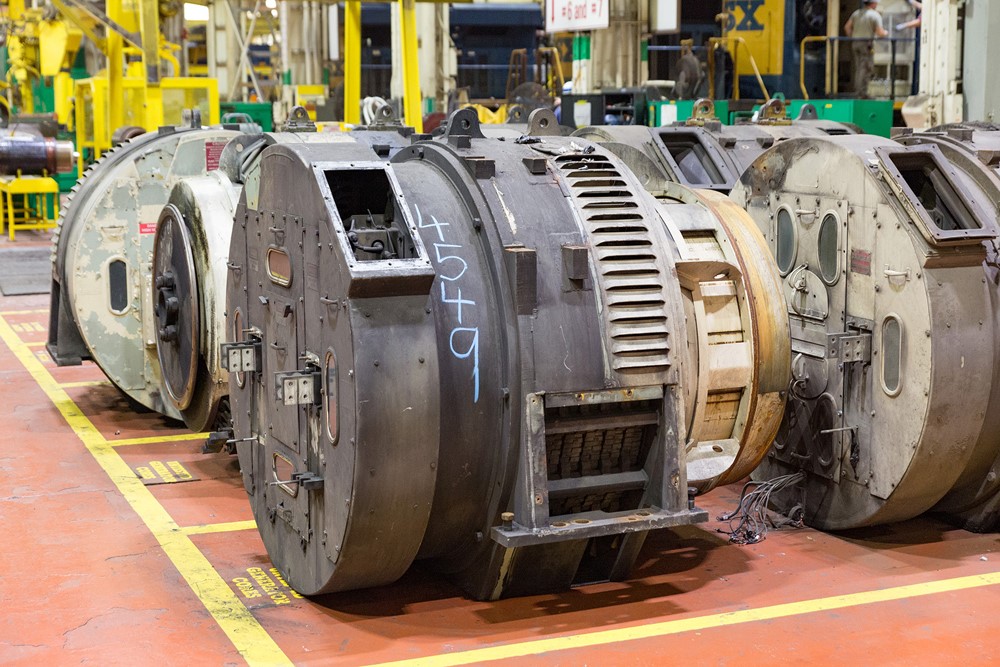
Traction motors are an essential component of locomotives, responsible for converting electrical energy into mechanical power to drive the train. They are the important members of the locomotive electrical parts. These motors play a vital role in providing the necessary traction or pulling force required to move heavy locomotives efficiently. Traction motors are typically electric motors that use various methods to generate rotational force and power. They are designed to operate under the specific conditions and requirements of locomotives, such as high power output, varying speeds, and the ability to handle heavy loads. As the energy source for these motors, both direct current (DC) and alternating current (AC) systems can be used. Traction motors are highly specialized to withstand the demanding operating conditions of locomotives, ensuring optimal performance and reliability.

Locomotive Traction Motors

Locomotive traction motors play a critical role in railway operations by providing power for train propulsion. Essentially, these motors are responsible for converting electrical energy into mechanical energy, allowing trains to move.

Motor failure can have severe consequences for railway operations. Not only can it lead to disruptions in service and delays, but it can also impact the safety and efficiency of train operations. A failed locomotive traction motor can result in reduced power output or even complete loss of propulsion, rendering the train unable to move.

To prevent such issues, regular maintenance and monitoring of locomotive traction motors are crucial. This includes inspections, lubrication, and addressing any identified issues promptly. Additionally, investing in high-quality traction motors and ensuring they are properly installed and integrated into the train’s system can help minimize the risk of failure.

In conclusion, locomotive traction motors are vital components in railway operations, providing the power needed for train propulsion. Understanding their importance and taking proactive measures to prevent motor failure is essential for ensuring the smooth and efficient operation of trains.

Types of Traction Motors

There are several types of traction motors used in locomotives, each with its own unique characteristics and advantages. The most common types of traction motors include direct current (DC) motors, alternating current (AC) motors, and synchronous motors. DC traction motors are widely used in diesel locomotives and electric vehicles due to their simplicity and ability to deliver high torque at low speeds. AC traction motors, on the other hand, are more commonly found in electric locomotives and offer advantages such as higher efficiency, regenerative braking capabilities, and variable frequency control. Synchronous motors are typically used in high-speed applications and provide excellent power density and speed characteristics. The choice of traction motor depends on factors such as customer requirements, operating conditions, and the power supply available.

Direct-Current (DC) Motors

Direct-Current (DC) Motors play a vital role in locomotive traction systems. These motors are commonly used due to their ability to provide high torque at low speeds, making them ideal for starting heavy loads. One type of DC motor frequently utilized in traction applications is the series motor.

Direct-Current (DC) Motors
Image Source: components101.com

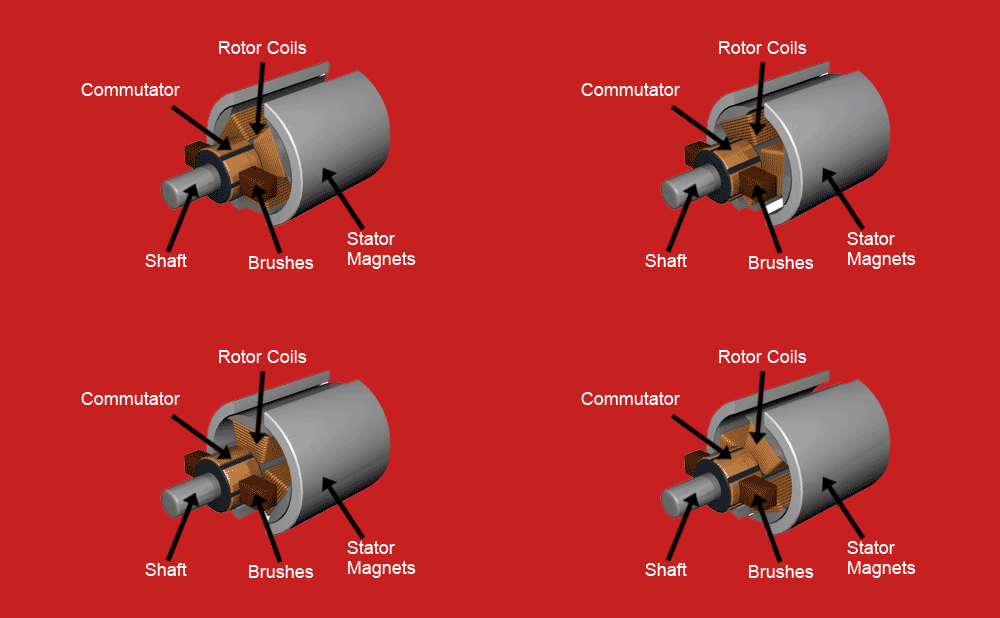
In a DC series motor, the field windings and armature windings are connected in series, allowing the motor to deliver high starting torque. However, the presence of brushes is necessary for the transfer of electrical power between the stationary part and the rotating part of the motor. These brushes require regular maintenance to ensure efficient operation and minimize wear.

While most DC motors have separately excited field windings, where the field current is supplied from an external source, in some cases, reduced field operation is employed. This technique involves reducing the field current during periods of low power demand, improving motor efficiency.

The concept of using brushes in DC motors has been in practice since the 1880s. Though brushes facilitate the transfer of electrical power, they must be monitored and replaced periodically to maintain optimal performance.

In summary, DC traction motors, particularly series motors, are commonly used for their ability to deliver high starting torque. However, their reliance on brushes for power transfer and maintenance requirements should be taken into account during operation. Moreover, the presence of separately excited field windings or reduced field operation can further enhance motor efficiency.

Using brushes in DC motors has been in practice since the 1880s
Image Source: i.ytimg.com

Alternating-Current (AC) Motors

Alternating-Current (AC) motors play a crucial role in locomotive traction systems, providing the necessary power to propel trains forward. These motors are often used in conjunction with variable frequency drives (VFDs), which convert the direct current (DC) output from main alternators into variable frequency AC.

AC motors used in locomotives can be either three-phase induction motors or synchronous motors. Three-phase induction motors are commonly employed due to their robust and reliable performance. These motors are designed to handle the rigorous demands of locomotive applications, providing sufficient torque and power output.

On the other hand, synchronous motors offer certain advantages, especially at low speeds. These motors maintain a constant speed with the rotating magnetic field, resulting in higher efficiency. This makes synchronous motors well-suited for applications where precise speed control and high efficiency are crucial, such as during low-speed operations or starting and stopping locomotives.

The main alternators in locomotives produce DC current, which is then converted into variable frequency AC by VFDs. This allows for greater control and flexibility in adjusting the speed and power output of the AC motors, in response to changing operating conditions and customer requirements.

In conclusion, AC motors, supported by VFDs, are key components in locomotive traction systems. Whether it be three-phase induction motors or synchronous motors, these motors provide the necessary power and control required to propel trains efficiently and reliably.

Universal Motors

Universal motors are another type of motor commonly used in locomotive traction systems. These motors are significant for their versatility, as they can operate on either direct current (DC) or alternating current (AC) power sources, making them suitable for a wide range of applications in trains.

The function of universal motors in locomotive traction systems is to provide the necessary torque and power output to propel the train. They are typically used in lower power applications, such as in light rail systems or smaller locomotives.

Universal motors find applications in various components of locomotive traction systems. They are commonly used in auxiliary systems, such as cooling fans, compressors, or pumps. These motors are also employed in the drive wheels of electric locomotives, contributing to the propulsion of the train.

Key features of universal motors include their compact size, high power-to-weight ratio, and the ability to operate at high rotational speeds. Their versatility in operating on either AC or DC power sources allows for greater flexibility in different locomotive traction systems.

However, universal motors have certain limitations. They tend to have higher maintenance requirements and shorter lifespans compared to other motor types, such as AC or DC motors. Their efficiency can also be lower compared to more specialized motor types designed for specific power needs.

In conclusion, universal motors play a significant role in locomotive traction systems, offering versatility and flexibility in various applications. However, their maintenance needs and lower efficiency should be considered when choosing the appropriate motor for specific locomotive requirements.

Variable Frequency Drive (VFD) Motor Systems

Variable Frequency Drive (VFD) Motor Systems play a crucial role in locomotive traction motors by efficiently controlling torque and speed. Unlike traditional DC motors, VFD systems utilize advancements in microelectronics to provide superior control and flexibility.

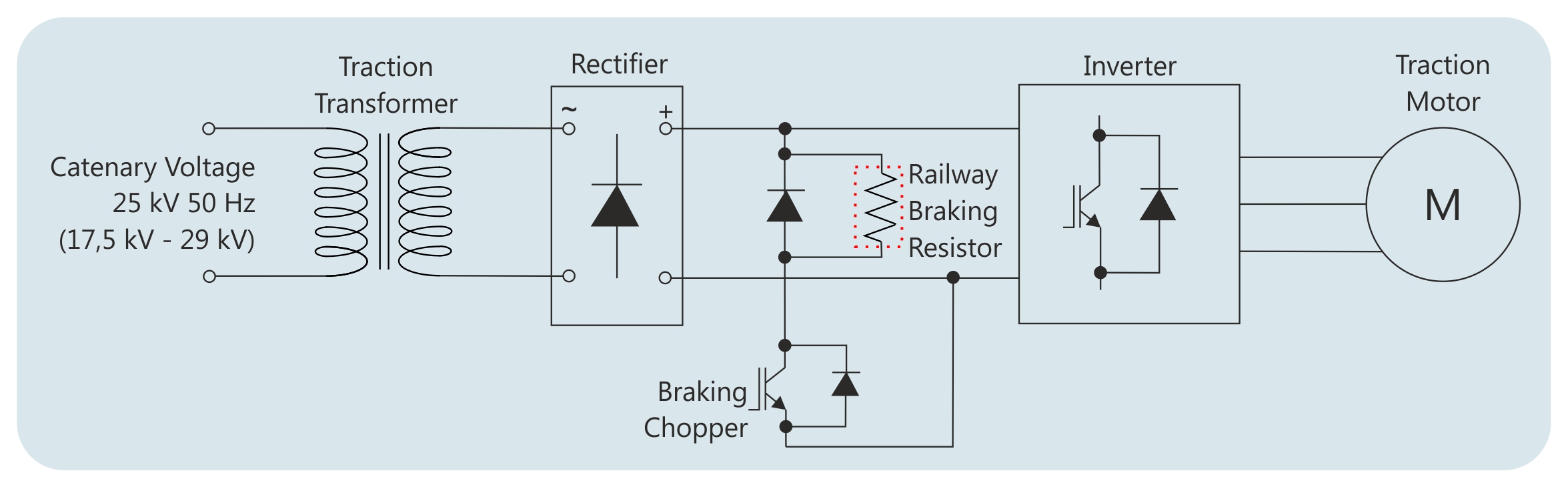
In AC motors, the VFD system precisely regulates the frequency and voltage of the electrical input, allowing for accurate control of torque and speed. This is accomplished by converting the incoming AC power to DC using rectifiers. The DC power is then converted back to variable frequency AC using inverters. This conversion process enables the VFD system to match the motor’s power requirements, providing optimal performance and energy efficiency.

The main components of a VFD system include the main alternator, rectifiers, and inverters. The main alternator generates the AC power required by the propulsion system. Rectifiers convert the AC power to DC, while inverters convert the DC power back to variable frequency AC to power the AC motors.

Advancements in microelectronics have made VFD systems easier to control and more efficient than traditional DC motor systems. The precise control of torque and speed, along with the ability to convert DC current to variable frequency AC, allows VFD systems to adapt to changing load conditions and operate at maximum efficiency.

In conclusion, VFD Motor Systems provide optimal control of torque and speed in AC motors, thanks to advancements in microelectronics. Their ability to convert DC current to variable frequency AC enables efficient operation in locomotive traction motors. With their main alternators, rectifiers, and inverters, VFD systems have become essential components in modern locomotives.

Components of a Locomotive Traction Motor System

A locomotive traction motor system is a vital component in diesel-electric locomotives and electric locomotives. It is responsible for providing the power needed for these locomotives to move. The system consists of various components that work together to efficiently convert electrical energy into mechanical motion. Understanding the components of a locomotive traction motor system is essential for ensuring its proper functioning and performance. This article will provide an overview of these components, including the main alternator, rectifiers, and inverters. By exploring how these components work together, we can gain a better understanding of the operation and capabilities of a locomotive traction motor system.

Rotary Converter/Inverter System

The rotary converter/inverter system is an essential component of locomotive traction motors. This system allows for the efficient conversion of power between different forms to drive the locomotive.

In this system, the main alternator generates alternating current (AC), which is then fed into rectifiers. These rectifiers convert the AC current to direct current (DC) to power the locomotive’s traction motors. This DC power is then fed into inverters, which convert it back to variable frequency AC. The variable frequency AC is then supplied to the traction motors, controlling their speed and torque.

The use of alternating current in the overhead wire supply systems has several advantages. Firstly, it enables the use of a rotary converter/inverter system, which offers greater flexibility in power conversion. Additionally, AC power can be transmitted over long distances with less losses compared to DC power. This results in the need for fewer substations and lighter overhead current supply wires.

In conclusion, the rotary converter/inverter system plays a vital role in locomotive traction motors. It allows for the efficient conversion of power from the main alternator to the traction motors through rectifiers and inverters. The use of alternating current in overhead wire supply systems offers numerous advantages, including reduced infrastructure requirements and improved power transmission efficiency.

Magnetic Fields and Armature Design

Magnetic fields play a crucial role in the operation of locomotive traction motors and greatly influence the design of their armatures. The armature, in this context, refers to the rotating part of the motor that interacts with the magnetic fields to convert electrical energy into mechanical energy.

When electric current flows through the armature windings, it generates magnetic fields. These magnetic fields interact with the fixed magnetic fields generated by the motor’s stator, causing the armature to rotate. The direction and strength of the magnetic fields, as well as the design of the armature, determine the motor’s performance and efficiency.

To ensure optimal efficiency and performance, several factors must be considered during the design process. The shape, size, and arrangement of the armature windings should be carefully determined to maximize the magnetic field interaction and minimize losses. The choice of magnetic materials for the core of the armature helps enhance the magnetic field intensity.

Various armature designs are commonly utilized in traction motors. Some involve laminated cores, where thin layers of magnetic material are stacked together, reducing energy losses due to eddy currents. Others employ wound rotors, composed of conductive coils that can be easily controlled to adapt to different speeds and loads.

In conclusion, magnetic fields and armature design are critical aspects of locomotive traction motors. By strategically designing the armature to interact with the magnetic fields, electrical energy can be efficiently converted into mechanical energy, propelling the train forward with maximum performance and efficiency.

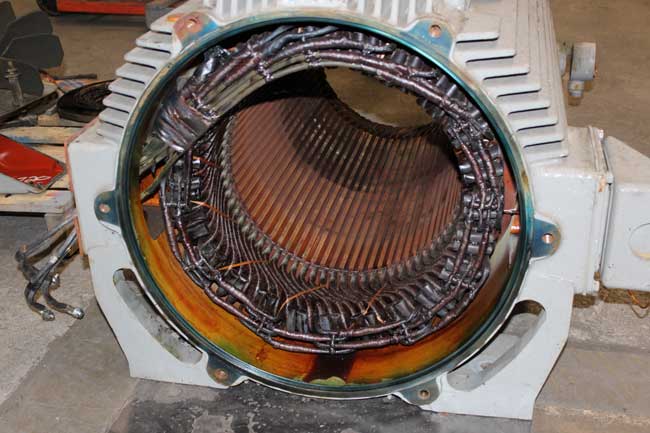
Traction Motors
Image Source: acelec.com

Electrical Wires and Connectors

Electrical wires and connectors play a crucial role in locomotive traction motors by enabling the reliable transmission of electrical power and signals. As vital components of the motor’s electrical system, these wires and connectors ensure the smooth operation and performance of the locomotive.

Proper selection and maintenance of electrical wires and connectors are of utmost importance to ensure the integrity of the motor system. The wires must be chosen based on their current-carrying capacity, voltage rating, and resistance to environmental factors such as heat, vibration, and moisture. High-quality connectors should be selected to provide secure and efficient electrical connections.

Regular inspection and maintenance of these components are essential to avoid electrical failures, reduce downtime, and ensure efficient power transmission. Corrosion, loose connections, or damaged wires can lead to power loss, overheating, or even electrical hazards.

By paying attention to the selection and maintenance of electrical wires and connectors in locomotive traction motors, operators can enjoy the benefits of reliable and efficient power transmission and signal communication. This ensures the smooth operation of the locomotive and minimizes downtime caused by electrical issues.

Engine Power Rating and Output

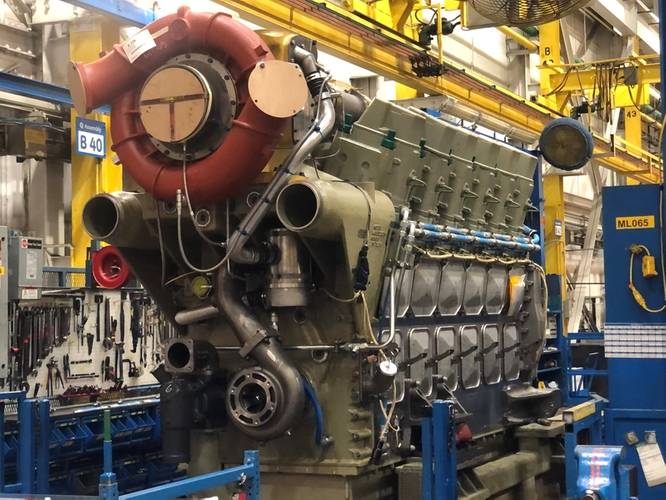
The engine power rating and output of diesel locomotives play a crucial role in determining their performance and capabilities. Diesel engines are rated based on their operating speeds and output in horsepower.

The rated operating speeds of diesel engines can vary significantly, typically ranging from 350 to 2,000 revolutions per minute (RPM). This variation allows for adapting to different locomotive requirements and operating conditions.

In terms of horsepower, diesel locomotives have a wide range of rated outputs. Most yard-switching and short-haul locomotives are equipped with diesel engines ranging from 600 to 1,800 horsepower. These engines are specifically designed to meet the demands of localized operations.

On the other hand, road units, which are designed for long-haul transportation, commonly feature engines with higher power ratings. These road units typically have diesel engines ranging from 2,000 to 4,000 horsepower, providing the necessary strength and performance for sustained operation over longer distances.

The engine power rating and output of diesel locomotives are crucial factors in meeting customer requirements for hauling capacity and operational efficiency. By selecting the appropriate engine power rating, locomotives can optimize performance while minimizing fuel consumption and emissions.

Power Supply and Level Requirements

Locomotive traction motors require a reliable and efficient power supply to ensure optimal performance. The power level requirements for these motors vary depending on the specific application and locomotive type. In order to meet these requirements, the voltage applied to the motors can be varied using tap changers on transformers.

Tap changers allow for the adjustment of the voltage levels supplied to the motors, helping to minimize energy loss and optimize efficiency. By varying the voltage, the power level can be adjusted to better suit the locomotive’s needs, ensuring smooth and efficient operation.

When it comes to power ratings, locomotive motors operate on 3-phase power and come in a range of capacities. These motors are rated from 11kw to 200kw, providing the necessary power for the locomotive’s propulsion system.

In terms of energy efficiency, it’s essential to use motors that meet the highest standards. Motors classified as IE2, IE3, or IE4 offer improved energy efficiency and can significantly contribute to reducing power consumption and environmental impact.

In summary, locomotive traction motors have specific power supply and level requirements that can be met through the use of tap changers on transformers. These motors operate on 3-phase power and have power ratings ranging from 11kw to 200kw. By utilizing energy-efficient motors, such as those classified as IE2, IE3, or IE4, the overall efficiency and environmental impact of locomotives can be greatly improved.

Advantages of Using Locomotive Traction Motors in North America

Locomotive traction motors offer numerous advantages in the context of North America’s railway systems. These motors play a crucial role in the propulsion and efficient operation of diesel-electric locomotives. One significant advantage of using locomotive traction motors is their ability to provide high levels of torque, allowing trains to start and accelerate smoothly. Additionally, these motors offer excellent speed control, allowing for precise adjustments to match the operating conditions and optimize performance. Another advantage is the ability to utilize regenerative braking, which converts the kinetic energy of the moving train into electrical energy, reducing wear on the mechanical braking systems and improving overall energy efficiency. Moreover, locomotive traction motors are designed to withstand the harsh operating conditions commonly found in North America, including extreme temperatures, heavy loads, and varying terrains. With their proven reliability and durability, these motors ensure the safe and uninterrupted transportation of goods and passengers. Overall, the use of locomotive traction motors in North America brings several advantages, including improved performance, energy efficiency, and reliability, contributing to the efficiency and sustainability of the region’s railway systems.

Improved Performance and Energy Efficiency

Locomotive traction motors have revolutionized the railway industry by offering improved performance and energy efficiency compared to traditional steam locomotives. These advanced motors provide several advantages, including enhanced maintenance, fuel efficiency, acceleration, and reduced track damage.

In terms of maintenance, locomotive traction motors require less frequent servicing and have longer lifespans compared to steam locomotives. This is due to their simplified design and fewer moving parts, resulting in reduced maintenance costs for railways.

Furthermore, traction motors contribute to increased fuel efficiency, making them more cost-effective and environmentally friendly. Their ability to control power output allows for optimal fuel consumption, resulting in significant savings for railroad companies.

Acceleration is another area where locomotive traction motors excel. The instant torque provided by these motors allows for quick and efficient acceleration, improving overall train performance and reducing travel times.

Moreover, the use of locomotive traction motors minimizes track damage. With their precise speed control and reduced wheel slippage, these motors exert less strain on tracks, resulting in reduced wear and tear and extended track lifespan.

Finally, locomotive traction motors offer greater operating flexibility. They can operate on various terrains and gradients, making them suitable for a wide range of railway lines with different requirements.

Overall, locomotive traction motors provide improved performance and energy efficiency, making them a superior choice over traditional steam locomotives. Their enhanced maintenance, fuel efficiency, acceleration, reduced track damage, and operating flexibility contribute to a more cost-effective and sustainable railway system.

Read this for step-by-step instructions on GE locomotive traction motor repair.


Role of Starter Motors in Locomotive Engines and Their Components

Role of Starter Motors in Locomotive Engines and Their Components

Introduction to Starter Motors in Locomotive Engines

Starter motors play a crucial role in the functioning of locomotive engines and one of the crucial members of the locomotive electrical parts family. These powerful devices are responsible for initiating the engine’s operation, ensuring a smooth and efficient start. In this article, we will explore the definition, function, and importance of starter motors in locomotive engines.

Definition and Function of Starter Motors

A starter motor is an electric motor that is specifically designed to start an internal combustion engine. It is typically mounted on the engine’s flywheel housing and engages with the flywheel to initiate the engine’s rotation. The starter motor draws electrical power from the locomotive’s battery or electrical system to generate the necessary torque to turn the engine’s crankshaft.

The primary function of a starter motor is to overcome the initial inertia and resistance of the engine’s internal components, such as pistons, valves, and crankshaft. By providing rotational force, the starter motor enables the engine to begin its combustion cycle, leading to ignition and sustained operation.

Importance of Starter Motors in Locomotive Engines

Starter motors play a vital role in locomotive engines for several reasons:

  1. Reliable Engine Starting: The efficient functioning of a locomotive engine heavily relies on a reliable starting mechanism. Starter motors ensure consistent and dependable engine starts, even in challenging weather conditions or after extended periods of inactivity.
  2. Reduced Wear and Tear: By effectively overcoming initial resistance, starter motors minimize wear and tear on various engine components. This leads to improved engine longevity and reduced maintenance costs.
  3. Enhanced Safety: A properly functioning starter motor ensures that the engine starts promptly and smoothly, reducing the risk of accidents or mishaps during critical operations.
  4. Efficient Engine Performance: Starter motors contribute to the overall efficiency of locomotive engines by providing the necessary torque for a smooth start. This results in optimal fuel consumption, reduced emissions, and improved operational efficiency.

In conclusion, starter motors are indispensable components in locomotive engines. Their ability to reliably start the engine, reduce wear and tear, enhance safety, and improve overall performance makes them essential for the smooth operation of locomotives.

Importance of Starter Motors in Locomotive Engines
Source: marinerspointpro.com

Components of Starter Motors

Armature

The armature is a crucial component of a starter motor. It consists of a cylindrical core made of laminated iron sheets. The armature is wound with multiple turns of insulated copper wire, forming coils. When an electric current flows through these coils, it creates a magnetic field that interacts with the field coils to produce rotational motion.

Field Coils

The field coils are electromagnets that surround the armature. They are responsible for generating a strong magnetic field when an electric current passes through them. This magnetic field interacts with the armature’s magnetic field, causing it to rotate and engage with the engine’s flywheel.

Brushes and Commutator

Brushes and commutator play a vital role in transferring electrical power to the armature. The brushes are made of carbon or graphite and are in constant contact with the commutator, which is a segmented copper cylinder attached to the armature shaft. The brushes supply electrical current to different segments of the commutator, ensuring a continuous flow of electricity to the armature coils.

Solenoid

The solenoid is an electromagnetic switch that controls the engagement and disengagement of the starter motor with the engine’s flywheel. When the ignition key is turned, the solenoid receives an electrical signal and activates, allowing current to flow through the starter motor. This action causes the starter motor’s pinion gear to engage with the flywheel teeth, initiating engine cranking.

In summary, starter motors are essential components in locomotive engines, providing the initial rotational force needed to start the engine. The armature, field coils, brushes and commutator, and solenoid work together to generate and transfer electrical power, creating a magnetic field that enables engine cranking. Understanding the role of these components is crucial for maintaining and troubleshooting starter motor issues in locomotive engines.

Components of Starter Motors
Source: www.samarins.com

Types of Starter Motors used in Locomotive Engines

Series Wound Starter Motor

The series wound starter motor is one of the most commonly used types in locomotive engines. It consists of a field coil that is connected in series with the armature. This type of starter motor provides high starting torque, making it ideal for heavy-duty applications. It is also relatively simple in design and cost-effective.

Parallel Wound Starter Motor

The parallel wound starter motor, as the name suggests, has its field coil connected in parallel with the armature. This type of starter motor is known for its high speed and efficiency. It is commonly used in locomotive engines that require quick and smooth starting. The parallel wound starter motor is also more compact and lightweight compared to other types.

Compound Wound Starter Motor

The compound wound starter motor combines the characteristics of both series and parallel wound motors. It has two field coils – one connected in series with the armature and the other connected in parallel. This type of starter motor offers a balance between high starting torque and high speed. It is often used in locomotive engines that require both power and speed during starting.

Starter motors play a crucial role in locomotive engines by providing the initial rotational force needed to start the engine. They are responsible for turning the engine’s crankshaft until it reaches a speed where it can sustain combustion on its own.

In addition to the different types of starter motors, there are several components that make up these systems. These include the armature, field coils, commutator, brushes, solenoid switch, and drive mechanism. Each component plays a specific role in ensuring the smooth operation of the starter motor.

Overall, starter motors are essential components in locomotive engines as they enable reliable and efficient engine starting. The choice of starter motor type depends on the specific requirements of the engine, such as starting torque, speed, and power. By understanding the different types and components of starter motors, locomotive engineers can make informed decisions to ensure optimal engine performance.

Working Principle of Starter Motors in Locomotive Engines
Source: www.newkidscar.com

Working Principle of Starter Motors in Locomotive Engines

Starter motors play a crucial role in the functioning of locomotive engines. They are responsible for initiating the engine’s operation by providing the necessary mechanical energy to start the combustion process. Let’s take a closer look at how starter motors work and their key components.

Step by Step Process of Electric Start-up

  1. Battery Power: The starter motor receives power from the locomotive’s battery, which is typically a high-capacity battery capable of delivering a significant amount of current.
  2. Solenoid Activation: When the ignition key is turned, it activates a solenoid, which is an electromagnetic switch. The solenoid connects the battery to the starter motor.
  3. Motor Rotation: Once the solenoid is activated, it allows current to flow through the starter motor’s windings. This current generates a magnetic field that interacts with the motor’s armature, causing it to rotate.
  4. Pinion Gear Engagement: As the armature rotates, it engages with a pinion gear located on the engine’s flywheel. This gear meshes with the flywheel’s teeth, transferring rotational motion to the engine.
  5. Engine Start: The rotation of the armature and pinion gear initiates the combustion process in the engine, allowing it to start running independently.

Mechanical Engagement of Starter Motor

In addition to the electric start-up process, some locomotive engines employ a mechanical engagement mechanism for their starter motors. This mechanism involves a Bendix drive or an overrunning clutch.

Bendix Drive: A Bendix drive consists of a helical gear that slides along a threaded shaft when engaged. This movement allows the pinion gear to mesh with the flywheel. Once the engine starts, the helical gear disengages, preventing damage to the starter motor.

Overrunning Clutch: An overrunning clutch, also known as a freewheeling clutch, allows the pinion gear to rotate freely in one direction while preventing reverse rotation. This mechanism ensures that the starter motor does not interfere with the engine’s operation once it is running.

By understanding the working principle and components of starter motors in locomotive engines, we can appreciate their vital role in initiating engine operation and ensuring a smooth start-up process.

Challenges Faced by Starter Motors in Locomotive Engines
Source: electrotechnical-officer.com

Challenges Faced by Starter Motors in Locomotive Engines

Starter motors play a crucial role in locomotive engines, ensuring the smooth and efficient start-up of these powerful machines. However, like any mechanical component, they face their fair share of challenges. Let’s take a closer look at some common issues encountered by starter motors in locomotive engines.

Overheating and Thermal Protection

Locomotive engines generate a significant amount of heat during operation, and starter motors are no exception. Overheating can occur due to prolonged use or excessive electrical current passing through the motor. To prevent damage, starter motors are equipped with thermal protection mechanisms that automatically shut off the motor if it reaches a critical temperature. Regular maintenance and monitoring of the cooling system can help prevent overheating issues.

Starter Drive Engagement Issues

The starter drive is responsible for transferring power from the starter motor to the engine’s flywheel. However, it can sometimes encounter problems with engagement. This can be caused by worn-out or damaged gears, improper lubrication, or misalignment. Regular inspection and lubrication of the starter drive components can help prevent engagement issues and ensure smooth operation.

Maintenance and Replacement Considerations

Starter motors in locomotive engines require regular maintenance to ensure optimal performance. This includes cleaning, lubricating, and inspecting the motor and its components for any signs of wear or damage. Additionally, considering the demanding nature of locomotive operations, it is essential to have a well-defined maintenance schedule and promptly replace any faulty or worn-out starter motors to avoid unexpected breakdowns.

By addressing these challenges proactively and implementing proper maintenance practices, locomotive operators can ensure that their starter motors perform reliably and contribute to the efficient functioning of their engines.

Please note: This article provides a general overview of the challenges faced by starter motors in locomotive engines. For specific technical details and recommendations, it is advisable to consult locomotive manufacturers or industry experts.


Importance of Starter Motor Maintenance in Locomotive Engines

Regular Inspections and Lubrication

Starter motors play a crucial role in locomotive engines. They are responsible for initiating the engine’s combustion process by turning the crankshaft until the engine starts running on its own. To ensure the smooth functioning of these motors, regular inspections and lubrication are essential.

During inspections, technicians should check for any signs of wear or damage to the starter motor and its components. This includes examining the brushes, commutator, and solenoid. Any worn-out or damaged parts should be replaced promptly to prevent further damage to the motor.

Lubrication is another critical aspect of starter motor maintenance. Proper lubrication ensures that the moving parts within the motor operate smoothly and efficiently. It also helps reduce friction and heat buildup, which can lead to premature wear and tear. Technicians should use high-quality lubricants recommended by the manufacturer for optimal performance.

Cleaning and Testing Procedures

Regular cleaning of the starter motor is necessary to remove dirt, debris, and other contaminants that can hinder its performance. This includes cleaning the motor’s exterior as well as its internal components. Technicians should use appropriate cleaning agents and tools to ensure thorough cleaning without causing any damage.

Testing procedures are vital to identify any potential issues with the starter motor before they escalate into major problems. Technicians should conduct various tests, such as voltage drop tests, current draw tests, and solenoid engagement tests, to assess the motor’s performance and functionality. These tests help detect any electrical or mechanical faults that may require immediate attention.

By performing regular inspections, lubrication, cleaning, and testing procedures on starter motors in locomotive engines, operators can ensure their reliable operation. Proper maintenance not only extends the lifespan of these motors but also minimizes downtime due to unexpected failures. It is essential to follow the manufacturer’s guidelines and recommendations for maintenance procedures to keep the starter motor in optimal condition.

Remember, a well-maintained starter motor is crucial for the efficient and reliable operation of locomotive engines.

Importance of Starter Motor Maintenance in Locomotive Engines
Source: i0.wp.com

Future Developments in Starter Motors for Locomotive Engines

Starter motors play a crucial role in locomotive engines, providing the initial mechanical energy needed to start the engine. As technology continues to advance, so do the developments in starter motors. In this article, we will explore two key advancements that are shaping the future of starter motors for locomotive engines.

Advancements in Brushless Starter Motors

Traditionally, starter motors have relied on brushes and commutators to transfer electrical energy to mechanical energy. However, brushless starter motors are gaining popularity due to their improved efficiency and durability. These motors eliminate the need for brushes and commutators, reducing friction and wear. With fewer moving parts, brushless starter motors require less maintenance and have a longer lifespan. They also provide smoother and more reliable starting performance, ensuring a seamless engine ignition process.

Integration of Start-Stop Systems

Start-stop systems are becoming increasingly common in automotive applications, and their integration into locomotive engines is on the horizon. These systems automatically shut off the engine when it is idle and restart it when the accelerator is pressed. By incorporating start-stop systems into locomotive engines, significant fuel savings can be achieved, along with reduced emissions. Starter motors play a critical role in these systems by quickly and efficiently restarting the engine when needed. This integration not only improves fuel efficiency but also contributes to a greener and more sustainable transportation industry.

In conclusion, the future of starter motors for locomotive engines is characterized by advancements in brushless technology and the integration of start-stop systems. These developments aim to enhance efficiency, durability, and environmental sustainability in locomotive operations. As technology continues to evolve, we can expect further innovations in starter motor design and functionality, ultimately revolutionizing the way locomotives start and operate.

Future Developments in Starter Motors for Locomotive Engines
Source: www.my-cardictionary.com

Conclusion

In conclusion, starter motors play a crucial role in locomotive engines, providing the initial power needed to start the engine and ensuring smooth and efficient operation. These components are essential for the reliable and safe functioning of locomotives. By understanding their significance and impact on engine performance, engineers and operators can ensure that locomotives are equipped with high-quality starter motors that meet the specific requirements of their operations.

Significance of Starter Motors in Locomotive Engines

Starter motors are responsible for initiating the engine’s combustion process by rotating the crankshaft until the engine reaches its self-sustaining speed. This process is vital for starting the engine from a stationary position or after a shutdown. Without a properly functioning starter motor, locomotives would be unable to start, resulting in costly delays and disruptions to transportation services.

These motors are designed to deliver high torque at low speeds, enabling them to overcome the initial inertia of the engine. They must be robust and durable to withstand the demanding conditions of locomotive operations, including extreme temperatures, vibrations, and heavy loads.

Overall Impact on Engine Performance and Efficiency

The performance and efficiency of a locomotive engine can be significantly affected by the quality and reliability of its starter motor. A well-designed and properly functioning starter motor ensures quick and reliable engine starts, minimizing downtime and improving operational efficiency.

In addition to starting the engine, starter motors also contribute to other aspects of engine performance. They help maintain consistent idle speeds, prevent stalling, and provide smooth acceleration. By ensuring a reliable power supply during startup, these motors contribute to reduced emissions and improved fuel efficiency.

Furthermore, modern starter motors often incorporate advanced technologies such as variable speed drives and intelligent control systems. These features optimize engine starting processes, reduce wear on components, and enhance overall system performance.

In conclusion, starter motors are vital components in locomotive engines, ensuring reliable engine starts and optimal performance. By investing in high-quality starter motors and staying up to date with technological advancements, locomotive operators can maximize the efficiency and longevity of their engines, ultimately improving the reliability and safety of their transportation services.

Power Assemblies for Locomotive Engines

Power Assemblies for Locomotive Engines

Introduction to Power Assemblies for Locomotive Engines

When it comes to locomotive engines, power assemblies play a crucial role in ensuring optimal performance and efficiency. These assemblies are essential components that contribute to the overall functioning of the engine and they are important section of the locomotive electrical parts. Understanding their definition and importance is key to maintaining and improving locomotive engine performance.

Definition and importance of power assemblies in locomotive engines

Power assemblies, also known as piston and connecting rod assemblies, are integral parts of a locomotive engine. They consist of pistons, piston rings, connecting rods, and wrist pins. These components work together to convert the energy generated by the combustion process into mechanical motion.

The importance of power assemblies in locomotive engines cannot be overstated. Here are a few key reasons why they are vital:

  1. Power transmission: Power assemblies transmit the force generated by the combustion process to the crankshaft, which converts it into rotational motion. This motion powers the locomotive and enables it to move.
  2. Efficient energy conversion: The design and quality of power assemblies directly impact the efficiency of energy conversion within the engine. Well-maintained power assemblies ensure that energy is effectively converted into mechanical power, maximizing fuel efficiency and reducing emissions.
  3. Reliability and durability: Power assemblies undergo significant stress during operation, making their reliability and durability crucial for locomotive engines. High-quality materials and proper maintenance help extend their lifespan, reducing downtime and maintenance costs.
  4. Performance optimization: Upgrading or optimizing power assemblies can enhance engine performance by increasing power output, improving fuel economy, and reducing vibration and noise levels.

In conclusion, power assemblies are essential components of locomotive engines that play a vital role in power transmission, energy conversion, reliability, durability, and performance optimization. Regular maintenance and upgrades are necessary to ensure their proper functioning and maximize locomotive engine efficiency.

Components of Power Assemblies
Source: mavencorporation.com

Components of Power Assemblies

Overview of key components such as pistons, piston rings, connecting rods, and cylinder liners

When it comes to locomotive engines, power assemblies play a crucial role in ensuring optimal performance and reliability. Understanding the key components of power assemblies is essential for maintaining and repairing these engines.

One of the main components of a power assembly is the piston. The piston is a cylindrical piece that moves up and down within the cylinder bore. It is responsible for converting the energy generated by the combustion process into mechanical motion. Pistons are typically made from high-strength materials such as aluminum alloy or steel to withstand the intense heat and pressure inside the engine.

Piston rings are another important component of power assemblies. These rings are fitted around the outer diameter of the piston and provide a seal between the piston and cylinder wall. They prevent combustion gases from leaking into the crankcase and help maintain proper compression within the cylinder.

Connecting rods connect the piston to the crankshaft and transfer the linear motion of the piston into rotational motion. They play a critical role in transmitting power from the piston to the crankshaft, allowing the engine to generate torque.

Cylinder liners, also known as sleeves, are cylindrical metal inserts that provide a smooth surface for the piston to move within. They protect the engine block from wear and tear caused by friction and heat. Cylinder liners are typically made from cast iron or steel alloy.

Understanding these key components of power assemblies is essential for diagnosing and addressing any issues that may arise with locomotive engines. Regular maintenance and inspection of these components can help ensure optimal performance and extend the lifespan of locomotive engines.

In conclusion, power assemblies consist of various components such as pistons, piston rings, connecting rods, and cylinder liners. Each component plays a crucial role in ensuring efficient operation and longevity of locomotive engines. By understanding these components and their functions, locomotive operators and maintenance personnel can effectively maintain and repair these engines, ensuring reliable performance for years to come.

Types of Power Assemblies
Source: i.ytimg.com

Types of Power Assemblies

Different types of power assemblies available for locomotive engines

When it comes to locomotive engines, power assemblies play a crucial role in ensuring smooth and efficient operation. These assemblies are responsible for converting the reciprocating motion of the pistons into rotary motion, which drives the locomotive forward. In this article, we will explore the different types of power assemblies commonly used in locomotive engines.

  1. Connecting Rods: Connecting rods are an essential component of the power assembly. They connect the piston to the crankshaft and transfer the reciprocating motion to rotary motion. Connecting rods need to be strong and durable to withstand the high forces and stresses involved in locomotive operation.
  2. Pistons: Pistons are another critical part of the power assembly. They move up and down within the cylinders, creating pressure that drives the locomotive forward. Pistons need to be precisely designed and manufactured to ensure efficient combustion and minimize friction.
  3. Crankshafts: Crankshafts convert the linear motion of the pistons into rotary motion, which drives the wheels of the locomotive. They need to be robust and well-balanced to handle the high speeds and loads experienced during operation.
  4. Bearings: Bearings support the rotating components of the power assembly, such as the crankshaft and connecting rods. They reduce friction and ensure smooth operation. Proper lubrication is crucial to prevent excessive wear and damage to bearings.
  5. Valve Gear: Valve gear controls the intake and exhaust of air and fuel in the cylinders. It plays a vital role in optimizing engine performance and efficiency.

By understanding the different types of power assemblies available for locomotive engines, you can make informed decisions when it comes to maintenance, repair, or upgrades. Regular inspection and maintenance of these components are essential to ensure the reliable and efficient operation of locomotive engines.

Power Assembly Materials and Manufacturing Processes

Materials used and manufacturing techniques involved in producing power assemblies

Power assemblies are essential components of locomotive engines, responsible for converting fuel into mechanical energy. To ensure optimal performance and longevity, the materials used and manufacturing processes involved in producing power assemblies play a crucial role.

The materials used in power assemblies are carefully selected to withstand high temperatures, pressures, and mechanical stresses. Common materials include:

  1. Steel: High-strength steel alloys are commonly used for power assembly components such as pistons, connecting rods, and crankshafts. These materials offer excellent durability and resistance to wear and corrosion.
  2. Aluminum: Aluminum alloys are often utilized for pistons due to their lightweight nature and excellent heat transfer properties. They help reduce overall engine weight while maintaining strength and reliability.
  3. Cast iron: Cast iron is commonly used for cylinder blocks and cylinder heads due to its high strength, thermal stability, and excellent wear resistance.

Manufacturing techniques involved in producing power assemblies are equally important. Precision machining processes such as milling, turning, and grinding are employed to ensure accurate dimensions and smooth surfaces. Additionally, advanced technologies like computer numerical control (CNC) machining enable high precision and repeatability.

For critical components like pistons, forging is often used to create a strong and uniform structure. This process involves shaping the metal by applying compressive forces under high temperatures.

Furthermore, heat treatment processes like quenching and tempering are employed to enhance the mechanical properties of the materials used in power assemblies. These processes improve strength, hardness, and resistance to fatigue.

In conclusion, the materials used and manufacturing processes involved in producing power assemblies for locomotive engines are carefully chosen to ensure optimal performance, durability, and reliability. By utilizing high-quality materials and employing precise manufacturing techniques, locomotive engines can operate efficiently and withstand the demanding conditions they encounter.

Power Assemblies for Locomotive Engines
Source: 1.bp.blogspot.com

Factors to Consider When Choosing Power Assemblies

Important factors to consider when selecting power assemblies for locomotive engines

When it comes to locomotive engines, choosing the right power assemblies is crucial for optimal performance and longevity. Here are some important factors to consider when making your selection.

1. Quality and Durability: Locomotive engines operate under demanding conditions, so it’s essential to choose power assemblies that are built to withstand high temperatures, vibrations, and heavy loads. Look for reputable manufacturers known for producing high-quality and durable components.

2. Compatibility: Ensure that the power assemblies you choose are compatible with your specific locomotive engine model. Consider factors such as engine size, fuel type, and power requirements to ensure a proper fit and optimal performance.

3. Efficiency: Look for power assemblies that offer high efficiency to maximize fuel consumption and reduce emissions. Components such as pistons, rings, and connecting rods should be designed for efficient energy transfer and minimal friction.

4. Maintenance and Serviceability: Consider the ease of maintenance and availability of spare parts when selecting power assemblies. Opt for components that are easy to access and replace when necessary, as this can minimize downtime and keep your locomotive engine running smoothly.

5. Cost-effectiveness: While it’s important to prioritize quality and performance, consider the overall cost-effectiveness of the power assemblies. Compare prices from different suppliers and evaluate the long-term benefits versus upfront costs.

By carefully considering these factors, you can make an informed decision when choosing power assemblies for your locomotive engines. Remember, investing in high-quality components that meet your specific needs will ultimately lead to improved performance, reliability, and cost savings in the long run.

Maintenance and Troubleshooting of Power Assemblies
Source: 2.bp.blogspot.com

Maintenance and Troubleshooting

Tips for maintaining and troubleshooting power assemblies to ensure optimal performance

Power assemblies are critical components of locomotive engines that play a vital role in generating power and facilitating the movement of trains. To ensure the smooth operation of these assemblies, regular maintenance and timely troubleshooting are essential. Here are some tips to help you maintain and troubleshoot power assemblies effectively:

  1. Inspect regularly: Regular inspections can help identify any signs of wear, damage, or malfunctioning components in the power assemblies. Look for leaks, loose connections, or any unusual noises during operation.
  2. Clean and lubricate: Keeping the power assemblies clean and properly lubricated is crucial for their optimal performance. Regularly clean the assemblies to remove dirt, debris, and oil buildup. Apply appropriate lubricants to ensure smooth movement and reduce friction.
  3. Monitor temperature and pressure: Keep a close eye on the temperature and pressure levels of the power assemblies. Abnormal readings can indicate potential issues that need immediate attention.
  4. Address leaks promptly: Any leaks in the power assemblies should be addressed promptly to prevent further damage. Leaks can lead to loss of power, decreased efficiency, and even safety hazards.
  5. Follow manufacturer guidelines: Always refer to the manufacturer’s guidelines for maintenance procedures, recommended intervals, and troubleshooting steps specific to your locomotive engine’s power assemblies.
  6. Train your staff: Ensure that your maintenance team is well-trained in handling power assemblies. Provide them with proper training on maintenance procedures, troubleshooting techniques, and safety protocols.

By following these tips, you can ensure that your locomotive engine’s power assemblies are well-maintained and operating at their best. Regular maintenance and timely troubleshooting will help prevent costly breakdowns, extend the lifespan of the power assemblies, and ensure the smooth and efficient operation of your locomotive engines.

Benefits of Upgrading Power Assemblies
Source: images.marinelink.com

Benefits of Upgrading Power Assemblies

When it comes to locomotive engines, upgrading power assemblies can bring significant benefits to both performance and efficiency. Here are some of the advantages of upgrading in terms of performance and efficiency:

  1. Increased Power: Upgrading power assemblies can provide locomotive engines with increased power output. This means that trains can haul heavier loads or travel at higher speeds, resulting in improved overall performance.
  2. Better Fuel Efficiency: By upgrading power assemblies, locomotive engines can achieve better fuel efficiency. This is achieved through advancements in technology and design that optimize the combustion process, reducing fuel consumption and lowering operating costs.
  3. Enhanced Reliability: Upgraded power assemblies are designed to be more durable and reliable, resulting in reduced maintenance and downtime. This ensures that locomotive engines can operate consistently and efficiently, minimizing disruptions to transportation schedules.
  4. Reduced Emissions: Upgrading power assemblies can also contribute to reducing emissions from locomotive engines. Modern power assemblies are designed to meet stricter environmental regulations and emit fewer pollutants, helping to improve air quality and reduce the environmental impact of rail transportation.
  5. Extended Lifespan: By upgrading power assemblies, locomotive engines can benefit from extended lifespan. This is achieved through the use of high-quality materials and improved manufacturing processes, resulting in longer-lasting components that require less frequent replacement.

In conclusion, upgrading power assemblies for locomotive engines brings numerous benefits in terms of performance and efficiency. From increased power and better fuel efficiency to enhanced reliability and reduced emissions, these upgrades can significantly improve the overall operation of locomotives while also contributing to a more sustainable transportation system.

Leading Manufacturers of Power Assemblies
Source: 1.bp.blogspot.com

Leading Manufacturers of Power Assemblies

When it comes to locomotive engines, power assemblies play a crucial role in ensuring their smooth and efficient operation. These assemblies consist of various components that work together to generate power and propel the locomotive forward. In this article, we will introduce you to some of the leading manufacturers of power assemblies for locomotive engines.

  1. General Electric (GE): GE is a renowned name in the locomotive industry and offers a wide range of power assemblies for different types of locomotives. Their power assemblies are known for their durability, reliability, and high performance. GE’s expertise in engineering and manufacturing ensures that their power assemblies meet the demanding requirements of the rail industry.
  2. Cummins: Cummins is another trusted manufacturer of power assemblies for locomotive engines. They specialize in producing diesel engines and related components that are used in various applications, including locomotives. Cummins’ power assemblies are known for their fuel efficiency, low emissions, and long service life.
  3. EMD (Electro-Motive Diesel): EMD is a leading manufacturer of diesel-electric locomotives and power assemblies. Their power assemblies are designed to provide maximum power output while minimizing fuel consumption. EMD’s commitment to innovation and technology ensures that their power assemblies deliver exceptional performance and reliability.
  4. Wabtec Corporation: Wabtec Corporation is a global provider of equipment, systems, and services for the rail industry. They offer a comprehensive range of power assemblies for locomotive engines, including both diesel and electric options. Wabtec’s power assemblies are designed to meet the specific needs of each customer, ensuring optimal performance and efficiency.

In conclusion, when it comes to choosing power assemblies for locomotive engines, it is important to consider reputable manufacturers that have a proven track record in the industry. General Electric, Cummins, EMD, and Wabtec Corporation are among the top manufacturers known for their high-quality power assemblies that meet the demanding requirements of the rail industry.

Conclusion

In conclusion, when it comes to power assemblies for locomotive engines, there are several key points to keep in mind. By understanding the importance of power assemblies and considering factors such as durability, performance, and cost-effectiveness, you can make an informed decision for your locomotive engine needs.

Summary of key points and recommendations for choosing power assemblies for locomotive engines

  1. Durability: Power assemblies should be made from high-quality materials that can withstand the demanding conditions of locomotive engines. Look for assemblies that are built to last and can handle the wear and tear of heavy-duty use.
  2. Performance: Consider the power output and efficiency of the assemblies. Look for options that can provide the necessary power and performance to meet the demands of your locomotive engine.
  3. Cost-effectiveness: While it’s important to invest in high-quality power assemblies, it’s also essential to consider the cost. Look for options that offer a balance between quality and affordability.
  4. Compatibility: Ensure that the power assemblies you choose are compatible with your specific locomotive engine model. Check the specifications and consult with experts if needed to ensure a proper fit.
  5. Maintenance and support: Consider the availability of maintenance services and support for the power assemblies. Look for suppliers or manufacturers that offer reliable customer support and have a reputation for providing quality products.

By considering these key points and recommendations, you can choose power assemblies that will enhance the performance and longevity of your locomotive engine. Remember to prioritize durability, performance, cost-effectiveness, compatibility, and reliable support when making your decision.

Read 5 Key Tips for ALCO Diesel Engine Maintenance.

Electrical Control Systems in Locomotives

Understanding Electrical Control Systems in Locomotives

Introduction to Electrical Control Systems in Locomotives

For those curious about the inner workings of locomotives, understanding electrical control systems is essential. These systems play a crucial role in ensuring the safe and efficient operation of trains. Electrical control systems is an important part of the entire understanding of locomotive electrical parts.

Definition and Importance of Electrical Control Systems

Electrical control systems in locomotives are responsible for managing various functions, such as propulsion, braking, and monitoring vital parameters. They consist of a network of electrical components that work together to control the train’s movement and provide essential information to the operator.

The importance of electrical control systems lies in their ability to ensure the safety and reliability of locomotives. By accurately controlling the train’s speed, acceleration, and braking, these systems help prevent accidents and maintain optimal performance.

Components of Electrical Control Systems

Electrical control systems in locomotives comprise several key components:

  1. Control Units: These units receive input from sensors and other devices, process the information, and send appropriate commands to the various subsystems.
  2. Sensors: Sensors detect various parameters such as speed, temperature, and pressure. They provide crucial data to the control units for decision-making.
  3. Actuators: Actuators convert electrical signals from the control units into mechanical actions. They control functions like traction, braking, and door operations.
  4. Communication Networks: These networks facilitate the exchange of information between different components of the electrical control system.
  5. Monitoring and Diagnostic Systems: These systems continuously monitor the health of the electrical control system and provide real-time feedback to operators for maintenance and troubleshooting.

Understanding these components is vital for both operators and maintenance personnel to ensure proper functioning and maintenance of electrical control systems in locomotives.

In conclusion, electrical control systems play a crucial role in the safe and efficient operation of locomotives. By understanding their definition, importance, and components, one can gain a deeper appreciation for the complexity and significance of these systems in the world of rail transportation.

Control Circuit Basics
Source: ars.els-cdn.com

Control Circuit Basics

Understanding Control Circuits

Electrical control systems play a crucial role in the operation of locomotives. These systems are responsible for managing and controlling various functions, such as starting and stopping the locomotive, controlling its speed, and ensuring safety measures are in place. Understanding how control circuits work is essential for anyone involved in the maintenance or operation of locomotives.

Control circuits consist of various components that work together to control the flow of electricity and perform specific functions. These components include relays, contactors, switches, and sensors. By using these components, control circuits can activate or deactivate specific electrical devices or systems within the locomotive.

Types of Control Circuits

There are two main types of control circuits used in locomotives: manual control circuits and automatic control circuits.

Manual control circuits require human intervention to operate. These circuits typically involve switches or buttons that the operator must manually activate or deactivate to control specific functions. Manual control circuits are commonly used for functions such as starting and stopping the locomotive, controlling lights and signals, and activating emergency brakes.

Automatic control circuits, on the other hand, are designed to operate without human intervention. These circuits use sensors and feedback mechanisms to automatically control various functions based on predefined parameters. Automatic control circuits are commonly used for functions such as speed control, traction control, and monitoring safety systems.

Understanding the different types of control circuits is essential for troubleshooting and maintaining locomotives. By having a good grasp of how these circuits work, operators and maintenance personnel can effectively diagnose and fix issues that may arise during operation.

In conclusion, electrical control systems are vital for the safe and efficient operation of locomotives. Understanding control circuit basics and the different types of control circuits is crucial for anyone involved in the maintenance or operation of locomotives.

Control Devices in Electrical Control Systems
Source: i.ytimg.com

Control Devices in Electrical Control Systems

When it comes to locomotives, understanding the electrical control systems is crucial for ensuring smooth operations and maintaining safety standards. These systems consist of various control devices that play a vital role in managing the locomotive’s functions. Let’s take a closer look at some of these control devices.

Relays and Contactors

Relays and contactors are essential components in electrical control systems. They are responsible for controlling the flow of electricity to different parts of the locomotive. Relays act as switches that open or close circuits based on electrical signals, while contactors are used for switching high-current loads. These devices help in controlling various functions such as lighting, traction motors, and auxiliary systems.

Switches and Sensors

Switches and sensors are used to monitor and control different parameters in the locomotive. Switches act as manual controls that allow operators to turn on or off specific functions. Sensors, on the other hand, detect changes in temperature, pressure, speed, or other variables and provide feedback to the control system. This information helps in maintaining optimal performance and preventing any potential issues.

Motor Starters

Motor starters are responsible for starting and stopping the locomotive’s motors. They ensure a smooth transition from rest to motion by controlling the flow of electricity to the motors. Motor starters also provide protection against overloads and faults, ensuring the safety of both the locomotive and its passengers.

Understanding these control devices is essential for maintenance personnel and operators to diagnose and troubleshoot any issues that may arise in the electrical control systems of locomotives. Regular inspections, proper maintenance, and timely repairs are crucial for ensuring the reliable operation of these systems.

By familiarizing themselves with these control devices, professionals can effectively manage electrical control systems in locomotives, ensuring the smooth and safe operation of these vital transportation machines.

Control Panel and Control Room

In the world of locomotives and railway systems, electrical control systems play a crucial role in ensuring smooth operations and passenger safety. Understanding how these systems work is essential for engineers, operators, and anyone interested in the fascinating world of trains.

Layout and Design of Control Panels

The control panel is the nerve center of an electrical control system in a locomotive. It consists of various switches, buttons, indicators, and displays that allow operators to monitor and control different aspects of the train’s operation. The layout and design of control panels are carefully planned to provide easy access and intuitive operation.

Importance of Control Rooms in Locomotives

Control rooms are dedicated spaces where operators monitor and control multiple locomotives or train systems. These rooms are equipped with advanced technology and communication systems to ensure efficient coordination and response during emergencies.

In a control room, operators have access to real-time data from various sensors and monitoring devices installed on the locomotives. They can monitor parameters such as speed, temperature, pressure, and voltage to ensure optimal performance and detect any anomalies or malfunctions.

The control room also serves as a communication hub between the locomotive crew, dispatchers, and other relevant personnel. Operators can receive instructions, relay information, and coordinate actions to ensure safe and efficient train operations.

Understanding electrical control systems in locomotives is crucial for maintaining the safety, reliability, and efficiency of railway systems. By investing in proper training and education, engineers and operators can enhance their skills and contribute to the smooth functioning of this vital transportation infrastructure.

PLC (Programmable Logic Controller) in Locomotives
Source: www.electricianinformationresource.com

PLC (Programmable Logic Controller) in Locomotives

Understanding electrical control systems in locomotives is crucial for anyone interested in the functioning of these powerful machines. One key component of these systems is the Programmable Logic Controller (PLC), which plays a vital role in ensuring smooth and efficient operations.
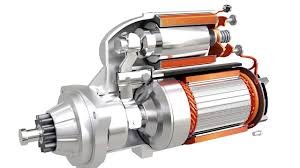
Role of PLC in Electrical Control Systems

The PLC serves as the brain of the electrical control system in locomotives. It is responsible for receiving input signals from various sensors and switches, processing them, and generating output signals to control different components and subsystems. The PLC monitors and controls functions such as traction control, braking, engine management, and safety systems.

Advantages and Applications of PLC in Locomotives

The use of PLCs in locomotives offers several advantages. Firstly, they provide enhanced reliability and flexibility compared to traditional relay-based control systems. PLCs can be easily programmed and reprogrammed to adapt to changing requirements or troubleshoot issues, reducing maintenance time and costs.

Additionally, PLCs enable efficient monitoring and diagnostics of locomotive systems. They can collect data on various parameters, such as speed, temperature, and pressure, allowing for proactive maintenance and preventing potential failures.

Moreover, PLCs facilitate seamless integration with other control systems and communication networks. This enables locomotives to communicate with central control centers, trackside signaling systems, and other trains for improved coordination and safety.

In conclusion, understanding the role of PLCs in electrical control systems is essential for comprehending the inner workings of locomotives. Their ability to monitor, control, and communicate with various components ensures safe and efficient operations. The advantages offered by PLCs make them indispensable in modern locomotive technology.

Train Control Systems
Source: upload.wikimedia.org

Train Control Systems

Understanding the electrical control systems in locomotives is crucial for anyone interested in the world of trains. These systems play a vital role in ensuring the safe and efficient operation of trains. Let’s take a closer look at two important train control systems: Automatic Train Control (ATC) and Positive Train Control (PTC).

Automatic Train Control (ATC) Systems

ATC systems are designed to monitor and control train movements. They use a combination of trackside equipment and onboard computers to ensure that trains adhere to speed limits, maintain safe distances, and stop at designated stations. ATC systems provide real-time information to train operators, allowing them to make informed decisions and respond quickly to changing conditions.

The key features of ATC systems include speed control, automatic braking, and train protection. These systems rely on various sensors, such as wheel detectors and track circuits, to gather information about train position and speed. If a train exceeds the speed limit or fails to respond to signals, the ATC system will automatically apply the brakes to maintain safety.

Positive Train Control (PTC) Systems

PTC systems are an advanced form of train control that combines GPS technology, wireless communication, and onboard computers. The primary goal of PTC is to prevent train collisions, derailments, and other accidents caused by human error or excessive speed.

PTC systems continuously monitor train movements and enforce speed restrictions, work zone limits, and signal indications. They provide real-time information to both train operators and dispatchers, allowing for better coordination and decision-making. In the event of an unsafe situation, PTC systems can automatically apply the brakes to bring the train to a stop.

In conclusion, understanding electrical control systems in locomotives is essential for ensuring safe and efficient train operations. ATC and PTC systems are critical components that help maintain speed limits, prevent accidents, and protect the lives of passengers and crew. By investing in these advanced train control technologies, the railway industry can continue to improve safety and reliability for years to come.

Grounding and Bonding
Source: i.ytimg.com

Safety Measures in Electrical Control Systems

Grounding and Bonding

In electrical control systems, grounding and bonding are crucial safety measures. Grounding involves connecting electrical equipment to the earth to prevent electric shock and protect against electrical faults. Bonding, on the other hand, ensures that all metal parts of the system are electrically connected, creating a path for fault currents to flow safely.

Electrical Protection Devices

Electrical protection devices play a vital role in safeguarding electrical control systems. These devices include circuit breakers, fuses, and surge protectors. Circuit breakers are designed to automatically interrupt the flow of electricity when a fault is detected, preventing damage to the system and minimizing the risk of fire. Fuses serve a similar purpose but need to be replaced after they have blown. Surge protectors protect against voltage spikes and transient surges that can damage sensitive equipment.

Maintenance and Troubleshooting

Regular maintenance and troubleshooting are essential for ensuring the safe and efficient operation of electrical control systems in locomotives. Maintenance tasks may include inspecting connections, cleaning components, and testing equipment. Troubleshooting involves identifying and resolving issues that may arise, such as faulty wiring or malfunctioning components. It is important to follow manufacturer guidelines and industry best practices when performing maintenance and troubleshooting to minimize risks.

By implementing these safety measures in electrical control systems, locomotive operators can ensure the well-being of their personnel and protect their equipment from damage. Regular training on electrical safety practices should also be provided to employees working with these systems to promote awareness and reduce the likelihood of accidents.

Remember, safety should always be a top priority when dealing with electrical control systems in locomotives or any other industrial setting.

Maintenance and Troubleshooting of Electrical Control Systems
Source: upload.wikimedia.org

Maintenance and Troubleshooting of Electrical Control Systems

Understanding electrical control systems in locomotives is crucial for ensuring the smooth operation and safety of these powerful machines. Regular maintenance and effective troubleshooting techniques are essential to keep the electrical control systems running efficiently.
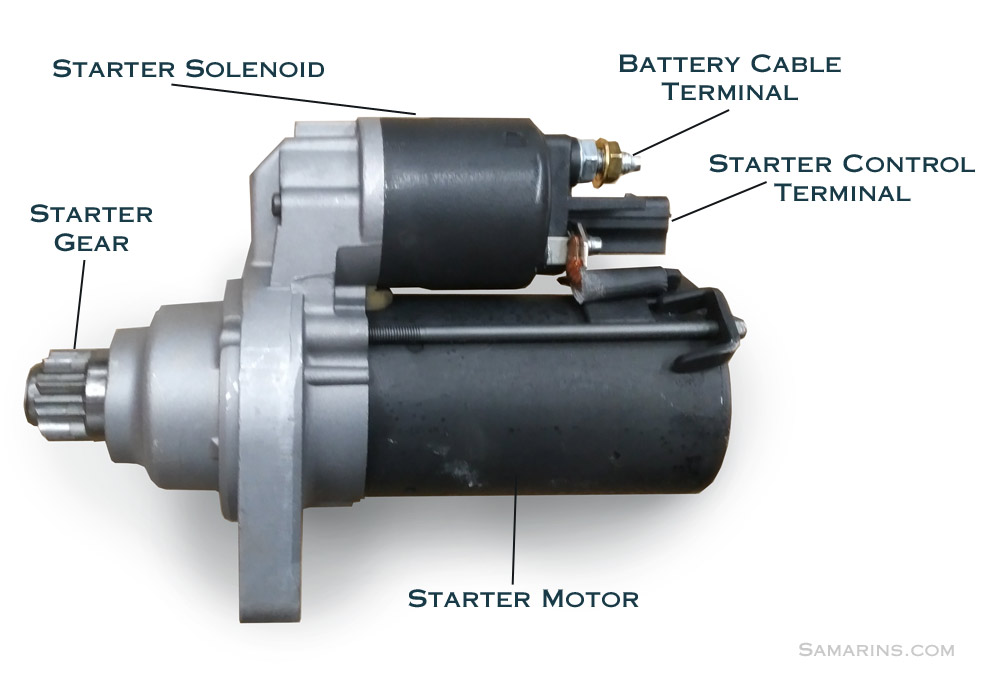
Regular Maintenance Procedures

To maintain the electrical control systems in locomotives, the following procedures should be carried out regularly:

  1. Inspections: Regular inspections should be conducted to check for any signs of wear, damage, or loose connections. This includes visually inspecting the wiring, connectors, and control panels.
  2. Cleaning: Keeping the electrical components clean is important to prevent dust, dirt, and debris from interfering with their performance. Use compressed air or a soft brush to remove any buildup.
  3. Lubrication: Proper lubrication of moving parts such as switches and relays is necessary to reduce friction and ensure smooth operation. Follow manufacturer guidelines for the appropriate lubricants to use.
  4. Testing: Regular testing of electrical control systems is crucial to identify any potential issues before they escalate. This includes checking voltage levels, current flow, and functionality of switches and relays.

Common Troubleshooting Techniques

When troubleshooting electrical control systems in locomotives, consider the following techniques:

  1. Check for Loose Connections: Loose connections can cause intermittent power loss or faulty operation. Inspect all connections and tighten them if necessary.
  2. Inspect Fuses and Circuit Breakers: Faulty fuses or tripped circuit breakers can disrupt the flow of electricity. Check these components and replace or reset them as needed.
  3. Test Components: Use a multimeter or other testing equipment to check the functionality of switches, relays, and other electrical components. Replace any faulty components.
  4. Consult Manufacturer Documentation: If troubleshooting becomes challenging, consult the locomotive’s manufacturer documentation or seek assistance from a qualified technician.

By following regular maintenance procedures and employing effective troubleshooting techniques, you can ensure the reliability and longevity of the electrical control systems in locomotives.

Future Trends in Electrical Control Systems for Locomotives

As technology continues to advance at a rapid pace, the future of electrical control systems in locomotives is set to bring about significant changes. These advancements will not only improve the efficiency and reliability of train operations but also enhance passenger safety and comfort.

Emerging Technologies

With the advent of new technologies, locomotives are becoming smarter and more connected than ever before. One such technology is the Internet of Things (IoT), which allows for seamless communication between various components of the train. This enables real-time monitoring and analysis of data, leading to predictive maintenance and better performance optimization.

Another emerging technology is artificial intelligence (AI), which can be used to automate various processes within the locomotive control system. AI algorithms can analyze vast amounts of data and make intelligent decisions, improving train operations and reducing the risk of human error.

Advancements in Communication and Automation

The future of electrical control systems for locomotives will also see advancements in communication and automation. Wireless communication technologies, such as 5G, will enable faster and more reliable data transfer between trains, control centers, and other infrastructure. This will facilitate better coordination and synchronization of train movements, leading to improved efficiency and reduced delays.

Automation will play a crucial role in the future of locomotive control systems. Autonomous trains, equipped with advanced sensors and control systems, will be able to operate without human intervention. This will not only increase safety but also optimize energy consumption and reduce operational costs.

In conclusion, the future of electrical control systems in locomotives is promising. Emerging technologies like IoT and AI, along with advancements in communication and automation, will revolutionize train operations. These innovations will lead to improved efficiency, enhanced passenger safety, and a more sustainable rail transportation system.

Understanding Auxiliary Alternators in Locomotives

Understanding Auxiliary Alternators in Locomotives

Introduction

For those curious about the inner workings of locomotives, understanding the role of auxiliary alternators in locomotive electrical parts is crucial. These devices play a vital role in powering various electrical systems on board and ensuring smooth operation of locomotives.

What is an Auxiliary Alternator and its purpose in locomotives

An auxiliary alternator, also known as a secondary alternator or a generator, is an essential component in locomotives. Its primary purpose is to supply electrical power to various auxiliary systems on board. These systems include lighting, air conditioning, heating, ventilation, and other vital equipment necessary for the safe and comfortable operation of the locomotive.

The auxiliary alternator works in conjunction with the main traction alternator, which provides power to drive the locomotive’s wheels. While the main traction alternator focuses on generating electricity for propulsion, the auxiliary alternator ensures that all other electrical systems receive the power they need to function properly.

Components and functioning of an Auxiliary Alternator

An auxiliary alternator consists of several key components, including a rotor, stator, rectifier, voltage regulator, and cooling system. The rotor is connected to the locomotive’s engine through a drive belt or gear system and rotates within the stator. As the rotor spins, it induces an alternating current (AC) in the stator windings.

The AC output from the stator is then converted into direct current (DC) by the rectifier. The voltage regulator ensures that the output voltage remains stable and within the desired range. Lastly, a cooling system helps dissipate heat generated during operation to prevent overheating.

By providing reliable electrical power to auxiliary systems, the auxiliary alternator plays a crucial role in maintaining operational efficiency and passenger comfort in locomotives.

Understanding how auxiliary alternators function and their importance in locomotives can help railway operators and enthusiasts appreciate the intricate systems that keep trains running smoothly.

Types of Auxiliary Alternators
Source: i.ytimg.com

Types of Auxiliary Alternators

Brush-Type Auxiliary Alternators

Brush-type auxiliary alternators are a common type of alternator used in locomotives. These alternators consist of a rotor with a set of brushes that make contact with the commutator. The brushes are responsible for transferring electrical current from the rotor to the stator, which generates the alternating current (AC) output. One advantage of brush-type auxiliary alternators is their simplicity and ease of maintenance. However, they do require regular maintenance to replace worn-out brushes and maintain optimal performance.

Brushless Auxiliary Alternators

Brushless auxiliary alternators, as the name suggests, do not have brushes. Instead, they use solid-state electronics to control the generation of AC power. These alternators have a rotor with a set of permanent magnets and a stator with windings. The magnetic field created by the permanent magnets induces an AC voltage in the stator windings, which is then rectified to produce DC power. This DC power is then converted back to AC power using an inverter. Brushless auxiliary alternators offer several advantages over brush-type alternators, including higher efficiency, longer lifespan, and reduced maintenance requirements.

In conclusion, understanding the different types of auxiliary alternators used in locomotives is essential for maintaining and troubleshooting electrical systems in these vehicles. Both brush-type and brushless alternators have their advantages and disadvantages, and the choice between them depends on factors such as cost, performance requirements, and maintenance considerations. By selecting the right type of auxiliary alternator for a locomotive’s specific needs, operators can ensure reliable and efficient operation of their electrical systems.

Auxiliary Alternator Specifications
Source: i.ytimg.com

Auxiliary Alternator Specifications

Power output capacity of Auxiliary Alternators

Auxiliary alternators play a crucial role in locomotives, providing electrical power for various systems and components. The power output capacity of these alternators varies depending on the specific locomotive model and its intended use. Generally, auxiliary alternators in locomotives have power ratings ranging from a few kilowatts to several hundred kilowatts.

The power output capacity of an auxiliary alternator is determined by factors such as the electrical load requirements of the locomotive, including lighting, ventilation, heating, air conditioning, and other auxiliary systems. It is essential to choose an auxiliary alternator with sufficient power output to meet the demands of these systems and ensure reliable operation.

Efficiency and voltage regulation of Auxiliary Alternators

Efficiency is a critical factor to consider when selecting an auxiliary alternator for a locomotive. Higher efficiency means that the alternator can convert a larger percentage of the mechanical energy from the engine into electrical energy. This translates to reduced fuel consumption and lower operating costs.

Voltage regulation is another important specification to consider. Auxiliary alternators should maintain a stable output voltage within acceptable limits to ensure proper functioning of electrical equipment in the locomotive. Voltage fluctuations can lead to equipment malfunctions or failures, which can be costly and impact operational efficiency.

It is worth noting that advancements in technology have led to the development of more efficient and reliable auxiliary alternators for locomotives. These alternators often incorporate features such as automatic voltage regulation and improved cooling systems to enhance performance and longevity.

In conclusion, understanding the specifications of auxiliary alternators is crucial for ensuring optimal performance and reliability in locomotives. By considering factors such as power output capacity, efficiency, and voltage regulation, operators can select the most suitable auxiliary alternator for their specific needs.

Maintenance and Troubleshooting

Regular maintenance of Auxiliary Alternators

To ensure the smooth operation of auxiliary alternators in locomotives, regular maintenance is crucial. Here are some key maintenance practices to keep in mind:

  1. Clean and inspect regularly: Dust, dirt, and debris can accumulate on the alternator, affecting its performance. Regularly clean the alternator and inspect it for any signs of damage or wear.
  2. Tighten connections: Check all electrical connections and ensure they are tight and secure. Loose connections can lead to poor performance or even failure of the alternator.
  3. Monitor voltage output: Regularly measure the voltage output of the alternator to ensure it is within the specified range. If the voltage is too high or too low, it may indicate a problem that needs to be addressed.
  4. Inspect belts and pulleys: Check the condition of the belts and pulleys that drive the alternator. Replace any worn or damaged belts and ensure proper tension on the belts for optimal performance.

Common issues and troubleshooting methods

Despite regular maintenance, auxiliary alternators in locomotives can still encounter issues. Here are some common problems and troubleshooting methods:

  1. No output: If the alternator is not producing any output, check the electrical connections, fuses, and circuit breakers. Also, inspect the brushes and slip rings for any signs of damage or wear.
  2. Low output voltage: If the alternator is producing low voltage, check for loose connections or damaged wires. Additionally, inspect the regulator and voltage control circuitry for any faults.
  3. Overheating: Overheating can be caused by insufficient cooling or excessive load on the alternator. Check the cooling system and ensure proper ventilation. Reduce the load if necessary.
  4. Noisy operation: Unusual noises coming from the alternator may indicate a problem with the bearings or other mechanical components. Inspect and replace any faulty parts as needed.

By following these maintenance practices and troubleshooting methods, locomotive operators can ensure the reliable performance of auxiliary alternators and minimize downtime.

Importance of Auxiliary Alternators in Locomotives

When it comes to the smooth operation of locomotives, one crucial component that plays a significant role is the auxiliary alternator. This device is responsible for providing electrical power to various systems and components on board the locomotive, ensuring optimal performance and functionality.

Role of Auxiliary Alternators in providing electrical power

The primary function of an auxiliary alternator in a locomotive is to generate electrical power to meet the demands of different systems. These systems include lighting, heating, ventilation, air conditioning, control systems, communication systems, and various other auxiliary devices. Without a reliable source of electrical power, these systems would not be able to function effectively, compromising the overall performance of the locomotive.

Auxiliary alternators are typically driven by the locomotive’s main engine through a belt or gear drive system. As the engine runs, it spins the alternator rotor, which generates alternating current (AC) electricity. This AC power is then converted into direct current (DC) by a rectifier and distributed to the various electrical systems on the locomotive.

Impact on locomotive performance and functionality

The availability of electrical power from auxiliary alternators directly impacts the performance and functionality of locomotives. Here are some key impacts:

  1. Reliable operation: With a properly functioning auxiliary alternator, locomotives can ensure uninterrupted power supply to critical systems, enhancing reliability and reducing the risk of system failures.
  2. Efficient energy utilization: Auxiliary alternators help optimize energy usage by generating power only when needed. This ensures that electrical systems operate efficiently without wasting energy.
  3. Enhanced safety: Electrical systems powered by auxiliary alternators contribute to the safety of both passengers and crew members. Proper lighting, ventilation, and communication systems are essential for a safe and comfortable journey.

In conclusion, auxiliary alternators play a crucial role in providing electrical power to various systems and components on locomotives. Their reliable operation ensures optimal performance, energy efficiency, and enhanced safety during train operations.

Comparison with Other Power Generation Systems

Auxiliary Alternators vs. Diesel Generators

Auxiliary alternators are an integral part of locomotives, providing electrical power for various systems and equipment on board. Compared to diesel generators, auxiliary alternators offer several advantages.

One key advantage is efficiency. Auxiliary alternators are designed to convert mechanical energy from the locomotive’s engine into electrical energy with high efficiency. This means that less fuel is consumed, resulting in cost savings and reduced emissions.

Another advantage is reliability. Auxiliary alternators are built to withstand the demanding operating conditions of locomotives, ensuring consistent power supply even in harsh environments. On the other hand, diesel generators may require regular maintenance and have a higher risk of failure.

Additionally, auxiliary alternators offer better integration with the locomotive’s power system. They can be synchronized with the main generator to provide a stable and synchronized power supply to all electrical systems on board. This ensures optimal performance and prevents disruptions in power supply.

However, it is important to note that auxiliary alternators also have some disadvantages. They require a constant supply of mechanical energy from the locomotive’s engine to generate electricity, which can result in increased fuel consumption. Moreover, auxiliary alternators may have limited capacity compared to diesel generators, which can be a constraint in certain applications.

In conclusion, auxiliary alternators play a crucial role in powering various systems on locomotives. Their efficiency, reliability, and integration capabilities make them a preferred choice over diesel generators in many cases. However, it is important for operators to consider their specific requirements and limitations when choosing between these power generation systems.

Future Developments and Innovations
Source: upload.wikimedia.org

Future Developments and Innovations

Advancements in Auxiliary Alternator technology

As technology continues to evolve, so does the auxiliary alternator technology used in locomotives. Manufacturers are constantly striving to improve the efficiency and performance of these systems to meet the demands of modern rail transportation. Some of the advancements we can expect to see in the future include:

  1. Higher Power Output: With the increasing power requirements of locomotives, auxiliary alternators will be designed to provide higher power output to meet these demands.
  2. Improved Efficiency: Manufacturers are working on developing more efficient auxiliary alternators that can convert a higher percentage of mechanical energy into electrical energy. This will help reduce fuel consumption and operating costs for rail operators.
  3. Integration with Hybrid Systems: As hybrid locomotives become more prevalent, auxiliary alternators will be integrated with other power sources such as batteries or fuel cells to provide a more sustainable and energy-efficient solution.

Potential improvements in efficiency and performance

The future holds great potential for further improvements in the efficiency and performance of auxiliary alternators in locomotives. Some areas where we can expect to see advancements include:

  1. Smart Control Systems: Advanced control systems will be developed to optimize the operation of auxiliary alternators based on real-time conditions, ensuring maximum efficiency and performance.
  2. Lightweight Design: Manufacturers will focus on developing lightweight materials and designs for auxiliary alternators, reducing their overall weight and improving fuel efficiency.
  3. Enhanced Durability: Future auxiliary alternators will be designed to withstand harsh operating conditions, ensuring longer service life and reduced maintenance requirements.

In conclusion, as technology advances, so does the potential for improvements in auxiliary alternator technology in locomotives. These advancements will not only enhance the efficiency and performance of these systems but also contribute to a more sustainable and cost-effective rail transportation industry.

How does a diesel electric locomotive work?
Source: i.ytimg.com

Case Studies

Real-world examples of Auxiliary Alternator usage in locomotives

Auxiliary alternators play a crucial role in the functioning of locomotives, providing power for various auxiliary systems. Here are some real-world examples of how these alternators are used in locomotives:

  1. Lighting and Heating: Auxiliary alternators power the lighting systems inside the locomotive, ensuring proper illumination for the crew and passengers. They also provide electricity for heating systems, keeping the locomotive’s interior comfortable during cold weather.
  2. Air Conditioning: In passenger locomotives, auxiliary alternators supply power to the air conditioning units, maintaining a comfortable temperature for passengers throughout their journey.
  3. Communication Systems: Locomotives need reliable communication systems to ensure smooth operations. Auxiliary alternators are responsible for powering these systems, including radios and intercoms, enabling effective communication between the crew members.

Success stories and notable implementations

Several locomotive manufacturers and operators have successfully implemented auxiliary alternators to enhance their operations. Here are a few notable examples:

  1. General Electric (GE) Evolution Series Locomotives: GE’s Evolution Series locomotives feature advanced auxiliary alternators that provide efficient power for various onboard systems. These locomotives are known for their reliability and fuel efficiency, making them a popular choice among rail operators worldwide.
  2. Bombardier TRAXX Locomotives: Bombardier’s TRAXX locomotives utilize auxiliary alternators to power essential systems such as lighting, heating, and air conditioning. These locomotives are widely used in Europe and have gained a reputation for their performance and energy efficiency.
  3. Indian Railways: The Indian Railways have implemented auxiliary alternators in their locomotives to ensure uninterrupted power supply for critical systems. This has significantly improved the reliability and efficiency of their operations, benefiting millions of passengers across the country.

In conclusion, auxiliary alternators are vital components in locomotives, providing power for various auxiliary systems. Real-world examples and success stories highlight their importance in ensuring reliable and efficient operations in the railway industry.

Conclusion

In conclusion, understanding auxiliary alternators in locomotives is crucial for maintaining the electrical systems of these powerful machines. By providing a reliable source of electrical power, auxiliary alternators play a vital role in ensuring the smooth operation of various components and systems on board.

Summary of the key points discussed

Throughout this article, we have explored the importance of auxiliary alternators in locomotives. Here are the key points to remember:

  1. Auxiliary alternators are responsible for generating electrical power in locomotives, supplying energy to various systems and components such as lighting, air conditioning, and traction motors.
  2. These alternators are typically driven by the main engine through a belt or gear system, utilizing mechanical energy to produce electrical power.
  3. Auxiliary alternators provide a reliable and consistent source of electricity, ensuring the smooth operation of critical systems even when the locomotive is not in motion.
  4. They play a crucial role in maintaining passenger comfort by powering amenities such as air conditioning, heating, and lighting.
  5. In addition to passenger comfort, auxiliary alternators also support the operation of essential systems like communication devices, signaling equipment, and safety features.

Importance of Auxiliary Alternators in locomotives’ electrical systems

The importance of auxiliary alternators in locomotives cannot be overstated. These devices ensure the availability of electrical power for various critical systems and components, enhancing passenger comfort and safety. By understanding their role and ensuring proper maintenance, railway operators can ensure reliable and efficient operation of their locomotives.

Overall, auxiliary alternators are an integral part of locomotive electrical systems, providing the necessary power for a wide range of functions. Their proper functioning is essential for the smooth operation of trains and ensuring a comfortable journey for passengers.

Everything About Traction Alternators in Locomotives

Everything About Traction Alternators in Locomotives

Introduction to Traction Alternators in Locomotives

When it comes to locomotives, one of the key components responsible for their efficient operation is the traction alternator. This crucial device plays a significant role in generating electrical power for various systems and functions within the locomotive. Let us take a deep dive into these traction alternators as one of the most important electrical parts in locomotives.

What are Traction Alternators?

Traction alternators are electrical generators specifically designed for locomotives. They are responsible for converting mechanical energy into electrical energy, which is then utilized to power various components of the locomotive, such as lighting, heating, air conditioning, and auxiliary systems. These alternators are typically driven by the locomotive’s diesel engine or by an electric motor in electric locomotives.

Importance of Traction Alternators in Locomotives

The importance of traction alternators in locomotives cannot be overstated. Here are some key reasons why these devices are crucial:

  1. Power Supply: Traction alternators provide a reliable and consistent power supply to ensure the smooth operation of various electrical systems within the locomotive. This includes powering critical functions like traction control, braking systems, and communication systems.
  2. Efficiency: Traction alternators are designed to operate efficiently, converting mechanical energy into electrical energy with minimal losses. This helps optimize fuel consumption and reduce overall operating costs.
  3. Reliability: Locomotives operate in demanding conditions, and reliability is paramount. Traction alternators are built to withstand harsh environments, ensuring uninterrupted power supply even in extreme weather conditions or challenging terrains.
  4. Maintenance: Traction alternators are designed for ease of maintenance, allowing for quick inspections and repairs. Regular maintenance ensures their longevity and prevents unexpected breakdowns that can disrupt train operations.

In conclusion, traction alternators play a vital role in locomotives by providing the necessary electrical power for various systems and functions. Their efficiency, reliability, and ease of maintenance make them indispensable components in ensuring the smooth operation of locomotives in diverse operating conditions.

Understanding Auxiliary Alternators in Locomotives
Source: i.ytimg.com

Working Principle of Traction Alternators

Traction alternators play a crucial role in the operation of locomotives, providing electrical power for various systems. Understanding their working principle is essential for anyone interested in the mechanics of locomotives.

Basic functioning of Traction Alternators

Traction alternators are responsible for converting mechanical energy into electrical energy. They are typically driven by the locomotive’s prime mover, such as a diesel engine or a gas turbine. The prime mover rotates the alternator’s rotor, which is equipped with a set of electromagnets. As the rotor spins, these electromagnets induce an alternating current (AC) in the stator windings surrounding them.

The AC generated by the traction alternator is then rectified to direct current (DC) using rectifiers. This DC power is used to supply electricity to various components of the locomotive, including traction motors, lighting systems, and auxiliary equipment.

Types of Traction Alternators

There are two main types of traction alternators commonly used in locomotives:

  1. Brushless Alternators: These alternators eliminate the need for carbon brushes and slip rings, resulting in reduced maintenance requirements. Brushless alternators use solid-state electronic devices to control the excitation current, improving efficiency and reliability.
  2. Brush-Type Alternators: In contrast to brushless alternators, brush-type alternators use carbon brushes and slip rings to transfer electrical power from the rotor to the stator windings. While these alternators require more maintenance due to brush wear, they are still widely used in many locomotives.

Understanding the working principle and types of traction alternators is essential for engineers and enthusiasts alike. These components are vital for providing electrical power to locomotives and ensuring smooth operation.

Components of Traction Alternators
Source: mechanicfixa.com

Components of Traction Alternators

Rotor and Stator

The traction alternator, a vital component in locomotives, consists of two main parts: the rotor and the stator. The rotor is the rotating part of the alternator, while the stator remains stationary. The rotor is typically made of a stack of laminations, which reduces energy losses due to eddy currents. The stator, on the other hand, contains the windings that generate the electrical output. These windings are carefully designed to produce the required voltage and current for powering the locomotive’s traction motors.

Excitation System

The excitation system is responsible for providing the necessary magnetic field to induce voltage in the stator windings. This system typically includes an exciter, which is a small generator that supplies power to the rotor field winding. The excitation system ensures that the alternator maintains a constant output voltage, regardless of changes in load or speed. This stability is crucial for maintaining optimal performance and preventing damage to other electrical components in the locomotive.

Cooling System

Due to the high power output and continuous operation of traction alternators, a reliable cooling system is essential to prevent overheating. The cooling system typically includes fans or blowers that circulate air over the alternator’s components, dissipating heat generated during operation. In some cases, liquid cooling systems may be employed for more efficient heat dissipation. Proper cooling ensures that the alternator operates within its temperature limits, prolonging its lifespan and ensuring reliable performance.

In summary, traction alternators in locomotives consist of several key components, including the rotor and stator, excitation system, and cooling system. Each component plays a crucial role in generating and regulating electrical power for the locomotive’s traction motors. Understanding these components can help ensure the efficient and reliable operation of traction alternators in locomotives.

Efficiency and Performance of Traction Alternators
Source: radsatech.com

Efficiency and Performance of Traction Alternators

Factors affecting Efficiency

When it comes to locomotives, the efficiency of traction alternators plays a crucial role in ensuring optimal performance. Several factors can impact the efficiency of these alternators:

  1. Design: The design of the alternator, including its size, shape, and materials used, can significantly affect its efficiency. Manufacturers strive to design alternators that minimize losses and maximize power output.
  2. Efficiency of Conversion: Traction alternators convert mechanical energy into electrical energy, and the efficiency of this conversion process is essential. Higher conversion efficiency means less energy is wasted as heat, resulting in better overall performance.
  3. Maintenance: Regular maintenance and servicing are crucial for maintaining the efficiency of traction alternators. Ensuring that components are clean, lubricated, and in good working condition can help prevent energy losses and improve performance.

Measuring Performance of Traction Alternators

To assess the performance of traction alternators, several key metrics are considered:

  1. Power Output: The power output of an alternator is a measure of the electrical energy it can generate. Higher power output indicates a more powerful and efficient alternator.
  2. Efficiency: Efficiency is a measure of how effectively an alternator converts mechanical energy into electrical energy. Higher efficiency means less energy is lost during the conversion process.
  3. Voltage Regulation: Voltage regulation refers to how well an alternator maintains a steady voltage output under varying load conditions. Good voltage regulation ensures stable electrical supply to the locomotive’s systems.
  4. Reliability: The reliability of an alternator is crucial for uninterrupted operation. Factors such as durability, resistance to environmental conditions, and the lifespan of components contribute to overall reliability.

By considering these factors and measuring the performance of traction alternators, locomotive manufacturers can ensure that their vehicles operate efficiently and reliably. This, in turn, leads to improved performance, reduced energy consumption, and enhanced overall operational effectiveness.

Maintenance and Troubleshooting of Traction Alternators

Common Issues and Solutions

When it comes to traction alternators in locomotives, there are a few common issues that can arise. Here are some of the most frequent problems and their solutions:

  1. Overheating: Overheating can occur due to excessive load or poor ventilation. To address this issue, it is important to ensure proper cooling and ventilation systems are in place. Regularly inspecting and cleaning the cooling fans and radiators can help prevent overheating.
  2. Voltage Fluctuations: Voltage fluctuations can be caused by loose connections or damaged wiring. It is crucial to regularly inspect the electrical connections and wiring for any signs of wear or damage. Tightening loose connections and replacing damaged wiring can help stabilize the voltage.
  3. Bearing Failure: Bearing failure can lead to increased friction, noise, and reduced efficiency of the alternator. Regular lubrication and maintenance of the bearings can help prevent premature failure. It is also important to monitor bearing temperature and vibration levels for early detection of potential issues.

Routine Maintenance Practices

To ensure optimal performance and longevity of traction alternators, regular maintenance practices should be followed. Here are some key maintenance practices:

  1. Cleaning: Regularly clean the alternator to remove dust, dirt, and debris that can accumulate over time. This helps prevent overheating and ensures proper functioning.
  2. Inspection: Conduct regular inspections to identify any signs of wear, damage, or loose connections. Promptly address any issues found during inspections to prevent further damage.
  3. Lubrication: Proper lubrication of bearings and other moving parts is essential for smooth operation. Follow manufacturer guidelines for lubrication intervals and use recommended lubricants.

By following these maintenance practices and promptly addressing any issues that arise, you can ensure the reliable performance of traction alternators in locomotives. Regular maintenance not only extends the lifespan of the alternators but also helps prevent costly breakdowns and downtime.

Traction Alternators vs. Diesel Generators

Comparison of Benefits and Limitations

When it comes to locomotives, the choice between traction alternators and diesel generators is an important consideration. Let’s take a closer look at the benefits and limitations of each option.

Traction alternators are electrical generators that convert mechanical energy into electrical energy, which is then used to power the traction motors of a locomotive. One of the key benefits of traction alternators is their efficiency. They can convert a high percentage of the mechanical energy into electrical energy, resulting in improved fuel efficiency and reduced emissions. Additionally, traction alternators provide better control over power distribution, allowing for smoother acceleration and deceleration.

On the other hand, diesel generators are internal combustion engines that generate electricity through the combustion of diesel fuel. While they have been widely used in locomotives for many years, they do have some limitations. Diesel generators are less efficient compared to traction alternators, resulting in higher fuel consumption and emissions. They also require regular maintenance and can be noisy during operation.

Cost and Environmental Implications

In terms of cost, traction alternators may require a higher initial investment compared to diesel generators. However, over the long term, they can lead to cost savings due to their higher efficiency and lower fuel consumption.

From an environmental standpoint, traction alternators are more environmentally friendly than diesel generators. They produce fewer emissions, contributing to cleaner air quality and reducing the carbon footprint of locomotives.

In conclusion, while both traction alternators and diesel generators have their own benefits and limitations, traction alternators offer improved efficiency, better control over power distribution, and reduced emissions. Despite potentially higher initial costs, they can lead to long-term cost savings and have a positive impact on the environment

Advancements in Traction Alternators
Source: www.tsa.at

Advancements in Traction Alternators

Traction alternators play a crucial role in the efficient operation of locomotives. Over the years, there have been significant advancements in this technology, enhancing performance and reliability. Let’s explore some of the innovative features and future trends in traction alternators.

Innovative Technologies and Features

  1. Improved Efficiency: Modern traction alternators are designed to maximize energy conversion and minimize losses. This results in improved fuel efficiency and reduced operating costs for locomotive operators.
  2. Regenerative Braking: Traction alternators now incorporate regenerative braking systems that convert the kinetic energy generated during braking into electrical energy. This energy can be stored and reused, further enhancing the overall efficiency of the locomotive.
  3. Smart Control Systems: Advanced traction alternators are equipped with intelligent control systems that optimize power generation based on real-time demand. These systems ensure efficient operation and prevent unnecessary power wastage.

Future Trends

  1. Integration with Energy Storage: The integration of traction alternators with energy storage systems is a promising trend. This allows excess electrical energy generated by the alternator to be stored and used during peak demand periods or when the locomotive is idle, reducing reliance on external power sources.
  2. Increased Power Density: Future traction alternators are expected to have higher power density, allowing them to generate more electrical power within a smaller footprint. This will enable locomotives to deliver higher performance while maintaining compact designs.
  3. Enhanced Reliability: Ongoing research and development efforts aim to improve the reliability and durability of traction alternators, reducing maintenance requirements and increasing their lifespan.

In conclusion, advancements in traction alternator technology have brought significant improvements to locomotive performance and efficiency. With ongoing research and development, we can expect further innovations that will revolutionize the railway industry.

Navigating the Railways: The Role of an EMD Parts Distributor

Navigating the Railways: The Role of an EMD Parts Distributor

In the vast and intricate web of the rail industry, where efficiency and reliability are paramount, the role of an EMD parts distributor shines brightly. EMD, standing for Electro-Motive Diesel, stands as a venerable titan in the locomotive engine manufacturing domain. As locomotive and parts manufacturer, they are the linchpin in ensuring the seamless operation and maintenance of locomotives that crisscross the globe.

The rail industry, a lifeline for both freight and passenger transportation, thrives on the prowess of companies such as EMD. They are not mere purveyors of locomotive engines but the custodians of a legacy spanning over nine decades. In this intricate dance of railways, where technology advances at breakneck speed, the need for efficient and dependable EMD parts has never been more crucial.

In this article, we delve into the pivotal role played by EMD parts distributors, deciphering their contributions to the rail industry’s efficiency and safety.

As we embark on this journey through the rail industry’s intricacies, we unravel the significance of EMD parts distributors, their history, and their enduring commitment to providing high-quality components that drive the locomotives’ relentless journey. Welcome to the world of railroads, where EMD parts distributors stand as the unsung heroes of the tracks.

– What is the Rail Industry

The rail industry plays a crucial role in transportation, providing efficient and reliable services for both freight and passenger transportation. Key players in the industry include companies like ALCO (American Locomotive Company), EMD (Electro-Motive Diesel), and WABCO (Westinghouse Air Brake Company), which have been instrumental in shaping the industry over the years.

The rail industry offers a wide range of services to meet the diverse needs of its customers. These services include the maintenance of way equipment, locomotive spare parts, train control systems, and rail fleet maintenance. ALCO, EMD, and WABCO, among others, are leading providers of high-quality spare parts and components for locomotives.

ALCO is known for its innovative locomotive designs, while EMD is a leader in locomotive engine manufacturing. WABCO specializes in train control systems and other control devices critical to railway operations. These companies contribute significantly to the efficient and safe functioning of railways worldwide.

In addition to these companies, various other service providers and equipment manufacturers cater to the rail industry’s needs. With ongoing advancements and innovations, the rail industry continues to evolve, ensuring the seamless transportation of goods and passengers across the globe.

– The Role of an EMD Parts Distributor

The role of an EMD Parts Distributor in the rail industry is crucial in ensuring the smooth operation and maintenance of locomotives. EMD, a leading provider in locomotive engine manufacturing, produces a wide range of high-quality spare parts and components for locomotives. As an EMD Parts Distributor, their primary responsibility is to supply these crucial parts to railway operators, maintenance facilities, and other stakeholders in the industry. They play a vital role in keeping the locomotives running efficiently and safely by providing timely access to the necessary EMD parts. These distributors often collaborate closely with rail operators, maintenance teams, and OEMs to ensure a seamless supply chain. By offering a comprehensive range of EMD parts and components, they contribute to the overall reliability and performance of locomotives within the rail industry.

History

The rail industry has a rich history characterized by remarkable achievements and challenges overcome. One noteworthy player in this industry is the Canadian Pacific Railway (CPR), which played a significant role in shaping the development of Canada.

The CPR’s creation was inspired by the National Dream – the vision of connecting the vast Canadian territories from coast to coast. The railroad construction began in the late 19th century, a monumental undertaking faced with numerous obstacles.

One of the major challenges encountered during the CPR’s construction was finding a viable route through the rugged Selkirk Mountains. The engineering team triumphed by designing innovative solutions to surmount this obstacle, including tunnels and bridges.

Another obstacle the CPR faced was traversing the traditional territory of the Blackfoot First Nation. Through negotiation and collaboration, the CPR and the Blackfoot negotiated land agreements, ensuring both development and preservation of cultural heritage.

Despite the hurdles, the construction of the CPR was successfully completed, leading to a significant transformation in Canada’s societal and economic landscape. Today, the rail industry continues to drive progress and connectivity, providing vital transport services for both people and goods across the country.

– Early History of Railways

The early history of railways is marked by key developments and milestones that transformed transportation and connected different regions. Railways emerged as a primary mode of transportation, revolutionizing the movement of goods and passengers.

The early railways gained traction in the 19th century with the invention of steam-powered locomotives. In 1825, the Stockton and Darlington Railway in England became the first public railway to use steam locomotives for transporting both people and goods. This marked a major milestone in the development of railways and set the foundation for their future growth.

In Canada, the construction of the Canadian Pacific Railway (CPR) was a monumental event. It was driven by the vision of connecting the vast Canadian territories from coast to coast. Construction of the CPR began in the late 19th century and faced numerous challenges, including traversing rugged mountain terrain and negotiating land agreements with Indigenous communities.

The completion of the CPR in 1885 revolutionized transportation in Canada. It provided a vital link between the eastern and western regions, opening up new opportunities for trade and commerce. The CPR played a crucial role in the transportation of goods, such as natural resources, agricultural products, and manufactured goods, contributing significantly to Canada’s economic development.

Moreover, railways also became a popular choice for passenger travel. The CPR and other rail lines offered intercity and commuter services, allowing people to travel long distances quickly and efficiently. Railways became a symbol of progress and connectivity, shaping the growth and development of cities and towns across the country.

In conclusion, the early history of railways saw significant milestones and developments that transformed transportation in Canada. The construction of the CPR and the expansion of rail lines connected different regions, played a pivotal role in transporting goods and passengers, and contributed to the overall progress and development of the nation.

– Development of EMD Parts Distribution

The development of EMD (Electro-Motive Division) parts distribution has been a crucial aspect of the railway industry. EMD, a division of General Motors, has been manufacturing locomotive engines for over nine decades. As railway operations and technology have advanced, the need for efficient and reliable EMD parts has become increasingly important. EMD parts distributors play a vital role in ensuring the smooth functioning and maintenance of locomotives. They stock a wide range of components, such as journal boxes, draft gear, and locomotive radio panels, to name a few. These distributors offer competitive prices, making EMD parts accessible to railway operators across the globe. By providing reliable parts and services, EMD parts distributors contribute to the efficient functioning of railway systems, enabling both freight and passenger services to operate smoothly and reliably.

Types of EMD Parts Distributors

EMD Parts Distributors play a crucial role in the rail industry by providing essential components for locomotives and rail vehicles. There are two main types of EMD Parts Distributors: OEM Distributors and Aftermarket Distributors.

OEM Distributors are affiliated with the original equipment manufacturer, offering genuine EMD parts. These distributors maintain a close relationship with the manufacturer, ensuring the availability of authentic components. Their parts are specifically designed and tested to meet the highest quality standards. In addition to supplying parts, OEM Distributors provide technical support and assistance for installations and repairs. This ensures that rail operators have access to reliable, high-performance parts that will keep their locomotives running at peak efficiency.

On the other hand, Aftermarket Distributors focus on providing non-OEM parts at competitive prices. These distributors offer alternatives to the genuine parts, which can be more cost-effective for rail operators. They source and supply compatible components that meet or exceed industry standards. While these parts may not be from the original manufacturer, they are often manufactured by reputable companies that specialize in aftermarket solutions. Aftermarket Distributors also provide comprehensive customer support and offer a wide range of products for various locomotive models.

Both types of distributors play important roles in the rail industry, catering to different needs and preferences of rail operators. OEM Distributors ensure the availability of authentic components for those looking for the highest quality and performance. Aftermarket Distributors offer more affordable options without compromising on quality. Ultimately, the choice between the two types depends on the specific requirements and budgets of rail operators.

– OEM (Original Equipment Manufacturer) Distributors

OEM (Original Equipment Manufacturer) Distributors play a crucial role in the rail industry by providing a reliable source of genuine parts for locomotive engines. These distributors have a close relationship with the original manufacturer, ensuring the availability of authentic components specifically designed and tested to meet the highest quality standards.
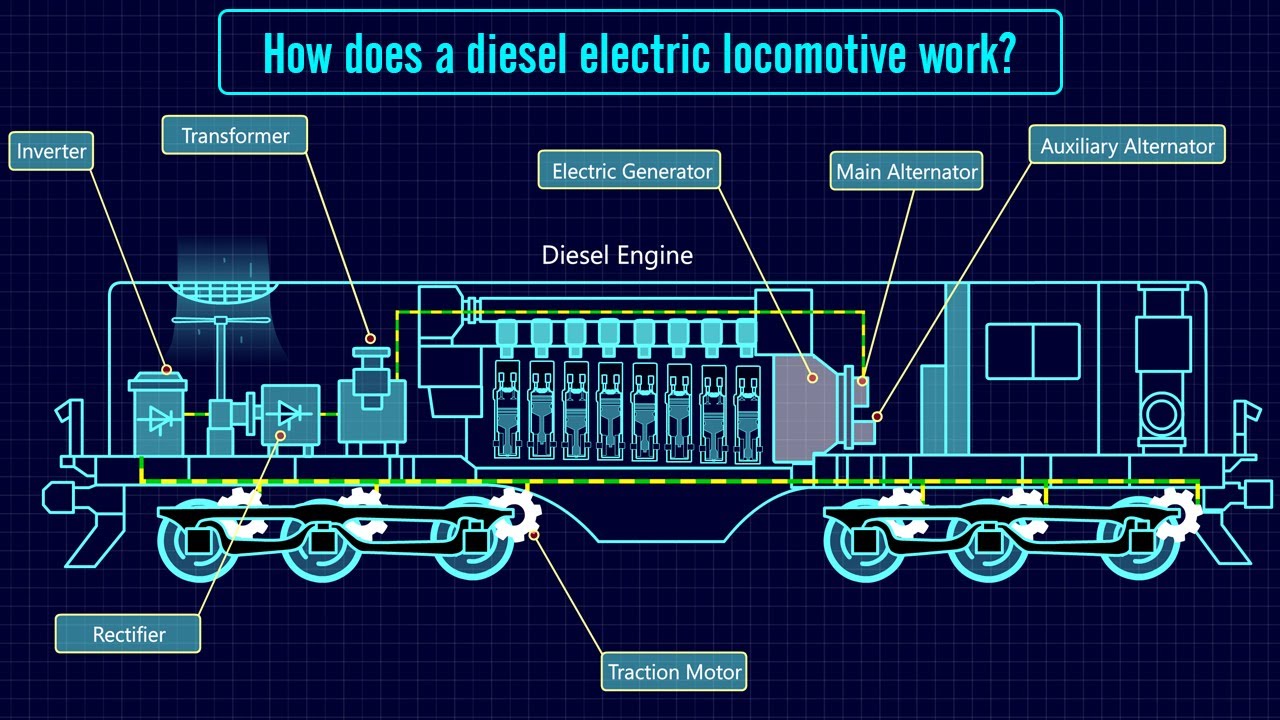
One of the key functions of OEM Distributors is to provide cost-effective and timely delivery of OEM quality parts for Alco, EMD, and GE locomotive engines. They understand the importance of keeping rail operations running smoothly and efficiently. By sourcing and supplying these genuine parts, OEM Distributors ensure that rail operators have access to reliable components that will optimize the performance and longevity of their locomotives.

In addition, OEM Distributors offer technical support and assistance for installations and repairs. They are well-versed in the intricacies of locomotive engines and can provide valuable guidance to rail operators. Whether it’s troubleshooting issues, recommending the right parts, or assisting with maintenance, OEM Distributors are committed to ensuring that locomotives are in optimal working condition.

By utilizing OEM Distributors, rail operators can have peace of mind knowing that they are receiving high-quality parts from the original manufacturer. This not only guarantees reliability but also contributes to the overall efficiency and safety of rail operations.

Keywords: OEM Distributors, rail industry, Alco, EMD, GE engines. (Please note that these are the relevant keywords for this section and not necessarily the top five most relevant keywords.)

– Aftermarket Distributors

Aftermarket distributors play a crucial role in the rail industry by providing cost-effective and timely delivery of OEM quality parts for locomotive engines. These distributors specialize in sourcing and supplying genuine parts for Alco, EMD, and GE locomotives, ensuring that rail operators have access to reliable components that optimize performance and longevity. In addition to offering a wide range of parts, aftermarket distributors also provide technical support and assistance for installations and repairs, leveraging their expertise in locomotive engines. By partnering with aftermarket distributors, rail operators can have peace of mind knowing that they are receiving high-quality parts from the original manufacturer, contributing to the overall efficiency and safety of rail operations.

Services Offered by EMD Parts Distributors

EMD Parts Distributors is a leading provider of a wide range of services to the rail industry. With expertise in locomotive engines, rail vehicles, commuter services, and intercity passenger service components, we are committed to supporting the various needs of our clients.

As an EMD Parts Distributor, our services include the supply of locomotive engines and components, road locomotives and components, rail vehicles, operations, and interchange components. We understand the critical role these parts play in maintaining the efficiency and safety of rail operations.

Our team is dedicated to providing high-quality parts and components for various locomotive models. We work closely with our clients to understand their specific needs and ensure that we deliver the right solutions.

At EMD Parts Distributors, we take pride in our ability to support the rail industry by offering competitive prices and outstanding customer service. Our commitment to excellence has earned us a reputation as a trusted partner in the field.

Whether you are in need of locomotive engines, rail vehicles, commuter services, or intercity passenger service components, EMD Parts Distributors is here to serve you. With our vast inventory and knowledgeable team, we are ready to meet your needs and support your operations.

– Locomotive Engines and Components

PowerRail offers a comprehensive range of locomotive engines and components for the rail industry. With a focus on remanufactured engines, they provide reliable and cost-effective solutions for rail operators.

Their lineup includes remanufactured engines as well as new and remanufactured engine components. These components include TurboChargers, Roots Blowers, Pumps, Bearings, Rods, Power Assemblies, and more. With a commitment to quality, PowerRail ensures that each component meets industry standards and performs at optimal levels.

In addition to engines and components, PowerRail also offers custom filter kits, brushes and brushholders, bulbs and lights, and premium gasket solutions. These accessories are designed to enhance the performance and durability of locomotive engines, ensuring smooth operation in various conditions.

For rail operators seeking reliable and cost-effective solutions, PowerRail is a trusted partner in the industry. Their remanufactured engines and high-quality components provide an efficient and economical alternative to purchasing new equipment. With a focus on customer satisfaction, PowerRail offers exceptional service and support throughout the entire process.

Keywords: remanufactured engines, engine components, filter kits, brushes and brushholders, bulbs and lights.

– Road Locomotives and Components

Road locomotives are complex machines that rely on various components and parts to function efficiently. These components play crucial roles in ensuring the smooth operation and performance of the locomotive. That’s where EMD Parts Distributors come in. Specializing in road locomotive parts, EMD Parts Distributors offer a wide range of services to cater to the needs of rail operators.

The components associated with road locomotives can include engines, turbochargers, pumps, bearings, rods, power assemblies, and more. Each of these parts has a specific function and contributes to the overall functioning of the locomotive.

Engines are the heart of any road locomotive, providing the necessary power to move the train. Turbochargers help optimize engine efficiency by increasing air intake and combustion rates. Pumps maintain the correct levels of fluids required for various operations. Bearings and rods ensure smooth and reliable movement of the locomotive’s components.

EMD Parts Distributors offer a comprehensive inventory of these components, ensuring availability when needed. Their services include the distribution of new and remanufactured parts, as well as custom filter kits, brushes, brush holders, bulbs, and gasket solutions. Their commitment to quality and industry standards ensures that rail operators can rely on their products for efficient and cost-effective solutions.

In summary, road locomotives depend heavily on various components and parts to operate effectively. EMD Parts Distributors provide a range of services and high-quality components to meet the needs of rail operators, enhancing the performance and durability of road locomotives.

– Rail Vehicles, Operations, and Interchange Components

Rail Vehicles, Operations, and Interchange Components

The rail industry relies on various components to ensure the smooth functioning of rail vehicles, operations, and interchange. From transit parts to commodity locomotive parts, each plays a crucial role in maintaining efficiency and safety.

PowerRail, a leading distributor of rail industry parts, offers a wide range of solutions to meet the specific needs of rail operators. Their offerings include air, fuel, and oil filters that are designed to deliver exceptional performance and reliability. These filters are essential for maintaining the cleanliness and longevity of rail vehicle engines.

In addition to filters, PowerRail provides custom filter kits that are tailored to the requirements of each rail operator. These comprehensive kits include all the necessary components to ensure optimal filtration and operation.

PowerRail also offers brushes and brushholders, essential for maintaining electrical contact in various rail vehicle systems. Their bulbs and lamps provide efficient lighting solutions, ensuring safe operation in dark conditions. Moreover, PowerRail provides premium gasket solutions that offer superior sealing capabilities, protecting sensitive components from contaminants and preventing leaks.

With their commitment to quality and industry standards, PowerRail is a trusted source for transit and commodity locomotive parts. Their comprehensive offerings cater to the diverse needs of the rail industry, providing efficient and reliable solutions for rail vehicles, operations, and interchange.

Keywords: transit parts, commodity locomotive parts, premium solutions, PowerRail, air fuel and oil filters. (195 words)

– Commuter Services & Intercity Passenger Service Components

Commuter Services & Intercity Passenger Service Components

When it comes to commuter services and intercity passenger service, the reliability and efficiency of rail components are of utmost importance. PowerRail, a leading distributor of rail industry parts, understands the unique needs of these services and offers a wide range of components to ensure smooth and safe operations. From filters that maintain the cleanliness of rail vehicle engines to brushes and brushholders for electrical systems, PowerRail provides reliable solutions. Additionally, their bulbs and lamps offer efficient lighting solutions for safe operation in dark conditions. With their commitment to quality and industry standards, PowerRail is the trusted source for transit and intercity passenger service components, providing the necessary components for efficient and reliable rail services.

Locomotive Engine Suppliers & Manufacturers

When it comes to locomotive engines, there are several top suppliers and manufacturers in the industry. One notable player in the market is PowerRail, known for offering a comprehensive range of products and services tailored to the rail industry.

PowerRail specializes in remanufactured engines and engine components, providing cost-effective solutions for railway operators. Their remanufactured engines undergo a rigorous process, ensuring excellent performance and reliability. This allows rail companies to save money while still benefiting from high-quality engines.

In addition to remanufactured engines, PowerRail also offers a wide selection of engine components. Some of the major components they provide include TurboChargers, Roots Blowers, Pumps, Bearings, and Rods. These components are designed to meet the specific needs of locomotive engines, ensuring optimal functionality and longevity.

With their extensive product offerings, PowerRail has established itself as a trusted supplier in the rail industry. Their commitment to quality, competitive prices, and innovative solutions make them a preferred choice for locomotive engine requirements.

In conclusion, when it comes to locomotive engine suppliers and manufacturers, PowerRail stands out with their remanufactured engines and comprehensive range of engine components. Their commitment to providing high-quality products and services has made them a trusted partner in the rail industry.

– American Locomotive Company (ALCO)

The American Locomotive Company, commonly known as ALCO, played a significant role as a locomotive engine supplier in the rail industry. With a rich history dating back to 1901, ALCO quickly became a leading manufacturer of locomotive engines in the United States.

ALCO’s engines were renowned for their power and reliability, making them a preferred choice for railway operators across the country. Their engines were not only used for freight transportation but also for passenger services, including intercity and commuter trains. ALCO’s contribution to the development of railways was instrumental in shaping the transportation landscape.

Over the years, ALCO introduced several innovations in locomotive technology, such as improved control devices and cruise control, which enhanced the efficiency and safety of rail operations. Their commitment to delivering high-quality engines and innovative solutions earned them a strong reputation in the industry.

Although ALCO ceased locomotive production in 1969, their legacy remains in the countless locomotives that continue to serve railroads today. Their influence on the rail industry is undeniable, and their name is synonymous with quality and reliability in locomotive engines.

Translate ยป