

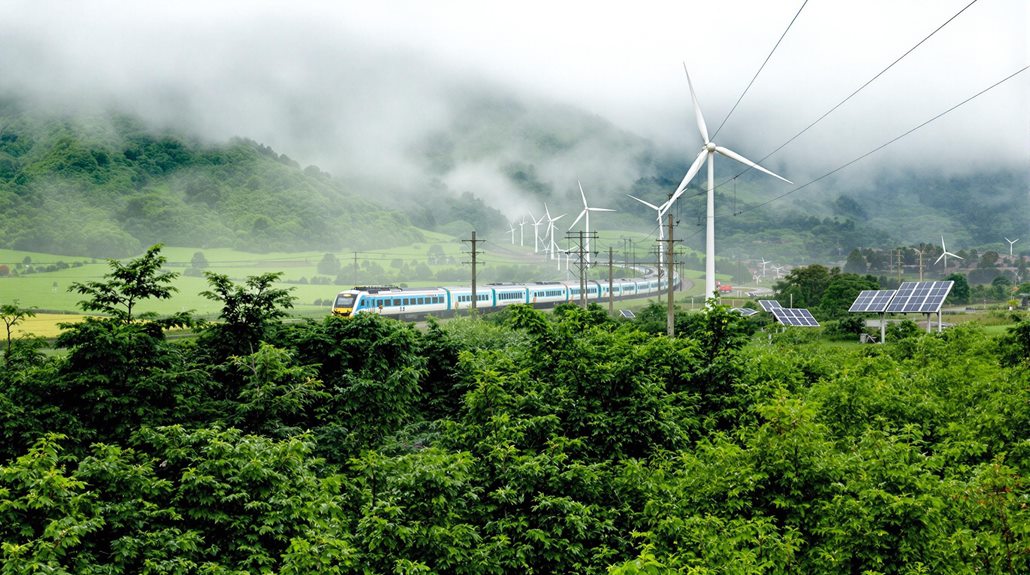
You face a common pain point. You need reliable, low-emission locomotive solutions and spare parts to keep trains efficient and compliant. This section shows practical, field-tested technologies you can source now. Use the insights to cut emissions and maintenance costs while keeping your fleet productive.
- Identify compatible green technologies for your EM locomotives and diesel electric sets.
- Match parts with performance requirements for reliability and uptime.
- Assess total cost of ownership for new tech versus aging fleets.
- Plan retrofits without disrupting scheduled services.
- Source authentic parts from trusted suppliers with fast delivery guarantees.
- Vet OEMs and aftermarket options for long-term support.
- Leverage data from maintenance history to optimize upgrades.
- Consider live data monitoring for fuel and emissions tracking.
- Evaluate noise and particulate reductions for community impact.
- Prepare a phased implementation plan with risk assessments.
1. Hybrid and Battery-Assist Systems for EM Locomotives
Hybrid and battery-assisted systems reduce fuel consumption and emissions by capturing braking energy and reusing it for traction during accelerations. On non-peak routes, typical freight operations can realize meaningful gains in energy efficiency and a corresponding drop in local pollutants when duty cycles include frequent slows and climbs.
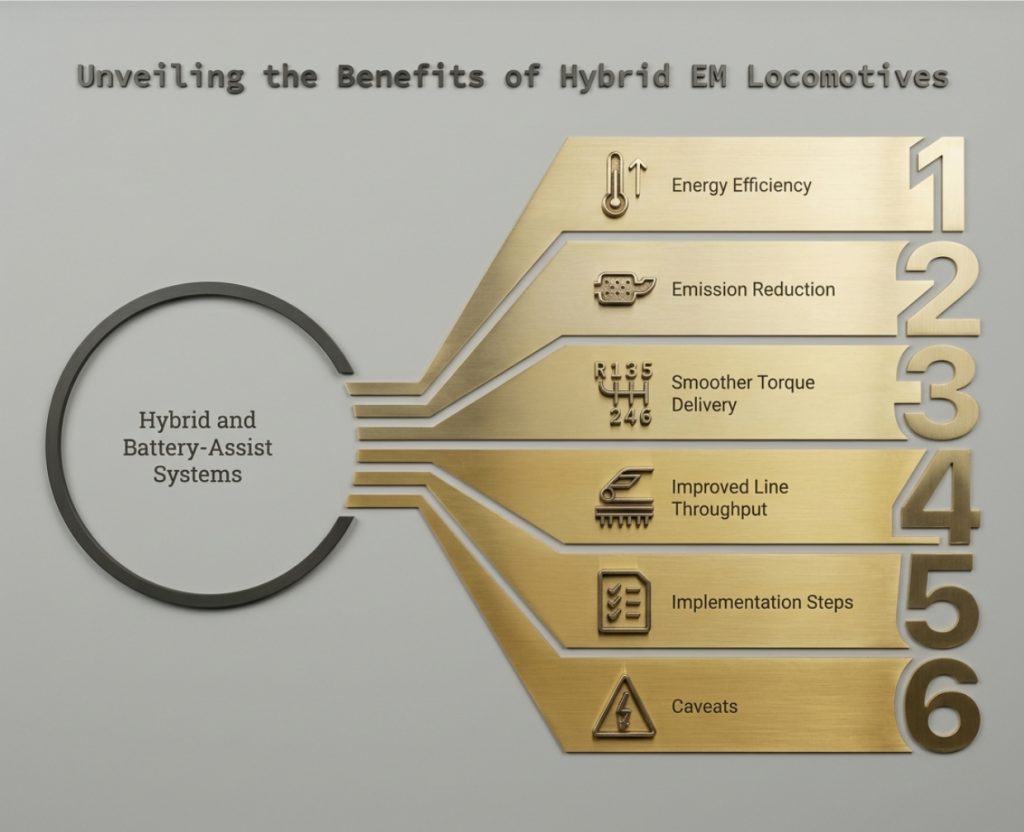
For Mikura International, coordinate EM locomotives with compatible diesel units to maximize energy recovery on grades and in stops-heavy segments. This pairing supports smoother torque delivery and can improve line throughput on mixed-duty corridors.
Key implementation steps include:
1) confirm battery capacity aligns with route elevation profiles and braking intensity,
2) tune control software to maximize regenerative flow during downhill or light-load segments,
3) implement regular thermal management checks to prevent battery degradation,
4) validate start/assist boost thresholds during cold starts to avoid torque loss.
Be mindful of caveats such as battery aging in hot climates, the need for compatible power electronics, and ongoing maintenance requirements to sustain efficiency gains across variable grade networks.
2. Advanced Regenerative Braking
Regenerative braking converts kinetic energy during deceleration into stored electrical energy, boosting overall propulsion efficiency. When tuning for frequent stops in urban corridors, align energy recovery with typical velocity profiles to maximize usable energy without compromising braking feel.
Hardware compatibility matters. Confirm that traction motors, inverter software, and brake-by-wire interfaces exchange signals reliably. Run a coast followed by a firm stop test to verify energy capture, braking stability, and consistent performance across ambient and battery temperatures.
Operational safeguards improve reliability. Implement a fail-safe that supports regenerative braking recovery if battery voltage falls outside safe ranges or control loops detect faults.
3. High-Efficiency Traction Motors
Updated traction motors reduce electrical losses and sustain high torque across a broader speed range, delivering more consistent acceleration in rail and metro environments. Real-world deployments show gains in peak torque and reductions in energy per kilometer without increasing thermal load on the prime mover.
Practical step: regularly log winding resistance and insulation health during preventive maintenance and analyze trends over multiple cycles. Monitor cooling performance by tracking outlet temperatures and flow rates under typical peak conditions. Ensure the cooling system remains free of obstructions and that fans operate within manufacturer specifications.
4. Electronic Engine Control Upgrades
Modern EM engines benefit from precise fuel metering and adaptive timing control that align with typical duty cycles.
1) Implement individual cylinder fuel trims and idle stability adjustments to reduce misfires on GM and Winton heritage platforms.
2) Use a dyno-derived map to optimize spark advance across the 1000, 3500 RPM band for cooler exhaust and steadier combustion.
3) Verify compatibility with legacy sensors and wiring harnesses before hardware changes. Tip: document baseline fuel economy and torque delivery to quantify tuning gains after upgrades.
5. Ultra-Low Emission Diesel Engines
Ultra-low emission diesel engines deliver cleaner exhaust profiles while preserving power and reliability. Focus on engines that integrate robust aftertreatment and proven parts programs designed for rail duty cycles. Source genuine components to sustain long term durability and maintain overhaul best practices matter for efficiency and maintain warranty coverage.
6. Fluid Filtration and Aftertreatment Upgrades
Improved filtration reduces engine wear by trapping abrasive particles before they enter critical components such as piston rings and bearings, extending oil life by up to 15 percent in some models. Aftertreatment systems further cut NOx and particulates by optimizing catalyst temperatures and reducing misfire events. For Mikura International customers, choose filtration and aftertreatment kits designed specifically for EM locomotive platforms to ensure compatibility and peak performance.
7. Thermal Management Enhancements
Advanced thermal management reduces peak engine temperatures under high duty cycles, sustaining performance and component life. Move beyond basic cooling checks by evaluating retrofit potential for integrated thermal routes and modular heat exchangers.
Key steps include:
1) Assess radiator fin density and flow paths to minimize pressure losses at peak loads.
2) Inspect fan durability and redundancy; consider variable speed fans to adapt to ambient conditions.
3) Review heat exchanger sizing for auxiliary systems to prevent cross-heating during regenerative events.
4) Validate coolant chemistries and fill levels with routine laboratory-style tests to prevent corrosion and scale buildup.
Operational guidance alerts you to monitor thermal margins during ramping bursts and grade climbs, and to plan maintenance around heat exchanger fouling cycles to maintain steady performance.
8. Weight Reduction and Aerodynamic Improvements
Weight reduction and streamlined surfaces reduce energy use in mixed fleet operations while preserving safety and durability. Focus on verified, OEM-approved retrofit options to avoid compromising structural integrity or crash performance.
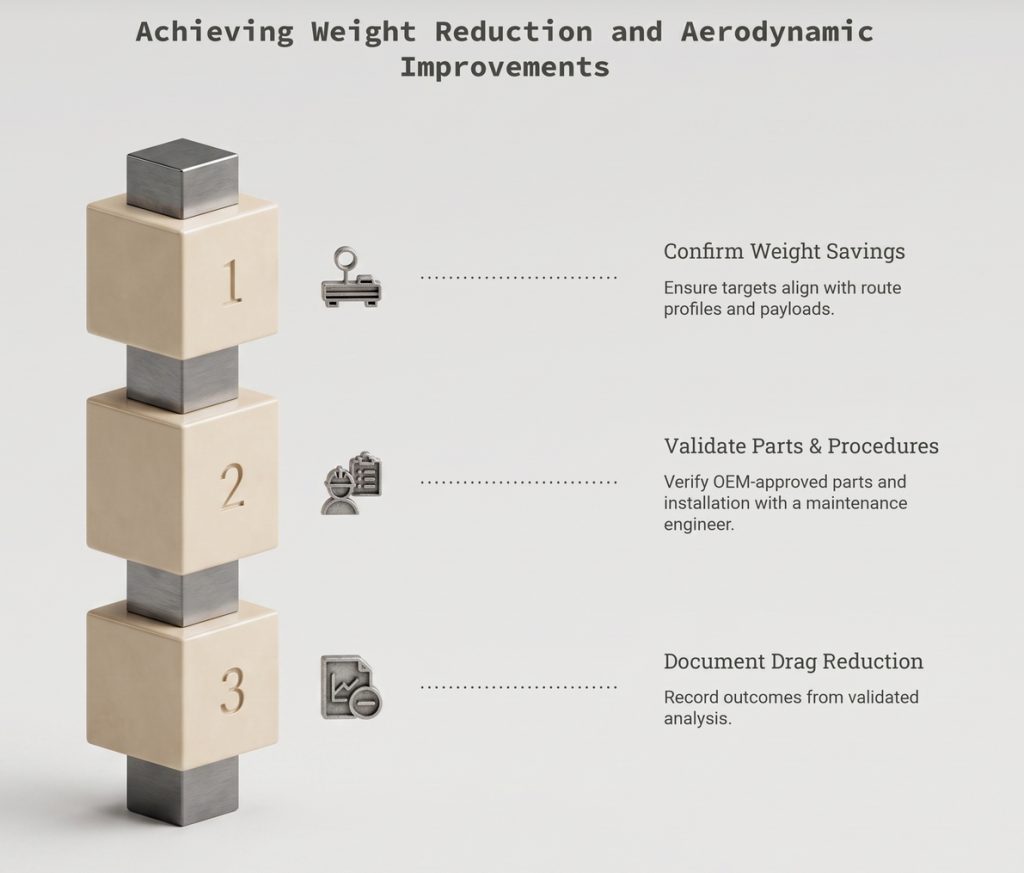
New insights include evaluating interior and exterior components for mass optimization without sacrificing serviceability. For example, switch to certified composite panels only where supported by crash and maintenance documentation, and verify compatibility with existing seating and mounting arrangements.
Assess aerodynamic enhancements through data from wind tunnel testing or CFD analyses for any exterior fairings or underbody modifications. Ensure gains meet defined drag reduction targets and that retrofits maintain clearances and inspection access.
Key steps include:
1) Confirm weight savings targets align with route profiles and payloads.
2) Validate OEM-approved parts and installation procedures with a maintenance engineer.
3) Document drag reduction outcomes from validated analysis.
9. Predictive Maintenance and Telemetry
Remote monitoring enables targeted maintenance by continuously collecting data from critical assets such as pumps, bearings, and HVAC units. This approach reduces unscheduled downtime by allowing maintenance to be scheduled during planned windows while avoiding abrupt failures on the network.
Best practices include calibrating sensor thresholds to match duty cycles and environmental conditions, and validating data integrity through periodic cross-checks with on-site inspections. Pair telemetry trends with historical maintenance records to optimize part stocking and service intervals.
Implementation steps include:
1) map critical asset sensors to a central dashboard
2) set multi-signal alerts that require corroborating evidence before action
3) schedule proactive service windows based on predicted wear patterns
4) review alert performance quarterly to adjust thresholds and reduce nuisance triggers.
10. Lifecycle Upgrades for Spare Parts
Source durable, readily available parts for upgrades to extend fleet life. Prioritize parts with proven field performance and broad supplier support.
Practical steps for sourcing and sustainment
- Develop a standard parts matrix that maps part numbers to multiple compatible platforms and service intervals.
- Prioritize genuine OEM components with long warranty coverage and documented traceability.
- Coordinate with suppliers to secure tiered stock levels for high-demand items and critical spares.
- Implement a quarterly review of obsolescence risk and establish approved substitutions that preserve performance.
- Validate installation procedures and required tooling to ensure rapid field swaps with minimal downtime.
Transition considerations
Plan upgrades to minimize fleet disruption by staging replacements during planned maintenance windows and testing after each retrofit to confirm compatibility with existing control systems and aftertreatment interfaces.
Practical Sourcing Checklist
- Confirm compatibility with your EM locomotive model and service years, including any retrofits already installed.
- Request technical data sheets for each upgrade option and compare ECU interfaces, electrical load, and cooling requirements.
- Assess total cost of ownership, covering maintenance, downtime, fuel savings, and potential resale value after upgrade.
- Verify warranty terms and after-sales support, noting coverage windows for components such as traction converters and battery systems.
- Plan a staged retrofit to minimize downtime, starting with non critical subsystems and validating performance in a controlled test run.
Expert Insights
Diesel electric locomotives gain efficiency when upgrades are planned with fleet duty cycles in mind. For example, retrofit programs that replace legacy engines with cleaner, Tier 4 compliant units or install targeted aftertreatment can reduce NOx in urban corridors while maintaining reliability. Coordinate parts sourcing with OEM specifications to ensure compatibility, preserve warranties, and support predictable lifecycle costs when engaging Mikura International.
Table: Comparison of Key Technologies
| Technology | Benefit | Considerations | Ideal Fit |
|---|---|---|---|
| Hybrid propulsion | Lower fuel use, emissions | System integration, battery life | Short to medium routes |
| Regenerative braking | Energy recovery, wear reduction | Electrical system capacity | Urban corridors |
| Low emission engines | Cleaner exhaust, compliance | Aftertreatment maintenance | New builds, retrofits |
| Predictive maintenance | Lower downtime, longer life | Sensor data, analytics | All fleets |
Note: Mikura International catalog offers compatible EM locomotive components with emphasis on reliability, traceability, and rapid delivery. Verify part compatibility and lead times before placing orders.
Introduction
This guide presents field-tested eco friendly locomotive technologies you can source now to reduce emissions and maintenance costs without disrupting operations. Use these insights to inform practical sourcing decisions grounded in real-world fleet needs.
- Identify component driven paths that meaningfully lower rail emissions.
- Explain how replacement parts bolster propulsion cleanliness and fleet longevity.
- Provide actionable guidance for sourcing green tech with speed and reliability.
- Rely on ISO certified quality and proven response times for inquiries.
Overview of the train sector’s emissions and opportunity
The rail sector presents notable opportunities to curb emissions through modern propulsion tech. The following snapshot highlights areas with measurable impact.
| Technology | Impact | Considerations |
|---|---|---|
| Battery Electric Locomotives | Lower tailpipe emissions; quiet operation | Requires charging infrastructure |
| Hydrogen Fuel Cells | Near zero emissions at point of use | Fuel supply chain and storage |
| Hybrid Diesel Electric | Fuel efficiency gains; better uptime | System integration required |
1. Mikura International
Role of Mikura International in providing replacement components for heavy-duty diesel engines
Mikura International supplies replacement parts for heavy-duty diesel engines used in locomotives and marine applications, with dedicated focus on ALCO, EMD, GE, and WABCO platforms. All components conform to ISO standards to ensure consistent quality and reliability. The company emphasizes rapid response times, precise part matching, and transparent inquiry processes.
- Extensive stock of critical engine parts and subsystems
- Dedicated support from sourcing to delivery
- Strict traceability and quality testing for each batch
- Compliance with EEPC and MCCIA membership requirements
- On-time delivery commitments for time-sensitive maintenance
Real-world scenario: a regional freight operator faced an injector failure on a midline EM2 locomotive. Mikura dispatched a complete fuel system kit within 24 hours, enabling overnight field service and restoring scheduled trips with minimal delay. This is supported by a cross-agency parts catalog and real-time ETA tracking.
Actionable steps:
1) Submit part numbers or provide engine model and serial,
2) Request a rapid-throughput quote with lead times,
3) Confirm shipping method and required certifications,
4) Schedule installation with your maintenance window.
For fleets with strict uptime, consider stocking critical kits in regional hubs and using Mikura’s express dispatch option.
How Mikura’s sourced components contribute to lower emissions and reliability
Parts are selected and matched to support both legacy and modern heavy-duty engines, preserving combustion efficiency and enabling compatible aftertreatment interfaces. This focused approach helps sustain reliable operation across diverse deployments while maintaining alignment with OEM specifications.
| Benefit | Impact | Example |
|---|---|---|
| Improved combustion efficiency | Lower fuel burn per hour | Updated injectors and pumps |
| Enhanced aftertreatment compatibility | Cleaner exhaust with minimal downtime | Emissions-ready retrofits |
| Faster maintenance cycles | Higher fleet availability | Express warehousing and rapid dispatch |
2. Battery-Electric Locomotives (BECs)
How battery-powered locomotives work
Battery-electric locomotives store energy in high capacity traction batteries. The onboard traction inverter converts DC from the battery to AC for traction motors. Regenerative braking returns energy to the battery during deceleration. Power management systems optimize energy use across propulsion and auxiliary loads.
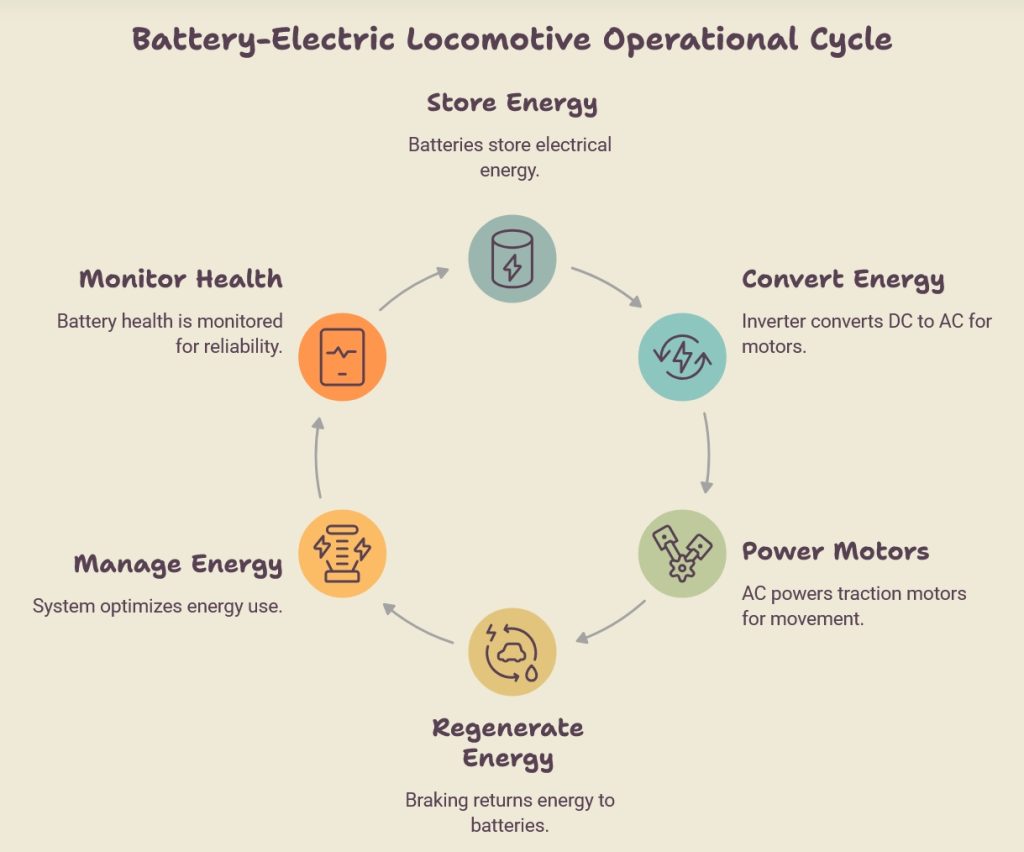
Key components include battery packs, thermal management, power electronics, and control software. Layout decisions affect weight distribution and access for maintenance. Modular batteries enable scalable ranges for diverse mission profiles.
Emissions impact and charging infrastructure considerations
BECs dramatically reduce tailpipe emissions when powered from clean grids. They also offer quieter operation and lower local pollution in urban corridors. Lifecycle emissions depend on battery manufacturing and disposal practices.
- Strategy planning aligns with rail schedules and depot capacity
- Grid readiness and fast charging reduce downtime
- Battery health monitoring improves reliability
- Thermal management is essential for pack longevity
- Safety protocols cover high-energy storage and storage isolation
| Aspect | Benefit | Consideration |
|---|---|---|
| Emissions | Low to zero local emissions on route | Dependent on electricity source |
| Performance | Consistent torque at low speeds | Weight of batteries affects payload |
| Maintenance | Fewer exhaust components | Battery degradation management required |
Operational considerations for spare parts sourcing managers
Plan for battery modules, thermal systems, and power electronics across a fleet. Maintain a strategic stock of modules for rapid rebuilds. Prioritize parts with common interfaces to ease cross-model maintenance.
Ensure compatibility with Electro-Motive Diesel heritage platforms when sourcing replacement parts. Coordinate with suppliers who understand diesel-electric heritage engineering and can support long lifecycle requirements. Leverage proven interfaces in EMD and GM heritage frameworks for reliable retrofits.
Practical tips for procurement and deployment
- Map depot charging capacity to train schedules.
- Choose modular battery systems for scalable ranges.
- Source thermal management components with robust seals for harsh climates.
- Validate power electronics against traction motor demands.
- Implement battery health monitoring dashboards for fleetwide visibility.
- Establish clear safety protocols for high-energy storage.
3. Hydrogen Fuel Cell Locomotives
Principles of hydrogen fuel cells in rail
Hydrogen fuel cell locomotives generate electricity through a chemical reaction in a fuel cell stack, delivering DC power to traction motors while emitting only water at the point of use. An onboard hydrogen storage system feeds the stack, and an auxiliary power unit supports non propulsion loads.
Key components include fuel cell modules, hydrogen storage, power electronics, and thermal management. System architecture prioritizes peak power delivery with endurance for longer routes. Maintenance emphasizes stack health, fuel quality, and system reliability.
Lifecycle emissions and practical deployment challenges
Lifecycle emissions hinge on hydrogen production methods and the energy mix used for charging and operations. When hydrogen is produced from low carbon sources, near term emissions can be substantially reduced. Real world performance depends on weather, ramp rates, and the reliability of the hydrogen supply chain.
- Hydrogen production choices influence the total footprint
- Storage pressure and safety considerations shape operation plans
- Dedicated refueling depots are often required
- Cold weather affects stack efficiency
- Diagnostics require specialized tools and expertise
| Aspect | Benefit | Challenge |
|---|---|---|
| Emissions | Near zero at point of use | Hydrogen supply chain quality matters |
| Range | Extended ranges with modular tanks | Refueling times and station availability |
| Reliability | Potential for reduced mechanical wear in some cycles | Stack durability under heavy load |
4. Hybrid Diesel-Electric Locomotives
Hybrid architecture and energy recuperation
Hybrid diesel electric locomotives blend a diesel prime mover with electric propulsion and energy storage to optimize operation on variable-duty routes. Frequent stop starts benefit from immediate traction without idling the engine at low loads, while regenerative braking recharges the energy store for climbs and acceleration.
Key components include the diesel generator, traction inverter, and energy storage modules such as lithium batteries or advanced supercapacitors. A central control system continuously assesses speed, grade, and load to determine the optimal power split. Modular energy packs support retrofits on legacy fleets with minimal downtime.
Operational advantages and maintenance considerations
Hybrid configurations cut fuel use across variable duty cycles and manage peak traction demands with reduced diesel runtime. They help reduce emissions in sensitive corridors and support stricter local air quality targets. Regular maintenance emphasizes battery health, reliability of power electronics, and thermal management for dual power paths.
- Engine loading is steered toward efficiency bands through real time telemetry
- Load leveling minimizes peak torque spikes and extends engine life
- Battery health monitoring enables predictive replacement scheduling
- Thermal design must prevent overheating during regenerative events
- Regular inverter diagnostics catch failing power electronics before outages
| Aspect | Benefit | Consideration |
|---|---|---|
| Emissions | Lower local emissions via reduced diesel load | Overall footprint hinges on the energy mix from the grid or on-site generation |
| Efficiency | Improved fuel economy in dynamic duty cycles | Requires precise control algorithms and system tuning |
| Maintenance | Potentially fewer aftertreatment components in certain layouts | Electronics and battery systems require specialized upkeep and training |
5. Advanced Diesel Engine Upgrades
Low-emission engines and aftertreatment improvements
Modern replacement engines deliver cleaner combustion and advanced aftertreatment. Upgrades cut nitrous oxides and particulate matter. Choose components suited to rail duty cycles and maintenance needs.
Key improvements include enhanced fuel injection control, optimized combustion chambers, and selective catalytic reduction compatibility. Exhaust gas recirculation strategies are tuned for steady performance. Compatibility with existing fleets minimizes downtime during swaps.
- Ultra-low emission options reduce on-site emissions during operation
- Compact aftertreatment modules fit within current engine bays
- Direct-fit exhaust configurations shorten installation time
- Diagnostics integrate with standard locomotive maintenance platforms
- Warranty coverage supports long-term reliability
Reliability and performance with modern replacement components
Replacing legacy parts with modern equivalents boosts uptime and efficiency. Robust components endure harsh rail environments and vibration. Performance gains come from tighter tolerances and better materials.
Implementation considerations include supply chain availability, cross-compatibility with control systems, and live-testing on test circuits. Maintenance planning should reflect updated spare part catalogs and revised service intervals.
| Aspect | Benefits | Considerations |
|---|---|---|
| Emissions | Lower exhaust emissions with advanced injectors | Ensure aftertreatment retrofits meet local standards |
| Fuel efficiency | Improved thermal efficiency under variable loads | Calibration required for duty cycle |
| Reliability | Higher mean time between failures | Stock availability for parts critical to uptime |
6. Regenerative Braking Systems
How regenerative braking reduces emission loss
Regenerative braking captures kinetic energy during deceleration and stores it for later use, reducing fuel burn on variable duty cycles. For example, on routes with frequent ascents and descents, energy recovered during downhill segments can be reused during subsequent climbs, lowering overall fuel consumption.
Stored energy can feed traction motors during startup and peak traction, smoothing power demands and minimizing throttle use in cold starts.
Key factors to optimize include energy capture efficiency, storage capacity, and thermal management to maintain performance across operating conditions. Use these considerations as a concise checklist when evaluating regenerative braking retrofits for EM locomotives.
- Energy capture efficiency depends on motor and inverter quality
- Storage capacity determines usable braking energy
- Thermal management ensures consistent performance
- Control algorithms optimize energy release during acceleration
- Retrofits should align with existing braking hardware
System integration with existing locomotive fleets
Upgrades combine hardware and software to harmonize with current propulsion. Traction inverters, energy storage, and control interfaces must be compatible with existing systems. In mixed fleets, standardized braking profiles reduce friction brake wear and improve predictability during transitions.
- Assess fleet duty cycles to size the system correctly
- Coordinate with existing braking control to avoid conflicts
- Plan phased retrofits to maintain service continuity
- Implement monitoring dashboards for energy recovery metrics
- Verify vendor support and spare parts availability
| Aspect | Benefit | Consideration |
|---|---|---|
| Emissions | Lower energy usage reduces exhaust; improvements depend on grid mix | Local standards may impact retrofit scope |
| Efficiency | Better overall energy utilization during dynamic braking | Accurate calibration is essential |
| Maintenance | Fewer high-load braking components wear | Electronics and storage require specialized support |
7. Aerodynamic and Weight Reduction Modifications
Aerodynamics and weight directly influence energy use in locomotive operation. Better airflow and lighter structures cut rolling resistance and fuel burn. For spare parts sourcing managers, proven retrofit options minimize downtime and protect fleet reliability.
Impact of draft and weight on energy consumption
Draft reductions reduce air drag at speed. Weight reductions lower inertia during acceleration. Both trim fuel use and emissions across typical duty cycles. Benefits scale with train length and route profile.
- Lower drag coefficients boost high speed efficiency
- Weight reductions enable faster acceleration without additional power draw
- Composite bodies reduce mass while maintaining strength
- Ballast management preserves safe axle loads
- Upgraded wheels and bearings cut rolling resistance
Practical retrofit options for freight and passenger locomotives
Choose options compatible with existing fleets to limit downtime. Focus on proven bolt-on or plug-in solutions.
- Streamlined covers and fairings lower frontal area
- Lightweight body panels from advanced composites or alloys
- Low-friction underbody fairings to reduce turbulence
- Lightweight couplers and energy-absorbing components
- Interior mass shedding through selective reconfiguration
| Aspect | Impact | Considerations |
|---|---|---|
| Airflow | Lower drag boosts top-end efficiency | Retrofitting must align with radiator intake geometry |
| Mass | Weight loss reduces acceleration energy | Maintain structural integrity and certification safeguards |
| Maintenance | New components may require special tooling | Verify spare parts availability and compatibility |
FAQ
How can a buyer gauge total lifecycle emissions for an upgrade?
Compare lifecycle emissions across fuel, grid mix, and usage patterns using a standardized assessment.
| Topic | Key Insight | Action |
|---|---|---|
| Hybrid vs diesel | Hybrid can cut fuel use during peak loads | Run a duty-cycle study before procurement |
| Battery locomotives | Lower local emissions; charging affects uptime | Plan charging infrastructure alongside procurement |
| Hydrogen fuel cells | Zero tailpipe emissions in operation | Assess fueling network and storage needs |
What documentation helps during sourcing? Technical specifications, serviceability notes, and warranty terms from approved suppliers support risk management.
Evolution and state of electro motive locomotives
Electro-motive locomotives have transformed rail propulsion. The history runs from early EMC roots to the electro-motive division now associated with Progress Rail. Leverage verified specifications from trusted suppliers to ensure compatibility with EM locomotives and related components.
Major manufacturers and market dynamics
In the 20th century, Electro-Motive Diesel and GE Transportation competed for market share. Today, customers rely on stable supply chains for spare parts from trusted sources. Align procurement with proven partners to optimize uptime and maintenance budgets.
Diesel-electric locomotive technology
Diesel-electric propulsion remains central to locomotives. The 567 engine family underpins many legacy EM locomotives, delivering reliable power while enabling maintainable fleets. Source high-quality parts to maintain performance and longevity.
Engineering and design developments
Early twin-engine and multiple-unit control configurations set design standards. Modern upgrades build on these foundations to improve traction, control, and efficiency while preserving reliability.
Transition from steam to diesel power
Dieselization cut operating costs and increased reliability. For spare parts sourcing managers, this shift underscores the need for durable, readily available components and standardization across fleets.
Technological innovations in locomotive engines
The GM-Winton 567 engine milestone boosted horsepower and durability. Modern equivalents continue this legacy, with emphasis on reliability, serviceability, and ease of maintenance.
| Entity | Relevance | Placement |
|---|---|---|
| Electro-Motive Diesel (EMD) | Historical leader in diesel-electric locomotives | Overview sections |
| Progress Rail | Current branding for EM parts ecosystem | Supplier context |
| General Motors (GM) | Engine and propulsion heritage | Engineering developments |
Documentation and supplier readiness
Always request complete technical specifications, serviceability notes, and warranty terms from approved suppliers. These documents support risk management and uptime guarantees.
Conclusion
At Mikura International we understand the urgency of sourcing reliable parts for locomotive and marine engines. We focus on ethical sourcing, rapid responses, and on time delivery. Our ISO certification and industry memberships back this up. You get trustworthy components with minimal downtime.
Operational tips
- Plan contingency stock to avoid production delays and maintain fleet readiness.
- Validate compatibility with EM locomotive platforms and existing spare part catalogs.
- Maintain a parts matrix with cross-compatibility notes and minimum shelf life.
- Schedule quarterly reviews to identify aging stock and adjust reorder points based on usage trends.
Our ethical practices and swift service translate into practical advantages. You gain predictable delivery, reduced procurement risk, and reliable performance across your locomotive fleet or marine engines.
| Aspect | Benefit | Consideration |
|---|---|---|
| Ethical sourcing | Traceable supply chain | Documented origin and compliance |
| Lead time | Quicker availability | Accurate demand forecasting essential |
| Delivery reliability | On-time performance | Logistics coordination required |