
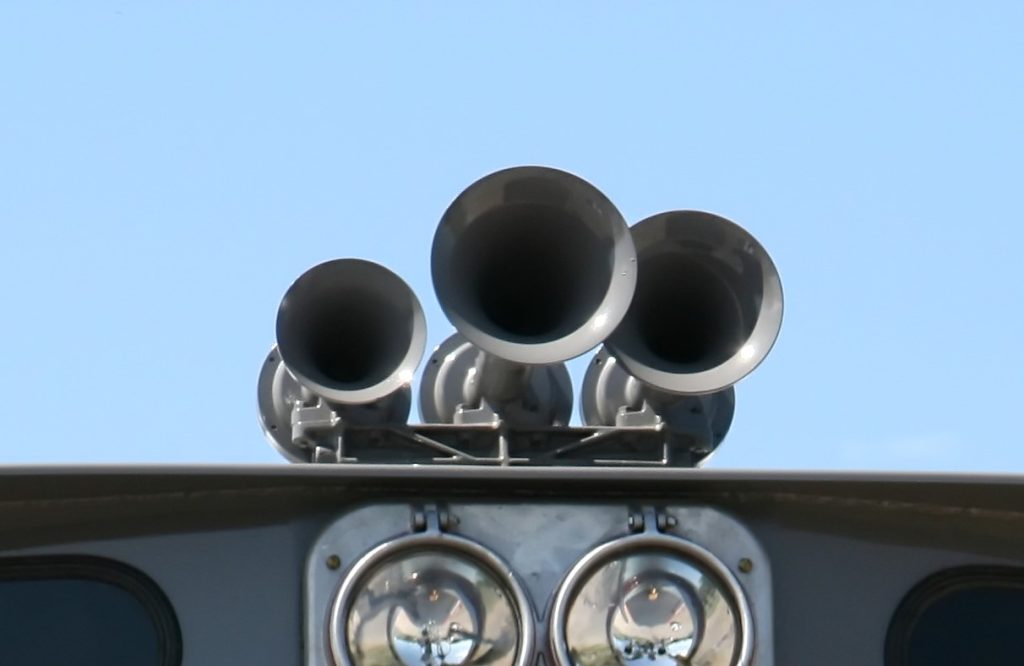
Top 5 EMD Parts Every Locomotive Engineer Should Know About

Top 5 EMD Parts Every Locomotive Engineer Should Know About

For seasoned locomotive engineers and industry experts, a deep understanding of critical EMD parts is invaluable. While traction motors remain fundamental, converting electrical energy to mechanical power, the intricacies of diesel engine elements like turbochargers and valve assemblies demand particular attention. Mastery of EMD’s control systems, especially the sophisticated modular design of the Dash-2 line, sets apart truly knowledgeable professionals. Braking system expertise, encompassing everything from brake shoes to cylinders, is crucial for safe and efficient operations. Equally important is a comprehensive grasp of electrical system fundamentals, with a focus on alternators, batteries, and DC motors.

These key components form the core of EMD locomotives, and in-depth knowledge of them is essential for optimal performance and advanced troubleshooting. When sourcing these critical parts, discerning engineers and procurement specialists often turn to established suppliers known for providing genuine, high-quality components from renowned manufacturers like ALCO, EMD, and GE. Such suppliers ensure the authenticity and reliability of parts, which is crucial for maintaining the integrity and efficiency of locomotive operations.

By staying current with the latest advancements in EMD technology and partnering with reputable parts suppliers like Mikura International, locomotive professionals can enhance their expertise and contribute significantly to the industry’s continued evolution and success.

Key Takeaways

Essential EMD Components for Seasoned Locomotive Engineers

• EMD 645 or 710 Series Diesel Engine: The powerhouse of many locomotives, this engine is fundamental to overall locomotive performance. Experienced engineers understand its intricacies and the importance of using high-quality, genuine parts for optimal operation.

• Traction Motors: These critical components convert electrical energy into mechanical power, driving locomotive propulsion. Knowledgeable professionals recognize that sourcing reliable traction motors from reputable suppliers is key to maintaining peak performance.

• Main Generator/Alternator: Producing electricity for traction motors and other systems, this component is vital for locomotive functionality. Industry veterans appreciate the value of genuine parts in ensuring consistent power generation.

• Engine Control Governor: Regulating engine speed and fuel injection, this part is crucial for efficient operation. Experts in the field understand that precision-engineered governors from trusted sources contribute significantly to locomotive efficiency.

• Dynamic Brake Grid: Essential for non-friction braking, particularly on descending grades. Seasoned engineers know that high-quality dynamic brake grids from established suppliers can enhance safety and control in challenging terrain.

For those with decades of experience in the industry, sourcing these critical components from reliable, authorized suppliers like Mikura International, ensures the continued performance and longevity of locomotive engines. Choosing genuine parts from reputable importers and exporters is essential for maintaining the integrity and efficiency of these complex machines.

Traction Motors

Traction motors convert electrical energy into mechanical power, driving the locomotive’s wheels and propelling the train forward. As a locomotive engineer, you’ll find these components pivotal to your train’s operation. Typically, you’ll be working with AC induction motors, which provide the necessary torque and power for efficient locomotion.

You’ll need to understand how traction motors interact with the locomotive’s control system. This system regulates speed and power output, ensuring the best performance across various operating conditions. It’s crucial to familiarize yourself with how these motors respond to different control inputs, as this knowledge will help you operate the locomotive more effectively.

The number of traction motors in your locomotive will vary depending on its design and power requirements. Some locomotives feature multiple motors per axle, while others may have a different configuration. You should be aware of your specific locomotive’s setup to better understand its capabilities and limitations.

As a locomotive engineer, you’ll play a pivotal role in maintaining these essential components. Regular monitoring and maintenance of traction motors are vital for ensuring the locomotive’s reliability and performance. You’ll need to be vigilant for any signs of wear, unusual noises, or performance issues that could indicate potential problems with the motors.

Diesel Engine Components

EMD’s diesel engine components form the core of your locomotive, powering its operation with a blend of reliability and performance. As a locomotive engineer, you’ll encounter three primary engine models: the 567, 645, and 710. These powerhouses are renowned for their durability and efficiency in rail applications.

To maintain peak performance, you’ll need to familiarize yourself with key engine components. Turbochargers boost engine power by forcing more air into the combustion chamber. Cam bearings support the camshaft, ensuring smooth valve operation. Valve assemblies control the flow of air and fuel into the cylinders, while maintenance accessories help you keep the engine in top shape.

Engine control and operation rely heavily on valve and governor components. Main reservoir check valves regulate air pressure, governor racks manage engine speed, and valve seats ensure proper sealing. You’ll find these parts vital for maintaining top engine function.

Don’t overlook the importance of bearings, bushings, seals, and gaskets. These components provide essential support, prevent leaks, and maintain proper engine alignment. Regular inspection and replacement of these parts can prevent costly breakdowns and extend engine life.

Lastly, pay attention to spring, lever, shim, and hardware components. These seemingly small parts play a significant role in engine operation and maintenance. Levers control various engine functions, springs provide tension and support, shims adjust clearances, and bushings reduce friction between moving parts.

Control Systems Overview

Control systems in modern locomotives frequently integrate advanced technologies to enhance performance, efficiency, and reliability. As a locomotive engineer, you’ll find that understanding these systems is essential for effective operation and troubleshooting.

EMD’s Dash-2 line, introduced in 1972, revolutionized locomotive technology with its modular design. This innovation made maintenance and troubleshooting significantly more straightforward for you and your team. You’ll appreciate the streamlined approach when dealing with system issues on the job.

The control systems you’ll encounter in EMD locomotives often include sophisticated features like AC induction motor drive and electronically controlled unit injectors. These advancements have greatly improved locomotive efficiency, and you’ll need to familiarize yourself with their operation and maintenance requirements.

As you work with EMD locomotives, you’ll notice the shift towards more integrated control systems. This integration allows for better coordination between various locomotive functions, resulting in improved overall performance. You’ll find that these systems provide you with more precise control and real-time feedback.

EMD’s commitment to innovation in control systems has led to enhanced locomotive reliability. As an engineer, you’ll benefit from this increased dependability during your shifts. However, it’s essential that you stay up-to-date with the latest developments in EMD control systems to maintain your expertise.

Braking System Essentials

As a locomotive engineer, you’ll find that mastering braking system essentials is crucial for safe and efficient train operations. The braking system is a pivotal component of any locomotive, responsible for controlling speed and bringing the train to a stop when necessary. You’ll need to be familiar with key components such as brake shoes, brake cylinders, brake rigging, and brake discs.

The braking system in your locomotive works by converting air pressure into mechanical force. When you activate the brakes, compressed air flows into the brake cylinders, which then apply force to the brake shoes or discs. This creates friction against the wheels, slowing or stopping the train. It’s vital to understand this process, as it directly impacts your ability to control the locomotive effectively.

You’ll need to pay close attention to the maintenance of these components. Regular inspections and timely replacements of wear items like brake shoes are crucial for optimal performance. Remember, your braking system is designed to handle heavy loads and varying operating conditions, so it’s essential to ensure it’s always in top shape.

As you operate your locomotive, you’ll need to consider factors such as train weight, track conditions, and weather when applying brakes. Proper brake application techniques will help you maintain control and prevent wheel slip or slide. By mastering these braking system essentials, you’ll be better equipped to handle the challenges of locomotive operation and guarantee the safety of your crew and cargo.

Electrical System Fundamentals

Electrical System Fundamentals | Top 5 EMD Parts Every Locomotive Engineer Should Know About

Understanding three key components – alternators, batteries, and DC motors – forms the foundation of locomotive electrical systems. As a locomotive engineer, you’ll need to grasp how these elements work together to power your train efficiently and safely.

Alternators are the primary source of electrical power in your locomotive. They’re composed of a stator, rotor, and rectifier, working in harmony to generate electricity. You’ll find that alternators not only power the DC motors but also maintain the charge of your locomotive’s batteries. This dual function ensures a continuous supply of electricity for various operations.

Batteries serve as your backup power source. They store energy and kick in when the alternator can’t meet the locomotive’s electrical demands. You’ll rely on these during startup and when the engine isn’t running. It’s essential to monitor battery health to avoid unexpected power failures.

DC motors are your locomotive’s workhorses. They convert the electrical energy from the alternator and batteries into mechanical energy, driving the train forward. You’ll need to understand how these motors function to troubleshoot any traction issues effectively.

The electrical system you’re managing powers a wide range of components beyond just propulsion. It’s responsible for lights, controls, and various other systems essential for safe operation. As you operate your locomotive, you’ll be constantly interacting with this intricate electrical network.

Cooling System Parts

While electrical systems power your locomotive, the cooling system maintains its engine running at peak temperatures. As a locomotive engineer, you’ll need to understand the critical components that regulate your engine’s temperature. EMD cooling system parts, including radiators, fans, and water pumps, work together to prevent overheating and maximize performance.

Radiators are the primary heat exchangers in your locomotive. They’re designed to dissipate the immense heat generated during engine operation. You’ll find them typically positioned at the top of the locomotive, where they can efficiently release heat into the surrounding air. Water pumps, on the other hand, are the heart of the cooling system. They circulate coolant through the engine, maintaining a stable operating temperature.

Here’s a quick reference table to help you understand the key cooling system components:

ComponentFunctionMaintenance Tip
RadiatorHeat dissipationCheck for leaks regularly
Water PumpCoolant circulationInspect for wear and tear
FanAir flow controlEnsure proper belt tension
CoolantHeat transfer mediumMonitor levels and quality

Fuel System Components

Fuel System Components

The fuel system forms the lifeblood of your locomotive, delivering diesel to the engine for combustion and power generation. As a locomotive engineer, you’ll need to be familiar with the key components that make up this vital system.

First, let’s focus on fuel injectors. These precision-engineered parts are responsible for atomizing diesel fuel as it enters the engine cylinders. This fine mist of fuel particles ensures efficient combustion, maximizing power output and minimizing waste. You’ll want to keep an eye on injector performance, as worn or clogged injectors can greatly impact engine efficiency.

Next, consider the fuel pumps. These workhorses maintain a steady flow of fuel from the tank to the injectors, adapting to varying engine demands. They’re designed to operate reliably under diverse conditions, from idle to full throttle. Regular maintenance of your fuel pumps is essential to prevent fuel starvation and maintain consistent engine performance.

Fuel filters play a crucial role in protecting your engine. They trap impurities and contaminants that could otherwise damage sensitive engine components. You’ll need to replace these filters according to the manufacturer’s schedule to maintain fuel quality and protect your engine’s longevity.

Lastly, don’t overlook the fuel lines. These conduits transport fuel throughout your locomotive, from the tank to the engine. They’re designed to withstand the vibrations and temperature fluctuations inherent in locomotive operation. Regular inspections for leaks or damage are vital to prevent fuel loss and maintain safety.

Understanding these fuel system components will help you keep your locomotive running smoothly and efficiently.

Locomotive Maintenance Checklist

For locomotive engineers, a thorough maintenance checklist is important to guarantee peak performance and safety of your EMD locomotive. Your checklist should focus on key components that require regular inspection and maintenance to prevent breakdowns and ensure smooth operation.

Start by inspecting and replacing worn-out bearings and bushings. These components are vital for preventing mechanical failures and maintaining the locomotive’s efficiency. Next, check and maintain valve components, including seats and discs. Proper valve function is essential for the engine’s performance and longevity.

Monitor and adjust spring tension and lever positions regularly. This ensures best performance and safety across various systems within the locomotive. Don’t forget to replace seals and gaskets as needed to prevent leaks and maintain system integrity.

Here’s a quick reference table for your maintenance checklist:

ComponentActionFrequency
Bearings & BushingsInspect & ReplaceMonthly
Valve ComponentsCheck & MaintainBi-weekly
Springs & LeversMonitor & AdjustWeekly
Seals & GasketsReplaceAs needed

Lastly, keep all hardware components in good condition. This includes nuts, bolts, and oil lines. Regular inspection and replacement of these items can prevent unexpected malfunctions during operation.

You may be interested in reading – How to Choose the Right EMD Locomotive Electrical Parts for Your Needs

Frequently Asked Questions

Does EMD Still Build Locomotives?

No, EMD doesn’t build new locomotives anymore. They’re now part of Progress Rail and focus on providing locomotive components and services. You’ll find EMD’s expertise in high-quality parts and advanced electronics for the rail industry. While they don’t manufacture new locomotives, EMD still plays an essential role in the industry. They offer remanufactured and repowered locomotives under the EMD brand, continuing to innovate and improve locomotive technology through their specialized services.

Is EMD Owned by Caterpillar?

Yes, EMD is owned by Caterpillar. In 2010, Caterpillar acquired Electro-Motive Diesel (EMD) for $820 million through its subsidiary, Progress Rail. This strategic move expanded Caterpillar’s presence in the locomotive industry. Since the acquisition, Caterpillar has incorporated EMD’s expertise and technology into its portfolio, leading to advancements in locomotive technology and services. You’ll find that EMD’s operations now fall under Caterpillar’s umbrella, benefiting from the resources and support of this industry giant.

How Much Horsepower Does the EMD Locomotive Have?

You’ll find EMD locomotives pack quite a punch in the power department. Their horsepower ranges from a modest 2,000 to an impressive 6,000, depending on the model. You’re looking at around 4,300 horsepower for the popular SD70 series, while the beefy SD90MAC-H boasts a whopping 6,000 horsepower. EMD tailors their locomotive power output to suit various freight and passenger needs, ensuring you’ve got the right amount of muscle for your specific rail operations.

Does GM Own Emd?

No, GM doesn’t currently own EMD. While GM purchased EMD in 1930 and owned it for decades, they sold the company in 2005 to Greenbriar Equity Group and Berkshire Partners. In 2010, Caterpillar acquired EMD for $820 million. Today, EMD operates under Progress Rail, a subsidiary of Caterpillar. These ownership changes have greatly impacted EMD’s development and operations over the years, shifting its focus and strategic direction within the locomotive industry.

How to Train Your Team on EMD Parts Maintenance

How to Train Your Team on EMD Parts Maintenance

To train your team on EMD parts maintenance, start with a thorough understanding of components like traction motors, generators, and engine systems. Conduct hands-on training sessions focusing on practical experience and safety protocols. Teach essential diagnostic tools and techniques, emphasizing systematic troubleshooting. Implement preventive maintenance strategies, including fluid monitoring and proactive component replacement. Ensure efficient troubleshooting of common issues and establish robust documentation practices. Cultivate a culture of continuous learning and improvement through regular assessments and access to official EMD resources. By following these steps, you’ll equip your team with the skills needed for effective locomotive maintenance. There’s more to explore in optimizing your team’s performance.

Key Takeaways

• Conduct hands-on training sessions with real EMD locomotive components for practical experience and skill-building.

• Implement a comprehensive safety program focusing on PPE compliance and emergency protocols specific to locomotive maintenance.

• Teach diagnostic techniques using specialized tools and EMD software for systematic troubleshooting and performance analysis.

• Establish a robust preventive maintenance strategy with strict schedules and detailed inspections of critical components.

• Foster continuous learning through regular assessments, access to EMD maintenance instructions, and ongoing skill development initiatives.

Understanding EMD Parts

EMD locomotive components serve as the foundation of your maintenance training program, requiring a comprehensive understanding of each system’s function and interconnectivity. When training your team, it’s essential to focus on key components such as traction motors, electrical components, and engine systems. These elements work together to power and control the locomotive, making them vital for safe and efficient operation.

Start by introducing your team to traction motors, which convert electrical energy into mechanical energy to propel the locomotive. Highlight the importance of regular inspections and maintenance to prevent wear and ensure peak performance. Next, explore the electrical components, including generators, alternators, and control systems. Educate your team on how these parts interact to regulate power distribution and locomotive functions.

Engine systems are another crucial area of focus. Acquaint your team with turbochargers and fuel injectors, explaining their roles in enhancing engine efficiency and power output. Emphasize the significance of proper maintenance for these components to prevent engine damage and ensure maximum fuel efficiency.

When addressing cooling systems, emphasize the importance of routine inspections and cleaning to prevent overheating. Train your team to identify signs of wear or malfunction in power assemblies, generator sets, and brake systems. Stress the significance of adhering to manufacturer guidelines and safety protocols when working on these components.

Hands-On Training Sessions on EMD Parts

Building upon your team’s theoretical knowledge of EMD locomotive components, hands-on training sessions provide the practical experience necessary for effective maintenance and repair procedures. These interactive workshops focus on skill-building exercises and real-world simulations, allowing your team to develop vital hands-on experience with EMD parts.

During practical demonstrations, you’ll guide your team through the proper maintenance techniques for various components. Emphasize safety protocols and best practices throughout these sessions. Utilize EMD maintenance instructions and guidelines to make certain your team follows manufacturer-recommended procedures. Encourage active participation and provide opportunities for team members to practice tasks such as:

• Inspecting and testing traction motors
• Troubleshooting fuel system issues
• Performing routine maintenance on diesel engine components
• Calibrating and adjusting safety valves

As your team engages in these hands-on experiences, they’ll gain confidence in their ability to identify, maintain, and repair EMD parts. Real-world simulations can help reinforce the importance of proper maintenance procedures and their impact on locomotive performance and safety.

Throughout the training, assess your team’s progress and understanding. Provide constructive feedback and additional guidance where needed. By combining practical demonstrations with interactive workshops, you’ll make sure that your team develops the necessary skills to effectively maintain EMD parts.

Remember to continually update your training program to reflect any changes in EMD maintenance guidelines or new technologies. This ongoing commitment to hands-on training will help your team stay current with best practices and maintain a high level of expertise in EMD parts maintenance.

Safety Procedures and Protocols

Prioritize safety by implementing rigorous procedures and protocols for EMD parts maintenance to protect your team and equipment. Establish a thorough safety program that emphasizes PPE compliance and lockout/tagout training. Make sure your team understands the importance of wearing appropriate personal protective equipment at all times during maintenance tasks. Conduct regular safety audits and compliance reviews to strengthen these practices and identify areas for improvement.

Develop and implement emergency shutdown protocols for EMD locomotives. Train your team to recognize situations that require immediate shutdown and provide clear, step-by-step procedures to follow. This knowledge is essential for preventing maintenance accidents and ensuring crew safety in critical situations.

Address the proper handling and storage of hazardous materials used in EMD locomotive maintenance. Create detailed guidelines for the safe use, transportation, and disposal of these substances. Provide your team with specialized training on handling procedures and storage guidelines to minimize risks associated with these materials.

Incorporate regular safety drills and simulations into your training program. These exercises will help your team internalize safety protocols and react quickly in emergency situations. Focus on scenarios specific to EMD parts maintenance, such as electrical malfunctions or fuel system issues.

Emphasize the importance of clear communication and teamwork in maintaining a safe work environment. Encourage your team to report potential hazards and near-misses, fostering a culture of proactive safety management. By prioritizing safety procedures and protocols in your EMD parts maintenance training, you’ll create a safer, more efficient workplace for your team.

Diagnostic Tools and Techniques Used in Maintenance of EMD Parts

To effectively maintain EMD parts, it’s important to equip your team with a thorough understanding of diagnostic tools and techniques. Start by introducing them to essential testing procedures and equipment calibration methods. Teach them how to use multimeters and oscilloscopes for accurate voltage measurements and signal analysis. These tools are vital for fault detection in EMD locomotive electrical systems.

Train your team to utilize EMD’s diagnostic software, which provides detailed insights into locomotive part performance. This software is invaluable for identifying and resolving issues efficiently. Emphasize the importance of regular calibration for all diagnostic equipment to ensure accurate readings and reliable fault detection.

Implement hands-on training sessions where your team can practice:

• Conducting visual inspections of EMD locomotive components
• Using specialized tools for diagnosing mechanical issues
• Interpreting EMD parts manuals and schematics
• Performing voltage measurements and signal analysis on various systems

Focus on teaching techniques for systematic troubleshooting. Encourage your team to follow a step-by-step approach when diagnosing problems, starting with visual inspections and progressing to more complex testing procedures. Stress the importance of documenting all findings and test results for future reference and trend analysis.

Incorporate regular assessments to evaluate your team’s proficiency in using diagnostic tools and techniques. This will help identify areas for improvement and ensure that your team maintains a high level of expertise in EMD parts maintenance. By mastering these diagnostic skills, your team will be well-equipped to efficiently detect, diagnose, and resolve issues, minimizing downtime and ensuring peak locomotive performance.

Preventive Maintenance Strategies

Preventive Maintenance Strategies | How to Train Your Team on EMD Parts Maintenance

Implementing a thorough preventive maintenance strategy is vital for optimizing EMD locomotive performance and extending the lifespan of critical parts. To achieve this, you’ll need to establish and adhere to strict maintenance schedules for all EMD locomotive components. These schedules should outline specific tasks, frequencies, and responsible personnel for each maintenance activity.

Train your team to conduct detailed inspections during maintenance checks, focusing on early identification of potential issues. This proactive approach allows you to address minor problems before they escalate into major failures, minimizing downtime and repair costs. Emphasize the importance of following EMD’s recommended maintenance protocols to ensure peak performance and longevity of locomotive parts.

Fluid monitoring is an important aspect of preventive maintenance. Teach your team to regularly check and analyze fluid levels and quality, including engine oil, coolant, and hydraulic fluids. Proper lubrication and fluid management are crucial for the smooth operation of EMD parts and can greatly impact their lifespan.

Instruct your team on the importance of prompt replacements for worn-out components. Delaying the replacement of deteriorating parts can lead to cascading failures and increased maintenance costs. By implementing a proactive replacement strategy, you’ll maintain consistent performance and prevent unexpected breakdowns.

Troubleshooting Common Issues

When troubleshooting common issues with EMD parts, you’ll need to equip your team with a structured approach to identify, diagnose, and resolve problems efficiently. Start by training your team to recognize warning signs of potential failures in critical components such as traction motors, air brakes, and fuel systems. Teach them to look for unusual noises, vibrations, or performance changes that might indicate an impending issue.

Next, focus on developing your team’s diagnostic skills. Train them to use specialized tools and equipment to test and analyze various locomotive components. For example, when dealing with traction motor problems, make sure they can perform insulation resistance tests and check for proper brush wear. Similarly, for air brake issues, educate them to inspect brake shoes, test air compressors, and verify proper operation of control valves.

To enhance your team’s troubleshooting abilities, provide them with a detailed guide that outlines common issues and their potential causes. Include the following key areas:

• Traction motor failures and electrical system malfunctions
• Air brake system leaks and pressure loss
• Fuel system contamination and injector problems
• Alternator troubleshooting and voltage regulation issues

Emphasize the importance of safety throughout the troubleshooting process. Make certain your team understands proper lockout/tagout procedures and uses appropriate personal protective equipment when working on locomotive parts.

Documentation and Record Keeping

Documentation and Record Keeping

In accordance with industry best practices, you’ll need to establish a robust documentation and record-keeping system for your EMD parts maintenance program. This system is essential for ensuring data accuracy, tracking maintenance activities, and facilitating efficient operations.

Implement a detailed maintenance log system that captures specific information about each service performed. Include dates, technician names, specific tasks completed, and parts replaced or repaired. These logs serve as a valuable resource for tracking repair history and identifying recurring issues with particular components.

Develop a part tracking system that monitors the lifecycle of each locomotive component. Record installation dates, maintenance intervals, and replacement schedules. This information will help you optimize inventory management and plan for future maintenance needs.

Ensure your documentation process includes thorough compliance monitoring. Keep records of all inspections, tests, and certifications required by regulatory bodies. This practice will help you maintain safety standards and avoid potential penalties.

Train your team on proper data entry techniques to maintain consistency and accuracy in all records. Emphasize the importance of capturing detailed and accurate information for each maintenance activity.

Regularly review and analyze your maintenance logs and repair history to identify trends, assess part performance, and make informed decisions about maintenance strategies. Use this data to refine your maintenance schedules and improve overall locomotive reliability.

Continuous Learning and Improvement

To stay ahead in EMD parts maintenance, you’ll need to nurture a culture of ongoing learning and improvement within your team. Implement regular training assessments to evaluate your team’s knowledge retention and identify areas for skill enhancement. Collect feedback from your team members to understand their specific training needs and adjust your programs accordingly. This approach guarantees that your training remains relevant and effective.

Engage your team in the learning process by:

• Organizing periodic workshops focused on new EMD locomotive technologies
• Encouraging participation in industry conferences and seminars
• Facilitating peer-to-peer knowledge sharing sessions
• Implementing a mentorship program for less experienced team members

Utilize EMD’s official maintenance instructions to create thorough training materials that cover the latest procedures and safety protocols. Incorporate hands-on practice sessions and simulations to reinforce theoretical knowledge and improve practical skills. This approach enhances your team’s ability to troubleshoot and maintain EMD parts effectively.

Provide access to online resources and courses specifically tailored to EMD parts maintenance. These digital platforms offer flexibility and allow team members to learn at their own pace, promoting continuous skill development. Regularly update these resources to reflect the latest industry standards and technological advancements.

Implement a structured feedback collection system to gather insights on the effectiveness of your training programs. Use this information to refine your training methods and content, ensuring that your team’s learning experience remains engaging and relevant. By prioritizing ongoing learning and improvement, you’ll maintain a highly skilled workforce capable of efficiently managing EMD parts maintenance.

You may also be interested in reading – Common Issues with EMD Parts and How to Fix Them.

Frequently Asked Questions

How Often Do Locomotives Need Maintenance?

Ever wondered how often locomotives need a checkup? You’ll typically need to perform maintenance every 92 or 184 days, depending on operating conditions. Maintenance schedules are essential preventive measures to guarantee safety and best performance. Your inspection practices should include regular checks on key components, with some parts requiring more frequent attention. Implement proper repair techniques and adhere to training requirements to keep your locomotives running smoothly. Remember, consistent maintenance helps identify issues early, preventing expensive breakdowns and downtime.

Does EMD Still Build Locomotives?

Yes, EMD still builds locomotives, continuing its rich EMD locomotive history. While their market share has decreased, they’re actively developing EMD locomotive technology and innovations. You’ll find EMD focusing on more efficient and environmentally friendly designs, adapting to modern rail industry needs. Their future involves enhancing locomotive performance, reducing emissions, and improving fuel efficiency. As you explore the EMD locomotive market, you’ll notice their commitment to safety and reliability remains paramount in their current and future product offerings.

What Does EMD Stand for in Locomotives?

EMD stands for Electro Motive Diesel in locomotive technology. This company is renowned for its innovative diesel engines and locomotive parts. When you’re working with EMD components, you’ll encounter cutting-edge solutions designed for best performance and safety. Understanding EMD’s significance is important for effective maintenance training. As you explore EMD’s world, you’ll discover a rich history of engineering excellence that continues to shape the railroad industry’s future through advanced locomotive technology.

What Is Locomotive Maintenance?

Picture a massive locomotive, its engine roaring to life. Locomotive maintenance is your key to keeping this behemoth running smoothly. It’s a set of maintenance procedures that guarantee your train’s best performance and safety. You’ll learn the significance of maintenance through hands-on training techniques, focusing on troubleshooting tips and preventative measures. By mastering these skills, you’ll extend your locomotive’s lifespan, prevent breakdowns, and sustain efficiency. Remember, proper maintenance is vital for safe and dependable rail operations.

You may also be interested in reading – EMD Maintenance Instructions.

Cost-Effective Solutions for Replacing EMD Parts

Cost-Effective Solutions for Replacing EMD Parts

To reduce costs when replacing EMD parts, consider both aftermarket and OEM components. Aftermarket parts often offer savings but may have compatibility issues, while OEM parts ensure peak performance. Engine overhaul kits streamline repairs and guarantee compatibility. Upgrade electrical systems with advanced control modules and improved wiring harnesses for enhanced effectiveness. Implement brake system upgrades for better safety and reduced maintenance. Improve fuel efficiency through performance tuning and high-precision injectors. Don’t overlook cooling system maintenance and traction motor refurbishment. By exploring these options, you’ll find cost-effective solutions that balance quality, efficiency, and longevity for your EMD locomotive.

Key Takeaways

• Consider high-quality aftermarket parts from reputable suppliers like Mikura International to balance cost savings with reliability and performance.

• Invest in engine overhaul kits to ensure compatibility, streamline installation, and extend engine life.

• Upgrade electrical systems with advanced components for improved power distribution and diagnostic capabilities.

• Implement brake system upgrades focusing on electronic controls and high-quality components for enhanced safety and efficiency.

• Optimize fuel efficiency through performance tuning, engine upgrades, and regular maintenance to reduce long-term operating costs.

Aftermarket Parts Vs. OEM Components

When choosing between aftermarket parts and OEM components for EMD locomotives, you’ll need to weigh the cost savings against potential differences in quality and compatibility. Cost considerations are often the primary driver for exploring aftermarket options, as these parts typically offer significant savings compared to their OEM counterparts.

However, compatibility concerns should be at the forefront of your decision-making process. While aftermarket parts are designed to fit EMD locomotives, they may not always match the exact specifications of OEM components. This can lead to potential issues during installation or operation, which could offset any initial cost savings.

Conducting a thorough quality comparison is essential when evaluating aftermarket parts. You’ll find that the quality of these components can vary widely between manufacturers. It’s important to source from reputable suppliers like Mikura International who prioritize manufacturing standards and material quality.

Performance evaluation is another important factor to take into account. OEM components are specifically engineered for EMD engines, ensuring excellent performance and efficiency. Aftermarket parts may not always meet the same stringent performance criteria, potentially affecting your locomotive’s overall output and fuel efficiency.

A reliability assessment should be part of your decision-making process. OEM components often come with a track record of dependability and longevity. While some aftermarket parts may match or even exceed OEM reliability, others might fall short, leading to more frequent replacements and increased downtime.

Engine Overhaul Kits

Choosing the right engine rebuild kit for your EMD locomotive is crucial for maximizing performance and minimizing downtime during maintenance operations. These all-inclusive packages include all the necessary components to rebuild or refurbish your locomotive’s engine, ensuring parts compatibility and streamlining the installation process. By opting for a high-quality engine rebuild kit, you’ll experience significant performance benefits and cost savings in the long run.

When selecting an engine rebuild kit, consider the following factors:

  1. Parts compatibility: Confirm that the kit is specifically designed for your EMD locomotive model
  2. Warranty coverage: Seek kits that offer strong warranties to protect your investment
  3. Component quality: Select kits with top-notch parts to enhance engine longevity and reliability

Engine rebuild kits typically contain vital components such as gaskets, bearings, and seals. These parts work together to restore your locomotive’s engine to peak condition. By using a complete kit, you’ll eliminate the need to source individual parts, saving time and reducing the risk of compatibility issues.

The installation process becomes more efficient when using an engine rebuild kit. Your maintenance crew can work with a pre-packaged set of components, reducing the likelihood of errors or missing parts during the rebuild. This streamlined approach translates to shorter downtime periods and improved operational efficiency.

Performance benefits of using engine rebuild kits include enhanced reliability, extended engine life, and optimized locomotive performance. These improvements contribute to overall cost savings by reducing the frequency of maintenance interventions and minimizing unexpected breakdowns. Additionally, many aftermarket engine rebuild kits offer competitive pricing compared to OEM alternatives, further enhancing your cost-effective maintenance strategy.

Electrical System Replacement Options

Exploring electrical system replacement options for EMD locomotives can greatly enhance performance and reduce long-term operating costs. When considering upgrades, you’ll want to focus on key components that offer the most significant improvements in efficiency and reliability.

Start by evaluating power converter upgrades. Modern converters can provide more stable and efficient power distribution, leading to improved locomotive performance and reduced energy consumption. Pair this with voltage regulator enhancements to guarantee precise control of electrical output, minimizing the risk of component damage due to voltage fluctuations.

Control module replacements are another critical area for improvement. Advanced control systems can optimize engine performance, adjust traction motor output, and provide real-time diagnostics. These upgrades simplify maintenance processes and help prevent unexpected breakdowns.

Don’t overlook battery system improvements. Enhanced battery technologies offer longer life spans, faster charging capabilities, and improved cold-weather performance. This can lead to reduced maintenance requirements and increased locomotive availability.

Wiring harness updates are vital for ensuring reliable electrical connections throughout the locomotive. Modern harnesses are designed for improved durability and resistance to environmental factors, reducing the risk of electrical failures.

When implementing these electrical system replacement options, consider the compatibility with existing systems and the potential for future upgrades. Investing in high-quality aftermarket components specifically designed for EMD locomotives can offer cost-effective solutions that enhance performance and extend the lifespan of your fleet. By strategically upgrading your electrical systems, you’ll improve reliability, reduce downtime, and ultimately enhance the productivity of your rail operations.

Brake System Upgrades

Brake system upgrades offer numerous advantages for EMD locomotives, including enhanced safety, improved efficiency, and reduced long-term maintenance costs. When considering these upgrades, you’ll want to focus on key components such as brake pad selection, caliper upgrades, and disc replacement options. By investing in modern braking technologies, you can greatly enhance your locomotive’s stopping power and overall performance.

One of the most critical aspects of brake system upgrades is the implementation of electronic control systems. These advanced systems provide more precise control over braking operations, resulting in smoother stops and improved safety. Additionally, they can help optimize brake pad wear, extending the life of your components and reducing maintenance frequency.

When upgrading your EMD locomotive’s brake system, consider the following key points:

  1. Choose high-quality brake pads designed specifically for EMD locomotives to ensure top-notch performance and longevity.
  2. Invest in caliper upgrades that offer improved clamping force and heat dissipation for enhanced stopping power.
  3. Explore disc replacement options that provide better heat management and reduced wear rates.

By focusing on these areas, you’ll be able to achieve notable stopping power enhancements while also improving overall efficiency. Remember that investing in brake system upgrades isn’t just about improving performance; it’s also about guaranteeing compliance with industry safety standards and reducing long-term maintenance costs.

When selecting components for your brake system upgrade, prioritize quality and compatibility with your specific EMD locomotive model. By choosing cost-effective solutions that are designed to meet the unique requirements of your locomotive, you’ll be able to maximize the benefits of your upgrade while minimizing expenses.

Fuel Efficiency Improvement Solutions

Fuel Efficiency Improvement Solutions | Cost-Effective Solutions for Replacing EMD Parts

For EMD locomotives, you’ll find numerous fuel efficiency improvement solutions that can greatly reduce operating costs and environmental impact. By implementing performance tuning and engine upgrades, you can achieve significant fuel savings and efficiency enhancements. One of the most effective ways to enhance fuel consumption is by upgrading your locomotive’s fuel injectors. High-precision injectors improve combustion optimization, leading to improved fuel economy and reduced emissions.

Another key area for improvement is the turbocharger system. Replacing worn-out turbochargers with modern, more efficient models can substantially enhance engine performance and fuel efficiency. Regular maintenance and timely replacement of these components are essential for maintaining ideal fuel consumption levels.

Here’s a table summarizing some fuel efficiency improvement solutions:

SolutionBenefitsImplementation
Fuel Injector UpgradeImproved combustion, better fuel economyReplace old injectors with high-precision models
Turbocharger ReplacementEnhanced engine performance, increased efficiencyInstall modern, more efficient turbochargers
Engine Control System UpdateOptimized fuel delivery, reduced emissionsUpgrade software and hardware components

To further boost your locomotive’s fuel efficiency, consider retrofitting for better environmental performance. This can include installing advanced emissions control systems or upgrading to more efficient cooling systems. These improvements not only reduce fuel consumption but also help meet strict environmental regulations.

Cooling System Maintenance Strategies

While enhancing fuel efficiency is vital, maintaining your EMD locomotive’s cooling system is equally important for guaranteeing long-term performance and reliability. Proper cooling system maintenance can prevent engine overheating, reduce downtime, and extend the lifespan of your locomotive’s components. To achieve this, you’ll need to implement effective strategies that focus on regular inspections, timely replacements, and proactive monitoring.

Start by incorporating coolant analysis into your maintenance routine. This will help you evaluate the quality of your coolant and identify any potential issues before they escalate. Regularly inspect your radiator for signs of damage, leaks, or debris buildup that could hinder heat transfer. Don’t forget about fan maintenance – clean and lubricate fan components to ensure peak airflow and cooling efficiency.

Here are three key steps to enhance your cooling system maintenance:

  1. Conduct regular hose replacement to prevent leaks and failures
  2. Implement a temperature monitoring system to track coolant performance
  3. Flush and replace coolant at manufacturer-recommended intervals

By following these strategies, you’ll maintain proper coolant levels and quality, which are essential for preventing engine overheating and sustaining peak performance. Remember to inspect cooling system components like hoses, radiators, and fans frequently to identify potential issues early on. This proactive approach will help you address cooling system problems promptly, preventing costly repairs and downtime.

Monitoring coolant temperatures and pressures during operation is vital for evaluating cooling system health and detecting potential problems. By implementing these cooling system maintenance strategies, you’ll guarantee smooth locomotive operation and maximize the lifespan of your EMD locomotive’s components.

Traction Motor Refurbishment Techniques

Traction Motor Refurbishment Techniques

Traction motor refurbishment is a vital process that can greatly extend the life and improve the performance of your EMD locomotive’s propulsion system. This cost-effective solution involves a series of specialized techniques and procedures carried out by skilled technicians to restore your traction motors to peak functionality.

The refurbishment process begins with a thorough disassembly and inspection of the motor components. Technicians use specialized equipment like motor testers to diagnose any issues and determine the necessary repairs. One of the key aspects of refurbishment is coil rewinding, which involves replacing damaged or worn-out windings to restore the motor’s electrical efficiency. Bearing replacement is another essential step, ensuring smooth operation and reducing friction-related wear.

Component cleaning is vital for removing dirt, debris, and contaminants that can affect performance. Technicians use specialized cleaning methods to guarantee all parts are thoroughly cleaned before reassembly. Throughout the process, repair guidelines provided by manufacturers and industry standards are strictly followed to maintain quality and reliability.

Once repairs and cleaning are complete, technicians reassemble the motor and conduct performance testing. This step ensures that the refurbished motor meets or exceeds the original specifications. Testing may include load tests, insulation resistance checks, and vibration analysis to verify proper functioning.

Locomotive Frame Repair Methods

Following our discussion on traction motor refurbishment, we’ll now explore another essential aspect of locomotive maintenance: frame repair methods. Locomotive frames, the backbone of these powerful machines, require specialized repair techniques to guarantee ongoing safety and performance.

When you’re dealing with locomotive frame repair, you’ll need to focus on restoring structural integrity through advanced welding techniques. Skilled technicians employ specialized repair methods to address common issues like cracks, fractures, and distortion in locomotive frames. These experts use precision alignment tools to ensure accurate restoration of frame geometry, which is vital for maintaining the locomotive’s overall performance and safety.

To effectively assess the extent of frame damage, you’ll rely on non-destructive testing methods. These assessment techniques allow you to identify hidden flaws without compromising the frame’s integrity. By utilizing these advanced diagnostic tools, you can make informed decisions about the necessary repairs and guarantee compliance with safety standards.

Here are three key aspects of locomotive frame repair you should consider:

  1. Specialized welding techniques for different frame materials
  2. Precision alignment procedures to maintain proper geometry
  3. Non-destructive testing methods for thorough damage assessment

You may also like to read – Common Issues with EMD Parts and How to Fix Them

Frequently Asked Questions

Does EMD Still Make Locomotives?

You might be shocked to learn that EMD, once a locomotive manufacturing giant, no longer builds new locomotives! Since 2013, they’ve shifted gears dramatically. Now, EMD focuses on their rich locomotive history, providing cutting-edge innovations for maintenance and upgrades. They’re still a powerhouse in the locomotive market, offering advanced technology solutions to keep existing engines running smoothly. While you won’t see brand-new EMD locomotives rolling off the production line, their expertise in locomotive maintenance keeps the industry moving forward.

Who Builds EMD Engines?

EMD engines are primarily built by Progress Rail, a subsidiary of Caterpillar Inc. Originally, Electro-Motive Diesel (EMD) was a division of General Motors, but it was sold to Progress Rail in 2010. Today, you’ll find EMD engines manufactured by Progress Rail, continuing the legacy of Electro Motive’s design. While Wabtec produces some EMD-compatible parts, they’re not the primary manufacturer of EMD engines. It’s worth noting that Caterpillar’s ownership has brought new resources and technology to EMD engine production.

How Much Horsepower Does the EMD Locomotive Have?

You’re looking at a locomotive powerhouse, with EMD engines roaring like iron lions. Their horsepower varies widely, typically ranging from 1,000 to 5,000. Some models, like the SD70 series, pack over 4,000 hp, while the SD90MAC-H boasts an impressive 6,000 hp. Power output depends on the specific model and configuration. Engine technology advancements have improved efficiency comparisons over time. Performance upgrades can boost horsepower, but consider potential impacts on maintenance costs when exploring these options.

How Can You Tell the Difference Between a EMD and GE Locomotive?

To identify EMD vs GE locomotives, you’ll need to understand locomotive design and manufacturer comparisons. Look for EMD’s distinctive ‘bulldog’ nose and boxy shape, compared to GE’s sleeker appearance. You’ll spot dynamic brake grids on EMD roofs, while GE doesn’t typically have these. Check the rear for EMD’s unique radiator fans. Engine specifications differ too; EMD uses their trademark engines, while GE equips their locomotives with General Electric engines. These key differences will help you distinguish between the two manufacturers.

You may also like to read – How We Take An Older Locomotive And Make It A Smart, Connected Machine

How to Ensure Safety When Handling EMD Parts

How to Ensure Safety When Handling EMD Parts

To ensure safety when handling EMD parts, you’ll need to prioritize personal protective gear (PPE) and proper handling techniques. Always wear safety glasses, gloves, protective footwear, and respiratory protection. Use suitable lifting gear and implement secure storage methods. Regularly inspect parts for hazards like sharp edges and pinch points. Follow strict tool safety procedures and maintain equipment properly. Undergo thorough training and certification programs to master essential maintenance tasks. Implement rigorous inspection procedures and keep detailed records of all maintenance activities. By adhering to these safety measures, you’ll minimize risks and maximize efficiency in your locomotive maintenance operations.

Key Takeaways

• Wear appropriate personal protective equipment including safety goggles, gloves, boots, and respiratory protection.

• Implement proper handling techniques, using correct lifting equipment and secure storage methods.

• Conduct thorough hazard assessments, identifying risks like sharp edges, pinch points, and electrical hazards.

• Establish clear emergency response procedures and communication protocols for quick incident management.

• Undergo comprehensive training and certification programs, focusing on safety protocols and maintenance procedures.

Personal Protective Equipment Requirements

When you’re handling EMD parts, it’s essential to wear the appropriate personal protective equipment (PPE) to safeguard against potential hazards and guarantee your safety. Your eyes are particularly vulnerable, so you must always wear safety goggles to protect them from debris, chemicals, or other particles that could cause injury. Eye protection is non-negotiable and should be worn throughout your entire shift.

Hand safety is equally important when working with locomotive parts. You’ll need to wear gloves that are suitable for the task at hand. These gloves will protect you from cuts, abrasions, and potential chemical exposure. They’ll also provide a better grip when handling heavy or slippery components.

Footwear requirements are strict in this environment. You must wear protective boots with steel toes to shield your feet from crushing injuries if parts accidentally fall. These boots should also have non-slip soles to prevent slips and falls on potentially oily or wet surfaces.

Be aware of respiratory hazards when handling certain locomotive parts. If you’re working with components that generate dust, fumes, or harmful vapors, you’ll need to use appropriate respiratory protection. This might include masks or respirators, depending on the specific hazard.

PPE compliance is not optional; it’s a mandatory aspect of your job. Always make sure you’re wearing the required PPE before starting any task. Remember, these requirements are in place to protect you and your colleagues. By following these guidelines, you’ll greatly reduce the risk of accidents and injuries while handling EMD parts.

Proper Handling Techniques for EMD Parts

To guarantee the safe and efficient handling of EMD parts, you must adhere to specific techniques that minimize the risk of damage and personal injury. Proper handling is essential for equipment maintenance and maintains the longevity of these critical components.

Begin by accurately identifying the part you’re working with. Each EMD locomotive component has unique characteristics and handling requirements. Consult manufacturer guidelines and part schematics to understand the specific precautions needed for sensitive items like fuel injectors and turbochargers.

When lifting heavy parts, always use appropriate lifting equipment and techniques. Consider the weight distribution of the component to maintain balance and prevent strain. For larger parts, utilize forklifts or overhead cranes, ensuring they’re rated for the load. Never attempt to lift heavy components manually, as this can lead to severe injuries.

Implement a secure storage system for EMD parts. Designate specific areas for different components, organizing them by size, frequency of use, and sensitivity. This approach facilitates easier access during maintenance procedures and reduces the risk of accidental damage.

Transport safety is paramount when moving parts within the maintenance facility. Use dedicated carts or trolleys designed for locomotive components, securing items properly to prevent shifting or falling during transit. When transporting parts over longer distances, employ specialized packaging to protect against vibration and environmental factors.

Regularly inspect handling equipment and storage areas to ensure they remain in optimal condition. Address any wear or damage promptly to maintain a safe working environment. By following these handling techniques, you’ll greatly reduce the risk of accidents and enhance overall safety in EMD locomotive maintenance operations.

Tool and Equipment Safety

https://www.youtube.com/watch?v=3xCzonx1kBk

Proper tool and equipment selection is critical for guaranteeing safety when handling EMD parts. You must use tools and equipment specifically designed for the task at hand, as improper tools can lead to accidents or damage to the parts. Always inspect your tools before use, checking for any signs of wear, damage, or defects that could compromise their functionality or safety.

Implement a regular tool maintenance schedule to keep your equipment in best condition. This includes cleaning, lubricating, and calibrating tools as necessary. Proper equipment storage is equally important; store tools in designated areas to prevent damage and make sure they’re readily available when needed.

Develop and use an inspection checklist for your tools and equipment:

Inspection ItemDaily CheckWeekly CheckMonthly Check
Visual Damage
Functionality
Calibration
Lubrication
Deep Cleaning

Adhere to safety precautions when using tools and equipment. Wear appropriate personal protective equipment (PPE) such as safety glasses, gloves, and steel-toed boots. Guarantee your work area is well-lit and free from clutter to prevent tripping hazards.

Follow proper handling procedures for EMD parts. Use lifting aids for heavy components and maintain correct posture when lifting or carrying parts. Be aware of pinch points and sharp edges, and use guards or covers when necessary. By implementing these tool and equipment safety measures, you’ll notably reduce the risk of accidents and injuries while handling EMD parts.

Hazard Identification and Assessment

Hazard identification and assessment are crucial for safe EMD locomotive part handling practices. When engaging in this pivotal task, it is crucial to carry out a thorough hazard analysis to pinpoint potential risks linked to handling these components. This procedure involves meticulously examining each part and taking into account factors such as weight, shape, and potential energy sources.

To effectively reduce risks and establish safety measures, you should:

  1. Methodically inspect every locomotive part, checking for sharp edges, pinch points, and unstable surfaces that could result in injuries.
  2. Evaluate the electrical systems and components, pinpointing potential shock hazards or arc flash risks that may necessitate specialized handling procedures.
  3. Consider the ergonomic difficulties involved in moving and maneuvering heavy or awkwardly shaped parts, taking into account the requirement for mechanical lifting aids or team lifting strategies.

By conducting a thorough hazard assessment, you will be better prepared to develop targeted risk mitigation strategies. These strategies should tackle specific handling hazards and integrate suitable safety measures, such as personal protective equipment, specialized tools, and safe work procedures.

Preventing incidents hinges on your ability to anticipate and get ready for potential dangers. While handling EMD parts, stay alert and apply the safety precautions identified during your hazard analysis. This proactive approach will help reduce the chances of accidents and injuries.

Emergency Response Procedures

Emergency Response Procedures | How to Ensure Safety When Handling EMD Parts

When emergencies arise during EMD locomotive part handling, you’ll need to swiftly implement well-rehearsed response procedures to minimize risks and protect personnel. Your incident response should begin with an immediate emergency assessment of the situation. This critical step allows you to identify the nature and severity of the hazard, enabling you to take appropriate action.

Proper training on emergency protocols is necessary for an effective response. You must ensure that all personnel are well-versed in the specific procedures for handling EMD parts during emergencies. This knowledge will help you react quickly and decisively, potentially preventing further escalation of the incident.

Safety equipment plays an essential role in your emergency response. You should immediately utilize protective gear appropriate for the situation, such as fire-resistant clothing or respiratory protection. Don’t forget to locate and activate emergency shut-off controls if necessary to isolate the hazard.

Establishing clear communication channels is vital for coordinating your response efforts. You’ll need to quickly notify relevant personnel and emergency contacts, ensuring a swift and organized reaction to the incident. Use predetermined communication protocols to relay information efficiently and accurately.

Regular drill practice is key to maintaining readiness for emergencies. You should conduct frequent simulation exercises to familiarize yourself and your team with the emergency procedures specific to EMD locomotive part handling. These drills will help you identify potential weaknesses in your response plan and allow you to refine your actions for optimal effectiveness when real emergencies occur.

Training and Certification Programs

Three essential components form the backbone of EMD locomotive part handling: in-depth training programs, strict certification processes, and continuous skill development initiatives. These programs guarantee you’re equipped with the knowledge and skills necessary to handle EMD parts safely and efficiently.

Training programs typically combine online modules, interactive workshops, and hands-on practice to provide extensive education. You’ll learn about safety protocols, maintenance procedures, and troubleshooting techniques specific to EMD locomotives. Expert guidance helps you master important tasks such as:

  1. Fuel injector maintenance: Disassembling, cleaning, and reassembling fuel injectors with precision.
  2. Turbocharger inspection: Identifying wear patterns, evaluating blade condition, and making necessary adjustments.
  3. Air filter replacement: Safely replacing old filters, installing new ones, and ensuring proper sealing.

Certification processes validate your competency in handling EMD parts. You’ll undergo rigorous testing, including both written exams and practical demonstrations. Once certified, you’re recognized as a knowledgeable professional capable of identifying common issues like engine misfires, excessive smoke, and power loss.

Continuous skill development is essential in this field. You’ll participate in regular refresher courses and workshops that introduce new techniques and address emerging safety concerns. These sessions often incorporate real-life scenarios, allowing you to apply your skills in simulated emergency situations.

Maintenance and Inspection Protocols

Maintenance and Inspection Protocols

You’ll need to implement strict maintenance and inspection protocols to guarantee the safe and efficient operation of EMD parts. Adhering to manufacturer guidelines and maintenance schedules is essential for best performance and longevity of your equipment.

Regular parts inspection is a cornerstone of these protocols. You should focus on critical components such as fuel injectors, turbochargers, and air filters. These parts are prone to wear and can greatly impact locomotive performance if not properly maintained. Establish a systematic approach to inspect these components, documenting any signs of wear, damage, or degradation.

Maintenance schedules should be strictly followed and tailored to your specific EMD locomotive model. These schedules will outline the frequency of inspections, parts replacement, and necessary servicing. By adhering to these timelines, you’ll minimize the risk of unexpected breakdowns and guarantee the safety of both personnel and passengers.

Incorporating preventive care measures into your maintenance routine is essential. This includes identifying and addressing potential issues with fuel injectors and air filters before they escalate into major problems. You should also implement safety protocols for handling and servicing EMD locomotive parts, making sure that all personnel are trained in proper procedures.

When replacing parts, always use high-quality components that meet or exceed manufacturer specifications. This practice not only enhances safety but also optimizes the efficiency and lifespan of your EMD locomotives.

Documentation and Record Keeping

Maintaining accurate and detailed documentation is important for the effective management and safety of EMD locomotive parts. Proper record retention and data accuracy are essential for guaranteeing compliance tracking and implementing documentation best practices. You’ll need to establish a robust system for information organization to effectively manage the vast amount of data associated with EMD locomotive parts.

To maintain detailed records of all maintenance and repairs, you should:

  1. Create a digital database with separate entries for each locomotive part, including its serial number, installation date, and maintenance history.
  2. Use standardized forms and checklists to document inspections, repairs, and modifications, ensuring uniformity across all records.
  3. Implement a secure backup system to prevent data loss and enable easy retrieval of historical information when needed.

When documenting modifications made to EMD locomotive components, be sure to include the reason for the modification, the specific changes made, and any impact on performance or safety. Keep a thorough log of replacement parts used in maintenance, noting the part number, manufacturer, and installation date. This information will help you track performance trends and identify potential issues before they become critical.

Record any issues or malfunctions encountered with EMD locomotive parts in detail, including the symptoms, troubleshooting steps taken, and resolution. This documentation will prove invaluable for future troubleshooting and preventive maintenance efforts. Accurately document inspection dates and findings to guarantee compliance with safety regulations and industry standards. By maintaining detailed and organized records, you’ll enhance the safety and efficiency of your EMD locomotive operations while facilitating easier audits and regulatory compliance.

You may also like to read – Fuse Links in Locomotive Engines: Safety, Maintenance & More

Frequently Asked Questions

How Can You Tell if a Locomotive Is EMD?

You can identify an EMD locomotive by examining its distinctive features. Look for the manufacturer’s plate displaying the EMD name and serial numbers. Observe the locomotive’s design elements, such as flared radiator grilles and dynamic brake blisters. Check for model designations like GP, SD, or F followed by numbers. Familiarize yourself with EMD’s signature 2-stroke diesel engines. Remember, proper identification is essential for maintenance requirements, safety precautions, and certification processes when working with these locomotives.

Is EMD Owned by Caterpillar?

You’ll find that EMD’s corporate journey took an interesting turn. Indeed, Caterpillar now owns EMD. This Caterpillar acquisition, which occurred in 2010, has a significant historical background. The industry impact has been substantial, with both brands maintaining strong recognition. Market differentiation remains, as EMD continues to operate under its own name. This strategic move has bolstered Caterpillar’s position in the locomotive sector, combining their diesel engine expertise with EMD’s long-standing reputation for quality locomotive manufacturing.

Is EMD Still Making Locomotives?

Yes, EMD is still making locomotives, but under the Caterpillar brand. You’ll find that EMD locomotive production continues with new models incorporating advanced technology and innovation. Their focus remains on developing efficient and reliable locomotives for the global market. EMD locomotive maintenance is supported through Progress Rail, ensuring the longevity of existing fleets. The company’s commitment to innovation drives ongoing improvements in EMD locomotive technology, keeping them competitive in the rail industry.

What Does EMD Stand for in Locomotives?

You might be curious about the meaning behind EMD. In locomotives, EMD stands for Electro-Motive Diesel. This powerhouse of locomotive history has been a game-changer since 1922. EMD’s engine technology has revolutionized rail transport, offering unparalleled performance and reliability. Their locomotives are renowned for their advanced safety features and ease of maintenance. When you’re working with EMD locomotives, you’re handling a piece of engineering excellence that’s shaped the industry for nearly a century.

You may also like to read – Locomotive Safety Standards

The Future of EMD Parts: Innovations and Trends

The Future of EMD Parts: Innovations and Trends

As you explore the future of EMD parts, you’ll find innovations focusing on efficiency, sustainability, and performance. EMD parts enhance operational efficiency and reduce emissions through advanced materials and manufacturing techniques. The future of fuel consumption involves alternative fuels, hybrid and battery-electric propulsion, and intelligent maintenance strategies. You’ll see advancements in sustainability, including biodiesel capabilities, renewable energy integration, and reduced environmental impact. For component durability, EMD parts emphasize wear resistance, reducing maintenance needs and improving reliability. The horizon holds advanced propulsion systems, such as hydrogen fuel cells and battery technology. As you look further, expect EMD to continue driving the rail industry towards a greener future.

Key Takeaways

  • Alternative fuels and hybrid propulsion systems, such as battery-electric and hydrogen fuel cell technologies, are being developed.
  • Integration of advanced materials includes lighter and more durable components using carbon fiber and other composites.
  • Additive Manufacturing optimizes part performance while reducing costs and enabling more efficient production.
  • Predictive analytics and remote monitoring enhance data-driven decisions and reduce downtime for maintenance.
  • EMD technology is transitioning to reduce emissions and environmental impact, focusing on fuel efficiency and sustainability.

Impact on Efficiency and Performance

As you integrate EMD parts into your locomotives, you’ll notice significant efficiency enhancements that directly impact your bottom line due to the precise control and smoother operation these components provide. By leveraging high-quality EMD components, you can maximize operational optimization, resulting in substantial performance enhancements and fuel efficiency boosts. This translates to a notable reduction in emissions, contributing to a greener and more environmentally friendly rail operation.

These precision-engineered parts are designed to guarantee seamless communication between various systems, yielding a more reliable and cost-effective locomotive. The cumulative effect is a significant drop in downtime, as EMD parts are built to withstand the rigors of heavy-duty operation. This means you can count on continued operational reliability and reduced maintenance costs over the long term.

With EMD parts, you can expect a marked improvement in performance, which, in turn, leads to increased productivity and heightened profitability. By incorporating these innovative components, you’ll be well-positioned to stay ahead in an increasingly competitive industry. By ensuring that your EMD parts are serviced and maintained regularly, you can secure that your locomotives continue to run efficiently and reliably, securing your operations stay on track for success.

New Materials and Manufacturing Techniques in EMD Parts

Incorporating state-of-the-art materials and advanced manufacturing methods, modern EMD locomotive parts are revolutionizing engine performance, durability, and efficiency. The adoption of innovative materials and techniques is positioned to greatly enhance the overall capabilities of EMD locomotives.

Key advancements in this area include:

  • Advanced Alloys and Composites: The integration of lightweight and high-strength materials such as advanced alloys and composite materials significantly reduces the weight of EMD parts, leading to improved coupler durability and decreased energy consumption.
  • Additive Manufacturing: This technology allows for complex geometries and customized designs, optimizing part performance and reducing production costs.
  • Precision Machining: This technique provides high-precision components with precise tolerances, ensuring smooth operation and reliable engine performance.
  • Carbon Fiber Integration: By incorporating carbon fiber, EMD parts experience further weight reductions, directly contributing to improved fuel efficiency.

These state-of-the-art innovations are positioned to transform the landscape of EMD locomotive parts, setting a new standard for performance, efficiency, and sustainability. As the rail industry continues to evolve, it is essential to integrate these advancements to maintain competitiveness and meet the demands of a changing market.

Future of Fuel Consumption Solutions

Modern EMD locomotive technology, emphasizing advanced fuel injection systems and precision-engineered components, focuses on reducing emissions and fuel consumption by optimizing combustion processes and control to achieve maximum efficiency and sustainability in rail operations.

As you look to the future of fuel consumption solutions, innovations in alternative fuels and smart technology will play a key role. EMD is actively exploring green initiatives, such as the use of 100% biodiesel capabilities, which demonstrates the company’s commitment to reducing environmental impact while maintaining performance. In addition, the development of hybrid locomotives, like the EMD murderers for use in revenue freight service, and battery-electricροdes like the EMD such significant reductions in emissions and energy savings.

For instance, the EMD Penguin features advanced fuel injection systems, precision-engineered components, and smart technology to enhance energy efficiency and reduce emissions. These innovations ensure that locomotives generate more power from the same amount of fuel, boosting operational efficiency. Moreover, the integration of renewable energy sources and advanced traction motors will continue to enhance the eco-friendly nature of EMD locomotive parts.

These eco-friendly innovations in fuel consumption solutions align with the continued focus on reducing emissions and fuel consumption in the rail industry. As EMD continues to invest in research and development, you can expect a steady stream of new technologies and upgrades designed to meet the evolving needs of the rail sector. This synergy of sustainability, performance, and cutting-edge engineering will guarantee that locomotives remain a viable and environmentally responsible mode of transportation for years to come.

Intelligent Maintenance Strategies

Building on the advancements in fuel consumption solutions, now, by optimizing maintenance schedules and leveraging advanced technologies like AI and machine learning, intelligent maintenance strategies for EMD locomotive parts can greatly enhance operational reliability and minimize downtime.

Intelligent maintenance strategies are specifically designed to enhance the efficiency and performance of EMD locomotive parts by anticipating rather than reacting to issues. Implementing these strategies involves integrating the latest technologies and analytics to predict potential pitfalls. Here are four key components of these intelligent strategies:

  1. Predictive Analytics: By using real-time sensor data and advanced algorithms, the likelihood of component failures and other issues can be accurately anticipated, ensuring proactive steps can be taken to prevent downtime.
  2. Remote Monitoring: Real-time monitoring and remote diagnostics enable maintenance teams to quickly identify and address any issues before they escalate.
  3. AI Integration: The integration of AI and machine learning algorithms helps make data-driven decisions and automatically identifies patterns in the collected data, enhancing predictive maintenance.
  4. Sensor Technology: Advanced sensor systems provide real-time data on the performance and condition of EMD components, enabling more accurate and timely interventions.

Environmental Advantages

Environmental Advantages | The Future of EMD Parts: Innovations and Trends

As the drive towards greener rail operations continues, EMD technology is at the forefront of innovation, aiming to reduce emissions and environmental impact through advancements in biofuels and zero-emission battery-electric locomotives. By incorporating these eco-friendly options, EMD locomotives are positioning themselves at the forefront of sustainable practices in the rail industry.

Green Technology InnovationDescription
20% Biodiesel CapabilityCan notably reduce carbon emissions per run.
100% Biodiesel OptionCurrently being explored to minimize environmental impact.
Battery-Electric EMD JouleOffers reliable zero-emission operations.
Energy EfficiencyCutting-edge designs optimize fuel consumption and performance.
Environmental Policy IntegrationProgress Rail prioritizes fuel efficiency and maintainability in EMD locomotives.

Enhanced Component Durability

A key factor in the long-term success of EMD locomotives is the enhanced robustness of their components, guaranteeing sustained performance and reliability over extended periods of operation.

By incorporating advanced materials and manufacturing processes, EMD parts are engineered for peak durability. This includes precision engineering techniques that increase component lifespan and reduce the need for maintenance. High-quality materials used in production further contribute to the robustness of these components, making them better equipped to withstand the rigors of rail operations and minimizing wear and tear over time.

These durability enhancements translate into several key benefits:

  1. Longevity Improvements: Enhanced durability means that components last longer and require less maintenance, reducing operational costs and increasing overall efficiency.
  2. Increased Wear Resistance: EMD parts are designed to resist wear caused by repetitive actions and heavy use, resulting in less wear over time.
  3. Component Reliability: The emphasis on durability ensures that components are reliable and consistent, reducing the likelihood of mechanical failures.
  4. Maintenance Reduction: Enhanced durability leads to fewer maintenance needs, freeing up resources for more critical tasks and improving the overall efficiency of operations.

These advantages collectively contribute to increased operational efficiency, cost-effectiveness, and long-term performance, making EMD locomotive parts a reliable choice in the rail industry.

Advanced Propulsion Systems

Advanced Propulsion Systems

Beyond traditional diesel power, advanced propulsion systems such as battery-electric, hybrid, and hydrogen fuel cell technologies are being developed for new and existing EMD locomotives. These innovations aim to notably reduce emissions and increase efficiency. Companies like Progress Rail and Wabtec are integrating hydrogen fuel cell technology to achieve sustainable operations. Battery technology is also being leveraged to create hybrid propulsion systems, such as Wabtec’s FLXdrive program, which reduces fuel consumption and emissions while offering greater energy flexibility.

These modular hybrid solutions provide the flexibility to switch between different energy sources, making them a transformative technology for locomotive operators seeking to move towards zero emissions. The rail industry’s shift towards these advanced propulsion systems underscores its commitment to sustainability goals. Increased investment in these technologies is likely to accelerate their development and adoption, ultimately enhancing the performance and environmental impact of EMD locomotives.

EMD’s Sustainability Vision

EMD is actively advancing its sustainability vision by pushing the boundaries of diesel-electric technology and integrating environmentally friendly solutions to reduce emissions and promote eco-friendliness in the rail industry. This dedicated approach to sustainability encompasses various initiatives aimed at minimizing the carbon footprint of locomotive operations.

Key aspects of EMD’s sustainability vision include:

  1. Renewable Energy Integration: EMD is exploring innovative ways to incorporate renewable energy sources into its locomotive solutions, ensuring a greener and cleaner rail industry.
  2. Eco-Friendly Initiatives: By supporting biodiesel and alternative fuels, EMD is notably reducing emissions and promoting eco-friendly practices that align with its sustainability vision.
  3. Green Technology Investments: The company is investing in research and development to create state-of-the-art green technologies that enhance efficiency while minimizing environmental impact.
  4. Sustainable Practices: EMD is committed to implementing sustainable practices at every level of its operations, ensuring that its environmental responsibilities are met and exceeded.

These strategic initiatives reinforce EMD’s dedication to environmentally responsible technologies, solidifying its position as a leader in sustainable locomotive operations.

Frequently Asked Questions

Is EMD Still Making Locomotives?

As you explore the world of locomotives, you might wonder, “Is EMD still making locomotives?” Well, for now, the answer is no. EMD, a Caterpillar company, has focused on rebuilding and upgrading existing units. This shift is influenced by factors like Precision Scheduled Railroading and a services-based economy. Current emissions regulations and maintenance challenges are modes of adaptation. But there is anticipation of future demand driven by the need for lower environmental impact and innovative technologies.

How Much Horsepower Does the EMD Locomotive Have?

You want to know how much horsepower an EMD locomotive possesses? Its power output can vary, ranging from 1,000 to over 6,000 horsepower. Popular models like the SD70 series deliver around 4,000 to 4,300 horsepower. The SD90MAC-H model stands out with 6,000 horsepower, ideal for heavy-duty hauling. Each model’s horsepower rating impacts its performance and pulling capacity, influencing your decisions on fuel efficiency, maintenance costs, and the latest technological advancements in response to market demand.

What Is the History of Electro-Motive Diesel?

You step back in time, witnessing the transformation of the railway industry. Electro-Motive Diesel (EMD) began as the Electro-Motive Corporation in 1922, pioneering diesel-electric locomotives. The early development of diesel engines led to the introduction of the Winton Engine Model 201A in 1934. General Motors acquired EMC in 1930, forming EMD. Their groundbreaking E-Series revolutionized railroading, replacing steam locomotives. Technological advancements turned EMD into a global force, leaving an indelible mark on the industry.

You may also like to read – Next-Gen Motive Power

The Role of EMD Parts in Locomotive Efficiency

The Role of EMD Parts in Locomotive Efficiency

EMD parts play a pivotal role in locomotive efficiency. They enhance engine performance, operational reliability, and fuel economy. These precision-engineered components improve fuel combustion, optimize electrical systems, and enable precise control over locomotive functions. By investing in high-quality EMD parts, you’ll reduce long-term maintenance costs and extend engine life. Modern EMD technology focuses on sustainability, with advancements in alternative fuel systems and battery-electric solutions. The integration of EMD parts results in smoother operation, reduced emissions, and decreased downtime. From advanced fuel injection systems to sophisticated engine controls, EMD innovations continue to drive the evolution of locomotive efficiency. Exploring the specifics of these advancements reveals their true impact on rail operations.

Key Takeaways

• EMD parts enhance engine performance and operational reliability through improved electrical systems and fuel injectors.

• High-quality EMD components enable precise control over locomotive functions, optimizing fuel economy and overall performance.

• Advanced fuel injection systems and turbochargers in EMD parts lead to improved fuel efficiency and combustion control.

• Precision-engineered EMD parts result in smoother operation, reduced emissions, and extended engine life.

• Regular maintenance of critical EMD components ensures peak efficiency and reduces long-term operational costs.

EMD Locomotive Parts: The Efficiency Backbone

EMD locomotive parts form the essential foundation for maximizing efficiency and performance in modern rail operations. These components, ranging from electrical systems to fuel injectors, are designed with precision to ensure best engine performance and operational reliability. As you integrate EMD parts into your locomotives, you’ll notice significant efficiency enhancements that directly impact your bottom line.

Technology advancements in EMD parts have led to improved component integration, allowing for seamless communication between various systems. This integration results in smoother engine operation and more efficient fuel combustion. You’ll find that high-quality electrical components play an important role in this process, enabling precise control over engine functions and power distribution.

When you invest in trusted EMD parts, you’re not just improving immediate performance; you’re also reducing long-term maintenance costs and extending engine life. Regular maintenance of these parts is essential for sustaining these benefits. By adhering to recommended maintenance schedules, you’ll ensure continued operational reliability and cost-effectiveness.

The role of EMD parts in optimizing fuel consumption and power output cannot be emphasized enough. As you incorporate these efficiency-focused components, you’ll see a marked improvement in your locomotives’ fuel economy and overall performance. This translates to reduced operational costs and increased productivity.

In essence, EMD locomotive parts serve as the efficiency backbone of your rail operations. By leveraging these high-quality components and staying current with technology advancements, you’re positioning your fleet for peak performance, reliability, and long-term success in an increasingly competitive industry.

Evolution of Locomotive Components

Over the past century, locomotive components have undergone a significant transformation, evolving from steam-based systems to highly efficient diesel-electric configurations. This transformation has been driven by the need for increased power, improved efficiency, and reduced environmental impact.

The evolutionary changes in locomotive components have been marked by notable technological advancements. You’ll find that modern locomotives are equipped with sophisticated diesel engines, advanced fuel injection systems, and high-performance turbochargers. These innovations have resulted in substantial performance improvements, allowing locomotives to generate more power while consuming less fuel.

As you examine the efficiency enhancements in locomotive technology, you’ll notice that EMD parts have played an essential role. The development of precision-engineered components has led to smoother operation, reduced emissions, and extended maintenance intervals. For instance, advancements in engine management systems and control technologies have optimized fuel combustion and power delivery, further improving locomotive efficiency.

Component innovations have also focused on durability and reliability. You’ll find that modern EMD parts are designed to withstand the rigorous demands of heavy-duty locomotive operation. This results in extended engine life and reduced downtime, contributing to overall operational efficiency.

To maintain these efficiency gains, you’ll need to prioritize regular maintenance of critical EMD components. This includes routine inspections and replacements of cylinders, pistons, and fuel injectors. By staying on top of maintenance schedules, you’ll guarantee that your locomotive continues to operate at peak efficiency, leveraging the full potential of these evolutionary advancements in locomotive technology.

Fuel Consumption and EMD Technology

You’ll find that fuel consumption in locomotives is heavily influenced by the advanced technology incorporated in EMD parts. These components play a pivotal role in optimizing diesel performance, leading to significant improvements in overall locomotive efficiency.

EMD’s fuel technology focuses on enhancing injector efficiency, a key factor in reducing fuel consumption. By utilizing high-quality fuel injectors, you’ll achieve more precise fuel delivery and atomization, resulting in improved combustion processes. This optimization directly contributes to increased power output while minimizing fuel waste.

Engine optimization is another area where EMD parts excel. Through innovative design and manufacturing techniques, these components work together to maximize the locomotive’s performance. You’ll notice that EMD’s advanced fuel injection systems are particularly effective in enhancing fuel efficiency, allowing for better control over the combustion process.

The impact of EMD parts on power output is substantial. By facilitating efficient fuel combustion, these components enable locomotives to generate more power from the same amount of fuel. This increased efficiency translates to improved hauling capacity and reduced operational costs.

When you integrate EMD parts into your locomotive’s systems, you’re investing in proven fuel technology that delivers tangible benefits. From enhanced diesel performance to optimized engine operation, these components work synergistically to reduce fuel consumption and improve overall efficiency.

Maintenance Benefits of Quality Locomotive Parts

Consistently, the use of high-grade locomotive parts yields significant maintenance benefits, reducing downtime and enhancing overall operational efficiency. When you invest in premium EMD components, you’re not just purchasing parts; you’re investing in performance enhancement and engine reliability. These quality parts are engineered to precise specifications, ensuring ideal fit and function within your locomotive’s systems.

By utilizing top-tier EMD parts, you’ll experience:

  1. Reduced maintenance frequency
  2. Extended component lifespan
  3. Improved fuel efficiency

These benefits directly contribute to downtime reduction, allowing your locomotives to spend more time on the tracks and less time in the maintenance shed. High-quality parts are less prone to premature wear and failure, which means fewer unexpected breakdowns and costly repairs.

Moreover, the precision engineering of EMD parts leads to improved fuel efficiency. When components like fuel injectors and turbochargers operate at peak performance, they optimize fuel combustion, resulting in better fuel economy. This not only reduces your operational costs but also minimizes environmental impact through reduced emissions.

The maintenance savings associated with quality locomotive parts extend beyond just reduced repair frequency. You’ll also benefit from streamlined maintenance processes, as these parts are designed for ease of installation and service. This efficiency translates to shorter maintenance windows and faster turnaround times, further contributing to your locomotive’s overall operational effectiveness.

In essence, investing in high-grade EMD parts is a strategic decision that pays dividends through enhanced performance, reduced maintenance needs, and improved fuel efficiency. By prioritizing quality in your locomotive maintenance practices, you’re setting the foundation for long-term operational success and cost-effectiveness.

Environmental Impact of EMD Solutions

Environmental Impact of EMD Solutions | The Role of EMD Parts in Locomotive Efficiency

EMD’s innovative solutions are making significant strides in reducing the environmental impact of locomotive operations, aligning with the industry’s growing focus on sustainability. Their commitment to sustainable solutions is evident in their development of alternative fuel technologies. You’ll find that EMD locomotives can now run on up to 20% biodiesel, showcasing a significant step towards emission reduction and eco-friendly advancements.

EMD isn’t stopping there. They’re actively experimenting with technologies that could allow their locomotives to operate on 100% biodiesel. This dedication to green technology demonstrates EMD’s proactive approach to environmental initiatives in the rail industry.

You’ll also notice a shift towards electric power in EMD’s portfolio. The introduction of battery-electric EMD Joule locomotives, purchased by major mining companies like BHP and Fortescue for operations in Australia, represents a significant leap in sustainable transportation solutions. These locomotives offer zero-emission operations, drastically reducing the carbon footprint of rail transport.

Progress Rail, EMD’s parent company, is doubling down on developing locomotives that prioritize fuel efficiency, reliability, and maintainability. These efforts contribute to reduced environmental impact through optimized performance and extended service life.

Performance Optimization Through EMD

Building on EMD’s commitment to sustainability, their focus on performance improvement takes center stage in the domain of locomotive efficiency. EMD parts play a vital role in maximizing fuel efficiency and power output, guaranteeing that locomotives operate at peak performance levels. By utilizing precision-engineered components, you’ll experience significant enhancements in combustion optimization, leading to reduced fuel consumption and increased operational effectiveness.

EMD’s approach to performance improvement encompasses several key areas:

  1. Fuel injection systems: Advanced EMD fuel injectors deliver precise amounts of fuel, optimizing combustion and minimizing waste.
  2. Turbocharger technology: EMD’s cutting-edge turbochargers enhance air intake, boosting engine power and efficiency.
  3. Engine control systems: Sophisticated EMD control modules fine-tune engine parameters in real-time, ensuring top-notch performance across various operating conditions.

Through the implementation of these high-quality EMD parts, you’ll achieve reliability enhancement and maintenance reduction. The sturdy design and superior craftsmanship of EMD components contribute to extended engine life and decreased downtime. You’ll notice a significant reduction in maintenance needs, allowing for more efficient operations and cost savings.

To maintain peak locomotive efficiency, it’s essential to adhere to regular maintenance schedules for EMD parts. By doing so, you’ll guarantee consistent fuel efficiency, maximize power output, and minimize operational costs. The precision engineering behind EMD components allows for optimal combustion, reducing emissions and improving overall locomotive performance. Essentially, EMD parts serve as the cornerstone of locomotive efficiency, providing you with the tools necessary to achieve superior operational results and environmental stewardship.

Cost-Effectiveness of EMD Upgrades

Cost-Effectiveness of EMD Upgrades

While the initial cost may seem substantial, upgrading to EMD parts offers significant long-term cost-effectiveness for locomotive operators. You’ll experience immediate cost savings through improved performance and fuel efficiency. EMD parts are engineered to optimize your locomotive’s systems, resulting in reduced fuel consumption and lower operating costs.

Investing in EMD upgrades provides substantial maintenance benefits. These high-quality components are designed for durability and reliability, reducing the frequency of repairs and replacements. You’ll notice a decrease in maintenance-related downtime, allowing for increased operational hours and improved overall efficiency.

The longevity assurance of EMD parts further enhances their cost-effectiveness. These components undergo rigorous testing to guarantee they can withstand the demanding conditions of locomotive operations. By investing in genuine EMD parts, you’re securing a longer lifespan for your equipment, ultimately reducing the total cost of ownership over time.

Consider the cumulative effect of these benefits on your bottom line. The improved fuel efficiency alone can lead to substantial savings, especially when factoring in the rising fuel costs and environmental regulations. Additionally, the reduced maintenance requirements translate to lower labor costs and fewer spare parts inventory needs.

You’ll witness a significant shift in locomotive technology as EMD embraces cutting-edge innovations for the future. The company’s focus on sustainability trends and electric advancements is reshaping the industry landscape. Progress Rail’s EMD division is spearheading this transformation with the development of battery-electric EMD Joule locomotives, a pivotal step towards sustainable operations and meeting climate goals.

EMD’s commitment to innovation extends beyond electrification. They’re actively exploring renewable solutions and efficiency enhancements through alternative fuel research. This includes groundbreaking experiments with 100% biodiesel capabilities for their locomotives, demonstrating a dedication to reducing environmental impact while maintaining performance.

The acquisition by Progress Rail has accelerated EMD’s pursuit of climate-related objectives. This partnership has enabled EMD to align its locomotive offerings with the growing demand for fuel-efficient, reliable, and sustainable transportation solutions. As you look ahead, you can expect EMD to continue pushing the boundaries of locomotive technology with a focus on:

  1. Advanced battery-electric propulsion systems
  2. Integration of renewable energy sources in locomotive design
  3. Smart control systems for optimized energy management

These innovations will not only enhance locomotive efficiency but also contribute to reduced emissions and operational costs. As EMD continues to invest in research and development, you’ll see a steady stream of new technologies and upgrades designed to meet the evolving needs of the rail industry. The future of EMD parts will be characterized by a synergy of sustainability, performance, and cutting-edge engineering, ensuring that locomotives remain a viable and environmentally responsible mode of transportation for years to come.

You may also like to read – The Best EMD Parts Distributor: How to Find?

Frequently Asked Questions

How Does an EMD Locomotive Work?

Ever wondered how an EMD locomotive combines power and precision? It starts with a diesel engine that generates electricity. This power is then distributed to electric traction motors, which drive the wheels. You’ll find sophisticated control systems managing every aspect of the locomotive’s performance, from speed to braking. Regular maintenance procedures guarantee peak efficiency. The integration of these components creates a robust, fuel-efficient machine that’s capable of hauling massive loads across long distances with remarkable reliability.

Does EMD Still Build Locomotives?

No, EMD no longer builds complete locomotives. After Progress Rail acquired EMD in 2010, EMD production shifted to focus on parts and components. However, EMD technology and innovation continue to influence the locomotive market through Progress Rail’s manufacturing efforts. You’ll find that EMD’s legacy lives on in the form of high-quality components and advanced systems, which are still widely used in locomotive maintenance and upgrades. While EMD isn’t directly competing in locomotive manufacturing, its expertise remains essential in the industry.

What Is the EMD General Purpose Locomotive?

In a revolutionary leap for rail technology, the EMD General Purpose (GP) locomotive series transformed the industry. You’ll find its engine design optimized for versatility, with performance metrics that set new standards. These workhorses boast impressive fuel efficiency, making them a favorite among operators. Their streamlined maintenance requirements keep them running smoothly across various industry applications. From freight to passenger services, the GP series has proven its worth, offering a perfect balance of power and practicality for your rail operations.

What Is EMD in Train?

EMD, or Electro-Motive Diesel, is a leading manufacturer of diesel engines and train technology. You’ll find their products powering locomotives across various railroad operations worldwide. EMD specializes in designing and producing high-performance engines that enhance locomotive performance and efficiency. When you’re involved in engine maintenance, you’ll often encounter EMD components, known for their durability and reliability. EMD’s contributions to the rail industry have notably advanced train technology, improving the overall effectiveness of diesel-powered locomotives in modern railroad operations.

You may also like to read – EMD Turns 100.

Common Issues with EMD Parts and How to Fix Them

Common Issues with EMD Parts and How to Fix Them

EMD locomotives face several common issues you’ll need to address. Traction motors require regular brush and commutator maintenance to prevent wear. Electrical systems demand prompt diagnosis and repair to avoid voltage fluctuations. Air compressors often struggle with pressure build-up, needing component replacement. Fuel injectors require thorough cleaning and calibration for best performance. Engine blocks can develop cracks, necessitating welding or replacement. Cooling system efficiency is essential to prevent overheating. Turbochargers need regular inspection and lubrication. Governor control issues affect speed and throttle response. By understanding these problems and their solutions, you’ll keep your EMD locomotive running smoothly. Explore further for in-depth maintenance strategies.

Key Takeaways

• Traction motor brush wear requires regular inspection and replacement to maintain optimal performance.

• Fuel injector issues can be resolved through thorough cleaning, calibration, and prompt replacement when faulty.

• Engine block cracks may need welding, machining, or section replacement depending on severity.

• Turbocharger problems, indicated by oil leaks or boost pressure changes, require regular inspection and maintenance.

• Governor control issues, causing speed variations, can be fixed through proper calibration and routine maintenance.

Traction Motor Problems

Traction motors are vital components in EMD locomotives, but they’re prone to several common issues that can greatly impact performance. To maintain the best efficiency and prevent costly breakdowns, you’ll need to focus on regular motor brush maintenancecommutator inspection, and overheating prevention.

One of the most frequent problems you’ll encounter is carbon brush wear. These brushes transfer electrical current to the motor’s rotating commutator, and they naturally wear down over time. You should inspect and replace them according to the manufacturer’s recommendations to avoid damage to the commutator and ensure consistent power transfer.

Commutator inspection is equally important. Look for signs of scoring, pitting, or uneven wear on the commutator surface. These issues can lead to poor electrical contact and reduced motor efficiency. If you spot any problems, you may need to have the commutator resurfaced or replaced.

Overheating is another common concern that can severely damage traction motors. Implement proper cooling systems and monitor temperature levels regularly. Clean air intakes and guarantee adequate ventilation to prevent heat buildup.

To optimize efficiency and maintain peak performance, you should implement a rigorous performance monitoring program. This includes tracking key metrics such as power output, energy consumption, and operating temperatures. By analyzing this data, you can identify potential issues before they escalate into major problems.

Electrical System Failures

Frequently, electrical system failures in EMD locomotives can lead to substantial operational disruptions and require prompt diagnosis and repair. You’ll encounter issues like short circuits, wiring faults, or component malfunctions that can cause power loss, erratic system behavior, or warning lights on the control panel.

To address these problems, you’ll need to employ various troubleshooting techniques. Use diagnostic tools such as multimeters and circuit testers to identify faulty components or wiring. Pay attention to voltage fluctuations, which can indicate underlying electrical issues. Check for grounding problems, as they can cause intermittent failures and safety hazards. Implement preventive measures like regular inspections and proper insulation maintenance to minimize these risks.

Overheating issues are common in electrical systems. Perform routine maintenance by cleaning components, ensuring proper ventilation, and checking for signs of thermal stress. When you encounter battery failures, follow appropriate replacement procedures to ensure continued power supply to critical systems.

Regular inspection of wiring insulation is vital. Follow manufacturer guidelines for inspection intervals and techniques. Look for signs of wear, cracking, or damage that could lead to short circuits or system failures.

To maintain peak performance, replace damaged wiring, fuses, relays, or faulty electrical components promptly. Keep a stock of common replacement parts on hand to minimize downtime during repairs. By implementing these practices and staying vigilant for early warning signs, you can reduce the impact of electrical system failures on your EMD locomotive operations.

Air Compressor Issues

Air compressors are critical components in EMD locomotives, powering essential systems like brakes and pneumatic controls. When these crucial parts experience issues, it can greatly impact the locomotive’s performance and safety. You’ll often notice symptoms like slow pressure build-up or audible air leaks, indicating possible problems.

To address these issues effectively, you should focus on regular maintenance and prompt troubleshooting. Here’s a breakdown of common air compressor problems and their solutions:

ProblemCauseSolution
Slow pressure build-upWorn seals or valvesReplace damaged components
Audible air leaksLoose fittings or cracked linesTighten connections or replace lines
Insufficient pressure outputClogged intake filterClean or replace filter

Prevention is key to avoiding costly repairs and downtime. Implement a strong maintenance schedule that includes regular component inspections. Check for signs of wear, corrosion, or damage on critical parts like seals, valves, and pistons. Don’t overlook the significance of proper lubrication techniques; use manufacturer-recommended lubricants and follow best practices for application.

When troubleshooting air leaks, use a systematic approach. Start by listening for hissing sounds and use soap solution to locate small leaks. Address any identified issues immediately to prevent further damage.

To maintain the best pressure build-up, ensure the intake filter is clean and unobstructed. Regularly test the safety valve and pressure switch for proper operation. By following these maintenance tips and addressing issues promptly, you’ll help guarantee your EMD locomotive’s air compressor operates reliably and efficiently, minimizing downtime and maximizing performance.

Fuel Injector Malfunctions

You’ll often encounter fuel injector malfunctions as an important issue in EMD locomotives, impacting engine performance and efficiency. These problems can manifest as engine misfiresreduced power output, and increased fuel consumption. If you notice rough idling, hesitation, or black smoke from the exhaust, it’s likely that your locomotive’s fuel injectors are experiencing issues.

To address these problems, you’ll need to implement a thorough maintenance approach. Start with a detailed cleaning process to remove any buildup or debris that may be affecting the injectors’ performance. This step is essential for restoring proper fuel atomization and combustion.

Next, perform a calibration procedure to make sure that each injector is delivering the correct amount of fuel at the right time. Proper calibration is important for maintaining best engine performance and fuel efficiency. If cleaning and calibration don’t resolve the issues, you may need to explore replacement options for severely damaged or worn injectors.

Diagnostic testing plays an important role in pinpointing faulty fuel injectors. By using specialized equipment, you can identify which injectors are underperforming and take targeted action. This approach helps prevent further engine damage and costly repairs down the line.

Remember that addressing fuel injector problems promptly is the key to engine damage prevention. Regular maintenance, including cleaning, calibration, and timely replacements, will help improve fuel efficiency, reduce emissions, and extend the lifespan of your EMD locomotives. By staying proactive in your fuel injector maintenance, you’ll make sure that your locomotives continue to operate at peak performance levels.

Engine Block Cracks

Engine Block Cracks | Common Issues with EMD Parts and How to Fix Them

Among the most serious issues you’ll encounter with EMD locomotives, engine block cracks can lead to devastating consequences if left unaddressed. These cracks can result in coolant leaksreduced engine efficiency, and potentially catastrophic failures that could sideline your locomotive.

To prevent engine block cracks, you’ll need to implement robust prevention strategies. Start by maintaining a strict maintenance schedule, focusing on proper cooling system care and regular monitoring of engine temperatures. Keep a close eye on coolant levels and quality, as these are critical indicators of potential issues.

Early detection is key to minimizing damage. Conduct frequent visual inspections of the engine block, looking for signs of coolant seepage or hairline cracks. Pressure tests can reveal hidden flaws, while coolant monitoring systems can alert you to sudden changes in fluid levels.

If you do discover a crack, you have several repair options. Welding solutions can effectively seal smaller cracks, restoring structural integrity to the affected area. For more extensive damage, machining techniques may be necessary to remove the compromised section and prepare it for repair or replacement.

In severe cases, you might need to replace entire sections of the engine block. While this is a more involved and costly procedure, it’s often the best way to guarantee long-term reliability.

Cooling System Inefficiencies

Maintaining an efficient cooling system is essential for preventing overheating and achieving peak performance in your EMD locomotive. Inefficient cooling systems can lead to reduced performance, potential engine damage, and costly repairs. To avoid these issues, you’ll need to focus on key areas of maintenance and inspection.

Start with regular radiator maintenance. Clogged or damaged radiators impede heat dissipation, causing your locomotive to operate at higher temperatures. Inspect radiators for debris, damage, or leaks, and clean or repair them as needed. Don’t forget to check the coolant levels regularly, topping up when necessary and ensuring the proper mixture to prevent corrosion and maintain optimal cooling efficiency.

Fan inspection is another vital aspect of cooling system maintenance. Ensure that fans are functioning correctly, with no damaged blades or loose bearings. Properly working fans are essential for maintaining airflow through the radiators and preventing engine overheating.

Implement a routine coolant levels check as part of your maintenance schedule. Low coolant levels can lead to inadequate heat transfer and potential engine damage. Always use the manufacturer-recommended coolant type and maintain the correct concentration.

Turbocharger Wear and Tear

Turbocharger Wear and Tear

While cooling system efficiency is necessary, turbocharger wear and tear can significantly impact your EMD locomotive’s performance and fuel economyRegular turbocharger inspection and maintenance are vital to ensure best engine efficiency and prevent costly repairs.

To detect turbocharger issues early, you’ll need to implement a strong monitoring system for boost pressure. Fluctuations or drops in boost pressure can indicate potential problems with your turbocharger’s performance. Keep a close eye on these readings during routine checks and log any deviations from normal operating parameters.

Oil leaks around the turbocharger are telltale signs of wear and require immediate attention. Implement a thorough detection process during your maintenance routines, looking for oil residue or drips near the turbocharger housing. Address any leaks promptly to prevent further damage and maintain proper lubrication.

Proper maintenance and lubrication are key to prolonging your turbocharger’s lifespan. Ensure that you’re using the correct grade of oil and that it’s changed at recommended intervals. Regular cleaning of turbocharger components can prevent buildup of debris that may impair performance.

Calibration is another crucial aspect of turbocharger maintenance. Periodically check and adjust the wastegate actuator to maintain optimal boost pressure and efficiency. This process may require specialized tools and expertise, so consider consulting with a qualified technician if you’re unsure.

Governor Control Challenges

Your EMD locomotive’s governor control system plays an important role in maintaining consistent engine speed and power output. When issues arise with this key component, you may experience speed variations, inconsistent throttle response, and overall operational challenges. To address these governor control challenges effectively, consider the following key points:

  1. Implement regular troubleshooting techniques to identify potential issues early on. This includes monitoring engine performance, fuel usage, and throttle response to detect any anomalies that may indicate governor malfunctions.
  2. Utilize proper calibration methods to maintain optimal governor performance. Regular calibration helps maintain accurate speed control and prevents operational issues caused by misaligned governor settings.
  3. Perform routine maintenance to prevent governor-related problems. This involves inspecting and cleaning governor components, checking for wear and tear, and replacing parts as necessary to maintain efficient operation.
  4. Address any identified issues promptly to minimize downtime and prevent further damage. Repair solutions may range from simple adjustments to complete governor replacement, depending on the severity of the problem.

When troubleshooting governor control challenges, pay close attention to speed variations and throttle response issues. These symptoms often indicate underlying problems with the governor system. Monitor engine performance and fuel usage closely, as inefficiencies in these areas can be directly linked to governor malfunctions.

To maintain optimal locomotive operation, adhere to manufacturer-recommended maintenance requirements for the governor control system. This includes regular inspections, lubrication, and component replacements as needed. By staying proactive in your approach to governor maintenance and repair, you can minimize operational issues and ensure your EMD locomotive operates at its peak efficiency.

You may also like to read – Unlocking EMD Heads: The Benefits You Need Now.

Frequently Asked Questions

Is EMD Still Making Locomotives?

Imagine you’re touring a railyard, expecting to see new EMD locomotives, but you’re in for a surprise. EMD isn’t making locomotives anymore. The company was acquired by Progress Rail in 2010, shifting the EMD market focus. While EMD production has ceased, their legacy lives on through maintenance and support of existing models. EMD innovations continue through Progress Rail’s efforts. Despite strong EMD competition in the past, the future prospects for new EMD locomotives are limited. You’ll find EMD’s impact primarily in parts and servicing now.

Did Caterpillar Buy Emd?

Caterpillar didn’t directly buy EMD, but its subsidiary Progress Rail acquired EMD in 2010. This Caterpillar acquisition reshaped EMD’s history and impacted the industry. EMD’s reputation for locomotive models remained intact, while market competition intensified. The merger fostered technological advancements and EMD innovations. Caterpillar’s influence bolstered EMD’s future prospects, allowing them to leverage combined resources. You’ll find that this acquisition strengthened Progress Rail’s position in the rail sector, ensuring EMD’s continued relevance in locomotive manufacturing.

What Is the Lifespan of a Locomotive?

Like a well-oiled machine, a locomotive’s lifespan can be extended with proper care. You’ll find the average lifespan of a locomotive ranges from 20 to 30 years, but with diligent maintenance, it can surpass 50 years. To maximize longevity, focus on regular inspections, addressing common breakdowns promptly, and following manufacturer-recommended maintenance tips. Longevity factors include operating conditions and usage intensity. Consider the high replacement cost when deciding between extensive repairs and retirement for aging locomotives.

How Can You Tell the Difference Between a EMD and GE Locomotive?

To differentiate between GE and EMD locomotives, focus on key features. EMD identification often includes the distinctive ‘bulldog’ nose and radial trucks with two axles. EMD locomotive features typically include the EMD 710 engine series and a prominent dynamic brake blister on the roof. When performing EMD maintenance, remember their angular, boxy appearance. For EMD troubleshooting techniques, consider common issues with traction motors, electrical systems, and air compressors. Regular inspections and timely repairs will help maintain your EMD locomotive’s performance.

5 Practical Tips for Replacing ALCO Locomotive Parts

5 Practical Tips for Replacing ALCO Locomotive Parts

To replace parts on your ALCO locomotive, first, know your model and research specific parts. Source quality components from reputable suppliers and cross-reference part numbers, prioritizing OEM-endorsed parts. Use trusted suppliers who provide authentic, high-quality parts and adhere to OEM guidelines for proper fit and safety. Thoroughly inspect each part for wear and damage before installation, using the correct tools and techniques. Regularly perform maintenance checks on critical components and keep detailed records of part numbers, replacements, and costs. Following these steps guarantees your locomotive runs smoothly and safely; learning more will uncover additional essential details.

Key Takeaways

  • Identify the specific ALCO locomotive model to ensure compatibility of replacement parts.
  • Source parts from reputable suppliers to guarantee authenticity and quality.
  • Follow OEM guidelines strictly to ensure proper fit and functionality of parts.
  • Inspect all parts thoroughly for wear, alignment, and damage before installation.
  • Document all replacements and maintenance activities for accurate troubleshooting and future reference.

Know Your Locomotive Model

Before you start replacing parts, you need to identify the specific model of your ALCO locomotive to guarantee you obtain accurate replacement components. Different ALCO locomotive models have unique parts that aren’t interchangeable, so understanding the exact model is vital. Start by checking the manufacturer’s documentation or utilizing online resources to identify the model number and specifications of your locomotive.

Once you’ve identified the model, your next step is to research parts specific to that model. Look for detailed parts lists and diagrams to understand the components you need. This ensures you’re not just ordering parts blindly but obtaining ones that will fit and function correctly.

Comparing suppliers is another essential step. Not all suppliers offer the same quality or range of parts. Look for reputable suppliers with positive reviews and a track record of providing genuine ALCO components. Price is important, but reliability and quality are paramount when maintaining such intricate machinery.

Verifying compatibility is a must. Even within the same model line, there can be variations in parts due to manufacturing changes or updates. Double-check with the supplier, and if possible, use part numbers to make sure a perfect match. Cross-referencing part numbers can save you from the hassle of returns and mismatched components.

Source Quality Parts

After identifying your ALCO locomotive model, you must source quality parts from reputable suppliers to guarantee compatibility and reliability. Ensuring supplier reliability is essential; you don’t want to risk the integrity of your locomotive with subpar components. Start by researching suppliers known for providing dependable ALCO parts. Look for reviews and recommendations from other ALCO owners to get a clear picture of their reputation and service quality.

Compatibility assurance is another vital factor. Verify that the parts you’re purchasing match your specific locomotive model. Cross-referencing part numbers with your repair manual can help confirm this. Authenticity verification is also crucial—check for manufacturer markings or certifications on the parts. Genuine parts will often have specific identifiers that assure their origin and quality.

However, if original ALCO parts are scarce, consider reliable replacement alternatives. Many aftermarket parts are designed to meet or exceed the original specifications. Stick to trusted sources that have a history of providing high-quality replacements. Again, owner recommendations can be invaluable here. Seasoned ALCO enthusiasts often share their experiences with various parts and suppliers, providing insights into what works best.

While sourcing parts, prioritize those that have been tested and endorsed by other ALCO owners. Such endorsements indicate that the parts have been through real-world usage and have proven their reliability. By following these steps—ensuring supplier reliability, compatibility assurance, authenticity verification, and considering replacement alternatives recommended by experienced owners—you can confidently source the right parts for your ALCO locomotive. This meticulous approach will help maintain the performance and longevity of your treasured engine.

Use Trusted Suppliers

Sourcing your ALCO locomotive parts from trusted suppliers guarantees that you receive high-quality, authentic components that will maintain the performance and longevity of your engine. Supplier reliability is critical in making certain that the parts you purchase meet the stringent standards required for safe and efficient operation. By choosing reputable suppliers, you greatly reduce the counterfeit risks associated with subpar or fake components that can jeopardize the functionality and safety of your locomotive.

Quality assurance is another key benefit of using trusted suppliers. Established suppliers often have rigorous quality control processes in place to make sure that each part they sell meets or exceeds OEM specifications. This attention to detail not only ensures the durability and reliability of the parts but also enhances customer satisfaction, knowing that they’re investing in components that will perform as expected.

Streamlined purchasing is yet another advantage of working with reputable suppliers. These suppliers typically offer a wide range of ALCO locomotive parts, allowing you to find everything you need in one place. This convenience saves you time and effort, making the entire replacement process more efficient. Additionally, trusted suppliers often provide excellent customer service, assisting you in identifying the correct parts and offering support throughout the purchasing process.

A prime example is Mikura International, known for its extensive inventory and commitment to quality. Their reputation in the model train community speaks volumes about their reliability and dedication to customer satisfaction. By sourcing your parts from such trusted suppliers, you ensure the best possible outcomes for your ALCO locomotive repairs, avoiding the pitfalls of counterfeit risks and ensuring the highest quality assurance.

Follow OEM Guidelines

Referencing the original equipment manufacturer (OEM) guidelines is essential for guaranteeing the proper fit, function, and compatibility of ALCO locomotive replacement parts. OEM recommendations provide specific instructions on installation, maintenance, and troubleshooting, which are vital for maintaining the performance and authenticity of your locomotive.

When replacing parts, always start by conducting thorough compatibility checks against the manufacturer specifications. This ensures that the new parts will integrate seamlessly with your existing components. Following OEM guidelines also helps you adhere to safety precautions, reducing the risk of operational failures or safety hazards.

Here’s a detailed comparison to help you understand the importance of OEM guidelines:

AspectWithout OEM GuidelinesWith OEM Guidelines
Fit and FunctionInaccurate fit and poor functionAccurate fit and optimal function
Compatibility ChecksIncreased risk of mismatched partsEnsures compatibility with existing components
Expert AdviceLack of specialized knowledgeAccess to expert recommendations
Safety PrecautionsHigher risk of safety issuesCompliance with safety protocols

Utilize the expert advice provided in OEM guidelines to ensure every step of the replacement process is executed correctly. Manufacturer specifications are there to guide you through critical details, like torque settings and alignment procedures, that can significantly impact the longevity and efficiency of your ALCO locomotive.

Inspect Parts Thoroughly

Inspect Parts Thoroughly | 5 Practical Tips for Replacing ALCO Locomotive Parts

While adhering to OEM guidelines guarantees proper fit and function, it’s equally important to inspect each ALCO locomotive part thoroughly before proceeding with replacements. Start with a visual inspection to identify any obvious issues such as cracks, corrosion, or wear that might affect performance. Look closely at all surfaces, joints, and connections. This initial step allows you to pinpoint areas needing a more detailed examination.

Next, carry out a detailed examination of each part. For instance, scrutinize screws, pins, and springs to make sure they’re neither missing nor damaged. Even small components can cause significant issues if overlooked. Perform a component analysis to understand how parts interact within the system, and check for loose connections or broken wires that could impact functionality. This step is vital in preventing future operational failures.

A thorough wear assessment is essential for moving parts like wheels, gears, and couplers. Look for signs of excessive wear or tear that might necessitate lubrication or complete replacement. Worn-out components can lead to inefficient operation or even catastrophic failures, so don’t skip this critical step.

Damage detection should be meticulous. Examine electrical contacts for rust, corrosion, or buildup that could impede proper conductivity. Clean these areas thoroughly to ensure peak performance. Check for any damage that might have been caused by previous repairs or operational stresses, and take corrective actions as needed.

Proper Installation Techniques

Ensuring a secure installation of ALCO locomotive parts begins with using proper tools like screwdrivers and pliers. Start by verifying that all tools are in good condition—tool maintenance is vital for both efficiency and safety. Before you begin, review the manufacturer’s guidelines and diagrams to guarantee alignment accuracy for all replacement parts.

When you install each component, apply gentle pressure to avoid forcing any parts, which could lead to damage. It’s important to follow safety precautions, such as wearing protective gloves and safety glasses, to prevent injuries from sharp edges or accidental slips.

Pay close attention to the working conditions. Ensure your workspace is well-lit and free from clutter, reducing the risk of accidents. As you align each part, double-check that everything is seated correctly before securing it with fasteners. Loose parts can compromise the locomotive’s performance and pose safety hazards.

Quality control is another critical aspect. After installing each part, perform a preliminary test to verify functionality. This step helps you catch any issues before reassembling the entire locomotive. If something doesn’t work as expected, it’s easier to correct the problem at this stage.

Regular Maintenance Checks

Regular Maintenance Checks

Regular maintenance checks are essential for keeping your ALCO locomotive in top working condition. Start with thorough cleaning procedures. Dust and debris can accumulate on the wheels, gears, and motor, causing performance issues. Use a soft brush and compressed air to clean these components regularly.

Incorporate preventative measures by regularly inspecting electrical contacts and wiring. Look for signs of wear, corrosion, or loose connections. Catching these issues early prevents larger, more costly problems down the line. Lubricate moving parts such as axles and gears to maintain smooth operation and to avoid premature wear.

Maintenance TaskDescription
Clean Wheels and GearsRemove dust and debris with a soft brush and compressed air.
Inspect ElectricalsCheck for wear, corrosion, or loose connections in wiring and contacts.
Lubricate Moving PartsApply lubricant to axles and gears to promote smooth operation.

Utilize troubleshooting techniques by testing the locomotive’s functionality on a test track. This helps you identify any issues before they escalate. If you notice irregularities, address them immediately. This proactive approach saves you time and prevents potential breakdowns during operation.

Consider time-saving tips such as setting a regular maintenance schedule. Consistent checks prevent the accumulation of problems, making each maintenance session quicker and more efficient.

For cost-effective solutions, invest in quality cleaning supplies and lubricants. These small investments pay off by extending the life of your locomotive parts and reducing the frequency of replacements.

Implementing these regular maintenance checks ensures your ALCO locomotive remains reliable and efficient. Prioritize these tasks to keep your locomotive in peak condition, guaranteeing it runs smoothly and safely for years to come.

Keep Detailed Records

Maintaining detailed records of your ALCO locomotive part replacements is essential for efficient troubleshooting and long-term upkeep. Start by documenting every part number, the date of replacement, and any issues encountered during the process. This data organization is critical for tracking the maintenance history of your locomotive and helps identify patterns that might indicate recurring problems.

Next, make sure you note any modifications made during the replacement. This documentation is invaluable for future troubleshooting, as it provides a clear record of changes that can affect the locomotive’s performance. When issues arise, you’ll have a thorough history to refer to, making diagnosis quicker and more accurate.

Keeping track of where you purchased parts and their costs is also important. This cost tracking aids in budgeting for future maintenance and allows you to compare prices and quality from different suppliers. If you encounter a defective part, having purchase information handy streamlines the process for warranty claims. Make sure you store all warranty information alongside your replacement records for easy access when needed.

Organize your records in a clear, accessible manner. Whether you prefer digital records or a physical logbook, consistency is key. Properly organized documentation allows you to quickly locate specific information, saving time and reducing errors in your maintenance routine.

You may also like to read – 200 Series ALCO Shell Repair

Frequently Asked Questions

Does ALCO Still Make Locomotives?

No, ALCO doesn’t make locomotives anymore. The company’s history shows they ceased production in the 1960s. Their manufacturing locations, particularly in Schenectady, New York, were key during their production timeline. Noteworthy models like the RS-3 made a significant market impact. Although ALCO stopped, companies like DLW in India and Fairbanks-Morse continue producing parts, ensuring ongoing support and safety for ALCO locomotive enthusiasts.

How Much Horsepower Did the ALCO Locomotive Have?

Imagine the roar of a beast under the hood—ALCO locomotives boasted horsepower variations from 1,000 to over 3,600. These engines were finely tuned for maximum efficiency and power output. Performance metrics showed that models like the RS-3 and PA series delivered 1,600 to 2,000 horsepower, while the Century series could exceed 3,000. Their engine efficiency and fuel consumption were key to their impressive performance.

What Does ALCO Locomotive Mean?

ALCO stands for American Locomotive Company, a major player in railroad history. They manufactured both diesel engines and steam locomotives, known for their durability and reliability. As one of the prominent locomotive manufacturers, ALCO produced vintage models cherished by enthusiasts. Their steam locomotives and later diesel engines marked significant advancements in rail technology, ensuring safety and performance across various applications. Understanding ALCO’s legacy enhances your appreciation of these engineering marvels.

Conclusion

By following these tips, replacing ALCO locomotive parts will feel like a walk in the park. You’ll become a repair wizard, with every step meticulously executed to perfection. Your locomotive will purr like a well-oiled machine, thanks to your unrivaled attention to detail and commitment to safety. Remember, every bolt tightened and every connection polished brings you closer to locomotive excellence. Embrace the process, and you’ll achieve unparalleled success in no time!

Guide to Securing Consistent ALCO Parts Supply

Guide to Securing Consistent ALCO Parts Supply

To secure a consistent ALCO parts supply, it is crucial to establish a network of reliable suppliers with verified credentials, such as ISO 9001 certification. Building strong relationships through clear communication and aligned goals is essential. Bulk purchasing can help reduce costs and streamline logistics. Investing in a dependable inventory management system and accurately forecasting demand are key steps. Regular audits of suppliers for compliance and performance are also important.

Staying ahead of market trends and integrating new technologies, such as predictive analytics and automated ordering systems, can enhance supply chain reliability and efficiency. By focusing on these strategic steps, you can ensure seamless operations and a steady supply of genuine locomotive parts for your projects.

As a leading supplier in the industry, Mikura International understands the unique needs of experts in locomotive engines and is dedicated to providing high-quality, genuine parts from trusted sources like ALCO, EMD, and GE. Our commitment to excellence ensures that your projects will benefit from a reliable and efficient supply chain.

Key Takeaways

To ensure a reliable ALCO parts supply, consider establishing a robust network of suppliers who specialize in these components and meet stringent quality standards and certifications. Conduct comprehensive audits of suppliers to verify their operational capabilities and adherence to industry-specific regulations.

Utilize predictive analytics to accurately forecast demand and integrate automated ordering systems to prevent stockouts. Engage in collaborative planning sessions with suppliers to align goals and anticipate supply chain risks.

Implement an advanced inventory management system with precise reorder points and safety stock levels to buffer against demand fluctuations. By adopting these strategies, you can maintain a consistent and high-quality supply of ALCO locomotive engine parts, ensuring the smooth operation of your locomotive projects.

For those seeking a reliable partner in sourcing genuine locomotive parts, look no further. Our expertise in importing and exporting components from renowned manufacturers like ALCO, EMD, and GE ensures you get the best quality for your projects.

Identify Reliable Suppliers for Your ALCO Locomotive Engine

Identify Reliable Suppliers for Your ALCO Locomotive Engine | ALCO Parts Supply

To ensure the longevity and peak performance of your ALCO locomotive engine, identifying reliable suppliers for high-quality, compatible parts is crucial. Start by building a robust supplier network with vendors who have proven expertise and a track record of delivering parts that meet or exceed industry standards. A diverse network mitigates the risks of supply chain disruptions and ensures continuous access to essential parts.

Focus on quality standards next. High-quality parts are vital for maintaining the performance and safety of your ALCO locomotive engine. Evaluate potential suppliers based on their adherence to established quality standards, such as ISO certifications or other relevant industry benchmarks. Suppliers that consistently meet these criteria are more likely to provide durable, reliable components.

Vendor reviews play a pivotal role in your decision-making process. Scrutinize reviews from other businesses that have previously worked with the suppliers you’re considering. Look for feedback regarding product quality, customer service, and reliability. Positive reviews and testimonials can be strong indicators of a supplier’s credibility and performance.

Lead times are another critical factor. Reliable suppliers should offer predictable and reasonable lead times for their products. Extended lead times can result in downtime and operational inefficiencies. Therefore, prioritize suppliers who can consistently deliver parts within the required timeframes.

Finally, establish clear purchase agreements. These agreements should outline terms regarding pricing, delivery schedules, quality assurances, and penalties for non-compliance. Well-defined purchase agreements protect your interests and ensure that both parties have a clear understanding of expectations.

For industry professionals looking for genuine locomotive parts from ALCO, EMD, GE, and more, connecting with a reputable supplier like Mikura International provides the assurance of quality and reliability. Visit https://mikurainternational.com to explore a range of products tailored to meet the demands of your locomotive engine projects.

Verify Supplier Credentials

After identifying potential suppliers, it’s essential to verify their credentials to ensure they meet your standards for quality and reliability. Begin with thorough certification verification. Ensure your suppliers hold relevant certifications, such as ISO 9001 for quality management or ISO 14001 for environmental management. These certifications demonstrate a commitment to maintaining high standards.

Next, conduct supplier audits. These audits should include a detailed assessment of their production facilities, quality control processes, and overall operational capabilities. Supplier audits allow you to verify that the suppliers adhere to the necessary compliance standards and possess robust quality assurance systems. During the audit, scrutinize their procedures for handling non-conforming products and their corrective action processes.

Closely examine their compliance standards. Confirm that the suppliers comply with industry-specific regulations and standards applicable to ALCO locomotive engine parts. This includes not only national and international standards but also any specific requirements your organization might have. Compliance with these standards is a strong indicator of reliability and commitment to quality.

Evaluate the supplier’s industry reputation. Look for reviews, testimonials, and case studies that highlight their performance and reliability. A supplier with a solid reputation in the industry is more likely to provide consistent and high-quality parts. Reach out to other companies in the industry to gather firsthand feedback about the supplier’s dependability and service quality.

Build Long-Term Relationships

Build Long-Term Relationships

Fostering long-term supplier partnerships is crucial for ensuring a reliable supply of top-quality ALCO locomotive engine parts. Building these relationships requires a strategic approach grounded in mutual trust and effective communication. It’s essential to align your goals with those of your suppliers, clearly outlining expectations for quality, delivery timelines, and pricing, while ensuring they understand your long-term business objectives.

Maintaining open lines of communication is vital. Regular updates on demand forecasts, product specifications, and operational changes help suppliers plan and allocate resources efficiently, minimizing supply chain disruptions.

Periodic reviews are also important. Assess your suppliers regularly against key performance metrics like delivery accuracy, quality standards, and responsiveness. Use these evaluations to provide constructive feedback and highlight areas for improvement. Recognizing and rewarding suppliers who consistently meet or exceed expectations further strengthens these partnerships.

Collaborative planning is another cornerstone of long-term success. Engage your suppliers in joint planning sessions to forecast future needs and address potential challenges. This proactive strategy helps both parties anticipate risks and ensure a resilient supply chain.

At Mikura International, we understand the importance of these strategic relationships in the locomotive engine industry. By nurturing these partnerships, we ensure a steady flow of genuine parts from trusted manufacturers like ALCO, EMD, and GE, supporting your projects with the reliability you expect.

Utilize Bulk Purchasing

Leveraging Bulk Purchasing for Cost Efficiency and Supply Stability

Bulk purchasing offers substantial advantages in the locomotive engine parts industry, particularly when dealing with high-quality components from renowned brands like ALCO. By leveraging economies of scale, you can reduce per-unit costs significantly and ensure a more stable supply of essential parts. Here’s a detailed breakdown of how bulk purchasing can optimize your operations:

  1. Bulk Discounts: Large orders often come with discounts, reducing the overall cost per unit. This allows for more effective resource allocation and directly improves your bottom line. Negotiating and comparing offers from various suppliers is crucial to securing the best possible deal.
  2. Order Frequency: Bulk purchasing minimizes the need for frequent orders, thereby reducing administrative overhead and streamlining procurement processes. Fewer orders mean fewer opportunities for logistical errors and delays, ensuring a more consistent supply of parts. Careful planning is required to balance inventory levels with demand, ensuring you don’t overstock or face stockouts.
  3. Transportation Logistics: Consolidating shipments through large orders optimizes transportation logistics. This not only cuts down on transportation costs but also reduces the environmental impact of frequent deliveries. Efficient logistics planning ensures timely deliveries and mitigates the risk of supply chain disruptions.

While bulk purchasing offers clear cost advantages, effective storage solutions are essential. Ensuring that storage facilities can accommodate large quantities of parts without compromising their condition is critical. Additionally, robust inventory tracking systems are necessary to manage stock levels effectively.

At Mikura International, we understand the intricacies involved in sourcing genuine locomotive parts. By choosing us as your supplier, you gain access to high-quality components from ALCO, EMD, and GE, along with the added benefits of bulk purchasing. Our expertise in the industry ensures that you receive not only the best parts but also the best service to support your projects.

Implement Inventory Management

Guide to Securing Consistent ALCO Parts Supply

To maximize the efficiency of your bulk purchasing strategy, implementing a robust inventory management system is essential for maintaining ideal stock levels and minimizing waste. Start by integrating demand forecasting into your inventory practices. By analyzing historical data and predicting future needs, you can identify trends and anticipate the exact quantity of locomotive engine parts required. This reduces the risk of overstocking or running out of critical components.

Stock rotation is another pivotal tactic. Implement a First-In-First-Out (FIFO) method to make sure older parts are used before newer ones. This practice minimizes obsolescence and ensures that parts remain in prime condition for use. Setting precise reorder points is equally significant. Determine the minimum stock level at which a reorder is triggered, considering lead times and usage rates. This strategy helps avoid stockouts and keeps your supply chain fluid.

Incorporating safety stock into your inventory plan is a smart move. Safety stock acts as a buffer against unexpected demand spikes or supply chain disruptions. Calculate the appropriate amount based on variability in demand and lead times, ensuring a reliable cushion without excessive surplus.

Regular inventory audits are indispensable. Conducting periodic checks allows you to verify stock levels, identify discrepancies, and adjust your system accordingly. These audits ensure data accuracy and help you make informed decisions about purchasing and stock management.

Staying attuned to market trends is essential for making informed decisions about your locomotive engine parts supply. By closely monitoring various factors, you can adapt your strategies to guarantee a steady flow of parts and minimize disruptions. Here’s how you can achieve this:

  1. Analyze the Global Economy: The state of the global economy directly impacts the availability and cost of locomotive parts. Economic downturns often lead to reduced manufacturing output, while booms can strain supply chains due to heightened demand. Keep an eye on economic indicators and reports to anticipate these shifts.
  2. Track Diesel Prices: Diesel prices have a significant impact on the operational costs of locomotives. Fluctuations in fuel costs can influence the demand for parts and the financial health of suppliers. Regularly review fuel price trends to forecast potential impacts on your supply chain and adjust your budgets accordingly.
  3. Monitor Industry Demands and Trade Policies: Industry demands can change rapidly due to technological advancements, regulatory changes, or shifts in transportation needs. Stay updated on industry reports and trade policies to understand how these factors might influence parts availability. For instance, new trade tariffs or regulations can impact import/export dynamics, potentially causing delays or increased costs.

Additionally, conducting a thorough competitor analysis is vital. Understanding how others in the industry are responding to these market trends can offer insights into potential strategies or pitfalls. Are they stockpiling certain parts? Have they switched suppliers? This information can guide your decision-making process.

At Mikura International, we pride ourselves on staying ahead of these trends to provide our clients with a reliable supply of genuine locomotive parts from ALCO, EMD, GE, and more. By being proactive and well-informed, we ensure that our customers receive the parts they need when they need them, helping their projects stay on track.

Leverage Technology Tools

Leverage Technology Tools

Leveraging advanced technology tools can significantly streamline your locomotive engine parts supply chain, enhancing both efficiency and accuracy. For instance, predictive analytics can forecast demand and preemptively identify potential disruptions. By examining historical data and market trends, this tool helps anticipate the need for specific ALCO locomotive engine parts, ensuring you are prepared for sudden shortages or demand spikes.

Digital twins are another transformative technology. By creating a virtual model of your supply chain, you can simulate various scenarios and detect bottlenecks before they become critical. This proactive approach optimizes inventory levels and reduces lead times, ensuring the right parts are available when needed. Additionally, digital twins enable real-time monitoring, providing actionable insights for swift decision-making.

Integrating blockchain technology can also enhance transparency and security within your supply chain. With blockchain, you can create an immutable ledger of transactions, improving traceability and accountability. This ensures that each part’s journey is recorded and verifiable, reducing the risk of counterfeit parts and fostering trust with suppliers.

Automated ordering systems can play a pivotal role in maintaining a steady supply of parts. These systems can be programmed to reorder parts automatically based on predefined thresholds, minimizing the risk of stockouts and reducing the administrative burden on your team. Leveraging automated ordering keeps your supply chain responsive and adaptive to changing needs.

Incorporating these advanced technology tools into your supply chain strategy will not only boost efficiency but also provide a competitive edge in maintaining a consistent supply of genuine locomotive engine parts. At Mikura International, we are committed to supplying top-quality parts, ensuring your projects run smoothly with the reliability and performance you expect.

You may also be interested in reading this – What Makes Quality Control Vital in ALCO Parts?

Frequently Asked Questions

How Do You Ensure the Authenticity of ALCO Locomotive Engine Parts?

To ensure the authenticity of ALCO locomotive engine parts, it’s crucial to start with thorough supplier verification. Assess the supplier’s brand reputation and review their purchase history for signs of reliability. Additionally, validate parts by cross-referencing serial numbers and confirming they meet stringent certification standards. Maintaining detailed records and conducting regular audits are also essential practices. These steps collectively help in authenticating the parts, ensuring your operations remain smooth and safe.

What Are the Most Common Issues Faced With Counterfeit ALCO Parts?

When dealing with counterfeit ALCO parts, industry professionals often encounter issues such as diminished performance and significant safety risks. To mitigate these challenges, implementing robust identification methods, including meticulous serial number verification, is crucial. Ensuring thorough supplier vetting processes can also help in sourcing genuine parts from reliable vendors. Additionally, employing brand protection strategies like market surveillance can effectively identify and address counterfeiters early on. By strategically integrating these techniques, you can uphold high standards and steer clear of the complications associated with counterfeit parts, ensuring the reliability and safety of your locomotive projects.

Can Third-Party Inspection Services Help in Verifying Part Quality?

Ensuring top-tier quality in locomotive engine parts can feel like locating a needle in a haystack. This is where third-party inspection services come into play, serving as your knight in shining armor. These experts employ thorough supplier verification, advanced inspection techniques, and uphold strict quality standards. Through detailed certification processes and in-depth vendor audits, they meticulously verify every part, ensuring authenticity and peak performance.

At Mikura International, we understand the importance of quality in locomotive engine parts. As a leading supplier, we source genuine parts from renowned manufacturers like ALCO, EMD, and GE. By leveraging expert third-party inspections, we ensure that the parts we provide meet the stringent requirements of industry professionals.

Don’t leave quality to chance; secure it with expert inspection and rely on trusted suppliers who prioritize excellence.

How Do ALCO Parts Warranties Typically Work?

At Mikura International, we understand the intricacies of ALCO parts warranties, a vital aspect for experts in the locomotive engines industry. These warranties typically span a predefined duration, during which you can request repairs or replacements. The process necessitates proper documentation and proof of purchase, ensuring transparency and accountability.

The scope of coverage generally includes defects in material and workmanship, while wear and tear are typically excluded. Our expertise ensures that you receive either new or refurbished parts as per the replacement policy, maximizing the value of your investment.

Strategically understanding these warranty components allows you to navigate exclusions effectively and optimize your warranty benefits. Trust us to provide genuine locomotive parts that meet your high standards and project requirements.

What Are the Best Practices for Storing ALCO Engine Parts?

When storing ALCO engine parts, it’s essential to maintain proper temperature control, manage inventory efficiently, and prevent moisture exposure. Implementing a robust labeling system and conducting regular audits are also crucial. Ensure the storage area is cool, dry, and well-organized. Use detailed labels for quick identification and meticulous tracking of parts. Regular audits will help verify that everything is in place and in good condition. These best practices will extend the lifespan of the parts and guarantee their reliability.

At Mikura International, we understand the importance of these practices. As a leading supplier of genuine locomotive parts from ALCO, EMD, GE, and more, we are committed to providing high-quality components that meet the needs of industry experts. By following these storage guidelines, you can ensure that your locomotive parts remain in optimal condition, ready for use in your projects.

5 Tips for Affordable ALCO Parts Distribution Services

5 Tips for Affordable ALCO Parts Distribution Services

To achieve affordable ALCO parts distribution, start by researching trusted suppliers with ISO9001:2015 certification, robust reviews, and reliable shipping options. At Mikura International, we ensure every part meets these stringent standards. Next, compare pricing by conducting detailed cost analyses, including shipping fees and available discounts. Purchasing in bulk can help capitalize on cost savings and maintain efficient inventory control. Optimizing inventory management is crucial; leverage demand forecasting, regular audits, and just-in-time practices to keep lean stock levels. Lastly, leverage industry networks by building relationships, attending trade shows, and participating in forums. By integrating these strategies, you’ll find innovative ways to streamline your operations and ensure you have the right parts when you need them.

Key Takeaways

  1. Seek out ISO9001:2015 certified suppliers with stellar customer reviews to ensure you receive high-quality, dependable parts.
  2. Perform a thorough cost analysis, factoring in shipping fees, to uncover the most cost-effective pricing options.
  3. Consider purchasing in bulk to take advantage of discounts and lower your overall procurement expenses.
  4. Enhance inventory management through demand forecasting and just-in-time practices to avoid excess stock and optimize resources.
  5. Tap into industry networks for economical access to locomotive parts and stay abreast of the latest market trends.

By following these tips, you can streamline your procurement process and maintain a steady supply of reliable parts for your locomotive projects.

Research Trusted Suppliers

Research Trusted ALCO Parts Suppliers

When sourcing ALCO parts, it’s crucial to start by identifying suppliers with ISO9001:2015 certification. This certification ensures adherence to stringent quality assurance practices, guaranteeing the reliability of the locomotive parts you need.

Customer reviews are another valuable resource. Analyzing feedback from other industry experts provides insights into a supplier’s reliability, part quality, and overall service. Look for patterns in reviews that highlight consistent strengths or weaknesses to help you make an informed decision.

Shipping options are also essential to evaluate. Reliable shipping ensures timely delivery, minimizing downtime for your locomotives. Suppliers offering flexible and fast shipping options are particularly beneficial, especially in urgent situations. Additionally, confirm if they offer international shipping and understand their policies on shipping delays.

Stock availability is critical to avoid operational disruptions. Suppliers maintaining a robust inventory of both new and reconditioned ALCO parts can provide quicker turnaround times and more reliable service. Ensure they can consistently meet your demands by verifying their stock levels and lead times.

Warranty coverage is another important consideration. Suppliers offering extensive warranties demonstrate confidence in their products and provide you with added security. Review the terms and conditions of their warranties to understand what’s covered and for how long.

Lastly, assess the supplier’s customer service. Efficient and responsive customer service can make a significant difference, especially when dealing with complex orders or resolving issues. Look for suppliers with a dedicated support team that’s easy to reach and knowledgeable about ALCO parts.

At Mikura International, we pride ourselves on meeting these criteria, ensuring you receive the highest quality parts and service for your locomotive projects.

Compare Pricing Options

After identifying trusted suppliers, the next step involves strategically comparing pricing options to ensure you secure the best deals on ALCO parts. A detailed pricing comparison can illuminate the most important and reliable sources, maximizing your budget without compromising on quality.

Start by conducting a thorough cost analysis. Gather quotes from multiple distributors to understand the market rate for the parts you need. Pay close attention to the following:

  1. Base Price: The initial cost of the part is essential, but don’t stop there. Look for hidden fees or additional charges that may inflate the final cost.
  2. Shipping Fees: Include these in your cost analysis, as high shipping fees can negate any savings you might gain from lower base prices.
  3. Total Cost of Ownership: Consider all factors, including taxes and potential installation costs, to get a complete picture of affordability.

Next, explore discount availability and promotional offers. Many suppliers provide discounts for bulk purchases, first-time buyers, or during special sales events. These promotions can significantly lower your expenses if timed correctly.

Additionally, seek out affordable solutions by analyzing the pricing structures of different distributors. Transparent pricing is essential; it ensures you’re fully aware of what you’re paying for and helps avoid unexpected costs down the line. Established suppliers with decades of experience in the industry often offer competitive pricing and trustworthy service, making them a reliable choice for your locomotive parts needs.

Buy in Bulk

Buy in Bulk

Purchasing ALCO parts in bulk offers significant advantages for professionals in the locomotive engines industry. By securing larger quantities, you can capitalize on bulk discounts, which substantially lower your per-unit cost. This approach not only reduces overall expenditure but also enhances your ability to negotiate favorable terms with suppliers, ultimately fostering stronger supplier relationships.

Conducting a thorough cost analysis is crucial when engaging in bulk buying. Evaluating the total cost of ownership, including storage and handling, ensures that the savings justify the investment. This detailed analysis helps you understand the financial benefits and potential drawbacks, aiding in making informed purchasing decisions.

Effective inventory control becomes essential when purchasing in bulk. Maintaining an optimal stock level prevents overstocking and understocking, ensuring you have the necessary parts when needed. This balance minimizes storage costs and avoids tying up capital in excess inventory.

Strategically, bulk purchasing aligns with effective pricing strategies. By reducing procurement costs, you can offer competitive pricing to your customers, enhancing your market position. Additionally, a consistent supply of ALCO parts ensures you meet customer demands promptly, improving service reliability and customer satisfaction.

Here’s a quick comparison to illustrate the benefits of bulk purchasing:

AspectBulk PurchasingSmall Quantity Purchasing
Cost per UnitLowerHigher
Cost AdvantageStrongerWeaker
Inventory ControlRequires PlanningEasier to Manage

At Mikura International, we understand the complex needs of professionals in the locomotive engine industry. By focusing on bulk purchasing, we help you achieve cost savings and improve operational efficiency, ensuring you receive genuine locomotive parts that meet your high standards.

Optimize Inventory Management

To further enhance cost savings and operational efficiency within the locomotive industry, optimizing inventory management is critical. Implementing a robust system to meticulously track locomotive parts can prevent overstock or stockouts, ensuring a balanced inventory for smooth operations and cost-effective distribution.

First, employ demand forecasting techniques to predict the need for specific parts accurately. This practice allows you to:

  1. Anticipate Demand: Forecast future requirements based on historical data and trends.
  2. Minimize Excess Stock: Avoid unnecessary overstock, reducing storage costs and enhancing storage efficiency.
  3. Ensure Availability: Prevent stockouts that could lead to operational delays.

Next, focus on inventory optimization. Regularly conduct inventory audits to identify slow-moving parts and adjust your purchasing strategy accordingly. This targeted approach ensures that resources are allocated efficiently, contributing to cash flow optimization. Utilize just-in-time inventory practices to keep inventory levels lean, reducing the need for extensive storage space and associated costs.

Finally, collaborate closely with your suppliers to establish efficient replenishment processes. This partnership can help in maintaining a lean inventory, guaranteeing parts are available when needed without tying up excess capital in stock. Streamlined replenishment processes foster cost-effective distribution by reducing lead times and improving overall supply chain efficiency.

At Mikura International, we understand the intricacies of locomotive parts supply and the importance of efficient inventory management. By leveraging our expertise and comprehensive range of genuine parts, you can ensure your projects run smoothly and cost-effectively.

Leverage Industry Networks

Leverage Industry Networks

Leveraging industry networks is essential for accessing a broad range of affordable ALCO parts, ensuring you stay competitive and well-informed in the market. To expand your reach and secure cost-effective parts, strategically build relationships with key players in the industry. Start by attending trade shows, which are prime venues for networking effectively with manufacturers, suppliers, and distributors.

Trade shows offer a unique opportunity to see the latest innovations, discuss your specific needs directly with vendors, and negotiate favorable terms. By engaging with multiple suppliers, you can compare prices and quality, ensuring you make the most cost-effective decisions for your operations.

In addition to trade shows, joining communities focused on locomotive parts can be incredibly beneficial. Online forums and industry-specific platforms allow you to exchange valuable information, identify reliable suppliers, and discover new distribution channels. These communities often provide insights into market trends, helping you stay ahead of the curve.

Don’t underestimate the power of networking effectively. Regularly communicate with your industry contacts to stay updated on new parts, bulk purchasing opportunities, and potential collaborative ventures. Building strong relationships with reputable suppliers can lead to better deals and priority access to high-demand parts.

Moreover, utilizing logistics companies specializing in freight and shipping can streamline your distribution process, ensuring timely and cost-effective delivery of parts. By strategically leveraging these industry networks, you can optimize your supply chain, reduce costs, and maintain the performance and longevity of your ALCO locomotives.


At Mikura International, we understand the complexities and demands of maintaining and enhancing locomotive performance. As a leading supplier and importer/exporter of genuine parts from ALCO, EMD, GE, and more, we are dedicated to supporting your projects with top-quality components. Connect with us to explore a wide array of locomotive engine parts tailored to meet your needs.

Monitor Part Quality

Ensuring the quality of ALCO parts requires rigorous inspections and adherence to international standards. To maintain the performance and reliability of your locomotives, a multi-faceted approach that includes regular checks and strategic evaluations is essential.

First, carry out inspections at every stage of the supply chain. This involves physical inspections of the parts upon arrival, during storage, and before installation. Consistent inspections help identify any defects early, reducing the risk of operational failures.

Second, perform quality tests to verify that each part meets the required specifications. These tests should align with international standards such as ISO9001:2015. Quality tests can include stress testing, material composition analysis, and performance simulations. By validating the durability and functionality of each component, you confirm that your locomotives operate smoothly and safely.

Third, conduct thorough supplier evaluations. Assess potential suppliers based on their track records, certifications, and customer feedback. This step is essential for ensuring that you partner with reliable and experienced providers who specialize in ALCO parts. A detailed supplier evaluation will also allow you to conduct a cost effectiveness analysis, ensuring that you’re getting the best value without compromising on quality.

Here’s a strategic checklist to guide your quality monitoring process:

  1. Carry out Inspections: Regular checks at every stage.
  2. Quality Tests: Ensure parts meet international standards.
  3. Supplier Evaluations: Partner with reputable suppliers and perform a cost effectiveness analysis.

At Mikura International, we specialize in supplying genuine locomotive parts from reputable manufacturers such as ALCO, EMD, and GE. Our extensive experience and rigorous quality control processes ensure that you receive the highest quality parts for your projects, helping you maintain the performance and reliability of your locomotive engines.

You may also be interested in reading this – The Best EMD Parts Distributor: How to Find?

Frequently Asked Questions

Why Do ALCO Locomotives Smoke so Much?

Experts in the locomotive engines industry are well aware of the notorious smoke emissions from ALCO locomotives. This phenomenon primarily stems from fuel inefficiency and the engine’s design. The two-stroke diesel engines exhibit a suboptimal combustion process, compounded by an outdated exhaust system. Additionally, inadequate maintenance practices can exacerbate the issue, leading to even more smoke. While strategic interventions can help reduce these emissions, the inherent characteristics of ALCO locomotives mean they will always have a somewhat smoky presence.

At Mikura International, we understand the complexities involved in maintaining and optimizing locomotive engines. As a leading supplier of genuine locomotive parts from renowned manufacturers like ALCO, EMD, and GE, we provide solutions that can help address some of these inefficiencies. Our expertise and extensive inventory ensure that you have access to the parts you need to keep your engines running smoothly and efficiently.

How Many Locomotives Did ALCO Make?

Imagine the sight of over 75,000 ALCO locomotives, each a testament to engineering prowess. ALCO didn’t just produce these machines; they crafted milestones in locomotive manufacturing. Their production numbers highlight their historic significance and global reach, symbolizing power and durability. Strategically, ALCO set industry standards, leaving a lasting mark on railroads worldwide.

For those deeply embedded in the locomotive engines industry, it’s essential to source quality parts that honor this rich legacy. This is where Mikura International steps in. As a leading supplier of genuine locomotive engine parts from renowned manufacturers like ALCO, EMD, and GE, we ensure that the components you need for your projects are both reliable and authentic. Our expertise in importing and exporting top-tier parts makes us a trusted partner for industry veterans looking to maintain and enhance their locomotive engines.

What Is ALCO in Train?

ALCO, the American Locomotive Company, has a storied history in the realm of train technology. Renowned for its groundbreaking diesel engines and advanced locomotive designs, ALCO significantly contributed to the evolution of rail transportation. Their pioneering efforts in diesel technology established new benchmarks for efficiency and performance. For professionals with decades of experience in locomotive engines, understanding ALCO’s technological advancements is crucial for appreciating the development of modern diesel locomotives. This legacy of engineering excellence continues to influence the industry today.

At Mikura International, we recognize the importance of such historical innovations. As a premier supplier and importer/exporter of genuine locomotive parts from renowned manufacturers like ALCO, EMD, and GE, we provide high-quality components to support your projects. Our commitment to delivering top-tier parts ensures that the legacy of engineering excellence is upheld in every locomotive we help maintain or restore.

Translate »