

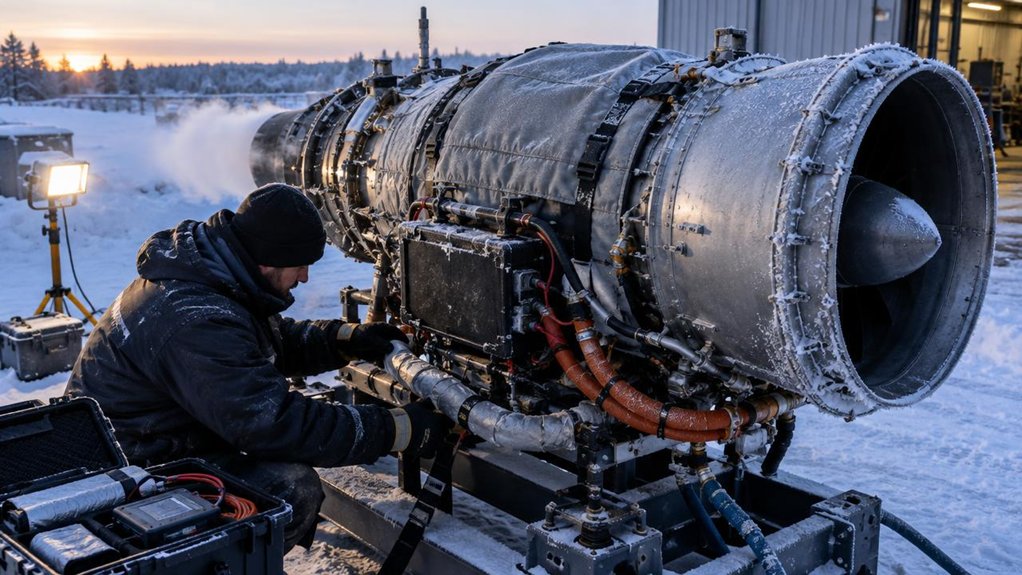
You can start an F125 reliably in cold weather only when its approved limits and safety interlocks permit. Before cranking, check battery condition, air pressure, fuel quality, oil grade, coolant protection, leaks, and clear crankcase ventilation. Use block, intake, or fuel heating only as the manufacturer directs, then monitor oil pressure, exhaust, and engine response. Choose winterization components for your locomotive’s configuration and expected temperatures; follow its maintenance manual and document inspections. The detailed steps help you prepare and troubleshoot safely.
How Does the Locomotive F125 Start in Cold Weather?
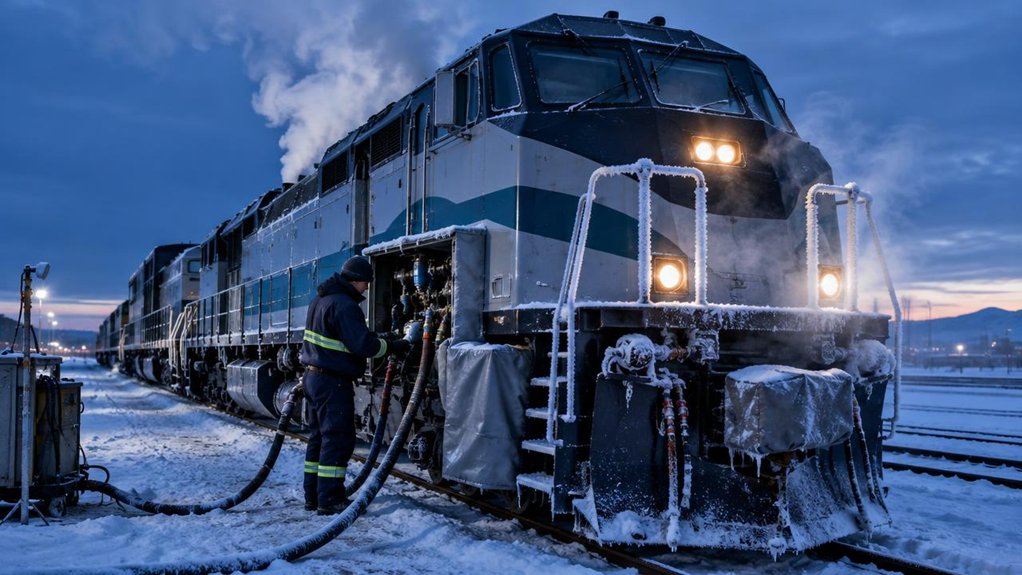
Before you start the EMD F125 Locomotive, follow the cold-start sequence and verify battery charge and air-system readiness. Check fuel condition and lubrication levels against operating requirements. Don’t bypass interlocks; confirm safe conditions before cranking.
Cold-Start Sequence
In cold weather, start the EMD F125 Locomotive only after confirming its approved procedure and maintenance manual. Check for leaks, obstructions, and safe access before beginning. Verify crankcase ventilation is clear, then confirm engine block heating has brought the engine within specified limits. Use intake preheat and fuel filter heating only as directed by the manufacturer; don’t bypass protections or improvise connections. Complete control logic checks, confirming alarms, interlocks, and indicated temperatures meet operating requirements. When the system authorizes starting, follow the prescribed start command and monitor oil pressure, exhaust, and engine response. Stop immediately if an alarm appears, pressure fails to rise, or abnormal noise or smoke develops. Don’t apply load until readings stabilize and the manual’s warm-up criteria are met. Record results and report any fault before returning the locomotive to service.
Battery and Air Readiness
Once engine heating and control checks are complete, verify the EMD F125 Locomotive’s battery voltage and connections against its manual. Inspect terminals for corrosion, looseness, or damage, and confirm protective covers are secure. Check charger conditioning and temperature compensation settings; cold conditions can reduce battery health and charge acceptance. Don’t proceed if readings fall outside specified limits.
Before starter engagement, confirm the batteries can support the expected cranking load. Keep personnel clear of rotating equipment, and follow approved lockout and operating procedures. Then verify the main reservoir’s air pressure meets the locomotive’s requirements. Drain moisture only as directed, since frozen condensate can restrict pneumatic components.
During startup, monitor regulator response and governor stability. Stop if pressure, voltage, or engine behavior becomes abnormal. Record readings and report defects before returning the locomotive to service. These checks help you identify readiness issues early, reducing avoidable delays and protecting equipment during cold-weather operations.
Fuel and Lubrication Prep
For an EMD F125 Locomotive cold start, verify fuel quality, supply, and lubrication against the operating manual. Cold conditions can restrict flow, so follow approved procedures before cranking.
| Check | Required action |
|---|---|
| Fuel quality | Confirm fuel meets seasonal specifications. |
| Fuel filter priming | Prime filters as prescribed; check for leaks. |
| Fuel injector warmup | Use only approved heating procedures. |
| Oil viscosity selection | Confirm the specified grade suits ambient temperatures. |
| Crankcase breathers | Inspect for blockage, ice, or damage. |
Next, complete lubrication circulation checks using the manual’s limits. Don’t crank if pressure, flow, or temperature readings fall outside requirements. Stop and investigate leaks, abnormal resistance, or warning indications before proceeding. Never apply open flame or unapproved heat near fuel or oil systems. Record findings and escalate unresolved defects to qualified maintenance staff. Mikura International can help you source locomotive engine parts, but your F125’s approved procedures and equipment specifications must govern every winterization decision. This disciplined preparation reduces cold-start risk without promising a specific start time.
How Does Cold Weather Affect F125 Performance?
Cold weather can slow an EMD F125 Locomotive’s engine cranking, thicken lubricants, and reduce battery output, delaying startup and safe return to service. You’ll notice these effects during inspections and initial cranking.
Low temperatures increase fuel viscosity, restricting flow through filters and lines. Check fuel condition and verify that supply components remain unobstructed before starting. Lube thickening raises resistance at bearings and other lubricated components; follow approved procedures and confirm pressure before loading the locomotive.
Inspect battery terminals and connections, then test charge and cranking performance. Battery discharge can leave insufficient power for reliable starting or control systems. Don’t repeatedly crank without observing prescribed limits; protect equipment and personnel from unexpected movement.
Cold weather intake conditions can affect combustion if airflow or filtration becomes restricted. Examine intake paths and monitor engine response after ignition. Also inspect air system leaks, since cold, brittle seals may worsen pressure loss and compromise braking readiness. Record abnormalities, follow site procedures, and delay service until checks confirm safe operation. You’ll reduce avoidable downtime without bypassing safeguards.
How Do You Choose an F125 Winterization Kit?
Choose an EMD F125 Locomotive winterization kit by matching each component to the locomotive’s configuration, operating conditions, and approved maintenance procedures. Confirm the installed engine, electrical architecture, and existing accessories against supplier documentation before you specify parts. This Kit compatibility check helps prevent wiring conflicts and unsupported modifications.
Set temperature limits from your lowest expected ambient conditions and locomotive dwell times. Verify each heater’s rated range and control protection; don’t assume one rating suits every operating profile. For heater selection, compare required thermal capacity with approved electrical loads and available power.
Review component coverage carefully. Determine whether the kit addresses batteries, lubricating oil, fuel, and relevant controls, then identify any excluded systems. Request installation drawings, ratings, and traceable quality documentation from Mikura International to support procurement review.
Finally, align maintenance intervals with manufacturer guidance and component instructions. Confirm inspection, functional-test, and replacement requirements before acceptance. If your fleet configuration or operating data is incomplete, resolve those gaps with qualified engineering personnel before ordering; don’t rely on generic kit descriptions.
How Do You Winterize an F125 Step by Step?
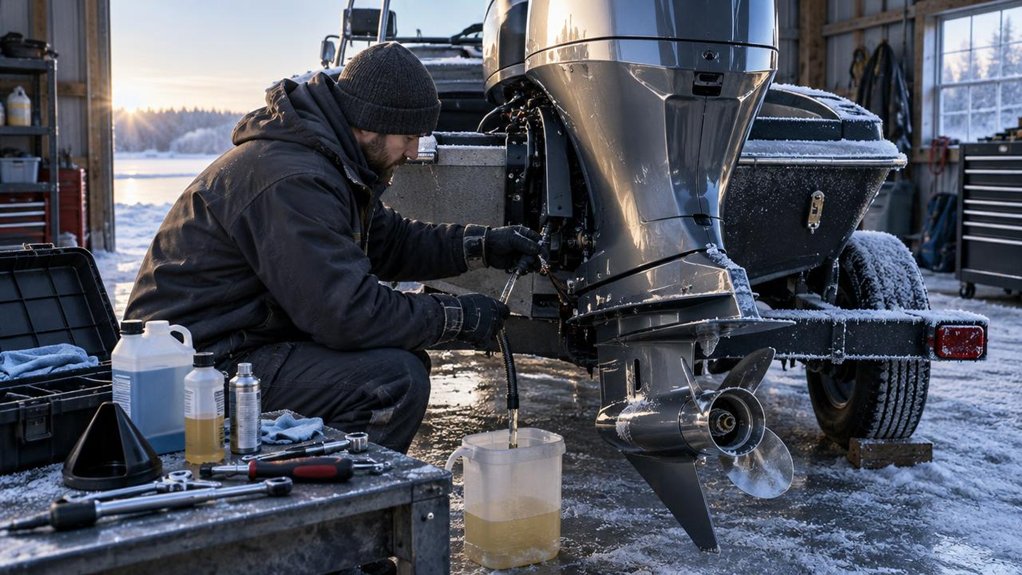
Before freezing conditions arrive, inspect your EMD F125 Locomotive for leaks, damaged hoses, and loose connections. Protect approved fluids and batteries according to service specifications, using required lockout procedures. Then verify the starting system and confirm safe, reliable operation before cold-weather service.
Inspect Before Cold Weather
To winterize an EMD F125 Locomotive, inspect its cooling system, batteries, fuel, and air lines before temperatures drop. Park the locomotive securely, isolate equipment as required, and follow site safety procedures. Record defects before approving cold-weather readiness.
- Cooling system: Perform a Visual inspection for corrosion, deposits, and damage. Check Hose integrity, clamps, and connections; note Seal leakage around pumps, fittings, and housings.
- Batteries: Verify Component condition, including cases, terminals, cables, and connectors. Look for cracks, swelling, corrosion, or loose connections; don’t proceed with damaged equipment.
- Fuel system: Examine accessible lines, filters, fittings, and supports for leaks, wear, or contamination. Report abnormalities for qualified maintenance review.
- Air lines and mounts: Check for chafing, cracks, moisture, and loose fittings. Confirm Mounting security on inspected components, and document repairs needed before service.
Keep inspection findings with the locomotive’s maintenance records.
Protect Fluids and Batteries
After recording inspection findings, protect the EMD F125 Locomotive’s fluids and batteries for expected temperatures. Consult the locomotive’s service documentation before selecting products or changing procedures.
Begin with Antifreeze selection: confirm the coolant type, concentration, and freeze protection suit forecast lows. Never mix incompatible formulations. Perform Coolant leak checks at hoses, fittings, and the radiator; repair leaks before replenishing coolant. Complete Fluid level verification for engine oil, coolant, and other specified lubricants, using approved grades and fill limits.
Next, inspect battery cases, terminals, and connections for damage or corrosion. Clean and secure connections using approved protective practices. Apply Battery insulation only where the manufacturer permits, keeping vents and access points clear. Measure Electrolyte temperature and specific gravity using approved equipment; temperature affects readings and cold-weather capacity. Record results, correct deficiencies, and follow site safety procedures. Keep products compatible with locomotive specifications and document materials for maintenance traceability.
Verify Starting Systems
With fluids and batteries protected, verify the EMD F125 Locomotive’s starting system under approved cold-weather procedures. Secure the locomotive, follow site lockout rules, and consult its maintenance manual before testing. Don’t bypass interlocks or energize circuits without authorization.
- Verify cranking health: Inspect connections and starter condition; measure voltage drop during an approved crank test. Stop if readings exceed limits.
- Check control logic: Confirm start permissives, relays, and shutdown protections operate correctly. Record faults before resetting anything.
- Confirm sensor signals: Compare temperature and pressure readings with specifications. Replace suspect components only through approved procedures.
- Assess air system; Review heater circuits: Check pressure, leaks, and drainage, then verify heater wiring, fuses, and operation. Isolate power before repairs.
Document results, correct defects, and obtain qualified sign-off before cold-start service. This disciplined check helps limit delays and protects your crew and equipment.
How Do You Troubleshoot F125 Cold-Start Problems?
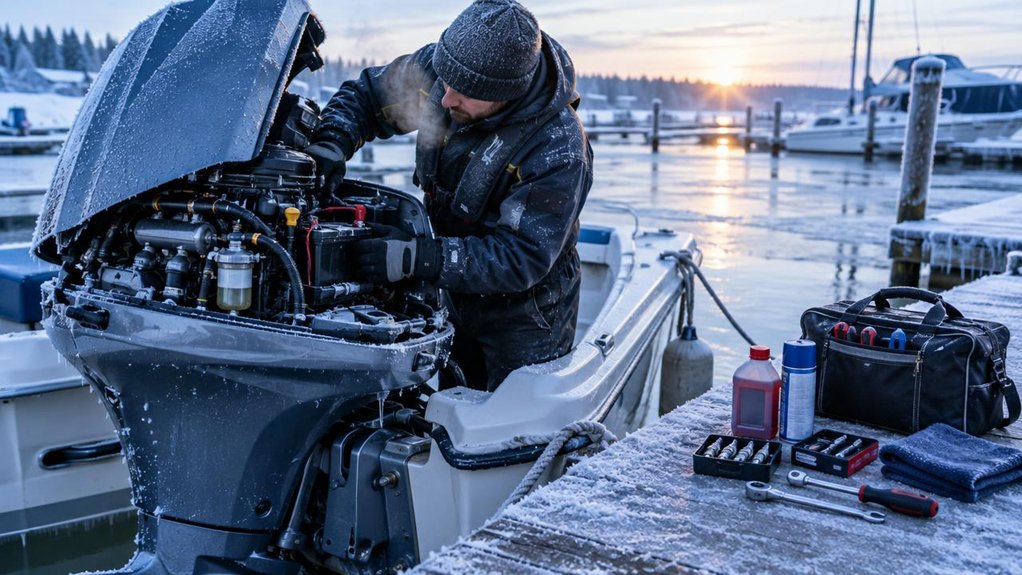
How do you troubleshoot EMD F125 Locomotive cold-start problems safely? First, secure the locomotive, apply the required lockout procedures, and follow site rules before inspecting components. Record each Cold Start Symptom, including ambient temperature, warning indications, and whether the engine turns over.
Next, review Diagnostic Logging for fault codes, sensor readings, and starting-system events. Compare results with approved service limits; don’t clear codes before documenting them. Measure Battery Voltage at the specified test points during cranking, then inspect terminals, cables, and ground connections for looseness, corrosion, or damage.
Perform Glow Plug Checks using the manufacturer’s procedure and suitable instruments. Isolate power before handling circuits, and replace only confirmed faulty components. Conduct Crank Speed Analysis against the engine’s cold-start specification. Low speed can indicate battery weakness, excessive resistance, or starter trouble; don’t repeatedly crank, as this can overheat equipment.
If readings remain abnormal, stop testing and consult qualified locomotive technicians. Mikura International can help source suitable locomotive engine parts; verify compatibility before ordering.
Frequently Asked Questions
How Should F125 Operators Document Winterization Work for Maintenance Audits?
Document each winterization task against your EMD F125’s approved maintenance procedures and asset records. Use Maintenance checklists to record completed steps, dates, readings, and technician sign-offs. Keep temperature logs for cold-weather checks and note any out-of-range results. Maintain procedure traceability by linking work orders to revisions and corrective actions. Apply component tagging to identify inspected, serviced, or replaced parts. Store audit evidence securely, including test results, approvals, and follow-up actions for review.
Which Cold-Weather Consumables Should Procurement Teams Stock for an F125 Fleet?
Stocking the right consumables can keep an EMD F125 Locomotive fleet from facing a winter shutdown avalanche. You’ll need approved winter fuel, coolant additives matched to engine specifications, and the correct-grade engine oil. Keep compatible battery blankets and anti ice filters available, too. Check supplier documentation and locomotive manuals before purchasing. Track batch numbers, shelf life, and inventory levels; replace expired stock promptly. Never substitute products without engineering approval, since incorrect fluids can compromise safe starts.
How Can Crews Verify F125 Winterization-Kit Compatibility With Existing Locomotive Configurations?
Verify compatibility by comparing the kit against your locomotive’s documented configuration before installation. Use Fleet Configuration Mapping and hardware matching to confirm engine, electrical, and mounting interfaces. Complete Kit Documentation Review with revision control, then conduct Wiring Interface Verification to protect signal integrity. Check Onboard Diagnostics for active faults. Finally, perform a Performance Test Run under controlled trials, following approved safety procedures. Stop and resolve discrepancies before returning the EMD F125 locomotive to service.
What Training Should Maintenance Teams Receive for F125 Winter Operations?
The theory that cold-weather experience alone prepares your team is unsafe; you need structured, equipment-specific training. Teach winter safety, crew procedures, and diagnostic training for the EMD F125 Locomotive, including cold-start checks, fluid monitoring, and fault-code interpretation. Train technicians to recognize ice detection risks around intakes, walkways, and moving components. Require approved tool handling, isolation, and protective equipment. Then run supervised winter scenarios, document competency, and refresh procedures after configuration changes.
How Do Winter Operating Practices Affect F125 Maintenance Planning and Parts Forecasting?
Winterization impacts your maintenance scheduling by adding inspections for heaters, batteries, lubricants, cooling systems, and cold-start controls. Forecast parts early; parts lead times can lengthen when seasonal demand rises. Track recurring failures and approved replacement intervals against operating hours. Enforce procedure compliance through documented checks, safe isolation, and technician sign-offs. Before temperatures drop, confirm seasonal readiness with inventory reviews and functional tests. Mikura International can help you source locomotive parts for planned maintenance.