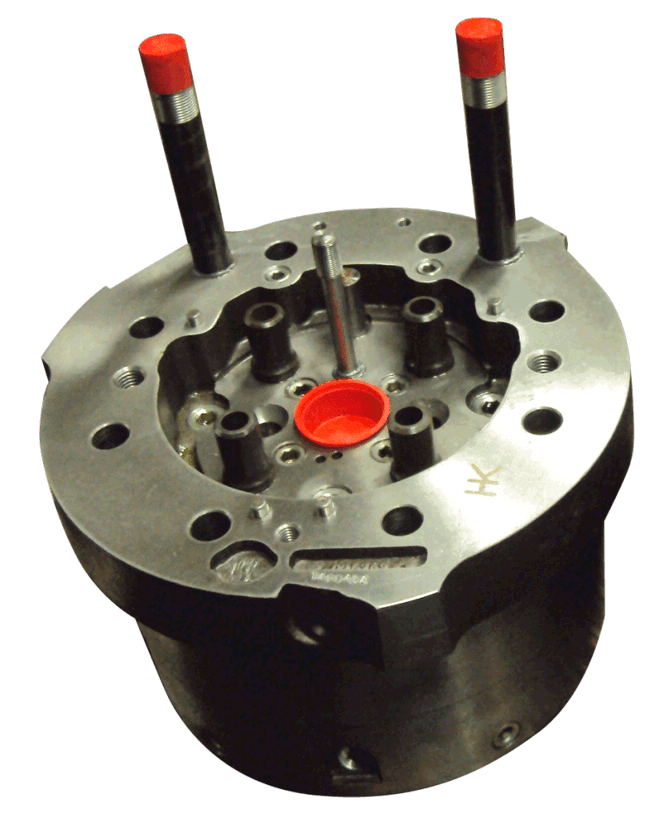
The Most Common Locomotive Exhaust Issues with Proven Fixes

The Most Common Locomotive Exhaust Issues with Proven Fixes

Are you tired of dealing with the constant headache of locomotive exhaust issues? You’re not alone. The frustration of reduced engine performance and increased emissions can be a major source of concern. But there’s good news – there are proven fixes for these common problems. From addressing soot buildup challenges to tackling unburned fuel dilemmas, there are solutions to get your locomotive back on track. Stay tuned to discover the proven fixes for these issues and ensure your locomotive operates at its best.

Key Takeaways

  • Promptly address soot buildup to prevent potential issues.
  • Adjust fuel-air mixture ratios and maintain air filters to reduce excessive smoke emissions. (Read further on Choosing the Right Diesel Locomotive Air Filters)
  • Optimize fuel atomization and regularly maintain fuel injectors to remedy unburned fuel dilemmas.
  • Regularly inspect and address EGR system faults, turbocharger failures, and underlying engine issues for efficient locomotive exhaust performance.

Soot Buildup Challenges

If you notice soot buildup in your locomotive exhaust system, it’s important to address it promptly to prevent potential issues. Identifying the areas where soot accumulates and implementing effective cleaning techniques are crucial steps in maintaining the efficiency of the exhaust system. Regular maintenance and proper ventilation can help minimize soot buildup and ensure optimal engine performance.

Identifying Soot Accumulation

Regular inspection of locomotive exhaust components, such as the stack and muffler, is essential for identifying challenges related to soot accumulation. When inspecting for soot buildup, look for dark, powdery deposits both inside the exhaust system and around its components. Additionally, pay close attention to the color and texture of the deposits, as they can indicate incomplete combustion. Soot accumulation may signal the need for adjustments or maintenance to ensure optimal engine performance and reduced emissions. Promptly addressing soot buildup issues can help maintain efficiency and minimize environmental impact. Regular inspections and proactive maintenance are crucial for preventing soot-related challenges and ensuring the proper functioning of locomotive exhaust systems.

Effective Cleaning Techniques

To effectively address soot buildup challenges in locomotive exhaust systems, employing specialized cleaning equipment and solutions designed for heavy-duty applications is essential. Given the high temperature and pressure environment within locomotive exhaust systems, effective cleaning techniques are crucial. Regular maintenance and cleaning play a vital role in preventing excessive soot buildup, which can lead to decreased engine performance and increased emissions.

Commonly employed techniques include manual scraping, high-pressure water jets, and chemical cleaning agents to remove stubborn soot deposits. Proper ventilation and safety precautions are essential during cleaning procedures to avoid exposure to harmful exhaust gases and chemicals. By utilizing these specialized cleaning techniques and maintaining a proactive approach to cleaning, the challenges related to soot buildup in locomotive exhaust systems can be effectively managed.

Excessive Smoke Emissions

If you notice excessive smoke emissions from your locomotive, it’s crucial to identify the type of smoke and its potential causes. Different smoke colors can indicate specific issues, and effective remediation strategies can be employed based on the diagnosis. By understanding the smoke types and implementing appropriate remedies, you can address excessive smoke emissions and maintain optimal engine performance.

Identifying Smoke Types

Identifying the color and type of smoke emissions is crucial in diagnosing and addressing potential engine issues associated with excessive smoke emissions from locomotives. When observing smoke emissions, it’s important to note the following:

  • Black Smoke:
  • Indicates incomplete combustion, potentially due to a clogged air filter, faulty injectors, or incorrect timing.
  • Can lead to reduced engine performance and failed emissions tests.
  • Blue or Bluish-White Smoke:
  • Suggests engine oil entering the combustion chamber, possibly due to worn piston rings, valve seals, or a damaged turbocharger.
  • Can lead to increased emissions and environmental pollution.

Understanding these distinctions can aid in pinpointing the root cause of the issue and implementing the appropriate fixes to ensure optimal locomotive performance and reduced emissions.

Effective Remediation Strategies

Excessive smoke emissions from locomotive exhaust systems can be effectively remediated through various strategies, including adjusting fuel-air mixture ratios, maintaining and cleaning air filters and turbochargers, upgrading to cleaner fuel options, using fuel additives, installing exhaust gas recirculation (EGR) systems, and utilizing diesel particulate filters (DPF). These remediation strategies are essential in minimizing environmental impact and ensuring optimal engine performance. Here’s a table outlining these strategies:

Remediation StrategyDescriptionBenefits
Adjusting fuel-air mixtureOptimizes combustion process to reduce smoke emissionsImproved fuel efficiency and reduced emissions
Air filter maintenancePrevents clogs and ensures proper airflowCleaner exhaust and enhanced engine performance
Upgrading to cleaner fuelReduces impurities in fuel, leading to cleaner exhaustLower emissions and reduced environmental impact
EGR and DPF installationRecirculates exhaust gases and filters particulate matterDrastically reduces smoke emissions and environmental impact

These strategies, when employed in combination, can significantly mitigate excessive smoke emissions from locomotive exhaust systems.

Unburned Fuel Dilemmas

If your locomotive is experiencing unburned fuel dilemmas, it can lead to reduced engine performance and starting issues. Factors like cold weather and obstructions in the exhaust system can exacerbate these problems. To remedy fuel combustion issues, proper drainage systems and regular inspections are crucial to prevent rust, corrosion, and overall performance degradation.

Causes of Unburned Fuel

When addressing unburned fuel dilemmas in locomotive exhaust systems, it is crucial to understand the contributing factors that lead to incomplete combustion. The following are the main causes of unburned fuel:

  • Improper air-to-fuel ratio:
  • Inadequate mixing of air and fuel can lead to incomplete combustion and the release of unburned fuel into the exhaust system.
  • Malfunctioning injectors:
  • Faulty injectors may not spray fuel evenly or at the right pressure, resulting in unburned fuel being expelled through the exhaust.

Addressing these issues requires meticulous maintenance, including regular inspection and potential replacement of malfunctioning injectors. Ensuring a proper air intake and optimizing the air-to-fuel ratio are essential in minimizing unburned fuel dilemmas and maintaining efficient locomotive exhaust systems.

Remedying Fuel Combustion Issues

To address unburned fuel dilemmas in locomotive exhaust systems, optimizing fuel atomization and adjusting the fuel injection timing are essential remedial measures. By improving fuel atomization, you can ensure that fuel is broken down into small droplets for better combustion. Adjusting the fuel injection timing allows for the precise delivery of fuel into the combustion chamber, optimizing the combustion process. Additionally, utilizing fuel additives or cleaners can aid in improving fuel combustion and reducing unburned fuel dilemmas. Regular maintenance of fuel injectors and the combustion chamber is crucial for addressing unburned fuel issues. By implementing these measures, you can enhance fuel efficiency and decrease harmful emissions.

Remedial MeasuresBenefits
Optimize fuel atomizationImproved fuel combustion
Adjust fuel injection timingPrecision in fuel delivery
Use fuel additives/cleanersEnhanced fuel combustion

EGR System Faults

If you notice a decrease in engine performance or an increase in emissions, it’s crucial to consider the possibility of EGR system faults. Identifying these problems early can prevent further damage to your locomotive. Utilize proven EGR repair techniques to address issues such as clogs, leaks, and sensor malfunctions.

Identifying EGR Problems

Identifying EGR problems in locomotive exhaust systems is crucial for maintaining optimal engine performance and reducing emissions. When diagnosing EGR system faults, consider the following:

  • Signs of EGR Issues:
  • Engine misfires and rough idling can indicate potential EGR problems, signaling the need for further inspection.
  • Difficulty Starting and Stalling: If the engine stalls or has difficulty starting, it could be a symptom of a faulty EGR valve.

EGR Repair Techniques

When addressing EGR repair techniques for locomotive exhaust systems, understanding and resolving common EGR system faults is essential to maintaining optimal engine performance and reducing emissions. To address EGR system faults, start by learning to identify and fix common issues. Clean the EGR valve to improve performance and inspect the EGR cooler to prevent engine damage. Regular maintenance of EGR pipes and tubes is crucial to prevent clogging and faults. Additionally, gain knowledge on testing EGR sensors to diagnose and resolve system faults. By addressing these EGR repair techniques, you can ensure the proper functioning of the EGR system, leading to improved locomotive performance and reduced emissions.

Turbocharger Failures

If you notice a loss of power, excessive smoke, or unusual engine noises, you might be experiencing turbocharger issues. These problems can stem from oil supply issues, foreign object damage, or excessive exhaust temperatures. To effectively address turbocharger failures, it’s important to identify the root cause and implement proper repair solutions.

Identifying Turbocharger Issues

Experiencing excessive exhaust smoke, decreased engine power, or unusual engine noises could indicate potential turbocharger issues, which commonly stem from factors such as oil or coolant leaks, foreign object damage, and excessive exhaust temperatures.

  • Visually inspect for oil or coolant leaks
  • Look for any signs of oil or coolant around the turbocharger and intercooler connections
  • Check for any wetness or residue that could indicate a leak

Effective Repair Solutions

To effectively repair turbocharger failures, regular inspection and maintenance are essential in preventing potential issues. By addressing oil leaks and ensuring proper lubrication, you can extend the life of the turbocharger. Consider upgrading to a higher quality or performance turbocharger for a longer-lasting solution. Additionally, addressing underlying engine issues, such as excessive exhaust back pressure, can effectively prevent turbocharger failures. It’s crucial to work with a qualified mechanic to promptly diagnose and address turbocharger issues to prevent further damage. Remember, proactive maintenance and timely repairs play a vital role in maximizing the efficiency and longevity of the turbocharger in locomotive exhaust systems.

Particulate Filter Clogs

When dealing with particulate filter clogs in locomotive exhaust systems, it’s crucial to identify filter blockages and implement effective cleaning methods. Regular monitoring and maintenance of the filters can help prevent clogs and ensure optimal exhaust flow. Utilizing advanced cleaning techniques and technologies can also aid in maintaining the efficiency of the particulate filters.

Identifying Filter Blockages

Identifying filter blockages, particularly particulate filter clogs, is essential for maintaining locomotive exhaust system efficiency and preventing potential performance issues. To identify filter blockages, consider the following:

  • Symptoms: Look out for decreased engine power and increased fuel consumption, which may indicate a filter blockage.
  • Visual Inspection: Check for signs of exhaust restriction, such as excessive smoke or soot, around the exhaust system components.
  • Diagnosis: Utilize advanced diagnostic tools to pinpoint the location and severity of a particulate filter blockage.
  • Maintenance: Regularly clean and inspect the particulate filter to prevent blockages and ensure optimal locomotive performance.

Effective Cleaning Methods

Addressing particulate filter clogs in locomotive exhaust systems requires employing proven and efficient cleaning methods. Utilize specialized cleaning solutions and equipment designed for particulate filters to effectively remove accumulated soot and ash. Periodic cleaning at recommended intervals helps prevent excessive clogging, ensuring optimal filter performance.

Follow manufacturer guidelines for proper cleaning procedures and frequency to maintain filter efficiency and prolong its lifespan. Implementing effective cleaning methods can significantly reduce the risk of filter blockages, maintaining a consistent exhaust flow and minimizing engine strain. Regular inspection and proactive cleaning are essential for preventing costly repairs and maintaining locomotive exhaust system functionality. By adhering to recommended cleaning practices, you can effectively address particulate filter clogs and optimize the performance of locomotive exhaust systems.

Oxygen Sensor Malfunctions

If you notice a decrease in engine performance or the check engine light comes on, it could indicate a malfunctioning oxygen sensor. Faulty oxygen sensors can disrupt the air-fuel mixture and lead to increased fuel consumption and emissions. To address these issues, you’ll need to identify sensor failures and consider repairing or replacing the malfunctioning oxygen sensors to improve engine performance and reduce emissions.

Identifying Sensor Failures

How can oxygen sensor malfunctions impact locomotive performance and emissions? When oxygen sensors malfunction, they can significantly decrease fuel efficiency and lead to increased emissions. Signs of a malfunctioning sensor include poor engine performance and a noticeable decrease in gas mileage. Additionally, a malfunctioning oxygen sensor can trigger the check engine light to appear on the dashboard. Regularly checking and replacing oxygen sensors is crucial to maintaining proper engine performance and emission levels. Proper maintenance of the oxygen sensor can also prevent potential damage to the catalytic converter, ensuring the overall health and efficiency of the locomotive’s exhaust system. To identify sensor failures, you can follow these steps:

  • Visually inspect the sensor for any physical damage or corrosion.
  • Look for frayed wires, disconnected connectors, or signs of exposure to extreme temperatures.

Repairing Oxygen Sensors

To effectively address oxygen sensor malfunctions in locomotives, it is crucial to understand the common symptoms and potential causes of these issues. Malfunctioning oxygen sensors can lead to decreased fuel efficiency, increased emissions, and engine performance issues. When dealing with oxygen sensor malfunctions, it’s essential to consider cleaning or replacing the sensor as a common fix. Regular maintenance and cleaning of oxygen sensors can help prevent malfunctions and ensure optimal locomotive performance. Keep in mind that faulty oxygen sensors can trigger the check engine light and cause failed emissions tests. By addressing these malfunctions promptly and accurately, you can maintain the proper functioning of locomotive exhaust systems and minimize the impact on fuel efficiency and emissions.

Frequently Asked Questions

Why Do GE Locomotives Catch Fire?

GE locomotives may catch fire due to electrical and mechanical issues within the engine. Overheating of components or fuel leaks can lead to potential fire hazards. Lack of proper maintenance and inspection of electrical systems can increase the risk. Malfunctioning exhaust systems or exhaust leaks can contribute to the possibility of fire. Adequate training and awareness of fire prevention measures are essential to mitigate the risk of fires in GE locomotives.

What Are the Symptoms of Diesel Exhaust Fumes?

Exposure to diesel exhaust fumes can lead to symptoms like headaches, dizziness, nausea, and irritation of the eyes, nose, and throat. Prolonged exposure may cause respiratory issues and increase the risk of cardiovascular disease. Symptoms vary based on exposure levels and individual sensitivity. Long-term exposure is linked to a higher risk of lung cancer. If you experience persistent symptoms from diesel exhaust fumes, seek medical attention promptly to address any potential health risks.

What Is the Exposure Limit for Diesel Exhaust Fumes?

The exposure limit for diesel exhaust fumes is 100 micrograms per cubic meter of air as an 8-hour time-weighted average. This limit, set by OSHA in the US, aims to protect workers. The WHO classifies diesel engine exhaust as carcinogenic to humans. Chronic exposure can lead to respiratory and cardiovascular issues. Effective ventilation and respiratory protection are crucial for workers in environments with diesel exhaust fumes.

What Causes a Locomotive to Accelerate?

To accelerate, a locomotive transmits electric power to traction motors driving its axles. The maximum traction motor current indicates the locomotive’s maximum torque during acceleration. Diesel engine rpm, torque, and generator voltage adjust automatically to facilitate acceleration from a standstill. As the locomotive accelerates, the exhaust speed and transmission of electric power contribute to its acceleration. Regular maintenance and inspections can prevent exhaust issues and ensure proper locomotive functioning.

Conclusion

In conclusion, by addressing soot buildup, excessive smoke emissions, unburned fuel, EGR system faults, turbocharger failures, particulate filter clogs, and oxygen sensor malfunctions, you can ensure your locomotive’s exhaust system operates efficiently. Regular maintenance, inspection, and implementing proven fixes will keep your locomotive running smoothly, prevent safety hazards, and decrease emissions. Stay proactive in addressing these common exhaust issues to maintain peak performance and reduce environmental impact.

You may also like to read – Real-World Exhaust Emissions of Diesel Locomotives and Motorized Railcars during Scheduled Passenger Train Runs on Czech Railroads.

Get the Most Out of Locomotive Traction Gears: Ultimate Tips

Get the Most Out of Locomotive Traction Gears: Ultimate Tips

In the world of trains, locomotive traction gears are the unsung heroes, quietly driving the colossal machines across continents as if it were a walk in the park. As someone deeply invested in the optimal performance of trains, you’re likely aware that getting the most out of these gears isn’t just beneficial—it’s essential. Yet, the path to maximizing their efficiency can often feel like navigating through a dense, uncharted forest.

This guide, ‘Get the Most Out of Locomotive Traction Gears: Ultimate Tips,’ serves as your compass, offering clear directions on everything from routine maintenance to advanced protection techniques. By embracing these insights, you’ll not only enhance the performance of your locomotive but also extend the lifespan of its most critical components. Stay with us as we uncover the secrets to transforming your locomotive’s traction gears into the powerhouse of reliability and efficiency they were meant to be.

Key Takeaways

  • Gear ratio optimization is crucial for balancing speed and torque in locomotive performance.
  • Regular maintenance checks and inspections are essential for detecting wear and tear and ensuring efficient operations.
  • Effective lubrication and temperature monitoring strategies are necessary to enhance gear performance and prevent failures.
  • Addressing gear wear and tear through proper maintenance and analysis prolongs the lifespan of traction gears and improves locomotive efficiency.

Understanding Locomotive Traction Gear Basics

Grasping the basics of traction gears is crucial for optimizing locomotive performance, as these components play a pivotal role in determining the speed and efficiency of train operations. You’ll find that gear ratio optimization stands at the forefront of enhancing locomotive dynamics. This involves carefully selecting gear ratios that balance speed and torque, directly influencing your locomotive’s ability to accelerate and climb gradients. It’s a delicate equilibrium, where each adjustment can dramatically affect performance.

Traction gear material selection also significantly impacts durability and efficiency. Advanced materials can withstand higher stresses and temperatures, reducing the likelihood of gear failure and extending the lifespan of your locomotive’s transmission system. You’re looking at materials that not only endure the rigors of operation but also contribute to overall weight reduction, further enhancing efficiency.

Performance evaluation techniques are indispensable in assessing the effectiveness of your gear configurations. These methods, ranging from computational simulations to real-world testing, allow you to pinpoint areas for improvement, ensuring your locomotive operates at peak performance.

The impact of gear wear on locomotive efficiency cannot be overstated. Wear leads to increased friction, power loss, and the potential for gear failure, necessitating regular inspections and maintenance to mitigate these effects.

Lastly, gear noise reduction strategies are essential for improving operational comfort and compliance with noise regulations. Techniques such as modifying gear tooth profiles or incorporating sound-dampening materials help minimize the acoustic footprint of your locomotive, making for a quieter, more pleasant environment.

Regular Maintenance Checks

To ensure your locomotive maintains peak performance, regular maintenance checks on traction motors, gears, and bearings are essential for identifying wear and tear. A detailed locomotive inspection routine is critical for prolonging the lifespan of your machinery and ensuring that every journey is as efficient as the last.

Incorporate these specific checks to enhance your locomotive’s reliability:

  • Track Contact Optimization: Regularly adjust pickups to maintain optimal track contact. This ensures that your locomotive receives a consistent power supply and reduces the risk of power interruptions due to poor track contact. By keeping an eye on these adjustments, you’re not only safeguarding the electrical integrity of your locomotive but also enhancing its overall performance on the rails.
  • Friction Prevention Measures: Implement a stringent lubrication schedule for all moving components, particularly traction gears and bearings. This step is crucial for minimizing friction, which if left unchecked, can lead to increased wear and tear, reducing the efficiency of your locomotive. Proper lubrication also contributes to smoother operations and extends the durability of these critical components.
  • Comprehensive System Inspections: Conduct both electrical system inspection and mechanical system inspection routinely. This involves checking for any signs of damage or wear in the electrical wiring and components, as well as inspecting the mechanical parts for any issues that could impede operation. Such thorough inspections help in early detection of potential problems, allowing for timely repairs or adjustments that prevent costly downtimes and ensure continuous, reliable service.

Optimizing Gear Lubrication

After ensuring your locomotive’s maintenance checks are up to par, focusing on optimizing gear lubrication becomes the next critical step for enhancing performance. The proper lubrication of your locomotive traction gears isn’t just about applying any lubricant; it’s about strategic lubricant selection, meticulous viscosity control, regular lubrication intervals, efficient heat management, and effective noise reduction.

When selecting a lubricant, you’re aiming for a product that not only reduces friction but also withstands the operational conditions of your locomotive. The right lubricant will have a viscosity that’s tailored to your gear system, ensuring smooth engagement and disengagement of gears while minimizing wear. Viscosity control is paramount; too thin, and the lubricant won’t provide enough protection, too thick, and it may hinder the movement of the gears.

Lubrication intervals are equally critical. You can’t just set it and forget it. Regularly monitoring and replenishing your gear’s lubricant ensures that the performance doesn’t degrade over time. This proactive approach prevents the buildup of heat, a common byproduct of friction that, if unchecked, can lead to gear damage and inefficiency.

Heat management, facilitated by optimal lubrication, extends the life of your gears and maintains their performance. Additionally, the correct lubricant contributes to noise reduction, making for a smoother, quieter operation. The sounds of gears grinding can often be attributed to poor lubrication, so addressing this will not only enhance performance but also decrease noise pollution.

Temperature Monitoring Strategies

Implementing temperature monitoring strategies is crucial in preventing overheating and ensuring the longevity of your locomotive’s traction gears. By focusing on this aspect, you’re not just safeguarding the gears but also optimizing the overall performance of your locomotive. Let’s delve into how you can effectively monitor and manage the temperature of your traction gears.

First, it’s essential to integrate temperature sensors at critical points within the gear system. These sensors provide precise, real-time data, allowing for immediate action if temperatures exceed safe operating levels. The incorporation of remote monitoring further enhances this system, enabling you to keep an eye on gear temperatures from anywhere, at any time. This is particularly useful for extensive rail operations where immediate physical access to locomotives might not be feasible.

Predictive maintenance is another critical aspect. By analyzing historical data collected from temperature sensors, you can identify patterns and predict potential failures before they occur. This proactive approach minimizes downtime and extends the life of your traction gears.

To make this information more engaging, consider the following key strategies:

  • Remote monitoring: Enables continuous oversight of gear temperatures, facilitating swift interventions.
  • Predictive maintenance: Utilizes historical data analysis to foresee and prevent potential gear failures.
  • Real-time alerts: Keeps you informed about critical temperature changes, allowing for immediate action to prevent damage.

Wear and Tear Analysis for Locomotive Traction Gears

Having established the importance of temperature monitoring for optimal gear performance, it’s crucial to now focus on wear and tear analysis to further enhance the longevity and efficiency of your locomotive’s traction gears. This analysis isn’t just about spotting damage; it’s a sophisticated approach toward failure prediction, ensuring your gears are always running at their best.

Wear pattern analysis is the first step in this meticulous process. By examining the unique wear signatures on your gears, you can pinpoint areas under excessive stress or misalignment. This insight is invaluable for not only addressing current issues but also for predicting potential failures before they occur.

Detection techniques have evolved significantly, with advanced tools enabling precise measurement and analysis of gear condition. These techniques range from visual inspections to more sophisticated methods like vibration analysis and ultrasonic testing, each offering insights into different aspects of gear health.

Let’s break down the critical components of wear and tear analysis:

ComponentDescription
Failure PredictionUses data from wear patterns to forecast potential issues
Wear Pattern AnalysisIdentifies specific types of wear and their causes
Detection TechniquesVarious methods used to identify and analyze wear
Preventive MeasuresActions taken to mitigate further wear
Performance OptimizationAdjustments and repairs to enhance gear efficiency

Advanced Gear Protection Techniques

To safeguard your locomotive’s traction gears against premature wear and failure, it’s critical to employ advanced gear protection techniques that encompass both speed regulation mechanisms and strategic re-gearing processes. Implementing such methods not only enhances the longevity of the gears but also optimizes the performance of your locomotive for various applications. Here’s how you can integrate these advanced techniques into your gear maintenance regimen:

  • Speed Regulation Mechanisms: Utilize speed limiting devices to control and regulate the maximum speeds of your locomotives. By preventing over-speeding, you reduce the risk of gear wear and extend the service life of the traction system. Implementing the Lemp control system can offer precise power output, ensuring optimal tractive effort and minimizing gear stress in diesel-electric locomotives.
  • Strategic Re-Gearing: Consider re-gearing locomotives when shifting from passenger to freight services or vice versa. Adjusting the gear ratio can significantly alter locomotive speed and tractive effort, tailoring the performance to specific operational needs. This approach requires a thorough understanding of how gear ratios impact locomotive dynamics and the limitations posed by DC series motors and back EMF.
  • Regular Gear Inspection and Maintenance: Incorporate advanced gear inspection techniques and gear maintenance tips into your routine checks. Regular inspection helps identify signs of wear or damage early, allowing for timely intervention with gear replacement strategies or corrective maintenance. This proactive approach is crucial for gear failure prevention and ensures the reliable operation of your locomotive.

Innovative Upgrades for Efficiency

Exploring innovative upgrades, such as adjusting traction motor gearing ratios, can significantly boost your locomotive’s efficiency and adaptability in various service scenarios. By meticulously selecting gear ratios that align with your locomotive’s operational demands, you’re not just enhancing performance; you’re also implementing energy-saving strategies that can lead to substantial long-term savings.

Incorporating advanced gear materials into your locomotive’s drive system is another critical step toward efficiency. These materials, designed to withstand higher loads and offer reduced friction, contribute to the overall reduction in energy consumption. When combined with performance optimization techniques, such as fine-tuning the balance between tractive effort and maximum speed, you ensure that your locomotive is operating at its peak efficiency.

Efficiency testing methods play a pivotal role in validating the effectiveness of these upgrades. Rigorous testing allows you to assess the real-world impacts of different gear ratio selections and identify the most beneficial configurations for your specific needs. This data-driven approach ensures that any modification to your locomotive’s traction gears is both justified and optimized for the best possible outcome.

Moreover, understanding the limitations and potential of your locomotive’s traction system, especially in the context of DC series motors and the intricacies of series/parallel transition, is essential for maximizing performance. By leveraging these insights, you’re equipped to make informed decisions that not only enhance efficiency but also extend the operational life and reliability of your locomotive’s traction gears.

Frequently Asked Questions

How Do Locomotives Increase Traction?

To increase traction, you’ll optimize weight distribution and use sanding devices to prevent wheel slip, crucial for maintaining adhesive weight between the wheel and rail. You’ll also adjust dynamic braking to manage the locomotive’s speed, enhancing traction control. By understanding these elements, you can significantly improve your locomotive’s grip on the tracks, ensuring more efficient and safe operations. It’s all about the right balance and technique.

What Is the Gear Ratio of the EMD Locomotive?

The gear ratio of the EMD locomotive, typically around 4 to 1, plays a pivotal role in your locomotive’s efficiency. This ratio’s significance lies in its direct impact on operational performance, balancing power, and speed. Through the lens of gear maintenance and design evolution, understanding this ratio allows for notable efficiency improvements. It shapes the locomotive’s tractive effort and speed, highlighting its operational impact and the importance of precise adjustments for optimal performance.

What Is the Traction Motor the Only Power Source For?

You’re mistaken if you think traction motors are only for locomotives. They’re key in powering electric cars, driving elevator systems, operating conveyor belts, propelling electric bicycles, and controlling wheelchair lifts. These motors convert electrical energy into the mechanical force needed to move, providing the essential torque for acceleration and control. Understanding their function across these applications, you’ll see their versatility and critical role in various mechanical and electrical systems.

What Is Tractive Effort in Traction?

Tractive effort in traction is the power dynamics at play when a locomotive’s wheels push against the rails, crucial for moving the train. It involves efficiency optimization through torque analysis, managing friction between wheel and rail, and precise performance measurement. This effort is pivotal for determining how effectively a locomotive can accelerate, climb hills, and pull loads, directly influencing its operational capabilities and efficiency. Understanding and optimizing these factors are key to maximizing locomotive performance.

Conclusion

In conclusion, leveraging the full potential of your locomotive’s traction gears requires a blend of diligent maintenance, precise lubrication, and proactive wear analysis. By adopting advanced protection strategies and considering innovative upgrades, you’ll significantly enhance gear efficiency and reliability. Remember, the key to smooth, efficient train operation lies in understanding gear mechanics and responding adeptly to their needs. Embrace these ultimate tips, and watch as your locomotive’s performance transforms, ensuring a more reliable and powerful journey ahead.

This is one interesting forum that you might want to read – Loco traction up incline – possible solutions.

Selecting The Right Diesel Engine Parts: An Ultimate Checklist

Ultimate Checklist For Selecting The Right Diesel Engine Parts

Are you ready to fine-tune your locomotive’s performance with precision? Navigating the world of locomotive diesel engine parts can be akin to finding the perfect puzzle piece, but fear not – we’ve got the ultimate checklist to help you make those crucial decisions. From assessing compatibility to evaluating technological advancements, each step plays a vital role in ensuring the optimal functioning of your locomotive. The right parts can make all the difference, so let’s embark on this checklist together, ensuring that every aspect is meticulously considered to keep your locomotive running at its best.

Key Takeaways

  • Assess engine specifications and requirements to ensure compatibility with locomotive.
  • Verify gauge compatibility through measurement techniques and testing.
  • Prioritize ISO certification for diesel engine parts to ensure quality and durability.
  • Evaluate manufacturers based on their track record, adherence to standards, and customer reviews.

Assessing Diesel Engine Parts Compatibility

When assessing part compatibility, start by identifying the specific engine specifications and requirements for your locomotive. Make sure to match the power and weight requirements of the parts with those of your locomotive to ensure optimal performance. Additionally, ensure that the parts are compatible with the track gauge of your locomotive to avoid any operational issues.

Identifying Engine Specifications

Assessing part compatibility for locomotive diesel engine parts involves thoroughly evaluating the engine’s unique specifications to ensure seamless integration and optimal performance. When identifying engine specifications, consider the following:

  1. Engine Compatibility: Match the parts with the specific type and model of the diesel engine.
  2. Part Identification: Check the engine’s power output, torque, and displacement to ensure compatibility with the parts.
  3. Specification Analysis: Consider the engine’s cooling system, injection system, and fuel delivery method for part compatibility.
  4. Manufacturer Guidelines: Consult the engine manufacturer’s guidelines and technical documentation to verify part compatibility.

Matching Power Requirements

After identifying your locomotive’s engine specifications, you can ensure seamless integration and optimal performance by matching the power requirements with compatible diesel engine parts. To assess part compatibility, utilize power measurement techniques and conduct fuel consumption analysis to align the parts with the engine’s power output.

Consider the specific power curve and torque characteristics of your engine for accurate selection. Consult the manufacturer’s specifications to guarantee that the chosen parts are suitable for your locomotive’s power requirements. By doing so, you can optimize engine performance, streamline maintenance and servicing, and assess the environmental impact. Matching the power requirements of your locomotive with the right diesel engine parts is crucial for ensuring reliability and efficiency while meeting the necessary power demands.

Ensuring Gauge Compatibility

To ensure gauge compatibility, carefully examine the dimensions and specifications of the diesel engine parts to confirm their seamless integration into the locomotive system. Here’s how you can assess part compatibility:

  1. Utilize gauging techniques to measure the precise dimensions of the diesel engine parts.
  2. Perform compatibility testing to ensure the parts meet the gauge requirements of the locomotive.
  3. Use precision measurements to verify the fit of components such as pistons, rods, and bearings.
  4. Consider gauge calibration as part of regular maintenance procedures to guarantee optimal performance and longevity of the locomotive system.

Quality and Certification Standards

You should prioritize ISO certification when considering diesel engine parts for your locomotive. This certification ensures that the parts have met stringent quality and manufacturing standards. By prioritizing parts with ISO certification, you can be confident in their durability and performance, ultimately enhancing the reliability of your locomotive’s diesel engine.

ISO Certification Importance

Obtaining ISO certification is crucial for ensuring the quality and compliance of locomotive diesel engine parts. This certification brings numerous benefits, including industry standards compliance, which assures that the parts meet specific criteria for quality and performance. Additionally, ISO certification signifies that stringent quality control measures are in place, reducing the risk of defects or malfunctions.

By choosing ISO-certified parts, you can enhance customer satisfaction, as these components are manufactured and tested to meet the highest standards. Moreover, ISO certification contributes to effective risk management by ensuring that the parts have undergone thorough assessment and validation processes, minimizing the likelihood of operational issues. Therefore, prioritizing ISO-certified locomotive diesel engine parts is essential for reliable performance and longevity.

Durability Testing Protocols

Prioritizing ISO-certified locomotive diesel engine parts ensures reliable performance and longevity, which is further validated through rigorous durability testing protocols to meet industry standards and certification requirements. Durability testing methods involve subjecting the parts to stress testing procedures, environmental simulation, and performance evaluation. These protocols ensure that the parts can withstand the demands of real-world operating conditions.

Additionally, compliance with industry standards such as ISO 9001 and ISO 14001 is a crucial aspect of durability testing protocols. Through endurance testing and material stress testing, the quality and certification standards of locomotive diesel engine parts are verified. Ultimately, these durability testing protocols are essential to guarantee the reliability and longevity of the parts, providing assurance to those seeking high-quality components for locomotive engines.

Manufacturer Quality Assurance

When evaluating locomotive diesel engine parts, it is crucial to prioritize manufacturers with ISO 9001 certification and adherence to industry-specific quality regulations, such as AAR M-1003 for railroad components. Consider the following key factors when assessing manufacturer quality assurance:

  1. ISO Certification Benefits: Prioritize manufacturers with ISO 9001 certification to ensure they meet international quality standards.
  2. Quality Control Measures: Verify if the manufacturer conducts rigorous quality control tests and inspections on their diesel engine parts.
  3. OEM Guidelines Adherence: Ensure the manufacturer follows OEM specifications and guidelines for producing engine parts.
  4. Reliability Track Record: Consider manufacturers with a proven track record of providing reliable, durable, and high-quality engine components.

Supplier Evaluation Criteria for Diesel Engine Parts

When evaluating suppliers for locomotive diesel engine parts, you should first consider the manufacturer’s reputation and track record. Next, assess their warranty and support services to ensure reliability and timely assistance. Finally, examine the compatibility of their products with industry standards and your locomotive’s requirements.

Manufacturer Reputation Analysis

Evaluating a manufacturer’s reputation is essential in ensuring the quality and reliability of diesel engine parts. To effectively assess a manufacturer’s reputation, consider the following:

  1. Track Record Assessment: Research the manufacturer’s history and previous performance to gauge their consistency in delivering high-quality engine parts.
  2. Customer Satisfaction Evaluation: Look for customer reviews and feedback to understand their level of satisfaction with the manufacturer’s products and services.
  3. Industry Standards Adherence: Ensure that the manufacturer complies with industry regulations and standards to guarantee the quality and safety of their diesel engine parts.
  4. Dependable Suppliers Identification: Identify manufacturers with a proven track record of reliability and consistency in providing top-notch diesel engine components.

Warranty and Support Services

Considering the importance of warranty and support services, you should thoroughly assess a supplier’s commitment to providing comprehensive coverage and responsive assistance for locomotive diesel engine parts. The importance of warranties lies in the protection they offer against defects and malfunctions, ensuring long-term reliability. Comprehensive support services, including technical assistance and timely responsiveness, can significantly benefit operational efficiency by minimizing downtime and maintenance costs.

When evaluating suppliers, consider their reputation for honoring warranties and providing efficient support. The impact of a reliable warranty and support system on operational efficiency cannot be overstated. Factors to consider in selecting such a system include the extent of coverage, responsiveness, and the supplier’s track record. By prioritizing these aspects, you can ensure a smooth and cost-effective operation of locomotive diesel engine parts.

Product Compatibility and Standards

To assess product compatibility and standards when evaluating suppliers for locomotive diesel engine parts, prioritize understanding the supplier’s adherence to industry quality standards and certifications. This ensures the reliability and performance of the parts. Consider the following when assessing product compatibility and standards:

  1. Industry Standards Assessment: Evaluate the supplier’s adherence to industry quality standards and certifications.
  2. Compatibility Testing Process: Inquire about the supplier’s compatibility testing process to ensure seamless integration with the existing locomotive system.
  3. Product Performance Evaluation: Assess the supplier’s measures for ensuring product performance and compatibility assurance.
  4. Industry Compliance Verification: Verify if the supplier’s diesel engine parts meet industry-specific compliance standards for safety and performance.

Cost Considerations

When selecting locomotive diesel engine parts, it’s important to carefully consider the costs associated with both initial purchase and long-term maintenance. Conducting a thorough cost analysis is crucial, factoring in not only the upfront expenses but also the long-term costs such as maintenance, repair, and replacement. Cheaper, lower-quality parts may initially save money, but they often result in higher long-term expenses due to frequent replacements and repairs. Additionally, consider the potential impact of downtime on operations and productivity when assessing the cost of diesel engine parts. Downtime can lead to significant financial losses, making reliable and durable parts a more cost-effective choice in the long run.

It’s also essential to compare the cost of OEM (Original Equipment Manufacturer) parts with aftermarket options. While aftermarket parts may appear more affordable, they could have a shorter lifespan and lead to increased maintenance costs over time. Evaluating the total cost of ownership is paramount, encompassing not only the purchase price but also installation, maintenance, potential efficiency gains, and overall longevity of the parts. By conducting a comprehensive analysis of long-term expenses and considering the impact of downtime, you can make an informed decision that prioritizes not just the initial cost, but the total cost of ownership for locomotive diesel engine parts.

Technological Advancements

When selecting diesel engine parts, you’ll want to explore fuel efficiency innovations, emission reduction technologies, and enhanced diagnostics systems. These technological advancements have significantly improved the performance and environmental impact of locomotive engines. By considering these points, you can ensure that you’re selecting the most advanced and efficient diesel engine parts for your locomotive.

Fuel Efficiency Innovations

Advanced fuel efficiency innovations in locomotive diesel engines have significantly improved the amount of work a locomotive can perform per unit of fuel consumed. These innovations include:

  1. Fuel Injection Advancements: Modern fuel injection systems optimize the combustion process, leading to better fuel efficiency.
  2. Turbocharger Optimization: Enhanced turbocharger designs increase air compression, improving fuel combustion and engine efficiency.
  3. Exhaust Gas Recirculation Benefits: EGR systems reduce nitrogen oxide emissions, while also improving fuel efficiency by optimizing combustion.
  4. After Treatment Technologies: Diesel particulate filters and selective catalytic reduction systems minimize emissions, enhancing fuel efficiency and environmental performance.

These advancements, along with the use of advanced engine component materials, contribute to reducing friction and improving overall fuel efficiency in locomotive diesel engines.

Emission Reduction Technologies

Building on the advancements in fuel efficiency innovations for locomotive diesel engines, the focus now shifts to exploring the crucial role of Emission Reduction Technologies (Technological Advancements) in minimizing harmful emissions and improving environmental impact. Emission reduction technologies, such as selective catalytic reduction (SCR), diesel particulate filters (DPF), and exhaust gas recirculation (EGR), offer sustainable solutions for minimizing nitrogen oxides (NOx), particulate matter, and carbon monoxide.

These technologies not only ensure regulatory compliance but also contribute to reducing the environmental impact of diesel engines. Understanding and implementing emission reduction technologies are essential for responsible diesel engine operation. With retrofit options available, locomotive operators can upgrade their engines to incorporate these technologies, significantly enhancing their performance while meeting stringent emission regulations.

Enhanced Diagnostics Systems for Diesel Engine Parts

Enhancing locomotive performance through the implementation of advanced diagnostic systems is crucial for optimizing efficiency and minimizing downtime. The current technological advancements in Enhanced Diagnostics Systems offer precise and comprehensive engine diagnostics, ensuring proactive maintenance and optimized performance. Here’s why they’re crucial:

  1. Sensor Technology: Utilizes advanced sensors for real-time monitoring and analysis.
  2. Real-Time Monitoring: Constantly monitors engine performance, detecting issues promptly.
  3. Proactive Maintenance: Offers detailed insights into engine health, allowing proactive measures to be taken.
  4. Precision Diagnostics: Provides comprehensive and precise diagnostics for troubleshooting, minimizing downtime.

Integration of Enhanced Diagnostics Systems not only ensures optimized performance but also leads to improved fuel efficiency and reduced emissions, ultimately enhancing the overall operational efficiency of locomotives.

Frequently Asked Questions

What Is the Daily Checklist for a Diesel Engine?

When performing engine maintenance, ensure optimal fuel efficiency, monitor performance, check oil levels, and inspect exhaust emissions daily. Look for leaks, corrosion, and cracks. Examine the exhaust for leaks or excess heat, and inspect the fuel system for cracks or abrasions. Regularly check coolant, fuel, and oil levels, and evaluate the condition of intercoolers and coolant heaters. Following this checklist will help keep your diesel engine in top condition.

What Are the Criteria for Engine Selection?

When selecting an engine, consider aspects like performance, fuel efficiency, environmental impact, maintenance requirements, and cost. Assess the engine’s power output, fuel consumption, emissions, maintenance schedules, and overall lifecycle expenses. Ensure the engine meets your specific operational needs while being mindful of its environmental footprint. Regularly evaluate these criteria to optimize the engine’s performance, minimize fuel usage, adhere to environmental regulations, and control maintenance costs.

What Is the Most Important Part of a Diesel Engine?

When it comes to the most important part of a diesel engine, fuel injection plays a crucial role in optimizing efficiency and reducing emissions. Turbocharger efficiency is also key for enhancing power output. The cooling system is essential to maintain proper engine temperature, while meeting lubrication requirements is vital for minimizing wear and tear. Overall, each component is integral to the engine’s performance and longevity.

What Are the Components of a Diesel Locomotive?

When selecting the right diesel locomotive components, consider fuel injection, turbocharger system, cooling system, electrical components, and emission control. These parts play crucial roles. The fuel injection system ensures efficient fuel delivery, while the turbocharger system increases engine power. The cooling system maintains optimal temperatures. Electrical components power the locomotive, and emission control reduces environmental impact. Choosing high-quality parts is key to ensuring smooth locomotive operation and longevity.

Conclusion

Now that you have the ultimate checklist for selecting locomotive diesel engine parts, you can confidently make informed decisions. By prioritizing compatibility, quality, supplier reputation, cost, and technological advancements, you can ensure that your locomotive is equipped with the best components for optimal performance and longevity. With this checklist in hand, you have the knowledge and tools to make the right choices for your locomotive’s diesel engine parts.

Read more about Diesel locomotives and electric locomotives dominated the whole railway transportation

Exploring the Best Brands for Diesel Locomotive Parts

Exploring the Top Brands for Diesel Locomotive Parts

Importance of diesel locomotive parts in the railway industry

Diesel locomotive parts play a crucial role in the operations of the railway industry. These parts are essential for powering trains, ensuring safety, and minimizing maintenance costs. Without reliable diesel locomotive parts, trains would not be able to function efficiently and safely.

High-quality EMD locomotive electrical parts, in particular, have a significant impact on the longevity and efficiency of locomotives. By using top-tier electrical parts, locomotives can operate smoothly and reliably over an extended period, thereby reducing the frequency of breakdowns and maintenance needs.

Reliable parts also contribute to customer satisfaction and loyalty. When trains run on time and without interruption due to part malfunctions, customers can rely on their transportation system, leading to increased satisfaction and loyalty to the railway service.

In conclusion, the use of dependable diesel locomotive parts, especially high-quality EMD locomotive electrical parts, is vital in ensuring the smooth operation and longevity of trains, ultimately contributing to customer satisfaction and the efficiency of the railway industry.

ALCO (American Locomotive Company)

The American Locomotive Company, also known as ALCO, was a major manufacturer of locomotives, diesel engines, and other industrial products in the United States. Founded in 1901 and headquartered in Schenectady, New York, ALCO quickly became a prominent player in the railroad industry, producing a wide range of steam and diesel locomotives that were used across the country.

Despite facing numerous challenges, including competition from other manufacturers and the decline of the steam locomotive era, ALCO’s legacy continues to be celebrated by railroad enthusiasts and historians. This article will explore the history of ALCO, its contributions to the railroad industry, and its impact on transportation in the United States.

History and background

The Electro-Motive Engineering Corporation (EMC) was founded in 1922 and quickly became a leading manufacturer of diesel-electric locomotives. In 1930, General Motors acquired EMC and formed the General Motors Electro-Motive Division (EMD), marking the beginning of a long and successful partnership.

EMD developed the E and F series locomotives, which were widely used by railroads across North America in the 1940s and 1950s. The E series featured sleek and streamlined designs, while the F series introduced more powerful engines and improved performance. The E and F series were instrumental in transitioning the industry from steam to diesel power.

One of EMD’s most successful models was the FT, the first mass-produced diesel locomotive and a game-changer for the industry. The BL2, introduced in 1948, featured a unique and distinctive design but was not as commercially successful as the FT.

In the 1950s, EMD transitioned to the GP series, with the GP7 becoming one of their most iconic models. The GP series was characterized by its versatility and reliability, and it became a staple of freight and passenger service for decades to come.

Overall, EMD’s evolution from the E and F series to the GP series marked a significant shift in the history of diesel locomotives, solidifying its position as a leader in the industry.

Contribution to the diesel locomotive industry

General Electric has made significant contributions to the diesel locomotive industry, evolving from a niche player to the world’s largest builder of diesel-electric locomotives. Their innovative transportation products that run on rails have revolutionized the railway industry. GE’s long and proud history of building innovative transportation products has had a profound impact on the railway industry, setting new standards for efficiency and performance.

In addition to their work with diesel-electric locomotives, General Electric has a rich history of innovation in transportation. Thomas Edison, a founder of General Electric, conducted experiments with electric-powered trains, laying the groundwork for future advancements in the field.

Furthermore, Frank Sprague’s inventions in the late 19th century revolutionized the use of electricity in transportation, paving the way for the development of electric-powered rail systems.

Through their commitment to innovation and their pioneering work in the transportation industry, General Electric has significantly shaped the evolution of rail transportation, from the introduction of diesel-electric locomotives to the advancement of electric-powered trains.

Notable products and innovations

WABCO Holdings is a global leader in commercial vehicle technology, particularly known for their notable products and innovations in the transportation industry. Their key product groups include air compressors, air dryers, braking systems, suspension systems, and transmission automation.

Notably, WABCO Holdings played a significant role during World War II by providing engines for ships and submarines, contributing to the war effort. They also designed a new passenger rail car to enhance the efficiency and comfort of rail travel.

Additionally, WABCO Holdings introduced the concept of a trailer train for intermodal shipping, revolutionizing the transportation of goods across different modes of transport.

In terms of innovative products, WABCO Holdings has developed advanced braking systems, vehicle control systems, and electronic and electrical products that enhance the safety, efficiency, and sustainability of commercial vehicles. Their continuous innovation has solidified their position as a pioneering force in the industry.

EMD (Electro-Motive Division)

EMD (Electro-Motive Division) has been a prominent player in the diesel-electric locomotive industry for over 90 years. As a leading manufacturer and supplier of locomotives, EMD has a rich history of innovation and development in the rail transportation sector.

Evolution of EMD

With a focus on delivering reliable and efficient locomotives, EMD has established itself as a trusted provider of cutting-edge solutions for the rail industry. In this article, we will explore EMD’s history, products, and impact on the transportation industry. From its beginnings to its present-day operations, EMD’s influence and contributions are significant and continue to shape the future of rail transportation.

Overview of EMD as a division of General Motors

EMD, or Electro-Motive Division, was a division of General Motors that specialized in the production of locomotives. EMD was founded in 1922 as the Electro-Motive Engineering Corporation and became a division of General Motors in 1930.

EMD’s main production facilities were located in Illinois, with additional facilities in Canada, Mexico, and Brazil. Some of the key locomotive models produced by EMD include the GP series, SD series, and F series, which became iconic symbols of American railroads.

The relationship between EMD and General Motors has had a significant impact on the production and distribution of EMD locomotives. General Motors provided the financial and technological resources necessary for EMD to develop innovative and reliable locomotives.

EMD’s role as a division of General Motors has been significant in the railroad industry, as it has contributed to the modernization and efficiency of rail transportation. EMD locomotives have been widely used in freight and passenger services, making them a cornerstone of the North American railroad landscape.

Evolution of EMD’s diesel-electric locomotives

General Motors’ Electro-Motive Division (EMD) first introduced diesel-electric locomotives in the late 1920s, marking a significant shift from steam-powered locomotives. Over the years, EMD’s diesel-electric locomotives evolved with technological advancements, improving their efficiency and power.

EMD’s early models, such as the FT and F3, were groundbreaking for their use of diesel engines and electric traction motors, which increased reliability and reduced maintenance compared to steam locomotives. In the 1950s, the introduction of the GP and SD series brought higher horsepower and improved designs, further revolutionizing the railroad industry.

In the following decades, EMD continued to develop new models, including the popular GP38 and SD40 series, incorporating features like electronic control systems, improved fuel efficiency, and higher horsepower. The development of the EMD SD70 series in the 1990s introduced AC traction technology, enhancing performance and energy efficiency.

The latest EMD locomotive models, such as the EMD SD70ACe and EMD SD70M-2, continue to push the boundaries of technology, with advancements in computer control systems, emissions reduction, and fuel efficiency. Over the years, EMD’s diesel-electric locomotives have significantly impacted the railroad industry, providing reliable, powerful, and efficient transportation solutions.

Key features and advancements in EMD locomotives

EMD (Electro-Motive Diesel) locomotives are renowned for their unique design, reliability, and power. They are diesel-electric locomotives, utilizing a diesel engine to generate electricity, which in turn powers electric motors to drive the wheels. This design allows for greater fuel efficiency and reduced emissions compared to traditional diesel locomotives.

EMD locomotives are also known for their high level of reliability, as they are equipped with quality electrical parts and components that ensure consistent performance and minimal downtime. Their power output is impressive, making them suitable for hauling heavy freight over long distances.

Advancements in EMD locomotives have focused on increasing their efficiency, with improvements in fuel consumption and reduced emissions. These locomotives play a crucial role in the transportation industry, providing a cost-effective and environmentally friendly means of moving goods across the country.

The impact of quality EMD locomotive electrical parts cannot be overstated, as they are essential for maintaining the performance and reliability of these powerful machines. Their unique design and efficient operation make EMD locomotives a valuable asset in the transportation industry.

Know how to choose the right EMD locomotive electrical parts for your needs.

GE (General Electric)

General Electric (GE) is a multinational conglomerate known for its diverse range of products and services. With a history dating back to over a century, GE has established itself as a leader in various industries, including aviation, healthcare, renewable energy, and more.

Its commitment to innovation and sustainability has made it a prominent name in the business world. In this article, we will explore the key aspects of GE, including its history, products, and impact on various sectors.

GE’s entry into the diesel locomotive market

General Electric (GE) entered the diesel locomotive market in the late 1950s, initially as a niche player. Over time, GE’s presence in the market grew, and it eventually became the world’s largest builder of diesel-electric locomotives. GE’s entrance into the market was fueled by its diverse array of locomotives, which offered innovative solutions for transportation needs.

The company’s history of producing innovative transportation products, including electric locomotives, played a crucial role in its transition to becoming a major player in the diesel locomotive market. Notably, Thomas Edison, a co-founder of General Electric, and Frank Sprague, an inventor and engineer, were instrumental in pioneering electric locomotives, providing a strong foundation for GE’s later success in the locomotive industry.

Through a combination of its diverse locomotive offerings and a history of innovative transportation products spearheaded by figures like Thomas Edison and Frank Sprague, General Electric was able to make a significant impact in the diesel locomotive market, ultimately becoming the leading builder of diesel-electric locomotives worldwide.

Notable achievements and milestones in GE locomotives

General Electric (GE) locomotives have achieved numerous notable milestones and technological advancements, influencing the railway transportation industry. In 1989, GE introduced the AC4400CW, which featured AC traction technology and became a popular choice for hauling heavy freight trains. This marked a significant shift in locomotive design and efficiency.

In 2005, GE launched the Evolution Series, featuring advanced emissions control technology and improved fuel efficiency, setting new industry standards. The Evolution Series also marked GE’s commitment to environmental sustainability, proving that locomotives could be powerful and eco-friendly.

GE’s strategic partnerships with railway companies worldwide have further solidified its market dominance. It has consistently adapted to industry needs by introducing innovative features such as trip optimizers for fuel savings and remote monitoring systems for improved maintenance.

The development of GE locomotives has played a crucial role in the evolution of railway transportation, ensuring reliable and efficient operations. GE’s continued investment in research and development has further solidified its position as a leader in locomotive technology, shaping the future of the industry.

Introduction of AC traction technology in GE locomotives

GE played a pivotal role in the transition to diesel-electric machines and the introduction of AC traction technology in their locomotives. The impact of diesel power on the transportation industry was significant, with diesel-electric machines providing greater efficiency, reliability, and reduced emissions compared to steam-powered locomotives. GE was at the forefront of pioneering this technology, contributing to the industry’s shift towards diesel power.

With a long history of building innovative transportation products, GE was well-positioned to develop locomotives with AC traction technology. This advancement allowed for better control, higher efficiency, and lower maintenance costs, making GE locomotives with AC traction technology highly sought after in the industry.

In conclusion, GE’s pioneering efforts in diesel-electric machines and the introduction of AC traction technology have had a profound impact on the transportation industry. Their innovative approach has set new standards for locomotive performance, efficiency, and sustainability.

WABCO (Westinghouse Air Brake Company)

WABCO (Westinghouse Air Brake Company) is a global leader in providing innovative braking, stability, suspension, and transmission control systems for commercial vehicles. With a rich history dating back to 1869, WABCO has consistently delivered advanced technologies that are redefining the future of transportation and shaping the industry.

From advanced driver assistance systems to electrification solutions, WABCO is committed to enhancing safety, efficiency, and connectivity in the rapidly evolving world of commercial vehicles. With a strong focus on sustainability and helping customers meet increasingly stringent regulatory requirements, WABCO is driving the industry toward a safer, greener, and more efficient future. The following headings provide an overview of some key aspects of WABCO’s impact on the commercial vehicle industry.

WABCO is a leading global provider of advanced braking systems and other related technologies for diesel locomotive engine parts. They offer a wide range of products specifically designed for diesel locomotives, ensuring optimal performance and safety.

WABCO Specialization

One of the key areas WABCO specializes in is brake control systems for diesel locomotives. These systems play a crucial role in ensuring efficient braking and control of the locomotive. WABCO’s brake control systems are designed to provide superior performance, reliability, and safety, meeting the stringent standards of the industry.

WABCO also excels in providing air management systems for diesel locomotives. These systems are responsible for regulating the air supply to various components of the locomotive, including the brakes and engine. By precisely managing the air pressure, WABCO’s air management systems optimize the performance of the locomotive and enhance fuel efficiency.

Additionally, WABCO offers a comprehensive range of safety solutions for diesel locomotives. This includes anti-lock braking systems (ABS), traction control systems (TCS), and electronic stability control (ESC) systems. These safety systems help prevent wheel lock-up, wheel slippage, and provide enhanced stability during train operation, ensuring the safety of passengers, crew, and cargo.

Furthermore, WABCO provides diagnostic tools and systems for diesel locomotive engines. These tools enable effective troubleshooting and maintenance of the engine, ensuring optimal performance and reducing downtime. WABCO’s diagnostic solutions assist in identifying and rectifying issues quickly, minimizing disruptions in operations and saving costs.

Overall, WABCO’s expertise in diesel locomotive engine parts is unmatched, with their focus on performance, safety, and reliability. Their product range covers a wide spectrum of components and systems, catering to the specific needs of the diesel locomotive industry. By utilizing WABCO’s solutions, locomotive operators can optimize the efficiency, safety, and longevity of their diesel locomotives.

Marine Propeller Repair Guide for Smooth Sailing

Marine Propeller Repair Guide for Smooth Sailing

Why you should have this marine propeller repair guide handy?

When it comes to navigating the waters smoothly, your marine propeller is the engine’s unsung hero, slicing through currents and waves to propel you forward.

But what happens when that hero becomes worn or damaged, causing unnecessary turbulence and drag?

In this guide, we’ll explore the essential steps for effectively repairing your marine propeller, ensuring your voyages remain as smooth as glass.

From identifying damage to executing repairs and implementing maintenance tips, you’ll gain the knowledge and confidence to keep your propeller in top shape.

So, are you ready to discover the secrets to seamless sailing?

Identifying Propeller Damage

You’ll want to carefully inspect your propeller for any visual imperfections such as nicks, dents, or bends. These can indicate damage that may affect the propeller’s performance.

Additionally, be attentive to any unusual vibrations or changes in the propeller’s performance, as these could be signs of underlying damage.

Spotting Visual Imperfections

To identify propeller damage, carefully inspect the surface for any visual imperfections that may indicate wear or impact damage. Look for dents, scratches, or bends along the blades. These imperfections can significantly affect the performance of the propeller and should be addressed promptly.

When conducting a visual inspection, pay close attention to the leading and trailing edges of the propeller blades as these areas are particularly susceptible to damage. Additionally, check for any signs of cavitation, such as pitting or erosion, which can indicate underlying issues.

Regularly conducting visual inspections as part of your marine propeller maintenance routine can help catch potential problems early and prevent more extensive damage. If you notice any visual imperfections, it’s advisable to seek expert marine propeller advice or consider DIY boat propeller repair to ensure smooth sailing.

Vibration and Performance Issues

Inspect the propeller for unusual vibrations or diminished performance, as these can be indicators of underlying damage. When assessing vibration and performance issues, consider the following:

  • Visual Inspection: Look for dents, bends, or other irregularities on the propeller blades. Any visible damage can cause imbalance and lead to vibration.
  • Underwater Assessment: Check for fishing line or debris wrapped around the propeller shaft. Even small obstructions can cause significant performance issues.
  • Dynamic Testing: Conduct a sea trial to observe the propeller’s performance under load. Note any unusual sounds or vibrations, as well as any loss of speed or efficiency.

Addressing vibration and performance issues promptly is crucial for preventing further damage and ensuring the safety and efficiency of your vessel. If you encounter issues, refer to the marine propeller repair guide for reliable and effective solutions.

Removing the Propeller

To remove the propeller, you’ll need a few specific tools. These include a propeller wrench and a block of wood.

First, carefully detach the propeller from the shaft. Make sure to follow the necessary safety precautions to avoid injury or damage to the propeller.

Propeller Removal Tools

Consider utilizing a specialized propeller puller tool to safely and efficiently remove the propeller from the marine shaft. These tools are designed specifically for this task, ensuring that the propeller is removed without causing any damage to the shaft or the propeller itself.

When selecting a propeller puller tool, look for one that’s compatible with your propeller size and material to ensure a reliable propeller repair process. Additionally, ensure that the tool is made of high-quality materials to withstand the forces involved in removing the propeller.

Professional propeller services often use these specialized tools to ensure a smooth and effective propeller removal process as part of their marine propeller repair guide.

Detaching Steps Safely

When removing the propeller from the marine shaft, ensure to utilize a specialized propeller puller tool designed for the task to avoid causing any damage to the shaft or the propeller itself. Begin by carefully removing the propeller nut and washer, then position the propeller puller tool over the propeller hub. Gradually tighten the puller tool until the propeller breaks free from the taper on the shaft. Once detached, inspect the propeller and the shaft for any signs of damage or wear. It’s essential to address any issues before reinstalling the propeller to ensure smooth sailing. Below is a table to highlight the importance of safe propeller detachment in avoiding common propeller issues and the need for professional propeller repair shops for effective boat propeller solutions.

Common Propeller Issues Importance of Safe Detachment
Cavitation Protects shaft and propeller
Corrosion Prevents damage
Imbalance Ensures smooth sailing

Assessing Blade Condition

Now it’s time to assess the condition of your marine propeller blades.

Start by identifying any signs of damage, such as nicks or bends, that could affect performance.

Measure the wear on each blade and check for any corrosion that may have developed.

Identifying Blade Damage

How can you accurately assess the condition of a marine propeller blade to identify any damage?

When assessing blade damage, it’s crucial to look for signs of wear, cracks, and deformation. Here are a few key indicators to consider:

  • Wear: Check for uneven erosion or pitting on the blade surfaces, which can indicate excessive wear.
  • Cracks: Inspect the blade thoroughly for any visible cracks, especially near the edges and the hub.
  • Deformation: Look for any irregular bending or twisting of the blade that could affect its performance.

Measuring Blade Wear

To accurately measure the wear on a marine propeller blade, utilize a precision caliper to gauge the thickness of the blade at various points along its surface. Start by measuring the thickest part of the blade, usually near the hub, and then proceed to measure at regular intervals towards the blade tip.

Compare these measurements with the manufacturer’s specifications to assess the extent of wear. Common signs of wear include thinning of the blade, pitting, or erosion.

It’s important to address wear promptly to avoid performance issues and potential damage to the propeller. If you notice significant wear, consider consulting a reliable propeller repair guide or top-rated propeller repair shops.

Addressing wear early can contribute to affordable propeller repair and ensure smooth sailing.

Checking for Corrosion

When assessing the blade condition for corrosion, it’s essential to continue the meticulous examination by scrutinizing for any signs of pitting, erosion, or thinning that may have developed, which could be indicative of wear and potential performance issues.

  • Inspect the Surface: Look for any rough or uneven surfaces on the blades, which could be a sign of pitting caused by corrosion.
  • Check for Thinning: Measure the thickness of the blades at various points to identify any areas where the metal has thinned due to erosion.
  • Look for Discoloration: Examine the blades for any unusual discoloration, as this could indicate the presence of corrosion.

Remember that addressing corrosion issues promptly is crucial to prevent further damage and maintain optimal propeller performance.

Understanding how to fix a bent boat propeller and using the best marine propeller materials are essential for advanced boat propeller solutions.

Repairing Surface Damage

When repairing surface damage on a marine propeller, it’s crucial to identify surface scratches and imperfections.

Once identified, you can employ various techniques to smooth and polish the damaged areas.

Identifying Surface Scratches

Surface scratches on a marine propeller can be identified through a careful visual inspection using a magnifying glass or similar tool to assess the extent of the damage.

When examining the propeller, look for the following signs of surface scratches:

  • Uneven Texture: Run your finger over the propeller’s surface to feel for any unevenness or rough spots.
  • Visible Lines: Look for any visible lines or streaks on the propeller blades, which can indicate the presence of surface scratches.
  • Discoloration: Check for any areas of discoloration on the propeller, as this can be a sign of surface damage.

Smoothing and Polishing Techniques

To repair surface damage on a marine propeller, begin by employing smoothing and polishing techniques to restore the propeller’s integrity and performance. Use a combination of sanding and polishing to eliminate surface imperfections and restore the propeller’s smooth finish.

Start by sanding the damaged areas with progressively finer grits of sandpaper, working your way up to achieve a smooth surface. Follow this by polishing the propeller using a marine-grade metal polish, applied with a soft cloth in a circular motion. This will help to remove any remaining scratches and bring out the propeller’s shine.

Ensure that the entire surface is uniformly smooth and polished to minimize drag and maintain optimal hydrodynamic performance. Regularly inspect and maintain the propeller to prevent further damage and ensure smooth sailing.

Balancing and Pitch Adjustment

When balancing your marine propeller, it’s crucial to ensure that it’s evenly weighted to prevent vibration and potential damage.

Adjusting the pitch correctly is also essential for maximizing performance and efficiency.

Understanding these key points will help you maintain your propeller’s optimal functionality.

Propeller Balance Essentials

Achieving proper balance and pitch adjustment is essential for optimal performance and efficiency of a marine propeller. To ensure smooth sailing, here are some propeller balance essentials to keep in mind:

  • Dynamic Balancing: Utilize specialized equipment to identify and correct any imbalance in the propeller, ensuring uniform distribution of weight.
  • Pitch Adjustment: Carefully adjust the angle of the propeller blades to optimize thrust and minimize cavitation, enhancing overall efficiency.
  • Precision Tools: Employ high-precision tools such as pitch blocks and digital propeller balancers to achieve accurate adjustments and maintain peak performance.

Following these propeller balance essentials won’t only enhance the longevity of the propeller but also contribute to a smoother and more efficient sailing experience.

Adjusting Pitch Correctly

For achieving optimal performance and efficiency of a marine propeller, correct adjustment of pitch is crucial.

To begin the pitch adjustment process, secure the propeller in a specialized fixture to prevent movement during adjustments.

Then, using precision tools, measure the current pitch angle at several points along the blade to identify any inconsistencies.

Next, carefully adjust the pitch angle by applying the necessary force to the blade, ensuring uniformity across all blades.

It’s essential to regularly recheck the pitch angle as adjustments are made to guarantee accuracy.

Once the desired pitch angle is achieved, lock it in place securely.

Remember, even minor deviations from the correct pitch angle can significantly impact the propeller’s performance.

Proper pitch adjustment is fundamental to achieving smooth sailing and maximizing fuel efficiency.

Reinstallation and Testing

Now that you’ve successfully repaired the marine propeller, it’s time to focus on the reinstallation and testing process.

Aligning the new propeller properly is crucial to ensure optimal performance and efficiency.

Once the propeller is installed, conducting performance verification trials will help confirm that everything is functioning as expected.

Aligning New Propeller

To align a new propeller during reinstallation and testing, follow these steps:

  • Mount the propeller onto the shaft, ensuring proper seating.
  • Use a precision alignment tool to verify accurate alignment with the shaft.
  • Conduct a trial run to assess performance and identify any vibrations.

To begin, carefully mount the propeller onto the shaft, making sure it is seated properly. This step is crucial as it ensures the propeller is securely attached to the shaft.

Next, utilize a precision alignment tool to verify that the propeller is perfectly aligned with the shaft. This tool will help ensure accurate positioning and minimal vibration.

After aligning the propeller, it is important to conduct a trial run with the propeller installed. This allows you to assess its performance and detect any irregular vibrations. If there are any vibrations, adjustments to the positioning may be necessary to eliminate them and ensure smooth operation.

Performance Verification Trials

You may consider conducting performance verification trials after reinstallation and testing to ensure the propeller’s functionality and detect any issues.

During these trials, monitor the propeller’s performance at various speeds and loads to assess its overall efficiency. Check for vibrations, unusual noise, and any signs of cavitation, which may indicate improper installation or other underlying problems.

Record the engine RPM, boat speed, and fuel consumption to compare against previous data and manufacturer specifications. Additionally, observe the steering response and maneuverability to ensure that the propeller is functioning as intended.

Any discrepancies should be thoroughly investigated and addressed promptly to prevent potential damage or safety hazards.

Conducting thorough performance verification trials is crucial for ensuring smooth sailing and optimal marine propeller functionality.

Marine Propeller Maintenance Tips

When maintaining your marine propeller, it’s crucial to establish regular inspection routines to check for wear and tear.

Utilize effective cleaning techniques to keep your propeller free from corrosion and debris buildup.

Identifying any damage early on and adopting proper storage practices will help prolong the life and performance of your marine propeller.

Regular Inspection Routines

Regularly inspecting marine propellers is essential for ensuring optimal performance and preventing potential damage. To maintain the integrity of your marine propeller, follow these inspection routines:

  • Check for signs of erosion or corrosion: Inspect the propeller blades for any signs of erosion or corrosion, as these can significantly impact performance.
  • Inspect for cracks or damage: Thoroughly examine the entire propeller for any cracks, dents, or other damage that may compromise its structural integrity.
  • Verify the tightness of fasteners: Ensure that all fasteners, including nuts, bolts, and screws, are securely tightened to prevent any loosening during operation.

Cleaning Propeller Techniques

Inspecting marine propellers regularly is crucial for maintaining their performance and preventing potential damage. When it comes to propeller maintenance, one important aspect to consider is the cleaning techniques employed.

Start by removing any marine growth, such as algae or barnacles, using a hand scraper or brush. Take care not to damage the propeller surface during this process.

Once the growth is removed, wash the propeller with a mild detergent and water to eliminate any remaining residue. Pay close attention to the hub and blade edges.

Inspect the propeller for any signs of corrosion or pitting, and address these issues promptly. Finally, apply a suitable marine-grade anti-fouling coating to protect the propeller from future growth.

Regular cleaning using these techniques will help ensure optimal propeller performance.

Damage Identification Essentials

To effectively maintain marine propellers, it’s essential to keenly identify and address any damage promptly to ensure optimal performance and longevity. Proper damage identification is crucial for maintaining the efficiency of your marine propeller.

Here are the key damage identification essentials:

  • Inspecting for Dings and Dents: Regularly inspect the propeller blades for any signs of dings or dents that could affect its performance.
  • Checking for Cavitation Damage: Look out for cavitation damage, such as pitting or erosion on the propeller blades, which can impact the propeller’s efficiency.
  • Assessing for Bent Blades: Carefully assess the propeller blades for any bends or distortions, as these can lead to imbalance and vibration issues.

Proper Storage Practices

Proper storage is crucial for preserving the integrity of marine propellers. Firstly, clean the propeller thoroughly to remove any salt, debris, or marine growth. Then, apply a thin layer of rust inhibitor to prevent corrosion during storage.

Store the propeller in a dry, well-ventilated area away from direct sunlight to avoid UV damage. It’s advisable to keep the propeller off the ground to prevent moisture absorption and potential damage.

If storing for an extended period, consider rotating the propeller periodically to prevent flat spotting. Additionally, protect the propeller from any impact or contact with other objects that could cause dents or scratches.

Following these best practices will ensure that your marine propeller remains in top condition during storage.

Quick Fixes for Common Boat Propeller Issues

Repairing common boat propeller issues requires thorough assessment and targeted solutions to ensure optimal performance on the water. Here are some quick fixes for common boat propeller issues:

  • Removing Dings and Dents: Small dings and dents on the propeller blades can significantly impact performance. Use a file to carefully smooth out any imperfections on the blades. Be sure to maintain the original shape and pitch of the blades while removing the dings and dents.
  • Balancing the Propeller: An unbalanced propeller can cause excessive vibration, leading to discomfort and potential damage to the propeller shaft. To balance the propeller, you can use a specialized propeller balancer. This tool helps identify the heavy spots on the propeller and allows you to add small amounts of weight to the lighter areas to achieve balance.
  • Replacing Missing or Damaged Blades: If a propeller blade is missing or severely damaged, it’s crucial to replace it promptly. A propeller with missing or damaged blades can cause significant vibration and may lead to further damage to the propeller and the boat. When replacing blades, ensure that the new blade matches the specifications of the original propeller and is properly installed.

Best Materials for Marine Propeller Repair

When considering the best materials for marine propeller repair, selecting durable and corrosion-resistant metals is crucial for ensuring long-term performance and reliability in marine environments. The choice of materials directly impacts the propeller’s ability to withstand harsh conditions and maintain optimal efficiency. Here are some of the best materials commonly used for marine propeller repair:

Material Description
Stainless Steel Offers excellent corrosion resistance and strength, making it ideal for marine propellers. It is relatively easy to maintain and provides good durability.
Bronze Known for its resistance to corrosion in saltwater environments, bronze is a popular choice for marine propellers. It also exhibits good resistance to cavitation damage.
Aluminum Lightweight and cost-effective, aluminum is often used for smaller boat propellers. It provides adequate corrosion resistance and is suitable for less demanding applications.
Nibral (Nickel-Aluminum Bronze) Combines nickel, aluminum, and bronze to create a material with superior strength and corrosion resistance. Nibral propellers are commonly used in high-performance marine vessels.
Titanium Exceptionally lightweight and highly resistant to corrosion, titanium is a premium choice for marine propellers. It offers outstanding strength and durability, albeit at a higher cost.

Selecting the most suitable material for marine propeller repair depends on factors such as the vessel’s size, operating conditions, and budget. By choosing the right material, you can ensure the longevity and performance of your marine propeller in challenging marine environments.

Frequently Asked Questions

What Are the Common Signs of Wear and Tear on a Marine Propeller That Indicate It Needs Repair?

If you notice vibrations, decreased speed, or difficulty steering your boat, these are common signs of wear and tear on a marine propeller that indicate it needs repair.

Inspect for dents, nicks, or bent blades, as these can impact performance. Additionally, check for excessive corrosion or erosion.

Addressing these issues promptly can prevent further damage to your propeller and ensure smooth sailing on the water.

Are There Any Specific Tools or Equipment Required for Removing a Propeller From a Boat?

To remove a propeller from a boat, you’ll need a few specific tools and equipment. You should have a propeller wrench, a block of wood, and a hammer.

The propeller wrench will help you loosen the propeller nut, and the block of wood and hammer will be used to tap the propeller off the shaft once the nut is removed.

These tools are essential for safely and effectively removing a propeller from a boat.

How Can I Determine if My Propeller Blades Are in Need of Repair or if They Can Be Salvaged?

You can determine if your propeller blades need repair by inspecting for dings, cracks, or bends. Look for signs of wear or erosion. If the damage is minimal, it may be salvageable with some filing or polishing.

However, extensive damage or structural issues require professional repair. Regular maintenance and inspection are crucial for optimal performance and safety on the water.

What Are the Best Methods for Repairing Surface Damage on a Marine Propeller?

To repair surface damage on a marine propeller, you can start by cleaning the affected area and removing any corrosion or paint.

Next, use a specialized welding process to build up the damaged surface and restore its original shape.

Then, finish by carefully smoothing and polishing the repaired area to ensure optimal performance.

Regular inspections and maintenance will help prevent future damage and keep your marine propeller in top condition for smooth sailing.

Are There Any Specific Maintenance Tips for Ensuring the Longevity and Optimal Performance of a Marine Propeller?

To ensure the longevity and optimal performance of a marine propeller, it’s essential to regularly inspect for damage, maintain proper alignment, and keep the propeller clean from marine growth and debris.

Additionally, make sure to check for any vibrations or unusual noises during operation, as these could indicate an issue.

Conclusion

After following this marine propeller repair guide, you should be well-equipped to:

  • Identify, remove, assess, repair, and reinstall your propeller for smooth sailing.

Remember to regularly maintain your propeller to prevent damage.

Consider using high-quality materials for repairs.

With these tips and quick fixes, you can keep your boat propeller in top condition and avoid common issues on the water.

If you want to dive further deep into technical of propeller repairs read Guidance For Propeller Repair IACS.

You can also read about Diesel Marine Engine Parts Guide: Unlocking Top Performance here.

Upgrading Your Outboard Motor Components

Upgrading Your Outboard Motor Components

A brief overview of the importance of upgrading outboard motor components

Maintaining and upgrading the components of an outboard motor is essential for ensuring optimal performance and longevity. Upgrading certain marine engine parts can enhance the overall efficiency, power, and reliability of the motor, leading to a smoother and more enjoyable boating experience. Whether you are a leisure boater or a professional fisherman, upgrading outboard motor components can significantly enhance your vessel’s performance. In this article, we will explore some of the key components that can be upgraded and the benefits they offer.

The advantages of upgrading various outboard motor components

Upgrading the following outboard motor components can provide numerous advantages:

  • Propeller:
  • A high-performance propeller can improve acceleration, increase top speed, and optimize fuel efficiency. Upgrading to a stainless steel or composite propeller can greatly enhance overall performance.
  • Exhaust System:
  • Upgrading the exhaust system can improve the flow of exhaust gases, resulting in increased horsepower, reduced noise levels, and better fuel economy.
  • Ignition System:
  • Upgrading to a modern electronic ignition system can improve ignition timing, fuel combustion, and overall performance. This upgrade can result in smoother engine operation, faster acceleration, and improved fuel efficiency.
  • Fuel System:
  • Upgrading the fuel system components, such as the fuel pump and injectors, can ensure proper fuel delivery and optimize combustion. This can lead to improved power output, better throttle response, and increased fuel economy.
  • Power Trim and Tilt System:
  • Upgrading the power trim and tilt system can enhance maneuverability, reduce strain on the motor, and make it easier to adjust the boat’s trim angle while underway.
  • Electronics:
  • Upgrading electronic components, such as the engine control unit (ECU) or adding a GPS navigation system, can provide advanced features, improved diagnostics, and better control over the motor.

Upgrading these outboard motor components can significantly enhance the overall performance, efficiency, and reliability of your boat. Whether you are looking for increased speed, better fuel economy, or improved handling, investing in quality upgrades is a wise decision. Remember to consult with a professional or refer to the manufacturer’s guidelines for compatibility and installation instructions for any upgrades you plan to make.

Upgrading Your Outboard Motor Components: Upgrading Propellers
Image Source: m.media-amazon.com

Upgrading Propellers

1. Types of propellers for marine engines

When it comes to upgrading outboard motor components, one of the key areas to consider is the propeller. There are different types of propellers available for marine engines, including:

Type Features
Aluminum Propellers Commonly used and more affordable, but not as durable as other options
Stainless Steel Propellers Durable and resistant to damage, provide better performance and fuel efficiency
Composite Propellers Combination of durability and lightweight construction, offer excellent performance

Read more about types of propellers and construction of propellers here.

2. Benefits of upgrading to a high-performance propeller

Upgrading to a high-performance propeller can provide several advantages:

  • Improved Acceleration: A high-performance propeller can improve the time it takes for your boat to reach optimum speed.
  • Increased Top Speed: By upgrading to a propeller designed for higher performance, you can experience a faster top speed.
  • Better Fuel Efficiency: High-performance propellers are designed to optimize fuel consumption and increase efficiency, allowing you to save money on fuel costs.
  • Enhanced Handling: A high-performance propeller provides better control and maneuverability, making it easier to operate your boat.
  • Reduced Vibration and Noise: An upgraded propeller can reduce vibrations and minimize noise levels, leading to a smoother and more comfortable boating experience.

By investing in a high-performance propeller for your outboard motor, you can significantly enhance your boat’s performance, efficiency, and overall enjoyment on the water.

Read more about Marine Propeller Repair Guide for Smooth Sailing here.


Upgrading Fuel System Components
Image Source: onlineoutboards.com

Upgrading Fuel System Components

1. Upgrading to a fuel injection system

When it comes to upgrading the fuel system components of your marine engine, one option to consider is upgrading to a fuel injection system. A fuel injection system replaces the traditional carburetor with an electronic system that delivers fuel directly into the engine’s combustion chamber. This upgrade offers several benefits:

  • Improved Fuel Efficiency: A fuel injection system provides a more precise and controlled fuel delivery, which leads to better fuel efficiency.
  • Enhanced Performance: The precise fuel delivery of a fuel injection system ensures optimal air and fuel mixture, resulting in improved engine performance and power.
  • Reduced Emissions: A fuel injection system helps to reduce harmful emissions by delivering fuel in a more efficient and cleaner manner.
  • Reliability: Fuel injection systems are generally more reliable than carburetors, as they are less prone to clogging and varnish buildup.
  • Easier Cold Starting: Fuel injection systems provide easier cold starting by automatically adjusting the air and fuel mixture for optimum combustion, even in cold conditions.

2. Benefits of upgrading fuel filters and fuel pumps

In addition to upgrading to a fuel injection system, upgrading other fuel system components such as fuel filters and fuel pumps can also have significant benefits:

  • Cleaner Fuel: Upgrading to a high-quality fuel filter helps remove impurities and contaminants from the fuel, ensuring a cleaner fuel supply to the engine.
  • Improved Fuel Flow: Upgrading to a high-performance fuel pump can provide a more efficient and consistent fuel flow to the engine, enhancing its overall performance.
  • Extended Engine Life: By ensuring a clean and consistent fuel supply, upgrading fuel filters and fuel pumps can help extend the life of your marine engine.
  • Prevent Fuel System Failure: Upgrading fuel filters and fuel pumps reduces the risk of fuel system failure due to clogged filters or malfunctioning pumps.
  • Enhanced Safety: Reliable and efficient fuel filters and fuel pumps contribute to a safer boating experience by minimizing the chances of engine malfunction or sudden breakdown.

Investing in upgrades to your fuel system components can have a significant impact on your boat’s performance, efficiency, and reliability. Whether it’s upgrading to a fuel injection system or improving fuel filters and fuel pumps, these enhancements can greatly enhance your overall boating experience.

Upgrading Ignition System Components
Image Source: i5.walmartimages.com

Upgrading Ignition System Components

1. Upgrading to electronic ignition systems

If you’re looking to upgrade your marine engine’s ignition system, one option to consider is upgrading to an electronic ignition system. Electronic ignition systems replace traditional ignition systems, such as points and condensers, with electronic components for improved performance and reliability. Here are some benefits of upgrading to an electronic ignition system:

  • Enhanced Ignition Timing: Electronic ignition systems offer precise control over ignition timing, resulting in optimized engine performance.
  • Improved Ignition Spark: These systems provide a stronger and more consistent spark, ensuring reliable ignition and smoother engine operation.
  • Reduced Maintenance: Electronic ignition systems require less maintenance compared to traditional ignition systems, as they do not have moving parts that wear out.
  • Increased Fuel Efficiency: The improved ignition spark of electronic systems promotes better fuel combustion, leading to increased fuel efficiency.
  • Easy Starting: Electronic ignition systems provide easier starting, especially in cold conditions, as they deliver a stronger spark to ignite the fuel-air mixture.

2. Benefits of upgrading spark plugs and ignition coils

In addition to upgrading to an electronic ignition system, upgrading other ignition system components like spark plugs and ignition coils can also have notable benefits:

  • Improved Spark Plugs: Upgrading to high-quality spark plugs ensures a reliable and consistent spark, leading to smoother engine operation and improved fuel efficiency.
  • Enhanced Ignition Coils: Upgrading ignition coils provides a stronger spark to ignite the fuel mixture, resulting in better engine performance and power.
  • Reduced Misfires: High-quality spark plugs and ignition coils help reduce misfires, ensuring efficient combustion and minimizing power loss.
  • Longer Lifespan: Upgrading these components can extend their lifespan, reducing the frequency of replacements and saving you money in the long run.
  • Optimized Engine Performance: By ensuring a consistent and powerful spark, upgrading spark plugs and ignition coils contributes to overall improved engine performance.

Upgrading your marine engine’s ignition system components can lead to enhanced performance, fuel efficiency, and reliability. Whether you choose to upgrade to an electronic ignition system or focus on improving spark plugs and ignition coils, these enhancements can make a significant difference in your boating experience.

Image Source: m.media-amazon.com

Upgrading Cooling System Components

1. Upgrading to a high-capacity water pump

One crucial component of your marine engine’s cooling system is the water pump. Upgrading to a high-capacity water pump can offer several benefits:

  • Improved Cooling Efficiency: A high-capacity water pump ensures a steady flow of coolant throughout the engine, enhancing the cooling efficiency even in demanding conditions.
  • Preventing Overheating: With better circulation, a high-capacity water pump helps prevent engine overheating, reducing the risk of damage and prolonging engine life.
  • Enhanced Reliability: Upgrading the water pump improves the reliability of the cooling system, reducing the chances of system failures or breakdowns during your boating trips.
  • Increased Engine Performance: By maintaining optimal operating temperatures, a high-capacity water pump contributes to improved engine performance and power.
  • Reduced Maintenance: A more efficient water pump can minimize the need for maintenance and repairs, saving you time and money in the long run.

2. Benefits of upgrading thermostats and impellers

Aside from upgrading the water pump, other cooling system components can also be upgraded for better performance:

  • Upgraded Thermostats: Installing high-quality thermostats allows for better temperature regulation, ensuring the engine runs at the optimal temperature range for efficient and reliable performance.
  • Improved Impellers: Upgrading impellers with more efficient designs can enhance water circulation, helping to prevent overheating and maximizing cooling system effectiveness.
  • Increased Durability: Upgraded thermostats and impellers are typically made with more durable materials, increasing their lifespan and reducing the need for frequent replacements.
  • Optimized Cooling: When the thermostats and impellers work effectively, the cooling system can maintain consistent temperature control, preventing hot spots and ensuring the engine operates at its best.
  • Enhanced Water Flow: Upgrading thermostats and impellers can result in improved water flow through the cooling system, providing better engine cooling and preventing damage from overheating.

Upgrading your marine engine’s cooling system components can have a significant impact on the engine’s performance, reliability, and longevity. Whether you choose to upgrade the water pump, thermostats, or impellers, these enhancements will help you enjoy smoother boating experiences with fewer cooling-related issues.

Upgrading Exhaust System Components
Image Source: boatbuy.com.au

Upgrading Exhaust System Components

1. Upgrading to a high-performance exhaust system

Upgrading your marine engine’s exhaust system can offer several advantages:

  • Improved Engine Efficiency: A high-performance exhaust system helps to optimize the flow of exhaust gases, allowing the engine to breathe better and operate more efficiently.
  • Enhanced Power and Performance: Upgraded exhaust systems can improve horsepower and torque, resulting in increased acceleration and overall performance.
  • Reduced Exhaust Backpressure: High-performance systems with larger diameter pipes and superior flow characteristics reduce exhaust backpressure, helping the engine to expel gases more easily.
  • Enhanced Sound: Upgrading to a high-performance exhaust system can give your boat a deeper, more aggressive sound, enhancing the overall boating experience.
  • Increased Fuel Efficiency: By improving engine efficiency, a high-performance exhaust system can help to optimize fuel consumption, potentially leading to cost savings.

2. Benefits of upgrading mufflers and headers

In addition to upgrading the entire exhaust system, specific components like mufflers and headers can also be upgraded for better performance:

  • Performance Mufflers: Upgrading to high-performance mufflers can reduce exhaust noise while allowing for better exhaust flow, resulting in improved engine efficiency and power.
  • Headers: Installing performance headers can improve exhaust gas flow and eliminate restrictions, leading to increased horsepower and torque.
  • Reduced Exhaust Heat: Upgraded mufflers and headers can help to reduce exhaust heat, protecting other engine components from potential damage due to high temperatures.
  • Enhanced Durability: High-quality mufflers and headers are typically made with more durable materials, increasing their lifespan and reducing the need for frequent replacements.
  • Improved Aesthetics: Upgrading mufflers and headers can also give your boat a more customized look, enhancing its overall appearance.

Upgrading your marine engine’s exhaust system components can significantly improve engine performance, efficiency, and sound. Whether you choose to upgrade the entire system or focus on specific components like mufflers and headers, these enhancements will undoubtedly enhance your boating experience.

Upgrading Control System Components

1. Upgrading to a digital throttle and shift system

Upgrading your marine engine’s control system components can offer several advantages:

  • Enhanced Precision: A digital throttle and shift system allows for more precise control over the engine’s throttle and shifting, resulting in smoother and more responsive performance.
  • Improved Maneuverability: Digital systems provide faster response times, making it easier to maneuver your boat, especially in tight spaces or challenging conditions.
  • Reduced Maintenance: Digital systems require less maintenance compared to traditional cable-based systems, as there are no cables to stretch or adjust regularly.
  • Customizable Settings: Some digital throttle and shift systems offer customizable settings, allowing you to tailor the controls to your preferences and specific boating needs.
  • Enhanced Safety: Digital systems often feature built-in safety features, such as automatic engine synchronization or RPM limitations, helping to prevent engine damage in critical situations.

2. Benefits of upgrading control cables and steering systems

In addition to upgrading the throttle and shift system, other control system components like control cables and steering systems can also be upgraded for better performance:

  • Improved Responsiveness: Upgrading control cables and steering systems can provide tighter and more responsive control, allowing for better handling and maneuverability.
  • Reduced Friction: High-quality control cables with low friction properties ensure smooth and effortless control, minimizing fatigue during extended boating trips.
  • Enhanced Durability: Upgraded control cables and steering systems are typically made with more durable materials, increasing their lifespan and reducing the need for frequent replacements.
  • Increased Safety: Upgrading to more robust control cables and steering systems helps to ensure reliable and secure control, reducing the risk of accidents or mechanical failures while out on the water.
  • Improved Comfort: A smoother and more precise control system provides a more comfortable boating experience, allowing you to enjoy your time on the water without unnecessary strain or effort.

Upgrading your marine engine’s control system components can significantly improve performance, maneuverability, and safety. Whether you choose to upgrade to a digital throttle and shift system or focus on upgrading control cables and steering systems, these enhancements will undoubtedly enhance your boating experience.

Upgrading Electrical System Components
Image Source: www.getlithium.com

Upgrading Electrical System Components

1. Upgrading to a high-output alternator

Upgrading the electrical system components of your marine engine can offer several advantages:

  • Increased Power: Upgrading to a high-output alternator allows for a higher charging capacity, ensuring that your batteries are adequately charged even during high-demand situations.
  • Faster Charging: A high-output alternator charges your batteries more quickly, reducing the time required to recharge after use and minimizing the risk of running out of power while on the water.
  • Reliable Performance: High-output alternators are built to withstand the demands of marine environments, providing reliable and consistent power to your electrical systems.
  • Compatibility with Additional Accessories: Upgrading to a high-output alternator enables you to power additional electrical accessories, such as fish finders, GPS systems, or entertainment devices, without overloading the electrical system.
  • Extended Battery Life: With a higher charging capacity, a high-output alternator can help extend the lifespan of your batteries by ensuring they are properly charged and maintained.

2. Benefits of upgrading batteries and wiring harnesses

In addition to upgrading the alternator, upgrading other electrical system components like batteries and wiring harnesses can also bring significant benefits:

  • Reliable Power Supply: Upgrading to high-quality marine batteries ensures a consistent and reliable power supply, especially during long trips or when operating multiple electronics simultaneously.
  • Improved Safety: Upgraded batteries are often equipped with safety features such as built-in protection against overcharging, excessive voltage, or short circuits, reducing the risk of electrical hazards or system failures.
  • Enhanced Efficiency: Upgraded wiring harnesses with larger gauge wires minimize voltage drop and ensure efficient power transmission, maximizing the performance of your electrical systems.
  • Reduced Maintenance: Upgraded batteries and wiring harnesses are typically more durable and require less maintenance, saving time and money on replacements and repairs.
  • Longevity: Investing in high-quality batteries and wiring harnesses helps prolong the lifespan of your electrical system components, preventing unexpected failures and extending the overall lifespan of your marine engine.

Upgrading your marine engine’s electrical system components can greatly enhance reliability, efficiency, and safety. Whether you choose to upgrade to a high-output alternator, replace your batteries, or upgrade your wiring harnesses, these improvements will undoubtedly enhance your boating experience.

Upgrading Electrical System Components

1. Upgrading to a high-output alternator

Upgrading the electrical system components of a marine engine offers several advantages, including increased power, faster charging, reliable performance, compatibility with additional accessories, and extended battery life.

  • Increased Power: Upgrading to a high-output alternator allows for a higher charging capacity, ensuring that batteries are adequately charged even during high-demand situations.
  • Faster Charging: A high-output alternator charges batteries more quickly, reducing the time required to recharge after use and minimizing the risk of running out of power while on the water.
  • Reliable Performance: High-output alternators are built to withstand the demands of marine environments, providing reliable and consistent power to electrical systems.
  • Compatibility with Additional Accessories: Upgrading to a high-output alternator enables powering additional electrical accessories, such as fish finders, GPS systems, or entertainment devices, without overloading the electrical system.
  • Extended Battery Life: With a higher charging capacity, a high-output alternator can help extend the lifespan of batteries by ensuring they are properly charged and maintained.

2. Benefits of upgrading batteries and wiring harnesses

Upgrading other electrical system components like batteries and wiring harnesses also brings significant benefits, including reliable power supply, improved safety, enhanced efficiency, reduced maintenance, and longevity.

  • Reliable Power Supply: Upgrading to high-quality marine batteries ensures a consistent and reliable power supply, especially during long trips or when operating multiple electronics simultaneously.
  • Improved Safety: Upgraded batteries are often equipped with safety features such as built-in protection against overcharging, excessive voltage, or short circuits, reducing the risk of electrical hazards or system failures.
  • Enhanced Efficiency: Upgraded wiring harnesses with larger gauge wires minimize voltage drop and ensure efficient power transmission, maximizing the performance of electrical systems.
  • Reduced Maintenance: Upgraded batteries and wiring harnesses are typically more durable and require less maintenance, saving time and money on replacements and repairs.
  • Longevity: Investing in high-quality batteries and wiring harnesses helps prolong the lifespan of electrical system components, preventing unexpected failures and extending the overall lifespan of a marine engine.

Upgrading a marine engine’s electrical system components greatly enhances reliability, efficiency, and safety. Whether choosing to upgrade to a high-output alternator, replace batteries, or upgrade wiring harnesses, these improvements undoubtedly enhance the boating experience.

Diesel Marine Engine Parts Guide: Unlocking Top Performance

Unlock Top Performance: Diesel Marine Engine Parts Guide

Overview of Diesel Marine Engine Parts Guide

The Diesel Marine Engine Parts Guide is a comprehensive resource for boat owners and enthusiasts who want to better understand the components that make up their diesel marine engines. It provides detailed information on the various parts and their functions, as well as tips for maintenance and troubleshooting.

The guide covers a wide range of topics, including the engine block, cylinder head, fuel system, cooling system, and exhaust system. It explains how each of these parts works together to ensure the smooth operation of the engine.

Benefits of optimizing engine performance

Optimizing engine performance is crucial for maintaining the overall efficiency and longevity of a diesel marine engine. Some of the key benefits of doing so include:

  • Improved fuel efficiency: By properly maintaining and upgrading engine parts, boat owners can significantly improve fuel efficiency, leading to cost savings in the long run.
  • Enhanced power output: Upgrading certain engine parts, such as the fuel injectors or turbocharger, can result in increased power output, allowing the boat to reach higher speeds or handle larger loads.
  • Reduced emissions: An optimized engine is more likely to burn fuel cleanly and produce lower emissions, helping to protect the marine environment and comply with emissions regulations.
  • Extended engine life: Regular maintenance and upgrading of engine parts can help prevent wear and tear, ultimately extending the life of the engine and reducing the need for costly repairs or replacements.
  • Improved reliability: A well-maintained engine is less likely to experience unexpected breakdowns or malfunctions, ensuring a smoother and more enjoyable boating experience.

In conclusion, the Diesel Marine Engine Parts Guide provides boat owners and enthusiasts with valuable information on the various components of diesel marine engines. Optimizing engine performance brings numerous benefits, including improved fuel efficiency, increased power output, reduced emissions, extended engine life, and enhanced reliability. By understanding and properly maintaining their engine parts, boat owners can ensure the smooth operation of their vessels and enjoy more efficient and reliable boating experiences.

Diesel Marine Engine Parts: Engine Filters

Importance of engine filters

Engine filters play a crucial role in maintaining the overall performance and longevity of a diesel marine engine. They are designed to remove impurities and contaminants from the air, fuel, and oil that enters the engine, preventing them from causing damage or clogging the engine components. Some of the key reasons why engine filters are important include:

  • Cleaner air: The air filter ensures that only clean air enters the engine, preventing dust, dirt, and other particles from getting inside. This not only improves the combustion process but also protects the engine from wear and tear.
  • Fuel quality: The fuel filter removes any impurities and contaminants from the fuel, ensuring that only clean fuel reaches the engine. This helps prevent fuel system issues and ensures proper fuel combustion, leading to improved performance and efficiency.
  • Lubrication: The oil filter traps any contaminants or debris in the engine oil, preventing them from circulating and causing damage to the engine’s moving parts. This helps maintain proper lubrication and extends the life of the engine.

Types of engine filters and their functions

There are different types of engine filters, each serving a specific function in maintaining the cleanliness of different systems. Some common types of engine filters found in diesel marine engines include:

  • Air filter: The air filter removes dust, pollen, and other particles from the air before it enters the engine. This protects the engine from harmful contaminants and prevents them from causing damage to the internal components.
  • Fuel filter: The fuel filter removes impurities, such as dirt, water, and rust particles, from the fuel before it reaches the engine. It ensures that only clean fuel is used for combustion, preventing fuel system issues and maintaining optimal engine performance.
  • Oil filter: The oil filter removes any contaminants or debris from the engine oil, ensuring that it remains clean and free from harmful particles. It helps to protect the engine’s moving parts by preventing damage from abrasive materials and maintaining proper lubrication.
  • Coolant filter: The coolant filter removes contaminants from the engine coolant, such as rust, scale, and debris. This helps prevent clogging in the cooling system and ensures proper heat transfer, preventing engine overheating.

In conclusion, engine filters are essential components of diesel marine engines. They play a vital role in maintaining the cleanliness of the air, fuel, oil, and coolant that enters the engine, ensuring optimal performance and longevity. By regularly inspecting and replacing engine filters, boat owners can protect their engines from damage and enjoy a smooth and efficient boating experience.

Diesel Marine Engine Parts: Fuel Injection System
Image Source: dieselnet.com

Diesel Marine Engine Parts: Fuel Injection System

Key components of a fuel injection system

The fuel injection system is a vital part of a diesel marine engine, responsible for delivering the proper amount of fuel to the combustion chambers. It consists of several key components, including:

  • Fuel pump: The fuel pump provides the necessary pressure to deliver fuel from the fuel tank to the injectors. It ensures a consistent flow of fuel to the combustion chambers.
  • Injectors: The injectors are responsible for injecting fuel into the combustion chambers at the correct time and in the right quantity. They atomize the fuel and deliver it as a fine mist for efficient combustion.
  • Fuel filters: Fuel filters help remove any impurities or contaminants from the fuel before it reaches the injectors. They prevent clogging and ensure that only clean fuel enters the engine.
  • Fuel pressure regulator: The fuel pressure regulator maintains a steady and controlled fuel pressure. It helps regulate the amount of fuel being supplied to the injectors based on the engine’s requirements.
  • Fuel lines: The fuel lines carry the fuel from the fuel tank to the injectors. They need to be properly routed and free from any leaks to ensure a smooth flow of fuel.

Signs of a malfunctioning fuel injection system

A malfunctioning fuel injection system can have several noticeable signs that indicate an issue. Some common signs include:

  • Poor engine performance: A poorly functioning fuel injection system can lead to decreased power, rough idling, and overall reduced engine performance.
  • Hard starting: Difficulty in starting the engine or prolonged cranking can be a sign of a fuel injection system problem.
  • Poor fuel efficiency: A fuel injection system that is not working properly can result in increased fuel consumption, leading to decreased fuel efficiency.
  • Smoke and emissions: Excessive smoke or emissions from the exhaust can be an indication of a fuel injection system issue.
  • Engine misfires: Misfires, where the engine stumbles or runs unevenly, can be caused by a malfunctioning fuel injection system.

It is important to address any signs of a malfunctioning fuel injection system promptly to avoid further damage to the engine. Regular maintenance and inspections of the fuel injection system can help prevent issues and ensure optimal engine performance.

Components of a marine engine cooling system
Image Source: ars.els-cdn.com

Diesel Marine Engine Parts: Cooling System

Components of a marine engine cooling system

The cooling system is an essential component of a diesel marine engine, responsible for regulating the engine’s temperature and preventing overheating. It consists of several key components, including:

  • Engine coolant: The engine coolant, also known as antifreeze, is a mixture of water and additives that help regulate the engine’s temperature and prevent freezing or boiling. It circulates through the engine, absorbing heat and transferring it to the radiator.
  • Radiator: The radiator is responsible for cooling the coolant. It consists of tubes and fins that increase the surface area, allowing heat to dissipate into the surrounding air. The coolant flows through these tubes, where it is cooled by the air passing over the fins.
  • Water pump: The water pump is responsible for circulating the coolant throughout the cooling system. It is typically driven by the engine’s crankshaft and ensures a steady flow of coolant through the engine and radiator.
  • Thermostat: The thermostat helps regulate the engine’s temperature by controlling the flow of coolant. It opens and closes based on the temperature, allowing coolant to flow through the engine when it’s too hot and redirecting it to the radiator when it’s too cold.
  • Cooling fan: The cooling fan helps enhance the cooling process by drawing air through the radiator. It is usually driven by a fan belt or an electric motor and ensures sufficient airflow over the radiator to dissipate heat.

Proper maintenance and troubleshooting tips

To ensure optimal performance and longevity of the cooling system, regular maintenance is crucial. Here are some maintenance and troubleshooting tips:

  • Check coolant levels: Regularly check the coolant levels and top up if necessary. Ensure that the coolant mixture is appropriate for the engine’s requirements.
  • Inspect for leaks: Inspect the cooling system for any signs of leaks, such as coolant puddles or stains. Leaks can lead to coolant loss and potential overheating.
  • Clean the radiator: Regularly clean the radiator to remove dirt, debris, and any obstructions that may hinder proper airflow. Use compressed air or a soft brush to clean the fins.
  • Replace worn components: Replace any worn or damaged components, such as hoses, belts, or the water pump, to ensure proper functioning of the cooling system.
  • Monitor temperature: Keep an eye on the engine temperature gauge while operating the vessel. Ensure that the temperature remains within the recommended range. If the engine overheats, stop the engine and investigate the cause.

By following these maintenance tips and promptly addressing any issues, you can ensure the efficient and reliable operation of your marine engine’s cooling system.

Diesel Marine Engine Parts: Exhaust System

Understanding the exhaust system in marine engines

The exhaust system is a critical component of a marine engine that helps remove the combustion by-products and gases from the engine. It plays an important role in maintaining the engine’s efficiency, reducing noise, and minimizing environmental impact. The main components of an exhaust system in a marine engine include:

  • Exhaust manifold: The exhaust manifold collects the engine’s exhaust gases from each cylinder and directs them towards the exhaust system. It is usually made of cast iron or stainless steel and is designed to withstand high temperatures and pressures.
  • Exhaust riser: The exhaust riser is a pipe connected to the exhaust manifold that directs the exhaust gases out of the engine compartment and into the water or atmosphere, depending on the type of boat. It is often fitted with a heat-resistant material to minimize heat transfer to surrounding components.
  • Water injection elbow: In some marine engines, a water injection elbow is used to mix cold water with the exhaust gases. This helps cool down the exhaust gases and reduce the temperature of the exhaust system.
  • Exhaust outlet: The exhaust outlet is the final part of the exhaust system that directs the exhaust gases out of the boat. It is often equipped with a muffler or silencer to reduce noise levels.

Common problems and solutions

Like any other component, the exhaust system of a marine engine can experience problems. Here are some common problems and their solutions:

  • Corrosion and blockages: Over time, the exhaust system can corrode due to exposure to saltwater and other harsh conditions. It can also get blocked by debris, causing poor engine performance and potential overheating. Regular inspection and maintenance, including cleaning and replacing corroded or blocked parts, can help prevent these issues.
  • Exhaust leaks: Exhaust leaks can occur due to cracked or damaged components, loose connections, or improper installation. These leaks not only impact engine performance but also pose a safety risk as exhaust fumes can enter the boat. Identifying and repairing exhaust leaks should be done promptly to ensure the safety and efficiency of the engine.
  • Excessive exhaust noise: Excessive exhaust noise can be caused by faulty mufflers, damaged components, or improper exhaust system design. Upgrading or replacing the mufflers or adjusting the exhaust system can help reduce the noise levels.

Regular inspection and maintenance of the exhaust system, along with addressing any issues promptly, is essential to keep the marine engine running smoothly and efficiently. Working with a qualified marine technician can ensure the proper functioning of the exhaust system and overall engine performance.

Diesel Marine Engine Parts: Electrical System

Importance of a well-functioning electrical system

The electrical system is a vital component of a marine engine that powers various electrical devices and systems on a boat. A well-functioning electrical system is crucial for the safe operation of the vessel and the comfort of the occupants. It is responsible for powering essential components such as navigation lights, communication systems, pumps, and battery charging. A reliable electrical system ensures uninterrupted power supply and reduces the risk of electrical failures while out at sea.

Components and maintenance tips

The electrical system in a marine engine consists of several components that work together to provide power and distribute electricity. These components include:

ComponentFunction
BatteryStores electrical energy and provides power when the engine is not running
AlternatorCharges the battery while the engine is running by converting mechanical energy into electrical energy
Distributor or ignition systemDelivers high-voltage current to the spark plugs for ignition
Fuses and circuit breakersProtect the electrical system from overload or short circuit
Wiring and connectorsTransport electrical current between different components

To maintain a well-functioning electrical system, it is important to:

  • Regularly inspect and clean battery terminals to prevent corrosion
  • Check and tighten electrical connections to ensure a secure and reliable connection
  • Replace worn-out or damaged wiring and connectors to prevent electrical failures
  • Keep the electrical components clean and dry to avoid moisture-related issues
  • Follow the recommended maintenance schedule provided by the manufacturer for the alternator and distributor
  • Ensure proper grounding of the electrical system to minimize the risk of electrical shock

By following these maintenance tips and addressing electrical issues promptly, boat owners can ensure the smooth operation of their marine engines and maximize the reliability and safety of their electrical systems.

Diesel Marine Engine Parts: Lubrication System

The role of lubrication in engine performance

The lubrication system is a crucial component of a marine engine that ensures smooth operation and minimizes friction between moving parts. It plays a vital role in maintaining the engine’s performance and extending its lifespan. Proper lubrication reduces wear and tear, prevents overheating, and enhances fuel efficiency. Without adequate lubrication, the engine can suffer from increased friction, leading to damage and decreased performance.

Types of marine engine lubricants and their benefits

There are different types of lubricants used in marine engines, each with its unique properties and benefits. The most common types include:

LubricantBenefits
Mineral oilOffers good lubrication properties and is cost-effective
Synthetic oilProvides superior protection against wear, high temperatures, and oxidation
Semi-synthetic oilCombines the benefits of both mineral and synthetic oils
Biodegradable oilEnvironmentally-friendly option that reduces the impact on marine ecosystems

Choosing the right lubricant for your marine engine depends on various factors, including engine type, operating conditions, and manufacturer recommendations. Regularly changing the lubricant and monitoring its condition is essential to ensure optimal engine performance. It is also important to follow the manufacturer’s guidelines for oil viscosity and change intervals to maintain the engine’s warranty.

By understanding the importance of lubrication in engine performance and selecting the appropriate lubricant, boat owners can ensure smooth and efficient operation of their marine engines, reducing the risk of damage and maximizing their lifespan.

Diesel Marine Engine Turbocharger System
Image Source: www.cummins.com

Diesel Marine Engine Parts: Turbocharger System

How a turbocharger enhances engine performance

The turbocharger system is a key component in improving the performance of a marine engine. It uses exhaust gases to drive a turbine, which in turn compresses the intake air, resulting in increased power and efficiency. By forcing more air into the combustion chamber, the turbocharger allows for a higher volume of fuel to be burnt, generating more power without increasing engine size.

This process, known as forced induction, helps achieve better acceleration, increased torque, and improved overall engine performance. Turbocharged engines generally exhibit faster response times and higher maximum power output compared to naturally aspirated engines.

Troubleshooting common turbocharger issues

Despite their advantages, turbochargers can encounter certain issues that affect their performance. Some common problems include:

  • Turbo lag: This occurs when there is a delay in the turbocharger’s response, resulting in a lack of immediate power when accelerating. It can be caused by a variety of factors, including excessive turbine or compressor size or a build-up of carbon deposits.
  • Boost pressure problems: Insufficient or excessive boost pressure can lead to decreased engine performance. This can be caused by issues such as a faulty wastegate, blocked intercoolers, or leaks in the system.
  • Compressor surge: When the turbocharger is operating at low speeds or experiencing sudden deceleration, compressor surge can occur. This can lead to reduced power output and potential damage to the compressor blades.
  • Oil leaks: Turbochargers rely on a supply of oil for lubrication and cooling. Any leaks in the oil seals or gaskets can result in a loss of oil, leading to inadequate lubrication and potential bearing failure.

Regular maintenance and periodic inspection of the turbocharger system are essential to prevent these issues. It is crucial to follow the manufacturer’s maintenance recommendations, including regularly cleaning or replacing air filters, checking for leaks, and ensuring proper lubrication.

By understanding how a turbocharger enhances engine performance and being aware of common issues, boat owners can effectively troubleshoot and maintain their turbocharger systems, optimizing engine efficiency and reliability.

Troubleshooting common turbocharger issues
Image Source: images-na.ssl-images-amazon.com

Troubleshooting Common Turbocharger Issues

Turbo Lag

Turbo lag is a common issue where there is a delay in the turbocharger’s response, resulting in a lack of immediate power when accelerating. This can be caused by various factors, such as an overly large turbine or compressor size or a buildup of carbon deposits. To address turbo lag, it may be necessary to replace or upgrade the turbocharger components, such as the turbine or compressor.

Boost Pressure Problems

Insufficient or excessive boost pressure can lead to decreased engine performance. This can be caused by issues such as a faulty wastegate, blocked intercoolers, or leaks in the system. To resolve boost pressure problems, it is important to inspect and repair any faulty components, clean or replace intercoolers, and ensure there are no leaks in the system.

Compressor Surge

Compressor surge occurs when the turbocharger is operating at low speeds or experiencing sudden deceleration. This can lead to reduced power output and potential damage to the compressor blades. To mitigate compressor surge, it is recommended to install anti-surge valves or upgrade the turbocharger to a more efficient model.

Oil Leaks

Turbochargers rely on a supply of oil for lubrication and cooling. Any leaks in the oil seals or gaskets can result in a loss of oil, leading to inadequate lubrication and potential bearing failure. Regularly inspecting the turbocharger system for oil leaks and promptly repairing any issues is essential for maintaining optimal performance.

Conclusion

Understanding and troubleshooting common turbocharger issues are crucial for maintaining the performance and reliability of marine engines. By addressing turbo lag, boost pressure problems, compressor surge, and oil leaks, boat owners can optimize their turbocharger systems and ensure efficient engine operation. Regular maintenance, following the manufacturer’s recommendations, and periodic inspections will help prevent these issues and prolong the lifespan of the turbocharger system.

You may also read more on Diesel Marine Engine Parts Here.

Diesel Locomotive Cooling System: Keep Cool, Run Smooth

Diesel Locomotive Cooling System: Keep Cool, Run Smooth

Diesel locomotives are powerful machines that are used for hauling heavy loads over long distances. These locomotives generate a significant amount of heat during operation, which if not properly managed, can lead to engine failure and potential safety hazards. Cooling systems in diesel locomotives play a crucial role in maintaining the optimal operating temperature of the engine and ensuring its reliability and longevity. Let us see different methods of diesel locomotive cooling system.

Basic functioning of diesel locomotive cooling systems

The cooling system in a diesel locomotive works to dissipate the excess heat generated by the engine by circulating coolant through the engine block and other heat-generating components such as the cylinder head and exhaust manifold. The coolant absorbs the heat and then passes through a radiator, where it is cooled by the airflow generated by the movement of the locomotive. The cooled coolant is then recirculated back into the engine to continue the cooling process.

The main components of a diesel locomotive cooling system include the radiator, water pump, thermostat, hoses, and coolant. The radiator is responsible for dissipating the heat from the coolant, while the water pump circulates the coolant through the system. The thermostat regulates the flow of coolant based on the engine’s operating temperature, ensuring optimal cooling efficiency. Hoses connect the different components of the cooling system, allowing the coolant to flow smoothly. The coolant, usually a mixture of water and antifreeze, provides effective heat transfer and also prevents freezing or boiling in extreme temperatures.


Image Source: cdn.hswstatic.com


Proper maintenance of the cooling system is essential to ensure its efficiency and prevent any potential issues. This includes regular inspection and cleaning of the radiator, checking coolant levels, and replacing components such as hoses and the thermostat when necessary. It is also important to use the correct type and ratio of coolant to prevent corrosion and maximize heat transfer efficiency.

In conclusion, cooling systems in diesel locomotives play a critical role in maintaining the engine’s optimal operating temperature and preventing engine failure. Understanding the basic functioning and components of these cooling systems is essential for proper maintenance and ensuring the reliable operation of diesel locomotives.

Image Source: www.trains.com

Air Cooling Systems

Types of air cooling systems used in diesel locomotives

There are two main types of air cooling systems commonly used in diesel locomotives:

  • Blower-Forced Air Cooling System: This type of cooling system uses a blower or fan to force air over the engine components, helping to dissipate the heat generated. The air is typically drawn in from the surrounding environment and then directed towards the engine, providing efficient cooling.
  • Forced Draft Air Cooling System: In this system, air is forced into the engine through an external source, such as a compressor or a turbocharger. The forced air is then circulated around the engine components, absorbing the heat and carrying it away. This type of cooling system offers enhanced cooling efficiency, especially at high engine speeds.

Advantages and disadvantages of air cooling systems

AdvantagesDisadvantages
  • Simplicity: Air cooling systems are relatively simple in design, with fewer components compared to liquid cooling systems.
  • Lower maintenance requirements: Air cooling systems do not require regular coolant checks or replacements, reducing maintenance costs.
  • Lightweight: Air cooling systems are lighter in weight compared to liquid cooling systems, contributing to a higher power-to-weight ratio.
  • Easier installation: Installing air cooling systems is generally easier and requires less space compared to liquid cooling systems.
  • Limited cooling capacity: Air cooling systems may not be as effective as liquid cooling systems in dissipating large amounts of heat, especially during prolonged high-load operations.
  • Noisy operation: The presence of fans or blowers in air cooling systems can generate noise, which may be a concern in certain environments.
  • Dependent on external factors: Air cooling systems rely on the availability of ambient air for cooling, making them susceptible to changes in temperature and environmental conditions.
  • Potential for overheating: In extreme operating conditions or when airflow is restricted, air cooling systems may struggle to maintain optimal engine temperatures, leading to overheating.
Image Source: www.vrcoolertech.com

Liquid Cooling Systems

Types of liquid cooling systems used in diesel locomotives

There are two types of liquid cooling systems commonly used in diesel locomotives:

  • Single-Pass Liquid Cooling System: This type of cooling system circulates coolant through the engine only once, absorbing heat as it flows. The heated coolant is then directed to a radiator where it is cooled before returning to the engine. Single-pass liquid cooling systems are simple in design and offer efficient cooling.
  • Recirculating Liquid Cooling System: In this system, the coolant is continuously circulated through the engine and a separate radiator. The heated coolant is cooled in the radiator and then recirculated back to the engine. Recirculating liquid cooling systems provide better control over engine temperatures and are suitable for heavy-duty applications.

Benefits of liquid cooling systems

AdvantagesDisadvantages
  • Efficient heat dissipation: Liquid cooling systems have a higher capacity for dissipating heat, making them suitable for high-load operations and extreme conditions.
  • Temperature control: The use of a radiator allows for precise control over engine temperatures, ensuring optimal performance.
  • Quiet operation: Unlike air cooling systems, liquid cooling systems do not rely on fans or blowers, resulting in quieter operation.
  • Consistent cooling: Liquid cooling systems are not affected by external factors like ambient temperature, providing consistent cooling regardless of environmental conditions.
  • Higher maintenance requirements: Liquid cooling systems need regular coolant checks and replacements, increasing maintenance costs.
  • Complex design: Liquid cooling systems have more components and require proper installation for efficient operation.
  • Increased weight: Compared to air cooling systems, liquid cooling systems add weight to the engine, affecting the power-to-weight ratio.
  • Space requirements: Installing liquid cooling systems may require more space compared to air cooling systems.

In conclusion, both air cooling systems and liquid cooling systems have their advantages and disadvantages. Air cooling systems offer simplicity, lower maintenance, and ease of installation, but they may struggle with cooling capacity and generate noise. On the other hand, liquid cooling systems provide efficient heat dissipation, precise temperature control, and consistent cooling, but they require more maintenance and have a complex design. The choice between the two depends on the specific requirements of the locomotive and the operating conditions it will encounter.


Radiators

Role of radiators in diesel locomotive cooling systems

Radiators play a crucial role in the cooling systems of diesel locomotives. They are responsible for dissipating the heat absorbed by the coolant and maintaining the optimal temperature of the engine. The heated coolant flows through the radiator, where it is cooled down before it is recirculated back to the engine. Radiators facilitate the exchange of heat between the coolant and the surrounding air, ensuring efficient cooling for the engine.

Different types of radiators and their efficiency

There are different types of radiators used in diesel locomotive cooling systems, each with its own level of efficiency:

  • Crossflow Radiators: This type of radiator has tanks on the sides and the coolant flows horizontally across the core. Crossflow radiators offer better cooling efficiency due to the larger frontal core area, allowing for improved heat exchange.
  • Downflow Radiators: In downflow radiators, the coolant flows vertically from the top to the bottom of the core. While they have a smaller frontal core area compared to crossflow radiators, they offer good cooling efficiency and are commonly used in locomotives.
  • Modine Radiators: Modine radiators are known for their durability and effectiveness in cooling diesel engines. They are designed to efficiently dissipate heat and are often used in heavy-duty applications.

The choice of radiator depends on various factors such as the locomotive’s power output, operating conditions, and space availability. Each type of radiator has its own advantages and disadvantages, and locomotive manufacturers carefully select the appropriate radiator to ensure optimal cooling performance for the engine.

In conclusion, radiators are an essential component of diesel locomotive cooling systems. They play a critical role in dissipating heat and maintaining optimal engine temperatures. Different types of radiators offer varying levels of efficiency, and the choice of radiator depends on the specific requirements of the locomotive. By selecting the right radiator, locomotive manufacturers can ensure efficient cooling and reliable operation of the engine.

Fans and Fan Drives

Importance of fans in maintaining proper cooling in diesel locomotives

Fans play a crucial role in maintaining proper cooling in diesel locomotives. They are responsible for circulating air through the radiator to dissipate heat from the coolant, ensuring that the engine stays at an optimal temperature. By continuously drawing in fresh air and expelling hot air, fans help prevent overheating and maintain the efficiency of the cooling system. Proper cooling is essential for the engine’s performance and longevity, making fans an integral component in diesel locomotive cooling systems.

Different types of fan drives and their effectiveness

There are different types of fan drives used in diesel locomotive cooling systems, each with varying effectiveness levels:

  • Belt-driven fan drives: Commonly used in locomotives, belt-driven fan drives use a belt connected to the engine’s crankshaft to power the fan. They offer reliable performance and are relatively simple and cost-effective.
  • Electric fan drives: Electric fan drives use electric motors to power the fan. They provide precise control over fan speed, allowing for more efficient cooling. Electric fan drives are often used in modern locomotives that prioritize energy efficiency and environmental sustainability.
  • Hydraulic fan drives: Hydraulic fan drives utilize hydraulic power to rotate the fan. They offer precise control over fan speed and effectively adjust to varying cooling demands. Hydraulic fan drives are often used in heavy-duty applications where high-performance cooling is required.

The choice of fan drive depends on various factors such as the locomotive’s power requirements, operational conditions, and specific cooling needs. Each type of fan drive has its advantages and disadvantages, and locomotive manufacturers carefully select the appropriate fan drive system to ensure efficient cooling and optimal engine performance.

In conclusion, fans and fan drives play a vital role in maintaining proper cooling in diesel locomotives. Different types of fan drives offer varying levels of effectiveness, and the choice of fan drive depends on the specific requirements of the locomotive. By selecting the right fan and fan drive system, locomotive manufacturers can ensure efficient cooling, prevent overheating, and extend the life of the engine.


Water Pumps

Function of water pumps in diesel locomotive cooling systems

Water pumps are another vital component in diesel locomotive cooling systems. They are responsible for circulating coolant throughout the engine, ensuring effective heat transfer and maintaining the engine’s temperature within the desired range. Water pumps play a critical role in preventing overheating and ensuring the engine operates efficiently. (Understand The Importance of EMD Water Pump Parts in Locomotive Cooling Systems)

Types of water pumps and their performance

There are two main types of water pumps used in diesel locomotive cooling systems:

  • Centrifugal water pumps: Centrifugal water pumps use centrifugal force to circulate coolant through the engine. They are commonly used in diesel locomotives due to their simplicity, reliability, and efficiency in pumping large volumes of coolant.
  • Positive displacement water pumps: Positive displacement water pumps provide a fixed volume of coolant with each rotation, ensuring consistent flow and pressure. They are often used in heavy-duty applications where precise coolant control is required.

The choice of water pump depends on factors such as the locomotive’s cooling system design, engine size, and operational requirements. Locomotive manufacturers carefully select the appropriate water pump to ensure efficient coolant circulation and optimal engine performance.

In summary, fans and fan drives are essential for maintaining proper cooling in diesel locomotives, while water pumps play a crucial role in circulating coolant and preventing overheating. The different types of fan drives and water pumps offer varying levels of effectiveness, and their selection depends on the specific requirements of the locomotive. By choosing the right components, locomotive manufacturers can ensure efficient cooling, prevent overheating, and prolong the engine’s lifespan.

Coolants and Coolant Additives

Importance of using suitable coolants in diesel locomotives

Proper coolant selection and usage are essential for the effective cooling and overall performance of diesel locomotives. Suitable coolants help manage engine temperatures, prevent corrosion and cavitation, and provide efficient heat transfer. It is crucial to use coolants that meet the locomotive manufacturer’s specifications and requirements to ensure optimal cooling system performance.

Using the right coolant helps maintain the engine at an optimal temperature by dissipating heat efficiently. Coolants with good heat transfer properties enhance the cooling system’s efficiency and prevent the engine from overheating, which can lead to reduced performance and potential engine damage.

Moreover, suitable coolants also protect against corrosion and cavitation. They contain additives that inhibit rust, scale formation, and cavitation damage to the engine and cooling system components. Corrosion inhibitors create a protective film on metal surfaces, preventing the formation of rust, while cavitation inhibitors help minimize damage caused by the formation and implosion of vapor bubbles.

Benefits of coolant additives and their role in cooling systems

Coolant additives can enhance the performance and longevity of diesel locomotive cooling systems. These additives are specifically designed to optimize the coolant’s properties and provide additional benefits such as:

  1. Antifreeze properties: Coolant additives can lower the freeze point of the coolant, preventing it from freezing during cold weather conditions. This is especially important for locomotives operating in regions with sub-zero temperatures.
  2. pH balancing: Adding coolant additives can help maintain the desired pH level of the coolant, preventing acidic or alkaline conditions that can lead to corrosion or scaling.
  3. Foam control: Coolant additives with anti-foam properties can help reduce the formation of foam, which can hinder proper coolant circulation and heat transfer.
  4. Extended service life: Some coolant additives are formulated to extend the service life of the coolant by providing long-lasting protection against corrosion and degradation.

The role of coolant additives is to improve coolant performance, protect against system damage, and extend the coolant’s overall lifespan. Regular monitoring and periodic addition of suitable coolant additives can help maintain the cooling system’s efficiency and reduce the risk of costly repairs or premature coolant replacement.

In conclusion, using suitable coolant and incorporating appropriate coolant additives is crucial for maintaining the proper functioning of diesel locomotive cooling systems. The right coolant helps manage engine temperatures, prevent corrosion, and ensure efficient heat transfer. Coolant additives offer additional benefits such as antifreeze properties, pH balancing, foam control, and extended service life. Locomotive operators and manufacturers should carefully select and monitor coolants and additives to optimize cooling system performance and safeguard the engine’s longevity.

Maintenance and Troubleshooting of Cooling System
Image Source: www.assemblymag.com


Maintenance and Troubleshooting

Regular maintenance practices for diesel locomotive cooling systems

  • Regularly inspect the coolant level and top up as needed to ensure proper coolant circulation and heat transfer.
  • Check for any signs of coolant leakage, such as wet spots or residue around hoses, fittings, and the radiator.
  • Monitor the coolant’s appearance to ensure it is clean and free of any debris or contaminants.
  • Follow the locomotive manufacturer’s recommended coolant change intervals and procedures.
  • Perform regular maintenance on cooling system components, including radiator cleaning, fan inspection, and belt tension checks.
  • Keep the cooling system air passages clear of any obstructions, such as dirt, leaves, or debris, to maintain optimal airflow.

Common issues and troubleshooting tips

  • Overheating: If the locomotive is experiencing overheating issues, check the coolant level, radiator cap, and thermostat for any malfunctions. Ensure proper coolant flow and consider flushing the cooling system if necessary.
  • Coolant leaks: If there are visible coolant leaks, identify the source and repair or replace the affected component. Common areas for leaks include hoses, gaskets, and the radiator.
  • Corrosion and scaling: If there is evidence of corrosion or scaling in the cooling system, consider flushing the system and replacing the coolant. Regular use of suitable coolant additives can help prevent these issues.
  • Foam formation: Excessive foam formation can hinder coolant circulation and heat transfer. Check the coolant additives for anti-foam properties and ensure proper dosage.
  • Freezing: In regions with sub-zero temperatures, ensure the coolant has adequate antifreeze properties. Check the freeze point of the coolant and consider adding suitable coolant additives if needed.

Regular maintenance and timely troubleshooting are essential for maintaining the efficiency and longevity of diesel locomotive cooling systems. By following the recommended maintenance practices and promptly addressing any issues, locomotive operators can ensure optimal cooling system performance and prevent costly repairs or downtime.

Conclusion

Significance of efficient cooling systems in diesel locomotives

Efficient cooling systems are crucial for diesel locomotives as they help regulate the engine’s operating temperature, preventing overheating and ensuring optimal performance. A well-maintained cooling system also contributes to fuel efficiency and reduces the risk of engine damage or failures. Ultimately, a reliable cooling system is essential for the smooth and reliable operation of diesel locomotives.

Importance of proper maintenance and care

Proper maintenance and care of diesel locomotive cooling systems are vital for optimal performance and longevity. Regular inspections, coolant level checks, and component maintenance can help identify and prevent potential issues before they escalate. Timely troubleshooting and addressing common problems such as leaks, corrosion, foam formation, and freezing can save time, money, and prevent major breakdowns. Neglecting maintenance can lead to costly repairs, decreased efficiency, and potentially unsafe operating conditions.

By prioritizing regular maintenance practices and promptly addressing any issues, locomotive operators can ensure the continuous and reliable operation of diesel locomotive cooling systems. This proactive approach will not only extend the lifespan of the cooling system but also contribute to overall operational efficiency and cost-effectiveness.

Choosing High-Performance Materials for Valve Train Parts

Choosing Quality Materials for High-Performance Valve Train Parts

Valve train parts are essential components in an engine that control the opening and closing of the intake and exhaust valves. (Understanding the Importance of Valve Train Parts). These parts play a critical role in ensuring the efficient operation of the engine and, therefore, it is crucial to use quality materials for valve train parts. The choice of materials for high-performance valve train parts is influenced by various factors, including durability, strength, heat resistance, and weight.


Image Source: enginetech.com


Importance of Quality Materials in Valve Train Parts

Third-person point of view:

Using quality materials in the construction of valve train parts is essential for ensuring their longevity and performance. Here are some key reasons why:

  1. Durability: Valve train parts are subjected to high mechanical stresses and extreme temperatures. Therefore, using durable materials like steel alloys or titanium can help withstand these harsh conditions without any significant wear or deformation.
  2. Strength: Valve train components, such as valve springs and rocker arms, experience high forces and constant cycles of stress. Materials with high strength properties, like hardened steel or forged alloys, can ensure that these parts do not fail under the continuous strain.
  3. Heat Resistance: The valve train operates in an environment with high temperatures generated by the combustion process. Materials with excellent heat resistance, such as heat-treated steels or special alloys like Inconel, can withstand the extreme temperatures without losing their mechanical properties.
  4. Weight Reduction: In high-performance engines, reducing the weight of valve train parts is crucial to increase the engine’s overall performance. Lightweight materials like aluminum alloys or titanium can lower the mass of these components without compromising their strength or durability.

Factors to Consider When Choosing Materials for High-Performance Valve Train Parts

Third-person point of view:

When selecting materials for high-performance valve train parts, several factors need to be considered. These include:

  1. Mechanical Properties: The chosen material must have adequate strength, hardness, and toughness to withstand the stresses and forces experienced during engine operation.
  2. Heat Resistance: Since the valve train operates in high-temperature conditions, the selected material should possess excellent thermal stability and resist thermal expansion and deformation.
  3. Wear Resistance: Valve train parts are subjected to continuous sliding and rubbing against each other. Therefore, the material should have good wear resistance to minimize frictional losses and extend the lifespan of the components.
  4. Cost and Availability: The cost and availability of the chosen material should be taken into account. High-performance materials like titanium may offer excellent properties but come at a higher cost.
  5. Compatibility: The material should be compatible with other engine components, including lubricants, coolants, and seals, to ensure reliable and efficient operation.

In conclusion, the choice of materials for valve train parts is critical for their performance and longevity. Factors such as durability, strength, heat resistance, weight reduction, mechanical properties, heat resistance, wear resistance, cost, availability, and compatibility should be considered to select the most suitable materials for high-performance valve train parts.

Factors to Consider When Choosing Materials for High-Performance Valve Train Parts
Image Source: www.enginebuildermag.com

Steel

Properties and Advantages of Steel in Valve Train Parts

Third-person point of view:

Steel is a widely used material in the construction of valve train parts due to its excellent properties and numerous advantages. Here are some key reasons why steel is preferred:

  • Durability: Steel alloys are known for their exceptional durability, making them highly resistant to wear and deformation. This ensures that valve train parts made from steel can withstand the high mechanical stresses and extreme temperatures experienced during engine operation.
  • Strength: Steel possesses high strength properties, allowing valve train components to withstand the constant cycles of stress and high forces. This strength ensures that the parts do not fail under the continuous strain, contributing to the reliable operation of the engine.
  • Heat Resistance: Steel exhibits excellent heat resistance, making it capable of withstanding the extreme temperatures generated by the combustion process. Heat-treated steels, in particular, offer superior thermal stability, ensuring that valve train parts retain their mechanical properties even under high-temperature conditions.
  • Versatility: Steel is a versatile material that can be easily customized and shaped to meet specific design requirements. This flexibility allows manufacturers to produce valve train parts with precise dimensions and complex geometries, ultimately enhancing the overall performance of the engine.

Different Types of Steel and their Applications in Valve Train Parts

Third-person point of view:

There are different types of steel available for use in valve train parts, each with its own unique characteristics and applications. Here are some commonly used types:

  1. Carbon Steel: Carbon steel is a popular choice for valve train components that require high strength and good toughness. It is commonly used for valve springs and push rods.
  2. Alloy Steel: Alloy steels are alloyed with other elements such as chromium, molybdenum, or nickel to enhance their mechanical properties. These steels are often utilized for critical valve train parts like rocker arms and camshafts.
  3. Stainless Steel: Stainless steel is corrosion-resistant and offers excellent durability. It is commonly used for valve stems and valve seats, where resistance to wear and corrosion is essential.
  4. Tool Steel: Tool steels are known for their high hardness and wear resistance. They are frequently used for manufacturing valve guides and valve lifters.

Each type of steel offers specific advantages depending on the requirements of the valve train parts. Manufacturers carefully select the appropriate type to ensure optimal performance, longevity, and reliability of the engine.

Choosing Quality Materials for High-Performance Valve Train Parts
Image Source: www.lebronze-alloys.com

Titanium

Benefits and Applications of Titanium in Valve Train Parts

Third-person point of view:

Titanium is a highly advantageous material for use in valve train parts due to its unique properties and wide range of applications. The following are some key benefits of using titanium in valve train components:

  • Lightweight: Titanium is renowned for its exceptional strength-to-weight ratio. Valve train parts made from titanium are significantly lighter compared to steel, reducing the overall weight of the engine. This weight reduction contributes to improved fuel efficiency and enhanced performance.
  • Corrosion Resistance: Titanium exhibits excellent corrosion resistance, even in harsh environments. This makes it an ideal choice for valve train parts that come into contact with corrosive substances, such as the valves themselves.
  • High-Temperature Capability: Titanium can withstand high temperatures without losing its mechanical properties. This makes it particularly suitable for valve train parts exposed to extreme heat, such as the valves and valve guides.
  • Fatigue Strength: Titanium is known for its high fatigue strength, allowing valve train components to withstand continuous cycles of stress without failure. This property ensures the long-term reliability and durability of the engine.

The unique combination of these properties makes titanium an excellent choice for various valve train parts, including valves, valve retainers, and valve springs. Its versatility and adaptability also enable manufacturers to design complex geometries and optimize performance.

Comparison of Titanium with Steel in Valve Train Parts

Third-person point of view:

When it comes to valve train parts, both titanium and steel have distinct advantages depending on the specific requirements and operational conditions. Here is a comparison of titanium and steel in valve train applications:

Titanium Steel
Strength Titanium has excellent strength-to-weight ratio, offering high strength with reduced weight. Steel possesses high strength properties, ensuring durability and reliability.
Weight Titanium is significantly lighter than steel, contributing to improved fuel efficiency and performance. Steel is heavier compared to titanium but offers exceptional durability.
Corrosion Resistance Titanium exhibits excellent corrosion resistance even in harsh environments. Steel can be prone to corrosion, necessitating additional protective measures.
Temperature Resistance Titanium can withstand high temperatures without losing its mechanical properties. Steel’s heat resistance can vary depending on the alloy used.

In conclusion, both titanium and steel have their advantages in valve train applications. Titanium provides lightweight design and exceptional corrosion resistance, while steel offers durability and strength. Manufacturers carefully consider the specific requirements of the valve train parts to select the most suitable material for optimal engine performance.

Aluminum

Advantages and Challenges of Aluminum in Valve Train Parts

Aluminum is another popular material used in valve train parts for its unique advantages. Here are some of the key benefits and challenges of using aluminum:

Advantages:

  • Lightweight: Aluminum is known for its low density, making valve train components significantly lighter compared to steel or titanium. This weight reduction contributes to improved fuel efficiency and overall performance of the engine.
  • Good Thermal Conductivity: Aluminum has excellent thermal conductivity, allowing it to dissipate heat quickly. This property is beneficial for valve train parts that are exposed to high temperatures, such as the valve guides.
  • Cost-effective: Aluminum is more affordable compared to titanium and has a lower production cost. This makes it an attractive option for manufacturers looking for a cost-effective material for valve train parts.
  • Machinability: Aluminum is relatively easy to work with and machine, allowing manufacturers to create intricate and complex designs for optimal performance.

Challenges:

  • Lower Strength: Compared to titanium and steel, aluminum has lower strength properties. This can limit its use in certain applications that require higher strength and durability.
  • Corrosion Susceptibility: Aluminum is more prone to corrosion compared to titanium. Therefore, additional protective measures, such as coatings or anodizing, may be necessary to ensure long-term durability.

Special Considerations when Using Aluminum in Valve Train Parts

When choosing aluminum for valve train parts, there are some special considerations manufacturers need to keep in mind:

  • Thermal Expansion: Aluminum has a higher coefficient of thermal expansion compared to titanium and steel. This means that it expands and contracts more with temperature changes. Manufacturers must account for this when designing and assembling valve train components to prevent issues such as leaks or improper clearances.
  • Material Compatibility: Aluminum can react with certain metals, such as steel or brass, causing galvanic corrosion. It is important to choose compatible materials and use proper isolation methods, such as coatings or gaskets, to prevent these reactions.
  • Strength Enhancements: To overcome the lower strength of aluminum, manufacturers can use alloys or incorporate strengthening techniques such as heat treatments or reinforcing fibers.

In summary, aluminum offers several advantages for valve train parts, including its lightweight nature, good thermal conductivity, and cost-effectiveness. However, it also comes with challenges related to lower strength and corrosion susceptibility. Manufacturers must consider these factors and take special considerations to ensure the successful integration of aluminum in valve train components.

Cast Iron

Characteristics and Uses of Cast Iron in Valve Train Parts

Cast iron is a widely used material in the manufacturing of valve train parts due to its unique characteristics. Some key features and uses of cast iron in valve train components include:

  • Ductility and Casting Ability: Cast iron has excellent ductility, allowing it to be easily casted into complex shapes and designs. This makes it suitable for creating intricate valve train components, such as camshafts and lifters.
  • High Wear Resistance: Cast iron is known for its exceptional wear resistance, making it ideal for valve train parts that experience high levels of friction and contact. Its strength and hardness help prevent premature wear and extend the lifespan of these components.
  • Good Thermal Conductivity: Cast iron has good thermal conductivity, allowing it to effectively dissipate heat. This property is crucial for valve train parts that are exposed to high temperatures, such as the camshaft and valve springs.
  • Noise Dampening: Cast iron has a natural ability to absorb vibrations and dampen noise, leading to quieter valve train operation. This feature is especially important in ensuring smooth and efficient engine performance.

Comparison of Cast Iron with other Materials in Valve Train Parts

When comparing cast iron with other materials commonly used in valve train parts, such as steel, titanium, and aluminum, the following points should be considered:

  • Strength: Cast iron exhibits excellent strength properties, providing durability and resistance against deformation. It is often preferred in applications that require high strength and load-bearing capabilities.
  • Weight: Cast iron is relatively heavier compared to materials like aluminum and titanium. While this may not be desirable for achieving lightweight valve train components, it can offer benefits such as improved stability and reduced vibrations.
  • Cost: Cast iron is generally more affordable compared to materials like titanium and some specialty steels. This cost-effectiveness makes it a popular choice for valve train components, especially in mass production.
  • Corrosion Resistance: Cast iron is susceptible to corrosion, especially in aggressive environments and when exposed to moisture. Proper coatings and surface treatments should be applied to enhance its corrosion resistance and ensure long-term performance.

In conclusion, cast iron offers unique characteristics and advantages for valve train parts, such as excellent ductility, wear resistance, and thermal conductivity. It is a suitable material for applications that require high strength and durability. However, it is important to consider factors such as weight, cost, and corrosion resistance when compared to other materials. Manufacturers must carefully evaluate these factors to select the most suitable material for their valve train components.

Image Source: journals.sagepub.com

Performance Coatings

Importance of Performance Coatings in Valve Train Parts

Performance coatings play a crucial role in enhancing the performance and durability of valve train parts. These coatings provide a range of benefits, including:

  • Reduced Friction: Performance coatings such as DLC (Diamond-like Carbon) and PVD (Physical Vapor Deposition) coatings offer low friction properties, reducing wear and improving efficiency in valve train components.
  • Increased Wear Resistance: Performance coatings provide a protective layer on valve train parts, offering increased resistance against wear and extending the lifespan of these components.
  • Improved Heat Dissipation: Certain performance coatings, such as ceramic coatings, have excellent heat dissipation properties. This helps to better manage the heat generated by high-performance engines, reducing the risk of overheating and component failure.
  • Corrosion Protection: Performance coatings act as a barrier against corrosion, protecting valve train parts from the harmful effects of moisture, chemicals, and other corrosive elements.
  • Enhanced Lubrication: Some performance coatings have self-lubricating properties, reducing the need for additional lubrication and improving the overall efficiency of the valve train system.

Different Types of Performance Coatings and their Benefits

There are various types of performance coatings available for valve train parts, each with its own set of benefits:

Coating Type Benefits
DLC Coatings Low friction, wear resistance
PVD Coatings Low friction, improved heat dissipation
Ceramic Coatings Excellent heat dissipation, corrosion protection
Teflon Coatings Low friction, enhanced lubrication
Electroless Nickel Coatings Corrosion protection, wear resistance

In conclusion, performance coatings are essential for optimizing the performance and durability of valve train parts. They provide benefits such as reduced friction, increased wear resistance, improved heat dissipation, corrosion protection, and enhanced lubrication. By selecting the appropriate performance coating, manufacturers can ensure the longevity and efficiency of their valve train components.

Ceramic and Carbon Fiber

Characteristics and Applications of Ceramic in Valve Train Parts

Ceramic coatings offer excellent heat dissipation properties, making them ideal for valve train parts in high-performance engines. These coatings are known for their ability to manage heat and reduce the risk of overheating and component failure. Additionally, ceramic coatings provide a protective barrier against corrosion, protecting valve train parts from the harmful effects of moisture, chemicals, and other corrosive elements. By incorporating ceramic coatings in valve train components, manufacturers can enhance durability and longevity.

Benefits and Considerations of Carbon Fiber in Valve Train Parts

Carbon fiber is a lightweight and high-strength material that offers several benefits when used in valve train parts. Its low weight contributes to overall weight reduction in the engine, resulting in improved fuel efficiency and performance. Carbon fiber also has excellent stiffness and vibration damping properties, reducing the risk of failure due to fatigue and improving the overall reliability of valve train components. However, carbon fiber can be more expensive compared to traditional materials, and careful design and manufacturing processes must be followed to ensure its proper application.

In summary, ceramic coatings are highly effective in managing heat and providing corrosion protection in valve train parts, while carbon fiber offers lightweight and high-strength properties. Both materials contribute to optimizing the performance and durability of valve train components in high-performance engines. Manufacturers must consider their specific applications and budget constraints when selecting between ceramic and carbon fiber materials for valve train parts.

Composite Materials

Advantages and Challenges of Composite Materials in Valve Train Parts

Composite materials, such as ceramic coatings and carbon fiber, offer several advantages when used in valve train parts for high-performance engines. Both materials have unique characteristics that contribute to improved durability, performance, and reliability. However, there are also some challenges associated with their use.

Ceramic coatings provide excellent heat dissipation properties, reducing the risk of overheating and component failure in valve train parts. They also offer a protective barrier against corrosion, ensuring the longevity of these components. On the other hand, carbon fiber is lightweight and high-strength, contributing to weight reduction and improved fuel efficiency. It also has excellent stiffness and vibration damping properties, enhancing the overall reliability of valve train components.

However, there are some challenges to consider when using composite materials in valve train parts. Firstly, ceramic coatings may require careful application and adherence to specific manufacturing processes to ensure their effectiveness. Carbon fiber, although offering superior strength and lightness, can be more expensive compared to traditional materials. This cost factor must be considered when selecting between composite materials for valve train parts.

Different Types of Composite Materials and their Suitability for Valve Train Parts

There are different types of composite materials that can be used in valve train parts, each with its own suitability and specific characteristics. Some commonly used types include:

  1. Ceramic coatings: Ceramic coatings offer excellent heat dissipation and corrosion protection properties, making them ideal for valve train parts that operate at high temperatures and are exposed to corrosive elements.
  2. Carbon fiber: Carbon fiber is known for its lightweight and high-strength properties, making it suitable for valve train components that require weight reduction and improved performance.
  3. Other composite materials: Apart from ceramic coatings and carbon fiber, there are other composite materials available for valve train parts, such as fiberglass and Kevlar. These materials offer their own unique advantages and should be carefully considered based on specific applications and requirements.

In conclusion, composite materials, including ceramic coatings and carbon fiber, offer significant advantages for valve train parts in high-performance engines. While ceramic coatings provide excellent heat dissipation and corrosion protection, carbon fiber contributes to weight reduction and improved performance. Manufacturers must carefully consider the suitability of different composite materials based on their specific applications and cost constraints.

Composite Materials

Advantages and Challenges of Composite Materials in Valve Train Parts

Composite materials, such as ceramic coatings and carbon fiber, offer several advantages when used in valve train parts for high-performance engines. Both materials have unique characteristics that contribute to improved durability, performance, and reliability. However, there are also some challenges associated with their use.

Ceramic coatings provide excellent heat dissipation properties, reducing the risk of overheating and component failure in valve train parts. They also offer a protective barrier against corrosion, ensuring the longevity of these components. On the other hand, carbon fiber is lightweight and high-strength, contributing to weight reduction and improved fuel efficiency. It also has excellent stiffness and vibration damping properties, enhancing the overall reliability of valve train components.

However, there are some challenges to consider when using composite materials in valve train parts. Firstly, ceramic coatings may require careful application and adherence to specific manufacturing processes to ensure their effectiveness. Carbon fiber, although offering superior strength and lightness, can be more expensive compared to traditional materials. This cost factor must be considered when selecting between composite materials for valve train parts.

Different Types of Composite Materials and their Suitability for Valve Train Parts

There are different types of composite materials that can be used in valve train parts, each with its own suitability and specific characteristics. Some commonly used types include:

  • Ceramic coatings: Ceramic coatings offer excellent heat dissipation and corrosion protection properties, making them ideal for valve train parts that operate at high temperatures and are exposed to corrosive elements.
  • Carbon fiber: Carbon fiber is known for its lightweight and high-strength properties, making it suitable for valve train components that require weight reduction and improved performance.
  • Other composite materials: Apart from ceramic coatings and carbon fiber, there are other composite materials available for valve train parts, such as fiberglass and Kevlar. These materials offer their own unique advantages and should be carefully considered based on specific applications and requirements.

Key Considerations for Choosing Quality Materials in Valve Train Parts

When choosing composite materials for valve train parts, there are key considerations that manufacturers should keep in mind:

  • Performance requirements: Assess the specific performance requirements of the valve train parts, such as heat dissipation, corrosion resistance, weight reduction, and stiffness.
  • Manufacturing processes: Ensure that the chosen composite materials can be effectively applied and integrated into the manufacturing processes of valve train parts.
  • Cost-effectiveness: Evaluate the cost-effectiveness of using composite materials compared to traditional materials, considering factors such as production costs and overall performance benefits.

Future Trends in Materials for High-Performance Valve Train Parts

The future of materials in high-performance valve train parts is promising. Researchers and manufacturers are continuously exploring new materials and technologies to further improve the performance and reliability of these components. Some future trends to watch out for include:

  • Advanced ceramic coatings: Ongoing research aims to develop advanced ceramic coatings that offer even better heat dissipation and corrosion protection properties for valve train parts.
  • Carbon nanotubes: Carbon nanotubes have shown great potential in enhancing the mechanical properties of carbon fiber composites, making them even lighter and stronger.
  • Additive manufacturing: Additive manufacturing techniques, such as 3D printing, are being explored for the production of valve train parts using composite materials, allowing for more complex and optimized designs.

In conclusion, composite materials, including ceramic coatings and carbon fiber, offer significant advantages for valve train parts in high-performance engines. Manufacturers must carefully consider the suitability of different composite materials based on their specific applications and cost constraints. As future trends continue to emerge, there is great potential for further advancements in materials for high-performance valve train parts.

Read further: High-performance valve train parts.

Upgrade Safety: Diesel Locomotive Brake Systems

Upgrade Safety: Diesel Locomotive Brake Systems

Diesel locomotives play a crucial role in the transportation industry, providing the muscle to move heavy freight across vast distances. As these locomotives age, there is a significant emphasis on improving safety measures, particularly in the brake systems which are vital for the efficient and secure operation of these vehicles. Upgrading the diesel locomotive brake systems not only enhances safety but also ensures compliance with evolving regulatory standards. Recent advancements in technology have allowed for the development of more reliable and effective braking mechanisms, which are paramount in preventing accidents and maintaining the integrity of rail transport.

In the realm of diesel locomotive brake systems, upgrade safety is a topic of paramount importance. It involves the meticulous analysis of existing systems and the integration of modern technology to augment their performance. Statistics indicate that improved brake systems can drastically reduce the probability of rail incidents, thereby safeguarding lives and cargo. Case studies from various rail operators have demonstrated the benefits of investing in these upgrades, with a notable decrease in maintenance costs and downtime. The industry’s move towards these enhanced safety measures reflects a commitment to operational excellence and public safety.


Importance of Upgrading Diesel Locomotive Brake Systems

Upgrading diesel locomotive brake systems is pivotal in ensuring the safety of passengers and crew. Modern advancements contribute to meeting safety standards and regulations that govern railway operations. These enhancements not only uphold stringent safety protocols but also augment the reliability and efficiency of the locomotives. With upgraded brakes, the risk of accidents diminishes, providing a secure environment for all on board. Moreover, improved systems align with regulatory compliance, which is essential for the continuation of service. Furthermore, the integration of sophisticated technology in braking systems enhances operational efficiency, reducing maintenance downtime and increasing the longevity of the locomotive fleet.

Ensuring the Safety of Passengers and Crew

Bridging from the foundational concepts of diesel locomotive technology, it becomes imperative to delve into the nuances of upgrading diesel locomotive brake systems, particularly in the context of ensuring the safety of passengers and crew. The paramountcy of this aspect cannot be overstated, as the braking system is the linchpin that mitigates the risk of collisions and derailments, thereby safeguarding human life. Upgrades to the braking system enhance its responsiveness and efficiency, which is critical in emergency situations where every millisecond can make the difference between safety and catastrophe.

Moreover, modernized braking systems incorporate advanced diagnostics that facilitate the early detection of potential failures, thus allowing for preemptive maintenance and repairs. This proactive approach not only minimizes the likelihood of malfunctions but also instills a sense of confidence and security among the passengers and crew. The incorporation of cutting-edge technologies, such as electronically controlled pneumatic brakes, underscores a commitment to elevating safety standards.

Meeting Safety Standards and Regulations

Bridging the gap between operational performance and regulatory compliance, upgraded diesel locomotive brake systems play a pivotal role in meeting safety standards and regulations. Regulatory bodies such as the Federal Railroad Administration (FRA) in the United States establish stringent guidelines to ensure that locomotives operate within safe parameters. These standards are not static; they evolve to incorporate the latest safety technologies and methodologies. Upgrades to brake systems are often mandated to comply with new regulations that aim to reduce the risk of accidents and enhance the ability to perform in varying operational conditions.

By adhering to the prescribed safety standards, rail operators demonstrate a commitment to public welfare and legal responsibility. Non-compliance can result in substantial penalties, legal liabilities, and loss of operating licenses. Moreover, an advanced braking system may exceed current regulations, positioning operators favorably for forthcoming legislative changes. Therefore, continuous improvement in braking technology is not only a regulatory requirement but also a proactive measure for future-proofing locomotive fleets.

Enhancing Overall Reliability and Efficiency

As we journey further down the tracks of innovation, it becomes clear that upgrading diesel locomotive brake systems is not just a matter of regulatory compliance, but a crucial element in enhancing overall reliability and efficiency. Upgraded brake systems contribute significantly to the minimization of maintenance-related downtimes, ensuring that locomotives remain in operation for longer periods. This reliability directly translates to improved scheduling and capacity management, both of which are vital in the competitive realm of rail transportation.

Furthermore, advancements in brake system technology have led to the development of energy-efficient braking mechanisms. These mechanisms are designed to recover energy during the braking process, which can then be repurposed, leading to a reduction in fuel consumption and associated costs. In addition, the precise control offered by modern braking systems allows for better handling of trains, which in turn reduces wear and tear on both the rolling stock and the track infrastructure. This translates to lower maintenance expenses and extends the lifespan of the equipment.

Upgrades to Brake Performance

Implementing advanced brake control systems represents a fundamental step in enhancing automotive safety. These systems improve vehicle stability and control during braking events, leveraging technology to optimize braking force distribution. Concurrently, upgrading brake discs and pads is pivotal for achieving superior friction and heat dissipation, attributes crucial for maintaining brake performance under strenuous conditions. Finally, enhancing braking power and response time is essential for a more immediate deceleration experience, directly influencing driver confidence and safety. By methodically addressing these subtopics, the overarching goal of upgrades to brake performance can be systematically achieved, culminating in a more robust and reliable braking system.

Implementing Advanced Brake Control Systems

Bridging the gap between safety and technological advancement, the implementation of advanced brake control systems stands at the forefront of enhancing diesel locomotive brake systems. These sophisticated controls harness the power of digital technology to ensure precise braking mechanisms that adapt to varying load and track conditions. By integrating sensors and electronic control units, these systems can modulate brake pressure more effectively than traditional methods, leading to a significant reduction in stopping distances.

Furthermore, the implementation of such systems paves the way for predictive maintenance, allowing for the early detection of potential issues before they lead to brake failure. This not only enhances safety but also minimizes downtime and associated costs. The constant feedback provided by advanced brake control systems ensures that any discrepancies in brake performance are corrected swiftly, thus maintaining optimal functionality at all times. The marriage of cutting-edge technology with traditional braking components represents a significant leap forward in the quest for reliable and efficient railway operations.

Upgrading Brake Discs and Pads

Bridging the gap between necessity and innovation, upgrades to brake discs and pads are fundamental in enhancing the performance of diesel locomotive brake systems. The implementation of advanced materials in brake discs, such as high-carbon cast iron or composite ceramics, offers superior heat dissipation, reducing the likelihood of brake fade during prolonged use. This improvement is pivotal for maintaining consistent braking performance under diverse operational conditions.

Moreover, the introduction of high-friction coefficient pads ensures a more reliable grip, which translates to improved stopping distances and safer operation. These pads, often made from sintered metal or advanced composite materials, are engineered to withstand the rigors of heavy loads and high-speed deceleration without significant wear.

Enhancing braking power and response time through these upgrades not only contributes to the overall safety of rail operations but also optimizes maintenance cycles, thereby increasing the longevity of the locomotive’s brake system components. Such advancements ultimately lead to a more efficient and reliable rail transport infrastructure.

Enhancing Braking Power and Response Time

As we journey further down the tracks of innovation, it becomes increasingly clear that enhancing braking power and response time is pivotal for modern diesel locomotives. Upgrades aimed at this aspect not only contribute to safety but also to the efficiency of train operations. By implementing more sophisticated brake control systems, the power exerted by the brakes can be optimized, ensuring that the force applied is both effective and proportional to the required stopping power.

Moreover, advancements in materials and design have led to the development of braking systems that boast a quicker response time. This means that from the moment the brake is applied to the actual deceleration of the locomotive, the time lapse is significantly reduced. Safety margins are thus increased, allowing for a more controlled and reliable operation. These upgrades are crucial in scenarios where quick thinking and rapid execution can mean the difference between a routine stop and an emergency situation.

Enhanced Control Systems

Implementing Electronic Brake Control Systems represents a significant stride in the evolution of Enhanced Control Systems. These systems offer precision in brake application, translating to improved safety and efficiency. Concurrently, Improving Brake Monitoring and Diagnostic Capabilities ensures real-time assessment, facilitating maintenance and reducing downtime. This optimization is further amplified by Enhancing Integration with Train Control Systems, where synchronization of braking with overarching train operations optimizes performance and energy use. Altogether, these advancements represent a holistic improvement in railway technology, setting new benchmarks for reliability and control in modern transportation systems.

Implementing Electronic Brake Control Systems

Having explored the various upgrades to brake performance, it is now opportune to delve into the realm of enhanced control systems. These systems represent a quantum leap in the safety and efficiency of rail operations.

Implementing Electronic Brake Control Systems is a key step forward in this advancement. Unlike traditional pneumatic systems, electronic controls offer a higher degree of precision and responsiveness. They facilitate smoother deceleration and more accurate stopping, which in turn contributes to reduced maintenance costs and enhanced passenger comfort. These systems can adapt to a wide range of variables, such as load weight and track conditions, ensuring optimal braking performance in diverse scenarios.

Furthermore, the transition to electronic systems paves the way for advanced features like automated brake tests and remote diagnostics, which can significantly improve operational reliability. The continuous development and integration of these systems are essential for meeting the increasing demands of modern rail transport infrastructure.

Improving Brake Monitoring and Diagnostic Capabilities

As the conversation transitions from raw stopping power to the subtleties of performance, Improving Brake Monitoring and Diagnostic Capabilities emerges as a pivotal aspect in advancing vehicular safety and reliability. The implementation of sophisticated sensors and software enables real-time monitoring of brake systems, ensuring peak performance and identifying maintenance needs before they escalate into critical failures. These advanced diagnostics facilitate a predictive maintenance approach, significantly reducing downtime and improving overall operational efficiency.

Moreover, the integration of telemetry allows for remote monitoring, which can swiftly alert technicians to irregularities or potential issues within the brake system. This level of oversight not only enhances safety but also contributes to a more informed and efficient maintenance schedule. The application of this technology exemplifies a commitment to continuous improvement and the anticipation of future challenges in vehicle control systems. Through these innovations, the industry sets a new standard in ensuring that the safety and dependability of brake systems remain uncompromised.

Enhancing Integration with Train Control Systems

Building upon the foundation of robust brake performance, the integration of brake systems with train control systems represents a significant leap forward in railway technology. Enhancing Integration with Train Control Systems involves a seamless mesh of braking mechanisms with the sophisticated digital network that governs train operations. This synergy ensures optimal responsiveness and efficiency in train handling.

One of the key benefits of this integration is the ability to modulate braking power in real-time, based on various parameters such as speed, load, and rail conditions. Advanced algorithms can predict and execute the most efficient braking strategy for any given situation. Additionally, the integration facilitates automatic train operation (ATO), where the train control system can execute precise stop-start operations, further improving energy efficiency and reducing human error.

Furthermore, the interoperability between brake systems and train control systems enhances safety features, such as the emergency brake assist, which activates in critical situations to prevent accidents. This holistic approach to train management not only improves safety but also contributes to a more reliable and punctual service for passengers.

Upgrade Safety: Diesel Locomotive Brake Systems

Anti-Skid and Anti-Slip Technologies

Anti-skid and anti-slip technologies significantly enhance vehicle safety. Implementing Anti-Skid Brake Systems (ABS) is pivotal, as it prevents the wheels from locking up during braking, thereby maintaining directional control. By modulating brake pressure, ABS ensures optimal stopping performance. Transitioning to Enhancing Traction Control, this system works in tandem with ABS to improve vehicle stability by preventing loss of traction during acceleration. It employs sensors to detect and correct wheel spin. Lastly, Minimizing Wheel Slippage and Sliding is crucial for maintaining vehicle control.

Implementing Anti-Skid Brake Systems

While enhanced control systems have paved the way for advancements in vehicular safety, the integration of Anti-Skid Brake Systems (ABS) represents a critical juncture in the evolution of automotive technology. ABS is designed to prevent the wheels from locking during braking scenarios, which can lead to uncontrolled skidding.

The mechanism behind ABS employs wheel speed sensors that monitor the rotational speed of each wheel. When a rapid deceleration is detected and a wheel is at risk of locking, the system momentarily reduces the brake force to that wheel. This modulation occurs in a rapid, pulsating manner, allowing the tires to maintain traction with the road surface. Consequently, ABS not only helps in maintaining steering control during an emergency stop but also can reduce stopping distances on wet and slippery surfaces, compared to conventional brakes.

As regulatory bodies have recognized the safety benefits, ABS is now a standard feature in most modern vehicles, illustrating a commitment to reducing traffic accidents and enhancing passenger safety.

Enhancing Traction Control for Improved Stability

As vehicles navigate the unpredictable theater of real-world driving conditions, the spotlight falls on the enhancement of traction control systems for improved stability. This technology plays a crucial role in maintaining a vehicle’s composure on slippery surfaces, reducing the risk of accidents caused by loss of control. By constantly monitoring wheel speed, traction control systems can detect the onset of wheel spin and take corrective action. Advanced algorithms adjust engine power and apply braking force to specific wheels, thus ensuring optimal grip. Enhanced traction control is not only about reactive measures; it also includes predictive capabilities that adjust vehicle dynamics proactively based on the driving environment. For instance, when sensors detect wet or icy conditions, the system can preemptively fine-tune its parameters to maintain stability. These advancements contribute significantly to safer driving experiences, particularly in adverse weather conditions or during abrupt maneuvers. Through such sophisticated control, vehicles are more adept at navigating the unpredictable with grace and precision.

Minimizing Wheel Slippage and Sliding

As the vehicle navigates a rain-slicked curve, the transition from enhanced control systems to anti-skid and anti-slip technologies becomes crucial. Within this spectrum, minimizing wheel slippage and sliding stands out as a fundamental aspect to ensure safety and maintain vehicular control.

Advanced materials and tread patterns in tire design play a pivotal role in reducing the risk of slippage. Tires equipped with silica-based compounds and adaptive siping provide increased grip on wet and icy surfaces, thereby lowering the chances of losing traction. Furthermore, the integration of electronic systems, such as Electronic Stability Control (ESC), actively monitors wheel speed and direction. When potential slippage is detected, ESC can apply individual brakes and adjust engine power to prevent wheel spin.

Additionally, incorporating limited-slip differentials can distribute power more evenly between wheels, ensuring that when one wheel begins to lose grip, the torque is transferred to the wheel with more traction, thereby minimizing slippage.

Retrofitting Older Locomotives

Retrofitting older locomotives necessitates a multi-faceted approach to modernization, with a significant emphasis on upgrading brake systems. This ensures legacy models meet current standards of efficiency and safety. Moreover, adapting new technologies to these older models enhances their operational life and performance. Researchers and engineers work meticulously to integrate the latest advancements while maintaining the integrity of the original design. Ensuring safety and compliance for older equipment is paramount; rigorous testing and certification processes are in place to validate the upgrades.

Upgrading Brake Systems on Legacy Locomotives

Just as modern vehicles have benefited from advances in anti-skid and anti-slip technologies, there is a fascinating journey in upgrading the brake systems of legacy locomotives. The process of retrofitting ensures that these venerable workhorses of the railroads can continue to operate safely and efficiently alongside their newer counterparts.

Upgrading Brake Systems on Legacy Locomotives involves the integration of contemporary braking components and control systems into locomotives that were originally built with earlier technology. This may include the installation of computerized braking systems that offer improved responsiveness and reliability over the traditional pneumatic or mechanical systems.

Retrofitting older locomotives with advanced braking systems not only enhances safety but also increases operational efficiency. These upgrades can lead to better brake control, reduced maintenance costs, and extended service life for these locomotives. Moreover, they ensure that older rolling stock can meet modern performance standards and safety regulations, thereby preserving their operational viability in a cost-effective manner.

Adapting New Technologies to Older Models

Just as an old dog can learn new tricks, so too can aging locomotives be revitalized with cutting-edge technologies. In the realm of rail transportation, the process of adapting new technologies to older models of locomotives is a critical endeavor. This adaptation not only extends the service life of the locomotives but also enhances their performance to meet contemporary standards.

One of the key challenges in this process is ensuring that newer systems are compatible with the existing mechanical and electrical infrastructure of the legacy locomotives. Engineers and technicians often employ innovative solutions to integrate advanced components, such as electronic control systems and energy-efficient engines, with the older platforms. By doing so, they can improve fuel efficiency, reduce emissions, and provide more reliable service.

Furthermore, the integration of modern communication and navigation systems into older locomotives significantly improves operational safety and efficiency. These updates enable older locomotives to utilize GPS-based tracking, remote diagnostics, and automated route optimization, ensuring they remain a valuable asset in a modern fleet.

Ensuring Safety and Compliance for Older Equipment

While the integration of anti-skid and anti-slip technologies has advanced the safety of modern rail transport, ensuring the safety and compliance of older equipment remains a critical concern. Retrofitting older locomotives with contemporary brake systems is not merely about improving performance; it is about adhering to evolving safety regulations and standards. Regulatory bodies often mandate the upgrade of legacy rolling stock to maintain operational permissions. This necessitates comprehensive inspections and the implementation of modifications that can bring these older models in line with current safety expectations.

Rail operators must systematically assess the condition of their legacy locomotives to identify components that require upgrading or replacement to meet the prescribed safety protocols. It is essential to integrate fail-safes and redundancies within these systems to minimize the potential for accidents or operational failures. Moreover, consistent documentation and record-keeping of all retrofitting activities are imperative to demonstrate compliance with regulatory standards. In summary, the safety and compliance of older equipment is an ongoing process that ensures the reliability and integrity of the rail industry’s aging fleet.

Training and Maintenance Programs

Training and maintenance programs are essential in ensuring the safety and efficiency of railway operations. Providing specialized training for locomotive operators and maintenance crew establishes a foundational knowledge necessary to handle sophisticated railway equipment reliably. Furthermore, establishing regular inspection and maintenance schedules guarantees that potential issues are identified and addressed promptly, minimizing the risk of operational disruptions. Additionally, ensuring proper operation and function of upgraded brake systems is critical, as these are vital for the safe stopping of trains. Through these measures, the risk of accidents is significantly reduced, promoting a secure environment for both workers and passengers.

Providing Training for Locomotive Operators and Maintenance Crew

While retrofitting older locomotives breathes new life into these mechanical workhorses, the true potential of these upgrades can only be harnessed through a well-educated crew. It is therefore imperative to provide comprehensive training for locomotive operators and maintenance staff. This education ensures that all personnel are not only proficient in the operation of the upgraded systems but also well-versed in troubleshooting and emergency procedures.

A cornerstone of such training programs is the emphasis on safety and efficiency. Operators must be trained to understand the nuances of the new technology, including any changes in handling and performance characteristics. Similarly, maintenance crews require up-to-date knowledge on the latest repair techniques and diagnostic tools to keep the locomotives running smoothly.

Interactive workshops and simulators have proven to be effective tools in such training programs, enabling crews to practice in a controlled environment before applying their skills in real-world scenarios. The ultimate goal is to foster a culture of continuous learning, ensuring that each upgrade translates to improved performance and safety on the rails.

Establishing Regular Inspection and Maintenance Schedules

While the retrofitting of older locomotives marks a significant advancement in railway technology, it is the establishment of regular inspection and maintenance schedules that ensures the long-term reliability and safety of these updated machines. Establishing a robust schedule for inspection and maintenance is critical for detecting issues before they evolve into serious problems that could disrupt service.

Regular inspection schedules are best designed around the unique requirements of each locomotive, considering factors such as age, usage patterns, and the specific upgrades that have been installed. For instance, a locomotive with a new energy-efficient engine may require different maintenance checks compared to one with an upgraded control system.

Moreover, comprehensive maintenance schedules are instrumental in extending the life of locomotive components, minimizing the likelihood of unplanned downtime, and optimizing performance. By enforcing these schedules, railway operators can ensure that the upgraded brake systems and other critical parts of the locomotive are functioning at their optimal capacity, thereby promoting a safe and efficient railway network.

Ensuring Proper Operation and Function of Upgraded Brake Systems

As we chug along from retrofitting older locomotives, it’s crucial to apply the brakes and consider the safety and efficiency of these upgrades. Ensuring the proper operation and function of upgraded brake systems is paramount in the railway industry. It not only enhances the safety of operations but also contributes to the longevity of the locomotives.

Upgraded brake systems necessitate meticulous attention to detail. Regular assessments of the brake performance are essential, following the manufacturer’s specifications to the letter. This involves routine checks on brake pads, discs, and fluid levels, as well as ensuring that the pneumatic or electronic systems are functioning without fault.

Moreover, it’s imperative to conduct dynamic brake testing under various conditions to evaluate the responsiveness and reliability of the system. The introduction of advanced diagnostic tools has facilitated the continuous monitoring of brake systems, alerting maintenance crews to any anomalies that may arise.

Rail operators must also stay abreast of the latest updates and enhancements in braking technology.

Cost-Effective Solutions

Assessing the return on investment for brake system upgrades is crucial in ensuring cost-effective solutions are implemented. Studies indicate upgraded systems often lead to reduced maintenance costs and improved safety. Meanwhile, identifying cost-saving opportunities within maintenance and operation can significantly lower expenses without compromising quality. For instance, predictive maintenance strategies have been shown to reduce downtime and extend equipment life. Finally, achieving a balance between safety and efficiency within fiscal limitations involves strategic planning. Adopting best practices that prioritize safety while considering budgetary constraints ensures that the optimization of resources aligns with industry standards and regulatory requirements.

Evaluating the Return on Investment for Brake System Upgrades

Seamlessly bridging the gap between maintenance programs and financial prudence, it becomes imperative to scrutinize the Return on Investment (ROI) for brake system upgrades. When considering enhancements to braking systems, the primary focus is often on the immediate cost; however, a comprehensive analysis reveals a broader financial impact. Upgrades can lead to a reduction in maintenance costs, extend the lifespan of the braking system, and potentially enhance vehicle efficiency.

By methodically evaluating the long-term savings against the initial investment, entities can ascertain the financial viability of such enhancements. For instance, advanced braking systems may feature superior materials or innovative technology that, while initially more expensive, could diminish the frequency and severity of repairs, thus offering a substantial ROI over time. Furthermore, these upgrades might contribute to reduced downtime for vehicles, which in turn can lead to increased productivity and profitability.

Identifying Cost-Saving Opportunities in Maintenance and Operation

Building upon the foundation of robust training and maintenance programs, attention must now turn to the meticulous identification of cost-saving opportunities in maintenance and operation. This critical analysis can often unearth potential efficiencies that contribute significantly to the overall financial health of an organization.

When examining maintenance strategies, it is imperative to consider the lifecycle costs of equipment. Adopting a preventive maintenance approach, as opposed to reactive maintenance, can reduce unplanned downtime and extend the service life of critical components. Such an approach necessitates a systematic review of maintenance schedules and may include the implementation of condition-based monitoring tools to predict equipment failures before they occur.

Moreover, the optimization of inventory management for spare parts can avoid the costly pitfalls of overstocking while also preventing delays associated with under-stocking. By leveraging data analytics, organizations can predict maintenance needs and synchronize procurement with actual usage patterns, thereby minimizing capital tied up in inventory.

In summary, the strategic identification of cost-saving measures in maintenance and operation is not only prudent but essential for sustaining a competitive edge in today’s market.

Balancing Safety and Efficiency with Budgetary Constraints

While training and maintenance programs are integral to ensuring the longevity and reliability of brake systems, it is equally important to address the challenges of balancing safety and efficiency with budgetary constraints. Organizations are often faced with the task of optimizing their financial resources while maintaining a high standard of safety and operational efficiency. This delicate balance requires a strategic approach to resource allocation, ensuring that every dollar invested contributes positively to the overall safety and performance of the brake systems.

To achieve this equilibrium, it is essential to scrutinize the cost implications of safety features and preventive maintenance against their potential to prevent costly accidents and unscheduled downtime. Moreover, investment in high-quality components may offer longer service life and reduced maintenance costs, contributing to a better return on investment in the long run. Decision-makers must weigh these considerations, often relying on risk assessments and cost-benefit analyses to ensure that funds are directed towards measures that will deliver the maximum safety and operational benefits without exceeding financial limitations.

The Future of Diesel Locomotive Brake Systems

As emerging technologies and innovations shape the future of diesel locomotive brake systems, the integration of advanced materials and intelligent monitoring systems is paramount. These advancements contribute to the continued focus on safety and reliability in locomotive design, ensuring that the risk of accidents is minimized and performance is optimized. Furthermore, the locomotive industry is witnessing an increase in collaboration and standards development, which fosters the sharing of best practices and the establishment of robust benchmarks. This collective approach is instrumental in propelling diesel locomotive brake systems into a new era of efficiency and resilience.

Emerging Technologies and Innovations in Brake Systems

As the industry pivots from cost-effective solutions, the horizon of diesel locomotive brake systems is illuminated by the brilliance of emerging technologies and innovations. Electronically controlled pneumatic (ECP) brakes represent a significant leap forward. These systems offer real-time brake pressure monitoring, resulting in improved stopping distances and heightened safety. Advancements in materials science have led to the development of composite brake shoes, which are not only lighter but also exhibit enhanced wear resistance, contributing to both cost savings and performance optimization.

Moreover, regenerative braking systems, which harness energy from the braking process, are now being integrated into locomotives, marking a dual triumph for efficiency and environmental sustainability. These systems recapture kinetic energy that would otherwise be lost, providing auxiliary power and reducing overall fuel consumption. The continuous evolution in brake technology underscores a commitment to safety and reliability, with a clear trajectory towards a more responsive and sustainable locomotive infrastructure.

Continued Focus on Safety and Reliability in Locomotive Design

Shifting our focus from cost-efficiency to the paramount importance of safety and reliability, the locomotive industry remains steadfast in its commitment to these critical aspects within the design of diesel brake systems. Despite advancements in technology, the core objective of ensuring the safest possible operations has not wavered.

Innovation in brake system design often revolves around enhancing safety features, such as implementing fail-safe mechanisms and improving the response times of brake applications. These enhancements are vital in preventing accidents, particularly in emergency situations where every second counts.

The reliability of brake systems is equally prioritized, with manufacturers rigorously testing components under a variety of conditions to guarantee consistent performance. This is crucial considering the diverse environments and extreme weather conditions locomotives must often endure. Standards for safety and reliability are continuously updated, reflecting the industry’s commitment to protecting assets and, more importantly, human lives. These rigorous standards ensure that each advancement in brake technology contributes to a safer and more reliable future for rail transportation.

Collaboration and Standards Development in the Locomotive Industry.

As we pivot from individual cost-effective solutions, it’s worth noting that the locomotive industry is on the cusp of a collaborative revolution. Collaboration and Standards Development in the locomotive industry is pivotal for the advancement of diesel locomotive brake systems. The development of universal standards is crucial as it ensures interoperability, enhances safety, and facilitates international trade.

With the complexity of modern brake systems, industry players are increasingly joining forces to share knowledge, technology, and best practices. This has led to the formation of various consortia and working groups focused on developing technical standards and regulations that address the evolving landscape of locomotive technology.

Moreover, standardization bodies, such as the American Association of Railroads (AAR) and the International Union of Railways (UIC), are instrumental in aligning industry efforts. They provide platforms for stakeholders to collaborate on research and development projects, which are essential for the continuous improvement of locomotive brake systems.

Conclusion

In conclusion, the upgradation of diesel locomotive brake systems is crucial for the enhancement of overall safety and performance. The incorporation of advanced control systems, anti-skid technologies, and efficient retrofitting practices demonstrates a commitment to both safety and technological progress. These improvements not only contribute to the reduction of accidents but also extend the service life of the locomotives, ensuring a better return on investment.

Looking forward, it is evident that the diesel locomotive industry will continue to innovate, with a focus on cost-effective and sustainable solutions. The integration of sophisticated brake systems is anticipated to evolve, aligning with emerging safety standards and environmental considerations. As the industry moves forward, the emphasis on rigorous training and maintenance programs will remain a cornerstone for the successful implementation of these state-of-the-art technologies.

Translate »