Master your marine engine troubleshooting for smooth sailing. Conduct engine diagnostics for wear. Guarantee battery, fuel, and ignition are sound for starting. Address spark plug or wiring faults promptly. Investigate engine stalling for fuel or component issues. Listen for unusual engine sounds indicating problems. Opt for soundproofing to reduce noise. Swiftly resolve dead batteries, low fuel, or water in fuel system. Keep tabs on oil levels, white smoke, and unusual noises. Adhere to manufacturer guidelines and service schedules. Regularly monitor engine response, temperature, and cooling systems. Discover more expert tips for seamless sailing efficiency.
Key Takeaways
Regularly service engine to maintain peak performance.
Listen for unusual sounds to detect potential issues early.
Conduct thorough inspections of fuel system components.
Seek professional help for complex engine problems.
Identifying Common Marine Engine Issues
When troubleshooting marine engine issues, start by recognizing common problems like engine starting issues, fuel system troubles, and unusual engine sounds. Begin by checking the basics such as fuel levels, clogged filters, and ignition components to pinpoint the source of the problem. Understanding these key points will help you efficiently address and resolve common marine engine issues during your sailing experiences.
Recognizing Engine Starting Problems
How can you identify common marine engine issues related to starting problems?
Engine Diagnostics: Begin by performing a thorough assessment of the engine, checking for any visible signs of damage or wear.
Starting Troubleshooting: Investigate the battery condition, fuel levels, and ignition switch position to pinpoint potential starting issues.
Ignition Problems: Look out for irregularities in the ignition system, such as faulty spark plugs or damaged wiring that could impede engine startup.
Engine Stalling: Pay attention to any instances of the engine starting but then stalling shortly after, which could indicate underlying problems with fuel delivery or engine components.
Troubleshooting Fuel System Issues
Wondering how to identify and troubleshoot common fuel system issues in marine engines efficiently? Start by checking the fuel filter for any clogs that could impede fuel flow. Inspect the fuel pump for proper operation by listening for its sound – a lack of noise may signal a malfunction. Guarantee quality fuel by replacing old fuel with fresh supplies to address starting problems. Verify adequate fuel levels in the tank and examine fuel lines for potential blockages affecting engine performance. Conduct a thorough quality check on the fuel being used and assess the condition of the fuel pump to troubleshoot starting issues effectively. Regular maintenance and attention to these details can help prevent disruptions during your sailing adventures.
Understanding Unusual Engine Sounds
To effectively troubleshoot common marine engine issues, pay close attention to any unusual sounds emanating from the engine as they can indicate potential problems that need prompt evaluation and resolution. When identifying unusual engine sounds, follow these expert tips:
Engine sound diagnostics: Listen for knocking, grinding, or squealing sounds that could signal underlying issues.
Troubleshooting techniques: Investigate the source of the sound to determine the specific problem accurately.
Soundproofing solutions: Consider adding soundproofing materials to reduce engine noise and vibrations.
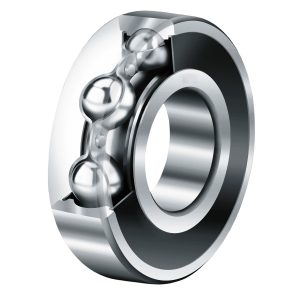
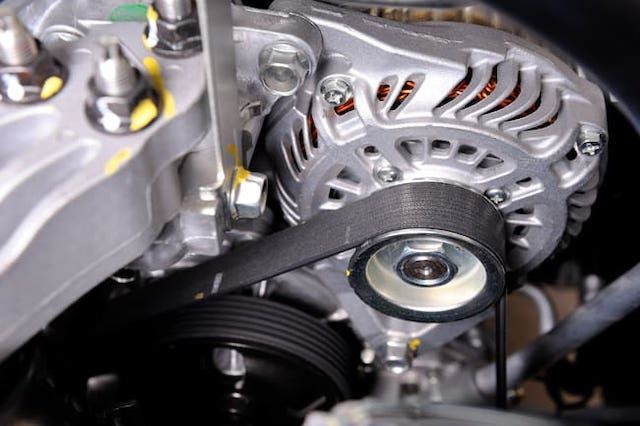
Maintenance tips: Regularly inspect and replace worn-out belts, pulleys, bearings, or gears to prevent unusual sounds and maintain engine efficiency.
Essential Quick Fixes for Engine Failure
In the event of engine failure while sailing, addressing common issues like dead batteries, low fuel levels, and water in the fuel system promptly is essential for ensuring a smooth voyage. Emergency repairs such as checking the battery connections, ensuring fuel availability, and inspecting the fuel lines for any water contamination should be your initial steps. Utilize engine diagnostics by listening for irregular sounds or observing any abnormal movements when trying to start the engine. Troubleshooting techniques involve checking oil levels, looking out for white smoke, and listening for clanking noises which could indicate low oil levels. If you encounter issues like low fuel levels, consider sailing to the nearest port for refueling to prevent engine coughing and stopping. For water in the fuel system, sail to port for system checks and repairs. Regular maintenance tips like monitoring oil levels and battery conditions can help prevent sudden engine stops. Implement preventive measures by ensuring fuel quality and checking the battery regularly to avoid future engine failures. Remember, quick fixes for engine problems can make all the difference in your sailing experience.
Expert Tips for Responsible Engine Use
For peak performance and longevity of your marine engine, adhere to recommended power limits to prevent strain and damage. Operating within these limits guarantees that your engine functions at its best and avoids premature wear and tear. Here are some expert tips for responsible engine use:
Proper Operation: Follow manufacturer guidelines on power usage to maintain the health of your marine engine. Avoid overloading the engine, as this can lead to inefficiencies and potential damage.
Efficient Maintenance: Regularly servicing your engine and its components is essential for sustained performance. Keep up with oil changes, filter replacements, and overall upkeep to prevent unexpected breakdowns.
Engine Performance: Monitor how your engine responds to different loads and conditions. Any unusual behavior or changes in performance could indicate underlying issues that need attention.
Temperature Monitoring: Stay vigilant about your engine’s temperature levels. Sudden spikes or prolonged overheating can spell trouble for the internal components. Ensure proper cooling systems are in place and functioning effectively.
Top Ship Engine Maintenance Advice
Image for Representation Purpose Only
Inspecting your ship’s engine regularly is essential for smooth sailing. Make sure to conduct routine engine inspections, maintain the fuel system, and care for the battery to prevent breakdowns at sea. By staying proactive with maintenance, you can avoid potential issues and keep your vessel operating efficiently.
Routine Engine Inspections
During routine engine inspections on your vessel, prioritize checking belts, hoses, and fluid levels for peak performance. To guarantee smooth sailing experiences, follow these essential steps:
Compression testing: Evaluate the engine’s compression to detect any potential issues early on.
Corrosion prevention: Inspect for any signs of corrosion on metal components to prevent long-term damage.
Filter inspection: Regularly check and replace filters to maintain peak engine performance.
Performance tuning: Fine-tune engine parameters to maximize efficiency and power output.
Fuel System Maintenance
When conducting routine engine inspections, prioritize checking belts, hoses, and fluid levels to guarantee peak performance, a critical aspect of which involves maintaining the fuel system for best ship engine functionality. Regularly inspect the fuel filter for clogs that can impede fuel flow. Listen for the fuel pump sound to confirm proper functioning; a silent pump may indicate a fault. Perform a quality check on fuel to prevent engine issues from contaminated fuel; consider draining old fuel. Verify fuel tank levels and inspect fuel lines for clogs or leaks affecting performance. Confirm the fuel pump is in good working condition for a reliable fuel supply. Proper pump inspection and line maintenance are key to avoiding engine problems at sea.
Battery Care Essentials
To maintain peak ship engine performance, prioritizing battery care essentials is vital for ensuring reliable power supply during sailing expeditions.
Battery maintenance: Regularly checking battery terminals for corrosion and cleaning them with a wire brush can improve electrical conductivity.
Corrosion prevention: Applying a thin layer of petroleum jelly on battery terminals helps prevent corrosion buildup and ensures a secure connection.
Voltage testing: Using a multimeter to test the battery voltage can indicate its health and charging status accurately.
Electrolyte levels: Maintaining proper electrolyte levels in lead-acid batteries is essential for efficient performance and longevity.
Remember these storage tips: Storing batteries in a cool, dry place and avoiding extreme temperature fluctuations can extend their lifespan.
Essential Sailing Marine Engine Checks
Image for Representation Purpose Only
Conduct essential checks on your marine engine to guarantee peak performance while sailing. Start by examining the fuel filter for any clogs that could impede fuel flow and lead to engine issues. Listen attentively for the fuel pump sound during startup to confirm its proper operation. Additionally, verify that the fuel tank holds a sufficient amount of fuel and inspect the fuel lines for any potential blockages. Thoroughly inspect the spark plugs for signs of fouling or damage that could adversely affect engine performance.
To guarantee a reliable power source, conduct a battery test to assess its charge level, and inspect the electrical system for any blown fuses that may disrupt the engine’s operation. By meticulously examining these key components of your marine engine before setting sail, you can proactively address any potential issues and enjoy a smooth sailing experience devoid of unexpected disruptions. Regular maintenance and attention to detail in these checks will help you prevent starting problems and enhance the overall safety and pleasure of your sailing adventures.
Preventing Fuel Contamination Strategies
Curiously, what key strategies can you implement to effectively prevent fuel contamination and maintain your marine engine’s reliability? Here are four essential strategies to keep your fuel system clean and your engine running smoothly:
Balancing Fuel Tank Levels: Regularly monitor and balance the levels in your fuel tanks to prevent fuel stagnation. Uneven fuel distribution can lead to one tank’s fuel aging faster than the other, potentially causing contamination issues.
Filter Maintenance: Stay diligent with regular checks and replacements of fuel filters. Clean filters guarantee that contaminants are captured before reaching critical engine components, preventing damage and maintaining a clean fuel supply.
Fuel Turnover: Practice recommended fuel turnover periods to keep your fuel fresh and avoid issues related to fuel degradation. Using older fuel can lead to sediment accumulation and decreased fuel quality, impacting engine performance.
Oxidation Stability in Biodiesel Blends: When using biodiesel blends, pay attention to their oxidation stability. Making sure that the biodiesel meets specified standards for oxidation stability helps prevent fuel breakdown and contamination, promoting better engine health over time.
Steps When Your Engine Won’t Start
When troubleshooting a marine engine that won’t start, begin by meticulously checking the fuel levels in the tank. Confirm there is sufficient fuel for the engine to operate properly. Next, assess the battery condition and connections to rule out any power supply issues. Validate that the ignition switch is in the correct position for starting the engine. Listen for any unusual sounds or movements when attempting to start the engine as this could provide valuable clues. Inspect the fuel filters for any blockages that may be hindering fuel flow, and check the electrical connections for any loose or damaged wires. Follow proper starting procedures outlined in the manufacturer’s manual to make sure you are starting the engine correctly.
Engine Compression
Ignition System
Fuel Filters
Check for proper compression levels in the engine cylinders.
Inspect spark plugs, wires, and distributor for faults.
Examine fuel filters for blockages or contaminants.
Electrical Connections
Starting Procedures
Verify all electrical connections are secure and free of corrosion.
Follow the manufacturer’s recommended starting procedures for your specific engine model.
Seeking Professional Help: When and Why
If troubleshooting efforts prove unsuccessful in resolving the marine engine issue, promptly seek professional assistance from a qualified marine mechanic. When faced with complex problems beyond your expertise, the knowledge and skills of a professional can make a significant difference in getting your marine engine back to peak performance. Here’s when and why you should consider professional help:
When to Seek Professional Help: If basic troubleshooting steps do not solve the issue or if you are unsure about the root cause of the problem, it is time to involve a marine mechanic for a thorough diagnosis.
Importance of Expertise: Qualified marine mechanics have the training and experience to accurately diagnose and repair intricate engine problems efficiently, ensuring that your vessel operates smoothly and safely.
Peak Performance: Regular maintenance by professionals can help maintain your marine engine’s peak performance, prolong its lifespan, and prevent unexpected breakdowns during your sailing trips.
Preventive Maintenance: Marine mechanics can provide valuable insights on preventive maintenance practices tailored to your specific engine, helping you avoid costly repairs and downtime in the future.
Conclusion
You are now a marine engine troubleshooting expert, ready to conquer any challenge that comes your way. With your newfound knowledge and skills, you’ll be sailing smoothly and confidently on the open waters. Remember, prevention is key, but when trouble arises, you know exactly what to do. Keep calm, stay vigilant, and keep those engines running smoothly for countless adventures ahead. Happy sailing!
When looking for quality diesel locomotive parts suppliers, prioritize performance and safety. Choose reliable suppliers who offer genuine, industry-compliant parts. Mikura International specializes in high-quality parts for various locomotive engines, ensuring cost-effective and timely solutions. Their expertise and efficient supply chain management guarantee smooth operations.
Make informed decisions by considering OEM and aftermarket parts, undergoing stringent quality checks. For expert guidance, trust Mikura International’s industry knowledge to meet your specific maintenance needs. Count on them for prompt deliveries to minimize downtime and keep your locomotives running smoothly. Opt for excellence in locomotive parts sourcing.
Key Takeaways
Prioritize suppliers with quality assurance and industry standards.
Evaluate performance testing to ensure parts meet locomotive requirements.
Consider customer reviews for insights on supplier reliability.
Choose reputable suppliers with a strong industry reputation.
Opt for Mikura International for guaranteed quality parts and timely delivery.
Understanding Diesel Locomotive Parts
To comprehend the intricate workings of diesel locomotives, a fundamental grasp of their complex parts is imperative for maintaining operational efficiency and performance in the railway industry. Diesel locomotive parts are engineered with parts durability in mind, designed to withstand high temperatures, pressures, and the rigorous demands of heavy-duty operations. Engine blocks, which serve as the backbone of locomotive powerhouses, house critical components such as cylinders, pistons, and other essential parts necessary for peak performance.
Performance optimization is a key focus when dealing with diesel locomotive parts. Turbochargers, for instance, play an important role in enhancing engine efficiency by boosting air intake for combustion, thereby increasing power output. Understanding the technical specifications of these components is crucial for ensuring compatibility and seamless integration within the locomotive system.
Maintenance tips for diesel locomotive parts revolve around regular checks and servicing to uphold their longevity and performance. Conducting compatibility checks before installing new parts is essential to prevent malfunctions and ensure smooth operations. By adhering to these practices, rail operators can guarantee the reliability and safety of their locomotives, ultimately leading to improved overall operational efficiency and customer satisfaction in the railway industry.
Importance of Quality Parts
Ensuring the reliability and efficiency of diesel locomotives hinges greatly on the utilization of quality parts sourced from reputable suppliers. Quality parts play a vital role in the performance and longevity of diesel locomotives, offering significant performance benefits. By using high-quality parts, you can optimize the operation of your locomotives, leading to improved efficiency and reduced downtime. These parts not only enhance performance but also contribute to cost savings by reducing maintenance expenses and prolonging the lifespan of the locomotives.
Moreover, quality parts are essential for maintaining safety standards within the rail industry. Choosing reliable suppliers ensures that the parts meet industry compliance and regulatory requirements, guaranteeing the safety of your operations. By prioritizing quality when sourcing parts, you can rest assured that your locomotives are operating at their best while adhering to the necessary standards.
Supplier reliability is paramount when it comes to sourcing quality parts for diesel locomotives. Trusted suppliers like Mikura International offer genuine parts that are compatible and interchangeable, further enhancing the efficiency and effectiveness of your rail systems. To sum up, investing in quality parts from reputable suppliers not only improves the overall performance of your diesel locomotives but also contributes to long-term cost savings, safety, and industry compliance.
Identifying Top Suppliers
When seeking out top suppliers for diesel locomotive parts, your focus should be on identifying those with a proven reputation for quality and reliability in the industry. Supplier evaluation plays an important role in this process. Top suppliers are distinguished by their commitment to quality assurance and adherence to industry standards. They prioritize performance testing to make sure that the parts they provide meet the stringent requirements of diesel locomotives. Additionally, customer reviews are a valuable source of information when evaluating suppliers, as they offer insights into the actual experiences of those who have used their products and services.
To help you in your search for top suppliers, below is a table highlighting key factors to consider:
Factors to Consider
Description
Supplier Evaluation
Look for suppliers with a strong reputation in the industry for providing high-quality locomotive parts.
Quality Assurance
Confirm that the supplier has robust quality control measures in place to guarantee the excellence of their products.
Industry Standards
Choose suppliers that comply with industry standards and regulations to maintain the integrity of the parts.
Mikura International’s Offerings
Curious about Mikura International‘s diverse range of quality diesel locomotive parts? Mikura International stands out due to its strong supplier relationships, guaranteeing access to parts sourced from reputable global manufacturers. This ensures that you receive excellent quality assurance when purchasing diesel locomotive parts from them.
Specializing in parts for ALCO, EMD, and GE diesel engine locomotives, Mikura International offers an extensive parts inventory. From critical engine components like injectors, pistons, to turbochargers, they have you covered with essential parts that cater to various locomotive models.
When you choose Mikura International as your supplier, you can expect cost-effective solutions without compromising on quality. Their commitment to timely delivery ensures that you receive the parts you need promptly, minimizing downtime and keeping your operations running smoothly.
With Mikura International, you can trust that you are not only getting high-quality parts but also benefiting from their efficient supply chain management. This allows you to focus on maintaining the performance of your diesel locomotives while they take care of delivering the necessary components on time, every time.
Sourcing OEM & Aftermarket Parts
To explore the availability of OEM and aftermarket parts for ALCO, EMD, and GE diesel locomotive engines, Mikura International offers an extensive inventory catering to various engine components and train parts. When evaluating suppliers for diesel engine parts, Mikura International stands out for its dedication to material quality. They guarantee that all parts meet industry standards and undergo rigorous quality checks to secure reliability and performance.
Moreover, Mikura International provides competitive pricing for OEM and aftermarket parts, allowing rail operators to compare costs effectively. This pricing comparison aspect enables customers to make informed decisions while maintaining cost-effectiveness in their maintenance operations. Additionally, Mikura International excels in lead times, offering short turnaround times for quick sales and efficient order fulfillment. This quick response contributes to minimizing downtime and keeping locomotives operational.
Furthermore, Mikura International emphasizes compatibility checks to ensure that the parts supplied are suitable for ALCO, EMD, and GE diesel engines. By verifying compatibility, they help prevent operational issues and streamline the maintenance process. Overall, with Mikura International’s focus on supplier evaluation, material quality, pricing comparison, lead times, and compatibility checks, rail operators can trust in the reliability and efficiency of their diesel locomotive parts sourcing.
Achieving Excellence With Mikura International
For achieving excellence in sourcing high-quality diesel locomotive parts, Mikura International stands out as a reputable and reliable supplier in the industry. Here’s why you can count on Mikura International for your locomotive part needs:
Supplier Relationships: Mikura International values strong relationships with manufacturers, ensuring access to top-quality diesel locomotive parts.
Quality Assurance: With a focus on quality, Mikura International guarantees durable and reliable replacement parts for ALCO, EMD, and GE locomotive engines.
Industry Expertise: Benefit from Mikura International’s extensive industry knowledge, allowing them to provide expert guidance on the best parts for your specific locomotive maintenance requirements.
Timely Delivery: Count on Mikura International for prompt delivery of your ordered parts, helping you minimize downtime and keep your locomotives running smoothly.
Frequently Asked Questions
Who Makes Train Parts?
When it comes to train parts, numerous manufacturers produce components for locomotives. Some of the prominent manufacturers include:
ALCO (American Locomotive Company): ALCO was a major manufacturer of locomotives and locomotive parts, particularly during the steam and early diesel eras. Though ALCO ceased locomotive production in the late 1960s, their legacy continues through the availability of replacement parts produced by various suppliers.
EMD (Electro-Motive Diesel): EMD is a well-known manufacturer of diesel-electric locomotives and locomotive parts. They produce a wide range of components for their locomotives, including engines, traction motors, electrical systems, and more.
GE Transportation: GE Transportation, now a part of Wabtec Corporation, manufactures locomotives and locomotive parts, including engines, control systems, and propulsion systems. They are known for their Evolution Series and AC Series locomotives.
Wabtec Corporation: Wabtec is a leading provider of locomotive parts and services, offering a comprehensive range of components for various locomotive models. They produce braking systems, air compressors, couplers, and other essential parts.
Various Aftermarket Suppliers: Apart from original equipment manufacturers (OEMs) like ALCO, EMD, and GE, there are numerous aftermarket suppliers who produce replacement parts for locomotives. These suppliers cater to the maintenance and repair needs of locomotive operators worldwide.
Overall, the production of train parts involves a diverse ecosystem of manufacturers, including both OEMs and aftermarket suppliers, who contribute to the maintenance and operation of locomotives across the globe.
When seeking top-quality locomotive engine parts, consider Mikura International, a trusted supplier of genuine parts compatible for ALCO, EMD, GE, and more. Our company specializes in importing and exporting locomotive engine parts to meet the needs of experts in the industry with decades of experience.
Mikura International ensures the reliability and efficiency of your rail systems with our high-quality parts. Explore our range of locomotive engine parts to find the perfect fit for your projects.
What Is the Best Diesel Locomotive Ever Built?
There have been many exceptional diesel locomotives built over the years, each with its own strengths and capabilities. Some of the most highly regarded diesel locomotives include:
EMD SD40-2: Known for its reliability and versatility, the EMD SD40-2 was a popular choice for many railroads in North America.
GE Dash 9: This locomotive was praised for its fuel efficiency and powerful performance on heavy freight trains.
ALCO PA: The ALCO PA was a stylish and powerful locomotive that gained popularity for its distinctive design.
GE AC6000CW: Recognized for its high horsepower output, the GE AC6000CW was a common sight on many railroads hauling heavy coal and freight trains.
Each of these locomotives has left a significant mark on the history of rail transportation, and opinions on the “best” diesel locomotive can vary depending on factors such as performance, reliability, and historical significance.
Recognized for its exceptional performance, innovative design elements, historical significance, and ease of maintenance, the finest diesel locomotive ever crafted continues to captivate enthusiasts worldwide. Its enduring popularity stems from its versatility, reliability, and iconic streamlined appearance, making it a cherished choice among railroad aficionados. Renowned for its robust build and remarkable longevity, this locomotive has made a lasting impact on the industry. Its impressive power, efficiency, and widespread adoption by various railroads have cemented its status as a legendary figure in locomotive history.
At Mikura International, we specialize in supplying genuine locomotive engine parts compatible for ALCO, EMD, GE, and more. Our expertise lies in catering to seasoned professionals in the locomotive engines sector who are in search of high-quality parts for their projects. Rest assured, our commitment to delivering top-notch products aligns with the exacting standards of industry experts.
Does EMD Still Make Locomotives?
EMD (Electro-Motive Diesel) continues to be a prominent manufacturer of locomotives, particularly diesel-electric locomotives. EMD was acquired by Progress Rail, a subsidiary of Caterpillar Inc., in 2010.
Mikura International is a trusted supplier of genuine locomotive engine parts sourced from reputable manufacturers like ALCO, EMD, and GE. Our focus is on providing high-quality parts to experts in the locomotive engines industry, catering to their specific project needs.
Our commitment to excellence is reflected in the reliability and efficiency of the parts we supply. Whether you require components for the EMD SD70ACe-T4 or the ALCO locomotive series, we ensure that your locomotive projects are equipped with top-notch parts for optimal performance.
With Mikura International, you can count on a seamless experience in sourcing locomotive parts, backed by our dedication to quality and customer satisfaction. Explore our range of genuine parts to discover how we can support your locomotive engine projects effectively.
Conclusion
When it comes to sourcing top-quality locomotive engine parts, look no further than Mikura International. As a leading supplier and importer/exporter of genuine parts compatible for ALCO, EMD, GE, and more, we are dedicated to providing excellence in the locomotive industry.
For experts with extensive experience in locomotive engines, Mikura International offers a reliable source for all your parts needs. Elevate your rail operations with our exceptional offerings and take your projects to new heights.
Choose Mikura International for a smooth ride towards success in the locomotive engines industry. Visit us at https://mikurainternational.com to explore our range of locomotive engine parts.
Enhance your diesel locomotive transmission components for peak performance by optimizing turbochargers, quality belts, hoses, and maintenance routines. Improve power output and efficiency levels for better locomotive operation. Increase efficiency by ensuring proper lubrication, cooling, and alignment of essential components.
Regularly inspect clutches, torque converters, and shafts to prevent wear and leaks. Implement manufacturer-recommended maintenance schedules for best locomotive functioning. Enhance overall transmission performance with strategic enhancements. Boost power output and fuel efficiency by focusing on key elements in your diesel locomotive system. Sharpening these components can lead to significant improvements in your locomotive’s performance and reliability.
Key Takeaways
Regularly inspect transmission components for wear and alignment.
Optimize turbocharger efficiency for enhanced performance.
Implement preventive maintenance measures like fluid checks.
Monitor fluid levels and quality for proper functioning.
Follow manufacturer’s maintenance schedules for peak efficiency.
Understanding Diesel Locomotive Engine Components
Understanding the diesel locomotive engine components is essential for optimizing performance and efficiency in your train operations. When it comes to transmission components, the diesel locomotive engine consists of a 16-cylinder diesel engine, a turbocharger, an airbox, and an exhaust system. These components work together to generate power efficiently, ensuring that your locomotive operates at its best. By harnessing the power of these components effectively, you can maximize power generation efficiency and achieve peak performance in various operating conditions.
Safety features play an important role in diesel locomotive engines. Components like bulletproof glass, hand brakes, and emergency kits are crucial for ensuring the safety of both the train crew and passengers. Additionally, the main electrical cabinet in the locomotive houses high voltage cables that are essential for electrical power distribution throughout the train. This distribution ensures that all systems receive the necessary power to function correctly, contributing to the overall efficiency of the locomotive.
To maintain peak operating conditions, the generator room in the diesel locomotive is equipped with blowers and inertia air filters. These components help regulate temperature and airflow, ensuring that the engine operates efficiently. By understanding and maintaining these transmission components, you can enhance the performance of your locomotive while prioritizing safety and efficiency in your train operations.
Turbochargers: Revolutionizing Performance of Your Locomotives
Turbochargers play a vital role in optimizing the performance of your locomotives by providing a significant power boost to diesel engines. They guarantee efficient operation in various conditions, enhancing fuel efficiency and reducing emissions. Integrating turbochargers into your diesel electric train system can lead to improved reliability, efficiency, and overall sustainability.
Turbocharger Functionality in Locomotives
Revolutionize your locomotive’s performance with the cutting-edge functionality of turbochargers, enhancing power output without increasing engine size. Turbochargers in locomotives offer significant benefits, including performance enhancement, power optimization, efficiency improvement, and reliability assurance. By providing up to 400% more power, turbochargers guarantee peak performance without the need for larger engines. This results in maintaining high power output while improving fuel efficiency and reducing emissions.
Turbochargers play an essential role in optimizing locomotive performance in extreme conditions, ensuring dependable operation in challenging environments. Through forced induction, these components increase fuel efficiency, reducing consumption and overall operating costs for diesel electric trains. Integrating turbochargers into locomotives enhances engine reliability and efficiency, ultimately contributing to improved performance and sustainability.
Fuel Efficiency and Turbochargers
Enhancing locomotive fuel efficiency through the integration of turbochargers provides a substantial power boost while reducing emissions and promoting sustainability in diesel electric trains. Turbochargers in diesel electric trains deliver up to 400% more power, greatly enhancing locomotive performance. By utilizing smaller engines with turbochargers, you can maintain power output, save fuel, and reduce emissions, ultimately promoting fuel economy. The forced induction by turbochargers optimizes engine performance in extreme operating conditions, ensuring engine reliability. Additionally, turbochargers play an essential role in improving fuel efficiency and reducing emissions, ultimately contributing to environmental sustainability in diesel electric trains. The integration of turbochargers revolutionizes locomotive performance, making them more powerful, efficient, and environmentally friendly.
Turbochargers and Emission Reductions
By increasing air intake and optimizing fuel combustion, diesel locomotive turbochargers play an essential role in reducing emissions and improving overall environmental sustainability in railway operations. Turbocharger technology greatly enhances engine efficiency, leading to better performance and emission control in diesel locomotives. The table below highlights the sustainability benefits of turbochargers in railway applications:
Turbocharger Benefits
Description
Emission Reduction
Reduces harmful pollutants in exhaust
Performance Enhancement
Increases power output and efficiency
Sustainability
Contributes to eco-friendly operations
Engine Efficiency
Optimizes combustion for better performance
Fuel Savings
Enhances fuel economy and cost-effectiveness
Integrating turbochargers in diesel locomotives is a vital choice for operators looking to boost performance while minimizing their environmental footprint.
Role of Quality Belts and Hoses in Locomotives
For efficient power transmission and fluid conveyance in diesel locomotives, quality belts and hoses play an important role. Belt longevity and hose durability are essential factors in guaranteeing the smooth operation of locomotive transmission components. Quality belts not only enhance transmission efficiency but also contribute to performance optimization. Similarly, durable hoses are necessary for efficient fluid conveyance, preventing leaks and ensuring the proper functioning of various systems within the locomotive.
Investing in high-quality belts and hoses is necessary for maintaining the longevity of these components. Timely replacement of belts and hoses is important to avoid unexpected failures that can lead to costly downtime. Proper tensioning and alignment of belts are critical maintenance strategies to prevent premature wear and ensure reliable operation. By regularly inspecting and maintaining belts and hoses, you can significantly reduce the risk of breakdowns and improve the overall reliability of your diesel locomotive.
In the long run, choosing quality belts and hoses can help reduce maintenance costs and enhance the efficiency of your locomotive. By prioritizing the quality and maintenance of these components, you can make sure that your diesel locomotive operates at its best, providing reliable and optimized performance for your transportation needs.
Top Choices for Diesel Belts
Invest in top-tier diesel belts for maximum power transmission in your locomotive. Belt durability and performance are important factors to take into account when selecting the best belt for your diesel locomotive. High-quality belts that can withstand the demanding conditions of locomotive operations will guarantee efficient power transfer, enhancing the overall performance of your train. Proper belt tension and alignment play a significant role in maintaining the longevity and efficiency of the belts. Regularly checking and adjusting the tension and alignment of the belts will prevent unnecessary wear and tear, ultimately improving the performance and reliability of your locomotive transmission system.
Effective maintenance practices, such as scheduled inspections and timely replacements, are essential for maximizing the efficiency and lifespan of diesel belts. Investing in top-rated belts specifically designed for diesel locomotives guarantees reliability and performance. These top choices for diesel belts have been tested and proven to deliver exceptional results in power transmission, offering the longevity and efficiency needed for your locomotive operations. By selecting the best diesel belts available on the market, you can ensure that your locomotive operates at its peak performance levels while minimizing the risk of unexpected failures or breakdowns.
High-Performance Diesel Hoses
High-performance diesel hoses engineered for extreme heat and pressure conditions in locomotives guarantee maximum durability and reliability. These hoses are specifically designed to withstand the harsh environment of diesel engines, ensuring they can handle the extreme conditions they are subjected to during operation. The materials used in these hoses are carefully selected to provide the necessary flexibility and strength to maintain performance under high temperatures and pressures.
When it comes to performance enhancement, high-quality diesel hoses play a vital role in improving fuel efficiency and overall locomotive efficiency. By using advanced materials and construction techniques, these hoses minimize energy losses and pressure drops, allowing for better fuel utilization and power delivery. Additionally, customization options are available for diesel hoses, enabling you to tailor them to your specific locomotive requirements and integration needs with other components.
To secure top functionality and longevity of diesel hoses, regular maintenance is essential. Inspecting the hoses for wear, leaks, or damage and replacing them when necessary can prevent breakdowns, reduce maintenance costs, and improve overall locomotive efficiency. By investing in quality diesel hoses and following proper maintenance practices, you can empower your locomotive transmission components for better performance in extreme operating conditions.
Essential Maintenance Tips
Image for representation Purpose Only
You should establish a regular inspection routine to monitor the condition of your transmission components, including clutches and torque converters. Maximizing your turbocharger efficiency is vital for enhancing the performance and fuel efficiency of your diesel locomotive. Implement preventive maintenance measures like checking fluid levels and aligning components to guarantee peak functionality and longevity.
Regular Inspection Routine
Regularly inspecting transmission components such as clutches, torque converters, and shafts is vital for ensuring peak performance and longevity of your diesel locomotive. Conducting thorough checks for transmission wear, leak detection, alignment, fluid monitoring, and cooling system maintenance can help prevent unexpected breakdowns and costly repairs. By monitoring fluid levels and quality, you can guarantee the proper functioning of your locomotive’s transmission system. Implementing routine inspections allows you to identify potential issues early, enabling timely maintenance and enhancing overall reliability. Following the manufacturer’s recommended maintenance schedules and procedures is essential in maximizing transmission efficiency and extending its lifespan.
Transmission Component
Inspection Procedure
Importance
Clutches
Check for wear and alignment
Prevents slippage and ensures proper engagement
Torque Converters
Inspect for leaks
Avoids fluid loss and maintains efficiency
Shafts
Monitor fluid levels
Ensures adequate lubrication and cooling
Optimizing Turbocharger Efficiency
Examining the turbocharger components regularly is crucial for maintaining peak efficiency and performance in your diesel locomotive transmission system. To maximize turbocharger efficiency, focus on turbocharger tuning for performance enhancement. Regularly inspect for wear, damage, or debris buildup in the system. Guarantee proper lubrication maintenance to prevent overheating and extend the turbocharger’s lifespan. Monitor boost pressure levels to ensure the turbocharger operates within recommended parameters. Swiftly address any unusual noises, vibrations, or power decrease to mitigate potential turbocharger issues. By implementing these efficiency optimization practices, you can enhance the overall performance of your diesel locomotive transmission system and ensure peak functioning of the turbocharger component.
Preventive Maintenance Measures
To maintain peak performance and longevity of your diesel locomotive transmission system, it is imperative to adhere to essential preventive maintenance measures. Regular transmission maintenance is vital. Make sure to regularly check transmission fluid levels and quality to guarantee proper lubrication and cooling for best performance. Conduct thorough component inspections to identify wear, leaks, or damage, addressing them promptly to prevent any functionality issues. Keep a close eye on transmission temperature during operation to avoid overheating and potential damage to internal components. Follow manufacturer-recommended maintenance schedules for fluid changes, filter replacements, and system inspections. When in doubt, seek professional services for tasks like correct rebuilds, line pressure adjustments, and overall transmission health.
Troubleshooting Belt and Hose Issues
Image for representation Purpose Only
Inspecting the condition of belts and hoses on your diesel locomotive is vital to ensuring peak performance and preventing potential breakdowns. Troubleshooting techniques for belts and hoses involve regular inspections for wear, cracks, and leaks. Proper tensioning and alignment are essential for maximizing longevity and efficiency. Timely replacement of belts and hoses is essential to prevent breakdowns and ensure peak power transmission.
By investing in high-quality belts and hoses, you can reduce maintenance costs and enhance overall system reliability. Custom hose assemblies tailored to specific locomotive needs can further improve performance and minimize downtime. Ensuring the durability of these components is key to the performance enhancement and efficiency optimization of your diesel locomotive transmission system. Implementing effective maintenance strategies for belts and hoses will not only improve the reliability of your locomotive but also contribute to its long-term sustainability. Make sure to prioritize the health of your belts and hoses to keep your diesel locomotive running smoothly and efficiently.
Importance of Durable Locomotive Components
Guarantee peak performance and reliability of your diesel locomotive by prioritizing the durability of its components, especially the transmission parts. Transmission durability is vital for the seamless operation of your locomotive. High-quality, durable transmission components not only enhance the overall efficiency of your train but also contribute to its dependability. By investing in reliable components, you can prevent breakdowns, reduce maintenance costs, and make sure that your locomotive functions efficiently for an extended period.
Component reliability is a key factor in maintaining the power efficiency of your diesel locomotive. When your transmission components are durable and reliable, they can efficiently transmit power throughout the train system. This reliability leads to improved performance enhancements and a more streamlined operation. Additionally, durable components also offer maintenance benefits by reducing the frequency of repairs and replacements, ultimately saving you time and resources.
Frequently Asked Questions
What Is the Range of Horsepower of a Diesel Locomotive?
The range of horsepower in a diesel locomotive varies, from around 1,000 horsepower for smaller engines to over 4,000 horsepower for larger ones. This power output directly impacts the engine’s efficiency, fuel consumption, performance capabilities, and overall speed. Ensuring essential horsepower ratings in your diesel locomotive system is vital for efficient transportation and successful operation across diverse terrains.
How Many Horsepower Is a Freight Train?
A freight train can have a horsepower range from 4,000 to 7,000 or more for heavy hauling. The combined horsepower of multiple locomotives pulling a train can exceed 10,000. High horsepower is essential for efficient heavy load transportation over long distances. Diesel locomotives use powerful engines to provide necessary horsepower for freight transportation. This guarantees engine efficiency, load capacity, acceleration capabilities, fuel consumption, and maintenance costs are optimized for maximum performance.
What Is the Top Speed of a Diesel Locomotive?
When running at its fastest, a diesel locomotive can hit speeds between 90 to 110 miles per hour. Various factors like track conditions, train weight, and operational limits affect how fast it can go. To reach these high speeds efficiently, modern locomotives are built with advanced traction control systems and aerodynamic designs. By optimizing speed limits, operating conditions, track maintenance, fuel efficiency, and engine design, you can push your diesel locomotive to its top speed capabilities.
What Is the Power Transmission in a Diesel Locomotive?
When considering the power transmission in a diesel locomotive, key aspects such as torque conversion, gear ratios, transmission efficiency, clutch operation, and power distribution come into play. Torque conversion is essential for transferring engine power to the wheels efficiently. Gear ratios guarantee efficient power delivery at different speeds. Transmission efficiency impacts overall performance. Clutch operation enables smooth power transfer. Power distribution ensures that energy reaches the wheels effectively for locomotion.
Conclusion
Enhance the performance and efficiency of your diesel locomotive by equipping it with turbochargers, a cutting-edge technology that can increase engine power by up to 30%. Imagine the added power and speed your train can achieve with this upgrade. Ensure your locomotive continues to run smoothly and efficiently by keeping up with regular maintenance and troubleshooting.
At Mikura International, we specialize in supplying genuine locomotive engine parts from top manufacturers like ALCO, EMD, and GE. With decades of experience and expertise in the locomotive engines industry, our target audience includes professionals seeking high-quality parts for their projects.
Upgrade your locomotive transmission components today and experience the difference in performance. Visit our website to explore our wide range of genuine locomotive parts and elevate your locomotive’s capabilities.
Enhance your locomotive engine’s capabilities with performance valve springs. These specialized springs offer higher rates and precision to optimize valve control and fuel combustion. Upgrading guarantees efficient power delivery and minimizes wear on components, improving longevity. Selecting the right springs and maintaining proper timing is essential for top performance and reliability. Consider the impact on fuel efficiency and engine responsiveness. Keep in mind the potential risks of using overly strong springs. By investing in performance valve springs, you open up a world of benefits that elevate your locomotive engine’s performance to new heights.
Key Takeaways
Increased spring rates and pressures for superior valve control.
Enhanced fuel combustion efficiency and power delivery.
Minimize wear and stress on components for longevity.
Maintain proper valve timing at high speeds.
Improve engine reliability and efficiency with high-quality materials.
Understanding Performance Valve Springs
When upgrading to performance valve springs, you gain the advantage of enhanced engine stability at high speeds and increased boost pressure, ensuring peak power output and reliability for your locomotive. Performance valve springs exhibit specific spring characteristics that set them apart from standard springs. These aftermarket springs are engineered with higher spring rates and pressures to withstand the elevated demands of high-performance locomotive engines. The material composition of these springs is essential, often made from premium-grade alloys or high-strength steel to endure the rigors of increased engine speeds and pressures.
The installation process of performance valve springs requires precision and expertise. Proper installation techniques are vital to guarantee optimal performance and longevity. Regular maintenance is also key to preserving the effectiveness of these specialized springs. Periodic inspections for wear and correct valve spring pressure are necessary to prevent potential engine issues. Performance testing of the valve springs is a critical step to ensure they are functioning within the specified parameters. Through performance testing, any deviations or abnormalities can be identified and addressed promptly, ensuring the continued reliability and efficiency of your locomotive engine.
The Role of Valve Springs in Locomotive Engines
Valve springs in locomotive engines play an essential role in maintaining precise timing and control of the valves to maximize engine performance. These components are fundamental for ensuring efficient fuel combustion and power delivery. High-quality steel valve springs are commonly used due to their durability and strength, which are critical for the demanding conditions locomotive engines operate under.
When it comes to valve spring function, they help prevent valve float at high speeds, which can result in power loss and potential engine damage. Properly calibrated valve springs are necessary to uphold valve control and overall engine performance. Additionally, upgrading to performance valve springs can greatly enhance the reliability, longevity, and efficiency of locomotive engines, reducing friction, wear, and stress on valvetrain components.
To ensure top-notch locomotive engine performance, it is vital to select the right valve spring materials, perform regular maintenance, ensure accurate installation, and understand how these components contribute to overall engine performance.
Advantages of Performance Valve Springs
Enhancing locomotive engine performance with performance valve springs results in increased spring rates and pressures for superior valve control and timing. These upgraded valve springs play a vital role in optimizing valve control, especially in engines with aggressive cam profiles and increased boost levels. By enhancing valve control, performance valve springs effectively reduce valve float at high engine speeds, guaranteeing precise timing and ideal power delivery throughout the RPM range.
The advantages of performance valve springs extend beyond just valve control. They contribute immensely to overall power delivery by providing stability and consistency in the engine’s operation. This stability leads to improved fuel combustion efficiency, maximizing power output and engine efficiency. Additionally, the enhanced valve springs help minimize friction, wear, and stress on valvetrain components, promoting longevity and reliability in high-performance applications.
Furthermore, performance valve springs are essential components for locomotive engines operating under high boost levels. Their ability to maintain proper valve timing and control under increased pressure results in enhanced engine efficiency and performance. Hence, investing in quality performance valve springs is vital for locomotive owners looking to harness the full potential of their engines and ensure a smooth power delivery, especially in demanding conditions with aggressive cam profiles and high boost levels.
Choosing the Right Valve Springs for Your Locomotive
To maximize the performance of your locomotive engine, it is paramount to carefully select valve springs that match the engine’s specifications for peak fuel combustion efficiency and enhanced power delivery. When choosing the right valve springs for your locomotive, consider the following key factors:
1. Engine Specifications and Requirements
Before choosing valve springs, carefully review your locomotive engine’s specifications and requirements. Consider factors such as engine size, horsepower, and operating conditions to determine the appropriate spring rate and pressure.
2. Spring Rate Selection
Selecting the correct spring rate is crucial for maintaining optimal valve control and timing. Higher spring rates are suitable for engines with aggressive cam profiles and increased boost levels, ensuring superior valve control at high speeds.
3. Pressure Considerations
Pay close attention to pressure requirements to match the engine’s needs. Optimal pressure ensures efficient fuel combustion and power output. Consider consulting with engine experts or manufacturers to determine the ideal pressure for your specific locomotive engine.
4. Valve Timing Importance
Proper valve timing is essential for achieving maximum performance and preventing issues such as misfires or inefficient combustion. Ensure that the chosen valve springs support precise valve timing throughout the engine’s RPM range.
5. Fuel Efficiency Benefits
Upgrading to performance valve springs can lead to improved fuel efficiency by enhancing combustion processes and power delivery efficiency. Choose springs that optimize fuel efficiency while maximizing engine performance.
6. Material and Construction
Consider the material and construction of the valve springs. High-quality alloys or high-strength steel are often preferred for their durability and ability to withstand the rigors of high engine speeds and pressures.
7. Compatibility with Cam Profiles
Ensure that the chosen valve springs are compatible with the engine’s cam profiles. Springs designed to work with specific cam profiles can enhance valve control and overall engine performance.
8. Performance Testing and Reviews
Before making a final decision, consider performance testing and reviews of the valve springs. Look for feedback from other locomotive owners or professionals in the industry to ensure the springs meet expectations for reliability and efficiency.
Comparison: Performance Valve Springs
Feature
Standard Springs
Performance Springs
Spring Rate (lbs/in)
200-300
400-600
Material
Steel
Premium Alloys
Pressure Requirements
Standard
High
Compatibility
General
Engine Specific
Comparison: Effects of Valve Spring Strength
Aspect
Weak Springs
Strong Springs
Valve Control
Poor, Misfires
Enhanced, Precise Control
Fuel Efficiency
Decreased
Potentially Improved
Engine Wear
Less Stress on Components
Increased Stress, Potential Wear
Compression Ratios
Suboptimal
Potentially Improved
Engaging Fact: Did you know that the right valve springs can contribute significantly to the overall responsiveness and efficiency of your locomotive engine? By carefully selecting and installing performance valve springs, you can unlock the full potential of your engine and experience smoother operation and improved power delivery.
Bullet Points: Tips for Choosing Valve Springs
Consult with engine experts or manufacturers for guidance.
Consider the engine’s specific requirements and operating conditions.
Prioritize durability and compatibility with cam profiles.
Look for performance testing and reviews before making a decision.
Issues With Overly Strong Springs
Image Only for Representation Purpose
Excessive strength in valve springs can lead to detrimental consequences for locomotive engines, including increased friction and wear on critical components. When spring tension surpasses the engine’s requirements, it puts undue stress on the camshaft lobes, rocker arms, and valve stems, accelerating wear and potentially leading to premature failure. This heightened tension can also induce valve float at high speeds, causing compression loss and power reduction, ultimately risking engine damage.
Moreover, the impact on fuel efficiency cannot be overlooked. Strong valve springs heighten friction within the engine, resulting in increased energy consumption that compromises combustion efficiency. This inefficiency not only leads to wasted fuel but also affects overall engine performance. The excessive stress imposed by overly strong springs on the valvetrain components can further exacerbate maintenance challenges. Tuning and upkeep become more intricate tasks, necessitating specialized tools for replacement and adjustment to mitigate potential complications effectively.
In essence, while performance valve springs are designed to enhance locomotive engine performance, it is essential to strike a balance in spring strength to prevent adverse effects on engine wear, compression, efficiency, and maintenance. Properly matching the spring tension to the engine’s requirements is vital for excellent performance and longevity.
Mitigating Valve Springs Problems
Mitigating valve springs problems involves carefully balancing spring strength to prevent wear and friction on engine components. When addressing these issues, it is important to take into account various factors that can impact the performance and longevity of the valvetrain system. Here are key considerations for maximizing valve spring performance:
Spring Rate: Selecting performance valve springs with the appropriate spring rate is vital for maintaining the ideal tension for proper valve operation and minimizing wear on engine components.
Valve Float: Upgrading to performance valve springs can help reduce the risk of valve float at high speeds, ensuring consistent valve control and enhancing engine compression for improved power output.
Energy Consumption: By optimizing valve spring performance, you can minimize energy consumption within the engine, leading to enhanced fuel efficiency and overall operational cost savings.
Compression Enhancement: Properly matched valve springs contribute to better compression ratios, positively impacting engine performance and responsiveness while maintaining fuel efficiency levels.
Ensuring Engine Valvetrain Longevity
Image Only for Representation Purpose
Enhancing engine valvetrain longevity can be achieved through the careful selection and installation of performance valve springs. Upgrading to performance valve springs plays an essential role in maximizing efficiency and reducing wear on critical valvetrain components. By opting for properly selected performance valve springs, you can guarantee peak performance, as they help maintain precise valve control, leading to efficient fuel combustion and power delivery.
The longevity benefits of enhanced valve spring design are significant. These springs are engineered to minimize the risk of valve float, especially at high engine speeds, which can otherwise result in detrimental consequences for the engine. Performance valve springs with the right spring rate and pressure not only improve overall engine performance but also contribute to its reliability. This improved reliability translates to smoother engine operation and increased longevity of the valvetrain components.
Frequently Asked Questions
Does Upgrading Valve Springs Increase Horsepower?
Upgrading valve springs can indeed enhance horsepower for your locomotive engine. By improving valve control, increasing efficiency, and preventing valve float, performance valve springs improve torque, boost acceleration, and enhance durability. With the right tension and design, these springs maximize power delivery, allowing your engine to achieve its peak performance levels. Upgrade now to maximize the full power potential of your locomotive and experience the benefits firsthand.
What Are the Benefits of Stronger Valve Springs?
Looking to enhance your locomotive engine’s performance? Stronger valve springs offer improved durability, increased responsiveness, and smoother operation. By enhancing valve control and timing, these components optimize fuel combustion efficiency and reduce wear on valvetrain parts. Choosing the right springs for your engine’s needs can unleash increased power and torque. Ready to take your locomotive to the next level with enhanced efficiency and performance?
What Do Performance Valve Springs Do?
Performance valve springs significantly improve responsiveness, durability, and fuel efficiency in locomotive engines. They guarantee stable valve control at high speeds, reducing valve float and harmonics for smoother operation. By optimizing valve timing, these springs enhance reliability and engine longevity. With increased spring rates and pressure, performance springs provide consistent power delivery, reducing wear on valvetrain components. Upgrading to these springs is vital for maximizing engine performance and efficiency.
What Is the Effect of Weak Valve Spring on Engine Performance?
When weak valve springs plague your locomotive engine, the consequences are dire. Reduced power output, poor acceleration, and engine misfires become a recurring nightmare. Valve float disrupts combustion, leading to decreased efficiency. Imagine a symphony without a conductor, chaos ensues. Prevent this by upgrading to performance valve springs, ensuring precise timing and power delivery. Embrace stability and reveal the true potential of your locomotive engine.
Conclusion
When considering the enhancement of your locomotive engine’s performance, it is crucial to choose the right components for optimal results. At Mikura International, we specialize in supplying genuine locomotive parts sourced from reputable manufacturers like ALCO, EMD, GE, and more.
For seasoned professionals in the locomotive engines industry seeking top-quality parts for their projects, Mikura International offers a diverse range of options to meet your specific needs. Our focus on authenticity and reliability ensures that your locomotive engine performs at its best.
Experience a significant upgrade in power and dependability by selecting the appropriate performance valve springs tailored to your engine’s requirements. Elevate your locomotive engine to new heights with Mikura International’s premium parts and unlock its full potential without compromise. Explore the possibilities and harness the power within your locomotive engine today.
Upgrade your locomotive engine’s valve train system with high-performance enhancements to maximize power output. Enhanced valve technology provides precise airflow control, improving fuel efficiency and overall engine performance. Upgraded valve springs guarantee higher RPM operation and increased valve lift, reducing the risk of valve float. High-quality rocker arms enhance valve movement, combustion efficiency, and durability. Consider specific engine requirements when selecting components for peak performance gains. These enhancements lead to better engine responsiveness, fuel efficiency, and power output. Maximize your locomotive engine potential by implementing these advanced upgrades.
Key Takeaways
Valve timing optimization boosts engine performance and efficiency.
Upgraded valve technology enhances airflow control and combustion.
Quality components like springs and rocker arms optimize valve train dynamics.
Enhanced valve springs enable higher RPM operation and efficient combustion.
Engine upgrades maximize power output, fuel efficiency, and responsiveness.
Understanding Locomotive Valve Train Upgrades
When considering locomotive valve train upgrades, understanding the intricacies of valve timing and lift optimization is essential for achieving enhanced engine performance. Valve train dynamics play a vital role in determining engine efficiency and power output. By upgrading valve technology, you can fine-tune the timing and lift of the valves, allowing for better control over the engine’s airflow and combustion process. This optimization leads to significant performance gains, including improved fuel efficiency and overall engine optimization.
Enhanced valve technology enables more precise control over the opening and closing of the valves, maximizing airflow into the combustion chamber. This improved airflow promotes better combustion efficiency, resulting in increased power output and reduced fuel consumption. The precise timing and lift adjustments also help in minimizing energy losses due to valve overlap, contributing to enhanced fuel efficiency and engine performance.
Furthermore, advanced valve train designs reduce friction within the engine, decreasing wear and stress on components. This reduction in friction not only improves the engine’s longevity but also enhances its responsiveness and reliability. By upgrading the valve train components, you can optimize the engine’s operation, boost its performance, and ensure compliance with environmental regulations, making it a worthwhile investment for any locomotive enthusiast seeking to elevate their railroading experience.
Key Components for Upgrading
When upgrading your locomotive’s valve train components, it is important to carefully select the right parts to maximize performance. Upgrading valve springs can enhance valve control, prevent valve float, and optimize engine response. Additionally, investing in high-quality rocker arms can improve valve train stability, reduce friction, and guarantee precise valve operation.
Choosing the Right Components
When upgrading your locomotive’s valve train, it is crucial to take into account the specific performance goals and requirements of your engine. Selecting the right components can greatly impact the overall performance gains of your locomotive. Here are key factors to ponder when choosing the right components:
Component
Key Considerations
Valve Springs
Material selection for durability and high RPM support
Compatibility check for lightweight and quick valve action
Chromoly Pushrods
Performance gains in strength and support for valve lift
Valve Locks & Keepers
Performance testing under high RPM and load conditions
Thoughtful consideration of these factors will guarantee that your locomotive’s valve train upgrades align with your engine’s specific needs and maximize performance.
Upgrading Valve Springs
To enhance your locomotive engine’s performance and efficiency to a great extent, one key aspect to focus on is upgrading the valve springs, an essential component for optimizing engine operation. Upgrading valve springs can lead to significant performance gains by enabling higher RPM operation and increased valve lift. By improving valve control, these upgraded springs reduce the risk of valve float, which is important in preventing engine damage at high speeds. The enhanced valve control also ensures precision timing and sealing, promoting efficient combustion. Additionally, high-quality valve springs play a critical role in engine longevity, supporting reliability under extreme conditions. Upgraded valve springs are necessary for speed enhancement, precise timing, and maximizing power output while improving fuel efficiency and overall engine responsiveness.
Importance of Rocker Arms
Upgrading the rocker arms in your locomotive engine is paramount for optimizing valve movement and enhancing overall performance, especially when aiming to maximize power output and improve combustion efficiency. High-performance rocker arms offer significant performance gains by improving valve control, enhancing engine optimization, and increasing durability benefits. By upgrading to advanced rocker arms, you can achieve better valve timing, lift, and duration, resulting in improved airflow and combustion efficiency. These high-quality rocker arms are designed to withstand higher stress levels and RPM, ensuring reliable operation under demanding conditions. Additionally, materials like alloy steel or aluminum used in upgraded rocker arms not only enhance durability but also reduce weight, contributing to efficiency improvements in your locomotive engine.
Benefits of Locomotive Engine Upgrades
Upgrading your locomotive engine with high-performance valve train enhancements can lead to optimized airflow efficiency, enhanced combustion processes, and increased power output. These upgrades work together to improve the engine’s overall performance, providing you with a more efficient and powerful locomotive operation. By investing in these enhancements, you can expect a significant boost in performance and efficiency, ultimately enhancing your railroading experience.
Optimized Airflow Efficiency
Enhancing locomotive engine performance through high-performance valve train upgrades involves optimizing airflow efficiency to maximize combustion and power output. When you improve airflow, you enhance fuel efficiency, increase engine power, and boost overall performance. Consider the following benefits of optimizing airflow efficiency with valve train upgrades:
Enhanced Fuel Efficiency: Optimized airflow guarantees a proper air-fuel mixture for efficient combustion.
Increased Engine Power: Improved airflow leads to better combustion, resulting in increased power output.
Enhanced Performance Gains: Upgrades like high-performance valves and camshafts reduce restrictions and maximize air intake, enhancing overall locomotive performance.
Investing in these upgrades can significantly elevate your locomotive’s capabilities, providing a more satisfying railroading experience.
Enhanced Combustion Process
Enhancing the combustion process in locomotive engines through high-performance valve train upgrades guarantees the optimal use of air and fuel mixture for improved efficiency and power output. By optimizing combustion efficiency, these upgrades result in significant performance gains, enhanced engine reliability, and improved fuel economy. The upgraded valve train components promote a cleaner combustion process, leading to a reduction in emissions from locomotive engines. This enhancement not only boosts power output but also contributes to the overall longevity and durability of the engine. With a more efficient combustion process facilitated by precision valve train upgrades, locomotive operators can enjoy smoother engine operation, lower maintenance requirements, and an extended engine lifespan.
Power Output Increase
To maximize the power output of your locomotive engine, consider optimizing valve timing, lift, and duration through high-performance valve train upgrades. Enhancing the valve train can lead to significant performance gains, including a horsepower boost and torque improvement. By improving the valve train components, you can effectively optimize airflow, reduce friction, and allow for higher engine RPMs, resulting in increased engine power enhancements. These enhancements in valve train optimization help the engine breathe better, leading to improved combustion efficiency and overall performance. Investing in high-performance valve train upgrades not only reveals hidden power potential but also enhances reliability and prolongs engine life in locomotives.
Choosing Quality Locomotive Engine Parts
Quality locomotive engine parts play an important role in optimizing performance, efficiency, and emissions control. When selecting components for your locomotive, it’s key to prioritize quality to achieve the best results in improving efficiency, performance upgrades, engine longevity, fuel economy, and emission control. By investing in premium engine parts, you not only enhance your locomotive’s overall performance but also contribute to environmental sustainability through reduced emissions and enhanced fuel efficiency.
To guide your decision-making process, consider the following factors when choosing locomotive engine parts:
Factor
Description
Importance
Material Quality
Ensure parts are made from durable materials to withstand high temperatures and stress.
Critical
Compatibility
Verify that the parts are compatible with your locomotive’s make and model.
Essential
Performance Rating
Look for parts with high performance ratings to maximize power output and efficiency.
Important
Warranty Coverage
Opt for parts that come with a warranty to protect your investment and ensure reliability.
Recommended
Making informed decisions when selecting locomotive engine parts will not only enhance your locomotive’s performance but also contribute to its longevity and efficient operation. Choose wisely to enjoy a smoother and more powerful railroading experience.
Maintenance and Replacement Tips
Image for Representation Purpose Only
Regularly inspecting valve train components for wear, damage, or misalignment is crucial to prevent potential engine failure. Keeping a close eye on these components guarantees excellent valve performance and overall engine optimization. Here are some maintenance and replacement tips to help you maintain a high-performance valve train:
Follow Replacement Intervals: Replace worn valve springs, retainers, and keepers at recommended intervals to uphold proper valve operation and prevent issues that could impact engine performance.
Optimize Valve Lash Adjustments: Ensure valve lash adjustments are within manufacturer specifications to fine-tune engine performance, minimize valve train noise, and maximize efficiency.
Utilize Quality Lubricants: Choose high-quality lubricants specifically formulated for valve train components to reduce friction, wear, and heat buildup, enhancing the longevity and effectiveness of your engine’s valve train.
Professional Installation and Services
For peak performance and longevity of your locomotive engine, professional installation and services for high-performance valve train upgrades are essential. Installation techniques play an important role in ensuring the correct alignment, torque specifications, and component compatibility necessary for excellent valve train performance. Expert technicians bring specialized tools, knowledge, and experience to handle intricate valve train upgrades with precision and accuracy, minimizing the risk of premature wear, valve train failure, and costly repairs.
Professional services offer a range of benefits, including warranty coverage, quality assurance, and post-installation support, providing peace of mind and performance assurance. By following manufacturer guidelines, industry best practices, and safety protocols, skilled professionals guarantee operational efficiency during valve train upgrades. This precision in upgrades not only enhances the engine’s responsiveness and reliability but also maximizes longevity and overall performance.
Choosing professional installation and services for your high-performance valve train upgrades ensures that your locomotive engine receives the attention it deserves. With warranty coverage and expert care, you can trust in the quality of the work performed. Make the investment in professional services to elevate your locomotive’s performance and enjoy a smoother, more powerful railroading experience.
Benefits of Professional Installation
Professional installation and services for high-performance valve train upgrades offer numerous benefits to locomotive enthusiasts. Expert technicians bring specialized tools, knowledge, and experience to ensure precise and accurate upgrades. This results in improved engine responsiveness, reliability, and longevity. By following manufacturer guidelines and safety protocols, professional services provide quality assurance and post-installation support, enhancing the overall performance of the locomotive engine.
Comparison of Professional vs. DIY Installation
Aspect
Professional Installation
DIY Installation
Expertise
Specialized knowledge and experience
Limited experience and skills
Quality Assurance
Guaranteed quality with warranty coverage
No professional assurance or warranty
Precision
Accurate alignment and torque specifications
Potential for errors and misalignments
Post-install Support
Ongoing support and maintenance services
Self-reliant troubleshooting and repairs
Importance of Warranty Coverage
Warranty coverage is a crucial aspect of professional installation services for locomotive engines. Opting for services with warranty protection ensures that your investment is safeguarded against any unforeseen issues or defects. It offers peace of mind and reliability, knowing that any potential problems post-installation will be addressed by the service provider without additional costs.
Key Points:
Professional installation minimizes the risk of premature wear and costly repairs.
Expert services optimize engine performance and operational efficiency.
Warranty coverage provides long-term protection for your locomotive engine.
Skilled technicians ensure precise upgrades for enhanced responsiveness.
After experiencing the benefits of professional installation and services for high-performance valve train upgrades, it’s time to explore the real-world impact through case studies and success stories. When examining the effects of these upgrades, the following outcomes are commonly observed:
Performance improvements: Case studies consistently reveal significant enhancements in engine performance metrics, including increased power output and improved overall efficiency.
Engine durability: Success stories frequently highlight reduced engine wear and enhanced durability, showcasing the long-term benefits of investing in high-performance valve train upgrades.
Horsepower gains: Real-world examples often demonstrate substantial horsepower gains post-upgrades, resulting in a more potent locomotive engine that delivers superior performance on the tracks.
These case studies and success stories provide compelling evidence of the positive impact that high-performance valve train upgrades can have on locomotive engines. By prioritizing performance improvements, engine durability, and horsepower gains, railroading enthusiasts can tap into the full potential of their locomotive engines, leading to smoother engine operation, better throttle response, and an overall enhanced railroading experience.
Frequently Asked Questions
What Is the World’s Most Powerful Locomotive Engine?
When upgrading your locomotive engine’s valve train, consider the world’s most powerful locomotive engine, the Union Pacific’s Big Boy, boasting 7,000 horsepower. Valve train innovations can enhance performance, increase engine power, improve efficiency, and speed upgrades. These upgrades optimize airflow, enhance combustion, and boost power output, leading to a smoother and more powerful operation. Elevate your locomotive’s performance with high-quality valve train upgrades for a more satisfying railroading experience.
How Much Horsepower Can a Locomotive Engine Have?
When upgrading your locomotive engine’s valve train components, you can witness a significant boost in horsepower potential. By incorporating performance upgrades and engine modifications, you can optimize the engine’s power output. These optimization techniques are designed to enhance combustion and airflow, improving responsiveness and longevity. Elevate your locomotive’s performance to new levels by investing in high-quality valve train upgrades, providing a smoother and more satisfying railroading experience.
What Was the Fastest Steam Locomotive Ever Built?
The fastest steam locomotive ever built in locomotive history was the LNER Class A4 4468 Mallard. Mallard set speed records for high-speed trains on July 3, 1938, reaching a remarkable 126 mph (203 km/h). This engineering marvel’s streamlined design contributed to its exceptional speed performance. Mallard’s record remains unbroken to this day, solidifying its legendary status in the domain of high-speed steam locomotives.
How Long Does It Take to Overhaul a Locomotive?
How long does it take to overhaul a locomotive? The duration of a locomotive overhaul hinges on many factors like maintenance schedule, labor costs, required parts, downtime impact, and mechanical expertise. Depending on the scope of work, overhauls can range from a few weeks for routine maintenance to several months for major repairs or upgrades. Efficient planning, execution, and adherence to crucial safety protocols are essential to completing the process within the estimated timeframe.
Conclusion
Upgrading your locomotive engine with high-performance valve train enhancements can propel your engine towards peak performance. At Mikura International, we specialize in supplying top-quality components for locomotive engines from renowned manufacturers like ALCO, EMD, GE, and more. Our expertise lies in sourcing genuine parts to help you unlock your engine’s full potential.
For seasoned professionals in the locomotive engines industry seeking to elevate their projects, investing in our premium components and professional installation services can lead to a smoother, more robust engine operation. Embrace the opportunity to enhance your locomotive with our high-performance upgrades and surge ahead of the competition.
Explore the possibilities with Mikura International and experience the difference in your locomotive engine’s performance. It’s time to accelerate your engine’s capabilities and outshine the rest.
To optimize high-temperature gaskets for trains, prioritize materials like silicone, PTFE, or metallic alloys with temps over 800°F. Choose gaskets for secure seals and high thermal conductivity. Proper compression and following manufacturer’s guidelines during installation are essential. Select materials based on temp resistance. Maintenance, regular checks, and correct installation practices enhance gasket lifespan. These gaskets prevent leaks in engines, exhaust systems, and fluid conduits, boosting system efficiency and reliability. Ensure thermal insulation, material compatibility, performance testing, temp resistance, and leak prevention for safety. For ultimate gasket performance, understanding critical factors is key.
Key Takeaways
Choose gaskets with silicone, PTFE, or metallic alloys for temperatures over 800°F.
Prioritize secure seals and high thermal conductivity in gasket selection.
Follow manufacturer guidelines for proper compression and installation techniques.
Regular inspections, maintenance, and correct installation practices enhance gasket longevity.
Materials like silicone, fluorocarbon, and fiberfrax ceramic fiber are common for high-temperature gaskets.
Understanding High-Temperature Gaskets in Locomotives
How do high-temperature gaskets in locomotives guarantee efficient and safe operation under extreme conditions? High-temperature gaskets are essential components in locomotives, playing a critical role in ensuring joint sealing to prevent leaks and maintain system efficiency. These gaskets are designed with specific materials that offer exceptional temperature resistance, meeting the performance requirements of the rigorous railway industry.
Gasket materials used in locomotives must withstand extreme temperatures and pressures, making silicone, fluorocarbon, and fiberfrax ceramic fiber popular choices for their ability to handle temperatures ranging from 400°F to 2300°F. The selection of these materials is important to make sure that the gaskets can effectively seal joints and prevent any potential leaks that could compromise the safety and efficiency of the locomotive operations.
In addition to temperature resistance, high-temperature gaskets must also meet strict performance requirements to guarantee reliable operation under demanding conditions. Proper joint sealing is paramount to prevent any leaks that could lead to system failures or operational disruptions. Maintenance practices such as regular inspections and replacements are essential to ensure the longevity and excellent performance of these gaskets in locomotives, ultimately contributing to the safe and efficient operation of trains.
Types of High-Temp Gaskets in Locomotives
When considering the types of high-temp gaskets in locomotives, it is important to focus on key innovations like HT1000, which offer advanced high-temperature sealing properties. The DRI-ETG SWG gaskets provide superior sealing capabilities, while Durtec ETG gaskets excel in industrial applications where reliability under extreme conditions is important. These gaskets play an important role in ensuring efficient and safe train operations in high-temperature environments.
HT1000: High-Temp Innovations
Utilizing HT1000 gaskets in locomotives guarantees high-temperature sealing capabilities up to 1,000°C, essential for peak performance and safety in train engines. These gaskets offer significant performance enhancements, exceptional material durability, outstanding thermal stability, superior weight retention with less than 4% weight loss at 800°C, and incorporate fireproof technology through non-toxic phlogopite mica. Variants like S90, L316, and T316 provide diverse application options for high-temperature sealing needs in locomotives. The HT1000 gaskets are designed to withstand extreme temperatures, ensuring reliable sealing under varying conditions in train engines. This innovation not only enhances operational efficiency but also contributes to the overall safety and longevity of locomotive systems.
DRI-ETG SWG: Superior Sealing
Moving on from the discussion on HT1000 gaskets, the DRI-ETG SWG gaskets offer superior sealing capabilities for high-temperature applications in locomotives, able to withstand temperatures reaching up to 1,000°C. These gaskets combine oxidation boundary material with flexible graphite, ensuring resilient sealing under varying conditions. Available in styles like DRI with a centering ring and inner ring, they provide improved radial strength in locomotive applications. The DRI-ETG SWG gaskets excel in sealing properties due to their material combination and design, making them ideal for high-temperature environments on trains. With a solid metal core and serrated grooves, these gaskets deliver reliable performance in locomotives, showcasing their exceptional heat resistance and performance reliability.
Durtec ETG: Industrial Applications
What distinguishes Durtec ETG gaskets in high-temperature industrial applications for locomotives is their specialized design and materials composition. Durtec ETG gaskets offer industrial durability, ensuring reliable performance in critical train components. These gaskets feature a machined metal core bonded with soft covering layers, providing exceptional chemical resistance and pressure tolerance. Commonly used in pipeline flanges, pressure vessels, and heat exchangers, Durtec ETG gaskets are crafted from materials like 316 stainless steel, with customization options available. Their ability to maintain sealing integrity in high-temperature environments makes them a preferred choice for locomotives where gasket reliability is paramount. Trust Durtec ETG for superior performance and peace of mind in the most demanding industrial settings.
Choosing the Right Gasket for Your Locomotive
For peak performance in locomotive applications, high-temperature gaskets made from materials like silicone, PTFE, or metallic alloys are recommended. When selecting the right gasket for your locomotive, consider the following key points:
1. Material Selection
Selecting the appropriate material for locomotive gaskets is crucial for optimal performance. Common materials include silicone, PTFE, metallic alloys, and fiberfrax ceramic fiber. Each material offers unique properties such as temperature resistance, durability, and sealing capabilities. Refer to the table below for a comparison of these materials based on key factors:
Material
Temperature Resistance
Durability
Sealing Capability
Silicone
Excellent
High
Good
PTFE
Very good
Excellent
Excellent
Metallic Alloys
Excellent
High
Excellent
Fiberfrax Ceramic
Exceptional
High
Excellent
2. Temperature Resistance
High-temperature gaskets must withstand extreme heat conditions encountered in locomotive operations. Consider gaskets with temperature resistance ranging from 500°F to over 800°F to ensure reliability in engine compartments and exhaust systems.
3. Sealing Integrity
Prioritize gaskets that provide secure seals to prevent leaks and maintain integrity in harsh temperature environments commonly experienced during train operations. Proper sealing is essential for preventing system failures and operational disruptions.
4. Thermal Conductivity
Select gaskets with high thermal conductivity for heavy-duty locomotive applications involving high pressure and temperature conditions. Metallic gaskets are often preferred for their excellent thermal conductivity and durability.
5. Maintenance Practices
Regular inspections and maintenance are essential to ensure the longevity and efficiency of high-temperature gaskets on trains. Maintenance tasks include checking for wear and tear, replacing damaged gaskets, and adhering to proper installation practices.
Properly installing high-temperature gaskets on trains is essential to guarantee effective sealing and prevent leaks. When installing these gaskets, it is important to pay close attention to compression techniques. Gaskets must be compressed adequately to maintain a tight seal under high temperatures and pressures. Following the manufacturer’s guidelines for installation procedures is paramount in maximizing gasket performance and ensuring seal integrity. Incorrect compression due to overtightening can lead to damage or deformation, compromising the gasket’s ability to prevent leaks.
Material selection is also crucial in the installation process. High-temp gaskets are designed to withstand extreme temperatures, so choosing the right material with the appropriate temperature resistance is key to preventing leakage. Regular inspection and maintenance of installed gaskets are crucial to identify any issues early on and prevent potential failures in train systems. By adhering to proper installation practices, including correct compression, suitable material selection, and regular maintenance, you can enhance the longevity and efficiency of high-temperature gaskets on trains, ultimately ensuring excellent performance and leakage prevention.
Applications and Benefits
Shifting from installation procedures to practical use, high-temperature gaskets demonstrate unparalleled sealing reliability in critical train components subjected to extreme heat environments. When considering the applications and benefits of these gaskets, key aspects come into play:
Material Selection: High-temperature gaskets are crafted from specialized materials like Fiberfrax Ceramic Fiber, offering exceptional thermal stability and durability specifically designed for train applications.
Performance Benefits: These gaskets prevent leaks in essential areas such as engines, exhaust systems, and fluid conduits, thereby enhancing overall system efficiency and reliability.
Heat Resistance: With the ability to withstand temperatures up to 2300°F, high-temperature gaskets ensure safe and efficient train operation even under extreme heat conditions.
Sealing Efficiency: The sealing efficiency of these gaskets is unmatched, providing a secure barrier against leaks and maintaining the integrity of critical components within the train system.
Locomotive Gasket Maintenance and Troubleshooting
Regularly monitoring locomotive gaskets for wear and tear is essential in maintaining peak performance and preventing potential leaks in train operations. Gasket inspection plays a crucial role in ensuring the integrity of these critical components. By conducting routine checks, you can identify early signs of damage such as cracks, brittleness, or uneven surfaces that may compromise the sealing effectiveness. This proactive approach to maintenance can help in leakage prevention and optimize the overall performance of the gaskets.
To enhance the longevity and reliability of locomotive gaskets, implementing effective maintenance strategies is key. Regularly cleaning gasket surfaces, ensuring proper torque during installation, and using compatible lubricants can all contribute to maximizing their lifespan. Additionally, troubleshooting techniques should be employed to address any gasket issues promptly. Understanding common failure modes, such as compression set or blowouts, can aid in swift detection and resolution of problems before they escalate, preventing costly repairs and minimizing downtime in train operations.
Environmental and Safety Aspects
In high-temperature train applications, ensuring gasket integrity is paramount for maintaining operational safety and preventing leaks. Environmental and safety aspects play a critical role in the performance of high-temperature gaskets for trains. Consider the following key points:
Thermal Insulation: High-temperature gaskets must provide effective thermal insulation to withstand extreme temperatures encountered in railway systems.
Material Compatibility: Selecting gasket materials that are compatible with the operating conditions is essential for ensuring long-term performance and preventing premature failures.
Performance Testing: Rigorous performance testing is important to validate the reliability of high-temperature gaskets under varying pressures and temperatures in train operations.
Temperature Resistance: Gaskets need to exhibit high temperature resistance to maintain their sealing properties and integrity under demanding thermal conditions.
Addressing these aspects is essential to prevent leaks, maintain operational safety, and optimize the performance of high-temperature gaskets in train applications. By focusing on thermal insulation, material compatibility, performance testing, temperature resistance, and leak prevention, you can ensure the reliability and effectiveness of gaskets in high-temperature environments.
Frequently Asked Questions
Which Type of Gasket Is Recommended for High Temperature?
For high-temperature applications, Silicone gaskets are ideal due to their excellent temperature stability and mechanical properties. Graphite gaskets offer superior sealing at extreme temperatures, while PTFE gaskets provide chemical resistance. Ceramic gaskets excel in thermal stability, and metal gaskets offer durability. Among these options, Silicone gaskets stand out for their versatility and reliability in handling varying heat conditions, making them a recommended choice for high-temperature environments.
What Is the Best Gasket for Heat?
When looking for the best gasket for heat, prioritize heat-resistant materials like silicone gaskets. These gaskets excel in high-performance applications, withstanding extreme temperatures and providing excellent thermal insulation. Choosing silicone gaskets ensures durability and reliability under harsh conditions, making them ideal for maintaining peak performance in high-temperature environments. Selecting the right gasket material is essential for preventing leaks and ensuring safety in industrial settings where heat resistance is paramount.
What Rubber Gasket for High Temperature?
When dealing with high temperatures, silicone gaskets excel due to their impressive temperature resistance. Viton gaskets are ideal for industrial applications requiring reliability under extreme conditions. EPDM gaskets boast exceptional heat tolerance, making them suitable for a wide range of applications. Neoprene gaskets provide effective sealing solutions in various industries. PTFE gaskets are renowned for their ability to perform well in high-temperature environments. Each type offers unique advantages depending on specific needs and requirements.
What Type of Gasket Is Designed for Use in Very High Performance High Compression Applications?
For very high performance, high compression applications, metal gaskets are the top choice due to their resilience and reliability. They offer excellent thermal conductivity and durability in extreme conditions, making them ideal for trains. Graphite gaskets excel in high compression scenarios, while silicone gaskets are designed for extreme heat. PTFE gaskets are perfect for high temperatures, and ceramic gaskets provide exceptional heat resistance. Each type serves specific needs in demanding environments.
Conclusion
Integrating high-temperature gaskets into locomotive systems is akin to enhancing a race car with a turbocharger – it boosts performance and ensures reliability even in the most extreme conditions. By carefully selecting the right gasket, ensuring proper installation, and diligent maintenance, locomotive operators can optimize efficiency and safety for their trains. Stay at the forefront of the industry and harness the benefits of cutting-edge gasket solutions for superior locomotive performance. For genuine locomotive engine parts from top manufacturers like ALCO, EMD, GE, trust Mikura International. With our expertise in supplying and importing/exporting authentic parts, we support experts in the locomotive engines industry to find the right components for their projects.
Maximize your diesel locomotive’s performance by choosing Baldwin Filters, Fleetguard, and Racor – the top diesel locomotive filter brands. These industry leaders excel in filter efficiency, providing high-quality engine protection and fuel quality. Their advanced filtration technology enhances locomotive performance and longevity.
Filters play an essential role in trapping contaminants, ensuring a clean fuel supply, safeguarding critical engine components, and promoting proper fuel circulation. Efficiency, filter media type, and compatibility are key considerations. Regular maintenance and replacement are important for best performance. Higher filtration ratings like HEPA are necessary. Explore real-world data on Fleetguard’s filtration excellence and advancements in filter media for superior engine protection.
Key Takeaways
Baldwin Filters, Fleetguard, and Racor are industry leaders known for exceptional filter efficiency.
High filtration ratings like HEPA are essential for optimal performance.
Regular maintenance and timely replacements are crucial for better performance.
Compatibility and proper fitment ensure effective filtration and engine protection.
Advanced filter media materials enhance efficiency, dirt-holding capacity, and longevity of locomotive engines.
Understanding Locomotive Filter Functionality
Understanding the vital role of locomotive filters in trapping contaminants such as dirt and debris is essential to ensure a clean fuel supply for peak engine performance and efficiency. Filter efficiency is paramount in ensuring that only clean fuel circulates through the engine, preventing potential damage and enhancing performance. These filters are designed to trap contaminants effectively, safeguarding critical engine components and improving engine protection. By maintaining proper filtration, you can prevent clogs, reduce engine wear, and promote fuel circulation that is free from harmful particles.
Efficient contaminant trapping is the cornerstone of locomotive filter functionality, as it directly impacts engine performance enhancement. Clean fuel circulation through effective filtration not only maintains engine health but also extends its lifespan. Investing in quality locomotive filters is a proactive approach towards ensuring engine longevity and minimizing the risk of engine damage. Engine protection is enhanced through the removal of impurities that could lead to injector clogs and fuel system corrosion. Prioritizing regular maintenance of locomotive filters is key to sustaining peak performance and safeguarding the engine against potential issues. By understanding the critical role of locomotive filters in maintaining clean fuel circulation, you are actively contributing to the efficiency and longevity of your locomotive’s engine.
Top Diesel Locomotive Filter Brands
When considering top diesel locomotive filter brands for ideal performance, Baldwin Filters, Fleetguard, and Racor stand out as industry leaders known for their high-quality filtration solutions.
Filter Efficiency: Baldwin Filters, Fleetguard, and Racor are renowned for their exceptional filter efficiency, ensuring that contaminants are effectively removed from the fuel supply, maintaining engine health.
Engine Protection: These top brands excel in providing superior engine protection by preventing harmful particles from reaching critical engine components, reducing wear and tear.
Fuel Quality Enhancement: Baldwin Filters, Fleetguard, and Racor go the extra mile in enhancing fuel quality through their advanced filtration technology, resulting in improved combustion and overall engine performance.
Investing in filters from these reputable brands not only optimizes locomotive performance but also leads to cost-effective operation. By prioritizing the quality and reliability of Baldwin Filters, Fleetguard, or Racor, you are ensuring that your diesel locomotive operates at its peak efficiency, avoiding unnecessary maintenance costs and maximizing the lifespan of your engine. Choose wisely when selecting a filter brand to guarantee smooth operations, efficient fuel consumption, and prolonged engine durability.
Considerations for Filter Selection
Understanding the critical factors influencing diesel locomotive filter selection is paramount for optimizing engine performance and longevity. When choosing filters, filtration efficiency is a key consideration. Filters with high filtration ratings like HEPA are essential for removing even the smallest particles, providing ideal engine protection and ensuring long-term engine health. Additionally, the type of filter media used plays a pivotal role in filter efficiency and lifespan. Selecting the right filter media, whether it be cellulose or synthetic, can greatly impact the overall performance of the filter and contribute to engine protection and longevity benefits.
Compatibility issues are another crucial aspect to contemplate when selecting diesel locomotive filters. Ensuring proper fitment and compatibility with specific locomotive models is vital for achieving ideal filter performance. Filters that are not compatible may not function effectively, leading to potential engine damage and decreased filtration efficiency. By prioritizing compatibility, you can ensure that the filter works seamlessly with your locomotive, providing the necessary engine protection.
Maintenance and Replacement Tips
Regularly replacing fuel filters every 10,000 to 15,000 miles is an essential practice to guarantee peak performance of your diesel engine. When it comes to maintaining and replacing your diesel locomotive filters, here are some indispensable tips to keep in mind:
Filter maintenance: Proper upkeep of fuel filters is key to ensuring the efficient operation of your diesel engine. Regularly inspecting and replacing filters when needed can prevent contaminants from entering the engine and causing damage.
Replacement intervals: Following the manufacturer’s guidelines for filter replacement intervals is vital for maintaining top filtration efficiency. Timely replacements help prevent clogs and ensure a clean fuel supply to the engine, ultimately enhancing performance and longevity.
Inspection techniques: Regularly inspecting fuel filters for clogs, leaks, or damage can help you identify issues early on and address them before they escalate. This proactive approach to maintenance can prolong the lifespan of your engine and prevent costly repairs down the line.
Proper installation of new filters is also essential to prevent contaminants from entering the engine and causing issues. Adhering to recommended maintenance schedules for fuel filters can have a significant impact on fuel efficiency and engine longevity, making it a worthwhile investment in the long run.
Case Studies of Filter Efficiency
When evaluating filter efficiency in diesel locomotives, consider Fleetguard’s filtration excellence and conduct a comparative analysis of filter performance. By examining case studies of filter efficiency, you can identify the impact of high-quality filters on engine performance and longevity. Analyzing the effectiveness of filters like Fleetguard can provide valuable insights into optimizing diesel locomotive operation and maintenance practices.
Fleetguards Filtration Excellence
In the domain of diesel locomotive filtration excellence, Fleetguard filters stand out as a pinnacle of efficiency and performance, as evidenced by compelling case studies showcasing their superior filter efficiency.
Case Studies of Fleetguard Filter Efficiency:
Efficiency Benefits: Fleetguard filters have been proven to increase fuel efficiency in diesel engines by effectively trapping contaminants and ensuring a clean fuel supply.
Longevity Advantages: Studies show that Fleetguard filters can notably extend oil drain intervals, leading to cost savings and improved engine longevity.
Performance Enhancements: Engine performance is improved with Fleetguard filters due to their ability to filter out tiny particles that can cause damage and reduce efficiency.
Comparative Filter Performance Analysis
With a focus on evaluating the efficiency of removing impurities from diesel fuel, comparative filter performance analysis explores real-world data on how different filter brands and types compare in maintaining peak engine performance. Filter efficiency comparison, impurity removal assessment, performance evaluation metrics, engine protection analysis, and contaminant filtration study are essential aspects studied in these analyses.
By examining efficiency ratings and filtration capacities, one can determine the most effective diesel locomotive filters for ensuring maximum engine protection against harmful particles. Case studies provide valuable insights into how various filters perform in real conditions, aiding in informed decision-making for enhancing the longevity and performance of diesel locomotives. Make informed choices based on thorough comparative filter performance analysis to optimize your locomotive’s filtration system.
Innovations in Locomotive Filters
Utilizing cutting-edge materials and design advancements, locomotive filters have undergone significant innovations to enhance filtration efficiency and engine protection.
Filter Media Advancements: Advanced locomotive filters now incorporate innovative materials such as synthetic fibers and cellulose, which contribute to improved filtration efficiency and engine protection. These materials offer enhanced dirt-holding capacity and superior particle retention capabilities, ensuring excellent performance.
Efficiency Standards: Modern locomotive filters are designed to meet high efficiency standards, allowing for increased flow rates while maintaining exceptional particle retention. This guarantees that the filters can effectively remove contaminants from the engine oil, fuel, and air, thereby enhancing overall locomotive performance and longevity.
Performance Benefits: The innovations in locomotive filters result in significant performance benefits for engines. With increased filtration efficiency, dirt-holding capacity, and particle retention capabilities, locomotives experience improved fuel economy, reduced maintenance frequency, and extended service life. These performance benefits translate to cost savings and enhanced operational reliability for locomotive owners and operators.
These advancements in locomotive filter technology not only improve engine protection but also contribute to environmental sustainability and industry innovations, making them an essential component in maintaining excellent locomotive performance and longevity.
Frequently Asked Questions
Does a Performance Air Filter Make a Difference on a Diesel?
When you’re considering a performance air filter for your diesel engine, remember that it can truly make a difference. Increased efficiency, improved airflow, enhanced filtration, boosted horsepower, and extended engine longevity are all benefits you can expect from upgrading to a quality performance air filter. Investing in the right filter can lead to better combustion efficiency, more power, and long-term savings on maintenance costs. Make sure to select a reputable brand for best results.
What Brand Is Best Fuel Filter?
Are you wondering what brand stands out in fuel filters? When it comes to filter efficiency, fuel quality, durability standards, maintenance requirements, and cost effectiveness, Fleetguard emerges as a top choice. Opting for Fleetguard filters can greatly enhance engine performance, ensuring longevity and efficiency. Investing in trusted brands like Fleetguard is essential for maintaining peak engine operation and reaping long-term cost savings. Consider Fleetguard for superior filtration solutions that deliver best results.
Does the Brand of Fuel Filter Matter?
When it comes to fuel filters, the brand does matter. Filter efficiency, brand reputation, maintenance frequency, fuel quality, and engine longevity are all impacted by your choice. Opting for trusted brands like Baldwin Filters, Fleetguard, and Racor guarantees peak performance, protection against contaminants, and cost-effective operation. Prioritizing quality filters from reputable brands can lead to significant savings in maintenance and enhance the overall performance and longevity of your engine.
What Micron Filter Is Best for Diesel?
When choosing a micron filter for diesel engines, the most suitable choice balances filtration efficiency and flow rate. A micron rating between 2 to 10 microns is ideal for capturing contaminants and ensuring clean fuel supply. Ideal filtration prevents engine damage, enhances fuel efficiency, and reduces maintenance costs. Filters with a slightly larger micron rating, around 10 microns, offer a good balance of filtration and flow for diesel engines, promoting engine protection and longevity.
Conclusion
When it comes to optimizing your diesel locomotive’s performance, the choice of filter brands plays a crucial role. Investing in top-quality filtration solutions from reputable brands like Fleetguard can significantly enhance your engine’s efficiency and longevity. At Mikura International, we specialize in supplying genuine locomotive parts from renowned manufacturers such as ALCO, EMD, and GE.
For industry experts with extensive experience in locomotive engines, ensuring you have the right parts is paramount. By prioritizing superior filtration with trusted brands, you can unlock the full potential of your locomotive and enjoy peak performance on the tracks. Selecting the right filters can make a world of difference in how your engine operates, and our range of genuine parts is designed to meet the highest standards of quality and reliability.
Explore our selection of locomotive engine parts to discover how Mikura International can support your projects and help you achieve optimal performance. Trust in our expertise and dedication to providing top-notch products for your locomotive needs. Elevate your engine’s capabilities with the right filters and experience the difference firsthand.
Enhance Your Diesel Locomotive’s Performance with a New Exhaust Chamber Upgrade
Diesel locomotives are crucial components of transportation systems worldwide, powering trains with efficiency and reliability. One key factor in maintaining optimal performance in diesel locomotives is the exhaust chamber. Upgrading the exhaust chamber of a diesel locomotive can significantly improve its overall functionality, leading to enhanced fuel efficiency, reduced emissions, and increased power output. By investing in a new exhaust chamber upgrade, locomotive operators can ensure smoother operations and longer lifespan for their vehicles.
The benefits of a new locomotive exhaust chamber upgrade are numerous and impactful. Not only does it improve the locomotive’s performance, but it also contributes to a cleaner environment by reducing harmful emissions. In addition, a well-functioning exhaust chamber can lead to cost savings in the long run by lowering fuel consumption and minimizing maintenance requirements. Overall, upgrading the exhaust chamber of a diesel locomotive is a worthwhile investment that can yield positive results for both operators and the environment.
Image for Representation Purpose Only
Understanding the Function of the Locomotive Exhaust Chamber
Understanding the function of the exhaust chamber is crucial in the realm of diesel locomotive engineering. The basics of diesel locomotive exhaust systems lay the foundation for comprehending the intricate workings of the exhaust chamber in enhancing engine performance. The role of the exhaust chamber is paramount in optimizing fuel combustion efficiency and reducing emissions. By exploring and comparing different exhaust chamber designs, engineers can fine-tune locomotive engines to achieve optimal performance levels. A deep understanding of the exhaust chamber is essential for advancing the efficiency and sustainability of diesel locomotives.
Basics of Diesel Locomotive Exhaust Systems
Transitioning from the discussion on the role of the exhaust chamber, it is essential to delve into the basics of diesel locomotive exhaust systems. These systems play a crucial role in the efficient operation of diesel engines by effectively managing the exhaust gases produced during combustion.
Diesel locomotive exhaust systems consist of various components, including exhaust manifolds, turbochargers, mufflers, and of course, the exhaust chamber. The primary function of these systems is to expel the exhaust gases from the engine, reducing noise levels and emissions.
*Understanding the basics of diesel locomotive exhaust systems is fundamental for comprehending the complexities of engine performance. By optimizing the flow of exhaust gases through the system, engineers can enhance engine efficiency and power output. Moreover, proper maintenance and design considerations can prolong the lifespan of these systems, ensuring optimal performance for diesel locomotives.
Role of the Exhaust Chamber in Engine Performance
Building on the understanding of diesel locomotive exhaust systems, it is crucial to delve into the Role of the Exhaust Chamber in Engine Performance. The exhaust chamber plays a vital role in optimizing the efficiency and power output of the engine. By providing a controlled environment for the exhaust gases to expand and cool down before being released into the atmosphere, the exhaust chamber helps in reducing back pressure and improving engine performance.
Different Exhaust Chamber Designs are tailored to suit specific engine requirements, with variations in size, shape, and internal configurations. Some designs focus on maximizing power output, while others prioritize fuel efficiency and emission control. Understanding the specific needs of a locomotive engine is essential in selecting the most suitable exhaust chamber design for optimal performance.
In summary, the exhaust chamber is a critical component that directly impacts the overall engine performance and efficiency of diesel locomotives.
Comparison of Different Exhaust Chamber Designs
Now that we have discussed the basics of diesel locomotive exhaust systems and the role of the exhaust chamber in engine performance, let’s delve into the comparison of different exhaust chamber designs.
Exhaust chamber designs play a crucial role in optimizing engine performance by efficiently managing exhaust gases. Various designs exist, each with its unique features and benefits. Single-chamber designs are simple and cost-effective, directing exhaust gases directly out of the locomotive. Dual-chamber designs separate exhaust gases into primary and secondary chambers for better emission control. Tuned exhaust chambers are designed to enhance engine power by optimizing the flow of exhaust gases. Additionally, turbine exhaust chambers utilize the exhaust energy to drive a turbine for improved fuel efficiency. When selecting an exhaust chamber design, factors such as engine size, power requirements, and emission regulations must be considered to ensure optimal locomotive performance.
Benefits of Upgrading the Exhaust Chamber
Upgrading the exhaust chamber can lead to significant benefits in terms of vehicle performance and environmental impact. Increased Horsepower and Torque result from improved exhaust flow, allowing for better engine efficiency and power output. Improved Fuel Efficiency is achieved through a more efficient combustion process, leading to reduced fuel consumption. Additionally, a Reduction in emissions is a crucial outcome of upgrading the exhaust chamber, as it helps minimize harmful pollutants released into the environment. Overall, upgrading the exhaust chamber can enhance both the performance and eco-friendliness of a vehicle.
Increased Horsepower and Torque
Delving deeper into the benefits of upgrading the exhaust chamber, one significant advantage is the substantial increase in horsepower and torque. By optimizing the exhaust flow through a high-performance exhaust chamber, the engine can breathe more efficiently, leading to a boost in power output. This enhancement is especially noticeable in high-performance vehicles or those that have undergone modifications to enhance their performance.
Upgrading the exhaust chamber can result in a noticeable improvement in the vehicle’s acceleration, responsiveness, and overall driving dynamics. The increased horsepower and torque achieved through a superior exhaust chamber can provide a thrilling driving experience, making acceleration more exhilarating and responsive. This upgrade is favored by automotive enthusiasts and individuals seeking a more dynamic driving experience, as it can significantly enhance the performance capabilities of a vehicle.
Improved Fuel Efficiency
Moving on to the benefits of upgrading the exhaust chamber, one significant advantage is the improved fuel efficiency it can offer. By optimizing exhaust flow and reducing back pressure, a well-designed exhaust chamber can help the engine operate more efficiently. This efficiency can lead to a decrease in fuel consumption, ultimately saving you money at the gas pump.
Enhanced fuel efficiency is not only beneficial for your wallet but also for the environment. With less fuel being burned, there is a reduction in greenhouse gas emissions, contributing to a cleaner and healthier atmosphere. Additionally, by burning fuel more efficiently, you can also decrease your carbon footprint.
Overall, upgrading your exhaust chamber to a high-performance option can lead to improved fuel efficiency, benefiting both your finances and the environment.
Reduction in Emissions
Reduction in emissions
Upgrading the exhaust chamber can also lead to significant reductions in emissions, benefiting both the environment and public health. By optimizing the flow of exhaust gases, a more efficient combustion process is achieved, resulting in lower levels of harmful pollutants being released into the atmosphere. Studies have shown that a well-designed exhaust system can help reduce carbon monoxide, hydrocarbons, and nitrogen oxides. This is especially important in urban areas where air quality is a major concern.
*In addition to reducing harmful emissions, a more efficient exhaust chamber can also contribute to meeting stringent emission standards set by regulatory authorities. This is crucial for manufacturers to comply with environmental regulations and ensure their vehicles are environmentally friendly. By upgrading your exhaust chamber, you are not only improving your vehicle’s performance but also playing a part in protecting the environment for future generations.
Selecting the Right Exhaust Chamber Upgrade
When selecting the right exhaust chamber upgrade, it is crucial to assess your locomotive’s needs first. Consider factors such as engine size, operating conditions, and emission requirements. After identifying your locomotive’s requirements, you can then compare different types of exhaust chambers available in the market. Evaluate the benefits and limitations of each type, such as straight-through, absorptive, or reactive chambers. Additionally, prioritize noise reduction features in your selection process to comply with noise regulations and enhance overall locomotive performance.
Assessing Your Locomotive’s Needs
Now that we have explored the benefits of upgrading the exhaust chamber, it is essential to Assessing Your Locomotive’s Needs before selecting the right upgrade.
To determine the most suitable exhaust chamber for your locomotive, consider factors such as the type of engine, the age of the locomotive, the operating conditions, and the specific requirements of your railway network. Conduct a thorough evaluation of your locomotive’s current exhaust system and identify any issues or inefficiencies that need to be addressed.
Assessing your locomotive’s needs will help you make an informed decision when comparing different types of exhaust chambers. By understanding the specific requirements of your locomotive, you can choose an upgrade that will optimize performance, reduce emissions, and improve overall efficiency.
Comparing Different Types of Exhaust Chambers
Comparing Different Types of Exhaust Chambers
When considering an upgrade for your locomotive’s exhaust chamber, it is essential to compare the different types available on the market. One of the primary factors to consider is the material used in the construction of the exhaust chamber. Some common materials include stainless steel, aluminized steel, and mild steel. Stainless steel exhaust chambers are known for their durability and resistance to corrosion, making them a popular choice among locomotive operators. Aluminized steel exhaust chambers offer a balance between cost and performance, while mild steel exhaust chambers are typically more budget-friendly.
*Additionally, it is crucial to assess the design and size of the exhaust chamber. Some chambers are designed for specific locomotive models, while others offer more flexibility in terms of installation. Understanding the different types of exhaust chambers available will help you make an informed decision based on your locomotive’s needs and requirements.
Noise Reduction Features
Now that you have a better understanding of the benefits of upgrading your exhaust chamber, let’s delve into the crucial aspect of Noise Reduction Features. When selecting the right exhaust chamber upgrade, it is essential to consider the noise reduction capabilities it offers. Noise Reduction Features can greatly improve the overall comfort and safety of your locomotive operation.
Various exhaust chambers come equipped with different noise reduction technologies such as sound dampening materials, mufflers, and advanced design features to minimize noise levels. These features not only enhance the passenger experience but also contribute to a healthier work environment for the crew.
When comparing different exhaust chamber upgrades, prioritize Noise Reduction Features to ensure a quieter and more enjoyable ride for everyone on board. Take into consideration the specific noise regulations in your area and choose an exhaust chamber upgrade that meets or exceeds these standards.
Installation Process
Preparing for the Upgrade: Before delving into the installation process, it is crucial to prepare adequately. This involves gathering all the necessary tools and materials, ensuring that the area is clean and accessible, and familiarizing oneself with the instructions provided by the manufacturer. Professional Installation vs. DIY: One must consider their level of expertise and comfort with plumbing tasks when deciding whether to hire a professional installer or attempt a DIY approach. While professionals guarantee a seamless installation, DIY enthusiasts may find satisfaction in completing the project independently. Testing for leaks and proper fit:
Preparing for the Upgrade
Moving on to the next stage of upgrading your exhaust system, Preparing for the Upgrade is a crucial step to ensure a smooth installation process. Before starting the upgrade, it is essential to gather all the necessary tools and materials required for the installation. This may include wrenches, screwdrivers, gaskets, and any specific components needed for your particular exhaust system.
Inspecting the current exhaust system thoroughly is also important to identify any potential issues that may need to be addressed before the upgrade. Checking for rust, damage, or leaks can help prevent future problems and ensure the new exhaust system fits properly.
Additionally, cleaning the area where the new exhaust components will be installed can help create a clean working environment and make the installation process easier. By taking these steps to prepare for the upgrade, you can help ensure a successful installation and optimal performance from your new exhaust system.
Professional Installation vs. Diy
Professional Installation vs. DIY
When it comes to upgrading your exhaust chamber, one crucial decision to make is whether to opt for professional installation or tackle the project yourself. While a DIY approach may seem cost-effective and appealing to those with mechanical skills, it is important to consider the complexity and potential risks involved. Professional installation ensures that the upgrade is done correctly, minimizing the chances of errors and ensuring optimal performance. Trained technicians have the expertise and experience to handle the installation efficiently and safely.
*On the other hand, DIY installation may lead to mistakes, improper fit, and even leaks, which can compromise the functionality of the exhaust system. Additionally, professional installation often comes with warranties and guarantees, providing peace of mind in case of any issues. Ultimately, the choice between professional installation and DIY depends on your comfort level, experience, and the complexity of the upgrade.
Testing for Leaks and Proper Fit
Installation Process
After selecting the right exhaust chamber upgrade and preparing for the installation, the next crucial step is testing for leaks and proper fit. This ensures that the upgrade is functioning at its optimal level and that there are no issues that could affect its performance.
During the testing phase, it is essential to carefully inspect the connections and seals to identify any potential leaks. This can be done by conducting a pressure test or using soapy water to detect air bubbles, indicating a leak. Proper fit should also be confirmed by ensuring that all components are securely in place and aligned correctly.
Testing for leaks and proper fit is a critical part of the installation process, as it guarantees the effectiveness and safety of the exhaust chamber upgrade. If any issues are identified during testing, it is recommended to address them promptly to avoid any potential problems in the future.
Compliance and Environmental Considerations
Meeting emissions standards is crucial for reducing air pollution and protecting the environment. Benefits to the environment include improved air quality, reduced greenhouse gas emissions, and mitigating climate change. The implementation of green technology plays a significant role in achieving these goals. For example, electric vehicles help reduce tailpipe emissions, while renewable energy sources like solar and wind power contribute to a cleaner energy mix. By embracing sustainable practices and investing in innovative solutions, businesses and industries can make a positive impact on the environment and work towards a more sustainable future.
Meeting Emissions Standards
Transition: Now that we have discussed the installation process, let’s delve into the important topic of compliance and environmental considerations.
Meeting Emissions Standards
Ensuring that industrial equipment meets emissions standards is crucial in minimizing air pollution and protecting public health. By adhering to these regulations, companies contribute to a cleaner environment and reduce the harmful impact of pollutants on both humans and ecosystems. Meeting emissions standards also helps in mitigating climate change by reducing greenhouse gas emissions.
Various technologies, such as catalytic converters and particulate filters, are utilized to control emissions from industrial processes. Regular monitoring and maintenance of these systems are essential to ensure compliance with emission regulations. Investing in emission control technologies not only ensures regulatory compliance but also enhances the company’s reputation as a responsible environmental steward. Ultimately, meeting emissions standards is a significant step towards creating a sustainable and healthier environment for everyone.
Benefits to the Environment
Benefits to the Environment
Transitioning to compliance and environmental considerations, it is essential to highlight the benefits that come from prioritizing eco-friendly practices in the installation process. By opting for sustainable solutions, companies can significantly reduce their carbon footprint and contribute to a healthier environment.
Meeting Emissions Standards
One of the key benefits of prioritizing environmental considerations is the ability to meet emissions standards. By choosing green technologies and practices, companies can reduce harmful emissions into the atmosphere, ultimately leading to cleaner air and a decrease in greenhouse gases.
Benefits to the Environment
*Furthermore, implementing eco-friendly solutions can have a positive impact on the environment as a whole. By utilizing renewable energy sources, such as solar or wind power, companies can reduce their reliance on fossil fuels, leading to a decrease in pollution and a healthier planet for future generations.
Green Technology Implementation
Green technology implementation
As industries strive to meet emissions standards and benefit the environment, green technology implementation has become a key focus. Green technologies aim to reduce the environmental impact of manufacturing processes and products through the use of renewable energy sources, energy-efficient practices, and sustainable materials.
By integrating green technology into operations, companies can not only reduce their carbon footprint but also improve efficiency and cut costs in the long run. Examples of green technology implementation include solar panels for energy generation, water recycling systems, and electric vehicle fleets for transportation.
*Adopting green technology not only aligns with environmental regulations but also enhances corporate social responsibility and promotes a positive public image. It demonstrates a commitment to sustainability and can attract environmentally conscious customers and investors. Overall, green technology implementation is a strategic choice for businesses looking to contribute to a cleaner and healthier planet while staying competitive in the market.
Maintenance and Care of Your New Exhaust Chamber
Routine Inspection and Maintenance are crucial to ensure the longevity and efficiency of your new exhaust chamber. Regular checks help in identifying potential issues early, preventing costly repairs or replacements. Checking for leaks or damage is essential to maintain proper functioning and safety. By conducting periodic inspections, you can address any issues promptly and avoid any disruptions in your system. Remember, proactive maintenance is key to maximizing the lifespan of your exhaust chamber and ensuring it operates at its optimal level.
Routine Inspection and Maintenance
As you embark on the journey of maintaining your new exhaust chamber, it is essential to prioritize routine inspection and maintenance to ensure its longevity and efficiency.
Routine inspection and maintenance are crucial to keep your exhaust chamber in optimal condition. Regularly inspecting the chamber for any signs of wear and tear, such as loose fittings or unusual noises, can help you identify potential issues early on. Schedule routine maintenance checks, including cleaning filters, checking for leaks, and ensuring all components are functioning correctly. These proactive measures can prevent costly repairs and downtime in the long run.
Consider creating a maintenance schedule to stay on top of the chamber’s upkeep. This schedule should include tasks such as cleaning the chamber interior, inspecting exhaust hoses for damage, and testing safety features. By following a regular maintenance routine, you can extend the life of your exhaust chamber and maintain its efficiency.
Identifying Potential Issues Early
Now that you understand the importance of routine maintenance for your new exhaust chamber, let’s delve into the crucial aspect of Identifying Potential Issues Early. By staying vigilant and proactive, you can prevent small problems from turning into costly repairs or replacements. Regularly inspecting your exhaust chamber for any signs of wear and tear is essential. Look out for unusual noises, vibrations, or strange odors emanating from the system. These could be early indicators of underlying issues that need attention. Leaks or damage must be addressed promptly to avoid any further complications. By identifying these potential issues early on, you can ensure the longevity and efficiency of your exhaust chamber. Remember, a stitch in time saves nine!
Checking for Leaks or Damage
As you admire your newly installed exhaust chamber, it’s essential to ensure its longevity and efficiency by regularly checking for leaks or damage.
Checking for leaks or damage is crucial in maintaining the optimal performance of your exhaust chamber. Leaks can lead to the escape of harmful emissions into the environment, posing a risk to both human health and the ecosystem. To identify leaks, inspect the chamber’s seals, joints, and connections for any signs of wear or corrosion. Routine inspection is key to catching potential issues early on, preventing costly repairs or replacements.
Identifying leaks early allows for prompt repairs, safeguarding the chamber’s functionality and ensuring compliance with environmental regulations. Remember, a well-maintained exhaust chamber not only protects the environment but also promotes the longevity of your equipment. By being proactive in checking for leaks or damage, you can enjoy a safe and efficient operation of your exhaust chamber for years to come.
Measuring the Impact of Your Upgrade
Monitoring Performance Improvements is crucial in assessing the success of an upgrade. Tracking key metrics such as speed, power output, and efficiency can provide valuable insights into the impact of the changes made. Fuel Savings and Efficiency Gains are often key objectives of upgrades. By analyzing data on fuel consumption and operational efficiency, organizations can quantify the financial benefits of their investments. Overall engine performance enhancements can be evaluated through comprehensive testing and analysis, measuring factors such as reliability, durability, and emissions. These metrics collectively contribute to a holistic understanding of the upgrade’s effectiveness.
Monitoring Performance Improvements
Transitioning from maintaining your exhaust chamber to measuring its impact on your vehicle’s performance is an exciting journey. Monitoring Performance Improvements is crucial to understanding the benefits of your upgrade. Keep a keen eye on your vehicle’s responsiveness, acceleration, and overall power. Conduct regular tests and track key metrics such as speed, fuel consumption, and engine temperature. By comparing these data points before and after the exhaust chamber upgrade, you can quantify the tangible improvements in your vehicle’s performance.
*Stay alert for any noticeable changes in your driving experience, such as smoother acceleration and reduced engine noise. These are clear indicators of enhanced performance. In addition, consider consulting with a professional mechanic for a comprehensive evaluation of your vehicle’s performance post-upgrade. This proactive approach will ensure that you maximize the benefits of your new exhaust chamber.
Fuel Savings and Efficiency Gains
Moving on to Fuel Savings and Efficiency Gains, one of the most significant benefits of upgrading your exhaust chamber is the potential for improved fuel efficiency. By optimizing the flow of exhaust gases, the new chamber can help your engine operate more efficiently, resulting in reduced fuel consumption. Studies have shown that a well-designed exhaust system can lead to fuel savings of up to 10% or more.
To measure the impact of your upgrade on fuel savings, it is essential to track your fuel consumption before and after the installation of the new exhaust chamber. Keep a record of your fuel usage over a specific period, such as a month, and compare it to your previous consumption rates. Any noticeable decrease in fuel consumption can be attributed to the improved efficiency of your engine with the upgraded exhaust system.
In addition to fuel savings, the enhanced efficiency of your engine can also lead to reduced emissions, contributing to a cleaner environment. By monitoring your fuel usage and efficiency gains, you can quantify the benefits of your exhaust chamber upgrade and make informed decisions about future maintenance and upgrades.
Overall Engine Performance Enhancements
Measuring the Impact of Your Upgrade
Now that you have optimized the maintenance and care of your new exhaust chamber, it is essential to monitor the overall engine performance enhancements resulting from the upgrade. By regularly assessing the impact of the improvements, you can gain valuable insights into the efficiency and effectiveness of your system.
Overall engine performance enhancements can be observed through various indicators such as increased horsepower, improved torque, and enhanced acceleration. These enhancements not only contribute to a smoother driving experience but also indicate the optimal functioning of your engine. Additionally, monitoring the performance improvements can help identify any potential issues or areas for further enhancement.
By measuring the impact of your upgrade on the overall engine performance, you can ensure that your vehicle is operating at its full potential, maximizing its efficiency and longevity.
Conclusion
In conclusion, upgrading your diesel locomotive’s exhaust chamber can significantly enhance its performance and efficiency. By understanding the function of the exhaust chamber and selecting the right upgrade, you can experience benefits such as improved fuel efficiency, reduced emissions, and increased power output. The installation process may require professional assistance, but the long-term benefits make it a worthwhile investment.
It is important to consider compliance with regulations and environmental considerations when upgrading your exhaust chamber. Regular maintenance and care will ensure that your new exhaust chamber continues to perform optimally. By measuring the impact of your upgrade, you can track improvements in performance and efficiency. Overall, investing in a new exhaust chamber upgrade is a step towards maximizing the potential of your diesel locomotive and reducing its environmental footprint.
To troubleshoot common diesel locomotive parts problems and prevent downtime, start by inspecting essential engine and fuel system components regularly. Check fuel injectors and air filters for signs of wear and inefficiencies. Train personnel to handle parts correctly. Troubleshoot issues promptly using quality replacement parts. Look out for engine misfires, smoke, and power loss. Save on costly repairs by staying vigilant. Keep following manufacturer guidelines for maintenance. Your locomotive’s performance is vital; take care to avoid breakdowns.
Key Takeaways
Regular inspections and maintenance schedules prevent unexpected breakdowns.
Train personnel on proper handling and care of locomotive parts.
Use quality replacement parts and follow manufacturer guidelines for maintenance.
Implement preventive care measures like inspecting fuel injectors and air filters.
Understanding Diesel Locomotive Parts
Understanding the important role of diesel locomotive parts is essential for guaranteeing the efficient operation and maintenance of these powerful machines. Each component, from the engine to the fuel system, plays a critical part in powering and controlling the locomotive’s movement. Knowing the function of these parts is key to optimizing efficiency and performance.
When it comes to maintenance, regular inspections and adherence to maintenance schedules are essential. Implementing preventive care measures such as inspecting fuel injectors, turbochargers, and air filters for signs of wear, leaks, or unusual noises can help identify potential issues before they escalate. By training personnel on proper handling and care of locomotive parts, you can ensure that the machinery operates smoothly.
Troubleshooting techniques are essential for identifying and addressing common diesel locomotive parts problems. Keep an eye out for any abnormalities and address them promptly to prevent downtime. Optimize efficiency by using quality replacement parts and following manufacturer guidelines for maintenance.
Identifying Common Diesel Locomotive Problems
When diagnosing common diesel locomotive problems, pay attention to signs like engine misfires, excessive smoke, or loss of power. Look out for fuel injector issues, turbocharger maintenance tips, and air filter problem signs as key indicators of potential issues. By being vigilant and proactive in identifying these problems early on, you can prevent costly repairs and minimize downtime.
Spotting Fuel Injector Issues
To identify common diesel locomotive problems, one pivotal aspect to focus on is spotting fuel injector issues that can lead to engine performance issues and potential damage if left unresolved. Fuel injector diagnosis is critical for detecting issues like rough idling and decreased fuel efficiency. Performance testing can help pinpoint problems such as engine misfires and reduced power output. Efficiency optimization through troubleshooting techniques like cleaning and calibration is essential for maintaining peak engine function. Implementing regular maintenance strategies for fuel injectors, such as monitoring performance and addressing any anomalies promptly, can prevent costly repairs and minimize downtime in diesel locomotives. Stay proactive in ensuring the health of your fuel injectors to keep your locomotive running smoothly and efficiently.
Turbocharger Maintenance Tips
Spotting fuel injector issues in diesel locomotives can help you identify potential engine performance problems and prevent costly repairs down the road. To maintain turbocharger efficiency, regularly inspect for wear like cracks or leaks, monitor boost pressure for peak engine performance, and clean or replace air filters to prevent debris buildup. Check for oil leaks that could indicate seal or gasket problems and ensure proper cooling system maintenance to prevent overheating and turbocharger damage. Stay proactive in turbocharger upkeep to avoid downtime and keep your locomotive running smoothly.
Turbocharger Maintenance Tips
Turbocharger Efficiency
Boost Pressure Monitoring
Air Filter Inspection
Oil Leak Detection
Cooling System Care
Air Filter Problem Signs
Regularly inspecting and cleaning air filters is vital for identifying common diesel locomotive problems related to engine performance and fuel efficiency. Clogged air filters can lead to issues such as black exhaust smoke, decreased acceleration, and engine misfires. Neglecting filter cleaning can reduce combustion efficiency, causing acceleration loss and engine wear. To prevent damage to engine components and guarantee peak performance, it’s essential to conduct regular maintenance. Dirty air filters not only impact fuel efficiency but also result in higher emissions. By prioritizing timely filter cleaning and replacement, you can prolong the lifespan of diesel locomotive engines and maintain their efficiency. Keep an eye out for signs of air filter problems to avoid costly repairs and downtime.
Troubleshooting Diesel Engine Issues
When troubleshooting diesel engine issues, focus on identifying common problems, using effective troubleshooting techniques, and emphasizing the importance of preventive maintenance. Take note of any unusual sounds, performance issues, or leaks as possible indicators of underlying engine problems. By addressing these points proactively, you can guarantee peak engine performance and minimize downtime.
Identifying Common Diesel Problems
Inspecting and identifying common diesel problems is essential for troubleshooting engine issues efficiently and preventing costly downtime. Here are some key indicators to look out for in your diesel locomotive:
Common Diesel Problems
Ignition system issues
Compression test abnormalities
Faulty glow plugs
Unusual exhaust smoke
Engine overheating
Keep an eye out for misfires, low engine power, excessive smoke, and overheating, as these could be signs of underlying problems. By promptly addressing these issues, you can prevent major breakdowns and keep your diesel locomotive running smoothly.
Effective Engine Troubleshooting Techniques
To effectively troubleshoot diesel engine issues, familiarize yourself with diagnostic tools such as a multimeter to measure voltage and resistance levels in key components. Check for voltage fluctuations that may indicate electrical problems and perform resistance testing to identify any abnormalities. Inspect the cooling system components like the radiator, water pump, and hoses for leaks or blockages that could lead to overheating. Monitor the engine’s oil pressure, level, and quality to safeguard against damage and guarantee proper lubrication. Additionally, conduct thorough electrical checks on the battery, alternator, and wiring to address any issues affecting the engine’s starting and operation. These steps will help you pinpoint and address diesel engine problems efficiently.
Preventive Maintenance Importance
Consistently maintaining diesel engine components is essential to prevent unforeseen breakdowns and guarantee peak performance. Preventive maintenance benefits include reducing unexpected breakdowns and costly repairs. By adhering to a regular maintenance schedule, you can identify and address potential issues before they escalate, extending the lifespan of locomotive parts and ensuring peak performance. Following manufacturer-recommended maintenance schedules is key to preventing downtime and improving reliability. Implementing performance optimization techniques and emphasizing the importance of quality replacement parts can help minimize operational disruptions and maintain efficiency. By prioritizing preventive maintenance and downtime prevention strategies, you can keep your diesel locomotive running smoothly and avoid costly downtime.
Recognizing Fuel Injector Malfunctions
If your diesel locomotive is experiencing rough idling, engine misfires, or decreased power, it could be indicative of fuel injector malfunctions. To troubleshoot these issues, consider the following fuel injector troubleshooting tips. Initially, to prevent injector clogging, make sure you use high-quality fuel and regularly inspect and clean the injectors. Next, be mindful of potential electrical injector issues by checking for proper electrical connections and using diagnostic tools to assess injector performance. If you suspect mechanical failures, such as worn-out components, conduct a thorough diagnosis to pinpoint the exact problem. Additionally, utilize fuel spray analysis techniques to evaluate the injector’s spray pattern and ensure proper fuel distribution.
Regular maintenance is essential for efficient diesel locomotive operation. Clean, test, and if necessary, replace fuel injectors to maintain peak performance. By staying proactive and addressing fuel injector issues promptly, you can prevent more severe problems and costly downtime. Remember, proper care and attention to fuel injectors will not only enhance engine efficiency but also contribute to reduced emissions and improved overall locomotive performance.
Dealing With Turbocharger Problems
Image for representation purpose only
When addressing turbocharger problems in diesel locomotives, pay close attention to symptoms like decreased power and unusual noises, as these could signal underlying issues affecting engine performance. Turbocharger troubleshooting techniques are essential in maintaining diesel locomotive efficiency and optimizing engine performance. To prevent downtime and costly repairs, consider the following strategies:
Regular Maintenance: Implement a proactive maintenance schedule for the turbocharger, including cleaning, inspection, and lubrication. This preventive maintenance approach can help identify potential issues before they escalate, ensuring smooth operation.
Prompt Attention to Symptoms: Act promptly upon noticing symptoms of turbocharger problems such as decreased power, excessive exhaust smoke, or unusual noises. Addressing these issues early can prevent further damage and maintain peak engine performance.
Quality Replacement Parts: Use quality replacement parts when servicing the turbocharger to prevent premature failure. Investing in genuine components can greatly reduce the risk of unexpected breakdowns and increase the longevity of the turbocharger.
Air Filter Maintenance and Care
Regularly inspecting and cleaning air filters is essential for preventing clogging and maintaining peak engine performance in diesel locomotives. Filter cleaning plays a pivotal role in preventive maintenance to guarantee peak engine performance, combustion efficiency, and engine longevity. Clogged air filters can greatly impact engine performance by reducing fuel efficiency and potentially causing engine damage over time. These filters act as barriers, preventing dirt, debris, and contaminants from entering the engine and ensuring clean combustion, which is crucial for efficient locomotive operation.
To maintain air filter effectiveness, it is essential to replace them at recommended intervals. By following manufacturer guidelines for air filter maintenance, you can prolong the engine’s life and prevent costly repairs. Proper care of air filters facilitates efficient air intake, which directly impacts combustion efficiency and overall engine performance. Neglecting air filter maintenance can lead to decreased engine efficiency, increased fuel consumption, and potential long-term damage.
Preventing Diesel Locomotive Downtime
Image for representation purpose only
Regular maintenance and using quality parts are key to preventing diesel locomotive downtime. By staying proactive and attentive to potential issues, you can avoid unexpected breakdowns and costly repairs. Prioritizing manufacturer guidelines and proper training will help guarantee peak performance and keep your locomotive running smoothly.
Regular Maintenance Importance
By following manufacturer guidelines for maintenance frequency and procedures, you can effectively prevent unexpected breakdowns in diesel locomotives and guarantee continuous operation. Regular maintenance practices are essential to prevent downtime and ensure peak performance. Here are some key points to contemplate:
Maintenance Schedules: Implement a proactive maintenance schedule based on manufacturer guidelines to ensure peak performance.
Performance Optimization: Proper lubrication, cleanliness, and timely part replacements are essential to maintain diesel locomotives and reduce downtime.
Cost-Effective Strategies: Investing in regular maintenance can extend the lifespan of diesel locomotive parts, reduce repair costs, and minimize downtime.
Quality Parts Usage
To prevent downtime in diesel locomotives, prioritize the use of high-quality parts to guarantee peak performance and dependability. Quality parts selection is vital for preventive maintenance strategies aimed at optimizing performance, ensuring longevity benefits, and providing reliability assurance. By investing in quality components, you enhance the overall efficiency of your locomotive, reducing the likelihood of unexpected breakdowns and operational disruptions. Selecting superior parts not only improves performance but also saves time and money in the long run by avoiding frequent repairs and extended downtime. Make reliability a top priority by choosing quality replacements, as they play a significant role in the smooth operation and longevity of your diesel locomotive, ultimately optimizing its performance.
Frequently Asked Questions
What Are the Different Types of Locomotive Maintenance?
When it comes to maintaining your locomotive, knowing the different types of maintenance is vital. Preventive measures help you avoid breakdowns, while corrective maintenance fixes issues after they happen. Predictive maintenance uses data to predict problems before they occur, and condition-based maintenance monitors real-time component conditions. By following maintenance schedules, you can keep your locomotive running smoothly and prevent unexpected downtime. Remember, proper inspection protocols are essential for catching potential issues early on.
How Often Do Locomotives Need Maintenance?
Maintenance schedules for locomotives vary depending on factors like service days or operating hours. Regular preventive measures, including daily, weekly, monthly, and yearly inspections, help detect component wear early. Some models require servicing every 1,200 to 1,500 hours to prevent downtime. Adhering to recommended service intervals guarantees peak performance and safety, extending the longevity of locomotive parts. Follow manufacturer guidelines to maintain warranty validity and efficient locomotive operation.
What Is the Lifespan of a Diesel Locomotive?
The lifespan of a diesel locomotive can vary based on factors like usage intensity, maintenance practices, and environmental conditions. With proper maintenance, these engines can typically last around 25 to 30 years. Regular maintenance checks, timely repairs, and following manufacturer guidelines for maintenance intervals can help extend the engine’s longevity. Advances in technology and quality replacement parts can also contribute to improved performance and reduced wear and tear, ultimately prolonging the locomotive’s lifespan.
Why Do Diesel Locomotives Idle?
When diesel locomotives idle, it helps with engine performance, fuel efficiency, emission control, idle time, and noise reduction. Idling keeps essential systems running, maintains engine warmth, prevents thermal stress, and powers auxiliary functions. However, excessive idling can lead to increased fuel consumption and emissions, impacting operational costs and the environment. Balancing idling time is essential for best locomotive performance and sustainability.
Conclusion
As a leading supplier of genuine locomotive engine parts from reputable manufacturers like ALCO, EMD, and GE, Mikura International understands the importance of troubleshooting common diesel locomotive parts problems to prevent downtime. For industry experts with extensive experience in locomotive engines, proactive maintenance and regular inspections are crucial to ensure smooth operations.
By staying vigilant and addressing issues promptly, you can avoid unexpected breakdowns and costly repairs. Monitoring the condition of critical components such as fuel injectors, turbochargers, and air filters is essential to keeping your locomotive running smoothly without missing a beat. Trust Mikura International to provide the quality parts you need for your locomotive projects, ensuring reliability and efficiency without compromising on performance.
Enhance your locomotive’s performance by equipping it with top-rated diesel locomotive belts that guarantee reliable power transmission, durability, vibration resistance, and proper tensioning. Pair these belts with high-performance diesel locomotive hoses crafted for extreme heat and pressure conditions, offering maximum durability, flexibility, and industry compliance for safe fluid conveyance. These crucial components play an essential role in improving your locomotive’s efficiency and longevity, empowering your drive with reliability and safety.
Key Takeaways
Select belts for reliable power transmission and efficiency.
Choose hoses crafted for extreme heat and pressure conditions.
Ensure durability, flexibility, and pressure ratings for hoses.
Regular maintenance prevents downtime and enhances safety.
Invest in quality parts for longevity and performance.
Understanding Diesel Locomotive Components
Do you know what components make up a diesel locomotive that powers the Union Pacific TV 40x in North Platte, Nebraska? Let’s explore the intricate details of this powerhouse. The generator room of the locomotive plays a vital role, housing blowers for debris removal and inertia air filters to guarantee the smooth operation of the massive engine. Within the main electrical cabinet, you’ll find high voltage cables originating from the generator and a complex network of thousands of wires responsible for powering various systems throughout the locomotive.
When it comes to engine efficiency, the locomotive boasts a 16-cylinder diesel engine, a turbocharger to enhance performance, an airbox for ideal air intake, and an efficient exhaust system to keep emissions in check. Moving to cab safety, the Union Pacific TV 40x prioritizes the well-being of its operators with features like bulletproof glass for protection, a reliable hand brake for emergency stops, and fully stocked emergency kits for unforeseen circumstances.
Moreover, the locomotive’s traction motors are equipped with two amp meters dedicated to monitoring dynamic braking amperage, ensuring precise control and efficient energy usage. Understanding these components is key to appreciating the complexity and functionality of the Union Pacific TV 40x diesel locomotive.
Importance of Quality Belts and Hoses
Ensuring the best functioning of diesel locomotives relies heavily on the quality and reliability of their belts and hoses, integral components essential for efficient power transmission and fluid conveyance in high-pressure and high-heat operating conditions. Quality belts and hoses offer efficiency benefits by facilitating smooth power transmission and fluid flow, optimizing the locomotive’s overall performance. In addition, durable belts and hoses play a critical role in implementing safety measures, as they guarantee reliable operation under extreme heat and pressure, minimizing the risk of system failures and accidents.
Proper maintenance and timely replacement of belts and hoses are paramount for the longevity advantages they bring. By investing in high-quality belts and hoses, you not only enhance the lifespan of the locomotive components but also reduce downtime and maintenance costs, ultimately leading to significant cost savings over the locomotive’s operational lifetime. Furthermore, premium belts and hoses contribute to performance enhancements by supporting the best functioning of critical systems within the locomotive, allowing for consistent and efficient operation on the tracks. Make the smart choice today and empower your drive with excellent belts and hoses for your diesel locomotive.
Top-Rated Diesel Locomotive Belts
Make sure to select only the top-rated diesel locomotive belts to guarantee reliable power transmission and efficiency in your locomotive operations. Belt durability is paramount in ensuring that power generated by the engine reaches essential components like the alternator, water pump, and air compressor. High-quality belts play an essential role in maintaining engine efficiency by withstanding the high temperatures, pressures, and vibrations commonly experienced in locomotive applications. These belts are engineered to offer excellent vibration resistance, which is crucial for smooth power transmission and reduced wear on the engine and auxiliary systems. Additionally, their superior temperature tolerance ensures consistent performance even in demanding operating conditions.
Proper tensioning and alignment of diesel locomotive belts are critical for the efficient power transmission and longevity of the engine and auxiliary systems. Choosing top-rated belts not only reduces downtime and maintenance costs but also contributes to the overall efficiency of the locomotive. Regular inspection and maintenance of these belts are necessary to detect any signs of wear or misalignment promptly, preventing unexpected failures that could disrupt your locomotive operations. Invest in quality belts to empower your locomotive drive with reliability and performance.
High-Performance Diesel Locomotive Hoses
Crafted by expert engineers to meet the demanding requirements of the locomotive industry, high-performance diesel locomotive hoses excel in conveying air, oil, fuel, and sand under extreme heat and pressure conditions. These hoses incorporate cutting-edge hose material innovations to guarantee maximum durability and flexibility. Engineered with exceptional temperature resistance capabilities, they can withstand the high heat generated by locomotive operations, maintaining peak performance in challenging environments.
Moreover, high-performance diesel locomotive hoses boast impressive pressure ratings, ensuring reliable fluid conveyance even under immense pressure conditions. Manufacturers offer hose assembly customization services, tailoring hoses to specific locomotive requirements for seamless integration and enhanced performance. This customization ensures that the hoses fit perfectly within the locomotive system, reducing the risk of leaks or malfunctions.
Furthermore, these hoses adhere to strict industry compliance requirements, making them the preferred choice for locomotive applications. By meeting and often exceeding industry standards, these high-performance hoses provide a dependable and safe solution for conveying essential fluids within the locomotive system. When it comes to guaranteeing the smooth operation and longevity of your locomotive, investing in top-quality hoses is crucial.
Maintenance Tips for Belts and Hoses
Regularly checking belts and hoses for signs of wear, cracks, or leaks is important to avoid unexpected failures and guarantee peak performance. To maintain longevity and peak performance of your diesel locomotive, follow preventative measures such as inspecting belts and hoses regularly. By following the manufacturer’s recommended maintenance schedule for replacements, you can enhance performance and avoid costly breakdowns.
Additionally, keeping belts and hoses clean is vital to prevent debris buildup, which can lead to damage or reduced efficiency. Checking belt tension and hose connections periodically is a maintenance best practice to maintain proper alignment and secure fittings, thereby maximizing performance. Monitoring temperature fluctuations and pressure levels is essential for detecting abnormalities that may indicate potential belt or hose issues early on, allowing for timely troubleshooting and resolution. By utilizing these maintenance tips, you can empower your drive, optimize your locomotive’s performance, and ensure smooth operations on the tracks.
Troubleshooting Common Belt and Hose Issues
When troubleshooting common belt and hose issues on your diesel locomotive, focus on identifying visible damage and testing for leaks to guarantee peak performance and prevent costly downtime. Start by checking belt tensioning to make sure it is within manufacturer specifications. Misalignment and slippage can occur due to improper tension, leading to premature wear and reduced efficiency. Conduct thorough hose inspections for leaks, cracks, bulging, or signs of deterioration caused by heat and chemical exposure. Regularly inspecting hoses can help detect issues early and avoid potential failures.
In addition to belt tensioning and hose inspections, perform alignment checks to verify that belts and hoses are properly positioned. Misaligned components can cause increased wear and decreased performance. Leak testing is vital to identify any fluid or air leaks that can impact the locomotive’s operation. A systematic approach to leak testing can help pinpoint and address issues promptly, preventing further damage.
When troubleshooting, adhere to replacement guidelines provided by the manufacturer. Proper installation and replacement of belts and hoses according to these guidelines are essential for maintaining peak locomotive performance. Following these steps diligently will help you address common belt and hose issues effectively, ensuring your diesel locomotive operates at its best.
Investing in Durable Diesel Locomotive Parts
Image is for Representation Purpose Only
For peak efficiency and reliability in diesel locomotive operations, selecting high-quality and robust parts, specifically belts and hoses, is paramount. Investing in durable diesel locomotive parts offers longevity benefits by preventing breakdowns, reducing maintenance costs, and increasing overall reliability. Superior belts and hoses designed for locomotive applications can withstand extreme heat, pressure, and environmental conditions, providing cost-effective solutions in the long run.
Performance enhancements are achieved through custom hose assemblies that can be tailored to specific locomotive needs. These customization options ensure a perfect fit and best functionality, maximizing the efficiency of the locomotive. By choosing a trusted supplier for diesel locomotive belts and hoses, reliability assurance is guaranteed, as quality, durability, and long-term performance are prioritized.
When considering investments in diesel locomotive parts, prioritize durability and quality to guarantee the smooth operation of your locomotive. By opting for high-quality belts and hoses, you not only enhance performance but also extend the lifespan of essential components, ultimately resulting in a more cost-effective and reliable locomotive system.
Frequently Asked Questions
What Is the Best Diesel Locomotive Ever Built?
When considering the best diesel locomotive ever built, several factors come into play. The locomotive’s top speed, innovative features, historical significance, maintenance costs, and environmental impact all contribute to its overall ranking. Analyzing these aspects will help you determine which diesel locomotive stands out as the pinnacle of engineering excellence in the industry. Consider these factors carefully to make an informed decision on the best diesel locomotive ever constructed.
What Is the Most Efficient Diesel Locomotive?
When looking for the most efficient diesel locomotive, consider factors like fuel consumption, maintenance costs, environmental impact, and technological advancements. Efficient performance is key, ensuring best fuel usage and minimal maintenance expenses. The locomotive’s design should also prioritize eco-friendliness and incorporate cutting-edge technologies to enhance overall efficiency. By selecting a diesel locomotive that excels in these areas, you can achieve maximum productivity while minimizing operational costs.
Which Locomotive Has Highest Efficiency?
When considering fuel efficiency, engine power, maintenance costs, environmental impact, and speed capabilities, the locomotive with the highest efficiency is the Union Pacific TV 40x. Its 216-cylinder diesel engines efficiently generate electricity for powerful electric motors. The locomotive’s design prioritizes peak performance while minimizing environmental impact. With proper maintenance of its belts and hoses, this powerhouse guarantees smooth and efficient operation on the tracks.
What Are the Hoses in Front of Locomotives?
Tubes in front of locomotives serve crucial functions by conveying air, oil, fuel, and sand to different locomotive parts. To guarantee optimal performance, regularly inspect and clean tubes, checking for wear or damage. These tubes are made of durable materials like rubber or synthetic compounds, designed to withstand high heat and pressure. Connections must be secure to prevent leaks. Replace tubes promptly if any signs of wear are detected to maintain locomotive efficiency.
Conclusion
Upgrade to premium locomotive engine parts to ensure maximum efficiency and power for your railway operations. For instance, a railway company in the Midwest experienced a remarkable reduction in maintenance costs and downtime by transitioning to high-quality engine components. Don’t wait for unexpected breakdowns to occur – invest in reliable parts now to keep your locomotive running smoothly for years to come.
At Mikura International, we specialize in providing top-notch locomotive engine parts sourced from reputable manufacturers like ALCO, EMD, GE, and more. Our focus is on catering to seasoned professionals in the locomotive engines industry who seek authentic parts for their projects.
Experience the difference with our genuine locomotive parts that are meticulously selected to meet the highest standards of quality and performance. Empower your locomotive with the best components available in the market today. Visit us at Mikura International to explore our wide range of locomotive engine parts and elevate your railway operations seamlessly.