Understanding the ALCO Locomotive Electrical System Components in Railway Operations

Understanding the ALCO Locomotive Electrical System Components in Railway Operations

In the realm of railway operations, the diesel electric locomotive plays a pivotal role, particularly those designed by the American Locomotive Company (ALCO). These diesel-electric locomotives have been instrumental in shaping the landscape of modern locomotive designs. The electrical system of an ALCO locomotive is a complex network that converts the diesel engine‘s mechanical energy into electrical energy, which is then used to power the locomotive. The main generator, working in tandem with the traction motors, forms the heart of electric traction, while the control system ensures the correct amount of power and traction is delivered to the rails. It is essential to understand the electrical parts and systems with controls in ALCO units to appreciate the sophisticated nature of these industrial locomotive giants.

The electrical systems of ALCO diesel locomotives are a marvel of engineering, composed of numerous components that work in harmony to power and control the loco. Key elements include the generator, which converts the diesel engine‘s mechanical power into electrical power, and the traction motor, which ultimately drives the axle and wheels.


Dissecting the Intricacies of ALCO Diesel Locomotives’ Electrical Systems in Railway Operations

Embarking on this journey into the heart of modern locomotive innovation, it is paramount to understand the electrical circuits that facilitate the seamless operation of these massive machines. The intricate workings of locomotive electrical systems are akin to the nervous system of a living organism, transmitting vital signals across a vast network of wires and components.

In the realm of diesel traction, the large diesel engine serves as the primary power source, driving the dc generator which in turn powers the dc traction motors. These motors are intricately connected to the driving bogie, converting the direct current into mechanical motion. The transmission system used in current locomotives operates on the principle of electric drive, which is essential for the speed control necessary to keep the passenger train moving at the desired pace.

A critical safety feature within this network is the low oil pressure switch, which closes a switch to ignite a warning if the lube oil pressure falls below a safe level, ensuring the engine speed will not rise to dangerous levels. Moreover, a charging system is used to hold the necessary charge in the batteries while the engine is running. The inverter plays a crucial role as well, converting ac to dc for various applications, while a variable resistor is used to adjust the amount of current and drop the voltage, thereby controlling electrical resistance.

What Forms the Basic Structure of an ALCO Diesel Locomotive’s Electrical System?

In understanding the basic structure of an ALCO diesel locomotive’s electrical system, it is imperative to acknowledge the part components that collectively ensure efficiency and reliability. At the heart of these machines lies the diesel engine, which initiates energy conversion crucial for electric locomotive technology. This engine’s exhaust drives the traction generator, a cornerstone in the conversion of mechanical to electrical energy. The traction motor, receiving this energy, delivers the necessary tractive effort to propel the locomotive and train.

Furthermore, the electrical systems with controls are sophisticated networks that manage power distribution and efficiency.

Understanding the Part Component of ALCO Locomotives

As we transition from the labyrinthine complexities that underscore the operational symphony of freight behemoths, a closer examination of the Understanding the Part Component of ALCO Locomotives reveals a mosaic of intricate elements. These units, often overshadowed by the grandeur of their mechanical counterparts, are the unsung heroes that ensure the seamless integration of power systems within these steel giants. The MEP (mechanical, electrical, and plumbing) design within these machines is critical for their efficient operation.

Within the framework of these machines, spare components are a testament to the foresight embedded in their design, allowing for swift replacement and minimal downtime during maintenance. In line with industry standards set by general motors and general electric, the insulation of wires and connections is paramount, providing safety and longevity against the harsh environments encountered by freight locomotives.

The intricate controls in ALCO type dsl ensure that the current to flow is regulated and rectified to dc, as dc is still used in many applications due to its reliability in power distribution.

The Role of Diesel Engine in an Electric Locomotive

Emerging from the labyrinth of intricacies, the journey now veers towards the heart of the machine: the role of the diesel engine in an electric locomotive. Here, the diesel engine serves not as a driver but as a prime mover, converting the energy of diesel fuel into mechanical energy. This mechanical energy is then harnessed to drive the electric transmission system, a hallmark of modern railway system design.

In this context, the diesel engine functions as a robust power plant. Unlike the steam locomotives of yore, which directly converted fuel to kinetic energy, diesel locomotives use internal combustion to generate electricity. The energy produced is pivotal, as it powers electric motors that ultimately propel the vehicle. These systems used are a stark contrast to the early days of steam locomotives, where the direct physical force was used to operate the wheels.

The diesel engine connects to the rest of the locomotive uses an intricate setup, ensuring that the generated mechanical energy is efficiently translated to electric transmission.

Overview of the Traction Generator in Diesel Locomotives

As we transition from the broader intricacies of these robust vehicles, it’s time to zone in on a critical element within: the traction generator. Tucked away beneath the steel and streams of mechanical engineering lies the heart of power conversion, the traction generator. This machinery is responsible for turning mechanical energy into electricity, which is paramount for movement.

The traction generator works in unison with the engine, converting rotary motion into electrical current. This current is then channeled to drive the wheels, propelling four locomotives or more down the track. The efficiency of this process is critical, as highlighted in the International Railway Journal, which emphasizes the importance of advancements in this field for overall efficiency improvements.

A typical setup involves the generator being directly connected to the engine’s output shaft, sending power to each axle through a reduction gear. This allows for the fine-tuning of power delivery, ensuring that the vehicles can use electric force effectively to maintain speed and torque across various terrains.

Incorporating the latest in materials and technology, such as MCBG (Main Circuit Breaker Generator), these generators must be robust and reliable, ensuring that the intricate dance of energy conversion continues flawlessly, mile after mile.

The Significance of the Traction Motor in Railway Locomotives

Piercing through the veil of terminological repetition, this section pivots to explore the pivotal element responsible for translating the dynamic forces of combustion into the mechanical prowess that propels rolling stock across iron pathways. The pivotal element in question operates with an air of silent determination, underpinning the motion of these robust steel behemoths while remaining largely unseen by the traveling public’s gaze.

Under the hood, these engines of progress rely heavily on the significant contribution of their muscle-like components, known familiarly in industry parlance as drive units. These drive units act as the intermediary between raw generated potential and the tangible force exerted on train wheels. They effectively convert the harnessed potential into kinetic energy, enabling the smooth and powerful movement of coaches and freight cars alike.

In an intricate dance of physics and engineering, the drive units receive alternating current, which is then transformed into a usable form to spin the wheels with remarkable precision. The intricacy of their design allows for the modulation of force, ensuring that the wheels grip the tracks with just the right amount of pressure, reducing slippage and enhancing efficiency.

The Configuration of the Locomotive’s Electrical Energy Generation

As we transition from the complexity of an ALCO’s intricate network of wiring and machinery, it is crucial to understand the heartbeat of these formidable steel horses: the configuration of their energy generation. This meticulous orchestration allows for the conversion of fuel to movement, a process that is both elegant and efficient.

At the heart of this process is an energy generation system that consists of a prime mover—typically a four-stroke, turbocharged engine. This prime mover is responsible for converting the chemical energy stored in fuel into mechanical energy. The mechanical energy is then harnessed by an alternator or generator set, which translates the rotational motion into electrical current. This current is the lifeblood that feeds the various circuits, empowering the vehicle to perform its tasks.

The setup is designed to deliver a regulated flow of electricity, ensuring that a steady stream of power is available regardless of the operating conditions. It is equipped with a voltage regulator to maintain output within specified limits, and a cooling system to dissipate the heat generated in the process. The alternator itself is often a three-phase AC type, chosen for its robustness and ability to deliver power more smoothly across the rev range.

How Do Control Systems Impact the Operation of ALCO Diesel Locomotives?

The integrity of operation within ALCO-type rail vehicles is heavily influenced by the orchestration of their governing mechanisms. Delving into these regulatory frameworks, one observes that manipulating the velocity of such machines hinges on intricate feedback loops and throttle inputs. Correspondingly, the interplay between a speed-regulating function and its modulating apparatus underscores the seamless interaction necessary for optimal performance. Furthermore, the engine’s output is closely linked to adequate lubrication, as evidenced by the reliance on lubricant force.

Exploring the Control System of Diesel-Electric Locomotives

As we transition from the foundational elements that constitute the backbone of these robust engines, it becomes imperative to explore the orchestration behind their movement. The symphonic precision of the regulatory mechanisms is pivotal in ensuring that these monumental vehicles operate with the utmost efficiency on the iron pathways.

Exploring the regulatory mechanisms of rail-bound engines unveils the sophistication behind the seamless dance of speed and power. At the heart of these mechanisms lies a complex network designed to manage performance, ensuring that every journey adheres to the precise tempo of travel demands. These systems encompass a myriad of sensors and actuators, all synchronized to respond to the conductor’s commands and environmental variables.

Integral to the functionality of these engines is the ability to modulate velocity. This is achieved through a carefully calibrated interaction between the throttle and the brake applications, allowing the machines to navigate the diverse terrains with grace. The intricacy of these mechanisms is such that they can adapt to varying loads and gradients, maintaining consistent momentum as they traverse the tracks.

By meticulously regulating fuel intake and energy conversion, these engines demonstrate an impressive adaptability, a characteristic that underscores their revered status in the realm of transport.

Insights Into the Operation of Speed Control Systems in Alco Locomotives

Transitioning from the foundational elements that constitute the backbone of these robust machines, it is pertinent to delve deeper into the intricacies of their velocity regulation mechanisms. Insights into the Operation of Speed Control Systems in these machines reveal a complex interplay between various regulatory devices. These systems are crucial for ensuring the machine operates within the optimal speed range, responding to the demands of its environment.

The velocity regulation mechanism operates through a series of feedback loops, which monitor and adjust the power output to maintain desired operational parameters. The governor plays a pivotal role, acting as a vigilant overseer that dynamically adjusts fuel injection in response to changes in rotational speed. It ensures that the machine’s velocity remains consistent, regardless of varying loads or gradients encountered along the tracks.

Additionally, the integration of electronic control modules allows for precise manipulation of fuel flow, further refining the capabilities of the velocity regulation system. Such modules interpret sensor data and implement fine-tuned adjustments, optimizing performance and fuel efficiency. The harmony between mechanical and electronic elements within the velocity regulation system underscores the remarkable advancements in technology that these machines embody, facilitating a smooth and responsive journey across diverse terrains.

The Relation of MCGB and Control Function in Locomotives

Peering beyond the foundational framework, we now turn our attention to the intricate dance between the Main Generator and Control Box (MCGB) and its pivotal role in orchestration. The MCGB serves as the maestro in a complex performance, deftly managing the harmonization of operational commands with mechanical action. In essence, the MCGB is the critical interface that translates the engineer’s inputs into precise adjustments in power output and distribution.

The MCGB’s relationship with the control function is multifaceted, ensuring that the engine’s output is meticulously aligned with the demands of the journey. It operates by regulating the flow of energy to the traction units, which in turn modulate the speed and torque applied to the wheels. The sophistication of this system lies in its ability to respond instantaneously to varying conditions and requirements, from the steady hum of cruising speeds to the elevated demands of acceleration.

The performance of the engine is intricately tied to the MCGB, with feedback loops providing continuous data that informs the control unit. This allows for dynamic adjustments that maintain optimal efficiency and performance. As the nexus of activity, the MCGB ensures that the machine operates within safe parameters, protecting the engine from potential overloads or mechanical strain.

The Dependency of Diesel Engine Performance on Oil Pressure

Stepping away from the broad view of the intricate web that powers these massive machines, we narrow our gaze to a vital aspect that ensures optimal functionality: the influence of lubricant force upon the performance of heavy-duty engines. This relationship is pivotal as the force exerted by the lubricant within these engines not only safeguards the intricate mechanisms against the ravages of friction but also serves as a critical performance indicator.

In the heart of these engines, the force exerted by lubricants is a key determinant of operational efficiency. Adequate force is fundamental to maintain the mechanical integrity of moving parts, preventing wear and ensuring smooth operation. It is essential to understand that the force exerted by lubricants is not static; it must adapt to the varying demands of the engine’s operation. The force must be sufficient to create a protective barrier between moving parts, yet not so high as to cause undue strain or energy losses.

Moreover, this force is closely monitored, as any deviation from the optimal range can signal potential issues within the engine. For instance, a decrease in this force may indicate a leak or degradation of the lubricant, which can lead to increased friction, higher operating temperatures, and, ultimately, a reduction in the engine’s lifespan.

The Interface of Electrical Circuits and Control Systems in Locomotives

Emerging from the foundational intricacies that undergird the behemoths of the iron pathways, the interface between circuitry and regulatory mechanisms offers a fascinating glimpse into the orchestration of their operations. This harmonious interplay ensures the smooth conversion of fuel into movement, revealing the critical dependence of performance on these interconnected systems.

The interface of circuitry and regulatory mechanisms in engines of this nature is a nexus of precision and efficiency. Here, the sinews of wiring and the neurological essence of regulation converge, enabling the nuanced modulation of power and the delicate balance of machine kinetics. This interface acts as a conductor, directing the symphony of inputs and outputs that allow for responsive adjustments to operational demands.

Within this framework, sensors and actuators become the vigilant sentinels and the diligent executors, respectively. They monitor the engine’s vital signs—such as temperature and fuel delivery—while ensuring that the appropriate responses are enacted with accuracy. This symbiotic relationship between monitoring devices and responsive elements upholds the steadfast performance of these engines, even amidst the fluctuating demands of heavy burdens and long distances.

The sophistication of this interface cannot be understated; it is the linchpin for a continuity of service that is expected in the modern era.

What Is the Role of Electrical Power in the Functioning of ALCO Diesel Locomotives?

Understanding the intricacies of power distribution within rail vehicles reveals its pivotal role in performance and efficiency. In the context of diesel-powered units, the Mechanical-Electrical Power (MEP) integration is crucial for effective generation and management of the propulsion force. The conversion from alternating current to direct current significantly affects the overall output, ensuring that energy is optimally supplied to the driving wheels. Investigating the energy replenishment apparatus highlights the seamless functioning of onboard systems during operation.

Decoding the Electrical Power Distribution in Locomotives

Bridging from the intricate workings of control mechanisms, the flow of energy within these robust machines is a key element in their operation. Decoding the Electrical Power Distribution in Locomotives reveals a sophisticated network that orchestrates the dynamic conversion of fuel into motion. This energy distribution is critical for all onboard operations, from propulsion to auxiliary services.

The heart of this system is the alternator, which converts mechanical energy into alternating current (AC), supplying power to various circuits. Once produced, AC is channelled through transformers to achieve the correct voltage levels for different applications. A rectifier then converts this high-voltage AC to a lower-voltage direct current (DC), suitable for the drive system and other electrical devices.

Within this power distribution matrix, circuit breakers and protective relays play pivotal roles in maintaining safety and efficiency. They ensure that surges or faults do not compromise the integrity of the network. The seamless operation of this distribution system is crucial, as it supports the continuous adjustment of energy flow to meet the demands of varying operating conditions.

The adept management of this energy distribution is not merely a technical marvel but a core enabler of these machines’ reliable and efficient function.

Importance of MEP in the Power Generation of Diesel Locomotives

As we transition from the intricate dance of control mechanisms, the stage is set to illuminate the significance of Main Engine Power (MEP) in the energy production of these robust iron horses. MEP serves as the beating heart within these steel giants, breathing life into every maneuver they undertake on their iron paths.

In the realm of these machines, MEP is pivotal for the generation of energy required to propel them forward. It is the primary force that converts fuel into mechanical energy, which in turn is transformed into the necessary electric current. This electric current is the lifeblood that powers the myriad of functions, from lighting to propulsion. The efficiency of MEP directly correlates with the overall performance, influencing factors such as acceleration, hauling capacity, and fuel economy.

Moreover, the optimization of MEP is a continuous endeavor, seeking to enhance the balance between energy output and fuel consumption. This optimization leads to a reduction in operational costs and minimizes the environmental footprint, a consideration of growing importance in today’s eco-conscious society. Therefore, understanding and improving the role of MEP within these machines is not only a technical necessity but also a step towards a more sustainable future in transportation.

Influence of Ac to Dc Conversion on Locomotive Power Output

Bridging the gap between the intricacies of control systems and the raw energy propelling engines, the conversion from alternating current (AC) to direct current (DC) plays a pivotal role in optimizing the power output of these mechanical titans. This transformation is critical, as the electrified behemoths rely on DC for the operation of their traction units, which are fundamentally the muscles that drive the wheels.

The process begins with the onboard alternator, which generates high-voltage AC. This current is not directly suitable for the traction units, necessitating a conversion. The onboard rectifiers come into play here, serving as the alchemists of the energy transition, turning AC into usable DC. The efficiency of these rectifiers directly impacts the performance, with higher quality rectifiers ensuring less energy loss and more consistent power delivery to the traction units.

The influence of AC to DC conversion on power output cannot be overstated. It ensures that the energy produced by the prime mover—the heart of the engine—is effectively utilized with minimal waste. In essence, this process defines the dynamic responsiveness and reliability of these engines, allowing for smooth acceleration and the capability to haul massive loads over vast distances.

Moreover, the precision in this conversion directly correlates with the longevity and maintenance requirements of the traction units.

Examining the Locomotive Charging System

As we transition from contemplating the intricate impact of control mechanisms, it is crucial to consider how energy replenishment is vital for sustained operations. In this regard, examining the charging systems becomes a pivotal point of focus. These systems ensure that the batteries, which play a critical role in starting the engines and providing power to auxiliary functions, maintain optimal charge levels.

Central to the charging system is the alternator, which converts mechanical energy from the engine into electrical energy to replenish the battery. The efficiency of this process is paramount, as it determines the readiness of the engine to start and the reliability of onboard systems during extended periods of operation. Sophisticated voltage regulators ensure that the charging process is consistent, preventing damage to the battery due to overcharging while also compensating for the battery’s state of charge.

Moreover, battery management systems are employed to monitor the state of the battery, including its voltage, current, temperature, and overall health. This information is crucial for preventing over-discharge and extending the battery’s lifespan, thereby maintaining the seamless operation of essential functions.

In essence, the charging system exemplifies a quietly diligent guardian, tirelessly working to keep the heart of the machine pulsating with vigor, ready to face the demands of an unwavering service.

Power Systems and Inverters in Modern Locomotives

As we segue from the intricate dance of control mechanisms, the focus now shifts to the harmonious interplay of power systems in contemporary rail engines. A crucial aspect that facilitates their journey across the land is the sophisticated integration of power circuits and inverters. These are the lifeblood that channels the roar of the engines into the smooth glide of the coaches.

Modern rail engines leverage advanced inverters to convert alternating current (AC) into the direct current (DC) required by the traction units. This conversion is pivotal, as it allows for the precise adjustment of power to meet the varying demands of different terrains and loads. The efficiency of this process is instrumental in determining the overall performance and energy consumption of the engine.

Furthermore, the implementation of inverters has enabled the utilization of regenerative braking systems, which capture the kinetic energy during braking and convert it back into usable electric current. This not only contributes to energy efficiency but also extends the lifespan of braking systems. With these advancements, the rail engines of today are not just carriers on tracks but exemplars of how power management can elevate the capabilities of these behemoths of transport.

What Unique Aspects Exist in the Electrical Systems of ALCO Diesel Locomotives?

Distinctive features characterize the electrical elements within ALCO’s machinery, setting them apart in design and function. These peculiarities are evident when assessing the variances in propulsion efficiency, where ALCO units demonstrate a signature performance profile. The forerunner of these machines showcases a specialized set of electrical components, including the Motor Control and Brake Gear, which, alongside the rotational and emission mechanisms, play a pivotal role. Delving into the conduction of electrical force, these machines exhibit a sophisticated method for distributing electrical potency, a testament to their innovative foundations.

The Uniqueness of Locomotive Electrical Parts in ALCO Designs

Bridging from the pivotal role of electrical prowess in the propulsion of iron horses, we now turn our attention to the distinctiveness of the electrical apparatus found within the machinery of these stalwart engine units. The electrical architecture inherent in these machines is a result of dedicated engineering, aiming to enhance both efficiency and durability in operation.

The distinctiveness of the electrical apparatus in these designs is evident from the unique integration of robust alternators and regulators that ensure consistent current delivery to the drive units. These alternators are specifically built to withstand the vigorous demands of rail transport, offering higher resistance to vibration and temperature fluctuations than standard industry options. Additionally, the regulators are fine-tuned to maintain optimal voltage levels, which are crucial for the smooth functioning of the drive units.

Moreover, the synchronization of electrical output with the mechanical aspects is meticulously calibrated. This ensures that the energy transfer from the engine unit to the driving wheels is seamless, thus minimizing potential energy loss during conversion processes.

Evaluating the Difference in Diesel Traction of ALCO Locomotives

Bridging from the critical role of electrical power in the functionality of these robust machines, it is imperative to scrutinize the idiosyncrasies that delineate the propulsion capabilities of these behemoths. In the realm of heavy-duty machinery, the nuanced differences in propulsion mechanisms are often overlooked yet pivotal to the operational efficiency and adaptability of these engines on the tracks.

The propulsion apparatus in these engines is distinguished by a unique combination of robustness and precision. With a focus on the durability of the equipment, the propulsion of these engines utilizes heavy-duty, high-capacity machinery that is designed to withstand the rigors of heavy hauling and diverse climatic conditions. The reliability of the propulsion system is facilitated by the integration of sturdy, wear-resistant materials that ensure longevity and consistent performance.

Further, these engines feature an advanced fuel injection system, which optimizes combustion efficiency and maximizes power output. This system is intricately calibrated to deliver fuel with precision, thereby enhancing the propulsion force while minimizing fuel consumption and emissions. The dynamic braking system is another distinctive aspect, offering a regenerative function that contributes to energy efficiency and effective speed regulation during descents or in conditions requiring rapid deceleration.

The Pioneer ALCO Locomotive and Its Electrical Components Including MCBG, Axle, and Exhaust

Emerging from the intricate interplay of power and mechanics that fuels the heart of these iron giants, one finds a tapestry of innovative design features that distinguish the pioneering designs of these robust machines. At the core of this innovation lies a trio of critical elements, including the Main Control Board Group (MCBG), the rotating assemblies that transfer power to the tracks, and the systems responsible for managing engine by-products.

The Main Control Board Group serves as the nerve center, orchestrating the flow of power and ensuring precise operational control. Its design is a marvel, with intricate circuitry that has stood the test of time, often outlasting its contemporaries in both durability and reliability. The rotating assemblies, integral to the movement, are engineered to convert the energy produced by the prime mover into the kinetic force that propels these behemoths along the steel ribbons crisscrossing the landscape. These assemblies exhibit a synergy of strength and precision, enabling the seamless transfer of immense forces to the tracks.

Moreover, the systems dedicated to managing engine by-products play a pivotal role in maintaining peak performance. The intricate network of ducts and filters works tirelessly to ensure that the engine breathes efficiently, optimizing power output while minimizing environmental impact.

Insights Into the Electrical Power Transmission System in ALCO Locomotives

Transitioning from the pivotal role of electrified power in the predecessors of today’s robust rail movers, it is imperative to shed light on the distinctive energy transition mechanisms that are central to the engineering marvels produced by the American Locomotive Company. These rail giants are not just marvels of mechanical ingenuity but also exemplify advancements in energy transmission.

The energy transition mechanisms at play within these machines are a culmination of both legacy and innovation. They harness energy produced by internal combustion and efficiently channel it into kinetic force, propelling these massive steel entities forward. This process involves an intricate network of dynamic power converters, transformers, and regulators that collectively ensure the smooth conversion of combustion-generated energy into usable electrical currents.

A notable feature is the use of dynamic braking systems, which ingeniously convert kinetic energy back into electrical form, feeding it back into the resistors or, in some cases, the grid. This regenerative approach not only enhances efficiency but also contributes to the longevity of the braking systems.

Moreover, the integration of these energy transition mechanisms is designed with redundancy and safety in mind. Each element is meticulously crafted and positioned to provide both operational reliability and ease of maintenance.

Integration of Modern Electrical Technologies Into ALCO Locomotives

Bridging the gap between the foundational role of electrical power and the evolutionary advancements in technology, we turn our attention to the integration of modern electrical technologies within the engines that once defined the pinnacle of mid-20th-century innovation. In a world where technological advancements occur at lightning speed, these engines have not been left in the past; rather, they’ve been retrofitted and enhanced to meet contemporary operational demands.

The integration of cutting-edge electrical technologies into these engines is a testament to the industry’s commitment to progress and efficiency. Among these advancements, the adoption of microprocessor-based control units stands out, providing superior precision and diagnostics capabilities. These units monitor various parameters and optimize performance, ensuring the engines’ vitality in a competitive market.

Furthermore, the incorporation of energy-efficient LED lighting and the transition to digital instrumentation panels have elevated the operational standards. These updates not only improve visibility and user interfaces but also contribute to reduced energy consumption and maintenance needs.

Lastly, the application of electronic fuel injection systems marks a significant leap in fuel economy and emissions reduction. Such modernization endeavors highlight the resilience and adaptability of these engineering marvels, securing their relevance in an age where ecological and economical considerations are paramount.

How Does the ALCO Diesel-Electric Locomotive Contribute to Railway Operations?

Enhanced pulling capabilities and operational performance of ALCO’s machines significantly bolster freight and commercial transport services. These units play a pivotal role in hauling vast quantities of goods and facilitating intercity travel, underscoring their contribution to the transport sector. To comprehend the influence of these machines on contemporary transport tracks, one must consider their integration and function within the broader network. A case study examining their application within American operations reveals the impactful legacy of train manufacturing by this notable entity, offering valuable insights for future advancements in the field. Lessons from their enduring impact guide ongoing innovation in the creation of robust and efficient transport machinery.

The Increased Tractive Effort and Performance by ALCO Diesel-Electric Locomotives

Emerging from the intricacies of their inner workings, the American Locomotive Company’s (often abbreviated as ALCO) machines have demonstrated a significant boost in the capability to pull heavy loads, a quality known as enhanced pulling capacity. This leap in performance is attributed to the fine-tuned balance between the driving force at the wheels and the weight of the load, a concept referred to as adhesive weight, which ensures the wheels grip the tracks without slipping.

The implementation of these engines in the transportation industry has led to a marked improvement in the efficiency and reliability of hauling vast quantities of goods and numerous passengers across great distances. The advanced design of these engines has enabled them to produce a greater driving force, resulting in the ability to start heavier trains and maintain consistent speeds over varying terrain. Consequently, the adoption of these engines has provided a robust solution for the growing demands of the transportation sector, supporting the continuous movement of commerce and the connectivity of communities.

By enhancing the pulling capacity, these engines have not only elevated the standards of transportation but have also contributed to the economic viability of the sector by facilitating the movement of larger consignments with fewer journeys.

The Role of ALCO Locomotives in Freight and Passenger Train Services

Stepping away from the intricate circuitry that powers these robust machines, one can appreciate the pivotal role they play in transporting goods and individuals across the nation. In the realm of freight and passenger services, these machines are known for their significant contributions to efficiency and economy. In the freight sector, they are instrumental in hauling substantial loads over long distances, proving to be vital assets for industries reliant on the timely and reliable delivery of raw materials and finished products. The powerful engines and advanced drivetrains of these machines enable them to handle the diverse demands of freight operations, from flat landscapes to challenging gradients.

In contrast, when it comes to moving people, these engines ensure a smooth ride for countless commuters and travelers. With their ability to provide a consistent output for sustained periods, they make it possible to maintain strict schedules and meet the high standards of punctuality that passengers expect. Moreover, their adaptability allows them to be utilized in various services, from short-haul intercity trips to the longer hauls that connect distant cities.

The enduring legacy of the American Locomotive Company in train manufacturing is evident in the continued use of their machines in these twin pillars of the transport sector.

Understanding the Role of Diesel Locomotives in Modern Railway

Bridging the past and the future, the transformative impact of self-propelled rail vehicles on the intricate network of tracks is profound. Within this context, Understanding the Role of Self-Propelled Rail Vehicles in Modern Rail Networks becomes crucial. These vehicles are pivotal in enhancing operational efficiency, providing consistent and reliable service across diverse terrains and conditions.

The modern rail network relies on self-propelled rail vehicles for their versatility and ability to deliver powerful performance while maintaining fuel efficiency. Their endurance and capability to handle significant weight loads make them ideal for moving large quantities of goods over long distances, reducing the need for multiple trips and optimizing the supply chain. Moreover, the acceleration and braking systems of these vehicles are engineered to ensure passenger comfort and safety, which is paramount in contemporary rail services.

With advancements in technology, self-propelled rail vehicles have embraced new features such as improved emission controls and energy recuperation systems, which have further solidified their role in sustainable transport solutions. Their contribution to reducing the carbon footprint of the rail networks is noteworthy, aligning with global efforts towards environmental conservation.

In summary, self-propelled rail vehicles have become an integral element of modern rail networks, supporting both goods and passenger services with unparalleled efficiency and contributing to the advancement of eco-friendly transport options.

Case Study: ALCO Locomotive Use in American Railway Operations

Emerging from the shadows of technical specifications, the narrative now shifts to the tangible impact of ALCO’s predecessors in the vibrant tapestry of American rail operations. The utilization of these robust machines within the United States serves as a poignant case study illuminating their influential role in shaping the industry.

In the United States, these engines have been pivotal in supporting the growth and efficiency of freight services. The introduction of these engines marked a significant transition from steam propulsion, offering a remarkable increase in operational reliability and a reduction in maintenance demands. Observations from the mid-20th century indicate that these engines were responsible for hauling immense loads across vast distances, contributing to the economic boom and industrial expansion of the era.

Historical records from various American rail companies detail the integration of these engines into their fleets, leading to enhanced scheduling flexibility and improved logistics management. Freight companies particularly benefitted from the ability to operate longer trains with fewer operational interruptions, a testament to the endurance and power of these machines.

The legacy of these engines, with their distinctive characteristics, continues to inform contemporary manufacturing practices and technological advancements within the sector.

Lessons From the American Locomotive Company’s Legacy in Train Manufacturing

Emerging from a discourse on the technical intricacies, the focus shifts to the enduring influence of the American Locomotive Company’s contributions to train manufacturing. The successes and innovations fostered by this entity have imparted valuable lessons to the industry. One such lesson is the emphasis on reliability and durability in design – attributes that have not only stood the test of time but have also set benchmarks for subsequent manufacturers.

Another lesson is the importance of adaptability. The company showcased an ability to evolve with technological advancements and shifts in market demands, a strategy that has continued to inform the approaches of modern manufacturers. Furthermore, contributions to operational efficiency, through the improvement of fuel consumption rates and maintenance practices, have had a significant impact on reducing operational costs and enhancing the service life of train units.

The legacy also includes a commitment to safety, with continuous improvements in braking systems and operator environments. These advancements have echoed through the industry, leading to more stringent safety standards across all forms of train operations.

In sum, the enduring legacy of this company in train manufacturing has provided a framework for excellence that continues to inspire innovation and refinement within the transportation sector.

Conclusion

In conclusion, the intricacies of the power systems employed by these robust machines play a crucial role in ensuring efficient and dependable service. The unique aspects of their circuitry, which differ from other designs in the industry, necessitate a comprehensive understanding to maintain operational excellence.

The contribution of these machines to the transport of goods and people is significant, with their electrical components being central to their enduring presence in the sector. As technology evolves, the legacy of these powerhouses remains evident in the continued reliance on their strength and reliability in moving economies forward.

Q: What is a diesel electric locomotive?

A: A diesel electric locomotive is a type of locomotive that uses a diesel engine to power an electric generator, which in turn provides electricity to traction motors. This allows for better control and efficiency in railway operations. The diesel engine provides the locomotive with the necessary power to generate electricity, which is then used to drive the wheels through the traction motors. This setup allows for the efficient distribution of power to the wheels, which results in better traction and acceleration. Additionally, the diesel electric locomotive offers better fuel efficiency and lower emissions compared to traditional diesel locomotives.

One of the key advantages of a diesel electric locomotive is its ability to deliver constant power to the wheels, regardless of the speed or load. This means that the locomotive can maintain a consistent speed and performance, even when climbing steep gradients or hauling heavy loads. It also allows for smoother acceleration and deceleration, which enhances the overall operational efficiency of the train.

Furthermore, the design of the diesel electric locomotive provides greater flexibility in terms of power distribution, as well as the ability to operate in remote areas where electric power sources may be limited. This makes it a versatile and reliable option for various railway operations, including freight and passenger transportation.

Overall, the diesel electric locomotive offers numerous advantages in terms of performance, efficiency, and environmental considerations, making it a popular choice for modern railway systems around the world.

Q: How does the diesel engine in a locomotive work?

A: The diesel engine in a locomotive works by burning diesel fuel in a combustion chamber, which then drives a generator to produce electricity. This electricity is used to power the locomotive’s traction motors, enabling it to move. The process begins with diesel fuel being injected into the combustion chamber, where it mixes with air and is ignited by a spark or high compression. The resulting explosion creates hot, high-pressure gas that drives the pistons, which then turn the locomotive’s crankshaft. The crankshaft is connected to a generator, which converts the mechanical energy from the moving pistons into electrical energy.

The electricity generated is then sent to the traction motors, which are connected to the locomotive’s wheels. These motors use the electricity to create rotational force, or torque, which propels the locomotive forward. The amount of electricity sent to the motors can be adjusted to control the speed and power of the locomotive.

One of the key advantages of diesel locomotives is their ability to produce high amounts of torque at low speeds, making them well-suited for hauling heavy loads and climbing steep grades. Additionally, diesel engines are known for their durability and reliability, making them a popular choice for many locomotive applications.

Overall, the diesel engine in a locomotive is a crucial component that provides the power needed to move the train, making it a vital part of the transportation industry.

Q: What are the key components of the electrical systems in ALCO diesel locomotives?

A: The key components of the electrical systems in ALCO diesel locomotives include the traction motors, electrical control systems, auxiliary systems, and the diesel engine itself. These components work together to ensure the proper functioning of the locomotive. The traction motors are responsible for converting electrical energy into mechanical energy, which then powers the locomotive’s wheels. The electrical control systems manage the distribution of power from the diesel engine to the traction motors, as well as control other electrical components such as lighting and air conditioning.

The auxiliary systems provide power for various on-board functions such as air compressors, cooling systems, and lighting. The diesel engine is the primary source of power for the locomotive, generating the electrical energy needed to drive the traction motors and other components.

Overall, the electrical systems in ALCO diesel locomotives play a crucial role in generating and distributing power to ensure the efficient operation of the locomotive. Proper maintenance and servicing of these components are essential to keep the locomotive running smoothly and safely.

Q: How is the electric power from the generator used in a diesel locomotive?

A: The electric power from the generator in a diesel locomotive is used to drive the traction motors, which provide the necessary propulsion for the locomotive. Additionally, it powers various auxiliary systems on the locomotive. The traction motors are responsible for converting the electrical energy from the generator into mechanical energy, which drives the wheels of the locomotive. This allows the locomotive to move and pull or push heavy loads of freight or passenger cars.
The auxiliary systems powered by the generator include lighting, heating, air conditioning, and various electronic and communication systems. These systems are essential for the safe and comfortable operation of the locomotive, as well as for the comfort and convenience of the crew and passengers.

Overall, the electric power generated by the diesel locomotive’s generator is vital for its operation, providing both the necessary propulsion and the essential auxiliary services that ensure the efficiency and functionality of the locomotive.

Q: Can ALCO diesel locomotives operate with alternative fuel sources?

A: Yes, ALCO diesel locomotives can be adapted to operate with alternative fuel sources such as biodiesel or natural gas, providing flexibility in fuel options for railway operations. Adapting ALCO diesel locomotives to operate with alternative fuels involves making modifications to the engine’s fuel delivery system and combustion chamber. For biodiesel, the engine may need upgraded seals and fuel lines to handle the different properties of the fuel. For natural gas, a conversion kit can be installed to allow the locomotive to run on compressed or liquefied natural gas.

By making these adaptations, railroads can reduce their reliance on traditional diesel fuel and potentially lower their carbon emissions. Additionally, using alternative fuels can also help railroads comply with environmental regulations and reduce their operational costs.

Overall, adapting ALCO diesel locomotives to operate with alternative fuels can provide railroads with greater flexibility in fuel options and help them move towards more sustainable and environmentally-friendly operations.

Q: Are there specific safety considerations related to the electrical systems of ALCO diesel locomotives?

A: Yes, safety considerations related to the electrical systems of ALCO diesel locomotives include proper grounding, insulation checks, and adherence to electrical safety standards to prevent hazards and ensure the safety of personnel working with the locomotive. In addition, regular maintenance and inspection of the electrical systems is crucial to avoid malfunctions and potential accidents. This includes monitoring the condition of wiring, connectors, and other components, as well as checking for loose connections or corrosion that could compromise the system.

Furthermore, personnel should be properly trained in electrical safety practices and protocols, including how to safely work with and around electrical systems, how to properly use personal protective equipment, and how to respond to electrical emergencies.

It’s also important to follow proper lockout/tagout procedures when working on ALCO diesel locomotive electrical systems to ensure that power is safely isolated before any maintenance or repair work is performed.

Overall, a comprehensive approach to electrical safety that includes regular maintenance, thorough inspections, proper training, and adherence to safety standards is essential to minimize the risk of electrical hazards and ensure the safe operation of ALCO diesel locomotives.

5 Best EMD Locomotive Engine Maintenance Solutions

5 Best EMD Locomotive Engine Maintenance Solutions

You know the heartbeat of your EMD locomotive is its engine. To keep it thundering down the tracks, you need the best locomotive engine maintenance solutions.

We’ve got you covered with the top five picks for EMD engine care. From essential tools to comprehensive overhaul kits, dive into specialized components and custom gasket sets that’ll streamline your repairs.

Embrace these advanced strategies and parts for unparalleled performance and reliability.

Keep your EMD powerhouse in prime condition—let’s get technical.

Key Takeaways

  • Adhering to EMD lubrication practices and maintaining correct oil levels is crucial for preventing wear and overheating in locomotive engines.
  • Meticulous inspection of engine components, such as fuel injectors, crankshaft, camshaft, and connecting rods, is necessary to prevent damage and ensure optimal performance.
  • Staying current with diagnostic software updates and using advanced tools can help detect issues early, saving time and resources on repairs.
  • Overhauling EMD engines and electrical components should include accurate diagnostics, customized overhaul kits, and the use of high-quality parts to enhance efficiency and reliability.

Understanding EMD Maintenance Essentials

Ensure you’re familiar with EMD maintenance essentials to keep your locomotive in prime condition. Adhering to EMD lubrication practices is critical. You must regularly check and maintain the correct oil levels, ensuring the use of appropriate grade lubricants. This prevents excessive wear and overheating, which are common causes of engine failure. The selection of oil with the right viscosity is paramount for optimal performance, especially under different operating temperatures.

Your maintenance scheduling must be meticulous. Establish a routine that includes daily, weekly, and monthly checks, aligning with the manufacturer’s recommendations and the unique demands of your operational profile. Keep a detailed log of all maintenance activities to facilitate trend analysis and preemptive actions against potential issues.

Develop proficiency in engine inspection techniques. You’ll need to meticulously assess engine components, such as the crankshaft, camshaft, and connecting rods, for signs of wear or damage. Use precision tools to measure clearances and tolerances, ensuring they’re within specification. Inspect fuel injectors and lines as part of your fuel system care to prevent contamination, which can degrade performance and lead to costly repairs.

Stay current with diagnostic software updates. These updates can refine your locomotive’s self-diagnostic capabilities, enabling more accurate troubleshooting. With the latest software, you can detect issues before they escalate, saving time and resources on repairs. Integrating these updates into your maintenance protocol ensures you’re equipped with the most advanced tools to maintain engine health.

Essential Tools for EMD Repairs

While you tackle EMD locomotive engine repairs, you’ll need a set of specialized tools designed for precision and durability. Your toolkit should include advanced engine diagnostics equipment. This not only assists in pinpointing issues with remarkable accuracy but also ensures that you’re addressing the correct problem without unnecessary disassembly. High-quality engine diagnostics tools are essential for reading error codes and monitoring engine performance in real time.

Precise component lubrication is also critical in maintaining the longevity and reliability of EMD engines. You’ll need a selection of lubricant applicators that can deliver the right amount of grease or oil to various parts without over-lubricating, which could attract dirt or cause leaks.

Torque wrenches are indispensable for ensuring that bolts and nuts are tightened to the manufacturer’s specifications. An incorrect torque can lead to loose components or damaged parts, so investing in a reliable set of torque wrenches is a must for anyone serious about EMD repair work.

Don’t overlook the importance of inspection mirrors in your toolkit. These mirrors allow you to view areas of the engine that are difficult to access or see directly. They can be pivotal in identifying issues such as corrosion, cracking, or other wear that mightn’t be visible from a standard vantage point.

Lastly, ultrasonic cleaners are a boon for keeping small engine components free of contaminants. By using high-frequency sound waves, these cleaners remove dirt, oil, and particulates far more efficiently than manual cleaning methods, ensuring that each component is in optimal condition before reassembly.

In short, a well-equipped toolbox is the foundation of effective EMD locomotive engine maintenance and repair.

Comprehensive EMD Overhaul Kits

Having gathered the essential tools for EMD repairs, you’ll find that comprehensive EMD overhaul kits are the next step in achieving thorough and efficient locomotive maintenance. These kits are meticulously designed to cover all facets of engine restoration, ensuring that your locomotive’s power plant operates at its peak.

A central component of these kits is engine diagnostics, which provide a critical assessment of the engine’s health. High-precision tools and advanced software are included to facilitate accurate diagnosis and troubleshooting, allowing you to pinpoint issues with exactitude.

When you’re delving into the overhaul process, kit customization becomes a significant factor. Recognizing that no two locomotives are subject to identical wear and tear, these kits can be tailored to match the specific requirements of your engine. This bespoke approach ensures that all components, from gaskets to pistons, align with your engine’s needs, maximizing the efficacy of the overhaul.

Performance benchmarking is integral to the process, providing a clear before-and-after comparison of engine performance. This step confirms that the overhaul has successfully restored the engine to its optimal condition. Such precise performance assessments are critical for maintaining the reliability and longevity of your locomotive fleet.

Moreover, comprehensive EMD overhaul kits come with various warranty options, safeguarding your investment and providing peace of mind. These warranties typically cover defects in materials and workmanship, adding an extra layer of security to your maintenance endeavors.

Lastly, efficient inventory management is facilitated by these kits, as they consolidate all necessary parts under a single SKU, streamlining the procurement and storage processes. This organization minimizes downtime and expedites the maintenance workflow, allowing you to get your locomotives back on track swiftly and with confidence.

Top-Rated EMD Replacement Parts

When maintaining your EMD locomotive, you’ll need top-rated replacement parts that guarantee long-lasting performance and fit perfectly with your engine’s specifications. Optimal functioning of your engine relies heavily on the quality of components like engine bearings, which must withstand high loads and reduce friction for the smooth operation of the crankshaft and connecting rods. Quality bearings are critical, and you should only opt for those that meet or exceed OEM specifications.

Regular lubrication analysis is also a cornerstone of effective locomotive engine maintenance. This process helps in predicting and preventing failures by identifying contaminants and wear particles in the oil, ensuring that the engine’s moving parts are protected by the correct type and grade of lubricant. This proactive measure can save you from costly downtimes.

Furthermore, high-precision fuel injectors play a pivotal role in the efficiency and power output of your EMD locomotive. They must deliver fuel at the right pressure, in the correct quantity, and at precise intervals to maintain optimal combustion and fuel economy. Always choose injectors that promise reliability and are designed for the specific demands of rail operation.

Turbocharger efficiency is another aspect you can’t overlook. The turbocharger boosts engine power by increasing the density of air entering the engine, allowing for more fuel to be combusted. A well-maintained turbocharger significantly improves performance and fuel efficiency, so investing in quality replacements is a wise decision.

Lastly, the traction motor is the muscle behind your locomotive’s movement. It converts electrical energy into mechanical energy, and it’s essential that any replacement traction motors are robust, reliable, and properly matched to your locomotive’s requirements.

As you consider these crucial mechanical components, don’t forget that specialized EMD electrical components also play an integral role in keeping your locomotive in peak condition.

Specialized EMD Electrical Components

You’ll also need to focus on the electrical components, such as control systems and wiring harnesses, to ensure your EMD locomotive operates seamlessly. Tending to these systems is critical for the locomotive’s performance and safety.

EMD diagnostics play an essential role in pinpointing issues within the electrical framework, allowing for targeted maintenance and repairs. Regular diagnostic checks can prevent operational failures that may stem from electrical malfunctions.

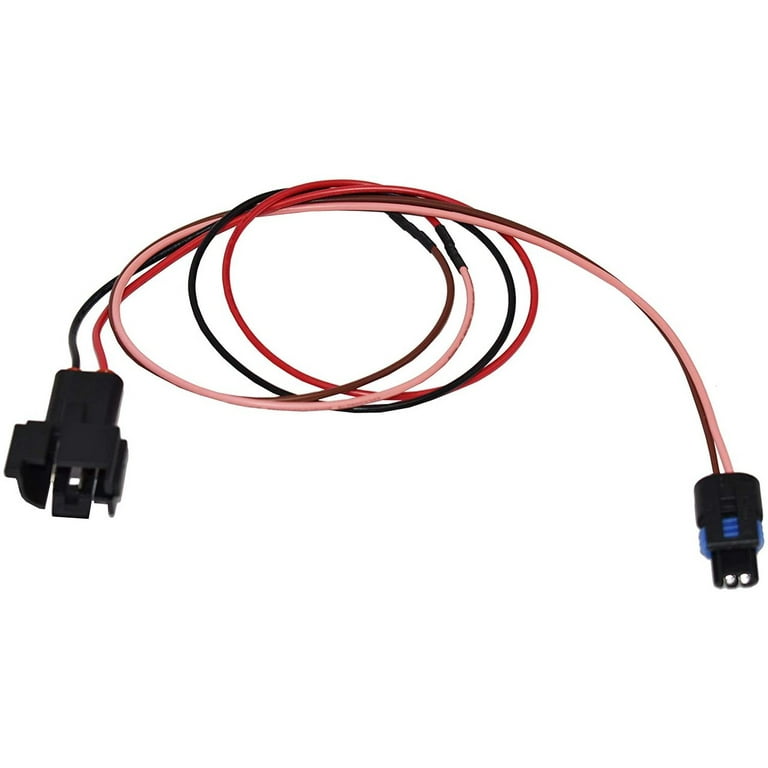
When examining the electrical components, you should scrutinize the wiring harnesses for signs of wear, corrosion, or damage. These harnesses are the lifelines of the electrical system, channeling power and signals across the locomotive. Any faults within them can lead to a cascade of issues. Therefore, it’s vital to replace or repair wiring harnesses with high-quality counterparts designed specifically for the demanding environment of EMD locomotives.

Component upgrades are another area of focus. Aging voltage regulators, for instance, may not provide the stable flow of electricity required for optimal performance. Modern voltage regulators are designed with improved materials and technology to handle the high demands placed on locomotive electrical systems. Upgrading to these can enhance your locomotive’s electrical efficiency and reliability.

Don’t overlook ground insulation. It’s a critical aspect that ensures the electrical system is safe from shorts and other faults that can arise from current leakage. Proper ground insulation contributes to the overall electrical integrity of your EMD locomotive, mitigating the risk of unplanned downtime due to electrical failures.

Durable EMD Mechanical Parts Kits

Beyond meticulous electrical upkeep, it’s crucial to invest in durable EMD mechanical parts kits to maintain your locomotive’s robust performance. These kits are engineered to support the rigorous demands of your EMD engines, ensuring longevity and efficiency. When selecting these kits, you need to focus on quality and compatibility, as they play a pivotal role in the mechanical integrity of your locomotive.

Here’s what you should look for in your mechanical parts kits:

  1. Engine Diagnostics Compatibility: Your kit should include parts that are compatible with advanced engine diagnostics tools. This ensures that you can routinely check for any issues and maintain optimal engine performance.
  2. Comprehensive Parts Sourcing: Opt for kits that provide a wide range of parts. This not only covers all aspects of wear and tear but also ensures that you have all the necessary components for a complete overhaul when needed.
  3. Detailed Wear Analysis: The kits should come with guidelines for wear analysis, helping you to identify parts that are near the end of their service life and need replacing to prevent breakdowns.
  4. Upgrade Options and Lubrication Systems: High-quality kits offer upgrade options for your locomotive, allowing you to enhance performance or efficiency. Moreover, they should include parts for the lubrication systems to ensure smooth operation and reduce the friction that causes wear.

In your role, it’s imperative to have a reliable supplier for EMD mechanical parts kits. They should provide not just the necessary parts but also the expertise for parts sourcing and advice on maintaining your locomotive’s health. With the right kits, you’ll keep your EMD engines running like clockwork, minimizing downtime and maximizing productivity.

EMD Engine Rebuild Advantages

Rebuilding your EMD engine can significantly extend its service life, ensuring you get the most out of your locomotive’s performance. This meticulous process involves disassembling the engine, inspecting all components for wear and damage, and replacing or repairing parts as necessary. By opting for a rebuild, you’re investing in engine longevity, effectively hitting the reset button on your engine’s lifecycle.

Performance optimization is a critical advantage of an EMD engine rebuild. You’ll notice enhancements in power output and responsiveness, as each component is restored to its optimal condition. This attention to detail ensures that every aspect of the engine is functioning at its peak.

Fuel efficiency is another area where you’ll see tangible benefits post-rebuild. A revitalized engine operates more efficiently, translating to lower fuel consumption and operational costs. This isn’t just good for your bottom line, but also for the environment, as improved fuel efficiency contributes to reduced emissions.

When it comes to emission control, a rebuilt EMD engine can help you meet stringent regulatory standards. By integrating modern components and technologies during the rebuild, your engine can achieve lower emissions, thus playing a part in your company’s commitment to environmental stewardship.

Advanced diagnostic techniques are employed throughout the rebuild process, ensuring that any underlying issues are identified and rectified. This proactive approach to maintenance prevents minor problems from escalating into major failures, saving you time and money in the long run.

Custom EMD Gasket Sets

To further enhance your EMD engine’s longevity and performance, consider investing in a custom gasket set tailored specifically to your locomotive’s needs. Custom gasket sets aren’t just about fit; they encompass a selection of gasket materials and designs optimized for your specific operating conditions.

Here are the key components to focus on when selecting a custom gasket set for your EMD engine:

  1. Gasket Materials: Choose materials that withstand the thermal and chemical environments of your engine. High-quality non-asbestos materials, graphite, or silicon-based compounds may be employed depending on the application.
  2. Leak Detection: Integrating features for easier leak detection can save you time and prevent major damage. Fluorescent dyes or other indicators can be included in the gasket composition for this purpose.
  3. Installation Techniques: Proper installation is critical. Use the correct alignment tools and follow the manufacturer’s procedures to ensure a seal that lasts. Training on the latest installation techniques can be invaluable for your maintenance crew.
  4. Sealant Choices and Torque Specifications: Some gasket applications may require additional sealants. Selecting the right type, whether it’s a silicone-based sealant or a high-temperature thread compound, is crucial. Equally important are the torque specifications; adhering to the recommended torque settings ensures an even load distribution and optimal sealing.

EMD Cooling System Maintenance

Continuing your EMD locomotive maintenance, you’ll find that proper attention to the cooling system is essential in preventing overheating and ensuring peak engine performance. The cooling system’s integrity relies heavily on a meticulously designed balance between coolant chemistry, flow dynamics, and thermal exchange efficiency.

To maintain this balance, coolant analysis is a critical step. This preventive measure detects contaminants and imbalances in the coolant that could lead to corrosion, scaling, or other issues compromising the system. Make sure to regularly sample and analyze the coolant, adhering to the OEM’s specifications and intervals.

Temperature regulation is another cornerstone of cooling system health. The thermostat must respond accurately to engine loads and ambient conditions to maintain optimal operating temperatures. Any deviation from the expected temperature range warrants immediate inspection.

Radiator efficiency, pivotal to dissipating heat, is contingent upon unobstructed airflow and clean cooling fins. Periodic inspections for debris, damage, and corrosion are necessary to preserve the radiator’s condition and functionality.

Maintenance Activity Key Benefits
Water Pump Servicing Ensures continuous coolant circulation
Expansion Tank Management Maintains system pressure and volume
Coolant Analysis Prevents corrosion and system failures

Water pump servicing, often overlooked, is vital for sustaining coolant flow. Inspect the pump for leaks, bearing noises, or weep hole exudation. Replace any worn components as required to prevent unexpected failures.

Lastly, expansion tank management involves checking for appropriate coolant levels, inspecting for contamination, and verifying that the pressure cap functions correctly. These measures are crucial to safeguard against system overpressurization and coolant loss.

Preventative EMD Maintenance Strategies

Shifting your focus to preventative maintenance strategies, you’ll discover that regular inspections and timely interventions are key to avoiding costly repairs and downtime on your EMD locomotive engine. As you delve into the intricacies of EMD locomotive upkeep, it’s essential to adhere to a structured maintenance regime, meticulously designed to preserve the longevity and reliability of your engine.

Here are four critical preventative maintenance strategies to implement:

  1. Routine Inspections:
    Conduct comprehensive examinations of your EMD locomotive engine at regular intervals. These inspections should cover critical components such as bearings, seals, and gaskets. Early detection of wear and potential failures through routine checks is crucial to mitigating the risk of unexpected breakdowns and ensuring operational efficiency.
  2. Lubrication Schedule:
    Adherence to a stringent lubrication schedule is paramount. Ensure that all moving parts are adequately lubricated to minimize friction and wear. Use high-quality lubricants specified for EMD engines, and record each lubrication service to maintain consistency and accountability.
  3. Fuel Filtration:
    Implement a robust fuel filtration system to prevent contaminants from entering the engine. Regularly replace fuel filters as per the manufacturer’s recommendations to maintain fuel quality and engine performance, while also reducing the risk of injector damage and subsequent engine issues.
  4. Vibration Analysis and Emission Testing:
    Utilize advanced diagnostic tools for vibration analysis to identify imbalances and misalignments in the engine. Additionally, conduct emission testing to ensure compliance with environmental regulations and to spot any signs of internal engine problems that could be impacting performance and fuel efficiency.

Incorporating these preventative strategies into your maintenance plan will significantly enhance the durability and functionality of your EMD locomotive engine.

Frequently Asked Questions

How Do Environmental Regulations Impact EMD Locomotive Engine Maintenance Practices?

You’ll find that environmental regulations significantly shape your EMD locomotive engine maintenance practices. To ensure regulation compliance, you’re adapting maintenance strategies to minimize your carbon footprint.

You’re regularly conducting emission testing and adjusting operations accordingly. Moreover, meeting these standards might mean incurring retrofitting costs to upgrade engines for better environmental performance.

It’s a detailed, technical challenge, but staying experienced and proactive ensures you remain on the right side of these ever-evolving regulations.

Can EMD Locomotive Engines Be Upgraded to Meet More Recent Emission Standards?

Yes, you can upgrade your EMD locomotive engines to comply with newer emission standards through engine retrofitting.

You’ll need to invest in emission kits and aftertreatment systems.

These upgrades often improve fuel efficiency, but you should be aware of the significant upgrade costs involved.

As an experienced operator, you’ll recognize the long-term benefits of meeting these environmental benchmarks despite the initial investment.

It’s a technical process, but essential for compliance and operational sustainability.

What Are the Typical Training Requirements for Technicians Working on EMD Locomotive Engines?

To work on EMD locomotive engines, you’ll need technician certification, a solid grasp of maintenance protocols, and comprehensive safety training.

You must become proficient with specialized tools and embrace on-the-job learning.

This technical, detail-oriented field requires experience and a dedication to ongoing education to ensure you’re up-to-date with the latest engine technologies and repair techniques, guaranteeing the highest standards of locomotive performance and reliability.

What Are the Challenges of Sourcing Authentic EMD Parts for Vintage or Discontinued Locomotive Models?

You’ll face restoration challenges when hunting for authentic EMD parts, especially for vintage models. Obsolete inventory and supply scarcity often push you towards global sourcing, where you must be vigilant against counterfeit risks.

It’s a technical battle, requiring a detail-oriented approach to ensure you’re getting the genuine article. Your experience is key in navigating this tricky terrain, making sure your vintage locomotive maintains its integrity with the correct components.

How Does the Integration of Digital Diagnostic Tools Affect the Maintenance of EMD Locomotive Engines?

You’ll find that integrating digital diagnostic tools significantly enhances EMD locomotive engine maintenance.

This digital integration allows for more precise system monitoring and fault diagnostics.

You can now perform predictive analysis, foreseeing potential issues before they escalate.

This proactive approach streamlines your maintenance optimization, reducing downtime and extending the engine’s life.

It’s a technically savvy move, ensuring you stay ahead of breakdowns with data-driven accuracy.

Conclusion

You’ve explored the best EMD locomotive engine maintenance solutions, from essential tools to specialized electrical components.

Armed with comprehensive overhaul kits, top-rated replacement parts, and custom gasket sets, you’re set to tackle any maintenance challenge.

Remember, investing in preventative strategies and regular cooling system upkeep can save time and money down the line.

Stay ahead with these expert tips and maintain your EMD engines at peak performance, ensuring reliability and efficiency on the tracks.

Guide to Replacing EMD Traction Motor Components

Guide to Replacing EMD Traction Motor Components

You’re about to tackle the intricate task of replacing EMD traction motor components, and precision is key. From worn parts identification to the final testing, this guide walks you through each step.

You’ll learn to maintain armatures, swap commutators, and overhaul cooling systems with expertise. Equipped with technical insights, you’ll confidently inspect bearings, refresh brush holders, and replace gears.

Let’s dive in and ensure your traction motor runs smoothly with your skilled hands at the helm.

Key Takeaways

  • Regular assessment and maintenance of worn traction components is crucial for identifying issues and preventing further damage.
  • Various techniques such as vibration analysis, thermal imaging, and electrical testing can be employed to detect anomalies and assess the integrity of components.
  • Armature maintenance involves inspecting winding integrity, identifying imbalances or misalignments, and performing comprehensive electrical testing.
  • Careful inspection, measurement, and maintenance of commutators and brush holders are essential to prevent electrical shorts, sparking risks, and ensure good electrical contact.

Identifying Worn Traction Components

You’ll first need to inspect each component of your EMD traction motor closely to determine the extent of wear and damage. Start by examining wear patterns on moving parts, such as bearings and gears. These patterns can reveal alignment issues or irregularities in load distribution. Uneven wear often indicates that component lubrication may not be adequate or that debris has entered the system, causing increased friction and premature wear.

Next, employ vibration analysis to gauge the health of the motor. This non-invasive method detects anomalies in the vibration signature of the motor, which can point to issues like imbalance, misalignment, or bearing failure. Pay attention to vibration data trends over time, as sudden changes could signal an imminent component failure.

Thermal imaging is another critical tool in your diagnostic arsenal. It helps you visualize the heat distribution within the motor, uncovering hot spots that suggest electrical issues, inadequate cooling, or excessive friction. Remember to compare thermal images against baseline data to ascertain if the observed temperatures are within normal operating ranges.

Finally, don’t overlook electrical testing. It’s essential for identifying issues with the motor’s windings and insulation. Use techniques such as insulation resistance testing and high-potential (hipot) testing to ensure the electrical integrity of the motor components. Electrical testing not only helps in pinpointing the exact location of faults but also in assessing the severity of the damage.

Essential Armature Maintenance

Having identified which components of your EMD traction motor need attention, it’s crucial to focus on armature maintenance to prevent further wear and potential failure. The armature is the heart of the electric motor, and its condition is critical for efficient operation and longevity.

To ensure your armature is in top shape, follow these essential maintenance steps:

  1. Armature Rewinding: Regular assessment of winding integrity is vital. If you detect damaged or worn insulation, it’s time for armature rewinding. This process involves replacing old wire coils with new ones, ensuring that electrical currents are efficiently conducted. Skilled technicians must execute this delicate task to maintain the armature’s functionality.
  2. Vibration Analysis: Utilizing vibration analysis tools, you can pinpoint imbalances or misalignments in the armature. Excessive vibration can lead to premature wear, so addressing these issues promptly is imperative. This diagnostic method helps you to preemptively tackle problems before they escalate.
  3. Core Lamination Inspection: Inspect the core lamination for signs of deterioration, such as warping or separation. The integrity of core laminations is essential to minimize eddy current losses and maintain optimal magnetic properties. Any compromise in the lamination can significantly affect motor performance.
  4. Electrical Testing and Insulation Upgrades: Perform comprehensive electrical testing to evaluate the armature’s condition. This includes checking for shorts, opens, and grounds in the windings. Additionally, consider insulation upgrades to enhance thermal endurance and electrical resilience, particularly if the motor operates under high-stress conditions.

Addressing these areas with precision and technical expertise will ensure your armature remains reliable, efficient, and ready to meet the demands of your EMD traction motor’s operational environment.

Commutator Care and Replacement

After ensuring your armature’s integrity, turn your attention to the commutator, a critical component that requires regular maintenance and, if necessary, timely replacement to keep your EMD traction motor running smoothly. The commutator is responsible for transferring current between the stationary and rotating parts of the motor, and its condition is pivotal for efficient motor performance.

Assessing the commutator involves measuring its dimensions to ensure they fall within the recommended specifications. A worn or improperly sized commutator can lead to inefficient motor operation and potential failure. Here’s a concise table to guide you through key checkpoints:

Checkpoint Specification Action
Dimensions OEM Standards Measure
Insulation Resistance >100 MΩ Test
Surface Finishing Smooth Inspect
Mica Undercutting 1-1.5 mm Verify

Mitigating sparking is essential. Sparks can indicate issues such as mica protrusion or uneven commutator surfaces. Regular inspection and servicing minimize sparking risks, ensuring a longer lifespan for your traction motor.

Insulation resistance is a critical factor in preventing electrical shorts. Test the resistance of your commutator to guarantee it’s above the minimum threshold, typically greater than 100 megohms, to avoid motor damage.

Surface finishing and mica undercutting are also vital. A smooth surface finish on the commutator minimizes brush wear and enhances electrical contact. Mica undercutting — the process of cutting the mica deeper than the copper segments — prevents shorting and improves current transfer.

Brush Holder Upkeep Techniques

With your commutator in optimal condition, it’s crucial to turn your attention to maintaining the brush holders, as they play a pivotal role in ensuring consistent electrical contact within your EMD traction motor. Proper brush holder maintenance is instrumental for the seamless operation of your traction motor, and neglecting it can lead to inefficiencies and potential failures.

To keep your brush holders in top condition, follow this technical checklist:

  1. Brush Alignment:
    Ensure that each brush is correctly aligned within its holder. Misalignment can cause uneven wear and poor contact with the commutator. Use precise instruments to check alignment and make necessary adjustments.
  2. Spring Tension:
    Verify that the spring tension on each brush is within the manufacturer’s specified range. Correct spring tension is critical for maintaining good electrical contact and preventing brush bounce or excessive wear.
  3. Contact Surface:
    Inspect the contact surface of each brush. It should be smooth and free of contaminants. Any irregularities or build-up can disrupt electrical flow and damage the commutator. Employ appropriate cleaning methods to maintain a clean contact surface.
  4. Holder Insulation:
    Examine the insulation of the brush holders for any signs of wear or thermal damage. Compromised insulation can lead to electrical shorts and must be addressed promptly to avoid further damage to the traction motor.

Regularly practicing these upkeep techniques will extend the life of your EMD traction motor and ensure its performance remains consistent. Remember, diligent maintenance is the key to reliability and efficiency in your traction motor operations.

Bearing Inspection and Selection

Durability is essential when selecting bearings for your EMD traction motor, as they’re fundamental to its operation and longevity. To ensure optimal performance, you must conduct a thorough bearing inspection and select the appropriate components with precision.

Start by assessing the current state of your traction motor bearings through a detailed load analysis. This will help you determine the dynamic and static loads the bearings are subjected to during operation, which is critical for selecting the right bearing with adequate load capacity.

Next, consider bearing lubrication, which plays a pivotal role in minimizing friction and wear. Select a lubricant that’s suitable for the conditions your EMD traction motor operates under, such as high temperatures or heavy loads. The correct lubrication regimen will prolong bearing life and facilitate smoother operation.

When it comes to installation, use precise installation tools to ensure proper fitting of the bearings. Inappropriate tools can damage the bearing surfaces, leading to premature failure. Therefore, it’s crucial to use the right equipment to press-fit or install the bearings without causing harm.

For ongoing maintenance, implement vibration monitoring to detect anomalies early. This proactive approach allows you to address potential issues before they escalate into costly repairs. Vibration analysis can identify misalignment, imbalance, or bearing defects that, if left unchecked, could lead to motor failure.

Lastly, perform clearance measurements to check for the correct bearing fit. Bearings that are too tight or too loose can lead to operational inefficiencies and reduced lifespan. Careful measurement ensures that the bearing has the proper clearance to function correctly under the specified load conditions.

Traction Motor Field Coils

Once you’ve ensured your bearings are meticulously selected and installed, you’ll want to turn your attention to the field coils, which are equally critical to your EMD traction motor’s performance. The field coils are vital in creating the magnetic field required for motor operation, and their condition can significantly affect efficiency and reliability. (Also Read: Top 5 EMD Traction Motor Replacement Parts)

To ensure optimal performance, pay close attention to the following components and characteristics of field coils:

  1. Coil Insulation: Robust insulation is paramount to prevent electrical shorts between turns and to ensure longevity. Check for any signs of degradation or damage to the insulation, which can lead to motor failure.
  2. Field Weakening: This allows for the control of motor speed beyond the base speed. Ensure that the field coils are capable of handling the weakening process without overheating or experiencing magnetic saturation.
  3. Magnetic Saturation: The field coils must be designed to avoid magnetic saturation under normal operating conditions. Saturation can cause a loss in motor efficiency and an increase in current draw.
  4. Design Variations and Winding Configurations: Be aware of any design variations or specific winding configurations that are unique to the EMD traction motor model you’re working with. This can affect the installation process and the motor’s electrical characteristics.

Replace field coils with precision, verifying that they match the original specifications and are free from defects. Coil insulation integrity is crucial, as is ensuring correct winding configurations to prevent any reduction in motor performance due to field weakening or magnetic saturation.

As you complete the replacement of field coils, you’re now ready to proceed to the next step in the overhaul process: pinion and gear replacements.

Pinion and Gear Replacements

After replacing your field coils, you’ll need to focus on the pinion and gear components, which are crucial for transmitting power from the motor to the wheels. These intricate parts require precise handling and expert knowledge to ensure that your EMD traction motor operates efficiently and reliably.

Begin by assessing the condition of the existing pinion and gear. If you detect abnormal wear or damage, it’s time for replacements. Proper gear lubrication is paramount; it reduces friction, minimizes wear, and prolongs the lifespan of your components. Utilize high-grade lubricants specifically designed for high-load gear systems to maintain optimal performance.

Noise diagnosis is an essential step in this process. Unusual sounds often indicate misalignment or wear. Perform thorough alignment checks using precise installation tools to ensure that the new pinion and gear mesh correctly. This will help avoid future mechanical issues and ensure smooth operation.

When installing the new pinion and gear, follow the manufacturer’s torque specifications meticulously. The correct torque is critical for securing the components without causing undue stress on the metal, which could lead to premature failure. Use calibrated torque wrenches to achieve accurate results and re-check the torque after a short period of operation to confirm that everything remains properly tightened.

With the pinion and gear properly replaced and aligned, your traction motor is one step closer to renewed performance. Remember, consistent maintenance and adherence to technical guidelines are your best defense against unexpected downtime.

Now that the mechanical components are in place, let’s transition to ensuring the integrity of your motor with the next crucial step: replacing EMD motor seals and gaskets to protect against contaminants and preserve internal conditions.

EMD Motor Seals and Gaskets

Ensuring your EMD traction motor remains free from contaminants, you’ll need to replace its seals and gaskets with precision. The integrity of these components is crucial to prevent fluid leaks, ingress of dirt, and to maintain the overall health of your motor. Here’s a concise guide on what to consider during replacement:

  1. Seal Materials: Choose seals that are made of materials compatible with the environmental conditions and fluids they’ll encounter. Common materials include nitrile for general-purpose applications and Viton for higher temperature resilience.
  2. Gasket Types: Be mindful of the specific gasket types required. Whether it’s a paper, rubber, or metal gasket, it must match OEM specifications to ensure a proper fit and seal.
  3. Leakage Troubleshooting: If you’re experiencing leakage before the expected lifespan of the seal or gasket, inspect for improper installation, material degradation, or surface imperfections on the mating components.
  4. Installation Tips: Clean all surfaces thoroughly before installation. Use the correct tools to avoid damaging the seals and gaskets. Torque bolts to the manufacturer’s specifications to ensure even pressure distribution.

In addition to these points, consider your sealant choices carefully. Some applications may require an RTV silicone or anaerobic sealant to complement the sealing effect, especially in areas prone to high pressure or temperature fluctuations.

When performing maintenance on your EMD traction motor, replacing seals and gaskets isn’t just a matter of swapping old for new. It’s about understanding the specific requirements of your motor, selecting the right materials, and applying technical know-how to prevent future issues. With the right approach and attention to detail, you’ll extend the lifespan and improve the reliability of your EMD motor.

Cooling System Component Overhaul

Moving on from the seals and gaskets, you’ll next want to focus on overhauling the cooling system components of your EMD traction motor to maintain optimal temperature and performance. This is where your understanding of fluid dynamics becomes crucial.

You’ll need to inspect and potentially replace the radiator to ensure its efficiency. A compromised radiator can lead to inadequate cooling, thus affecting the overall thermal management of the motor. As you delve into the radiator’s condition, check for any signs of clogging or corrosion that could impede coolant flow. You should also evaluate the fins and tubes for any damage that might hinder heat dissipation. Remember, the radiator must effectively transfer the heat from the coolant to the air, and any inefficiency can lead to motor overheating.

You’ll also want to consider the coolant types used in your EMD traction motor. The right coolant not only prevents freezing and boiling but also protects against corrosion. Make sure the coolant’s specifications match the manufacturer’s recommendations for optimal thermal conductivity and protection.

Lastly, don’t overlook the importance of ventilation optimization. The air flow around the cooling system must be unobstructed to carry away heat efficiently. This means ensuring that the ventilation ducts and fans are clear of debris and functioning correctly. Any restrictions in the ventilation system can cause hot spots and diminish the cooling system’s effectiveness.

Final Assembly and Testing Procedures

Once you’ve replaced the necessary components, your focus must shift to the meticulous process of final assembly and testing to verify the traction motor’s integrity. This phase is crucial as it ensures that all parts function cohesively, adhering to stringent quality control standards. You’ll need to be well-versed in the technicalities of motor calibration, and familiar with the safety protocols that safeguard against operational hazards.

To guide you through this critical stage, follow these steps:

  1. Reassemble the Traction Motor:
    Utilize the specified assembly tools to methodically put together the traction motor components. Ensure that each part is correctly aligned and secured. Pay particular attention to torque specifications, as improper torque can lead to mechanical failures or suboptimal performance.
  2. Motor Calibration:
    Calibrate the traction motor to align with the manufacturer’s parameters. This process involves adjusting the motor’s electrical and mechanical systems to achieve optimal efficiency and performance. Precision in calibration is paramount for the longevity and reliability of the motor.
  3. Quality Control Checks:
    Conduct a series of quality control tests to assess the reassembled traction motor. These checks should include visual inspections, dimensional verifications, and functional tests under load conditions. Any discrepancies must be addressed immediately to ensure the unit meets all required standards.
  4. Implement Safety Protocols:
    Throughout the assembly and testing procedures, adhere to established safety protocols. This includes wearing appropriate personal protective equipment, following lockout-tagout procedures, and ensuring all safety interlocks are operational before initiating tests.

Frequently Asked Questions

How Does the Operating Environment Affect the Lifespan of EMD Traction Motor Components, and What Special Considerations Should Be Taken in Extreme Conditions?

Your EMD traction motor components’ lifespan is significantly affected by their operating environment. Environmental corrosion, temperature extremes, dust infiltration, vibration wear, and lubrication degradation are key factors.

In extreme conditions, you need to ensure robust sealing against contaminants, maintain optimal lubrication, and regularly inspect for wear. Precision in monitoring and proactive maintenance can mitigate these environmental impacts, ensuring your components last longer and perform reliably, even under harsh operational stresses.

What Are the Implications of Using Aftermarket Parts Versus OEM Components for EMD Traction Motor Repairs?

When you’re repairing your EMD traction motor, using aftermarket parts can be cost-effective, but you’ll need to weigh this against potential compatibility issues and performance metrics that may not match OEM standards.

Cost comparison is key, as aftermarket options generally save you money upfront. However, consider warranty differences; OEM parts typically come with more robust guarantees.

Don’t forget brand reputation, which can signal quality and reliability.

Choosing wisely can significantly impact your motor’s operation.

You can use diagnostic tools with predictive analytics to forecast EMD traction motor part failures. These software systems analyze failure indicators, enhancing your maintenance schedules. By focusing on component monitoring, you’ll spot potential issues before they escalate.

It’s crucial to select systems known for precision in the rail industry. These recommended tools help you avoid unscheduled downtimes, ensuring your operations run smoothly.

Always opt for reliable, industry-grade diagnostic solutions.

How Do Regulations and Standards, Such as Those From the AAR or FRA, Impact the Replacement and Maintenance of EMD Traction Motor Components?

You must adhere to safety protocols and inspection intervals set by organizations like the AAR and FRA. These standards ensure part certification is up to date, and that repair qualifications are met.

They also dictate when you can consider upgrade options. Following these regulations not only keeps you compliant but also guarantees the reliability and safety of your traction motor components over time.

Always stay informed to maintain the integrity of your equipment.

What Are the Best Practices for Documenting Maintenance and Replacement Work on EMD Traction Motors for Future Reference and Regulatory Compliance?

You should always keep detailed maintenance logbooks, ensuring each entry reflects work order tracking with precision.

Use a compliance checklist to adhere to regulatory standards and note component tagging meticulously to trace parts history.

Maintain historical records systematically for accountability and future reference.

This practice not only streamlines your maintenance process but also ensures you meet all regulatory compliance requirements efficiently.

Conclusion

You’ve now mastered the intricacies of EMD traction motor maintenance. From the careful inspection of bearings to the precise overhaul of cooling systems, your attention to detail ensures peak performance.

Remember, proper upkeep of brushes, commutators, and armatures is critical. With every gear and pinion replacement, you’re contributing to a locomotive’s longevity.

Trust in your skills for the final assembly and rigorous testing—your expertise keeps the wheels of industry turning smoothly and efficiently.

Top 5 EMD Traction Motor Replacement Parts

Top 5 EMD Traction Motor Replacement Parts

You’re facing the daunting task of finding the best EMD traction motor replacement parts. With a plethora of options, it’s crucial to prioritize quality and compatibility.

We’ve narrowed down the top five components that’ll keep your motors running at peak performance. From armature coils to bearings, you’ll get the technical lowdown on why these parts are essential for your equipment.

Dive into our expert guide to make informed decisions for maintaining your fleet’s reliability.

Key Takeaways

  • Regular inspections and diagnostic tests are important for the maintenance of EMD traction motor replacement parts.
  • Effective heat dissipation and robust physical support are crucial for the proper functioning of traction motor components.
  • Monitoring wear patterns and conducting failure analysis help in identifying potential issues and ensuring the longevity of the replacement parts.
  • High-grade insulation materials, proper installation procedures, and precision manufacturing contribute to the quality and performance of EMD traction motor replacement parts.

Armature Coils and Windings

Among the most crucial components you’ll need for your EMD traction motor are the armature coils and windings, which are essential for the conversion of electrical energy into mechanical motion. The intricacies of coil insulation are paramount, as they directly influence the longevity and efficiency of the motor. High-grade insulation materials are vital to withstand the electrical stresses and prevent short circuits within the armature coils.

Winding designs aren’t one-size-fits-all; they must be meticulously optimized for the specific EMD traction motor they’re intended for. The configuration and layering techniques of the windings determine the performance characteristics of the motor, affecting torque, speed, and power output. Precise engineering in the winding layout ensures maximum conductive efficiency and minimizes energy losses.

You can’t overlook thermal management when discussing armature coils and windings. Effective heat dissipation is necessary to maintain operational integrity and prevent overheating. Advanced cooling systems, often incorporating both natural and forced circulation, are integrated into the motor design to keep temperatures within safe operating limits.

Vibration resistance is another critical factor. The constant motion and stress can lead to fatigue in the windings. Therefore, robust physical support and secure fastening of the coils are imperative to combat the effects of vibration over time.

Lastly, consider maintenance practices for these components. Regular inspections and diagnostic tests can predict potential failures, allowing for preemptive maintenance. A well-implemented maintenance routine minimizes downtime and extends the life cycle of the armature coils and windings, ensuring your EMD traction motor operates at peak performance.

Commutators and Brushes

Why should you consider the condition of your EMD traction motor’s commutators and brushes as a top replacement priority? The performance and longevity of your traction motor hinge significantly on the efficiency of electrical power transmission at the commutator-brush interface. Over time, commutators experience wear patterns that can cause uneven seating for brushes, leading to decreased electrical conductivity and potential motor failure. Regular commutator maintenance is essential to ensure the optimal surface for brush contact, reducing the risk of power loss and sparking.

Brush selection is equally critical; it must match the motor’s operating conditions to prevent premature wear and ensure spark suppression. The right brush grade influences both the commutator surface and the overall motor efficiency. Brushes made from materials with appropriate electrical conductivity can reduce the rate of wear and minimize damage to the commutator, thus prolonging the service life of both components.

Monitoring wear patterns is a vital aspect of traction motor maintenance. Uneven brush wear, for instance, often indicates an underlying issue with the commutator or the motor’s alignment, which requires immediate attention. Addressing such problems early can prevent costly repairs and downtime.

In summary, diligent attention to commutator maintenance and brush selection will enhance your EMD traction motor’s performance and durability. Spark suppression and optimal electrical conductivity are achievable through proper care and the timely replacement of these key parts.

Next, you’ll want to ensure the mechanical integrity of your motor by turning your attention to the bearings and seals, which are critical in maintaining the structural stability and reliable operation of your EMD traction motor.

Bearings and Seals

Following the electrical maintenance of your commutators and brushes, you’ll need to check the bearings and seals for signs of wear or damage to maintain your EMD traction motor’s mechanical reliability. Bearings are crucial for reducing friction and supporting the rotational movement of motor components, while seals protect those bearings from contaminants. (Also read: A Comprehensive Guide to Locomotive Bearings: Types, Functions, and Maintenance)

Bearing lubrication is paramount to prevent metal-to-metal contact, which can lead to premature failure. You must ensure the correct lubricant is used and applied in the appropriate quantity. Over-lubrication can cause excessive heat buildup, while insufficient lubrication can result in increased wear and tear.

When examining seal materials, you’re looking for durability and resistance to extreme temperatures and chemicals. Seals must maintain their integrity to keep out dirt, water, and other contaminants that can degrade bearing performance. Failure to do so can result in costly unscheduled maintenance and potential downtime.

Installation procedures for bearings and seals should be strictly adhered to. This includes the use of proper tools to avoid damaging seal edges and ensuring bearings are seated correctly without misalignment. Any deviation from recommended practices could compromise the component’s lifespan and the motor’s overall efficiency.

Conducting failure analysis on bearings and seals can provide valuable insights into potential issues affecting your EMD traction motor. This involves examining wear patterns, material fatigue, and lubricant condition to identify root causes of failure.

Lastly, vibration monitoring serves as a predictive maintenance tool. By detecting changes in vibration patterns, you can anticipate bearing failure before it occurs, allowing you to proactively replace parts and minimize service interruptions. Always remain vigilant about these maintenance aspects to ensure the longevity and performance of your EMD traction motor.

Traction Motor Frames

You’ll find the frame of your EMD traction motor to be a critical component, as it supports the entire motor structure and ensures proper alignment of internal parts. During motor refurbishment, the frame’s integrity is paramount, with frame materials often scrutinized for their durability and ability to withstand harsh operational conditions. Typically, frames are cast or fabricated from high-strength steel or iron alloys, chosen for their excellent load-bearing properties and resistance to environmental stressors.

Dimensional specifications for traction motor frames are tightly controlled, as even minor deviations can lead to misalignment, resulting in premature wear or failure of other components. It’s crucial that the frame maintains its shape and size within manufacturer tolerances, despite the thermal expansion experienced during operation. Advanced thermal treatments and materials with low coefficient of thermal expansion are often employed to minimize these effects.

Moreover, a thorough vibration analysis is integral to assessing the condition of the frame. Excessive vibration can indicate issues with frame geometry or the presence of cracks and defects. Identifying and addressing these issues early in the motor refurbishment process is essential to ensure longevity and reliability of the motor.

In conclusion, the traction motor frame is a fundamental element in maintaining the structural integrity and performance of your EMD traction motor. Paying close attention to frame materials, dimensional specifications, and the effects of thermal expansion will help in mitigating vibration issues and prolonging the motor’s service life.

As you consider the foundational importance of the traction motor frame, it’s also essential to understand the role of gear cases and assemblies in the overall function of your traction motor system.

Gear Cases and Assemblies

Having examined the importance of traction motor frames, let’s now turn to gear cases and assemblies, which are vital for protecting the gears and ensuring the smooth transmission of power in your EMD traction motor. Your gear case encapsulates the gear train, shielding it from contaminants and impact, while also serving as a structural member that supports axial and radial loads. It’s crucial to prioritize material selection when considering replacement parts for gear cases. High-strength alloys are typically favored for their superior corrosion resistance and their ability to withstand the rigors of rail operation.

When selecting a gear case, you must consider the thermal expansion properties of the material. The gear case material must expand and contract with temperature changes without warping or distorting, which could impede gear alignment. This is where assembly precision comes into play. A gear case that’s manufactured with exacting tolerances ensures that gears remain aligned, optimizing the power transmission from the motor to the wheels.

Maintenance practices are also integral to the longevity of gear cases and assemblies. Regular inspections can identify issues like cracks or corrosion before they lead to gear misalignment or failure. A well-maintained gear case contributes to the overall health and efficiency of your EMD traction motor, reducing downtime and repair costs.

As you delve into the intricacies of maintaining your traction motor, remember that the gear case is just one component of an intricate system. Next, we’ll explore the intricacies of pinions and gears, which are the heart of the power transfer process and require careful attention to detail for peak performance.

Pinions and Gears

As we continue exploring essential EMD traction motor components, let’s focus on pinions and gears, which are crucial for translating electrical energy into the mechanical motion that drives your locomotive. The precision and durability of these parts are paramount, and understanding their function and maintenance is key to ensuring the longevity and efficiency of your traction motor.

Here’s what you need to pay attention to:

  1. Gear Alignment: Proper gear alignment is imperative for the smooth operation of your locomotive. Misalignment can lead to uneven wear and tear, increased noise, and ultimately, failure of the traction motor. Precision tools and techniques are required to ensure alignment is within the specified tolerances.
  2. Material Selection: The materials used in pinions and gears directly impact their durability and performance. Advanced metallurgy can provide the strength needed to withstand the high-torque environment of traction motors, while also being able to resist the wear that comes from continuous operation.
  3. Lubrication Systems: Adequate lubrication is critical for the health of pinions and gears. A well-designed lubrication system ensures that these components are consistently coated with the right type of lubricant, reducing friction and protecting against premature wear.
  4. Wear Analysis: Regular wear analysis can help you predict and prevent gear failure. By examining the wear patterns on pinions and gears, you can make informed decisions about maintenance, adjustments to gear alignment, or the need for replacement.

Incorporating these elements into the care of your EMD traction motor’s pinions and gears won’t only enhance performance but also contribute to noise reduction, ensuring a quieter and more pleasant operating environment. Always consult with a specialist in traction motor maintenance to keep these critical components in peak condition.

Field Coils and Magnets

After examining the crucial role of pinions and gears, it’s time to delve into the significance of field coils and magnets in your EMD traction motor, components that are essential for generating the magnetic fields needed for motion.

The field coils in your traction motor are intricately wound and play a pivotal role in electromagnetism, directly impacting the torque your motor can produce. When current passes through these coils, they generate a magnetic field; however, the efficiency of this process is heavily influenced by the risk of magnetic saturation. Saturation occurs when the core materials can’t absorb any more magnetic flux, limiting the strength of the magnetic field and, consequently, the motor’s performance.

To optimize the flux density and prevent magnetic saturation, it’s crucial that the core materials used in your EMD traction motor are of high quality and designed to withstand high levels of magnetic flux. The materials selected must have a high saturation point to ensure that they can handle the intense magnetic field without degrading.

Coil insulation is another critical aspect, as it must endure the harsh operating conditions of the traction motor. Proper insulation ensures that the coils remain electrically isolated, which is pivotal to maintain the integrity of the motor’s electromagnetic properties.

Thermal management is equally important; the field coils and magnets generate a significant amount of heat, which must be dissipated efficiently to prevent overheating and extend the lifespan of the motor.

As you consider these components, remember that maintaining optimal performance of your EMD traction motor hinges on the integrity and quality of the field coils and magnets.

Next, we’ll explore blower motors and fans, which play a vital role in the thermal management of your traction motor.

Blower Motors and Fans

Every EMD traction motor needs a robust cooling system, and that’s where blower motors and fans come into play, significantly influencing your motor’s temperature control and longevity. These components are critical in maintaining cooling efficiency, ensuring motor ventilation, and preventing overheating which can lead to costly downtimes and repairs.

When considering the maintenance and replacement of blower motors and fans, there are several key factors you should keep in mind:

  1. Cooling Efficiency: The efficiency of a blower motor directly affects how well your traction motor dissipates heat. Regular testing and performance monitoring can indicate when efficiency is dropping and replacement is necessary.
  2. Motor Ventilation: Proper ventilation is crucial for maintaining the motor’s temperature within safe operating limits. Ensure that the fan blades are properly aligned and free of damage to facilitate effective air movement.
  3. Dust Accumulation: Over time, dust and debris can accumulate on the fan blades and within the blower motor. This can reduce performance and lead to overheating. Implementing routine cleaning as part of your maintenance practices can help mitigate these issues.
  4. Replacement Intervals: Establishing and adhering to regular replacement intervals for these components can preempt failures and maintain optimal performance. Tracking the service life and environmental conditions can help you determine the appropriate intervals.

By prioritizing these aspects, you can ensure that your EMD traction motor operates reliably and efficiently. It’s also essential to use high-quality replacement parts that meet or exceed OEM specifications to maintain the integrity of your cooling system.

As you address the cooling system, don’t forget to consider the importance of suspension and mounting parts, which are next on the list of crucial EMD traction motor replacement parts.

Suspension and Mounting Parts

Your EMD traction motor’s performance and durability are significantly influenced by the quality of its suspension and mounting parts. As you’re aware, these components are crucial for maintaining alignment and reducing the impact of operational stressors. Let’s delve into what you need to know for optimal function and longevity of these systems.

Mounting brackets are pivotal in securing the traction motor to the bogie frame. Precision-engineered brackets ensure correct alignment, which is vital for uniform load distribution and minimizing wear. When selecting replacement brackets, it’s essential to choose high-grade materials capable of withstanding the rigors of continuous operation.

Shock absorbers are another key element. They mitigate the impacts of track irregularities, protecting the motor and associated components from excessive jolts. Quality absorbers will adapt to variable loads and conditions, providing consistent performance and safeguarding against premature motor wear.

Vibration dampers play a critical role in reducing the transmission of vibrations from the motor to the carriage. By selecting robust dampers, you’ll extend the life of the motor bearings and windings, while also enhancing passenger comfort.

Load springs are integral to maintaining the motor’s position under varying loads. They must possess both flexibility and strength to accommodate changes without compromising structural integrity. Replacement springs should meet or exceed original specifications to ensure reliable operation.

Finally, isolation pads are essential for absorbing smaller vibrations and preventing metal-to-metal contact. High-quality pads reduce noise and contribute to a smoother ride. They should be made from durable materials that can endure the environmental conditions typical of rail operations.

Electrical Terminals and Connectors

Moving on to electrical terminals and connectors, you’ll find these components to be the crucial links that ensure your EMD traction motor’s electrical system functions seamlessly. Each connection point in the system is a potential source of failure if not properly managed, and that’s where the quality and design of terminals and connectors come into play.

When you’re maintaining or overhauling your traction motor, pay close attention to:

  1. Terminal Blocks: These modular, insulated blocks secure two or more wires together and are essential in preventing electrical mishaps. The quality of insulation materials used in terminal blocks dictates their performance under extreme conditions prevalent in locomotive environments.
  2. Wiring Harnesses: A well-organized wiring harness is key for simplifying installation and maintenance. It bundles multiple electric wires or cables together, which helps in reducing the risk of short circuits and makes troubleshooting a breeze.
  3. Crimping Tools: You can’t talk about terminals and connectors without discussing the importance of crimping tools. They’re used to join the terminal to a wire by deforming one or both to hold each other. A proper crimp ensures minimal contact resistance and a reliable connection.
  4. Electrical Terminals and Connectors: These vary from ring and spade terminals to multi-pin connectors. They must all be selected based on the current rating and environmental conditions they’ll face. The connectors’ design should facilitate ease of use while ensuring a secure mechanical fit, minimizing contact resistance, and preventing corrosion.

Whether you’re dealing with harsh vibrations, temperature fluctuations, or the presence of contaminants, the resilience of your connections is non-negotiable. Remember that the longevity of your EMD traction motor depends not just on the major components but also on these seemingly small, yet vital, parts.

Frequently Asked Questions

How Does the Environmental Operating Temperature Affect the Selection of EMD Traction Motor Replacement Parts?

You need to consider how the environmental operating temperature impacts the materials you choose for your traction motor. Higher temperatures demand materials with greater durability to withstand thermal expansion.

Your cooling requirements will also change; you’ll need effective systems to maintain optimal temperatures. Select insulation grades that can handle the heat and choose lubrication types designed for your specific operating conditions to ensure your motor functions efficiently and has a prolonged lifespan.

What Are the Regulatory Compliance Considerations to Keep in Mind When Sourcing EMD Traction Motor Replacement Parts?

When you’re sourcing EMD traction motor replacement parts, you’ve got to consider certification standards closely. Ensure the parts meet compliance audits and adhere to strict safety protocols. Don’t skimp on quality assurance; it’s vital for long-term reliability.

Also, keep an eye on warranty considerations to protect your investment. It’s about ticking all the regulatory boxes to keep your operations smooth and safe.

How Can You Determine the Compatibility of Aftermarket Parts With Existing EMD Traction Motor Systems?

To ensure aftermarket parts fit your EMD traction motor, you’ll need to conduct compatibility testing. Start by comparing part dimensions and cross-referencing manufacturer specifications.

You must also evaluate electrical performance to confirm the parts operate seamlessly with your system.

Lastly, assess the material quality to guarantee durability. This meticulous approach is vital to maintain optimal performance and avoid costly downtime.

Always prioritize precision and adherence to technical standards when selecting components.

What Is the Typical Lifecycle of a Reconditioned EMD Traction Motor Part Compared to a Brand New OEM Part?

You’ll find that a reconditioned EMD traction motor part typically has a shorter lifecycle than a new OEM part. It’s essential to analyze wear patterns and performance, as these will vary.

A detailed cost comparison often reveals savings upfront, but consider long-term reliability. Explore upgrade options for longevity, and always review warranty terms to ensure you’re covered.

Are There Any Special Maintenance or Installation Procedures for EMD Traction Motor Replacement Parts That Can Extend the Overall Service Life of the Motor?

To prolong your traction motor’s service life, adhere to stringent maintenance. Ensure precise alignment checks and adhere to traction greasing intervals.

Bearing lubrication techniques are crucial; use high-quality greases and apply them correctly. Don’t underestimate vibration analysis importance; it prevents premature wear.

Lastly, keep the cooling system well-maintained to avoid overheating.

These practices will safeguard your investment and enhance performance, keeping you on track for longer service periods.

Conclusion

You’ve explored the vital replacement parts for your EMD traction motor, from armature coils to electrical connectors. Remember, using OEM parts ensures compatibility and longevity.

Regular maintenance of bearings, seals, and brushes can prevent costly downtimes. When upgrading frames or gear cases, precision is key.

And don’t overlook the importance of field coils and blower motors for efficiency. Your meticulous attention to these components will keep your traction motor performing at its peak.

Stay proactive, and your equipment will thank you.

Why Choose Genuine EMD Diesel Engine Replacement Parts?

Why Choose Genuine EMD Diesel Engine Replacement Parts?

You’re facing a crucial decision: opt for genuine EMD diesel engine replacement parts, or risk the alternatives. With your engine’s performance, longevity, and compliance on the line, you can’t afford to cut corners.

Genuine parts guarantee a perfect fit, robust support, and adherence to stringent standards. Embrace cost-effectiveness over time and minimize failure risks. Trust the choice that industry professionals stand by.

It’s not just a purchase—it’s an investment in your engine’s future. Choose wisely.

Key Takeaways

  • Genuine EMD parts offer high-grade materials for enhanced durability and maintain engine efficiency and fuel economy.
  • Authentic EMD components ensure precise fit and seamless compatibility, avoiding risks associated with mismatched parts.
  • Genuine EMD parts come with a comprehensive warranty and support system, including rigorous testing and access to knowledgeable professionals.
  • Using genuine EMD parts reduces maintenance costs over time, enhances cost-effectiveness, and ensures compliance with industry regulations.

Ensuring Optimal Performance

You’ll maximize your EMD diesel engine’s efficiency by opting for genuine replacement parts. Understanding that engine efficiency isn’t just an ideal but a measurable value, you must consider how each component plays a crucial role in achieving peak functionality. Genuine parts are designed to meet the specific performance metrics set by the original equipment manufacturer, ensuring that your engine operates within its optimal parameters.

Regular maintenance is the cornerstone of sustained engine performance and fuel economy. When you use genuine replacement parts, you maintain the integrity of your EMD diesel engine, as these parts are engineered to complement its sophisticated design. Non-genuine parts may not adhere to the stringent specifications required for your engine to function at its best, potentially compromising engine efficiency and leading to increased fuel consumption.

Moreover, genuine parts are often accompanied by a warranty and technical support from the manufacturer, providing you with additional assurance regarding their reliability. This level of backing is particularly important when dealing with complex machinery where every detail matters.

Remember, the interplay between different engine components is delicate, and even a minor deviation from intended design can lead to significant drops in performance. By choosing genuine replacement parts, you ensure that each piece works in harmony with the others, maintaining the high standards of your EMD diesel engine.

Longevity and Durability

Investing in genuine EMD diesel engine parts ensures your engine’s longevity and withstands the rigors of heavy use. When you opt for these authentic components, you’re making a decision to invest in the future performance and reliability of your engine.

Genuine EMD parts are designed and manufactured to meet stringent quality standards, offering an unmatched level of material quality. This translates directly to enhanced durability, which is critical for engines that are expected to perform in demanding environments.

Here’s why genuine EMD parts are the cornerstone of engine longevity and durability:

  1. Material Quality: High-grade materials resist wear and tear, ensuring components last longer and perform better.
  2. Engine Efficiency: Optimized design contributes to an efficient engine, reducing the strain on individual parts.
  3. Regular Maintenance: Genuine parts are built to fit perfectly, simplifying regular maintenance and preventing issues from escalating.
  4. Peak Operation: Consistent peak operation is maintained, preventing undue stress that can lead to premature failures.

Each genuine EMD part plays a pivotal role in the complex ecosystem of your diesel engine. From ensuring optimal fuel combustion to maintaining precise timing, every component contributes to the overall engine efficiency. Regular maintenance using genuine parts not only keeps your engine running smoothly but also aids in failure prevention by addressing potential problems before they become critical.

Compatibility and Fit

Genuine EMD parts ensure a precise fit and seamless compatibility with your engine’s specifications, avoiding the risks associated with mismatched components. When you opt for authentic EMD replacement parts, you’re choosing part precision that non-genuine alternatives often can’t match. This precision is critical; even minor deviations can lead to significant performance issues, increased wear and tear, or outright part failure.

Tailored solutions are at the core of genuine EMD components. Each part is engineered to the exact specifications of your engine model. This ensures that each piece fits as intended, maintaining engine synchronization and promoting optimal performance. The seamless integration of genuine parts into your engine system isn’t just about the immediate fit. It’s about ensuring that each component communicates and cooperates with the others as though it were a part of the original engine assembly.

The technical expertise that goes into the design and manufacturing of EMD parts means that you’re not just purchasing a spare part; you’re investing in a component that will work in tandem with your engine’s intricate ecosystem. The result? A more reliable engine that performs at its peak, with reduced risk of unexpected downtime.

Warranty and Support

By choosing genuine EMD replacement parts, you’re backed by a comprehensive warranty and support system that non-genuine parts can’t match. When you invest in genuine parts, you’re not just buying a product; you’re securing peace of mind with the assurance that the manufacturer stands firmly behind their components. This commitment to excellence is evident in the robust support infrastructure that accompanies every genuine EMD part you purchase.

The advantages of opting for genuine parts with warranty and support include:

  1. Quality Assurance: Each part is manufactured to precise specifications and undergoes rigorous testing to ensure optimal performance and longevity.
  2. Expert Advice: Access to the knowledgeable professionals who can provide guidance tailored to your unique needs is invaluable.
  3. Customer Service: A dedicated team is available to address any concerns, ensuring your satisfaction with the product and service.
  4. Hassle-Free Returns: In the unlikely event of a defect or issue, the return process is streamlined and customer-focused, minimizing downtime.

With genuine EMD parts, technical assistance is never more than a phone call or email away. The experts who help you’re the same individuals who design and engineer these high-quality components. They’re equipped with the latest information and technology to troubleshoot and resolve any issues swiftly, ensuring that your operations run smoothly.

As you contemplate the longevity and reliability of your EMD diesel engine, consider how the warranty and support of genuine parts enhance not just the immediate resolution of issues, but also contribute to the cost-effectiveness over time.

Cost-Effectiveness Over Time

In addition to warranty and support benefits, opting for genuine EMD diesel engine replacement parts can significantly trim your maintenance costs over the long haul.

Authentic parts are designed to mesh seamlessly with your EMD engine’s specifications, ensuring that maintenance schedules are met without the premature wear-and-tear that often comes with aftermarket components. This precision in design and manufacturing translates into fewer unscheduled repairs and a more predictable maintenance timeline, optimizing your engine’s performance and longevity.

Genuine EMD parts contribute directly to fuel efficiency. They’re engineered to sustain the engine’s calibrated performance, which means your engine doesn’t have to work harder than necessary. This efficiency in operation not only cuts down on fuel consumption but also reduces the strain placed on other engine components, thereby enhancing the overall operational reliability of your locomotive or marine vessel.

Downtime reduction is another critical factor where genuine parts demonstrate their value. Downtime, whether for unexpected repairs or extended maintenance, can be a significant cost in terms of lost revenue and productivity. By using EMD components that are designed to fit and function as intended, you minimize the risk of engine failures that lead to downtime, thus keeping your operations running smoothly.

Lastly, the use of genuine parts can bolster the resale value of your engine. Prospective buyers or lessees recognize the commitment to quality and are often willing to pay a premium for that assurance of reliability and performance.

With these points in mind, it’s clear that genuine EMD parts are a wise investment for the future. Now, let’s turn our attention to how these parts play a pivotal role in maintaining engine value over time.

Maintaining Engine Value

You’ll notice a substantial retention of your engine’s value when you choose genuine EMD diesel engine replacement parts. This is because using authentic parts directly contributes to preserving the engine integrity of your EMD diesel engine. Your commitment to genuine parts not only ensures optimal performance but also significantly bolsters the operational reliability of your machinery over time. Prospective buyers or appraisers can easily discern the care taken in maintenance, which positively influences resale prospects.

Maintaining meticulous maintenance records that detail the usage of genuine parts serves as tangible evidence of your investment protection practices. It’s these records that offer assurance to anyone assessing the engine’s condition, supporting a higher valuation due to the following factors:

  1. Provenance of Parts: Demonstrating that all components come from the original manufacturer.
  2. Consistency in Quality: Assuring that each part meets stringent manufacturer standards.
  3. Warranty Preservation: Keeping the manufacturer’s warranty intact by utilizing OEM parts.
  4. Reliability Assurance: Evidence of commitment to maintenance that ensures the engine’s reliability.

Incorporating genuine EMD parts not only secures your engine’s longevity but also its future value. This approach is essential for anyone looking to protect their investment and potentially maximize returns upon resale. Operational reliability, when backed by a clear history of using genuine parts, also provides a competitive edge in the marketplace, distinguishing your engine from others that may not have been maintained with the same level of diligence and integrity.

Meeting Regulatory Standards

Utilizing genuine EMD diesel engine replacement parts ensures you meet stringent regulatory standards, safeguarding your engine’s compliance with industry regulations. As updates to regulations are frequent and often complex, staying informed and compliant presents significant compliance challenges. Genuine parts are designed to meet the latest standards, ensuring that your engine adheres to current environmental and safety protocols.

When navigating the landscape of regulatory compliance, the environmental impact of your operations is scrutinized. EMD’s genuine replacement parts are engineered to operate within the prescribed emissions levels, reducing your engine’s footprint and aligning with environmental conservation efforts. This isn’t only beneficial for the planet but also for your public image and potential for business opportunities that require adherence to eco-friendly practices.

Moreover, safety is paramount in the operation of diesel engines. Using genuine parts ensures that all safety protocols are followed, minimizing the risk of malfunctions that can lead to accidents or hazardous conditions. Your commitment to safety reflects responsible management and can influence your standing in the industry.

Lastly, inspection readiness is a critical aspect of maintaining operational permissions and avoiding costly downtime. Regulatory bodies may conduct surprise audits, and being prepared with genuine parts installed guarantees that your engine passes these inspections without issue. This preparedness mitigates the risk of non-compliance penalties and operational interruptions.

Access to Latest Innovations

By choosing genuine EMD diesel engine replacement parts, you’re tapping into the latest technological advancements in engine performance and efficiency. These parts are a direct product of cutting-edge technology and advanced engineering that EMD continuously invests in. When you opt for genuine parts, you ensure that your engine benefits from the innovation benefits that come from EMD’s commitment to research developments.

These genuine parts are often the result of extensive testing and validation, ensuring they meet the stringent requirements of modern diesel engines. By integrating these parts into your engine, you’re not just maintaining its original performance; you’re potentially accessing performance upgrades that can enhance operational efficiency and longevity. The technical expertise that goes into the design and manufacture of these parts means you’re investing in reliability and quality that non-genuine parts may not match.

Here are four key benefits of using genuine EMD parts:

  1. Assured Compatibility: With genuine parts, you ensure that every component seamlessly integrates with your engine systems, maintaining the integrity of your engine.
  2. Warranty Protection: Genuine parts often come with a warranty that protects your investment, offering peace of mind and significant cost savings over the engine’s life cycle.
  3. Ongoing Support: Access to EMD’s professional support network means you have the backing of experts who know your engine inside out.
  4. Continuous Improvement: Genuine parts are regularly updated with the latest improvements, ensuring your engine stays at the forefront of diesel technology.

Investing in genuine EMD parts means you’re not just repairing your engine; you’re equipping it with the best the industry has to offer.

Reducing Risk of Failure

When you choose genuine EMD diesel engine replacement parts, you’re minimizing the risk of component failure and potential engine downtime. It’s essential to understand that engine reliability isn’t just about the immediate performance—it’s about the long-term dependability and maintaining the integrity of your engine’s function over time.

Genuine EMD parts are engineered and tested to meet rigorous performance metrics, ensuring that each component integrates seamlessly with your engine’s systems.

By opting for authentic parts, you’re not only ensuring compatibility but also promoting consistent maintenance frequency. Non-genuine parts may not wear at the same rate or offer the same assurances in terms of quality, potentially leading to more frequent replacements and adjustments. This can significantly increase your maintenance costs and the likelihood of unexpected downtime, which can be exceptionally costly in industries that depend on diesel engines for critical operations.

Safety assurance is another critical factor. The use of non-genuine parts can introduce unknown variables into your engine’s operation, potentially compromising the safety of the equipment and operators. Genuine EMD parts are designed to uphold the highest safety standards, reducing the risk of accidents caused by part failure.

Trusted by Industry Professionals

Many industry experts trust genuine EMD diesel engine replacement parts to ensure their machinery operates at peak performance. This isn’t just a matter of preference—it’s about industry confidence in a product that has proven its worth time and again. As you consider the investment in your engine’s longevity and reliability, understand that professionals in the field have come to rely on these parts for several critical reasons:

  1. Consistent Quality: Genuine EMD parts are manufactured to stringent specifications, ensuring each component performs as expected.
  2. Compatibility Assurance: Original parts are designed to work seamlessly with existing EMD engines, minimizing the risk of malfunctions due to incompatibility.
  3. Extended Lifespan: Using authentic parts can lead to a longer life for your engine, as they’re built to the exact tolerances required.
  4. Warranty Protection: Genuine parts often come with a warranty, safeguarding your investment against potential defects or failures.

Your professional preference should align with those who understand the intricacies of diesel engine operations. User testimonials frequently highlight the service reliability of genuine EMD parts, noting fewer unexpected downtimes and more efficient performance.

Market reputation isn’t built overnight; it’s earned through consistent customer satisfaction and proven results. Genuine EMD diesel engine replacement parts have established a solid market reputation among industry professionals, which is why they continue to be the go-to choice for those demanding excellence from their equipment.

Frequently Asked Questions

What Is the Process for Authenticating Genuine EMD Diesel Engine Replacement Parts Upon Receipt to Ensure They Are Not Counterfeit?

To authenticate EMD diesel engine parts, you’ll conduct parts verification and authenticity checks.

You’ll start by matching received items with their serial tracking records.

Then, apply anti-counterfeit measures, which may involve inspection of holograms or specialized markings.

This is integral for quality assurance, ensuring each component meets professional standards.

Always scrutinize documentation and packaging, as these can be telltale signs of non-genuine parts.

Diligence here safeguards your engine’s performance and longevity.

Are There Any Specific Environmental Conditions Under Which Genuine EMD Parts Perform Better Than Non-Genuine Parts?

You’ll find that genuine EMD parts outperform others in extreme conditions due to their superior temperature resilience, corrosion resistance, and vibration tolerance.

They’re specifically designed to maintain altitude performance and humidity endurance, ensuring reliability and longevity in your diesel engine.

Trust in these parts means you’re investing in quality that’s been rigorously tested for the harshest environments.

Opt for genuine to keep your engine running optimally, no matter the climate.

How Do Genuine EMD Replacement Parts Impact the Fuel Efficiency of a Diesel Engine in Comparison to Aftermarket Parts?

You’ll notice that genuine EMD parts enhance your diesel engine’s fuel optimization significantly compared to aftermarket alternatives. They ensure performance reliability, reducing maintenance frequency due to their superior quality.

By using these OEM parts, you also preserve warranty validation, which is crucial for future servicing.

Moreover, they contribute to engine longevity, ensuring that your diesel engine remains in top condition for longer, thus offering a more cost-effective solution in the long run.

Can Using Genuine EMD Parts Affect the Resale Value of My Equipment Differently Than if I Use Aftermarket Parts?

Yes, using genuine EMD parts can positively affect your equipment’s resale value. Part authenticity ensures lower maintenance costs and bolsters equipment reliability, making your machine more attractive to buyers.

Aftermarket parts might reduce upfront costs but can negatively impact resale value due to potential reliability issues and warranty considerations.

Buyers often prefer equipment maintained with OEM parts, associating them with higher standards and long-term value.

Are There Any Recycling or Environmentally Sustainable Initiatives in Place for Disposing of or Reusing Old EMD Diesel Engine Parts?

You should know that numerous recycling programs and sustainable practices are in place for EMD diesel engine parts. These initiatives ensure parts have an extended lifespan through remanufacturing processes, aligning with green disposal methods.

By participating in these programs, you contribute to environmental sustainability while potentially benefiting from a cost-effective solution for part replacement.

Always inquire about these options to maintain responsible stewardship of your engine components.

Conclusion

In conclusion, you’re making a smart investment when you choose genuine EMD diesel engine parts. They ensure your engine performs optimally, last longer, and fit perfectly. You’ll benefit from comprehensive warranties and support, while staying ahead with the latest innovations.

These parts are cost-effective in the long run, comply with rigorous standards, and are trusted by experts to reduce the risk of failures. Prioritize your engine’s integrity and efficiency—opt for genuine parts every time.

You can also read about How to Choose the Right EMD Locomotive Electrical Parts for Your Needs.

5 Best Developments in Locomotive Traction Gear Evolution

5 Best Developments in Locomotive Traction Gear Evolution

You’ve witnessed the evolution of train travel, but have you ever considered what’s beneath those humming engines?

Dive into the top five breakthroughs that have revolutionized locomotive traction gears.

From steam-powered spur gears to cutting-edge magnetic designs, we’re unpacking the ingenuity that’s kept these giants on track.

Get ready to explore the mechanics that propel you on your journeys and the innovations ensuring your ride is smoother and more efficient than ever.

Key Takeaways

  • Spur gears were initially used in steam locomotives, but helical gears replaced them in diesel locomotives.
  • Gear material selection is crucial for electric locomotives.
  • Precision engineering and lubrication practices are required for high-speed rail.
  • Magnetic gears are a promising development in traction gear technology, offering superior efficiency and durability.

The Steam Age: Spur Gears

In the steam age, every locomotive relied on spur gears to transmit the immense power of steam engines to the rails. You’d find these robust gears at the heart of the machinery, where they faced the daunting task of converting high-pressure steam into mechanical motion. To keep things running smoothly, steam lubrication was absolutely essential. This process involved the application of lubricants designed to withstand the high temperatures and pressures typical in steam engines, ensuring the gears didn’t grind themselves into early retirement.

Efficiency improvements were consistently on the agenda for historical manufacturers. They were always on the lookout for ways to squeeze out more power and reliability from their locomotives while reducing the coal or wood consumption. This quest led to innovations in gear design, materials, and even the steam engines themselves.

The maintenance practices of the time were as grueling as the engines were demanding. You couldn’t just slap on some grease and call it a day. Maintenance teams had to be well-versed in the intricacies of their machines, from the precise alignment of gears to the handling of the inevitable wear and tear.

And let’s not forget the thermal expansion challenges. As metal heats up, it expands, and in the unforgiving environment of a steam locomotive, this could lead to gears binding or, worse, failing. Engineers of the era had to account for this in their designs, allowing for enough tolerance to avoid catastrophic failures but not so much as to lose efficiency.

You can imagine the pride and relief when a locomotive rolled out of the shop, gears meshing perfectly, ready to conquer the railways. It was a testament to the ingenuity and grit of the age.

Transition to Diesel: Helical Designs

As the steam era waned, you witnessed the emergence of helical gear designs in diesel locomotives, offering smoother operation and greater durability. These helical gears marked a significant transition, enhancing diesel efficiency by ensuring a continuous engagement between the gear teeth. This meant less vibration and noise compared to the older spur designs, which translated into a more comfortable ride.

The introduction of helical gears also revolutionized maintenance practices. With a more reliable gear-tooth engagement, you saw a reduction in sudden impacts and wear, which prolonged the lifespan of these components and reduced the frequency of repairs. Additionally, gear lubrication improved, since the helical design allowed for a more consistent distribution of lubricant over the gears, reducing the risk of overheating and wear.

Speaking of heat, thermal expansion was a key consideration in the design of helical gears. Their clever engineering accounted for variations in temperature, ensuring that the gears operated effectively under different conditions without losing their grip or misaligning.

Now, here’s a table to break down the advantages of helical designs in diesel locomotives:

Aspect Benefit
Diesel Efficiency Enhanced power transmission and fuel economy
Gear Lubrication Consistent lubricant distribution
Maintenance Practices Reduced wear and repair frequency
Thermal Expansion Effective operation in varying temperatures
Vibration Control Smoother, quieter operation

With these advancements, diesel locomotives became the backbone of the railway industry, proving that sometimes, a shift in gears can mean a leap in progress.

Electric Locomotives: Gear Materials

You’ll find that gear material selection in electric locomotives is critical for performance and longevity. The continuous development and improvement in materials used for traction gears have been a game-changer. It’s not just about durability; it’s also about achieving higher gear efficiency, which translates into better energy utilization and cost savings.

When considering gear materials, you’re looking for a balance. The materials must offer wear resistance to endure the demanding conditions of rail travel while also managing thermal expansion to maintain performance over a wide range of temperatures. Additionally, the lubrication systems in place must be compatible with these materials to reduce friction and wear further.

Here’s what keeps industry insiders excited about the latest gear materials in electric locomotives:

  • Advanced Steel Alloys: Enhanced with additives like chromium, molybdenum, and nickel for superior strength and toughness.
  • Surface Coating Technologies: Techniques such as carburizing or nitriding that increase surface hardness and wear resistance.
  • Synthetic Lubricants: Specially formulated to work with advanced gear materials, optimizing gear efficiency and reducing the need for frequent maintenance.
  • Composite Materials: Emerging materials offering exceptional strength-to-weight ratios and reduced thermal expansion.

Electric locomotive manufacturers and railway companies continuously refine their maintenance protocols to ensure that these advanced materials deliver their full potential. With the right combination of materials and maintenance, the reliability and efficiency of electric locomotives have seen significant improvements, making them a compelling choice for modern rail transport systems.

High-Speed Rail: Gear Dynamics

Building on the advancements in gear materials for electric locomotives, you’re now facing the unique challenges of gear dynamics in high-speed rail operations. High-speed trains demand precision engineering to ensure their gears can withstand the intense demands of rapid transit. You’ve got to consider gear lubrication as a critical factor. The right lubricant reduces friction, minimizes wear, and extends the life of the gear systems. But it’s not just about slapping on grease; it’s about understanding the specific requirements of high-speed applications and adjusting the lubrication practices accordingly.

Thermal effects also play a significant role in gear dynamics. As speeds increase, so does the temperature within the gear systems. If not properly managed, this heat can lead to thermal distortion and even gear failure. That’s why you need to pay close attention to thermal management, ensuring that gear materials and lubricants can handle the high temperatures without losing their effectiveness.

Maintenance practices for high-speed rail gears must be top-notch. You can’t afford to overlook the importance of regular inspections and timely interventions. Precision tools and diagnostic techniques like vibration analysis help spot potential issues before they escalate. This kind of analysis helps you understand the forces at play within the gear system, allowing you to make informed decisions about maintenance and operation.

Regenerative Braking Systems

Regenerative braking technology transforms kinetic energy into electrical power, enhancing your locomotive’s efficiency and reducing wear on traction gears. When you’re operating a train, the energy typically lost as heat during braking can be a significant source of inefficiency. But with regenerative braking, you’re not just slowing down; you’re capturing valuable energy.

This reclaimed kinetic energy is converted and can either be fed back into the power grid or stored onboard in energy storage systems, such as capacitor banks, for later use. What’s more, the reduction in friction losses means that your traction gears experience less wear and tear, which translates to lower maintenance costs and longer gear life.

Here’s why you should be excited about regenerative braking systems:

  • Reduced Operational Costs: By capturing energy that would otherwise be wasted, you save on fuel and improve overall cost efficiency.
  • Enhanced Braking Efficiency: Regenerative systems provide smoother, more reliable braking, leading to improved safety and control.
  • Eco-Friendly Operation: Less energy waste means a greener footprint for your rail operations, as you contribute to reduced emissions.
  • Advanced Energy Management: With the use of capacitor banks, energy storage becomes more sophisticated, allowing for better management of power demands.

It’s clear that regenerative braking is more than just a fancy feature; it’s a game-changer for locomotive efficiency and sustainability. As you continue to explore the latest advancements in traction gear evolution, keep in mind that embracing technologies like regenerative braking not only benefits your bottom line but also pushes the entire rail industry towards a more energy-efficient future.

Advanced Metallurgy in Gears

Harness the power of advanced metallurgy to significantly enhance the durability and performance of your locomotive’s traction gears. Material science has taken center stage in the development of gears capable of withstanding the immense pressures and stresses inherent in modern locomotives. Through innovative alloy compositions and meticulous thermal treatment processes, you’ll find that today’s gears exhibit unprecedented wear resistance and longevity.

Understanding gear fatigue is crucial to maximizing the life cycle of your traction system. The continuous high-torque operations of locomotives demand gears that can endure without deforming or failing prematurely. This is where advanced metallurgy comes into play. By tailoring the microstructure of gear materials, experts can imbue them with properties that resist the initiation and propagation of cracks, a common precursor to gear failure.

The introduction of thermal treatment techniques has revolutionized gear manufacturing. Processes such as case hardening and induction hardening produce surfaces that are both hard and tough, striking an optimal balance between wear resistance and impact resilience. These thermally treated gears can tolerate the harsh conditions of rail operation, where temperature fluctuations and heavy loads are the norms.

Furthermore, lubrication innovation plays a pivotal role. The development of high-performance lubricants, in tandem with advanced metallurgical gears, significantly reduces friction and wear, thereby extending gear life and enhancing efficiency. It’s not just about the metal; it’s also about the synergy between the gear materials and the lubricants used to protect them.

As you delve deeper into the world of locomotive traction gears, you’ll notice that precision engineering techniques are integral to achieving the highest standards of gear performance. Let’s explore how these techniques contribute to the evolution of locomotive traction gears in the next section.

Precision Engineering Techniques

While you’ve seen how advanced metallurgy can boost gear durability, it’s precision engineering techniques that fine-tune these components to near perfection. These techniques are fundamental in ensuring that the gears in locomotive traction systems operate smoothly, efficiently, and with a longevity that heavy-duty applications demand.

Consider the impact of precision engineering on the following:

  • Gear Tolerances: Tight gear tolerances are critical for maintaining the integrity of gear teeth engagement, reducing noise, and preventing premature wear.
  • Material Fatigue: Precision engineering identifies stress points and enhances gear design to mitigate material fatigue over time.
  • Lubrication Systems: Advanced lubrication systems are engineered to deliver the right amount of lubricant, precisely when and where it’s needed.
  • Thermal Expansion: Gears are designed with consideration for thermal expansion to maintain performance under varying operational temperatures.

These factors are essential in the evolution of locomotive traction gears. Gear tolerances, for instance, aren’t just about ensuring a snug fit; they’re about maximizing the transfer of power while minimizing mechanical loss and the potential for failure. Similarly, precise engineering calculations enable the gears to resist material fatigue, which is a common culprit in gear failure.

Moreover, lubrication systems play a pivotal role in gear longevity. You can’t overlook the need for these systems to be engineered for resilience, ensuring that gears remain optimally lubricated even under the harshest conditions.

Lastly, factoring in thermal expansion during the design process ensures that gears can adapt to temperature changes without losing their shape or efficiency. Vibration analysis further enhances this by predicting and compensating for potential resonance issues, leading to a smoother and more reliable operation.

Computer-Aided Gear Design

In the realm of locomotive traction gear evolution, you’ll find that computer-aided design (CAD) has revolutionized the way gears are conceived and perfected. With design software advancements, you’re now able to leverage gear optimization algorithms that can pinpoint the most efficient and durable gear configurations. These sophisticated programs don’t just help in shaping the gear teeth to perfection, but they also ensure that each gear can withstand the rigorous demands of locomotive performance.

Using stress analysis tools embedded within CAD software, you can simulate various load conditions to predict how gears will perform under different stresses. This preemptive analysis is crucial for preventing gear failure and ensuring reliability. Moreover, thermal modeling is an integral part of the design process. It helps you understand how heat generated from friction affects gear operation and longevity, allowing you to make informed choices on materials and cooling methods.

Lubrication simulation is another cutting-edge feature that CAD brings to the table. It enables you to predict how different lubricants will behave in the gear system, ensuring optimal friction reduction and wear prevention. Take a look at how these CAD features enhance gear design:

CAD Feature Benefit to Gear Design
Gear Optimization Algorithms Enhances efficiency and durability
Stress Analysis Tools Prevents potential gear failures
Thermal Modeling & Lubrication Simulation Improves longevity and performance

As you can see, CAD is an indispensable tool in the traction gear design process. But it’s not just about reliability and performance; there’s also a drive to make locomotives quieter. Transitioning smoothly into the world of acoustics, let’s explore how noise reduction technologies are becoming an increasingly important aspect of traction gear design.

Noise Reduction Technologies

You’ll appreciate the serenity that advanced noise reduction technologies bring to locomotive traction gears, making rides significantly quieter and more comfortable. As you settle into your seat, the clatter and roar that once were synonymous with train travel are now replaced by a subdued hum. It’s the result of years of innovation in noise suppression, aimed at enhancing your travel experience.

  • Vibration Analysis: Sophisticated tools now pinpoint the sources of noise, leading to targeted interventions.
  • Sound Insulation: Materials that absorb sound are strategically placed to muffle noise before it reaches the passenger cabin.
  • Isolation Mounts: These components dampen vibrations between the engine and chassis, reducing the transfer of noise.
  • Acoustic Enclosures: Traction gears are housed within specially designed enclosures that block out sound.

Incorporating vibration analysis into the design and maintenance of traction gears has been a game-changer. Engineers can identify and mitigate noise at the source, often before the locomotive ever hits the tracks. Moreover, advancements in sound insulation mean that the walls and floors of locomotives now contain materials that capture and nullify sound waves.

Isolation mounts play a critical role too. They act as shock absorbers, cushioning the mechanical interactions that would otherwise lead to noise pollution. These mounts ensure that vibrations don’t turn into audible disturbances for you and your fellow passengers.

Building on these advancements, the industry’s focus is now shifting towards the potential of magnetic gears, which promise to revolutionize traction systems by eliminating physical contact between moving parts. You’re about to witness a leap into the future where magnetic levitation and contactless operation aren’t just ideas from a sci-fi film but tangible reality enhancing the engines that drive us forward.

Imagine gears that float in space, untethered by friction, wear, or the need for lubrication. That’s the beauty of magnetic gears. They offer efficiency improvements by using magnetic fields to transmit torque without direct contact, reducing energy loss and maintenance demands. This gearless propulsion approach isn’t only about technical bragging rights; it’s a step towards more sustainable and reliable transportation.

Let’s explore the heartening contrast between the traditional and the magnetic:

Traditional Gears Magnetic Gears
Physical contact leads to wear Contactless operation eliminates wear
Noise generation during operation Whisper-quiet with no mechanical contact
Requires regular maintenance Minimal to no maintenance needed
Efficiency reduced by friction Superior efficiency thanks to no friction
Limited lifespan due to wear Prolonged lifespan and durability

As you absorb the stark differences, can’t you feel a sense of excitement for what’s to come? The applications of magnetic gears go beyond just trains. We’re talking about a broad impact on various sectors, all moving towards increased efficiency, cleaner operations, and a leap in innovation. The future of torque transmission is silently approaching, and it’s magnetically brilliant. Gear up for a world where gearless propulsion isn’t just possible; it’s the norm. And you’re here, at the forefront of this transformative era.

Frequently Asked Questions

How Does the Maintenance Requirement for Traction Gears Vary Across Different Types of Locomotives, and What Are the Cost Implications?

You’re looking at varying maintenance needs for traction gears in different locomotives. Gear lifespan is pivotal here.

For example, diesel locomotives with advanced lubrication systems may require less upkeep than older electric models.

Your inspection protocols also dictate costs; frequent checks can prevent expensive replacement costs.

Don’t overlook downtime analysis; more maintenance can mean less service time, impacting your bottom line.

It’s a balance between upfront care and long-term expenses.

Can You Describe Any Notable Failures or Setbacks in Locomotive Traction Gear Development, and What Lessons Were Learned From Those Incidents?

You’ve seen traction troubles, where gear durability was tested and retrofitting challenges emerged.

For instance, early diesel-electric models faced technology adaptation hurdles, leading to numerous historical overhauls.

From these setbacks, the industry learned the importance of rigorous testing and incremental design improvements, ensuring the reliability of gears in today’s locomotives.

Such lessons highlight the need for continuous innovation and resilience in the face of unexpected mechanical failures.

How Does the Efficiency of Locomotive Traction Gears Impact Overall Fuel Consumption and Operating Costs for Railway Companies?

You’ve got to understand that traction efficiency in your locomotive’s gears is crucial. With gear optimization, you’re not just looking at smoother rides; you’re actively contributing to fuel reduction.

Every little bit of energy conservation means less fuel burned, slashing your operating costs significantly. Trust me, doing a cost-benefit analysis will show you the savings.

What Role Do Environmental Regulations Play in the Development and Implementation of New Locomotive Traction Gears?

Environmental regulations significantly influence your traction gear choices.

Green incentives encourage you to adopt sustainable materials, while carbon limits and emission standards ensure you’re prioritizing eco-friendly options.

Staying within these guidelines isn’t just good for the planet; it also ensures regulatory compliance, saving you from potential fines.

As you upgrade or maintain your gears, remember that these rules are shaping the industry towards a cleaner, more sustainable future.

Are There Any Specific Traction Gear Technologies or Innovations That Have Been Developed Specifically for Use in Extreme Weather Conditions or Challenging Terrains?

Yes, there are traction gears designed for harsh conditions.

You’ll find Arctic adaptations that enhance thermal management, ensuring gears function optimally in extreme cold.

Sand proofing technology is a boon for desert terrain, preventing abrasive particles from causing wear.

Vibration reduction techniques improve durability and stability across rocky landscapes, while innovations in gradient performance allow you to tackle steep inclines without losing traction.

These advancements help keep trains running reliably, no matter the weather or terrain.

Conclusion

As you’ve seen, locomotive traction gear technology has made incredible strides. From the spur gears of the steam age to the cutting-edge magnetic gears on the horizon, each development has propelled us forward.

You’re now witnessing quieter, more efficient trains, thanks to helical designs and precision engineering. And with regenerative braking and computer-aided design, you’re not just riding trains; you’re riding the wave of a sustainable future.

Stay tuned, because the journey’s just getting better.

Locomotive Traction Gear Technology: Unveiling Modern Breakthroughs

Locomotive Traction Gear Technology: Unveiling Modern Breakthroughs

You’re on the brink of discovering the latest in locomotive traction gear technology. From cutting-edge materials to precision engineering, each advancement promises smoother, more efficient rail travel.

Dive into the world of enhanced gear tooth designs, innovative cooling systems, and revolutionary noise reduction techniques. Understand how predictive maintenance is reshaping reliability.

Get ready to explore how these pioneering developments are not just propelling trains into the future, but also steering sustainability in manufacturing practices.

Key Takeaways

  • Advanced materials and composites enhance the performance and durability of locomotive traction gears, ensuring longer service life and improved efficiency.
  • Gear design and manufacturing techniques, such as micro geometry optimization and enhanced tooth designs, significantly enhance fatigue resistance and reduce gear failure.
  • Precision engineering and robotics integration, along with advanced manufacturing techniques like additive printing and nanotechnology, enhance gear properties, allow for complex geometries, and ensure consistent quality and precision in gear manufacturing.
  • Maintenance strategies, including predictive maintenance, condition monitoring systems, data analytics, and machine learning, optimize maintenance schedules, minimize downtime, and improve efficiency, while sustainable manufacturing practices consider environmental impact and waste minimization.

High-Tech Material Integration

Incorporating advanced materials into locomotive traction gears has resulted in a significant enhancement in their performance and durability. Material science has played a crucial role in the evolution of these critical components. Engineers are now able to design gears that can withstand the extreme conditions of train operations by leveraging the latest in composite durability. The composites used are not only tougher but also exhibit remarkable wear resistance, ensuring that the gears have a longer service life.

One cannot overlook the importance of friction management in traction gear systems. The interaction between gear surfaces can lead to energy losses and potential failures. This is where high-tech materials come into play. They are engineered to reduce friction, conserving energy and minimizing the heat generated during operation. This quality is crucial as it directly correlates to the overall efficiency of the locomotive.

Speaking of heat, thermal stability is another critical aspect of traction gear performance. The materials chosen must be able to resist deformation and maintain their integrity under varying temperature ranges. This requirement is particularly challenging given the frictional heat generated by the gears in motion. However, the integration of materials with superior thermal properties ensures that the gears operate reliably, even in the most demanding conditions.

Enhanced Gear Tooth Designs

While you’ve explored the impact of advanced materials on traction gears, it’s equally important to recognize how enhanced gear tooth designs revolutionize their performance. Gear metallurgy has evolved, but the shape and structure of each tooth play a critical role in the gear’s overall effectiveness. Engineers have been refining micro geometry to optimize load distribution across the gear’s surface, ensuring that stress is spread out more evenly. This attention to detail reduces the likelihood of gear failure due to concentrated stress points.

Advancements in tooth design also significantly enhance fatigue resistance. The more resistant a gear is to wear and tear, the longer it lasts, and the more reliable the locomotive becomes. You mightn’t see these microscopic alterations, but they’ve a macro impact on the longevity and durability of traction gears.

Furthermore, tribological optimization, which is the science of wear, friction, and lubrication, plays a pivotal role. By designing gear teeth that promote better lubricant flow and reduce friction, engineers have achieved a substantial reduction in heat and wear rates during operation. This level of optimization means that you’re looking at gears that not only perform better but also maintain that performance over longer periods.

In the relentless pursuit of excellence, every aspect of gear tooth design is scrutinized and improved upon. From the macro scale of gear metallurgy down to the micro geometry refinement, each factor is essential in crafting gears that meet the high demands of modern locomotive traction systems. It’s this kind of innovation that keeps the wheels of progress turning, quite literally.

Advanced Manufacturing Techniques

You’ll discover that cutting-edge manufacturing techniques are pivotal in crafting the high-precision gears essential for today’s locomotive traction systems. Innovations in material science, particularly smart alloys, have revolutionized how these components are made. These smart materials adapt to changing conditions, ensuring durability and efficiency in the demanding environment of the railway industry.

Smart alloys aren’t the only advancement; additive printing, also known as 3D printing, allows for the creation of gears with complex geometries that were once considered impossible or too expensive to produce. This technology enables the layer-by-layer construction of metal parts, providing unparalleled precision and waste reduction. Additive printing isn’t just about creating the impossible; it’s about doing it faster and with less material than traditional methods.

Nanotechnology applications further refine gear production. By manipulating materials at the molecular level, engineers are able to enhance the properties of gears, such as their wear resistance and strength. This means you’re looking at gears that aren’t only more reliable but also potentially lighter and more efficient.

Robotic assembly lines contribute to the evolution of manufacturing as well. These automated systems ensure consistent quality and precision in the assembly process, while also speeding up production times. Robots don’t tire or make errors due to fatigue, which means they’re perfect for the repetitive and precise tasks involved in gear manufacturing.

Lastly, digital twinning has emerged as a powerful tool. It involves creating a digital replica of a physical gear to simulate and analyze its performance under various conditions. This allows for the optimization of the design before the gear even exists physically, drastically reducing the need for multiple prototypes and streamlining the path from design to production.

Precision Engineering Applications

By leveraging these advanced manufacturing techniques, you’re now equipped to explore how precision engineering applications further elevate the performance of locomotive traction gears. These applications are at the forefront of the industry, pushing the boundaries of what’s possible in gear performance and durability.

Smart materials are revolutionizing how traction gears respond to environmental stimuli. Imagine gears that can adapt their properties in real time, optimizing performance under varying loads and conditions. This isn’t just wishful thinking; it’s becoming a reality thanks to the integration of materials with capabilities such as self-lubrication and self-healing.

Microfabrication techniques are enabling the creation of gears with precision that was once thought unachievable. The intricacies of gear teeth and surfaces can now be crafted to near-perfect dimensions, reducing wear and extending the life of the gears.

Robotics integration into the manufacturing process ensures consistent quality and precision. Robots don’t tire or make human errors, which means every gear is produced with the exact specifications required for optimal performance.

Additive manufacturing, or 3D printing, has opened up a world of possibilities for custom gear production. You’re no longer limited by traditional manufacturing constraints, allowing for the creation of gears with complex geometries that were once impossible to achieve.

Finally, vibration analysis plays a critical role in the lifecycle of a gear. By understanding the vibrational characteristics, engineers can predict and prevent potential failures, enhancing the reliability of the traction gears.

To make things clearer, here’s a breakdown of how each technology contributes to the evolution of locomotive traction gears:

Technology Contribution to Traction Gears
Smart Materials Self-adaptation to changing conditions
Microfabrication Ultra-precise gear dimensions
Robotics & Additive Manufacturing Consistent quality and complex geometries

These advancements are propelling the locomotive industry into a new era of efficiency and reliability. You’re witnessing a transformation that’s not just impressive—it’s reshaping the very fabric of locomotive traction gear technology.

Innovative Cooling Systems

In addition to the advancements in materials and manufacturing techniques, innovative cooling systems are now essential in maintaining the integrity and performance of your locomotive traction gears.

As you dive deeper into the realm of traction gear technology, you’ll find that thermal management has become a critical aspect of ensuring longevity and reliability.

Here’s how modern innovations are reshaping the cooling landscape:

  1. Advanced Heat Exchangers: Utilizing cutting-edge materials and designs, the latest heat exchangers significantly enhance the dissipation of heat away from critical components, ensuring your gears operate within optimal temperature ranges.
  2. Lubrication Advancements: Modern lubricants are engineered not only to reduce friction but also to absorb and transfer heat more efficiently, aiding in the cooling process and improving the overall performance of your locomotive.
  3. Modular Cooling Designs: These allow for easier maintenance and upgrades, adapting to the specific thermal management needs of your system without the need for complete overhauls, saving you time and resources.
  4. Direct Cooling Methods: Incorporating direct cooling techniques, such as jet or spray systems, directly targets hotspots within the gear mechanism, providing immediate temperature reduction where it’s needed most.

Each of these developments contributes to a robust and efficient system that can handle the stresses of modern rail transport. By implementing these innovative cooling strategies, you’re not only extending the service life of your traction gears but also ensuring they perform at their best under any operating conditions.

As you consider the remarkable progress in thermal management, stay tuned for the next leap forward – the electrification of traction systems, which promises to further revolutionize the way we power locomotives.

Electrification of Traction Systems

Shifting gears from cooling technologies, electrification stands as the next transformative step in locomotive traction systems, offering enhanced efficiency and environmental benefits. You’re witnessing a remarkable era where electric propulsion is taking the front seat, propelling trains with unprecedented cleanliness and performance. Power electronics have advanced to a point where managing the high currents and voltages required for electric trains is more reliable than ever before.

The integration of energy storage systems is a game-changer. You’re no longer just consuming power; you’re capturing it too. Through regenerative braking, trains can now convert kinetic energy back into electrical energy during braking. This isn’t just smart; it’s resourceful, feeding energy back into the grid or storing it for later use. It’s a beautiful cycle that reduces waste and enhances the overall efficiency of the rail system.

Modular systems also play a crucial role in the electrification of traction systems. You’ll appreciate how these systems allow for flexible design and easier maintenance. They’re like building blocks, enabling upgrades and replacements that keep pace with technological advancements without overhauling the entire system.

Every piece of the puzzle is essential, and power electronics are no exception. They’re the brains behind the operation, orchestrating the flow of electricity with precision. They ensure that the right amount of power reaches the motors at the right time, optimizing performance and conserving energy.

You’re living through a pivotal shift in the way locomotives are powered. Electrification isn’t just a trend; it’s the future, and you’re on board for a cleaner, more efficient journey on the rails.

Gearbox Efficiency Breakthroughs

You’ll marvel at the latest gearbox efficiency breakthroughs that are revolutionizing the power transmission in modern locomotives. With each technological stride, the performance and reliability of traction gears are reaching new heights.

Here’s how advancements in various areas are contributing to this evolution:

  1. Material Coatings: By utilizing advanced coatings on gear surfaces, friction is significantly reduced. These innovative material coatings not only enhance durability but also contribute to smoother torque transmission, leading to less wear and a longer lifespan for gearbox components.
  2. Lubrication Advancements: Modern lubricants are engineered to withstand extreme pressures and temperatures, which helps maintain optimal gearbox performance. These lubrication advancements ensure consistent torque transmission while also contributing to better thermal management within the gearbox.
  3. Modular Construction: Gearboxes are now designed with modular construction, allowing for easier maintenance and repair. This design philosophy enables quick replacement of parts, minimizing downtime and improving overall efficiency.
  4. Thermal Management: Effective thermal management systems are critical in maintaining gearbox efficiency. New cooling technologies and better heat dissipation methods prevent overheating, ensuring that the gearbox operates within its ideal temperature range, thus preserving the integrity of both the gear teeth and lubricants.

Together, these innovations in material coatings, lubrication, modular construction, and thermal management are setting the stage for a new era in locomotive performance. Gearbox efficiency isn’t just about delivering power; it’s about doing so reliably, sustainably, and with minimal losses over the long haul. And you’re witnessing this transformative period where every detail is fine-tuned for peak performance.

Noise Reduction Innovations

As we delve into the realm of noise reduction innovations, you’ll notice that these advancements are just as critical to the evolution of locomotive traction gear technology as the efficiency improvements previously discussed. The focus on reducing the auditory footprint of trains is not only a matter of passenger comfort but also of environmental concern, as urban areas become increasingly vigilant about noise pollution.

One of the key strategies in tackling noise is the use of acoustic insulation. By integrating advanced materials into the design of traction gears and surrounding structures, engineers can significantly reduce the amount of noise that escapes into the environment. Quieter bearings also play a pivotal role; with precision engineering, these components operate with less friction, thereby generating less noise.

Vibration damping is another area where substantial progress has been made. By analyzing the resonance characteristics of various components, manufacturers can design systems that inherently minimize vibration, which in turn cuts down on the noise produced. Additionally, sound barriers are now designed with sophisticated materials that not only block noise but also absorb it, preventing its transmission beyond the confines of the locomotive.

To emphasize the impact of these innovations, consider the following comparison:

Innovation Benefit Application
Acoustic Insulation Reduces noise escape Gearbox Housing
Quieter Bearings Lowers operational noise Axle and Motor Bearings
Vibration Damping Minimizes noise through stability Gear Assembly
Resonance Analysis Optimizes design to prevent noise generation Entire Drive System

Through these targeted improvements, the latest generation of locomotives is achieving a balance between power and silence, making the future of rail travel not only more efficient but also more harmonious with the world it moves through.

Predictive Maintenance Strategies

While you explore the latest in traction gear technology, it’s essential to understand how predictive maintenance strategies are revolutionizing the longevity and reliability of these systems. By integrating state-of-the-art sensor advancements with sophisticated data analytics, locomotive companies aren’t just responding to breakdowns—they’re anticipating them.

Here’s how predictive maintenance is changing the game:

  1. Sensor Advancements: Modern sensors are the linchpin of predictive maintenance. They continuously gather critical data on gear performance, temperature, and vibrations, alerting you to potential issues before they escalate.
  2. Data Analytics: The data collected isn’t just numbers; it’s a story waiting to be interpreted. Advanced analytics transform this data into actionable insights, identifying patterns that could indicate wear or impending failure.
  3. Machine Learning: As the system collects more data over time, machine learning algorithms learn to better predict failures. They adapt to the unique operating conditions of your traction gear, enhancing diagnostic precision and performance optimization.
  4. Condition Monitoring: Continuous condition monitoring means you’re always in the loop. You can track the health of your traction gears in real-time, ensuring optimal performance and dodging costly downtimes.

By harnessing these strategies, you’re not only ensuring smoother operation but also extending the life of your equipment. It’s a proactive approach that saves time, money, and resources in the long run.

Predictive maintenance is a cornerstone of modern traction gear tech, but it’s just part of a more extensive, industry-wide shift. As you look ahead, it’s clear that such innovations pave the way for more sustainable practices within the field. Next, let’s delve into how sustainable manufacturing practices are taking center stage in the evolution of locomotive technology.

Sustainable Manufacturing Practices

In the realm of locomotive traction gear production, you’re witnessing a transformative push toward sustainability that’s reshaping the industry. Green production isn’t just a buzzword; it’s a comprehensive approach that considers the environmental impact of manufacturing processes from start to finish. You’re seeing companies conduct rigorous lifecycle analyses to understand and mitigate the ecological footprint of their traction gears throughout their entire existence, from raw material extraction to end-of-life disposal.

Resource efficiency has become a linchpin in the sustainable manufacturing playbook. You’re noticing a shift toward practices that require fewer materials and energy, aiming for maximal output with minimal input. This not only conserves precious resources but also reduces costs, a win-win for both the planet and the bottom line.

The use of eco-friendly lubricants has surged as you’re moving away from traditional petroleum-based products. These biodegradable alternatives are less toxic and don’t accumulate in the environment, significantly lowering the risk of soil and water pollution during operation and maintenance of locomotives.

Lastly, waste minimization is a critical goal that you’re addressing head-on. By optimizing production layouts and embracing closed-loop systems, you’re able to recycle scrap materials and cut down on the waste generated. This strategy not only reduces the need for landfill space but also recaptures valuable materials that can be reintroduced into the manufacturing cycle.

You’re part of a pivotal moment in the industry where every decision and innovation is steered by the compass of sustainability, ensuring that locomotive traction gears roll out in a way that’s as kind to the environment as they’re robust and efficient on the tracks.

Frequently Asked Questions

How Do Modern Locomotive Traction Gear Technologies Impact the Overall Cost of Train Operation and Maintenance in the Long Term?

You’ll find that modern traction gear technologies significantly enhance fuel efficiency and gear durability. This leads to more reliable train operations and can streamline your maintenance scheduling.

What Are the Safety Implications of the Latest Advancements in Traction Gear Technology for Both Passengers and Railway Workers?

You’re safer now more than ever with the latest in traction gear tech.

Enhanced traction reliability prevents derailments, while improved gear durability reduces the risk of mechanical failures.

Emergency responsiveness is quicker, meaning you’re in good hands during unexpected situations.

Vibration control ensures a smoother ride, minimizing accidents.

Plus, advanced diagnostic systems catch issues early, protecting you and the railway workers from potential hazards.

It’s cutting-edge safety at its best.

How Do Recent Developments in Traction Gear Technology Interface With Legacy Rail Systems, and What Challenges Arise From Integration?

You’re facing retrofitting challenges when integrating the latest traction gear tech with older rail systems. Legacy compatibility isn’t always straightforward, and control systems may need updates to communicate with new hardware.

However, you’ll benefit from diagnostic advancements that enhance safety and maintenance. Balancing these upgrades with historical preservation can be tricky, but it’s crucial for a smooth transition that honors the past while embracing the future of rail travel.

In What Ways Are Advancements in Locomotive Traction Gear Technology Contributing to the Global Reduction of Carbon Emissions in the Transportation Sector?

You’re seeing reduced carbon emissions in transport thanks to new gear design advancements. Efficiency optimization in these gears, combined with the latest electrification trends, is revolutionizing how trains consume energy.

Better thermal management systems are ensuring less energy is wasted as heat. Plus, with advanced emission analytics, you’re able to monitor and tweak engine performance for the lowest emissions possible.

It’s a smart blend of tech for a cleaner ride on the rails.

Can the Current Regulatory Frameworks Keep Pace With the Rapid Development of Locomotive Traction Gear Technology, and How Might This Affect the Deployment of New Technologies in Different Regions?

You’re facing a tough situation: regulatory adaptation struggles to match the speed of locomotive tech advances. Compliance challenges can impede new tech’s rollout, and without international standards, there’s a risk of disjointed technology harmonization.

Policy innovation is key to ensuring these advancements benefit everyone globally. It’s critical to push for regulations that can adapt quickly, allowing you to reap the benefits of these innovations while maintaining safety and efficiency.

Conclusion

You’ve just explored the forefront of locomotive traction gear technology. With cutting-edge materials, refined tooth designs, and state-of-the-art manufacturing, gears are now more efficient and durable.

Precision engineering fine-tunes their performance, while innovative cooling and quiet operation redefine comfort. Gearboxes have become marvels of efficiency. And with predictive maintenance, you’ll see fewer breakdowns.

Plus, sustainable practices ensure that this progress respects our planet. Embrace this tech revolution; it’s reshaping how we think about train travel.

Why Are Railway Engine’s Mechanical Gear Systems Essential?

Why Are Railway Engine’s Mechanical Gear Systems Essential?

If you’ve ever wondered why railway engine’s mechanical gear systems are essential, this article has the answers.

Learn about the basics of mechanical gears, power transfer in railway engines, and the material and design of these systems.

Discover how modern innovations in locomotive gears improve efficiency and safety.

Find out why these gear systems are vital for locomotive performance and the future prospects for railway mechanical gears.

Key Takeaways

  • Gear systems in railway engines are essential for traction control, efficient pulling of heavy loads, and overall locomotive performance.
  • Proper gear material selection and design are crucial for ensuring the performance and reliability of gear systems.
  • Effective lubrication and durability testing are necessary to minimize friction and wear, extend gear life, and enhance efficiency.
  • Efficiency optimization and gear ratio play a significant role in maximizing the performance and reliability of railway mechanical gear systems.

Understanding Locomotive Traction Gears

Understanding locomotive traction gears is crucial for maintaining the efficiency and performance of railway engines. Traction control is a critical aspect of locomotive traction gears. It involves the application of force to the rails to ensure the locomotive can move forward or backward as required. This force is achieved through the interaction between the wheels and the tracks.

The gear ratio plays a fundamental role in determining the traction force exerted by the locomotive. By optimizing the gear ratio, the locomotive can achieve the necessary traction force to pull heavy loads efficiently while conserving fuel.

Proper gear maintenance is essential for ensuring the effectiveness of locomotive traction gears. Regular inspection and lubrication of gears are imperative to prevent wear and tear, which can significantly impact the performance of the locomotive. Any discrepancies in the gears can lead to reduced traction force and overall locomotive efficiency.

Efficient locomotive traction gears contribute to the overall performance of the railway engine. By maintaining optimal traction control, gear ratio, and ensuring proper gear maintenance, the locomotive can operate at peak efficiency, delivering the necessary power to move heavy loads while minimizing fuel consumption.

Understanding these crucial aspects of locomotive traction gears is vital for railway operators and maintenance personnel to ensure the smooth and efficient operation of railway engines.

The Basics of Mechanical Gears

To maintain optimal functionality of railway engines, you need to comprehend the fundamental principles of mechanical gears and their role in the locomotive’s performance. Mechanical gears are crucial components in railway engines, playing a pivotal role in determining the speed, power, and efficiency of these locomotives. Understanding the basics of mechanical gears is essential for ensuring the smooth operation and longevity of railway engines.

  • Gear Ratio: The gear ratio refers to the relationship between the number of teeth on two intermeshing gears. It determines the speed and torque output of the gears and is a critical factor in the locomotive’s overall performance.
  • Gear Types: There are various types of gears used in railway engines, including spur gears, helical gears, bevel gears, and worm gears. Each type has its specific application and plays a crucial role in the functioning of the locomotive.
  • Gear Transmission: The transmission of power within a locomotive is facilitated by the mechanical gears. Understanding how the gears transmit power from the engine to the wheels is essential for comprehending the locomotive’s propulsion system.
  • Gear Lubrication: Proper lubrication is vital for the longevity and efficient operation of mechanical gears. It reduces friction and wear, ensuring that the gears function smoothly and reliably.
  • Gear Efficiency: The efficiency of mechanical gears is a critical consideration in railway engines. It determines the amount of power that’s effectively transmitted from the engine to the wheels, impacting the overall performance and fuel economy of the locomotive.

Power Transfer in Railway Engines

For efficient operation, the power transfer in railway engines relies on the effective transmission of energy from the engine to the wheels. Power efficiency is crucial in railway engines to ensure that the maximum amount of energy generated by the engine is transferred to the wheels with minimal loss. This is achieved through the implementation of appropriate gear ratios in the mechanical gear systems.

The gear ratio determines the relationship between the numbers of teeth on two gears, and it directly impacts the torque transmission from the engine to the wheels. By carefully selecting and designing gear ratios, railway engines can optimize torque transmission, ensuring that the wheels receive sufficient force to propel the train while maintaining operational efficiency.

In addition to gear ratios, wear resistance is a critical consideration in power transfer systems. The mechanical gear components must withstand substantial forces and high-speed rotations, necessitating materials and manufacturing processes that offer exceptional wear resistance. Furthermore, effective lubrication techniques are employed to minimize friction and wear between moving parts, ensuring smooth power transfer while reducing energy losses due to mechanical inefficiencies.

The intricate interplay between power efficiency, gear ratios, torque transmission, wear resistance, and lubrication techniques is essential in ensuring the seamless and reliable operation of railway engines. By meticulously addressing these factors, railway engineers can optimize power transfer systems to enhance overall performance and operational reliability.

Gear Systems and Locomotive Performance

Optimize the locomotive performance by integrating precise gear systems that maximize torque transmission and minimize energy loss, ensuring efficient power transfer from the engine to the wheels. Locomotive efficiency relies heavily on the optimization of gear systems, as this directly impacts the overall performance of the locomotive.

Traction control, gear system reliability, and locomotive performance are interconnected and heavily influenced by the quality and precision of the gear systems employed.

Enjoy these key details about gear systems and locomotive performance:

  • Traction Control: The proper functioning of gear systems is essential for effective traction control, enabling the locomotive to maintain traction with the tracks under varying conditions such as changes in gradient or inclement weather.
  • Gear System Reliability: The reliability of gear systems is crucial for minimizing downtime due to maintenance and repairs, ensuring that the locomotive can operate consistently and meet demanding schedules.
  • Locomotive Performance: The performance of a locomotive is greatly influenced by the gear system’s ability to efficiently transmit power from the engine to the wheels, directly impacting speed, acceleration, and overall operational capabilities.
  • Gear System Optimization: The careful optimization of gear systems is necessary to achieve the ideal balance between torque transmission and energy conservation, maximizing the efficiency of the locomotive’s power transfer mechanism.

These aspects highlight the critical role of gear systems in enhancing locomotive performance and efficiency.

Mechanical Gears: Material and Design

The material and design of a locomotive’s mechanical gears play a crucial role in ensuring optimal performance and reliability, thus directly impacting the efficiency of the locomotive’s power transmission. Material selection for gears involves careful consideration of factors such as strength, durability, and resistance to wear. Common materials used for gear manufacturing include alloy steels, cast irons, and stainless steels, chosen based on the specific application and operating conditions. Gear design encompasses the geometry, tooth profiles, and the arrangement of gears within the system, all of which influence the efficiency and smooth operation of the gears.

Lubrication requirements are vital for ensuring the longevity and efficiency of mechanical gears. Proper lubrication reduces friction and wear, as well as dissipates heat generated during operation. It’s essential to select the appropriate lubricant based on the gear material and operating conditions. Durability testing is conducted to evaluate the performance and lifespan of the gears under various loads and operating conditions. This testing ensures that the gears can withstand the stresses they’ll encounter during operation, contributing to the overall reliability of the locomotive.

Efficiency optimization involves minimizing power losses within the gear system, achieved through precise manufacturing techniques, accurate alignment of gears, and the reduction of friction through lubrication. By carefully considering material selection, gear design, lubrication requirements, durability testing, and efficiency optimization, the mechanical gears of a locomotive can be designed to provide optimal performance and reliability.

Transitioning into the subsequent section about ‘maintenance of railway engine’s gear systems’, ensuring that these gears are regularly inspected and maintained is crucial for sustaining their performance and longevity.

Maintenance of Railway Engine’s Gear Systems

Regularly inspecting and maintaining the mechanical gears of a railway engine is essential for sustaining their performance and longevity, ensuring optimal efficiency and reliability. Proper gear system maintenance involves several key practices to guarantee smooth operation and prevent potential failures. Here are some crucial aspects to consider:

  • Lubrication Techniques: Effective lubrication is vital for reducing friction and wear within the gear system. Employing appropriate lubricants at specified intervals, based on the manufacturer’s recommendations, is essential for ensuring the gears operate smoothly and efficiently.
  • Wear Analysis: Conducting regular wear analysis helps in assessing the condition of the gear teeth and identifying any signs of abnormal wear or damage. This proactive approach allows for timely intervention to rectify issues and prevent further deterioration.
  • Preventive Measures: Implementing preventive maintenance measures such as periodic inspections, alignment checks, and torque verifications can significantly contribute to prolonging the life of the gear system and minimizing unexpected breakdowns.
  • Fault Diagnosis: Developing a comprehensive understanding of common gear system faults and employing advanced diagnostic techniques can aid in swiftly identifying and rectifying any issues that may arise, thereby minimizing downtime and optimizing operational efficiency.

Problem Solving: Gear System Failures

Inspecting and addressing potential issues promptly is crucial for minimizing downtime and optimizing the reliability of railway engine gear systems. When troubleshooting gear system failures, it’s essential to employ effective techniques for gear system analysis. This includes conducting thorough inspections to identify any damage, wear, or misalignments in the gears, shafts, and bearings. Utilizing vibration analysis and thermal imaging can also aid in pinpointing potential issues before they escalate.

Additionally, preventive maintenance plays a vital role in identifying and rectifying potential gear system failures. Regularly scheduled maintenance tasks such as lubrication, alignment checks, and torque verifications can mitigate the risk of unexpected gear failures.

Gear system optimization is another crucial aspect of problem-solving in railway engine gear systems. This involves evaluating the gear system’s performance and making adjustments to enhance its efficiency and longevity. Implementing advanced lubrication techniques, upgrading to more durable gear materials, and optimizing gear tooth profiles are all strategies for improving gear system performance.

In the event of gear system failures, emergency repairs must be executed promptly to minimize downtime. Rapid response teams equipped with the necessary tools and expertise should be on standby to address any unexpected failures and swiftly restore the gear system to operational status.

Transitioning into the subsequent section about the ‘evolution of mechanical gear systems’, it’s important to understand the historical context and technological advancements that have shaped the modern gear systems utilized in railway engines today.

Evolution of Mechanical Gear Systems

Wondering how mechanical gear systems in railway engines have evolved over time to meet the demands of modern transportation? The evolution of mechanical gear systems has been driven by advancements in technology, applications, and the benefits they bring to locomotive operations.

  • Invention of Gear Trains: The earliest mechanical gear systems were simple gear trains, manually operated to control the speed and power of locomotives.
  • Introduction of Helical Gears: With the industrial revolution, helical gears were introduced, offering improved efficiency and smoother operation, making them ideal for railway engines.
  • Development of Gear Materials: Advancements in metallurgy led to the development of stronger and more durable gear materials, enhancing the reliability and lifespan of gear systems in railway engines.
  • Integration of Computer-Aided Design (CAD): The integration of CAD technology allowed for the precise design and simulation of gear systems, optimizing their performance and reducing maintenance requirements.

The evolution of mechanical gear systems has revolutionized the railway industry, enabling trains to operate more efficiently, safely, and reliably. These advancements have played a crucial role in meeting the increasing demands of modern transportation, ensuring that railway engines can deliver goods and passengers with enhanced speed and precision.

As technology continues to progress, the applications and benefits of mechanical gear systems in railway engines are expected to further evolve, shaping the future of locomotive operations. Now, let’s delve into the exciting world of modern innovations in locomotive gears.

Modern Innovations in Locomotive Gears

If you’ve been following the evolution of mechanical gear systems in railway engines, you’ll find that modern innovations have significantly transformed locomotive operations. Innovative designs and advanced technologies have revolutionized the way gears function in locomotives, leading to substantial improvements in gear efficiency, environmental impact, and overall performance enhancements.

One of the most notable modern innovations in locomotive gears is the incorporation of advanced materials and manufacturing techniques. This includes the use of high-strength alloys and precision machining, which has led to gear systems that are lighter, yet more durable and efficient than their predecessors. These innovative designs have resulted in reduced energy consumption and lower maintenance requirements, contributing to a more environmentally friendly operation.

Furthermore, the integration of computer-aided design and simulation technologies has allowed for the optimization of gear profiles and tooth geometries, thereby enhancing overall gear efficiency. This has resulted in quieter and smoother gear operations, minimizing noise pollution and improving passenger comfort.

In addition, the adoption of advanced lubricants and cooling systems has significantly extended gear life and reduced frictional losses, further enhancing performance and reliability. These modern innovations in locomotive gears haven’t only improved operational efficiency but also contributed to a more sustainable and environmentally conscious railway industry.

As technology continues to advance, the future holds even more promising innovations in locomotive gear systems.


Efficiency Increase Through Gear Systems

To further enhance the performance of railway engines, gear systems play a crucial role in increasing efficiency and optimizing operations. The gear ratio, which is the ratio of the number of teeth on the driving gear to the number of teeth on the driven gear, is a key factor in increasing efficiency. By using different gear ratios, the engine can operate at its optimal speed and load conditions, resulting in increased overall efficiency.

Additionally, gear systems aid in friction reduction, as they allow for smoother and more precise movement of the engine’s components. This reduction in friction leads to less energy loss and, consequently, a more efficient operation of the railway engine.

Moreover, the gear system facilitates effective torque transmission from the engine to the wheels. Through the use of gears, the engine’s torque can be multiplied or reduced as needed, ensuring that the wheels receive the appropriate amount of power for the given operating conditions. This optimized torque transmission contributes to the overall efficiency of the engine, allowing it to perform tasks such as starting, accelerating, and climbing inclines more effectively.

Furthermore, gear system optimization involves the careful selection and arrangement of gears to minimize energy losses and maximize performance. This process ensures that the gear system operates at peak efficiency, providing the necessary power to the wheels while consuming the least amount of energy possible.

Future Prospects for Railway Mechanical Gears

You can anticipate advancements in railway mechanical gears that will further optimize efficiency and performance. The future of railway mechanical gears holds exciting possibilities that will revolutionize the industry. Here are some key developments you can look forward to:

  • Gear system advancements: The integration of advanced materials and manufacturing techniques will lead to lighter and more durable gear systems, enhancing overall performance and longevity.
  • Future technology: Emerging technologies such as digital monitoring and predictive maintenance will enable real-time assessment and proactive management of gear system health, reducing downtime and maintenance costs.
  • Gear system reliability: Innovations in design and engineering will result in gear systems that are more robust and resistant to wear, ensuring reliable operation under demanding conditions.
  • Environmental impact: The development of eco-friendly lubricants and materials will minimize the environmental footprint of gear systems, aligning with sustainability goals and regulations.

These advancements will contribute to significant improvements in gear system efficiency, reliability, and environmental impact.

With ongoing research and development, the future of railway mechanical gears is poised to deliver unprecedented performance and pave the way for a new era of railway engineering.

Frequently Asked Questions

How Do Mechanical Gear Systems in Railway Engines Impact Fuel Efficiency and Environmental Sustainability?

When considering mechanical gear systems in railway engines, it’s essential to understand their impact on fuel efficiency and environmental sustainability.

These systems directly influence fuel consumption by optimizing the engine’s power output at various speeds and loads. By facilitating efficient power transfer, mechanical gear systems contribute to significant efficiency improvements, reducing emissions and minimizing environmental impact.

This, in turn, aligns with sustainability measures, making railway engines more environmentally friendly and resource-efficient.

What Are the Potential Risks and Challenges Associated With Maintaining and Repairing Mechanical Gear Systems in Railway Engines?

Maintaining and repairing mechanical gear systems in railway engines pose various risks and challenges. Regular maintenance is crucial to prevent wear and tear, ensuring safe and efficient operation. Challenges include access to specialized parts and expertise, as well as the potential for costly and time-consuming repairs.

Proper maintenance and timely repairs are essential for the reliable and safe operation of railway engines, minimizing the risks associated with mechanical gear systems.

How Do Different Types of Mechanical Gears in Railway Engines Affect the Overall Performance and Functionality of the Locomotive?

Different types of mechanical gears in railway engines directly impact performance and functionality. Gear ratios play a crucial role in optimizing the locomotive’s efficiency, while proper lubrication is essential for smooth functionality. Wear and tear are inevitable, making maintenance vital.

Noise reduction is a key area of innovation. The right gear types can significantly improve overall performance, functionality, and efficiency of the locomotive, highlighting the essential nature of mechanical gear systems in railway engines.

Are There Any Specific Safety Regulations or Standards That Govern the Use and Maintenance of Mechanical Gear Systems in Railway Engines?

Safety regulations and maintenance standards play a crucial role in governing the use and upkeep of mechanical gear systems in railway engines. They directly impact safety, ensuring that the gear systems operate within specified parameters to prevent accidents.

Additionally, these regulations also address environmental impact and fuel efficiency, aiming to minimize emissions and optimize energy usage.

Adhering to these standards is vital for the overall safety and efficiency of railway operations.

What Advancements or Developments Are Being Explored in the Field of Mechanical Gears for Railway Engines, and How Might They Shape the Future of Locomotive Technology?

Exploring advancements in gear technology for railway engines is critical for enhancing locomotive efficiency and shaping future developments.

Innovations in materials, lubrication, and design are being pursued to improve the performance and durability of railway gear systems.

By optimizing gear tooth profiles and reducing frictional losses, these advancements aim to minimize energy consumption and maintenance requirements.

Ultimately, these advancements can lead to more reliable and cost-effective locomotive operations.

Conclusion

In conclusion, the mechanical gear systems in railway engines are essential for efficient power transfer and locomotive performance.

The material and design of the gears play a crucial role in ensuring safety and reliability.

With modern innovations, there’s potential for further increasing efficiency and improving future prospects for railway mechanical gears.

Understanding and optimizing the use of mechanical gears is vital for the continued advancement of railway engineering.

7 Key Mechanical Components in Locomotive Traction Gears

7 Key Mechanical Components in Locomotive Traction Gears

Discover the essential mechanical components that power locomotive traction gears.

From traction motors to gearboxes, learn about the key systems that keep locomotives moving efficiently.

Dive into the inner workings of axle transmission, cooling, and traction control systems.

Explore the latest advancements in locomotive traction technology and understand the importance of maintaining these crucial components.

Key Takeaways

  • Traction gear materials such as alloy steels, carbon steels, and ceramics play a crucial role in the performance of locomotive traction gears.
  • The design of traction gears, including gear ratio, tooth profile, and alignment, is of utmost importance for efficient power transfer and optimal pulling power.
  • Regular maintenance practices such as lubrication and inspections are necessary to ensure the smooth operation and reliability of locomotive traction gears.
  • The efficiency of traction gears directly impacts locomotive performance, including power transfer, fuel economy, and the ability to handle various operating conditions.

Understanding Locomotive Traction Gears

To understand locomotive traction gears, you need to comprehend their crucial role in transferring power from the engine to the wheels. Traction gear materials play a vital role in the performance and efficiency of locomotive traction systems. The materials used in traction gears must possess high tensile strength, durability, and resistance to wear and tear. Common materials include alloy steels, carbon steels, and sometimes even ceramics for their exceptional wear-resistant properties.

Traction gear performance is directly influenced by its design. The gear teeth must be meticulously designed to ensure smooth power transmission and minimal energy loss. The gear ratio, tooth profile, and alignment are all critical aspects that impact the overall performance and efficiency of the traction gear system. A well-designed traction gear can significantly enhance the locomotive’s pulling power and overall efficiency.

Regular traction gear maintenance is essential for ensuring optimal performance and longevity. Lubrication of the gears is crucial to reduce friction and wear. Additionally, periodic inspections for wear, cracks, or misalignment are necessary to prevent unexpected failures and downtime. Proper maintenance practices are fundamental to sustaining the efficiency and reliability of locomotive traction gears.

Traction gear efficiency is a key consideration in locomotive design and operation. Efficient traction gears minimize energy loss during power transmission, thereby maximizing the overall efficiency of the locomotive. By utilizing advanced materials, precise design, and proactive maintenance, locomotive traction gears can achieve exceptional levels of efficiency, contributing to the overall performance of the locomotive.

The Role of Traction Motors

Discussing the role of traction motors, you must understand their crucial contribution to the efficient transfer of power from the locomotive’s engine to the wheels, ensuring optimal performance and reliability. Traction motors play a pivotal role in motor efficiency, ensuring that the electrical energy drawn from the locomotive’s engine is effectively converted into mechanical energy, minimizing wastage and maximizing output. Moreover, these motors are essential for torque control, enabling the locomotive to efficiently manage the amount of force applied to the wheels, thereby optimizing traction performance across varying terrains and loads.

Another critical function of traction motors is their involvement in regenerative braking, where they act as generators to convert the kinetic energy of the moving train back into electrical energy, thereby improving overall energy efficiency. Additionally, heat management is a key aspect of traction motors, as they can generate significant amounts of heat during operation. Effective heat dissipation and management are crucial to ensure the longevity and reliability of the motors.

As you delve deeper into the role of traction motors, it becomes evident that their efficient operation is imperative for the overall performance of the locomotive.

Now, let’s transition into discussing the importance of gearboxes in locomotives, which work in conjunction with traction motors to further optimize power transmission and locomotive performance.

Importance of Gearboxes in Locomotives

Gearboxes are crucial for efficiently transferring power from the traction motors to the locomotive’s wheels, ensuring optimal performance and torque control. Here are four key reasons why gearboxes play a vital role in locomotives:

  1. Gearbox Efficiency: A well-maintained gearbox ensures efficient power transfer, maximizing the energy from the traction motors and delivering it to the wheels with minimal loss. This efficiency is crucial for the overall performance and fuel economy of the locomotive.
  2. Gearbox Maintenance: Regular maintenance and inspections of the gearbox are essential to identify and address any potential issues. This proactive approach helps in preventing costly breakdowns and ensures the longevity of the gearbox, thereby contributing to the reliability of the locomotive.
  3. Gearbox Design: The design of the gearbox directly impacts its functionality and durability. Innovative and robust gearbox designs enhance the locomotive’s ability to handle various operating conditions while maintaining optimal performance.
  4. Gearbox Lubrication and Wear and Tear: Proper lubrication is vital for reducing friction and wear within the gearbox. Monitoring wear and tear on gearbox components is crucial for preemptive maintenance, ensuring that the gearbox continues to operate smoothly and reliably.

Understanding the importance of gearbox efficiency, maintenance, design, lubrication, and wear and tear is essential for ensuring the overall reliability and performance of locomotives.

All About Traction Inverters

When considering the key mechanical components in locomotive traction gears, it’s important to understand the role of traction inverters in converting the DC power from the locomotive’s overhead lines or diesel engines into AC power for the traction motors. Traction inverters are crucial in enabling the precise control of the traction motors and optimizing the performance of the locomotive. These sophisticated electronic devices utilize inverter technology and power electronics to efficiently manage the flow of electrical energy, providing seamless motor control and enabling advanced features such as regenerative braking and thermal management.

Key Aspects of Traction Inverters Description
Inverter Technology Utilizes advanced technology to convert DC power to AC power for traction motors.
Power Electronics Employs power semiconductor devices for efficient energy conversion and management.
Motor Control Enables precise control and modulation of the traction motors for optimal performance.
Regenerative Braking Facilitates the recovery of energy during braking, enhancing overall energy efficiency.

Traction inverters play a pivotal role in locomotive propulsion systems, delivering the necessary power and control for effective operation. The integration of regenerative braking capabilities allows the locomotive to recover energy that would otherwise be wasted during braking, contributing to improved overall efficiency. Additionally, effective thermal management within the traction inverters ensures reliable operation under varying operating conditions, further enhancing the performance and longevity of the locomotive’s propulsion system.

The Function of Axle Transmission Systems

Are you familiar with how axle transmission systems contribute to the efficient operation and control of locomotive traction gears? Axle transmission systems play a crucial role in ensuring the seamless transfer of power from the locomotive’s engine to its wheels. Here’s what you need to know about the function of these essential components:

  1. Axle Efficiency: Axle transmission systems are designed to maximize the efficiency of power transfer from the engine to the wheels, minimizing energy losses and ensuring that the locomotive operates with optimal fuel efficiency.
  2. Transmission Design: The design of axle transmission systems is meticulously engineered to withstand the rigorous demands of locomotive operations, providing reliable power transmission while enduring heavy loads and constant usage.
  3. Gear Ratio Optimization: These systems are responsible for optimizing gear ratios to match the locomotive’s speed and load requirements, ensuring that the locomotive can efficiently navigate various terrains and haul heavy cargo.
  4. Torque Distribution: Axle transmission systems effectively distribute torque to the locomotive’s wheels, enabling smooth acceleration, deceleration, and precise control over the locomotive’s movement.

Axle transmission systems are the backbone of power transmission in locomotives, playing a pivotal role in ensuring that the locomotive operates with optimal efficiency and control. Understanding their function is essential for comprehending the intricate mechanics behind locomotive traction gears.

Exploring the Diesel Engine Role

How exactly does the diesel engine contribute to the operation and performance of locomotive traction gears? The diesel engine plays a critical role in powering the locomotive’s traction system. It is designed for high efficiency in converting the energy from diesel fuel into mechanical power, which is then utilized to drive the locomotive’s traction gears. The combustion process within the diesel engine is optimized to ensure maximum power generation while maintaining fuel efficiency. Fuel injection technology is employed to precisely deliver the right amount of fuel into the combustion chamber, enhancing the diesel engine’s overall efficiency.

Diesel Engine Role Description
Diesel Engine Efficiency The diesel engine is engineered to maximize fuel efficiency, ensuring optimal energy conversion.
Combustion Process The combustion process within the diesel engine is carefully controlled to generate high power output.
Fuel Injection Advanced fuel injection systems precisely deliver fuel into the combustion chamber, enhancing efficiency.

Moreover, emission control systems are integrated into the diesel engine to minimize environmental impact. These systems utilize various technologies to reduce harmful emissions, ensuring compliance with environmental regulations. By efficiently converting fuel into mechanical power, the diesel engine provides the necessary force to drive the locomotive’s traction gears, enabling the train to move heavy loads over long distances. This highlights the pivotal role of the diesel engine in ensuring the locomotive’s operational effectiveness.

This seamless power generation and efficient utilization are crucial for the overall performance of the locomotive, setting the stage for the subsequent discussion on ‘electrical systems: power converters’.

Electrical Systems: Power Converters

Once you understand how electrical systems power converters function, you can appreciate their crucial role in the operation of locomotive traction gears. Power converters are integral to the efficient functioning of locomotive electrical systems, ensuring optimal power management and voltage regulation.

Here are four key aspects to consider when it comes to power converters in locomotive traction gears:

  1. Power Management: Power converters play a vital role in managing the flow of electrical power within the locomotive traction system, ensuring that the right amount of power is delivered to the traction motors for efficient operation.
  2. Voltage Regulation: Effective voltage regulation is essential for maintaining the stability of the electrical system. Power converters help in regulating and adjusting the voltage levels as per the requirements of the traction gears.
  3. Energy Efficiency: Power converters contribute to the energy efficiency of the locomotive by minimizing power losses during the conversion process, thus optimizing the overall energy usage.
  4. Thermal Performance and Control Strategies: Ensuring the thermal performance of power converters is crucial for preventing overheating and maintaining operational safety. Additionally, advanced control strategies are employed to manage the operation of power converters, enhancing their overall efficiency and performance.

Understanding these aspects of power converters is essential for comprehending their significance in the locomotive traction system and their impact on the overall performance of the locomotive.

This understanding sets the stage for delving into the next crucial component of locomotive traction gears: wheelsets and their function.

Wheelsets and Their Function

To ensure efficient operation of locomotive traction gears, you need to understand the crucial role of wheelsets and their function within the system. Wheelsets are fundamental to locomotive performance, as they’re responsible for transmitting traction forces from the locomotive’s power source to the track. The mechanical efficiency of wheelsets directly impacts the overall performance of the locomotive, affecting its ability to haul heavy loads and navigate various gradients.

Wheelsets play a vital role in power transmission within the locomotive traction gear system. They transfer the torque generated by the locomotive’s engine to the track, propelling the locomotive forward. The design and quality of the wheelsets significantly influence the traction forces that can be applied to the track, impacting the locomotive’s ability to accelerate, maintain speed, and negotiate curves. Properly engineered wheelsets are essential for optimizing mechanical efficiency and ensuring that the locomotive operates at its full potential.

In addition to power transmission, wheelsets also contribute to the overall stability and safety of the locomotive. Well-maintained and properly aligned wheelsets minimize wear and tear on both the locomotive and the track, reducing maintenance costs and enhancing operational safety.

Understanding the function of wheelsets and their impact on locomotive performance is crucial for maintaining an efficient and reliable traction gear system. By prioritizing the design, maintenance, and alignment of wheelsets, you can maximize the mechanical efficiency of the locomotive and ensure seamless power transmission for optimal operational performance.

The Necessity of Cooling Systems

You need a cooling system to regulate the temperature of locomotive traction gears. Proper heat management is crucial for the efficient operation and longevity of these key mechanical components. Here’s why cooling systems are essential:

  1. Cooling efficiency: A well-designed cooling system ensures that the traction gears are maintained at optimal operating temperatures, preventing excessive heat buildup that could lead to wear and tear.
  2. Heat management: Effective thermal regulation is necessary to prevent the traction gears from reaching temperatures that could potentially compromise their structural integrity or performance.
  3. Cooling technologies: Implementing advanced cooling technologies, such as liquid cooling or forced air systems, can significantly enhance the overall efficiency and reliability of the locomotive traction gears.
  4. Overheating prevention: The primary function of the cooling system is to prevent overheating, which can cause significant damage to the gears and result in costly repairs and downtime.

By understanding the importance of cooling systems in maintaining the proper functioning of locomotive traction gears, you can appreciate the critical role they play in ensuring the overall performance and longevity of these essential components.

This understanding sets the stage for delving into the subsequent section about ‘traction control systems explained’, where you’ll gain insights into the intricate mechanisms that govern the operation of locomotive traction gears.

Traction Control Systems Explained

Understanding how a traction control system functions is essential for maintaining the optimal performance of locomotive traction gears. Traction control plays a crucial role in managing power distribution and optimizing performance in various traction dynamics. The system design of a traction control mechanism involves sophisticated algorithms and sensors to monitor wheel slip, speed differentials, and adhesion levels. By continuously analyzing these factors, the traction control system can adjust power delivery to the wheels, preventing excessive wheel slip and ensuring efficient traction.

Traction control systems are designed to enhance locomotive performance by intelligently managing power distribution. By modulating the torque applied to each wheel, the system optimizes traction and minimizes wheel slippage, especially in challenging terrain or adverse weather conditions. This not only improves overall efficiency but also reduces wear and tear on the traction gears and other mechanical components.

The intricate interplay between the traction control system and locomotive traction gears is essential for maintaining operational efficiency. When integrated seamlessly, the traction control system and traction gears work in unison to deliver optimal performance, ensuring that the locomotive can effectively navigate varying traction conditions. Understanding the intricate functionality of the traction control system is therefore crucial for ensuring the reliability and effectiveness of locomotive traction gears.

Maintenance of Locomotive Traction Gears

Regular maintenance of locomotive traction gears is essential to ensure optimal performance and longevity. To keep your locomotive traction gears in top condition, follow these key maintenance practices:

  1. Gear Lubrication: Regularly lubricate the traction gears to minimize friction and wear between the gear teeth. Proper lubrication reduces heat generation and ensures smooth gear operation.
  2. Wear Analysis: Implement routine wear analysis to detect any signs of abnormal wear on the gear teeth. This proactive approach allows for timely intervention and replacement of worn components, preventing potential damage to the traction gears.
  3. Vibration Monitoring: Utilize vibration monitoring systems to detect any abnormal vibrations in the traction gears. Unusual vibrations can be indicative of misalignment, gear damage, or other potential issues that, if left unaddressed, could lead to extensive damage.
  4. Gear Alignment: Regularly inspect and adjust the gear alignment to ensure that the gears are properly positioned. Misalignment can lead to increased wear and tear, reduced efficiency, and potential gear failure.
  5. Temperature Control: Monitor and control the operating temperature of the traction gears. Excessive heat can accelerate wear and lead to premature failure, making temperature control a critical aspect of gear maintenance.

Advances in Locomotive Traction Technology

Advances in locomotive traction technology have revolutionized the efficiency and performance of traction gears, enhancing the reliability and longevity of these critical components. Traction gear efficiency has been significantly improved through the use of advanced materials and manufacturing techniques, allowing for smoother power transmission and reduced energy loss. Additionally, traction gear durability has been enhanced through the implementation of innovative heat treatment processes and surface coatings, resulting in gears that can withstand higher loads and operate for longer periods without maintenance.

Traction gear performance has also seen remarkable advancements with the integration of cutting-edge control systems and predictive maintenance technology. These innovations enable real-time monitoring and optimization of traction gear operation, leading to improved overall locomotive performance and reduced downtime.

Furthermore, ongoing research and development in traction gear technology continue to drive forward new solutions and materials, paving the way for further enhancements in efficiency and durability.

The relentless pursuit of traction gear innovation has led to the introduction of novel designs and configurations, catering to specific locomotive requirements and operating conditions. These innovations haven’t only improved the performance of traction gears but have also contributed to the overall efficiency and sustainability of locomotive operations.

As locomotive traction technology continues to evolve, the industry can expect further groundbreaking developments that will redefine the standards for efficiency, durability, and performance in traction gear systems.

Frequently Asked Questions

What Are the Most Common Materials Used in the Construction of Locomotive Traction Gears?

The most common materials used in the construction of locomotive traction gears include steel alloys, such as carbon and alloy steels. These materials are chosen for their excellent wear resistance, heat treatment capabilities, and high fatigue strength.

The specific material properties of these alloys make them well-suited for handling the demanding conditions and heavy loads experienced by locomotive traction gears.

How Do Environmental Factors, Such as Temperature and Humidity, Affect the Performance of Locomotive Traction Gears?

Environmental factors, like temperature and humidity, significantly impact locomotive traction gears. Proper temperature regulation, material selection, and environmental testing are vital.

Lubrication requirements must be carefully determined to ensure optimal performance. Additionally, performance monitoring is essential to detect any deviations.

Can Locomotive Traction Gears Be Retrofitted or Upgraded to Improve Performance or Efficiency?

You can definitely consider gear retrofits, performance upgrades, and efficiency improvements for locomotive traction gears. Retrofitting can pose challenges, but it’s beneficial to explore upgrading considerations.

Upgrading to modern materials, coatings, or designs can enhance performance and efficiency. Assessing the cost-effectiveness and compatibility with existing systems is crucial.

It’s important to work with experienced engineers to navigate the complexities of locomotive gear retrofits and upgrades. (Also read here about the retrofit patent)

What Are the Typical Maintenance Intervals and Procedures for Locomotive Traction Gears?

For locomotive traction gears, maintenance intervals and procedures are crucial. Gear lubrication should follow manufacturer’s recommendations, typically every 6 months.

Regular wear inspections and gear alignment checks help prevent issues. Vibration analysis can detect potential problems early.

Lastly, monitoring gear tooth profile ensures proper meshing. Following these procedures ensures optimal performance and longevity for locomotive traction gears.

Are There Any Upcoming Developments or Advancements in Locomotive Traction Gear Technology That Could Impact Future Designs or Performance?

Upcoming advancements in locomotive traction gear technology could significantly impact future designs and performance. As technology develops, there’s potential for enhanced efficiency, durability, and overall functionality in locomotive traction gears.

These advancements may lead to improved operational capabilities and reduced maintenance requirements, ultimately benefiting the overall performance and reliability of locomotives.

Keep an eye out for emerging technologies that could shape the future of locomotive traction gear systems.

Conclusion

Now that you understand the key components of locomotive traction gears, you can appreciate the critical role they play in powering locomotives.

From traction motors to gearboxes, axle transmission systems to cooling systems, each component is essential for efficient and reliable locomotive operation.

As technology advances, these components continue to evolve, leading to improved performance and sustainability in the railway industry.

Keep an eye on the latest developments in locomotive traction technology to stay ahead of the curve.

15-Step Guide to Maintain ALCO 350 Gas Inlet Casing

15-Step Guide to Maintain ALCO 350 Gas Inlet Casing

Welcome to our comprehensive guide on maintaining the Alco 350 gas inlet casing.

In this article, we will provide you with a detailed 15-step process to ensure the proper functioning and longevity of your gas inlet casing.

From inspecting for visible damage to cleaning the gas inlet filters and performing a final overall inspection, we will cover all the necessary steps to keep your equipment in optimal condition.

Follow our professional instructions to ensure a smooth and efficient operation of your Alco 350 gas inlet casing.

Key Takeaways

  • Regular inspection and cleaning of the gas inlet casing is necessary to ensure its optimal performance and longevity.
  • Attention should be given to the maintenance of specific components such as gaskets, pressure regulators, gas inlet valves, solenoid valve, and gas inlet manifold.
  • Corrosion or rust issues should be identified and promptly addressed to prevent further damage.
  • Additional components such as gas inlet piping, flame arrestor assembly, ignition system, burner assembly, and temperature sensors also require regular inspection and cleaning.

Inspect for Any Visible Damage

Inspect the Alco 350 gas inlet casing for any visible damage. The casing of the gas inlet plays a crucial role in maintaining the integrity and functionality of the Alco 350 system. Any damage to the casing can lead to leaks, reduced efficiency, or even complete system failure. Therefore, a thorough inspection is necessary to ensure the optimal performance of the Alco 350.

To begin the inspection, carefully examine the entire surface of the gas inlet casing. Look for signs of cracks, dents, corrosion, or any other visible damage. Pay close attention to areas where the casing may have been subjected to excessive wear or stress, such as connection points or areas exposed to high temperatures.

Inspecting the casing is important as it allows for early detection of any potential issues. By identifying and addressing visible damage promptly, you can prevent further deterioration and costly repairs or replacement down the line.

Once the inspection is complete, it is time to proceed to the next step: cleaning the exterior surface of the gas inlet casing. Proper maintenance includes keeping the casing clean and free from debris, which will be discussed in detail in the following section.

Clean the Exterior Surface

After completing the inspection for any visible damage, it is now essential to thoroughly clean the exterior surface of the Alco 350 gas inlet casing to ensure optimal performance and longevity of the system.

The exterior surface of the gas inlet casing is exposed to various environmental elements, such as dust, dirt, and other contaminants, which can accumulate over time and hinder the efficient operation of the casing.

To clean the exterior surface of the Alco 350 gas inlet casing, start by removing any loose debris using a soft brush or cloth. Be careful not to scratch or damage the surface while doing so.

Next, prepare a mild cleaning solution by mixing a small amount of mild detergent with water. Dip a clean cloth or sponge into the solution and gently wipe the entire exterior surface of the casing, paying special attention to areas with visible dirt or stains.

After wiping the surface, rinse the casing thoroughly with clean water to remove any remaining cleaning solution. Use a soft cloth or towel to dry the casing completely. Avoid using abrasive cleaning agents or tools that may cause damage to the casing’s exterior surface.

Regular cleaning of the exterior surface of the Alco 350 gas inlet casing is crucial to maintain its performance and prolong its lifespan. By keeping the casing clean, you can prevent the build-up of dirt and contaminants, ensuring that the gas inlet operates at its peak efficiency.

Check for Leaks

To ensure the optimal performance and longevity of the Alco 350 gas inlet casing, it is important to regularly check for any potential leaks.

The gas inlet casing plays a crucial role in the overall functioning of the Alco 350 system, as it is responsible for allowing the gas to enter the unit efficiently. Even a small leak can lead to a decrease in performance and efficiency, as well as potential safety hazards. Therefore, conducting regular leak checks is an essential part of the maintenance routine.

When checking for leaks, start by inspecting the exterior surface of the gas inlet casing. Look for any visible signs of damage, such as cracks or holes. Pay close attention to the joints and connections, as these areas are prone to leaks. Use a flashlight if necessary to thoroughly examine the casing and ensure no leaks are present.

In addition to a visual inspection, it is recommended to perform a pressure test to detect any hidden leaks. This involves pressurizing the gas inlet casing with a small amount of air or gas and monitoring for any pressure drop over a specific period of time. If there is a significant pressure drop, it indicates the presence of a leak that needs to be addressed.

Regularly checking for leaks in the Alco 350 gas inlet casing is an important step in maintaining its optimal performance. By promptly identifying and fixing any leaks, you can ensure the system operates efficiently and safely, prolonging its lifespan and reducing the risk of costly repairs.

Clean the Gas Inlet Filters

The gas inlet filters of the Alco 350 system should be regularly cleaned to maintain optimal performance and efficiency. These filters play a crucial role in preventing debris and contaminants from entering the system, ensuring the smooth flow of gas and protecting the sensitive components within the casing. Here are three key reasons why regular cleaning of the gas inlet filters is essential:

  • Enhanced Performance: Clean filters allow for better gas flow, reducing pressure drops and maximizing the system’s overall performance. By removing dirt, dust, and other particles, the filters ensure that the gas can pass through unobstructed, resulting in improved efficiency and productivity.
  • Extended Lifespan: Regularly cleaning the gas inlet filters helps prevent the accumulation of debris, which can lead to clogging and decreased functionality. By maintaining clean filters, you can extend the lifespan of your Alco 350 system and avoid costly repairs or replacements in the future.
  • Improved Safety: Clean filters are vital for maintaining the safety of the gas inlet casing. By removing contaminants, the risk of potential damage to the system is minimized, reducing the likelihood of gas leaks or other safety hazards.

To clean the gas inlet filters effectively, it is recommended to follow the manufacturer’s instructions. Typically, this involves removing the filters and gently washing them with water or a suitable cleaning solution. It is essential to ensure the filters are completely dry before reinstalling them into the casing.

Regularly cleaning the gas inlet filters is a simple yet vital maintenance task that can significantly contribute to the optimal performance, longevity, and safety of your Alco 350 system.

Inspect and Clean the Gas Inlet Screens

To properly maintain the Alco 350 gas inlet casing, it is important to regularly inspect and clean the gas inlet screens. The gas inlet screens play a crucial role in preventing debris, dust, and other contaminants from entering the gas inlet casing, which can potentially cause damage to the equipment and compromise its performance.

To begin the inspection process, ensure that the Alco 350 gas inlet casing is turned off and disconnected from the power source. Carefully remove the protective cover of the gas inlet casing to access the gas inlet screens. Inspect the screens for any signs of blockage, such as dirt, dust, or debris buildup.

If any blockage is detected, use a soft brush or compressed air to gently remove the debris from the screens. Take care not to damage the screens during the cleaning process. Pay close attention to the edges and corners of the screens to ensure that all debris is effectively removed.

After cleaning the gas inlet screens, reattach the protective cover and securely fasten it. Ensure that all connections are properly tightened before turning the Alco 350 gas inlet casing back on.

Regularly inspecting and cleaning the gas inlet screens will help maintain the optimal performance of the Alco 350 gas inlet casing, prolong its lifespan, and prevent potential issues caused by blockage or contamination.

ALCO 350 Gas Inlet Casing

Check the Condition of the Gaskets

To ensure the proper functioning of the Alco 350 gas inlet casing, it is essential to regularly inspect the condition of the gaskets. Gaskets play a crucial role in maintaining the integrity of the casing, preventing leaks and ensuring the efficient flow of gas. Checking the condition of the gaskets should be a part of routine maintenance to avoid any potential issues that may arise.

Here are three important aspects to consider when checking the condition of the gaskets:

  • Visual Inspection: Begin by visually inspecting the gaskets for any signs of wear, damage, or deterioration. Look for cracks, tears, or deformities that may compromise the seal. Pay close attention to areas where the gaskets come into contact with other components, such as flanges or bolts.
  • Compression Test: Perform a compression test to assess the gaskets’ ability to create a tight seal. This test involves applying pressure to the gasket and checking for any leaks. If there is any evidence of leakage, it indicates that the gasket may need to be replaced.
  • Temperature and Chemical Resistance: Consider the operating conditions of the gas inlet casing. Ensure that the gaskets are compatible with the temperature range and the type of gas being transported. Choose gaskets that are resistant to corrosive substances or chemicals that may be present in the gas.

Regularly checking the condition of the gaskets is crucial for maintaining the Alco 350 gas inlet casing’s performance and preventing any potential issues. By following these steps, you can ensure the gaskets are in optimal condition, promoting a safe and efficient gas flow.

Inspect the Pressure Regulators

One must inspect the pressure regulators to ensure proper functioning of the Alco 350 gas inlet casing. Pressure regulators play a crucial role in controlling and maintaining the pressure of the gas entering the turbocharger of an Alco locomotive. These engine parts are responsible for regulating the flow of gas and maintaining the desired pressure levels required for efficient combustion.

During the inspection, it is important to check for any signs of wear and tear, corrosion, or damage on the pressure regulators. Additionally, it is crucial to ensure that the pressure regulators are properly calibrated and adjusted to the manufacturer’s specifications.

If any issues or abnormalities are detected during the inspection, it is recommended to replace the pressure regulators with appropriate spare parts. It is essential to use genuine and high-quality spare parts to ensure optimal performance and longevity of the gas inlet casing.

Regular inspection and maintenance of the pressure regulators are essential to prevent any potential issues and ensure the smooth operation of the Alco 350 gas inlet casing. By following these steps, operators can ensure the reliability and efficiency of their Alco locomotive’s engine system.

Clean the Gas Inlet Valves

The gas inlet valves of the Alco 350 gas inlet casing should be cleaned regularly to maintain optimal performance and prevent any potential issues. Neglecting this crucial maintenance task can lead to decreased efficiency and even engine malfunctions.

To ensure the gas inlet valves are kept in optimal condition, follow these steps:

  • Inspect the valves: Before cleaning, inspect the gas inlet valves for any signs of damage, such as wear, corrosion, or debris buildup. This will help identify any potential issues that may require further attention.
  • Use appropriate cleaning agents: Choose a cleaning agent specifically designed for cleaning gas inlet valves. Avoid using harsh chemicals that could damage the valve components. Refer to the manufacturer’s recommendations for the appropriate cleaning agent to use.
  • Remove and clean the valves: Carefully remove the gas inlet valves from the Alco 350 gas inlet casing. Clean each valve thoroughly using the chosen cleaning agent and a soft brush or cloth. Pay close attention to removing any dirt, grime, or carbon deposits that may have accumulated over time.

Regularly cleaning the gas inlet valves of the Alco 350 gas inlet casing is essential for maintaining the locomotive’s engine performance and prolonging the lifespan of alco locomotive parts. By following these steps, you can ensure that the gas inlet valves remain in optimal condition, promoting efficient fuel intake and preventing potential issues down the line.

Check the Operation of the Solenoid Valve

Inspecting the solenoid valve operation is an important step in maintaining the optimal performance of the Alco 350 gas inlet casing. The solenoid valve plays a crucial role in controlling the flow of gas into the casing and ensuring proper operation of the system.

To check the operation of the solenoid valve, start by visually inspecting the valve for any signs of damage or wear. Look for any leaks, cracks, or loose connections that may affect its performance.

Next, verify that the solenoid valve is receiving the correct electrical signals by checking the voltage across the valve terminals using a multimeter. Ensure that the voltage matches the specifications provided by the manufacturer.

Additionally, test the solenoid valve by manually actuating it to see if it opens and closes smoothly. This can be done by using a suitable tool to apply pressure to the valve and observing its response.

If any abnormalities are detected during the inspection, it is important to promptly address and resolve them to prevent any potential issues with the operation of the Alco 350 gas inlet casing. Regularly checking the operation of the solenoid valve is essential to maintain the reliability and efficiency of the gas inlet casing.

Inspect and Clean the Gas Inlet Manifold

To ensure the optimal performance of the Alco 350 gas inlet casing, it is essential to thoroughly inspect and clean the gas inlet manifold. The gas inlet manifold plays a crucial role in the functioning of the turbocharger assembly. Neglecting its maintenance can lead to issues such as reduced efficiency, increased wear and tear, and potential damage to other turbocharger parts.

When inspecting the gas inlet manifold, pay close attention to the condition of the bearing and the shaft. Look for signs of wear, such as excessive play or uneven wear patterns. Inspect the assembly for any signs of damage or corrosion that may affect its performance. It is important to ensure that the gas inlet manifold is securely fastened and properly aligned with the turbocharger assembly.

Cleaning the gas inlet manifold is equally important. Remove any debris or build-up that may have accumulated over time. Use a suitable cleaning agent and a soft brush to gently scrub away any dirt or residue. Be careful not to damage any sensitive components during the cleaning process.

Check for Any Corrosion or Rust

A thorough examination of the gas inlet manifold should include a check for any corrosion or rust. Corrosion and rust can not only affect the appearance of the Alco 350 gas inlet casing, but also compromise its structural integrity and functionality. To ensure the longevity and efficiency of the gas inlet casing, it is crucial to regularly inspect for any signs of corrosion or rust.

To facilitate the inspection process, a table can be used to document the findings. The table below provides a format for recording the location, extent, and severity of any corrosion or rust observed:

Location Extent Severity Action Required
Inlet Pipe Minimal Low Monitor, no immediate action required
Casing Body Moderate Medium Clean affected areas and apply rust-resistant coating
Flanges Significant High Replace affected components

By systematically documenting the condition of the gas inlet casing, maintenance personnel can prioritize and plan the necessary actions required to address any corrosion or rust issues. This proactive approach helps in preventing further deterioration and potential failures.

Once the examination is complete, and any corrosion or rust has been identified, the next step is to clean the gas inlet piping, which will be discussed in the subsequent section.

Clean the Gas Inlet Piping

Cleaning the gas inlet piping is an essential step in maintaining the Alco 350 gas inlet casing. By regularly cleaning the gas inlet piping, you can ensure optimal performance and prevent any potential issues.

Here are three important steps to follow when cleaning the gas inlet piping:

  1. Inspect the piping: Start by visually inspecting the gas inlet piping for any signs of damage, such as cracks or leaks. Check the bushing and nut connections to ensure they are secure and tight. Any loose connections should be tightened to prevent gas leakage.
  2. Prepare a cleaning solution: Mix a suitable cleaning solution according to the manufacturer’s recommendations. This solution should be specifically designed for cleaning gas inlet piping. Ensure that the cleaning solution is compatible with the materials used in the piping to prevent any corrosion or damage.
  3. Clean the piping: Using a suitable delivery method, such as a spray bottle or a brush, apply the cleaning solution to the gas inlet piping. Make sure to cover all areas, paying extra attention to any stubborn dirt or residue. Allow the cleaning solution to sit for the recommended time before rinsing it off thoroughly with clean water.

By following these steps, you can effectively clean the gas inlet piping and maintain its optimal performance.

After cleaning the gas inlet piping, it is important to proceed with the next step, which is to inspect and clean the flame arrestor.

Inspect and Clean the Flame Arrestor

After inspecting and cleaning the gas inlet piping, it is important to proceed with the examination and maintenance of the flame arrestor in order to ensure the continued efficiency and safe operation of the Alco 350 gas inlet casing. The flame arrestor plays a crucial role in preventing any potential flame propagation or flashback within the casing, protecting the engine from potential damage.

To inspect and clean the flame arrestor, follow these steps:

  1. Remove the flame arrestor assembly by loosening the bolts that secure it to the casing.
  2. Inspect the flame arrestor for any signs of damage, such as cracks or corrosion. Replace it if necessary, referring to the Alco locomotive part list for the correct replacement part.
  3. Clean the flame arrestor by gently brushing off any dirt or debris. Ensure that all passages are clear and free from obstructions.
  4. Inspect the rotor and support components of the flame arrestor for wear or damage. Replace any worn or damaged parts with genuine Alco turbocharger parts or engine spare parts.
  5. Once the inspection and cleaning is complete, reassemble the flame arrestor and securely tighten the bolts.

By regularly inspecting and cleaning the flame arrestor, you can maintain the optimal performance and longevity of the Alco 350 gas inlet casing.

Now, it is time to move on to the next step, which is to check the condition of the ignition system.

Check the Condition of the Ignition System

To ensure the continued efficiency and safe operation of the Alco 350 gas inlet casing, it is crucial to check the condition of the ignition system. The ignition system plays a vital role in the functioning of the locomotive engine, as it is responsible for igniting the fuel-air mixture within the gas inlet casing. Neglecting the maintenance of the ignition system can lead to decreased performance, increased fuel consumption, and even potential safety hazards.

Here are three important aspects to consider when checking the condition of the ignition system:

  • Spark plugs: Inspect the spark plugs regularly to ensure they are clean and in good condition. Replace any damaged or worn-out spark plugs promptly to maintain proper ignition and prevent misfires.
  • Ignition coils: Examine the ignition coils for any signs of wear, such as cracks or corrosion. Faulty ignition coils can cause inconsistent spark generation, leading to engine misfires and reduced power output. Replace any faulty ignition coils to maintain optimal performance.
  • Ignition timing: Verify the ignition timing settings are within the manufacturer’s recommended specifications. Incorrect ignition timing can lead to poor combustion and engine knocking. Adjust the timing if necessary to optimize fuel efficiency and prevent potential damage to the alco turbocharger.

Regular inspection and maintenance of the ignition system are essential for the smooth and reliable operation of the gas inlet casing. By addressing any issues promptly, you can ensure the longevity and efficiency of your locomotive engine.

Inspect and Clean the Burner Assembly

Continuing the maintenance process, the next step involves inspecting and ensuring the cleanliness of the burner assembly. The burner assembly is a critical component of the gas inlet casing and plays a vital role in the combustion process. Regular inspection and cleaning are necessary to maintain optimal performance and prevent potential issues.

To properly inspect the burner assembly, follow these steps:

  1. Turn off the gas supply and allow the system to cool down completely before starting the inspection.
  2. Visually inspect the burner assembly for any signs of damage, such as cracks, corrosion, or loose components. Pay close attention to the burner ports, ensuring they are clear from any debris or blockages.
  3. Use a soft brush or compressed air to remove any dust, dirt, or debris from the burner assembly. Be careful not to damage any fragile parts during the cleaning process.
  4. Inspect the burner flame for any abnormalities, such as uneven or flickering flames. This could indicate a problem with the burner or gas supply and should be addressed promptly.
  5. Once the inspection and cleaning are complete, carefully reassemble the burner assembly and ensure all connections are secure.

By regularly inspecting and cleaning the burner assembly, you can maintain the efficiency and reliability of your gas inlet casing.

Now, let’s move on to the next step: checking the operation of the temperature sensors.

Check the Operation of the Temperature Sensors

Moving on to the next step in maintaining the Alco 350 Gas Inlet Casing, we will now focus on checking the operation of the temperature sensors. These sensors play a crucial role in ensuring the proper functioning of the fuel pump, water pump, and overall temperature regulation within the casing.

Here are three key points to consider when inspecting the operation of the temperature sensors:

  • Sensor Calibration: It is essential to verify that the temperature sensors are accurately calibrated. Any deviations from the specified temperature range can lead to inaccurate readings and potentially compromise the performance of the gas inlet casing. Regular calibration checks will help maintain the sensors’ accuracy over time.
  • Sensor Placement: The placement of temperature sensors is critical for accurate temperature monitoring. Ensure that the sensors are positioned in areas where they can provide representative readings of the gas inlet casing’s temperature. Proper placement will help identify any potential issues or abnormalities promptly.
  • Sensor Functionality: Test the functionality of each temperature sensor individually to ensure they are operating as intended. A malfunctioning sensor can lead to incorrect temperature readings, which may result in inefficient fuel combustion or inadequate cooling. Regularly checking the sensors’ functionality is crucial for maintaining optimal performance.

Clean the Gas Inlet Nozzle

To ensure optimal performance, it is essential to clean the gas inlet nozzle of the Alco 350 Gas Inlet Casing. The gas inlet nozzle is a critical component that allows the flow of gas into the casing. Over time, it can become clogged with dirt, debris, or residue, which can restrict the flow of gas and negatively impact the performance of the casing.

To clean the gas inlet nozzle, you will need to follow a few simple steps.

First, ensure that the gas inlet casing is turned off and disconnected from the power source. This is crucial to prevent any accidents or injuries during the cleaning process. Then, carefully remove the gas inlet nozzle from the casing. Inspect it for any signs of dirt or blockage. If you notice any debris, use a soft brush or compressed air to remove it gently.

Next, prepare a cleaning solution by mixing a mild detergent with warm water. Dip a clean cloth or sponge into the solution and gently wipe the gas inlet nozzle, ensuring that you remove any dirt or residue. Be thorough but avoid using excessive force that could damage the nozzle.

Once you have cleaned the gas inlet nozzle, rinse it thoroughly with clean water to remove any remaining detergent. Ensure that it is completely dry before reattaching it to the gas inlet casing. This will prevent the accumulation of moisture, which can lead to corrosion or other issues.

With the gas inlet nozzle cleaned and reattached, you can now proceed to the next step in maintaining the Alco 350 Gas Inlet Casing, which is to inspect and clean the fuel delivery system.

Inspect and Clean the Fuel Delivery System

Regularly inspect and clean the fuel delivery system of the Alco 350 Gas Inlet Casing to ensure optimal performance. The fuel delivery system plays a crucial role in the functioning of the Alco 350 Gas Inlet Casing, as it is responsible for delivering fuel to the engine. By inspecting and cleaning the fuel delivery system, you can prevent clogs, leaks, and other issues that can hinder the performance of the engine.

Here are three important steps to consider when inspecting and cleaning the fuel delivery system:

  • Check fuel lines: Inspect the fuel lines for any signs of wear, cracks, or leaks. Replace any damaged fuel lines immediately to prevent fuel leakage, which can be hazardous and lead to engine malfunctions. Additionally, ensure that the fuel lines are properly connected and secure.
  • Clean the fuel filter: The fuel filter is designed to trap impurities and contaminants present in the fuel. Over time, these impurities can accumulate and clog the filter, reducing fuel flow and causing engine performance issues. Regularly clean or replace the fuel filter to maintain optimal fuel delivery.
  • Inspect the fuel pump: The fuel pump is responsible for delivering fuel from the fuel tank to the engine. Inspect the fuel pump for any signs of damage or malfunction. Additionally, check the fuel pump’s electrical connections to ensure they are secure.

Check the Condition of the Control Panel

After inspecting and cleaning the fuel delivery system, it is important to thoroughly check the condition of the control panel for the Alco 350 Gas Inlet Casing. The control panel plays a crucial role in the overall operation and performance of the gas inlet casing. It is responsible for monitoring and controlling various components, such as the turbo charger parts, oil pump, strainer, and regulating valve. Any issues or malfunctions with the control panel can lead to decreased efficiency and potential damage to the gas inlet casing.

To ensure the control panel is in optimal condition, a comprehensive inspection should be conducted. This involves checking for any visible signs of damage or wear, such as cracked or broken buttons, loose wiring connections, or malfunctioning display screens. Additionally, it is essential to test the functionality of the control panel by operating each component and verifying that it responds correctly.

In order to emphasize the importance of checking the condition of the control panel, the following table highlights the key components that are controlled by the panel and their respective functions:

Component Function
Turbo Charger Boosts air intake for improved combustion
Oil Pump Circulates oil for lubrication and cooling
Strainer Filters out contaminants from the fuel
Regulating Valve Controls the flow and pressure of the gas inlet

Perform a Final Overall Inspection and Test the Casing’s Performance

Conducting a comprehensive final inspection and performance test is crucial for ensuring the optimal functioning of the Alco 350 Gas Inlet Casing. This step in the maintenance process guarantees that all components are in proper working order and that the casing is operating at its full potential.

Here are three key aspects to consider during the final inspection and performance test:

  • Power Analysis: It is essential to assess the power supply to the casing. Check if the power source is stable and if the voltage levels meet the manufacturer’s specifications. Any irregularities in the power supply can affect the casing’s performance and may lead to operational issues.
  • Standard Compliance: Verify that the casing meets the required industry standards. This involves checking if all parts are correctly installed, aligned, and securely fastened. Ensure that there are no loose connections or leaks that could compromise the casing’s performance or safety.
  • Performance Evaluation: Perform a comprehensive test to evaluate the casing’s performance under various operating conditions. This includes assessing its ability to handle different gas flow rates and pressures. Analyze the data collected during the test to identify any deviations from the expected performance and take appropriate actions to rectify them.

Frequently Asked Questions

How Often Should the Gas Inlet Filters Be Cleaned?

The gas inlet filters of the Alco 350 gas inlet casing should be cleaned at regular intervals to maintain optimal performance. The frequency of cleaning depends on various factors such as the level of particulate matter in the gas being filtered and the operating conditions of the casing.

It is recommended to inspect and clean the filters on a monthly basis and adjust the cleaning schedule as necessary based on the condition of the filters and the efficiency of the gas inlet casing.

What Should Be Done if Any Visible Damage Is Found During the Inspection?

If any visible damage is found during the inspection of the gas inlet casing, immediate action should be taken to address the issue. It is crucial to ensure the integrity and functionality of the casing to prevent any operational inefficiencies or safety hazards.

Depending on the extent of the damage, necessary repairs or replacements should be carried out by qualified personnel following the manufacturer’s guidelines and recommendations.

Regular inspections and proactive maintenance practices are essential to identify and rectify any damage in a timely manner.

How Frequently Should the Gas Inlet Valves Be Cleaned?

The frequency of cleaning the gas inlet valves is an important aspect of maintaining the Alco 350 gas inlet casing. Regular cleaning is crucial to ensure optimal performance and prevent any potential issues caused by build-up or clogging.

The recommended frequency for cleaning the gas inlet valves is every six months. This periodic maintenance will help maintain the efficiency and longevity of the gas inlet casing, ensuring smooth operation and minimizing the risk of any malfunctions or downtime.

What Are Some Signs of Corrosion or Rust to Look Out for During the Inspection?

Signs of corrosion or rust that should be looked out for during the inspection of the gas inlet casing include:

  • Discoloration, pitting, flaking, or scaling on the surface of the metal.
  • Any signs of leakage, such as stains or moisture around the casing.

It is important to thoroughly inspect all areas of the casing, including joints and connections, to ensure early detection of any corrosion or rust. These issues can lead to performance issues and potential equipment failure if not addressed promptly.

How Can the Performance of the Casing Be Tested During the Final Overall Inspection?

During the final overall inspection, the performance of the Alco 350 gas inlet casing can be tested by conducting a series of tests.

These tests may include checking for any leaks or cracks in the casing, ensuring proper alignment of the casing with the gas inlet, and measuring the gas flow rate and pressure.

Additionally, the functionality of any valves or controls associated with the casing should be assessed.

These tests will help to ensure that the casing is operating efficiently and effectively.

Conclusion

In conclusion, maintaining the Alco 350 gas inlet casing requires a thorough inspection for visible damage. It also involves cleaning of the exterior surface and checking for leaks. Additionally, cleaning the gas inlet filters, inspecting and cleaning the gas inlet screens and nozzle are necessary steps. It is also important to clean the fuel delivery system and check the control panel’s condition. Finally, a final overall inspection and performance test should be performed. By following these steps, the optimal functioning and longevity of the gas inlet casing can be ensured.

Translate »