What Indicates EMD Bearing Wear Patterns?

What Indicates EMD Bearing Wear Patterns?

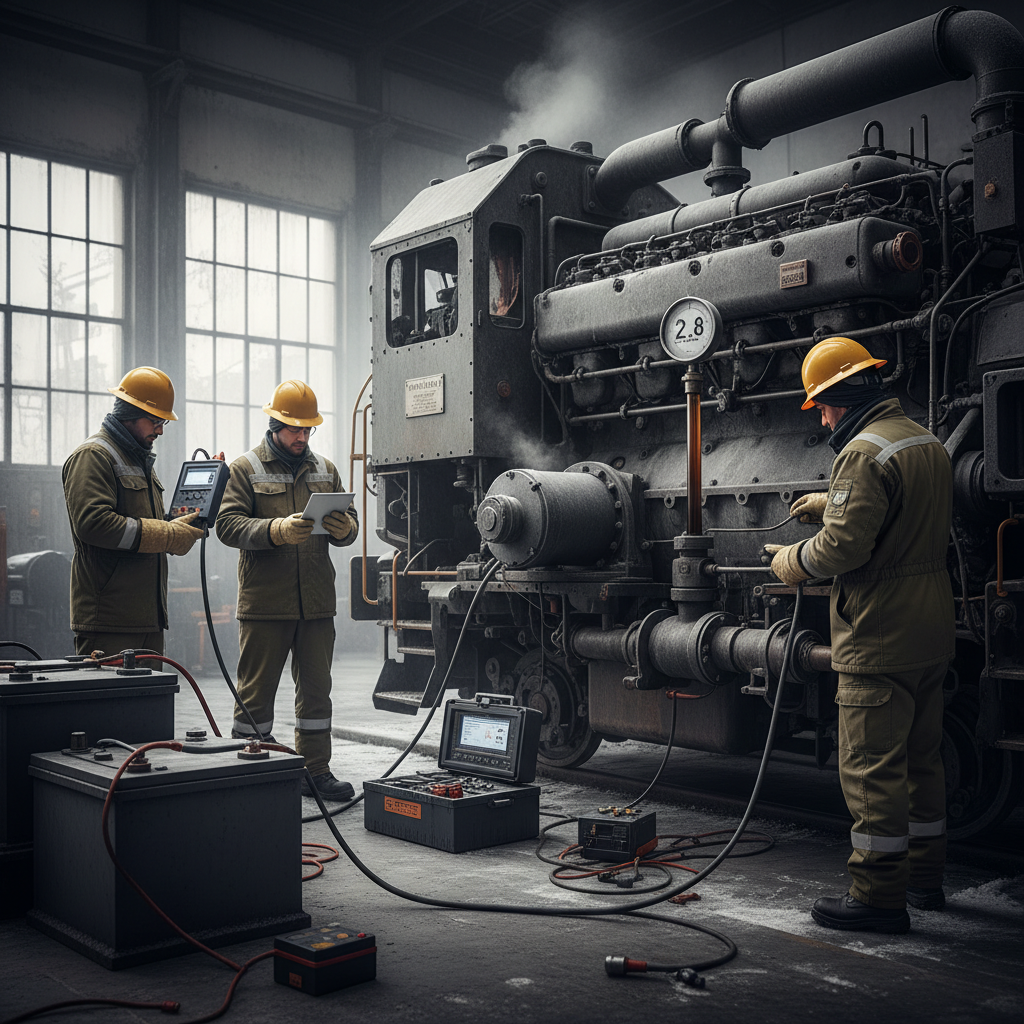
You’ll identify EMD bearing wear patterns through vibration signatures in the 25-100 kHz range, temperature rises of 10-20°F above baseline, and physical indicators like diagonal scoring marks and metal transfer deposits. Monitor acoustic emissions for micro-cracking events, check for burnt grease coloration changes, and measure film thickness shifts. Advanced EMD signal processing reveals fault frequencies while physical inspection shows spalling and surface irregularities that indicate specific wear stages and failure progression.

Key Takeaways

  • EMD signal processing decomposes vibrations into IMFs, revealing fault patterns with inner race showing variable signatures and outer race exhibiting consistent patterns.
  • Temperature rise patterns of 10-20°F above baseline indicate early bearing degradation, while sudden spikes exceeding 180°F signal potential lubrication failure.
  • Acoustic emissions in 25-100 kHz range capture micro-cracking events, evolving from high-frequency bursts to low-frequency emissions as wear progresses.
  • Physical wear indicators include shallow scoring, aluminum transfer, diagonal patterns, and darkened bearing backs from thermal overload conditions.
  • Advanced spectrum analysis using singular value difference method identifies bearing defects at specific frequencies while reducing false alarms by 25-35%.

Vibration Analysis Methods for EMD Bearing Wear Detection

emd for bearing diagnostics

When you’re diagnosing EMD bearing wear through vibration analysis, you’ll need to understand that different techniques excel at detecting specific fault stages and damage patterns. EMD signal processing decomposes complex vibrations into Intrinsic Mode Functions, enabling precise bearing fault localization by isolating defect-specific frequencies from background noise.

You’ll achieve superior fault feature extraction through vibration signal decomposition, particularly when analyzing non-stationary signals under varying operational condition analysis. This technique outperforms traditional methods by adapting to changing load and speed conditions without requiring predetermined frequency bands. The EMD method demonstrates significantly lower computational processing time compared to ensemble EMD while maintaining diagnostic accuracy.

Your noise reduction techniques become more effective as EMD separates bearing-related IMFs from external vibration sources. However, you’ll need expertise in bearing defect classification to correlate IMF energy distribution shifts with physical damage mechanisms. Early-stage defects manifest as energy concentration in specific IMFs, while advanced wear shows broader spectral changes across multiple modes, making EMD invaluable for thorough bearing health assessment.

Temperature Monitoring and Thermal Signatures in EMD Bearings

temperature rise indicates degradation

You’ll detect bearing degradation early by monitoring temperature rise patterns at specific load zones, where failing bearings typically show 10-20°F increases above baseline during operation. Your thermal damage indicators include sudden temperature spikes exceeding 180°F in the bearing housing and gradual upward drift patterns that correlate with increasing clearances and metal-to-metal contact. When you observe asymmetric heating between paired bearings or rapid temperature cycling during steady-state conditions, it’s time to schedule inspection before catastrophic failure occurs. These temperature changes directly result from lubricant degradation as the bearing deteriorates, causing increased friction and heat generation that accelerates the wear process.

Temperature Rise Patterns

Monitoring temperature rise patterns in EMD bearings reveals critical wear conditions before catastrophic failure occurs. You’ll detect progressive roller element wear through gradual 5-8°C monthly increases, while sudden spikes exceeding 15°C warn of imminent lubrication failure. Track these temperature anomalies across bearing pairs to identify misalignment issues through asymmetric thermal distribution. Real-time data acquisition systems enable continuous monitoring of bearing temperatures, providing automated alerts when risk thresholds are exceeded.

Your thermal trends analysis should account for operational variables. Metal-to-metal contact from oil films below 5μm creates 8-10°C elevations, while gear meshing forces produce cyclical 3-5°C fluctuations. Apply compensation algorithms when ambient temperatures drop below -20°C, and expect 12-15% accuracy reduction in high humidity environments. Machine learning algorithms help you distinguish normal variations from genuine wear patterns, enabling predictive maintenance before costly failures occur.

Thermal Damage Indicators

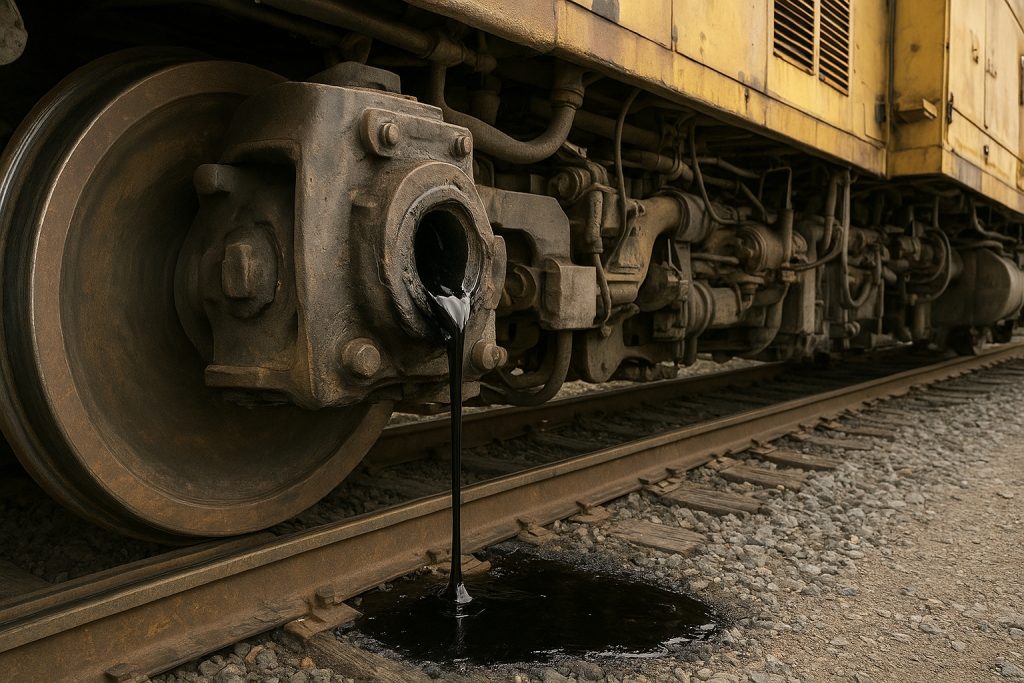
Temperature patterns reveal only part of the bearing damage story—thermal damage indicators provide the forensic evidence needed to confirm electrical discharge machining (EDM) effects. You’ll spot thermal degradation through burnt grease coloration shifting from normal grey/brown to black, accompanied by suspended metal particles from electrical arcing. Your grease analysis will reveal carbonized deposits and reduced viscosity, both signatures of excessive heat exposure.

Check for material changes on bearing surfaces—blueing indicates temperatures exceeding 300°C, while martensite formation confirms localized melting from discharge events. You’ll find microscopic fusion craters measuring 5-10 μm under magnification, often arranged in frosting patterns. The frosting appears as dull, matte surfaces alongside shiny areas on the bearing components during inspection. These surface alterations increase roughness and accelerate mechanical wear, creating a destructive cycle that compounds bearing damage.

Physical Inspection Techniques for Surface Damage Assessment

bearing damage inspection techniques

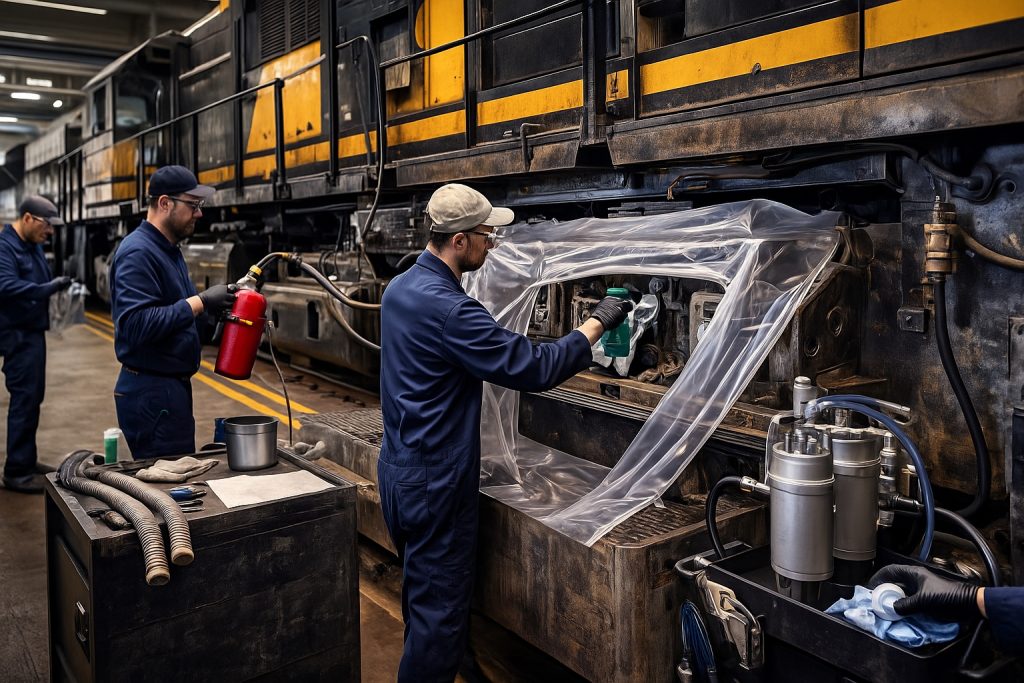
When you suspect bearing damage in your EMD equipment, conducting a thorough physical inspection becomes your most essential diagnostic tool. You’ll need to remove the lower main bearings following established safety procedures and wearing appropriate PPE. Cut the outer race into halves to perform extensive visual damage assessment of internal surfaces.

Your inspection should focus on identifying specific surface irregularity identification patterns. Look for fretting’s characteristic rust-colored marks, fluting’s rhythmic wave patterns from electrical current, and frosting’s grayish matte areas indicating microscopic pitting. Clean components with degreaser to reveal EDM damage—millions of microscopic pits measuring 5-10 microns in diameter that aren’t visible without magnification. Ensure proper ventilation in cleaning area to protect yourself from harmful solvent fumes during the examination process.

Document spalling where material flakes away from fatigue and preserve bearing samples for comparison. Your experience will guide recognition of burnt grease’s blackened appearance and metal particle contamination. These physical examination techniques provide essential evidence for determining failure modes and preventing catastrophic equipment damage.

Acoustic Emission Patterns During EMD Bearing Degradation

acoustic emission degradation monitoring

When you’re monitoring EMD bearing degradation, you’ll need to track acoustic emission patterns across specific frequency ranges from 25-100 kHz where micro-cracking and spalling events generate their strongest signatures. You’ll set amplitude thresholds starting at 80 mV to capture critical pitting events while filtering environmental noise that typically remains below 40 mV in properly isolated sensor configurations. As wear progresses, you’ll observe the characteristic evolution from intermittent high-frequency bursts (0.1-5 hits/sec) in early stages to continuous low-frequency emissions (<10 kHz, >50 hits/sec) indicating severe degradation requiring immediate intervention. The Degradation Assessment Index developed from these acoustic emission signals integrates polynomial kernel principal component analysis, Gaussian mixture models, and exponentially weighted moving averages to quantify bearing condition progression.

Frequency Range Analysis

As you analyze acoustic emission patterns from EMD bearings, you’ll discover that frequency characteristics reveal critical insights about bearing degradation that traditional vibration monitoring often misses. You’ll need Empirical Mode Decomposition to extract meaningful frequency components from raw AE signals, enabling precise frequency identification of specific bearing faults. The real-time data captured through acoustic emission technology provides continuous monitoring capabilities that surpass conventional periodic inspection methods.

Fault TypeFrequency PatternDetection Rate
Inner RaceVariable signatures40% at mid-range
Outer RaceConsistent patternsHigher reliability
Mixed ModeComplex IMFsRequires HHT

Your fault classification accuracy depends on selecting appropriate frequency thresholds. Mid-range thresholds balance detection sensitivity with false positive rates at 5%. You’ll find outer race defects produce more reliable frequency signatures due to their stationary position, while inner race faults generate variable patterns requiring advanced EMD processing for accurate identification.

Amplitude Threshold Monitoring

Setting appropriate amplitude thresholds transforms your acoustic emission monitoring from a data collection exercise into a precise bearing fault detection system. You’ll need threshold calibration specific to your bearing types to minimize false positives while capturing early defect signatures.

Your static thresholds won’t suffice for variable-speed EMD applications where vibration amplitudes fluctuate with operating conditions. Instead, implement dynamic adjustments that adapt to load cycles and speed variations. Set your detection range above shaft and gear mesh harmonics to filter operational noise, while ensuring thresholds align with known bearing defect frequencies like BPFO and BPFI. Advanced signal processing techniques utilizing wavelet-based de-noising can significantly enhance fault detection accuracy by separating fault-induced features from normal operating vibrations.

Cross-reference amplitude anomalies against spectral data to confirm genuine defects. When you leverage accelerometer resonance near 2-5 kHz, you’ll amplify critical fault signals that emerge above baseline noise floors during early defect formation.

Signal Pattern Evolution

Your bearing’s acoustic emission signals undergo predictable transformations as degradation progresses from microscopic surface irregularities to catastrophic failure. You’ll detect isolated micro-crack bursts during initial wear phases, followed by intermittent AE patterns between damage stages. As deterioration advances, you’ll observe increasing burst frequency and duration through signal variation analysis.

Your wear progression tracking reveals distinct phases: sparse AE events characterize early micro-cracks, while sustained chaotic bursts indicate distributed late-stage damage. EMD analysis shows IMF complexity growing progressively—you’ll see more intrinsic modes emerging as bearing conditions worsen. You’ll notice cyclical patterns aligning with rotation cycles, enabling time-synchronized monitoring. High-frequency components spike during micro-crack formation, then energy shifts to lower frequency bands as damage spreads throughout the bearing material structure. The waveform clusters you identify through similarity-based analysis consistently link to specific localized defects within the raceway, providing precise damage location information.

Wear Staging Classification for EMD Connecting Rod Bearings

When you’re examining EMD connecting rod bearings, you’ll need to recognize distinct wear stages that indicate specific mechanical issues. Initial wear progression indicators include shallow scoring and minor surface cracks that signal early degradation. As conditions worsen, you’ll observe copper plating disruption and increased metal-to-metal contact zones.

Advanced bearing failure mechanisms manifest through:

  • Aluminum transfer from bearing surfaces to crankshaft journals
  • Darkened, discolored bearing backs from thermal overload
  • Diagonal wear patterns across load-bearing surfaces
  • Localized contact points with minimal damage elsewhere
  • Fatigue cracks propagating from surface to subsurface layers

You’ll find that extreme operating conditions accelerate these stages. Hot rodding or lugging creates rod distortion, while insufficient lubrication establishes destructive thermal feedback loops. Proper classification requires matching wear patterns with operational history. Check for recessed load zones and metal flow at recess edges—they’re telling signs of progression severity. Understanding these stages helps you determine whether bearings need immediate replacement or can continue service.

Lubrication Film Analysis and Failure Mode Identification

lubrication failure diagnostics strategies

If you’re diagnosing bearing failures in EMD engines, you’ll need to understand how lubrication film breakdown triggers specific failure modes. Film thickness measurements reveal critical shifts between fluid, mixed, and boundary lubrication states that predict imminent failures.

You can identify lubrication failure precursors through systematic analysis:

ParameterNormal OperationFailure Threshold
Film Thickness>3 μm<1 μm (60-80% reduction)
Oil Viscosity>45 cSt @ 40°C<45 cSt @ 40°C
ZDDP Concentration100% baseline<70% baseline

When film thickness drops below critical values, you’ll observe directional scoring patterns with 10-30 μm depth variations. Metal transfer deposits appear when iron content exceeds 5% in oil analysis. Capacitance sensors detect dielectric property changes during starvation regimes, while pressure mapping reveals 20-40% spikes during dynamic loading. Under extreme conditions where boundary lubrication dominates, bearing surfaces experience accelerated scuffing and material degradation that compromises mechanical efficiency.

Your failure identification strategy should combine Stribeck curve analysis with wear particle monitoring. Once ferrous density exceeds 1000 ppm, you’re facing severe wear conditions requiring immediate intervention.

Load Distribution Effects on EMD Main Bearing Wear Rates

localized bearing wear analysis

As load distribution shifts across EMD main bearing surfaces, wear rates accelerate exponentially in areas experiencing concentrated pressure beyond design specifications. You’ll notice irregular pressure patterns create localized material degradation that far exceeds normal operational wear. When misalignment occurs, metal-to-metal contact develops at concentrated pressure points, particularly near parting lines on opposite bearing surface sides.

Key indicators of poor load distribution include:

  • Bright, smooth marks indicating mixed friction zones
  • Two-sided edge wear in main load-bearing regions
  • Sliding layer displacement toward relief areas
  • Accelerated wear patterns near improperly torqued cap interfaces
  • Sputter coating displacement revealing overloaded sections

You can identify these issues through wear pattern analysis and vibration monitoring. Improper cap bolt torquing creates “loose” conditions that shift during operation, while enlarged bolt holes permit abnormal movement. These mechanical factors directly influence how loads transfer across bearing surfaces, determining whether you’ll experience normal 2/3 coverage wear or accelerated localized failure.

Spectral Analysis of Fault Frequencies in EMD Bearing Systems

Signal decomposition through EMD transforms complex vibration data into actionable fault indicators by isolating bearing-specific frequencies from surrounding mechanical noise. You’ll detect inner-race defects at 156.4 Hz and their 312.8 Hz harmonics through envelope spectral peaks after extracting high-kurtosis IMFs.

Your signal reconstruction process requires selecting IMFs with kurtosis values exceeding 3, which contain impulsive features from bearing wear. Double-frequency components at 324 Hz confirm nonlinear vibration behaviors in damaged bearings. You’ll observe frequency modulation patterns where shaft speed creates sidebands around fault frequencies—for instance, a 162 Hz inner-race defect shows ±60 Hz modulation from rotational speed.

The singular value difference spectrum method outperforms traditional FFT approaches, reducing false alarms by 25-35%. You’ll identify outer-race faults at 108 Hz even when submerged in gear meshing noise. Sideband spacing analysis differentiates bearing defects from other mechanical faults, while amplitude demodulation isolates bearing-specific modulations from rotor vibrations.

Frequently Asked Questions

How Often Should EMD Bearings Be Replaced During Normal Service Intervals?

You should replace EMD main bearings annually during normal service intervals when differential pressure monitoring isn’t available. If you’re using monitoring systems, extend bearing maintenance to every two years per EMD Owners Group recommendations. Remember, you can deviate up to 25% from scheduled replacement frequency under certain conditions. Always replace lower bearings immediately if you spot bronze discoloration during inspections, and don’t forget concurrent upper bearing replacement at overheated positions.

What Are Typical Repair Costs for EMD Bearing Wear Damage?

You’ll find EMD bearing repairs hit maintenance budgets like a freight train derailment – suddenly and expensively. Repair estimates typically range from $15,000 for minor journal resurfacing to $80,000+ for complete main bearing overhauls. You’re looking at specialist labor ($150-300/hour), premium materials (silver-based shells cost 3x standard steel), and 5-10 days downtime. Emergency repairs double costs, while preventative programs cut future expenses by 40%.

Can EMD Bearings Be Reconditioned After Detecting Early Wear Patterns?

You can recondition EMD bearings when early wear detection reveals Stage 1 or Stage 2 damage patterns. If you’re monitoring HFNBRI readings and velocity FFT shows wear affecting less than 0.1% of track circumference, bearing reconditioning becomes viable. You’ll need to verify contact pressure measurements remain within acceptable MPa limits and confirm the damage hasn’t progressed beyond moderate levels. Early intervention through reconditioning extends bearing life cost-effectively.

Which EMD Engine Models Experience the Most Frequent Bearing Failures?

You’ll find older EMD 567 and 645 series engines suffer the most frequent bearing failures, particularly in emergency generator applications. These models’ silver-and-lead bearing types can’t withstand repeated cold starts and thermal cycling. Your 710 series experiences thrust bearing failures in turbocharger assemblies when oil pressure delays occur. Legacy two-stroke designs show crankpin bearing deterioration faster than modern four-stroke variants, with failure causes primarily linked to insufficient lubrication during startup sequences.

How Do Aftermarket Bearings Compare to OEM for Wear Resistance?

You’ll find aftermarket advantages include superior hardness ratings and enhanced thermal stability, making them attractive for heavy-haul operations. However, OEM durability proves superior in accelerated life testing, averaging 3,500 more operating hours. Your choice depends on application priorities—aftermarket excels in extreme conditions with modified oil grooves and tapered edges, while OEM’s tighter tolerances and debris embedment capability deliver consistent performance across standard railway environments.

5 Tips to Prevent EMD Connecting Rod Bearing Failure

5 Tips to Prevent EMD Connecting Rod Bearing Failure

You’ll prevent EMD connecting rod bearing failures by implementing these critical protocols: verify bearing clearances at 90° intervals using bore gauges, maintain oil viscosity specifications matched to your operating conditions, control bearing temperatures through optimized cooling systems and heat exchangers, conduct regular visual inspections with hardness testing on all bearing surfaces, and establish quarterly maintenance schedules including lube oil analysis and crankshaft deflection monitoring. These systematic approaches will release thorough protection strategies.

Key Takeaways

  • Verify connecting rod caps match original positions and measure bearing clearances at 90° intervals to detect ovality or taper.
  • Maintain proper oil viscosity for operating conditions and monitor oil pressure continuously as an early warning system for lubrication problems.
  • Control bearing temperatures through oil-to-coolant heat exchangers and regularly clean crankshaft oil passages to prevent abrasive wear.
  • Conduct visual inspections of bearing surfaces for cracks and scoring while implementing hardness testing to ensure material specifications.
  • Execute quarterly lube oil analysis and 92-day inspections while monitoring crankshaft deflection to detect misalignment issues early.

Precision Bearing Installation and Tolerance Management

precise bearing installation guidelines

When installing EMD connecting rod bearings, you’ll achieve ideal performance only through precise adherence to dimensional tolerances and systematic installation procedures. Proper bearing alignment begins with verifying that connecting rod caps match their original positions—mismatched components create uneven contact surfaces that accelerate wear. You must measure bearing clearances using bore gauges at 90° intervals to detect ovality or taper conditions.

Critical bearing alignment requires orienting inserts with tangs facing the correct direction and matching manufacturer indexing marks. Clean all bearing surfaces with brake cleaner before installation, removing debris and old bearing material that could compromise contact integrity.

Follow staged torque specifications precisely, beginning with hand-tightening before applying intermediate and final values. You’ll prevent bearing crush by using calibrated torque wrenches and lubricating fastener threads. Maintain approximately .001 per inch of shaft diameter as your target clearance specification for optimal bearing performance. Document clearance measurements to track wear patterns during subsequent maintenance intervals. Selective bearing replacement may be necessary when measurements exceed manufacturer tolerances.

Enhanced Lubrication and Oil Management

optimal lubrication and maintenance

While precise installation establishes the foundation for bearing longevity, maintaining ideal lubrication throughout your EMD engine’s operational life determines whether those bearings achieve their designed service intervals.

You must match oil viscosity to your operating conditions to maintain protective film strength between metal surfaces. Insufficient oil quantity creates metal-to-metal contact, while diluted oil from fuel contamination disrupts critical lubrication films. Track oil pressure continuously—it’s your early warning system for lubrication starvation.

Choose between lubrication types based on your specific application demands. Circulating oil systems prove essential for high-load EMD applications, providing superior heat dissipation and contaminant removal compared to grease alternatives.

High-load EMD applications demand circulating oil systems for optimal heat dissipation and contaminant removal over grease lubrication.

Implement rigorous contamination control through upgraded filtration systems that trap microparticles before they embed in bearing surfaces. Schedule oil analysis to monitor additive depletion and oxidation levels. Replace oil and filters according to manufacturer specifications, not arbitrary intervals—contamination buildup accelerates bearing fatigue exponentially. Monitor bearing clearances regularly, as excessive clearance results in loss of oil pressure due to oil expulsion.

Temperature Control and Cooling System Optimization

bearing temperature control optimization

Beyond maintaining ideal lubrication, you must control bearing temperatures to prevent the thermal conditions that destroy EMD connecting rod bearings prematurely. Excessive heat causes bearing overlay material to partially melt and leads to accelerated metal fatigue. You’ll need proper bearing clearance specifications to guarantee adequate heat dissipation from bearing surfaces while preventing friction-induced heating from metal-to-metal contact.

Implement oil-to-coolant heat exchangers to reduce bearing operating temperatures and eliminate external oil cooler lines that introduce air entrapment. Size your cooling system components adequately and balance coolant flow rates to enhance temperature regulation across all engine components. Strategic placement of cooling passages maximizes heat removal from critical bearing areas.

Maintain proper housing diameter specifications for ideal heat transfer and verify correct connecting rod rigidity to support bearing alignment. Monitor bearing surfaces for abnormal wear patterns and establish temperature threshold alerts. Regular cleaning of crankshaft oil passages removes foreign particles that can cause abrasive wear and compound thermal damage. Proper thermal balance prevents the “Hot Short” condition that tears bearing surfaces and guarantees long-term bearing reliability.

Material Inspections and Quality Assurance

rigorous bearing inspection protocols

Since bearing failures often stem from undetected material defects and dimensional variances, you must establish rigorous inspection protocols that identify compromised components before they enter service. Visual inspections should systematically examine bearing liners and rod surfaces for cracks, scoring, or porosity that compromise structural integrity. You’ll need to implement hardness testing for both connecting rods and bearing components to verify they meet material specifications under operational stress.

Deploy microfinish measurements on bearing surfaces to optimize lubrication characteristics and prevent premature wear. Your quality assurance program must include strict material procurement standards, particularly for high-stress rod applications where failure consequences are severe. Conduct precise dimension checks on bearing shells and inserts to eliminate out-of-spec parts before installation. Integrate bore concentricity verification between small-end and big-end assemblies to prevent misalignment issues. Modern rotary air bearing spindle systems can achieve runout accuracy of 0.000050mm for precise roundness measurements of critical bearing surfaces. Document all inspection data within your CMMS platform to enable predictive maintenance scheduling and track component fatigue life patterns.

Proactive Maintenance and Diagnostic Scheduling

proactive maintenance for bearings

After establishing thorough material inspection protocols, you must implement structured maintenance schedules that prevent connecting rod bearing failures through systematic monitoring and early intervention. Your diagnostic tools should include quarterly lube oil analysis for viscosity breakdown and particulate contamination, monthly vibration spectra analysis to identify abnormal bearing load patterns, and biennial megger tests on lube oil circulating pump motors.

Execute 92-day inspections evaluating fluid integrity and component functionality, while conducting 184-day advanced system inspections focusing on performance metrics and wear patterns. Replace lower main bearings when wear exceeds 0.015″ and track connecting rod bearing clearance using plastigage measurements during scheduled inspections.

Monitor crankshaft deflection quarterly to detect misalignment issues and maintain oil temperature between 160-180°F during operation. Implement condition-based replacement using oil debris monitoring systems, adjusting maintenance schedules based on operational load and historical failure data for ideal bearing protection. Following these manufacturer guidelines prevents emergency repairs that cost 3-4.7 times more than scheduled maintenance.

Frequently Asked Questions

What Are the Typical Warning Signs Before EMD Connecting Rod Bearing Failure?

While you might think bearing failure happens suddenly, you’ll actually notice several warning signs first. You’ll hear distinctive knocking noise during acceleration – that’s the metallic tapping increasing with engine load. Your oil pressure will drop considerably, triggering dashboard warnings. You’ll also detect metal particles in your oil filter, blue discoloration on rod surfaces from overheating, and rough idling with power loss during operation.

How Often Should EMD Connecting Rod Bearings Be Replaced Preventively?

You should replace EMD connecting rod bearings during scheduled power assembly overhauls—every 1,000,000 miles for 710-series engines and every 20 years for 645E3 models. Your preventive maintenance intervals must align with annual mileage thresholds; locomotives exceeding 100,000 miles yearly require more frequent replacement. You’ll maximize bearing longevity by implementing condition-based monitoring through vibration analysis and oil quality testing to identify early wear patterns before catastrophic failure occurs.

What Causes EMD Connecting Rod Bearing Failure in Newly Rebuilt Engines?

Like a telegraph operator sending critical messages, you’ll find bearing alignment issues plague newly rebuilt EMD engines when connecting rod runout exceeds 0.002″ specifications. Lubrication issues from insufficient oil pressure below 25 psi during initial startup cause dry-start wear. You’re also dealing with improper bearing clearances under 0.003″, contaminated assembly surfaces, and incorrect torque sequences that create uneven clamping forces across bearing caps.

Can Aftermarket Bearings Be Safely Substituted for Original EMD Bearings?

You can substitute aftermarket bearings if they meet EMD’s precise specifications, but aftermarket quality varies greatly between manufacturers. You must verify bearing compatibility through material testing, clearance measurements, and lubrication requirements. Confirm aftermarket components maintain 0.003″-0.005″ clearances and use manufacturer-approved alloys. However, substitution may void your warranty and affect service compliance, so you’ll need thorough documentation and rigorous quality control protocols.

What Is the Average Cost of EMD Connecting Rod Bearing Replacement?

You’ll face bearing costs ranging $200-800 per connecting rod bearing set, depending on your EMD engine model. Replacement factors greatly impact total expenses: 567 engines cost less than 710 models, OEM parts run 30-50% higher than aftermarket alternatives, and labor adds $150-400 per cylinder. You’re looking at $2,000-6,000 total per cylinder including parts, labor, and potential downtime costs for complete bearing replacement.

10 Tips for Comparing EMD Locomotive Bearing Materials

10 Tips for Comparing EMD Locomotive Bearing Materials

When comparing EMD locomotive bearing materials, you’ll want to evaluate alloy composition, fatigue life, and yield strength against AAR standards. Factor in compatibility with lubricants, thermal conductivity, and stress-resistance for heavy rail loads. Prioritize wear detection methods, corrosion resistance, and service intervals to maximize uptime. Examine surface finish and hardness uniformity to guarantee ideal lubrication and durability. Balancing initial cost with proven service life is essential for cost efficiency. Further insights will help you refine your selection process.

Key Takeaways

  • Evaluate material composition for resistance to wear, corrosion, and compatibility with lubricants in demanding locomotive environments.
  • Compare load capacity, fatigue life, and documented yield strength to ensure reliability under operational axle and journal loads.
  • Analyze stress distribution and thermal stability to select materials that minimize stress concentrations and resist thermal fatigue.
  • Assess maintenance needs, wear detection options, and typical replacement cycles to determine long-term service and operational cost.
  • Factor in initial material cost, maintenance frequency, and surface finish requirements to optimize overall cost-effectiveness and bearing performance.

Evaluate Material Type and Composition

locomotive bearing material evaluation

When evaluating EMD locomotive bearing materials, you’ll encounter a range of compositions engineered for specific mechanical and thermal demands. Each bearing type—ball, roller, plain, and journal—relies on distinct material properties to optimize performance. Steel remains the primary choice for ball and roller bearings because of its superior durability and resistance to fatigue. Bronze, a copper-based alloy, is common in plain bearings and rocker arm bushings due to its wear resistance and ability to accommodate periodic lubrication.

Understanding the types, functions, and maintenance practices for locomotive bearings is essential for selecting materials that will optimize performance and prolong component life. For engine and connecting rod applications, aluminum-tin and copper-lead alloys are favored for their embedded solid lubricants, which minimize reliance on external greasing and enhance friction reduction. Bimetallic constructions, pairing steel backings with softer liners, offer a balance of strength and adaptability to high-stress thermal cycles. These composite structures are prevalent in main and camshaft bearings, extending service life under harsh operating conditions by leveraging the synergy of their material properties.

Assess Load Capacity and Strength Requirements

assess bearing material strength

When you assess bearing materials for EMD locomotives, start by verifying each option’s yield strength against documented axle and dynamic load requirements. Analyze fatigue life using industry-standard cycles and compare results to real-world service intervals. Examine stress distribution through finite element analysis to guarantee the chosen material maintains uniform load transfer without localized overstress. Regular assessment and maintenance of worn traction components is crucial for identifying issues and preventing further damage.

Evaluate Bearing Yield Strength

Although EMD locomotive bearings operate under extreme load and dynamic conditions, their yield strength must consistently meet or exceed rigorous AAR standards for axle and journal materials. When you evaluate bearing performance, focus on yield criteria such as the 23-ton axle load limit, 6.5″ journal diameter, and the use of high-strength alloy steels in critical components. These parameters guarantee the bearings withstand peak tractive efforts of up to 560 kN and manage significant lateral and axial forces.

EMD-exclusive crowned roller geometry and integrated thrust blocks further optimize stress distribution, reducing localized strain and maintaining structural integrity. Verify that all candidate materials meet AAR property standards through documented material testing protocols to guarantee consistent yield strength and reliable load-bearing capacity in demanding operational environments.

Analyze Fatigue Life

Because EMD locomotive bearings endure millions of loading cycles under fluctuating wheel-rail forces, you must quantify fatigue life to guarantee reliable service intervals and structural safety. Start by conducting fatigue testing under both accelerated and real-world conditions, then benchmark cycles-to-failure for each material candidate. Use Miner’s rule to calculate cumulative damage accumulation from variable load histories, and compare lab-test damage ratios—such as a 3:1 severity factor—to field data for accurate service life predictions.

Map peak operational stresses against material endurance limits, evaluating crack propagation rates and creep-fatigue interactions, especially at elevated temperatures. Integrate predictive modeling, like ILSTM networks and dynamic simulations, to estimate remaining useful life, and cross-validate results with instrumented wheelset data. This standards-driven approach guarantees ideal material selection and maintenance alignment. Because unique components exist for each model, you must also account for model-specific compatibility when analyzing bearing material fatigue and replacement intervals.

Examine Stress Distribution

How do you guarantee EMD locomotive bearings withstand the demanding interplay of mechanical and thermal loads in service? Start by analyzing stress redistribution and the primary load path for each bearing material under operational scenarios. Proper alignment guarantees even load distribution, minimizing peak stress concentrations. Under combined vertical, lateral, and thermal loading (V1+L1+TH), expect synergistic stress increases, especially at bore inner surfaces and wheel treads, where torque transmission and braking-induced gradients interact.

Select materials with high yield strength and thermal stability to handle these stress hotspots and avoid plastic deformation. Numerical modeling using the finite element method, as highlighted by recent research, provides detailed insight into the thermal and stress-strain state of locomotive components and can predict critical stress concentrations in bearing materials. Surface treatments and wear-resistant alloys further reduce microstructural degradation under cyclic stress. Rely on standardized RDSO test protocols to simulate real-world combined load cases and verify that your chosen material maintains structural integrity throughout the operational spectrum.

Analyze Lubrication Compatibility

lubricant compatibility and testing

Effective lubrication compatibility in EMD locomotive bearings depends on strict adherence to both additive chemistry and viscosity requirements outlined by OEM standards. You must conduct thorough lubrication analysis to guarantee oils contain less than 10 ppm zinc, preventing additive incompatibility with silver or lead substrates. Select only those lubricants formulated with lead-free, corrosion-resistant additives to avoid unwanted chemical reactions that can displace bearing material and obstruct lubrication channels. Maintain pH stability and moisture resistance to protect against oxidation and premature wear.

From a viscosity standpoint, always reference EMD’s prescribed grade charts. Oils that are too thin can’t sustain hydrodynamic separation, increasing steel-to-steel contact, while excessively thick oils compromise energy efficiency and may cause overheating. Compatibility testing is critical—never blend oils without manufacturer-approved mix tests, and only use API-classified lubricants to guarantee additive consistency. Prioritize standalone EMD lubricants and regularly review batch consistency to avoid costly bearing failures and unplanned downtime. The corrosive effects of high zinc oils have been documented to cause significant bearing damage in EMD engines, reinforcing the importance of verifying additive content before use.

Review Thermal Performance Characteristics

thermal management in bearings

When evaluating EMD locomotive bearing materials, you must rigorously assess their thermal performance characteristics to guarantee reliable operation under demanding traction motor environments. Effective temperature management is essential, as bearings must dissipate heat generated by both stator and rotor components. Materials with high thermal conductivity improve heat dissipation, reducing thermal gradients and minimizing hotspots that can lead to stress concentrations.

Comparing steel to advanced alloys requires a close look at conductivity levels—higher thermal conductivity enhances compatibility with air- or liquid-cooled systems and extends bearing lifespan by mitigating thermal fatigue. The Locomotive Interface Gateway (LIG) collects data from locomotive control systems, offering valuable insights into operational temperatures and fault conditions that can guide bearing material selection. Thermal expansion and repeated cycling demand materials that retain mechanical integrity and resist deformation. Proper housing design and sealing further influence heat dissipation and protect against contamination. Evaluate these performance aspects using the table below:

ParameterImpact on Bearing Performance
Thermal ConductivityImproves heat dissipation
Heat CapacityMaintains thermal stability
Stress ResistanceMinimizes thermal fatigue
Housing/Cooling DesignModulates thermal load
Thermal ExpansionPrevents deformation/failure

Check Interchangeability and Fit Across Models

verify locomotive bearing compatibility

Curiously, EMD’s approach to component standardization means you can’t assume bearings will fit interchangeably across all locomotive models without rigorous verification. To verify cross model compatibility, start by decoding part numbers—compare specific codes such as 16-567B versus 16-645E to pinpoint shared or unique bearing components. Always reference EMD’s official part catalogs and cross-check against supplier data for models like the 645F, 645E, or 645E3. Examine technical specs for tapered roller bearings, including arrangement (back-to-back or face-to-face), and validate dimensions, clearances, and load ratings per OEM criteria.

Prototype fitment tests are essential; conduct these in controlled conditions, measuring internal clearances post-installation to guarantee alignment with EMD torque specs. Also, map supplier identifiers to EMD’s numbering scheme, accounting for legacy and modern part numbers as well as regional variations. High-performance bearings and bushings are critical for smooth engine operation and reduced wear, so it’s vital to ensure that your chosen material and design match EMD’s precise engineering standards. This data-driven approach confirms you identify true interchangeability, preventing costly installation errors or premature failures.

Compare Maintenance Needs and Replacement Frequency

optimize bearing maintenance schedules

You’ll need to align lubrication schedules with the specific bearing material, as plain and rolling element bearings require different grease types and intervals per manufacturer standards. Use precision inspection tools and set wear detection intervals based on both operating hours and real-time data, such as vibration analysis. This targeted approach guarantees you optimize replacement frequency and reduce unplanned downtime.

Lubrication Schedules by Material

A well-structured lubrication schedule is crucial for maximizing the service life of EMD locomotive bearings, and the maintenance approach varies considerably by bearing material. For plain (journal) bearings, you’ll need to select high-quality lubricant types and follow manufacturer-recommended intervals, as these bearings are sensitive to lubricant viscosity and over-lubrication.

Inspection techniques such as scheduled visual checks and grease sampling are essential to guarantee ideal lubricant condition. Rolling element bearings, including ball and cylindrical types, require tailored grease or oil intervals based on load and speed, with maintenance cycles often differing by bearing configuration. Proper lubrication and maintenance help reduce friction in locomotive bearings, which is critical for the efficient function of the traction motor. Thrust bearings demand precise oil flow schedules to manage axial loads efficiently. Material selection, operating conditions, and inspection frequency all influence your lubrication and replacement strategies.

Wear Detection and Intervals

Beyond optimizing lubrication schedules, effective wear detection directly impacts maintenance intervals and the longevity of EMD locomotive bearings—particularly as monitoring technologies advance and bearing materials diversify. You’ll want to leverage vibration monitoring and advanced signal decomposition for real-time analysis of wear patterns, enabling early fault classification and predictive maintenance. EEMD and wavelet-packet methods deliver robust performance comparison, overcoming noise interference and material fatigue challenges.

Combine inspection techniques—visual checks, dimensional measurements, and ultrasonic analysis—for thorough diagnostics. Predictive intervals should reflect baseline vibration profiles, material-specific fatigue, and OEM recommendations. Additionally, since bearing faults account for 30% to 40% of failures in rotating electric machines, prioritizing early detection and accurate interval prediction is critical for operational reliability. The table below summarizes key approaches:

MethodStrengthsTypical Use Case
FFT AnalysisBroad wear pattern IDRoutine monitoring
EEMDNoise robustnessMulti-fault environments
Wavelet-PacketFault classificationEarly-stage defect detection
Visual InspectionSurface defect detectionScheduled maintenance
Ultrasonic TestingInternal flaw discoveryPost-disassembly assessment

Investigate Wear Resistance and Fatigue Life

material performance trade offs analyzed

While bearing material selection directly influences both wear resistance and fatigue life in EMD locomotives, each material presents distinct performance trade-offs under operational loads and speeds. You must analyze wear mechanisms and fatigue patterns to determine ideal material choices. Ball bearings excel in high-speed scenarios, resisting surface wear and demonstrating prolonged fatigue life, but may not tolerate heavy shock loads. Stainless steel bearings withstand extreme stresses and high RPMs, though their increased weight impacts fuel efficiency.

Bronze alloys offer custom strength profiles but suffer accelerated wear without consistent lubrication, impacting long-term performance. Cast iron bearings minimize friction due to self-glazing, yet their wear mechanisms are load-dependent. Silver-and-lead bearings display rapid fatigue when oil channels clog—material displacement leads to catastrophic failure modes. Rubber bushings in EMD traction motors show superior fatigue resistance, achieving over a million miles with minimal wear. Regular evaluation of material properties and maintenance can help prevent failures and extend the service life of bearings in demanding locomotive environments. Quantitative fatigue testing and routine inspection, per industry standards, remain essential for reliability.

Examine Chemical and Corrosion Resistance

chemical and corrosion resistance evaluation

Because EMD locomotive bearings routinely encounter aggressive chemicals, corrosive environments, and fluctuating thermal loads, material selection must emphasize both chemical stability and corrosion resistance. You need to evaluate how candidate materials handle exposure to EMD-specific lubricants, hydraulic fluids, and chemical byproducts like nitrogen oxides and sulfur compounds. In humid, marine, or mining settings, prioritize alloys with proven chemical resistance and built-in corrosion prevention mechanisms, such as passivation layers or advanced surface coatings. Choose materials that resist pitting, surface degradation, and electrolysis, especially where saltwater or condensation is prevalent.

Here’s a comparative snapshot:

MaterialChemical ResistanceCorrosion Prevention
52100 Bearing SteelModerateRequires coatings
Stainless SteelHigh (316L, 440C)Inherent passivation
Bronze AlloysGood (with tin)Needs regular lubrication
Ceramic HybridsExcellentNaturally inert
Coated SteelsVariable (by coating)Dependent on application

Optimize your selection by referencing actual corrosion test data and EMD operating standards.

Consider Cost-Effectiveness and Service Life

cost effectiveness and longevity considerations

You need to weigh initial material costs against projected service life, as higher-priced alloys like high-carbon steel can lower long-term expenses through reduced replacements. Maintenance frequency directly impacts cost-effectiveness, especially when extended lubrication intervals or predictive programs reduce downtime. Replacement cycles and overall longevity should align with operational standards to optimize lifecycle value and meet reliability targets.

Balancing Price and Durability

Selecting bearing materials for EMD locomotives requires a careful assessment of both procurement cost and service life, as these factors directly impact total cost of ownership. You should conduct a cost benefit analysis that weighs the initial price against expected durability. For example, bainitic steel alloys offer superior tensile strength (180-200 ksi) but cost 15-25% more than standard carbon steel.

Carburized materials provide high surface hardness (Rockwell C 50+) with core toughness for cyclic loading, justifying their higher upfront expense in demanding applications. When evaluating performance trade offs, consider that sintered metal bearings reduce weight by 20% for non-critical uses, while premium coatings like nickel/chromium or remelted tungsten carbide address corrosion and extreme loads. Data-driven selection guarantees the best balance between price and longevity.

Maintenance Frequency Impacts Cost

Although premium bearing materials contribute to longer service life, maintenance frequency remains a primary driver of overall cost-effectiveness in EMD locomotive operations. Effective maintenance scheduling directly impacts both labor and material expenditures. By leveraging data-driven maintenance logs and predictive strategies, you can optimize service intervals to minimize unnecessary downtime and reduce total lifecycle costs. Cost analysis shows that routine inspections and fluid checks prevent expensive failures and prolong bearing service life, ensuring resource allocation aligns with operational standards.

Key points to reflect on:

  1. Routine lubrication and weekly fluid checks extend bearing life and prevent accelerated wear.
  2. Predictive monitoring (vibration and lubricant analysis) supports on-condition maintenance, reducing premature replacements.
  3. Optimized maintenance scheduling—including overlapping tasks—lowers labor costs and aligns with vendor-recommended intervals for cost-effective operation.

Replacement Cycles and Longevity

Optimizing maintenance intervals is only part of maximizing cost-effectiveness; the inherent replacement cycles and lifespan of EMD locomotive bearing materials must also be considered. When you evaluate bearing options, focus on replacement frequency and bearing compatibility with your locomotive’s operational demands.

Plain bearings, while simple and cost-effective initially, often require more frequent overhauls due to higher friction and wear, raising long-term expenses. In contrast, cylindrical roller bearings like the NSK JT series use high-carbon steel and standardized dimensions, reducing both replacement frequency and inventory costs through improved bearing compatibility and interchangeability. Cam and turbocharger bearings experience high stress and environmental exposure, demanding vigilant monitoring and sometimes earlier replacement. Ultimately, prioritizing bearings with extended service life and predictable replacement cycles enhances reliability and total lifecycle value for EMD fleets.

Inspect Surface Finish and Hardness Consistency

surface finish and hardness

When inspecting EMD locomotive bearing materials, you must verify that surface finishes meet specified roughness (Ra) values to confirm efficient oil flow and prevent lubrication channel blockages. Even minor surface imperfections, often invisible to the naked eye, can obstruct lubrication channels and compromise performance. Use microscopic analysis to detect these imperfections and confirm commutator surfaces are smooth, which reduces brush wear and material debris. Measuring surface roughness provides quantitative assurance that bearing surfaces are within tolerance.

Additionally, assess hardness consistency across the bearing material. Variations can indicate improper heat treatment or material degradation. Silver concentration thresholds (≤1 ppm normal, >2 ppm critical) serve as quantitative indicators for underlying wear or contamination.

To confirm reliability:

  1. Conduct microscopic analysis for surface imperfections and debris.
  2. Measure Ra values and compare against engineering specifications.
  3. Verify hardness levels across multiple points to detect inconsistencies.

Frequently Asked Questions

How Do Bearing Materials Impact Locomotive Noise and Vibration?

When you select bearing materials, you directly influence bearing performance and noise reduction in locomotives. High-strength alloys support greater loads, minimizing stress-induced vibration. Materials with high damping coefficients absorb vibration energy, converting it to heat and lowering noise. Low-friction surfaces and proper lubricant compatibility further reduce friction-induced noise. Choosing materials with strong defect resistance and stable thermal expansion guarantees alignment, preventing vibration spikes and maintaining consistent noise reduction throughout the bearing’s operational life.

Are Eco-Friendly Bearing Materials Available for EMD Locomotives?

Did you know recycled steel alloys can cut raw material use by up to 40% in bearing casings? You’ve got sustainable materials emerging for EMD locomotives, like ceramic-coated bearings and hybrids with non-toxic additives. These options lower environmental impact while meeting industry standards for strength, corrosion resistance, and heat dissipation. Still, mainstream adoption is limited, so you’ll need to validate eco-friendly solutions through lifecycle assessments and guarantee full compatibility with EMD legacy systems.

What Certifications Should EMD Bearing Materials Meet?

When selecting EMD bearing materials, you need to guarantee they meet strict certification standards for ideal bearing quality. Require ISO 9001 certification for supplier quality systems and IATF 16949 for automotive components. Confirm compliance with AAR specifications and 49 CFR Part 229 for regulatory safety. Don’t overlook documented traceability of all certifications and demand regular supplier audits. These standards assure the bearing materials perform reliably in demanding locomotive environments.

Can Aftermarket Bearings Void Locomotive Warranties?

You need to evaluate warranty implications and aftermarket risks before installing non-OEM bearings. Federal law says a manufacturer can’t void your warranty just for using aftermarket parts, but they can deny claims if they prove a direct link between the bearing and failure. If improper installation or material incompatibility causes damage, you risk losing warranty coverage. Always document installations and use certified professionals to minimize the chance of warranty issues related to aftermarket bearings.

How Quickly Can Different Bearing Materials Be Sourced?

Wondering how supply chain efficiency affects your bearing replacement plans? You’ll get standard materials like bronze or steel shipped within days, thanks to strong material availability and global supplier networks. If you need specialty alloys or custom-bored steel bearings, expect a 4-6 week lead time because of production and certification requirements. Off-the-shelf parts minimize downtime, but compliance with ISO or IATF standards can add processing days, especially for exotic or legacy components.

Types of Connecting Rod Bearings in EMD Locomotives

Types of Connecting Rod Bearings in EMD Locomotives

When you work with EMD locomotives, you’ll encounter connecting rod bearings like ball bearings for precision and durability, cartridge-type tapered roller bearings for handling intense radial and axial loads, and plain journal bearings that rely on hydrodynamic lubrication for high-stress reliability. You’ll also use undersized or hardened steel-backed shells for precise clearance and load control. Each type serves a distinct function in load management and longevity. The specifics of installation and maintenance can get quite intricate as you explore further.

Key Takeaways

  • EMD locomotives use ball bearings, roller bearings, and plain (sleeve-type) bearings in connecting rod assemblies.
  • Ball bearings in connecting rods are typically sealed, chromium-coated, and designed for durability and reduced friction.
  • Roller bearings, often of the tapered cartridge type, provide high load capacity and maintain precise alignment under heavy traction forces.
  • Plain bearings use a continuous oil film for friction reduction and are highly sensitive to lubricant quality.
  • Bearing selection includes standard and undersized options, with precise OEM tolerances ensuring proper fit and load distribution.

Ball Bearings: Features and Applications

durable efficient locomotive components

Ball bearings serve as critical components in EMD locomotive connecting rod assemblies, where their advanced material compositions and engineered designs address the demanding operational environment. When you select ball bearings for this application, you’ll encounter ball bearing materials like chromium-coated steel alloys, which provide enhanced durability and wear resistance in high-stress, high-speed conditions. Vacuum degassed materials guarantee internal cleanliness, minimizing contamination and extending service life. Application advantages include multiple-row configurations that deliver high load capacities within restricted spatial envelopes, while thrust-loaded designs efficiently support axial stresses from reciprocating connecting rods.

Specialized cage structures minimize friction and promote consistent lubrication, reducing thermal buildup and guaranteeing sustained high-RPM performance. Surface treatments such as black oxiding offer critical corrosion resistance, valuable in locomotive engine compartments. Sealed and pre-packed designs retain lubricants, lowering maintenance intervals and enhancing reliability. With these features, you’re maximizing operational uptime and guaranteeing precise, vibration-resistant operation in EMD locomotive engines. Ball bearings are known for their durability and efficiency in high-speed locomotives, making them especially suitable for the rigorous demands of EMD connecting rod applications.

Roller Bearings: Heavy-Duty Performance

heavy duty roller bearing performance

Roller bearing assemblies deliver the heavy-duty performance essential for EMD locomotive connecting rod applications, where extreme load demands and dynamic stresses are routine. When you select roller bearing applications, focus on cartridge-type tapered roller bearings, such as Timken’s, which notably increase load capacity and minimize friction at the pin and crank interfaces. Tapered roller benefits include optimized load distribution between inner and outer races, ensuring both axial and radial alignment even under severe traction forces. NSK’s vacuum-degassed materials further enhance fatigue resistance, vital for continuous high-stress operation.

You’ll find industry-standard dimensions—typically 120–250 mm for JT models—provide interchangeability across EMD locomotive platforms. Mikura International, ensuring customers have access to reliable components that meet or exceed OEM standards. Electrical insulation specifications (≥2000MΩ) prevent arcing, while sealed environments and ceramic-coated options combat contamination and enable short-term, lubricant-free operation under thermal extremes. High-precision machining and M16–M20 cap screw mounting secure roller bearings in high-torque assemblies, supporting intense axle weights and dynamic cargo stresses common in freight and passenger service.

Plain Bearings: Simplicity and Limitations

plain bearings require lubrication

You’ll notice that plain bearings use a basic sleeve-type design, relying on a continuous film of lubricant to minimize friction and surface wear. This simplicity reduces the number of moving parts but makes these bearings highly sensitive to lubrication quality and prone to rapid degradation if oil supply is interrupted. In EMD locomotives, you typically find them in auxiliary systems where load demands are moderate and consistent lubrication can be maintained. Material selection for plain bearings is crucial, as using high-quality alloys or composites can significantly enhance their resistance to wear and their overall lifespan.

Basic Sleeve-Type Design

While more complex bearing types exist, the basic sleeve-type (plain) bearing remains a fundamental component in EMD locomotive engines due to its mechanical simplicity and reliability. You’ll find sleeve advantages in their minimal part count—just a shaft-mounted journal and a fixed cylindrical sleeve—which reduces failure points and manufacturing complexity. These plain bearings handle both axial and radial loads through optimized contact surfaces, making them suitable for connecting rod and crankshaft applications.

Material choices are critical; bimetallic constructions, such as steel-backed shells with babbitt or polymer liners, balance wear resistance, low friction, and cost. Selected materials also address thermal expansion and corrosion, ensuring long service life. However, sleeve-type designs lack rolling elements and rely solely on sliding surfaces, setting inherent limits on load capacity. One important factor to consider is that lubrication methods are essential to reduce friction and prevent excessive wear, as plain bearings depend entirely on a film of lubricant to separate the moving surfaces.

Lubrication and Wear Issues

Although plain bearings in EMD locomotive connecting rods offer mechanical simplicity, their performance hinges on meticulous lubrication control and careful wear management. You’ll face significant lubrication challenges, including the necessity to use OEM-specified SAE 40 oil and to maintain ideal oil capacity—typically 15-20% charge—to prevent overheating and excessive pressure. Blocked oil channels, often from displaced silver/lead bearing material, can cause lubrication deprivation failures.

For EMD locomotive oil qualification, the Silver Lubricity Test is conducted under precise temperature and speed conditions using a research engine to ensure the lubricant’s effectiveness in protecting plain bearings. Wear mechanisms such as substrate extrusion and friction-induced overheating arise when the lubricant film breaks down, especially during cold starts or high-heat operation. Monitor for silver concentration spikes in lube oil, as they indicate active bearing wear. Material incompatibility and cyclic load stress further accelerate micro-cracking. Consistent oil analysis and adherence to torque and clearance standards are essential for reliable performance.

Application in Auxiliary Systems

Managing lubrication and wear in connecting rod bearings sets a baseline for understanding how plain bearings function in EMD locomotive auxiliary systems, where demands differ yet mechanical simplicity remains a priority. In auxiliary applications, you’ll find plain bearings excel due to their passive operation and ease of integration, especially when weight-centric design limits are observed. These bearings favor linear load transmission and are engineered for modular bearing integration—key for fuel manifolds or electric circuits. However, their use is restricted in high-torque or heavy-duty environments.

  • Interchangeable sizing allows seamless upgrades to .093″ oversize sleeves for worn components.
  • Redundant integration across auxiliary systems guarantees uniform load distribution.
  • Minimal sensor requirements simplify maintenance and diagnostics.
  • Spring steel pedestal pairing enhances stability for vibration-prone subsystems.
  • Some parts are interchangeable across different EMD models, which can simplify maintenance and reduce locomotive downtime in auxiliary systems.

Recognize their operational simplicity, but always consider their inherent limitations.

Journal Bearings: Reliability in EMD Engines

journal bearings enhance reliability

Reliability defines the role of journal bearings in EMD locomotive engines, where plain (journal-type) bearings outperform alternatives in high-stress environments. When you conduct a performance analysis, you’ll see that the high surface area of journal bearings distributes loads effectively, minimizing localized stress. This design, combined with precision-ground surfaces, enhances wear resistance and supports long service life. The sliding surfaces, paired with a robust forced oil feed, create a hydrodynamic lubrication layer that prevents metal-to-metal contact, drastically reducing wear and maintenance frequency.

You benefit from built-in wear compensation via wiper strips, which allow the bearing to self-adjust and maintain ideal clearance over time. Integration with primary lubrication systems ensures efficient heat dissipation, further protecting against thermal degradation. Cartridge-type assemblies simplify replacement and alignment, minimizing downtime. Regular inspections, oil sample analysis, and strict contamination control during servicing are essential to maintain reliability and prevent premature failures. This approach maximizes uptime and operational efficiency.

Tapered Roller Bearings: Alignment and Load Handling

precision load alignment management

When you’re working with tapered roller bearings in EMD locomotives, you need to address angular contact load management to guarantee both radial and axial forces are properly absorbed. You’ll also have to account for shaft misalignment correction, as even minor deviations can accelerate wear or induce vibration. Precision alignment adjustments, often achieved through calibrated shimming, are essential for ideal load distribution and extended service life.

Angular Contact Load Management

Although EMD locomotives generate substantial multi-directional forces within their power assemblies, tapered roller bearings excel at angular contact load management by leveraging their unique geometry. With an angular contact design, these bearings handle combined radial and axial loads seamlessly, distributing forces efficiently across the roller-raceway interface.

Converging contact angles control load distribution, keeping stress centralized and reducing localized wear. The crown-shaped rollers further prevent edge stress, supporting high-precision alignment and ideal load transfer under dynamic diesel engine conditions. You’ll find that their hardened, heat-resistant alloys maintain dimensional stability, even during prolonged high-load operation. Mikura International, an ISO Certified company, ensures that these engineered bearings consistently meet or exceed OEM specifications for reliability in demanding rail service.

  • Angular contact design guarantees precise radial and axial load management
  • Converging contact angles enhance force distribution along the bearing
  • Crown-shaped rollers mitigate edge stress and enhance durability
  • Heat-resistant, wear-resistant alloys enable long service life in harsh environments

Shaft Misalignment Correction

Even slight shaft misalignment in EMD locomotive power assemblies can disrupt force equilibrium, accelerating bearing fatigue and risking catastrophic failure. To address this, you must employ precise shaft alignment techniques during tapered roller bearing installation. Use pilot sleeves to guide the bearings onto axles, ensuring concentric alignment and minimizing the risk of uneven load distribution.

Adjustment tools are essential for achieving the correct seating tonnage—typically 30–40 short tons for B-class bearings—and for setting precise internal clearance. Dial indicators can read in thousandths of an inch, making them invaluable for verifying alignment accuracy during installation. After installation, always perform rotation checks to confirm smooth movement and proper contact with axle fillets. Neglecting these steps can overload the bearing’s internal ring rib or compromise the back-to-back arrangement’s ability to handle combined radial-axial loads, leading to premature wear and costly repairs.

Precision Alignment Adjustments

Proper precision alignment adjustments are critical for guaranteeing tapered roller bearings in EMD locomotives can handle demanding load profiles without premature wear. You need to use alignment tools and precision measurements to achieve ideal load distribution and prevent axial preload deviations. Pilot sleeves keep cone spacers aligned during assembly, while mechanical seating tonnage (30–40 tons) guarantees full bearing contact with the axle fillet. Internal clearance must be set precisely; too little or too much clearance increases friction and reduces bearing life. Post-assembly, verify rotation to confirm no binding or interference, confirming your adjustments are effective. For large machines, using gauge indicators on coupling faces is a recommended measurement technique to accurately assess alignment before finalizing bearing installation.

  • Use pilot sleeves for precise cone alignment during installation
  • Apply correct seating tonnage for stable compression
  • Rely on torque specs and precision measurements for cap screws
  • Verify rotational freedom after assembly to detect misalignment

Fork-and-Blade Design Bearing Considerations

bearing stability and lubrication

When evaluating the fork-and-blade connecting rod arrangement in EMD locomotives, you’ll need to account for unique bearing considerations dictated by its interlocking geometry and high-load dynamics. The fork blade interaction inherently governs bearing stability, as the master (fork) rod must securely house bearing inserts capable of handling intense compression and reciprocating forces. Meanwhile, the blade rod’s counterbored fit into the fork rod stabilizes the assembly, denying unwanted longitudinal movement and maintaining precise alignment.

Material selection is critical—steel-backed lead bronze shells with lead-tin coatings are used to balance strength, wear resistance, and friction reduction. Specialized bearing sleeves and counterweighted crankshafts ensure smooth operation and optimal weight distribution in these high-performance assemblies. Proper lubrication is guaranteed via crankshaft-drilled passages and oil-retaining thumbprints in thrust collars, which protect against overheating.

Here’s a quick comparison of key aspects:

FeatureBearing Consideration
Fork Blade InteractionProvides structural stability and alignment
Material SelectionEnhances load capacity and wear resistance
Lubrication ApproachMaintains film integrity under high loads
Thrust CollarsDistribute thrust and retain lubricant

Undersized Bearings and Precision Fitment

precision undersized bearing fitment

Precision dictates every aspect of undersized bearing selection and fitment in EMD locomotive engines. When you’re performing underground maintenance or rebuilding an EMD power assembly, you’ll encounter crankshaft journals reground to specific undersize increments—typically 0.010″, 0.020″, or 0.030″. Selecting the correct undersized bearing guarantees ideal clearance and load distribution during bearing installation. EMD-specific tolerances demand exact dimensions, often checked with feeler gauges or micrometers. Hardened steel-backed designs, such as Clevite H-Series bearings, provide the necessary interference fit and high crush force, maintaining alignment even under severe operating stress.

  • Mix standard and undersized shells for half-thousandth clearance adjustments
  • Choose bushings or sleeves when additional load support is needed
  • Confirm bearing compatibility with EMD crankshaft steel grades and journal radii
  • Rely on serial number matching for precise fitment to specific engine models

Undersized bearings, when properly installed, extend crankshaft life and restore ideal engine geometry.

Maintenance Practices for Connecting Rod Bearings

connecting rod bearing maintenance

Although connecting rod bearings are engineered for durability in EMD locomotives, meticulous maintenance practices remain essential to maximize service life and prevent catastrophic engine failures. You should begin inspection procedures by loosening the main bearing stud nuts—this supports the bearing while allowing thorough evaluation. Examine wear patterns, verifying bearings are matched to their cap bore orientation for positional accuracy. Utilize Plastigage strips to measure clearance between the bearing inserts and crankshaft journals, confirming tolerances are within EMD specifications. Check for overheating signs—such as discoloration or indentations—and address fretting by cleaning raised material in the cap bore and bearing back.

For replacement protocol, always pre-fit connecting rods to the crankshaft, verify alignment, and clean journals before installing new bearings. Use only manufacturer-approved alloys and reject components with surface defects. Document every replacement, adhering to EMD service intervals. Post-installation, measure clearances again, validate alignment, and pressure-test lubrication galleries to guarantee operational integrity.

Frequently Asked Questions

What Materials Are Commonly Used to Manufacture Connecting Rod Bearings?

Picture a bearing’s heart made of bronze alloys, beating with strength and precision in harsh environments. When you select materials for connecting rod bearings, you’ll often rely on bronze alloys for their superb load-carrying capacity and wear resistance. Polymer composites enter the scene for reduced friction and weight, ideal in modern, high-efficiency engines. Your choices hinge on balancing thermal stability, fatigue resistance, and lubrication compatibility to guarantee peak long-term engine reliability.
How Does Bearing Selection Affect Overall Locomotive Fuel Efficiency?

When you select the right bearing design, you directly impact fuel economy by minimizing friction losses and parasitic energy drain. You should analyze load handling, lubrication requirements, and material properties—ball and roller bearings typically reduce friction, while plain bearings may increase it over time. If you choose bearings with ideal surface quality and proper lubrication, you’ll maintain consistent efficiency, cut unnecessary fuel consumption, and extend maintenance intervals, resulting in measurable operational cost savings.

Are There Any Common Signs of Impending Connecting Rod Bearing Failure?

Think of your engine as a symphony—when connecting rod bearings fail, the harmony falters. You’ll notice increased vibration during vibration analysis, drops in oil pressure, and metallic knocking or grinding sounds. Watch for contaminated oil with metal particles and irregular oil levels. Performance dips, rough operation, and blue exhaust smoke also signal trouble. Visual inspections may reveal worn bearing surfaces, scoring, or embedded debris, all pointing to impending bearing failure.

What Are the Environmental Impacts of Bearing Lubricant Disposal?

When you improperly dispose of used lubricant, you cause significant lubricant contamination in water, soil, and air. Even small amounts can pollute vast water supplies, disrupt aquatic ecosystems, and bioaccumulate toxins up the food chain. Volatile organic compounds released during disposal degrade air quality, while hydrocarbons impair soil health. Without strict disposal regulations and recycling, improper disposal methods like burning or dumping exacerbate environmental harm and pose severe long-term health risks to humans and wildlife.

Can Aftermarket Bearings Be Used Without Voiding EMD Engine Warranties?

You might assume aftermarket compatibility guarantees seamless installation, but warranty implications tell a different story. If you use aftermarket bearings that don’t precisely match EMD’s OEM specifications for material, tolerances, and documentation, you risk voiding your engine warranty. EMD’s strict protocols require certified part numbers and material validation; even minor deviations or improper fitting can result in denied claims. Always verify full compliance with EMD standards to maintain your warranty coverage.

7 Tips: Maximizing EMD Locomotive Diode Efficiency

7 Tips: Maximizing EMD Locomotive Diode Efficiency

To maximize your EMD locomotive diode efficiency, implement real-time voltage and current monitoring to maintain tight control and detect anomalies early. Enhance regenerative braking to reduce thermal stress and manage power flow effectively. Use modular power electronics for fault isolation and apply advanced cooling systems like liquid-cooled modules to dissipate heat efficiently. Integrate feedback loops in power circuits and employ predictive maintenance to extend diode lifespan. Also, train operators on efficient control strategies to enhance overall system reliability. Further insights reveal how these techniques interconnect for peak performance.

Key Takeaways

  • Implement real-time voltage and current monitoring to maintain diode operation within safe thresholds and prevent overload.
  • Use forced-air or liquid cooling systems combined with thermal sensors to effectively dissipate heat from diode modules.
  • Integrate adaptive feedback loops to regulate output voltage dynamically, optimizing diode efficiency under varying load conditions.
  • Employ surge protection clamps and circuit breakers to isolate faults quickly and protect diode junctions from transient spikes.
  • Schedule predictive maintenance using AI-driven anomaly detection to identify early signs of diode degradation and prevent failures.

Implement Real-Time Voltage and Current Monitoring

real time electrical parameter monitoring

When you implement real-time voltage and current monitoring, you gain precise control over your EMD locomotive’s diode efficiency by continuously tracking electrical parameters within tight ±1V thresholds. Utilizing IGBT-based systems, you regulate voltage across the 1,500–25,000V range with high accuracy. Real time analytics platforms, such as Progress Rail’s LIG, provide centralized monitoring of voltage, current, and fault data, enabling immediate detection of deviations beyond preset thresholds. You can configure remote portals to display live readings and adjust sensor thresholds dynamically via over-the-air updates, guaranteeing responsiveness to operating conditions.

Incorporating current transducer arrays enhances fault detection by monitoring traction motor loading, while automated protective responses prevent damage under overload scenarios. Prioritizing Ethernet and serial protocols ensures high-speed data transmission critical for real-time feedback loops. Effective thermal management is essential to maintain component longevity and prevent overheating during high-voltage operations. By standardizing voltage thresholds and integrating continuous data capture, you optimize diode performance, maintain system integrity, and reduce thermal stress, all while enabling proactive maintenance decisions grounded in precise electrical parameter control.

Optimize Regenerative Braking to Reduce Thermal Stress

optimize energy capture efficiency

To optimize regenerative braking and reduce thermal stress, you must enhance energy capture through advanced storage and efficient diode components. Managing heat dissipation is critical, requiring precise thermal controls and improved cooling systems to maintain diode integrity. Finally, balancing power output across braking phases prevents localized overheating and maximizes overall system efficiency.

Enhance Energy Capture

Although regenerative braking offers substantial energy recovery, optimizing its efficiency is essential to reducing thermal stress on locomotive components. You can enhance energy capture by integrating advanced energy management systems (EMS) that maximize kinetic energy conversion during deceleration, targeting efficiency metrics close to 99.8%. Prioritize energy storage solutions capable of rapidly absorbing and redistributing recovered power to prevent bottlenecks and minimize loss.

Employ real-time monitoring to adjust braking intensity based on speed and gradient factors, ensuring maximum energy retention without overloading the system. By aligning regenerative outputs with grid demand and storage capacity, you reduce reliance on resistive dissipation, directly lowering thermal stress. This precise control improves overall energy utilization, extends component lifespan, and supports sustainable operation while maintaining peak diode efficiency in EMD locomotives. Additionally, selecting Lithium Titanium Oxide (LTO) batteries for onboard energy storage has been shown to provide significant net present value benefits while offering reliable and efficient energy recovery in diesel-electric freight trains.

Manage Heat Dissipation

Maximizing energy capture through advanced EMS and real-time control naturally demands effective heat dissipation strategies to protect diode integrity during regenerative braking. You must monitor diode temperatures with high-frequency thermal sensors and use threshold alerts to reduce braking torque when heat transfer risks exceed safe limits. Employ forced-air or liquid cooling systems combined with modular heat sinks made of high thermal conductivity materials to disperse heat efficiently.

Integrate thermal insulation selectively to shield sensitive components without impeding necessary heat flow. Optimize regenerative braking parameters via dynamic resistance tuning and predictive algorithms to balance energy recovery and thermal stress. Automated thermal imaging and logging help identify hotspots and schedule maintenance before damage occurs. By controlling heat transfer and managing thermal insulation, you reduce thermal stress and extend diode lifespan. Additionally, implementing advanced sensors for real-time tracking ensures continuous temperature monitoring to maintain ideal operating ranges and prevent energy recovery losses.

Balance Power Output

When you balance power output during regenerative braking, you directly reduce thermal stress on EMD locomotive diodes and associated components. To achieve this, optimize the power factor by phase-aligning regenerative current with traction circuit demands, minimizing energy harmonics that exacerbate thermal loading. Implement advanced sensors and real-time algorithms to adjust braking force dynamically, limiting variable current based on speed and load. Incorporate supercapacitors for immediate energy storage, reducing surge impacts and smoothing power delivery.

This approach is similar to how modern hybrid and electric vehicles utilize regenerative braking to extend battery range by efficiently managing energy flow and storage regenerative braking. Coordinate regenerative efforts with substations or neighboring trains to redistribute energy efficiently, preventing excessive diode heating. Additionally, regulate voltage through bidirectional inverters to maintain stable power flow. By integrating these strategies, you enhance diode longevity, improve energy recovery rates, and maintain system stability under varying operational conditions.

Utilize Modular Power Electronics for Fault Isolation

modular power electronics reliability

Because fault isolation is critical to maintaining locomotive power system reliability, modular power electronics play a pivotal role in containing failures without cascading effects. By employing modular designs with isolated thermal baseplates, you prevent thermal cross-talk between rectifiers and diodes, enhancing thermal management and component isolation. This approach considerably boosts fault tolerance by localizing failures within discrete modules, facilitating rapid isolation and minimizing downtime.

Maintenance efficiency improves through standardized drop-in replacements and calibration-free modular upgrades, enabling swift service without extensive recalibration. Enclosed high-voltage packages reinforce electrical safety by preventing arcing and interference. Together, these practices guarantee optimized load sharing and electrical protection, empowering you to sustain peak diode efficiency while safeguarding locomotive power electronics against fault propagation and thermal stress.

Apply Advanced Cooling Systems for Diode Protection

advanced diode cooling solutions

Although diode efficiency depends heavily on electrical design, advanced cooling systems play an equally critical role in protecting these components from thermal stress and premature failure. You must leverage cooling innovations that optimize thermal efficiency, ensuring diode longevity and consistent performance. Liquid-cooled diode modules directly transfer heat to coolant, preventing hotspots, while multi-stage radiator sections enhance heat exchange via parallel flow paths. Additionally, phase-change materials stabilize diode temperatures during transient loads, smoothing thermal fluctuations that otherwise degrade diode reliability. The cooling system’s centrifugal gear-driven pumps are essential for maintaining steady coolant flow, which is vital to effective heat removal from diode modules.

Key strategies to apply include:

  • Employing centrifugal gear-driven pumps with pressure-optimized flow paths to deliver uniform coolant distribution around diode modules.
  • Integrating high-conductivity heat sinks aligned with electric fan coordination for precise airflow targeting diode heat dissipation.
  • Implementing predictive maintenance using laser thermography and real-time data logging to detect thermal anomalies early and avoid cooling system failures.

Integrate Feedback Loops in Power Conversion Circuits

dynamic voltage adjustment mechanisms

You need to implement feedback loops that dynamically adjust output voltage in real time to respond to varying load conditions. This precise load-responsive control not only stabilizes power delivery but also enhances diode protection by preventing voltage spikes. By integrating such adaptive mechanisms, you optimize efficiency and safeguard critical components within the EMD locomotive power system. High output current converters often improve efficiency by replacing diodes with FETs in synchronous rectification, reducing losses in the power stage switching efficiency.

Dynamic Output Adjustment

When integrating feedback loops in power conversion circuits, dynamically adjusting the output voltage enhances both efficiency and adaptability. You can leverage dynamic feedback techniques like DAC injection or PWM-controlled voltage shifting to finely regulate voltage levels in real time. This dynamic output adjustment guarantees precise voltage regulation, minimizing power loss and optimizing diode performance under varying loads.

Key implementation considerations include:

  • Selecting precision DACs and optimizing resistor values (R_ADJ) to maintain accuracy and minimize noise. The LTC7106 DAC, for example, offers excellent current output accuracy over a wide temperature range, ensuring stable voltage adjustments.
  • Managing voltage slew rates with stepwise voltage increments to prevent triggering protection circuits.
  • Incorporating low-pass RC filters to suppress switching noise in PWM-generated adjustment signals.

Load-Responsive Voltage Control

Since load conditions can change rapidly, integrating load-responsive voltage control through feedback loops is crucial for maintaining ideal diode efficiency in EMD locomotives. You must implement precise control strategies that monitor load voltage in real-time, adjusting outputs to minimize transient deviations and optimize power delivery. Distributed power architectures with point-of-load converters improve transient response by localizing voltage regulation. Incorporate differential sensing and carefully matched components to guarantee feedback accuracy and stability.

ParameterControl StrategyImpact on Efficiency
Load Voltage VariationReal-time feedback compensationMinimizes voltage overshoot
Transient ResponseActive damping & PoL convertersStabilizes diode operation
Component Matching0.1% tolerance resistorsGuarantees precise feedback
Switching FrequencyAdaptive control algorithmsReduces switching losses

Diode Protection Mechanisms

Effective diode protection mechanisms hinge on integrating real-time feedback loops within power conversion circuits to safeguard against electrical and thermal stresses. You must monitor voltage and current continuously to detect conditions that precipitate diode failure, guaranteeing immediate intervention. Surge protection plays a critical role by clamping transient voltage spikes before they damage diode junctions. Combining automated fault responses with thermal management optimizes diode reliability and longevity.

Key strategies include:

  • Voltage/Current Surveillance: Enables early detection of anomalies triggering protective actions.
  • Circuit Breaker Activation: Rapidly isolates faulty sections to prevent cascading failures.
  • Thermal Monitoring and Cut-offs: Maintains diode operation within safe temperature thresholds.

Implementing these feedback-integrated protections guarantees robust diode performance under dynamic locomotive power demands.

Deploy Predictive Maintenance Algorithms for Diode Health

predictive diode health maintenance

Predictive maintenance algorithms harness real-time sensor data and machine learning models to identify early signs of diode degradation in EMD locomotives. By integrating multi-sensor inputs—temperature, vibration, and electrical metrics—you can track diode health with precision. Employ AI-driven anomaly detection to flag deviations in electrical signals or thermal gradients, employing convolutional neural networks and Bayesian reliability models for accurate failure probability forecasts. Time-series forecasting with LSTM layers predicts remaining diode lifespan, enabling timely interventions.

Focus on diode-specific indicators like insulation resistance shifts and partial discharge signals to refine predictive thresholds based on historical failure data. Integrate physics-informed models that account for thermodynamic and electrical principles to enhance prediction reliability. By aligning predictive algorithms with maintenance workflows, you prioritize failure modes by operational impact, optimize spare parts inventory, and reduce unplanned outages. This analytical approach empowers you to proactively maintain diode health, ensuring maximum efficiency and minimizing costly downtime in EMD locomotive operations.

Train Operators on Efficient EMS Utilization and Controls

efficient ems control training

Maintaining diode health through predictive algorithms provides valuable data, but operators must also leverage this insight by mastering the efficient use of the Electrical Management System (EMS) controls. Your active operator engagement is essential for implementing control strategies that optimize diode performance and prevent faults. You should focus on real-time interpretation of monitoring data and swift fault response to maintain system integrity.

Key practices include:

  • Utilizing hands-on EMS training to interpret diode health metrics and adjust controls proactively.
  • Executing precise load balancing and voltage regulation to stabilize traction motor operations and reduce diode stress.
  • Applying fault isolation protocols using integrated protective devices like vacuum circuit breakers to minimize damage during anomalies.

Frequently Asked Questions

How Do Different Diode Types Affect Overall Locomotive Performance?

You’ll find diode characteristics essential in shaping locomotive performance. Fast-recovery diodes enhance switching speed, improving dynamic braking and reducing torque instabilities. Low forward voltage drop diodes minimize energy losses, boosting efficiency. High breakdown voltage and low leakage current guarantee reliability under surges and idle modes. By analyzing performance metrics like recovery time and thermal behavior, you can select diodes that stabilize traction motor currents, optimize power conversion, and maintain system voltage regulation effectively.

What Is the Lifespan of Diodes Under Normal Operating Conditions?

You can expect diode degradation to limit the operational lifespan of diodes to roughly 25,000 to 50,000 hours under normal conditions. Temperature plays a critical role; reducing case temperature by 10°C can statistically double lifespan. Operating diodes at lower current and voltage levels also slows degradation. Maintaining proper thermal management and minimizing stress factors directly extends your diodes’ reliability and guarantees they perform effectively throughout their expected service life.

Can Diode Efficiency Be Improved Through Hardware Upgrades Alone?

You can improve diode efficiency through hardware upgrades alone by focusing on enhanced diode design and thermal management. Upgrading to low forward-drop diodes and integrating advanced gate driver circuits optimizes electrical performance. Meanwhile, improving thermal management—like adding advanced heat sinks, thermal interface materials, and active cooling—reduces junction temperatures and thermal stress. These combined hardware enhancements directly increase efficiency without needing software or operational changes.

How Does Ambient Temperature Influence Diode Failure Rates?

You’ll find that ambient conditions greatly affect diode failure rates by influencing their operating temperature. Higher ambient temperatures increase diode junction temperatures, accelerating failure mechanisms exponentially, as described by the Arrhenius equation. Effective thermal management becomes critical to mitigate this impact; without it, thermal stress and oxidation escalate, reducing diode lifespan. By controlling ambient conditions through cooling and heat dissipation strategies, you can considerably lower failure rates and maintain diode reliability.

You should prioritize diode brands that strictly meet EMD specifications to guarantee peak performance and reliability. Progress Rail, as EMD’s official successor, offers certified OEM diodes designed specifically for EMD locomotive systems. Mikura International also provides genuine EMD-compatible components with model-specific expertise. Avoid generic brands; they often fail to match EMD voltage and durability standards. Always verify part numbers and branding to confirm compliance with EMD engineering requirements.

5 Semiconductor Diode Failure Symptoms in EMD Locomotives

5 Semiconductor Diode Failure Symptoms in EMD Locomotives

You’ll notice five key semiconductor diode failure symptoms in EMD locomotives: increased forward voltage drops, unusual heat generation, fluctuations in output voltage, elevated reverse leakage currents, and unexpected circuit interruptions. These signs often stem from overvoltage damage, thermal stress, overstress, or electrostatic discharge. Such degradation impacts excitation control and voltage regulation, risking system reliability. Understanding these symptoms helps you catch early faults and protect your traction systems—explore further to uncover the underlying causes and mitigation tactics.

Key Takeaways

  • Increased forward voltage drop and reverse leakage current indicate diode degradation in EMD locomotive systems.
  • Unusual heat generation and thermal imbalances signal potential diode overheating or thermal stress.
  • Fluctuations and ripple in output voltage reflect diode failure affecting excitation control and voltage regulation.
  • Sudden loss of rectification or voltage clamping failure suggests overvoltage-induced diode damage.
  • Inconsistent electrical performance and possible short or open circuits reveal mechanical or electrical diode faults.

Signs of Overvoltage-Induced Diode Damage

overvoltage diode damage indicators

When overvoltage pulses exceed design limits, semiconductor diodes in EMD locomotives often suffer immediate electrical failures, such as dielectric breakdown that causes shorts or open circuits. You’ll notice overvoltage symptoms like sudden loss of rectification or clamping in voltage regulation circuits, often triggered when Zener diodes experience reverse voltage beyond breakdown specifications. This can lead to voltage spikes bypassing protective elements, destroying diode junctions. Diode degradation manifests progressively; forward voltage drops increase beyond specified values, and reverse leakage currents rise, undermining clamping capabilities in TVS diodes during transient events.

You might detect erratic voltage regulation or reduced current handling without visible damage, complicating diagnostics. At the component level, degraded diodes often show reverse recovery times exceeding normal parameters and capacitance values deviating from datasheet specs. Recognizing these precise overvoltage symptoms and signs of diode degradation allows you to pinpoint failures early, ensuring timely maintenance and preventing system-level disruptions in locomotive power systems. Accurate voltage measurements with a true-RMS voltmeter are essential to correctly identify voltage irregularities that may lead to diode failure, since ordinary meters can give misleading readings with non-sinusoidal waveforms true-RMS measurement.

Indicators of Thermal Stress in Diode Components

thermal stress indicators in diodes

Although semiconductor diodes in EMD locomotives are designed to operate within specific thermal limits, you’ll observe clear indicators of thermal stress that degrade their performance over time. Thermal monitoring and diode diagnostics reveal characteristic signs such as shifts in forward voltage and increased reverse leakage currents, both reflecting internal material changes. Prolonged exposure leads to mechanical fatigue in bond wires and altered electrical parameters, challenging predictive maintenance.

Key thermal stress indicators include:

Key thermal stress indicators include shifts in voltage, increased leakage, discoloration, and altered electrical behavior.

  • Deviations from ideal exponential I-V curves, indicating “soft” breakdown.
  • Prolonged reverse recovery time under elevated temperatures.
  • Visible discoloration or dross formation on diode surfaces.
  • Increased electrical noise during load operation.
  • Gradual shifts in critical voltage thresholds and diode capacitance.
  • Additionally, electrical overstress from large pulsed voltages or currents can accelerate diode degradation.

Accurate thermal monitoring proves difficult due to sensor placement and environmental gradients, requiring sophisticated diode diagnostics to differentiate genuine thermal stress from transient anomalies. Recognizing these indicators helps you prevent sudden diode failures and optimize locomotive reliability.

Effects of Overstress and Electrostatic Discharge on Diodes

diode overstress and protection

Since semiconductor diodes in EMD locomotives endure complex electrical environments, they often face overstress and electrostatic discharge (ESD) conditions that compromise their integrity. Overstress from high current surges or voltage spikes can cause thermal runaway, junction avalanche, and material degradation, initiating diode failure. ESD events induce metal interconnect burnout, gate oxide rupture, and junction breakdown, damaging the diode’s critical structures. Because ESD is a transient discharge resulting from static charge accumulation, it can create large current flows that severely damage ICs if not properly managed, emphasizing the importance of understanding the ESD mechanisms involved.

Effective ESD protection employs low-clamp voltage diodes, optimized dynamic resistance, and on-chip protective structures to limit surge impact. Failure symptoms include leakage currents, short circuits, and resistance increases, often stemming from inadequate surge energy redirection or faulty clamps.

Overstress ConditionESD Failure ModeESD Protection Strategy
High current surgesMetal interconnect burnLow-clamp voltage diodes
Voltage spikesGate oxide ruptureDynamic resistance optimization
Prolonged rush currentsJunction breakdownOn-chip protective structures
Faulty clamp circuitsContact spike damageSurge current redirection

Maintaining robust ESD protection is essential to prevent diode failure in these demanding applications.

Characteristics of Degraded Semiconductor Diodes

degraded diode performance indicators

Degraded semiconductor diodes display distinct electrical and physical changes that signal declining performance and imminent failure. You’ll notice shifts in electrical parameters such as increased reverse leakage current and elevated forward voltage drops, accompanied by altered I–V characteristic curves. These symptoms arise from underlying degradation mechanisms like ion migration and defect accumulation under forward bias. Microstructural defects—including radiation-induced recombination centers and crystal lattice imperfections—further compromise diode integrity.

Key characteristics include:

  • Rapid current spikes beyond critical voltage thresholds
  • Mechanical lead separation reducing electrical continuity, which can cause an increase in thermal resistance and further deterioration
  • Microplasma emissions under reverse bias revealing gap breakdown
  • Progressive “walkout” phenomena preceding failure
  • Partial recovery of function after thermal annealing

Understanding these precise indicators helps you identify diodes under stress and anticipate failure, enabling timely maintenance to prevent operational disruption in EMD locomotives.

Operational Consequences of Diode Failures in EMD Traction Systems

diode failure operational challenges

When semiconductor diodes fail in EMD traction systems, you’ll encounter a cascade of operational challenges that directly impact excitation control and voltage regulation. Diode failure mechanisms, such as shorted or open diodes, increase excitation currents that overload exciter rotor windings, risking burnout. Voltage ripple influx damages regulators, especially those lacking over-excitation protection, while terminal voltage collapse from fully shorted diodes causes excitation loss. These excitation system impacts degrade no-load voltage stability and force regulators into maximum output modes, risking rotor damage.

Additionally, overcurrent stresses accelerate component wear, and transient events exacerbate diode degradation. Thermal imbalances from differential loading heighten failure rates, while excitation surges can propagate bus faults, threatening motor insulation. Protective systems may prematurely trip, causing shutdowns and operational delays. Maintenance complexity rises as full-diode replacements become necessary due to undetectable collateral damage, increasing diagnostic demands and inventory costs. Regular inspections and proactive maintenance are crucial to detect early signs of diode deterioration and prevent catastrophic failures. Overall, diode failures critically compromise system reliability, demanding vigilant monitoring and timely interventions to mitigate excitation and voltage regulation disruptions.

Frequently Asked Questions

How Can I Test Diode Health Without Removing It From the Circuit?

Think of diode testing methods as a detective maneuvering through a maze—you’re tracing paths without disturbing the walls. You’ll use multimeter diode test mode to spot forward voltage drops and look for reverse bias resistance. Power off the circuit, isolate one diode leg if needed, and watch for parasitic paths that can mislead you. Circuit analysis techniques like load testing or comparing against known values help confirm diode health without removal, ensuring precise, in-circuit diagnostics.
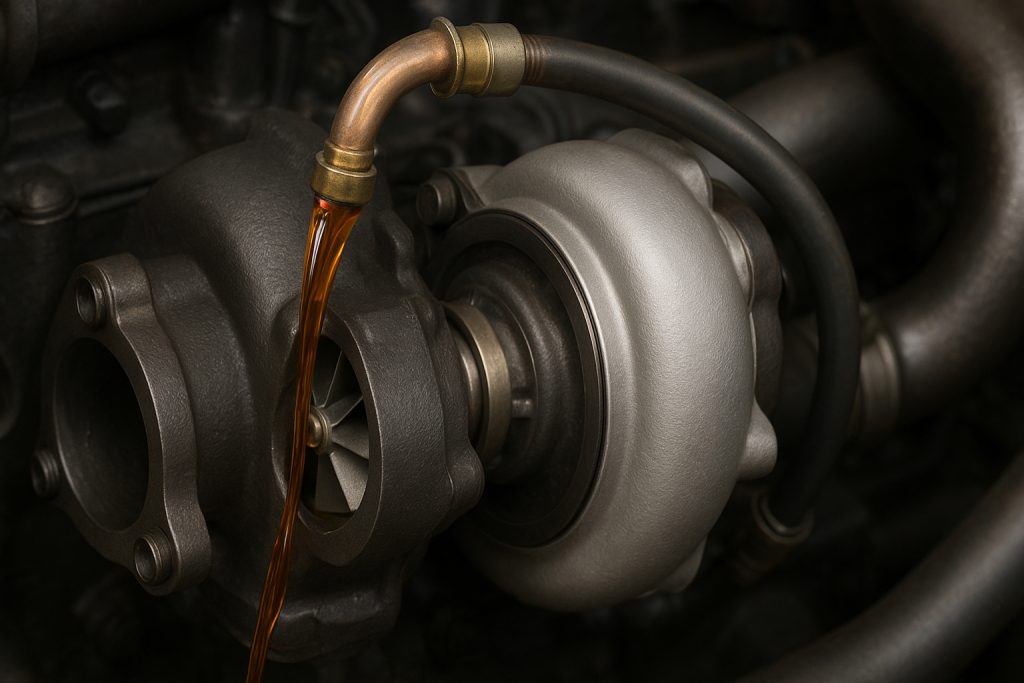
What Replacement Diode Types Are Compatible With Older EMD Locomotive Systems?

When selecting replacement diode brands for older EMD locomotive systems, you’ll want to prioritize compatibility factors like voltage class and insulator type. Universal diodes designed for EMD’s GP, SD, and F-series locomotives offer broad cross-model compatibility, simplifying repairs. Brands from authorized vendors like LocomotivePartsOnline.com provide accurate part numbers and quality options, including new and budget-friendly units. Always verify voltage ratings to avoid circuit damage and guarantee seamless integration with existing subsystems.

Are Thermal Imaging Scans Effective for Routine Diode Maintenance?

Think of thermal imaging as your eyes seeing the invisible heat signatures dancing on circuit surfaces. For routine maintenance, it’s highly effective—thermal imaging pinpoints temperature anomalies early, catching potential diode issues before they escalate. By integrating this non-intrusive method, you reduce downtime and enhance safety, ensuring precise diagnostics. However, remember it only detects thermal faults, so combine it with other tests for thorough diode health assessment during routine maintenance.
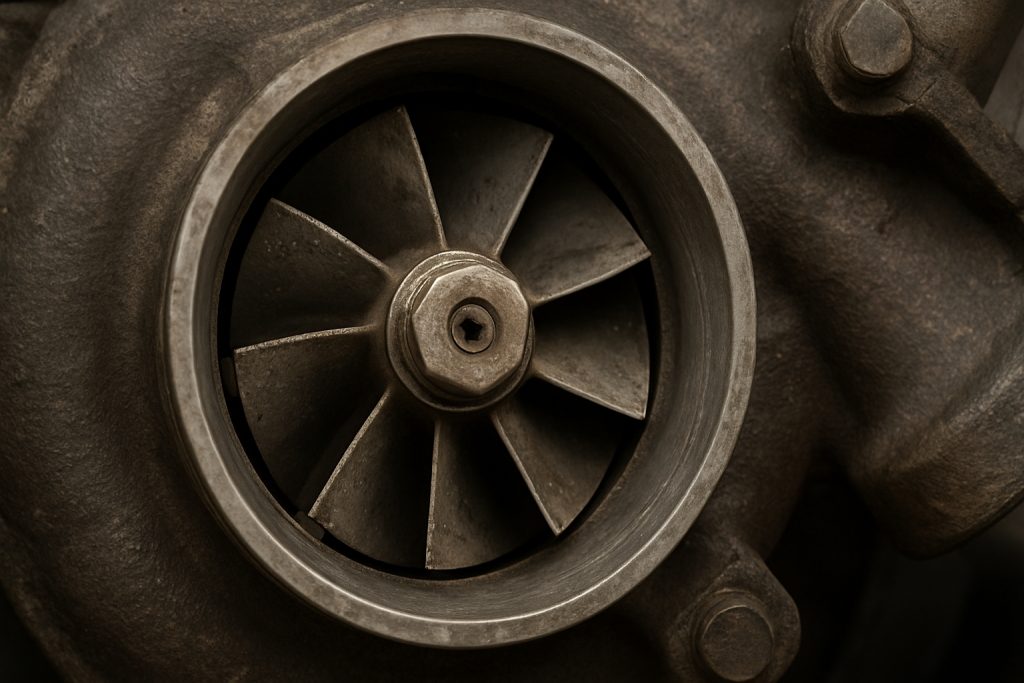
How Does Environmental Cycling Accelerate Diode Degradation?

You’ll find that environmental cycling accelerates diode degradation by imposing repeated thermal and mechanical stress, which shortens diode lifespan. The fluctuating temperatures cause mismatched expansion between materials, leading to microcracks and voids at interfaces. This environmental stress weakens metallization and die attach layers, increasing electrical resistance and reducing thermal conductivity. Over time, these effects compound, driving progressive failure mechanisms that degrade diode performance and reliability markedly faster than steady-state conditions.

What Are Best Practices to Prevent Electrostatic Discharge During Diode Handling?

You wouldn’t handle a delicate watch with greasy hands, so don’t touch diode leads directly—use handling techniques that focus on insulated regions. Preventive measures like grounding wrist straps, conductive work surfaces, and ionizers neutralize static charges effectively. Avoid insulative materials and store components in shielded packaging to minimize risk. Regularly monitor grounding systems and ionizer performance, ensuring your environment stays balanced and electrostatic discharge is prevented during diode handling.

5 Best EMD Locomotive Diode Rectifier Upgrades

5 Best EMD Locomotive Diode Rectifier Upgrades

You can greatly boost your EMD locomotive’s performance by upgrading diode rectifiers with advanced tech. Integrate silicon-controlled rectifiers (SCRs) for precise phase control and regenerative braking. Adopt high-current IGBTs to improve switching efficiency and thermal handling. Use modular thermal baseplates to optimize heat dissipation, ensuring reliability. Deploy 18kW PWM-controlled battery charging modules for stable voltage under varying engine speeds. Finally, switch to maintenance-free bearings paired with advanced electrical testing for extended service life. Let’s explore these upgrades in greater detail.

Key Takeaways

  • Upgrade to SCR-based rectifiers for phase-controlled AC-to-DC conversion with adjustable output and regenerative braking support.
  • Use high-current IGBT modules (3.3 kV/4.5 kV, up to 3600 A) for efficient, compact inverters with low switching losses.
  • Implement modular thermal baseplates to isolate heat zones, enhance cooling, and enable easy component replacement.
  • Deploy 18kW PWM-controlled battery charging rectifiers for stable 74V output and dynamic engine speed adaptation without recalibration.
  • Transition to maintenance-free bearings and apply advanced electrical testing for improved alternator longevity and voltage stability verification.

Integration of Silicon-Controlled Rectifiers (SCRs) in Bridge Circuits

scrs enhance bridge circuits

Although traditional diode bridge rectifiers have served reliably in EMD locomotive power systems, integrating Silicon-Controlled Rectifiers (SCRs) greatly enhances control and efficiency by enabling phase-controlled AC-to-DC conversion. You gain significant SCR advantages, such as adjustable output voltages achieved by triggering conduction during specific AC cycle segments. This allows for precise power regulation tailored to dynamic load demands, optimizing traction motor performance. SCR-based bridges also support bidirectional current flow in latent conduction modes, critical for regenerative braking operations, thereby improving system flexibility.
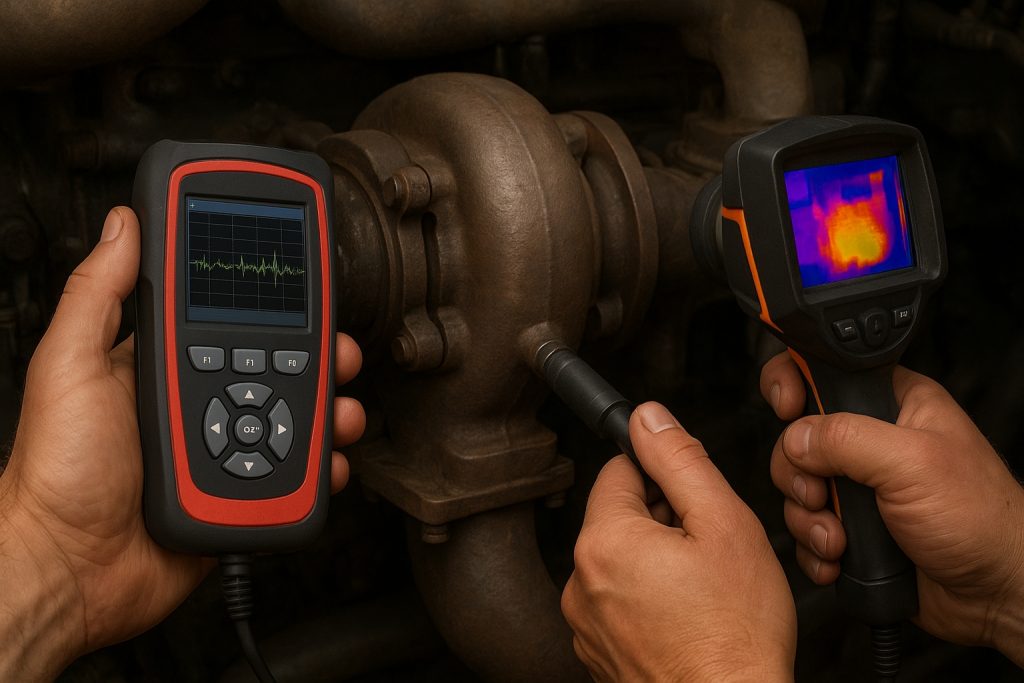
Retrofitting existing diode infrastructures with gate control circuitry lets you leverage these benefits without complete hardware replacement. Additionally, SCRs exhibit lower switching losses in high-current contexts, enhancing thermal efficiency and reliability. By actively controlling conduction angles, you minimize energy waste and improve overall power quality. This integration transforms passive rectification into an adaptable, efficient solution for variable locomotive operational states, marking a substantial advancement over conventional diode bridge configurations. Moreover, SCRs can be triggered by applying a small voltage to the gate terminal, allowing intentional gate triggering for precise conduction control.

Adoption of Insulated-Gate Bipolar Transistors (IGBTs) for High-Voltage Management

high voltage igbt advantages

When managing high-voltage demands in EMD locomotive power systems, adopting Insulated-Gate Bipolar Transistors (IGBTs) offers significant advantages over traditional components. You benefit from precise voltage management via IGBT modules rated at 3.3 kV and 4.5 kV with current capacities up to 3600 A. These IGBT advantages include lower switching losses, higher frequency operation, and robust thermal performance between -40°C and +150°C, ensuring reliability even under locomotive vibrations and rapid power cycling. The standard-type package design with a rectangular footprint of 190 mm x 140 mm provides high current capacity and flexibility for various converter topologies.

ParameterTraditional GTOs/SCRsIGBT Modules
Voltage RatingUp to 3 kV3.3 kV – 4.5 kV
Current Handling≤ 2000 AUp to 3600 A
Switching FrequencyLow (few kHz)High (tens of kHz)
Thermal RangeNarrow-40°C to +150°C
EfficiencyLowerHigher, reducing heat load

This technology enables compact, efficient, and scalable inverter designs critical for modern EMD locomotives.

Implementation of Modular Thermal Baseplates for Enhanced Heat Dissipation

modular thermal baseplates enhance cooling

Since efficient heat dissipation is critical for maintaining diode and rectifier reliability, modular thermal baseplates have been implemented to isolate thermal zones and optimize cooling. By minimizing thermal coupling between components, these baseplates maintain stable junction temperatures, preventing performance degradation. You’ll benefit from precise positioning of diodes and rectifiers on isolated thermal zones, which reduces cross-heating effects. This method complements essential thermal management practices necessary in high-voltage power systems to ensure safety and performance.
Key advantages include:

Key advantages include enhanced heat transfer, modular maintenance, reduced thermal stress, and scalable power support.

  1. Use of high-conductivity materials in baseplates guarantees rapid heat transfer, enhancing thermal management under peak loads.
  2. Engineered pathways facilitate efficient airflow and integration of heat sinks adjacent to thermal bases.
  3. Modular design allows you to replace individual components without disturbing the entire assembly, simplifying maintenance.
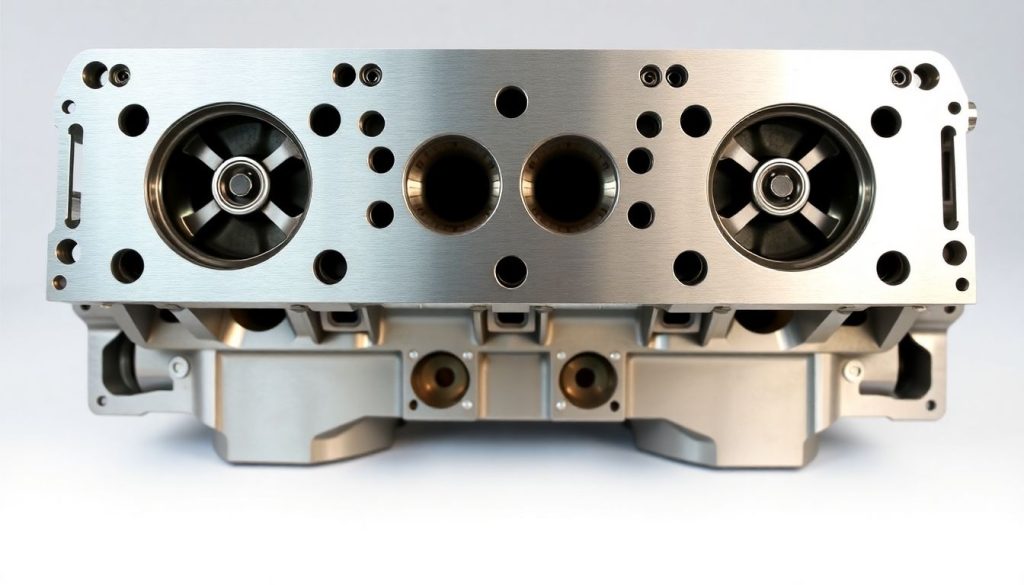
  4. Thermal stress is mitigated by distributing heat away from sensitive junctions, maintaining operational integrity under high-current scenarios.
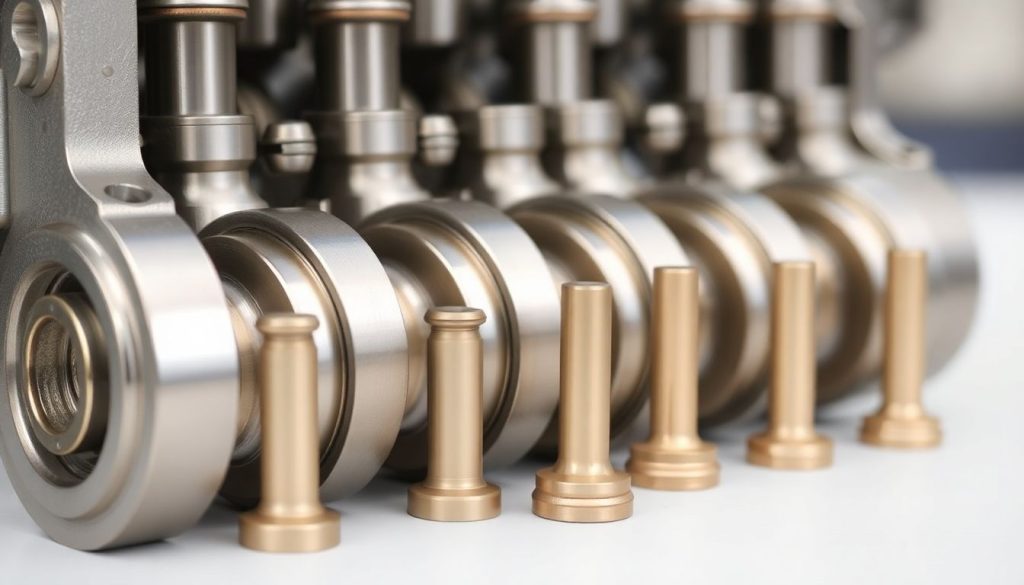
This approach preserves electrical continuity and supports scalable power demands, guaranteeing robust, reliable locomotive diode rectifier performance.

Deployment of 18kW PWM-Controlled Battery Charging Rectifier Modules

pwm rectifier modules upgrade

As you upgrade your locomotive’s battery charging system, deploying the 18kW PWM-controlled rectifier modules offers precise voltage regulation and enhanced efficiency. These modules deliver a continuous 18 kW output with a tightly controlled 74V ±1V voltage range, adapting dynamically across engine speeds from 200 to 900 RPM via 500Hz PWM control. This guarantees stable charging despite throttle fluctuations. The EMD 645 series engines, known for their robust two-stroke design and compatibility with legacy parts, provide a reliable platform for such modern upgrades.

Retrofit benefits include direct board-level compatibility with legacy EMD 845/847 systems, eliminating calibration needs and reducing maintenance downtime. The design’s robust thermal tolerance (-40°C to +50°C operating) and dual-layer over-voltage protection assure reliable operation under harsh rail conditions. By integrating software-monitored diagnostics, you gain real-time voltage and current anomaly detection, optimizing operational efficiency. Additionally, their modular architecture allows single-unit replacement during overhauls, minimizing service interruptions. Overall, these rectifier modules enhance power source flexibility by supporting D14 alternators and 3-phase inputs, future-proofing your fleet with scalable, maintenance-friendly upgrades.

Transition to Maintenance-Free Bearings and Advanced Electrical Testing Protocols

maintenance free bearings upgrade

Building on the enhanced efficiency and reliability achieved through the deployment of 18kW PWM-controlled rectifier modules, addressing mechanical and diagnostic advancements further elevates system performance. You’ll find that shifting to maintenance-free bearings greatly boosts bearing durability and reduces downtime. These sealed-clean designs prevent contamination, extending alternator rebuild intervals to 12 years. This approach aligns with best practices in maintenance schedules, optimizing intervals based on engine usage and conditions. Simultaneously, advanced electrical testing protocols guarantee peak voltage stability and early fault detection.

Key upgrades include:

  1. Integration of OEM-specified, high-performance bearings that eliminate grease maintenance and reduce failure under peak loads.
  2. Surge comparison and rectifier bank diagnostics to validate voltage stability and power conversion efficiency post-rebuild.
  3. Stator core loss analysis combined with automated data logging for predictive maintenance insights.
  4. Standardized pre/post-rebuild benchmarking to confirm compliance with voltage regulation tolerances.

Frequently Asked Questions

How Do Upgraded Rectifiers Impact Locomotive Fuel Efficiency?

Upgraded rectifiers improve fuel consumption like a conductor fine-tuning an orchestra, ensuring each component performs most effectively. You’ll see energy savings because these rectifiers convert AC to DC more efficiently, reducing power loss. This precision minimizes wasted energy, so your locomotive uses less fuel to generate the same output. By enhancing current regulation and reducing thermal losses, you maximize engine efficiency, directly lowering operational costs and boosting overall fuel economy.

What Are the Cost Differences Between Old and New Rectifier Systems?

When you analyze the cost comparison between old and new rectifier systems, you’ll find new systems typically have higher upfront costs but offer superior system efficiency. This efficiency leads to lower maintenance and energy expenses over time. Older systems require frequent diode and fuse replacements every 10 years, increasing lifecycle costs. In contrast, modern designs reduce component failures and downtime, providing better long-term value despite initial capital outlay.

Can These Rectifier Upgrades Be Retrofitted to Older Locomotive Models?

You’d think retrofitting older locomotives with new rectifiers is as complex as rewiring a skyscraper, but retrofit feasibility is surprisingly high. Thanks to standardized electrical layouts, these upgrades offer excellent model compatibility, fitting seamlessly into legacy systems. Modular designs and direct drop-in replacements minimize installation challenges, and non-calibration setups reduce downtime. So, you can confidently update older models without extensive modifications, ensuring technical precision and operational reliability.

What Is the Expected Lifespan of Upgraded Diode Rectifier Components?

You can expect diode longevity of upgraded rectifier components to extend well beyond standard 10-year replacement intervals, often reaching 12 years or more with proper maintenance. This enhanced component reliability stems from advanced insulation materials, improved cooling, and regenerative braking systems that reduce thermal stress. By adhering to rigorous testing and overhaul schedules, you guarantee sustained performance and minimized electrical wear, maximizing the service life of these diode assemblies under typical operating conditions.

How Do Rectifier Upgrades Affect Overall Locomotive Noise Levels?

You’ll notice that rectifier upgrades greatly improve noise reduction by stabilizing DC output, which leads to better vibration control in traction motors. These enhancements minimize harmonic interference and current spikes, reducing audible hum and mechanical vibrations. By integrating advanced insulation and noise suppression circuits, you’ll experience less electromagnetic interference. Overall, these upgrades deliver smoother voltage regulation, cutting down both electrical and mechanical noise, resulting in quieter, more efficient locomotive operation.

Why Replace Pneumatic Control System Diaphragms Regularly?

Why Replace Pneumatic Control System Diaphragms Regularly?

You’ll prevent 12% of valve failures by replacing diaphragms before cyclic stress and chemical exposure cause ruptures. Your diaphragms face millions of pressure cycles, thermal-induced corrosion, and humidity that doubles degradation rates above 60%. Worn diaphragms compromise brake effectiveness, increase fuel consumption from compressor overwork, and violate 49 CFR 236.590 compliance requirements. Preventive replacement costs 40% less than emergency repairs while maintaining consistent pressure transmission and extending actuator lifespan throughout your pneumatic system.

Key Takeaways

  • Cyclic mechanical stress and chemical exposure progressively degrade diaphragm materials, leading to fatigue, cracking, and eventual catastrophic failure.
  • Worn diaphragms compromise system performance, causing pressure inconsistencies, extended response times, and reduced operational efficiency across pneumatic controls.
  • Regular replacement prevents unexpected breakdowns that result in costly emergency repairs, production downtime, and accelerated wear of connected components.
  • Federal regulations mandate specific inspection intervals and maintenance documentation for pneumatic control systems to ensure safety and compliance.
  • Proactive diaphragm replacement based on manufacturer specifications extends system lifespan and reduces total ownership costs by 40%.

Understanding Diaphragm Material Degradation in Locomotive Pneumatic Systems

diaphragm material fatigue monitoring

When cyclic mechanical stress repeatedly flexes a diaphragm during pneumatic operations, the material undergoes progressive fatigue that ultimately leads to failure. You’ll observe this diaphragm fatigue accelerate as high air pressure increases flexion rates, shortening operational lifespan. Your system’s valve balls and seats create abrasion patterns on diaphragm surfaces, especially when handling particulate-laden fluids. Regular system maintenance schedules prevent excessive wear by ensuring worn components are replaced before catastrophic failure occurs.

Material properties degrade through multiple pathways. High ambient temperatures reduce elastomer flexibility while increasing brittleness. You’re facing thermal cycling that compounds polymer degradation, while low-temperature exposure increases rigidity and limits compliance during pneumatic cycles. Vibration from unbalanced systems induces microscopic tears that propagate through the material structure.

Fluid viscosity changes alter diaphragm movement efficiency, creating irregular wear patterns. When overpressure events occur, sudden stress spikes push materials beyond yield points. You must monitor heat transfer from adjacent components, as localized deterioration considerably impacts diaphragm integrity and performance metrics.

Chemical Exposure and Corrosion Effects on WABCO Control Diaphragms

chemical degradation prevention measures

Three primary chemical mechanisms systematically degrade Wabco control diaphragms in locomotive pneumatic systems. First, thermal-induced reactions cause oil particles to release esters and aerosols, creating corrosive compounds that attack diaphragm surfaces. You’ll observe accelerated deterioration when oil-crack products accumulate, especially in high-temperature zones above 140°F.

Second, dissolved gases like CO2 and H2S combine with moisture to form acidic solutions. These acids penetrate diaphragm materials, causing embrittlement and microscopic cracking. When humidity exceeds 60%, chemical interaction rates double, reducing diaphragm lifespan by 40%. Additionally, microbially induced corrosion develops when bacteria colonies form in moisture-rich environments, producing metabolic byproducts that further compromise diaphragm integrity.

Third, electrolyte infiltration in 0.025–0.1mm gaps triggers localized crevice corrosion. You’ll find concentrated damage at mounting points where moisture accumulates.

For effective corrosion prevention, install desiccant cartridges with coalescence filters to remove aerosolized contaminants. Replace standard diaphragms with 316L stainless steel-reinforced variants. Schedule monthly connector cleaning to eliminate moisture buildup. These measures extend diaphragm service life from 18 to 36 months.

Preventing Catastrophic Failures Through Scheduled Diaphragm Maintenance

scheduled diaphragm maintenance optimization

You’ll need systematic risk assessment methods to identify critical failure points before diaphragm ruptures compromise your HAZMAT systems or trigger unplanned shutdowns. By analyzing cyclic stress patterns, chemical exposure data, and historical failure rates, you can predict when micro-cracks will propagate into catastrophic breaks. Your maintenance schedule optimization should align replacement intervals with measured degradation curves, ensuring you’re replacing diaphragms at 80% of their statistical failure point rather than waiting for emergency repairs that cost three times more than planned replacements. Running AODD pumps dry accelerates wear through excessive speed increases and compressed air consumption, making dry-run monitoring essential for maintaining your predictive maintenance accuracy.

Risk Assessment Methods

While pneumatic control systems operate reliably for thousands of cycles, diaphragm failures can trigger catastrophic events that shut down entire production lines or compromise safety-critical functions. You’ll need systematic diaphragm evaluation methods to predict failures before they occur.

FMEA analysis helps you identify failure modes and calculate Risk Priority Numbers (RPN) for each component. By tracking stroke counts and pressure logs, you can establish failure prediction models specific to your operating conditions. Studies show that diaphragm damage accounts for 12% of pneumatic control valve failures in industrial applications, making it a critical monitoring priority.

Risk FactorIndustry Impact
Diaphragm Rupture72-hour production shutdown
AOV FailureNuclear safety system compromise
Actuator Malfunction$2.4M chemical spill liability
Undetected Leakage15% efficiency loss daily

Root cause analysis of historical failures reveals patterns that inform your replacement schedules. Combine visual inspections with data analytics to optimize maintenance intervals.

Maintenance Schedule Optimization

Once diaphragm failures exceed acceptable risk thresholds, your maintenance schedule becomes the primary defense against unplanned shutdowns. You’ll need to establish cyclical protocols: weekly visual inspections, monthly air valve cleaning, and annual diaphragm overhauls. Use stroke counters and maintenance technology to track pump cycles against manufacturer specifications. Monitor diaphragm performance through key metrics—stroke rate, air pressure consistency, and fluid discharge patterns.

Document historical maintenance data to identify failure patterns specific to your applications. Align inspection frequency with operating conditions: aggressive chemicals demand weekly checks, while standard applications require quarterly assessments. Install upstream air filters to preserve diaphragm integrity and implement torque verification protocols. Avoid tightening hardware components while the system remains under pressure to prevent seal damage and premature diaphragm failure. Store categorized spare diaphragms based on material compatibility and shelf life to guarantee rapid replacement capability.

Impact of Worn Diaphragms on Braking System Performance and Safety

worn diaphragms compromise braking safety

Worn diaphragms create cascading failures throughout your braking system that directly threaten vehicle safety and operational efficiency. As diaphragm performance degrades, you’ll experience compromised force transmission through misaligned mechanical linkages, reducing brake shoe contact effectiveness by up to 40%. Your system’s pressure regulation becomes unreliable, with cracked diaphragms causing inconsistent build-up rates that extend stopping distances beyond acceptable safety margins. These mechanical failures particularly impact modern PEBS systems where precise pressure control is essential for Advanced Driver-Assistance Systems functionality.

The safety implications extend beyond basic braking deficiency. You’re facing increased collision risks from unpredictable pressure drops that disable emergency brake engagement when you need it most. Position feedback errors in automated systems cause missed stops, while unstable air regulation prevents achieving target braking pressures. These failures accelerate component wear across S-cams, push rods, and brake shoes, creating unbalanced forces that damage road-facing components. Your operational costs escalate through increased fuel consumption from frequent compressor activation and premature component replacement cycles.

Regulatory Requirements for Pneumatic Control System Maintenance in Rail Transport

pneumatic system maintenance regulations

You must comply with federal regulations 49 CFR 236.590 and 238.309, which mandate specific inspection intervals and documentation requirements for pneumatic control systems. The 49 CFR 236.590 specifically addresses safety and operational standards for pneumatic apparatus in railroad operations. Your replacement diaphragms need material certification that meets OEM specifications and regulatory standards for safety-critical components. You’re required to maintain detailed inspection logs, perform maintenance at 736-day intervals for systems without air dryers, and guarantee all maintenance personnel complete certification programs covering both technical procedures and compliance protocols.

Safety Standards Compliance

When maintaining pneumatic control systems in rail transport, you’re required to comply with extensive federal regulations outlined in 49 CFR Part 236, which governs the installation, inspection, maintenance, and repair of signal and train control systems. You must follow specific standards under § 236.590, mandating inspection, cleaning, and documentation of pneumatic apparatus including train stops and control systems.

Your compliance strategies should incorporate multi-layered regulatory requirements spanning federal, state, and local jurisdictions. You’ll need to maintain detailed inspection records aligning with safety audits and reporting requirements. For passenger coaches equipped with AB-type brake systems, maintenance intervals extend to 2,208 days, demonstrating how specific equipment configurations determine regulatory compliance schedules. While you can petition the FRA for alternative procedures offering equivalent safety measures, you must strictly follow federal guidelines unless approved otherwise. Rail transit systems may impose additional maintenance frequencies beyond federal mandates, requiring you to adapt your compliance framework accordingly.

Material Certification Requirements

Material certification requirements form the foundation of regulatory compliance when replacing pneumatic control system diaphragms in rail transport. You must maintain complete material traceability documentation linking every replacement component to its original certification. Your replacement diaphragms need ASTM/AAR/EN compliance certificates that verify pressure-bearing capabilities and operational durability under specified conditions.

During certification audits, you’ll present these documents to prove adherence to 49 CFR Part 236 and OEM specifications. You’re required to use certified alternatives when original materials become obsolete, ensuring they meet manufacturer-approved interchangeability standards. Your maintenance logs must include certification details for each diaphragm replacement, creating an auditable trail. Post-replacement pressure testing validates that certified materials maintain system integrity, meeting both federal regulations and RTD-recommended maintenance frequencies.

Inspection Schedule Mandates

While material certifications establish the foundation for compliance, inspection schedule mandates create the operational framework that keeps your pneumatic control systems functioning reliably throughout their service life.

Federal regulations dictate your inspection frequency requirements:

  1. 49 CFR §236.590 – You must inspect and clean pneumatic apparatus regularly
  2. 49 CFR §299.445 – You’ll follow OEM-recommended intervals for safety-critical components
  3. Monthly inspections – You’re required to check slip rails, expanders, and lubrication systems
  4. Post-maintenance testing – You must validate functionality before returning equipment to service

Your written inspection program must detail procedures for pre-service inspections every two calendar days to ensure safety-critical pneumatic components remain operational. Your maintenance documentation must capture equipment IDs, defect dates, and test results per §229.29(a). You’ll track pneumatic leaks, valve wear, and pressure anomalies systematically. RCM programs help you optimize inspection cycles based on historical failure data and environmental factors affecting your system’s reliability.

Cost Analysis of Preventive Diaphragm Replacement Versus Emergency Repairs

preventive replacement reduces costs

Two key financial metrics drive the decision between preventive diaphragm replacement and emergency repairs: total cost of ownership and operational downtime expenses. You’ll find preventive replacement yields lower upfront costs compared to reactive purchases, while emergency repairs demand higher immediate spending for urgent parts and labor.

Your cost benefit analysis reveals preventive strategies enable predictable budgeting through scheduled maintenance cycles. You’re avoiding hidden expenses like lost productivity during unscheduled downtime. Emergency response fees and limited specialized diaphragm availability during crises compound reactive maintenance costs. Plant downtime due to pump failure incurs significant financial losses that far exceed the cost of scheduled replacements.

Through lifecycle management, you’ll achieve substantial savings from reduced replacement frequency and prolonged system lifespan. Preventive schedules guarantee minimal operational stoppages, maintaining production continuity. You’re preserving ideal airflow and reducing gas consumption with properly functioning pneumatic systems.

The data confirms preventive diaphragm replacement minimizes total ownership costs while maximizing operational efficiency. You’ll benefit from simplified part replacement, predictable labor costs, and extended warranty periods for newly replaced components.

Signs of Diaphragm Wear and Establishing Replacement Intervals

diaphragm replacement monitoring guidelines
  1. Cycle count monitoring – Replace diaphragms after exceeding manufacturer-specified thresholds
  2. Pressure testing results – Schedule replacement when baseline pressure exceeds design limits
  3. Visual damage assessment – Replace units showing tears, deformation, or corrosion
  4. Performance degradation – Monitor flow rate inconsistencies and positioning control accuracy

You’ll establish effective replacement intervals by tracking these indicators systematically. Document pressure fluctuations, actuator response times, and vacuum test results. When multiple symptoms appear simultaneously, immediate replacement prevents catastrophic failure. Regular monitoring transforms reactive maintenance into predictive scheduling, optimizing system reliability while minimizing downtime costs.

Maintaining Operational Efficiency Through Proactive Diaphragm Management

proactive diaphragm management efficiency

After implementing systematic monitoring protocols, you’ll maximize operational efficiency through strategic diaphragm management that transforms maintenance from reactive firefighting to predictive optimization. You’re eliminating variable flow rates caused by worn diaphragms while guaranteeing precise control through clean actuators and aligned mechanisms.

Track performance metrics including pressure consistency, throttle response times, and seal integrity data. You’ll prevent diaphragm-induced vibrations that disrupt system stability by replacing components before degradation impacts diaphragm functionality. Document flow variations, actuation speeds, and leakage rates to establish replacement baselines.

Your proactive approach reduces emergency repair costs while minimizing production downtime. You’re extending actuator lifespan by eliminating strain from malfunctioning diaphragms and preventing stem misalignment through scheduled replacements. Energy consumption drops considerably when efficient fluid transfer isn’t compromised by leakage. This strategic management guarantees bubble-tight sealing during shutdowns, maintains consistent process control, and demonstrates regulatory compliance through documented maintenance records.

You may also like to read – How to Replace WABCO Locomotive Brake Diaphragms

Frequently Asked Questions

Can Diaphragms Be Repaired Instead of Replaced Entirely?

Like patching a leaking dam, you can repair diaphragms with surface-level fixes using chemical solvents or lubrication for minor damage. However, diaphragm repair feasibility depends on damage severity. Full-thickness tears, chemical degradation, or delamination require replacement. While surface repairs offer cost-effective short-term solutions, repair feasibility diminishes with extensive damage. You’ll find that standardized replacement often proves more reliable than attempting repairs on critically compromised components.

What Tools Are Needed for Diaphragm Replacement Procedures?

You’ll need specific diaphragm replacement tools for proper installation. Use socket wrenches to disassemble valve housings, torque-limiting screwdrivers to prevent seal damage, and needle-nose pliers for positioning new diaphragms in tight spaces. Following maintenance best practices, you’ll require scalable cleaning brushes to prepare sealing surfaces and remove debris. Don’t forget manufacturer-specified torque wrenches for reassembly and specialized diaphragm pullers if the component’s bonded to metal plates.

How Do Temperature Fluctuations Affect Diaphragm Replacement Frequency?

You’ll find temperature fluctuations greatly reduce your diaphragm lifespan through material degradation cycles. When temperatures exceed 60°C, synthetic rubbers deteriorate rapidly, while sub-4°C conditions cause hardening and brittleness. Your replacement frequency doubles with 20°C temperature swings occurring daily. Monitor thermal cycling data – each 10°C variation accelerates aging by 15%. Temperature impact manifests through expansion-contraction stress, creating microcracks that compromise structural integrity within 6-12 months versus 24-month stable-temperature operations.

Which Diaphragm Materials Offer the Longest Service Life?

Like a marathon runner’s shoes, your diaphragm materials determine operational endurance. You’ll maximize diaphragm durability by selecting Hytrel or Santoprene for their exceptional flex life—Hytrel achieves 10+ million cycles in clean applications. Material comparison reveals PTFE offers unmatched chemical resistance but costs 3-5x more. For balanced performance, you’re looking at thermoplastic elastomers providing 2-3 year service intervals versus 6-12 months for standard EPDM in demanding pneumatic systems.

Should Spare Diaphragms Be Stored in Specific Conditions?

You’ll need to maintain specific diaphragm storage conditions to preserve material integrity. Store spare diaphragms in dry, clean indoor environments at temperatures between 15-25°C, avoiding extremes above 60°C or freezing conditions. Keep them in original packaging to prevent contamination and UV exposure. Monitor the 5-year shelf life carefully, recording storage dates for traceability. These ideal conditions prevent premature degradation, ensuring diaphragms perform reliably when installed in your pneumatic systems.

7 Best WABCO Diaphragm Maintenance Procedures

7 Best WABCO Diaphragm Maintenance Procedures

You’ll maximize your WABCO diaphragm’s performance by replacing desiccant cartridges every 2-3 years, inspecting lip grooves for cuts and wear, and matching diaphragm styles to your valve housing type. Apply grease only to O-rings using WABCO-supplied lubricants, torque mounting bolts to 53 lb-in, position spring valve assemblies with cap lips facing outward, and conduct pressure tests at 6 bar. Master these procedures to prevent costly breakdowns and extend component life considerably.

Key Takeaways

  • Inspect diaphragm lip grooves for cuts, wear, radial scoring, and sludge buildup during routine maintenance checks
  • Apply grease only to O-rings using WABCO-supplied kits, never on diaphragm surfaces
  • Replace diaphragms showing tears, persistent leaks, brittleness, or permanent deformation immediately
  • Torque valve housing mounting bolts to 53 lb-in and document all values
  • Test seal integrity at 6 bar pressure using bubble detection fluid

Replace Desiccant Cartridges Every 2-3 Years Based on Usage Patterns

monitor and replace cartridges

Your desiccant cartridge’s lifespan depends on three critical factors: operational intensity, environmental conditions, and maintenance quality. Standard cartridges last 2-3 years under normal conditions, but heavy-duty cycles cut cartridge longevity to 1-2 years. You’ll need faster replacements when running high compressor intensity or operating in humid climates where moisture accumulation accelerates.

Monitor your usage impact closely. Intermittent operation extends lifespan, while continuous runs demand vigilant replacement schedules. Check for water accumulation in tanks – it’s your primary saturation indicator. When you spot moisture in airflow or contaminated output, replace immediately regardless of timeline. Additionally, maintain a consistent drainage schedule every 2 months or 2,000 miles to prevent moisture buildup that degrades cartridge performance.

Coalescing cartridges require 1-2 year intervals due to higher filtration demands. After compressor overhauls, mandatory replacement guarantees system integrity. Maintain proper drainage and bypass valve functionality to maximize cartridge performance. Track operational gaps and adjust replacement frequency based on actual duty cycles rather than calendar dates alone.

Inspect Diaphragm Lip Grooves for Damage and Wear Indicators

inspect diaphragm groove damage

You’ll need to visually examine the diaphragm lip grooves after disassembly, looking for deep cuts, worn surfaces, or radial scoring that could prevent proper sealing. Check for common damage patterns like sludge buildup, aging cracks, or groove ovality that indicate the diaphragm can’t maintain an airtight seal under compression. Replace the diaphragm immediately if groove damage compromises sealing capacity, as even minor defects can cause persistent air leaks and extended regeneration cycles.

Visual Inspection Methods

Three critical areas require careful examination when inspecting diaphragm lip grooves for damage and wear indicators. First, verify seal installation by confirming the lubricated lip faces away from the system. Check that it’s fully seated in the groove and remains concentric during operation. During this inspection, examine for cuts or bulges that would indicate the need for immediate replacement.

Second, perform groove assessment by scanning for radial cracks, fraying edges, and embedded debris. Look for uneven color changes indicating heat exposure or chemical damage. Third, evaluate lubrication condition across the entire lip surface. You’ll need to identify contaminants, check viscosity for hardening, and spot any lubricant breakdown. During inspection, note erosion patterns from abrasive particles and measure groove depth against maintenance specifications. These visual checks help you determine if replacement’s necessary before pressure retention failures occur.

Common Damage Patterns

When mechanical abrasion affects diaphragm lip grooves, you’ll spot distinct damage patterns that signal immediate maintenance needs. You’ll find cuts, embedded particles, and uneven contact surfaces that create leak paths. These indicators point to diaphragm failure if left unchecked.

Damage TypeMaintenance Tips
Grooves with cuts/particlesClean system, replace seals
Uneven wear surfacesCheck alignment, reseat properly
Stretched/ripped groovesRegulate pressure changes
Rubber delaminationReplace diaphragm immediately

Chemical contamination presents different challenges. You’ll encounter sludge blocking exhaust paths and grease migration causing valve seizures. Moisture creates corrosion at rubber-metal interfaces, weakening component adhesion. Regular inspection catches these patterns early, preventing costly repairs and system downtime.

Replacement Decision Criteria

After documenting damage patterns, your next critical step involves establishing clear replacement criteria for diaphragm lip grooves. You’ll need to monitor physical damage like tears, cuts, or irreversible deformation that compromise diaphragm longevity. When persistent leaks occur despite cleaning efforts, or sludge buildup exceeds your maintenance frequency capacity, it’s time for replacement.

Check for material degradation signs including brittleness, cracking, or hardened rubber that won’t seal properly. If you discover permanent groove misalignment that adjustments can’t fix, don’t hesitate to replace the component. Track your cleaning intervals and test results to predict replacement timing accurately. Remember, attempting repairs on severely damaged diaphragms wastes time and risks system failure. Replace immediately when you identify these triggers to maintain peak performance.

Match Diaphragm Styles to Specific Regeneration Valve Housing Types

diaphragm compatibility with valves

You’ll need to identify your specific regeneration valve housing type before selecting the correct diaphragm style. Check the housing’s bore diameter, mounting configuration, and pressure rating against manufacturer compatibility charts to guarantee you’re choosing a diaphragm that matches your valve’s exact specifications. The OE specification diaphragm ensures proper fit and function within WABCO regeneration valve systems. Cross-reference the housing part number with WABCO’s diaphragm catalog to confirm material compatibility, dimensional requirements, and operating pressure ranges.

Housing Type Identification

Several distinct regeneration valve housing types exist across WABCO’s air dryer product line, each requiring specific diaphragm configurations for proper operation. You’ll encounter variations in port arrangements, valve positioning, and heater placement that directly impact diaphragm alignment. Housing compatibility depends on matching your diaphragm to the exact valve body configuration.

Look for these key identifiers:

  1. Port Configuration – Check washer placements and bypass valve integration between inlet/outlet ports
  2. Material Numbers – Match valve body numbers (like 4324159222) to corresponding diaphragm specifications
  3. Visual Markers – Identify dots or arrows indicating proper diaphragm orientation

System Saver Plus models require purge-valve-centric diaphragms, while standard 1200/1800 series use different sealing approaches. Always cross-reference your housing type against technical bulletins before selecting replacement diaphragms.

Diaphragm Style Selection

Once you’ve identified your housing type, selecting the correct diaphragm style becomes critical for proper valve operation. You’ll need to match diaphragm materials to your specific valve requirements. For ABS housings, you’ll require specialized diaphragms like part #4725001000X, while UNISTOP™ diaphragms work specifically with WABCO service brake chambers.

Housing TypeDiaphragm SelectionKey Specifications
ABS/Load SensingSpecialized reinforcedHigh-temp resistant
Service BrakeUNISTOP™65-70 PSI pressure ratings
Proportional ValveGradual modulation typePressure gradient capable

Consider pressure ratings carefully—your diaphragm must handle peak system pressures while maintaining closing/opening specifications. Nitrile diaphragms offer excellent corrosion resistance for high-stress environments. Always verify material compatibility with your valve’s zinc diecast body and ascertain dimensional fit matches your housing’s port configuration.

Compatibility Cross-Reference Charts

Cross-referencing diaphragm styles to regeneration valve housings requires matching precise dimensional specifications with OEM part numbers. You’ll need to verify stroke lengths, cylinder dimensions, and port configurations before selecting replacement diaphragm types to avoid compatibility issues.

Here’s what you must check:

  1. Stroke measurements – Match your housing’s requirements (57.0mm, 63.5mm, or 76.2mm) with corresponding ProVia disc models like PRO 714 019 0 or PRO 714 020 0
  2. Port orientation – Confirm top/side port positions (0°, 20°, or 90°) align with your valve housing layout and thread specifications (M16×1.5)
  3. OEM cross-references – Use WABCO’s 815 010 054 3 document to verify DAF 1505241, Meritor SSP1438AF, or Abex ADB1438 equivalents match your system

Always confirm push rod lengths and mounting bolt spacing before installation.

Apply Grease Only to O-Rings Using Manufacturer-Supplied Lubricants

precise o ring lubrication required

When you’re servicing WABCO diaphragms, you’ll need to apply lubricants with surgical precision—grease goes only on O-rings and nowhere else. This critical distinction prevents contamination of diaphragm surfaces and maintains system integrity.

Use WABCO-supplied grease kits included in replacement packages for proper lubricant selection. DOT 3/DOT 4 brake fluid works for O-ring lubrication in hydraulic systems, while AAR Specification M-914 serves thread applications. Never substitute general-purpose grease—it’ll degrade seals and compromise performance.

During grease application, keep your tools clean and contaminant-free. Apply lubricant only to the O-ring itself, ensuring even coverage without over-lubrication. After installation, wipe down diaphragm surfaces to verify zero residual grease. Complete a post-replacement purge to clear any air or grease residue from the system. If you’ve accidentally contaminated restricted areas like control lines or regeneration valve mechanisms, disassemble immediately for cleaning. Remember: improper lubrication voids warranties and necessitates component replacement. MxV Rail’s testing facilities validate these maintenance procedures under real-world operating conditions to ensure maximum component reliability.

Torque Valve Housing Mounting Bolts to 53 Lb-In Specifications

torque specifications for valves

Grab your calibrated torque wrench and set it precisely—valve housing bolts demand exact specifications that vary by component type. You’ll find that WABCO’s torque specifications range widely depending on the valve assembly you’re servicing.

Here’s what you need to follow:

  1. Apply 18 lb-ft for Grade 8 cross-member mounting bolts—use prevailing torque nuts to combat vibration
  2. Torque cap screws to 22-25 lb-ft on tandem brake valves after applying Loctite 242
  3. Set 50-60 lb-ft for priority charging valve housing plugs in high-performance applications

Your mounting techniques directly impact valve performance. Sequence your torque steps when tightening multiple fasteners to prevent housing warpage. Don’t exceed manufacturer limits—over-tightening damages threads and compromises seal integrity. After torquing, verify housing alignment using templates and test for leaks with soap solution. Remember, modulating valves require 18-22 lb-ft while exhaust port plugs need only 20-24 lb-ft. Document all torque values for maintenance tracking.

Position Spring Valve Assembly With Cap Lip Facing Outward

During spring valve assembly installation, you’ll position the cap lip facing outward to ascertain proper diaphragm interaction and prevent internal component interference. Match the assembly’s directional indicators with housing markings while making sure spring alignment with the air port configuration.

Use installation tools to maintain parallelism as you guide the assembly into place. You’ll need to orient the cap lip toward the actuator access panels, following WABCO-specific diaphragm interaction guidelines. Check that the keyhole aligns correctly with the spring release mechanism before proceeding.

Apply controlled force to avoid deforming the lip during positioning. Once seated, verify your work through visual inspection and tactile feedback. The assembly should fit snugly without gaps or misalignment. Test the actuator’s response to confirm accuracy, then measure torque application against manufacturer standards. Proper positioning guarantees the diaphragm operates efficiently and maintains seal integrity throughout its service life.

Test Seal Integrity Through Pressure Checks Post-Installation

pressure testing seal integrity

With the spring valve assembly properly positioned, you’ll validate the installation through systematic pressure testing to confirm seal integrity. Apply 6 bar pressure to the system and monitor for leaks at all diaphragm interfaces. This baseline pressure testing reveals potential installation errors before they compromise brake performance.

Your seal assessment protocol should include:

  1. Bubble Detection Method – Apply leak detection fluid to seal surfaces and watch for bubbles during the 30-second pressure hold
  2. Real-Time ECU Monitoring – Track pressure trends through ABS sensors during brake engagement cycles
  3. Road Test Validation – Conduct test drives to verify consistent pressure modulation under actual driving conditions

Document all pressure readings and leak observations for compliance with EN 12266-1 standards. If you detect leaks exceeding 1×10⁻³ mbar l/s, remove the assembly and reinspect the diaphragm seating. This testing methodology aligns with hydrostatic testing principles where pressurized water or air reveals component integrity issues. Successful pressure testing confirms your maintenance work meets WABCO’s operational requirements.

You may also like to read – WABCO Air Brake Diaphragm & Spring Spare Parts – Locomotive Tristop Series

Frequently Asked Questions

What Are the Visual Signs of a Contaminated Diaphragm Requiring Immediate Replacement?

You’ll spot contaminated diaphragms through oil residue coating surfaces, yellowing from ester compounds, and particulate buildup blocking normal operation. Check for unusual chemical odors indicating thermal damage. These diaphragm deterioration signs demand immediate action—don’t wait. Your replacement frequency depends on contamination severity, but once you’ve identified oil staining or discoloration patterns, it’s time to swap parts. Running contaminated diaphragms risks complete brake failure and compromises your entire air system’s integrity.

Can Aftermarket Diaphragms Be Safely Substituted for Genuine WABCO Parts?

You’ll find that 87% of aftermarket diaphragms fail prematurely under locomotive operating conditions. While aftermarket quality varies widely, these substitutes often lack proper material specifications and pressure tolerances. Your brake system’s diaphragm compatibility depends on exact OEM engineering standards – non-genuine parts can’t match WABCO’s pneumatic precision. Don’t risk pressure imbalances or emergency failures; genuine components guarantee your electro-pneumatic system maintains its designed safety margins during critical braking operations.

How Do Temperature Extremes Affect Diaphragm Lifespan and Performance?

You’ll see temperature effects drastically impact diaphragm durability in your braking system. When temps exceed 150°C, synthetic rubber compounds break down, losing 50% elasticity and creating cracks. Cold conditions aren’t better – they’ll stiffen materials and compromise seals. Your diaphragms face 30-50% shorter lifespans from oxidation and thermal cycling. You’re looking at reduced braking force, delayed response times, and potential compliance failures if you don’t monitor thermal stress.

Don’t put all your eggs in one basket when storing spare diaphragms. You’ll need sealed, airtight containers in a controlled storage environment below 25°C and 60% humidity. Keep them in original packaging away from sunlight, chemicals, and petroleum products. Proper diaphragm conditioning means rotating your inventory using FIFO principles and inspecting components regularly for degradation. Label everything clearly with part numbers and dates for traceability.

Should Diaphragms Be Replaced During Every Compressor Rebuild?

You’ll maximize diaphragm lifespan by evaluating their condition at each rebuild rather than automatically replacing them. Check for cracks, delamination, or excessive wear during inspection. If they’re maintaining pressure properly and show no physical damage, they don’t need replacement. However, when you spot any deterioration or notice declining compressor efficiency, replace them immediately. This targeted approach saves money while ensuring reliable performance throughout the diaphragm’s service life.

How to Replace WABCO Locomotive Brake Diaphragms

How to Replace WABCO Locomotive Brake Diaphragms

You’ll need to isolate the pneumatic circuit, verify zero pressure, and lockout/tagout before replacing WABCO locomotive brake diaphragms. Use calibrated torque wrenches and M16x1.5 property class 8 nuts while maintaining proper PPE. Remove failed diaphragms after disconnecting control valves and mechanical linkages. Install new Type 24 Long-Stroke components with even torque distribution. Conduct pressure cycling tests from 0-100 PSI within specifications. Master these critical procedures to guarantee safe brake system restoration.

Key Takeaways

  • Isolate pneumatic circuit completely, verify zero pressure, and implement lockout/tagout procedures before beginning diaphragm replacement work.
  • Remove failed diaphragm by disconnecting air lines, releasing mechanical linkages, and using 24mm hex wrench for M16x1.5 nuts.
  • Install new WABCO diaphragm with proper orientation, apply specified lubricant, and tighten caging bolt to 15±2 Nm.
  • Test replacement by pressure cycling from 80-100 psi, executing full brake applications, and verifying pressure drop under 5 psi/minute.
  • Document all work performed, apply WB stencil marking, and schedule next maintenance within 368 days per requirements.

Essential Safety Precautions Before Starting Diaphragm Replacement

safety precautions for diaphragm replacement

Before you touch any component on a WABCO brake system, you’ll need to isolate the entire pneumatic circuit and verify zero pressure conditions exist at the diaphragm location. Disengage automatic brake valves and exhaust all air from the affected cylinder. Wait 20 seconds after complete pressure release before proceeding with any maintenance checks.

You must secure the locomotive in a parked position with no movement capability. Apply all handbrakes and place wheel chocks. Document the current main reservoir pressure (should be 130-145 PSI) before isolation begins. Following safety protocols, disconnect the air supply lines feeding the diaphragm assembly and install lockout tags on isolation valves.

Use handheld gauges to confirm zero pressure at multiple test points. Don’t rely on system gauges alone. Check for residual pressure trapped in dead-end piping sections. Verify brake rigging won’t move unexpectedly when you remove the diaphragm. Place LOCOMOTIVE UNDER REPAIR blue signs at both cab entrances to alert other personnel of ongoing maintenance work. Log all pre-maintenance readings per SMP documentation standards before starting component removal.

Identifying Failed Diaphragms in WABCO Brake Systems

diaphragm failure detection methods

You’ll need to perform systematic soap bubble tests at all chamber mounting points and hardware connections to pinpoint air leaks that indicate diaphragm failure. Look for wear patterns including frayed edges, tears, or visible cracks along the diaphragm surfaces during inspection. Excessive vibration from damaged compressor parts can accelerate diaphragm deterioration and should be monitored as part of your diagnostic process.

Air Leak Detection Methods

A failed diaphragm typically announces itself through telltale signs of escaping air, compromising your locomotive’s braking performance and creating potential safety hazards. You’ll need systematic leak detection methods to pinpoint diaphragm failures before they escalate into critical brake malfunctions.

Start with visual inspection—check brake lines for corrosion and examine diaphragm chambers for fluid residue. Apply soapy water to suspected areas; bubbling indicates air leakage. For precision diagnostics, deploy advanced sensor technologies like acoustic leak detectors or the WABCO Leakage Finder 2.0. These ultrasonic systems identify internal valve leaks and microscopic cracks invisible to standard inspection. Complement acoustic detection with thermal imaging to identify temperature variations around diaphragm seals that indicate air escape points.

Conduct mandatory pressure stability tests—monitor system pressure drop, ensuring it doesn’t exceed 5 psi per minute. Automated testing terminals streamline this process, executing standardized protocols while flagging components that fail retention thresholds.

Wear Pattern Analysis

Once you’ve detected air leaks in your WABCO brake system, examining wear patterns on removed diaphragms provides critical diagnostic intelligence about failure mechanisms and underlying system problems. You’ll identify uneven erosion along clamping bands indicating pressure imbalances, while seal extrusion in high-stress zones reveals over-pressurization events. Check for sagging or bulging regions that signal localized thermal expansion during repetitive braking cycles. Document discoloration patterns suggesting heat exposure or chemical contamination. Analyze surface cracks along seal edges for material fatigue indicators. Your pressure analysis should note whether diaphragm wear appears symmetrical or concentrated in specific quadrants. These visual markers directly correlate with mounting misalignments, contaminated air supply, or faulty pressure regulators affecting system performance.

Required Tools and Replacement Parts for the Job

brake diaphragm replacement essentials

Before you begin replacing your WABCO brake diaphragms, you’ll need specific tools including a torque wrench calibrated for M8/M16 fasteners, spring compression tools for barrel spring handling, and lip seal installation tools to prevent damage during assembly. Your replacement parts must match exact specifications—ensure you’ve got the correct Type 24 Long-Stroke Diaphragm (8971205364) or UNISTOP components (8971205354, 8971205104) with proper depth and diameter measurements. The Type 24 LS Diaphragm measures 2.05 inches in height with a 7.0-inch outer diameter for proper fitment. Cross-reference all part numbers against your locomotive’s OEM replacement lists, as using incorrect components can lead to catastrophic brake failure.

Essential Tool Requirements

Having the right tools makes the difference between a smooth brake diaphragm replacement and a frustrating maintenance ordeal that risks damaging expensive WABCO components. You’ll need metric socket sets for M8 and M16 fasteners, adjustable wrenches for DIN934-M8 nuts, and quality torx/hex keys for ISO4017-M8x50 screws. Don’t overlook specialized equipment like spring compressors for barrel springs and diaphragm retaining clamps.

Your tool selection must include torque wrenches to meet OE specifications and air pressure testers for post-assembly validation. Keep bolt extractors and nut splitters ready for seized fasteners. Proper tool maintenance guarantees reliable performance—clean your sockets after each use, calibrate torque wrenches quarterly, and inspect spring compressors for wear before tackling TRISTOP™ D actuators.

Correct Replacement Parts

While proper tooling sets the foundation for successful maintenance, selecting the correct replacement diaphragms determines whether your WABCO brake system will deliver reliable stopping power or fail catastrophically under load.

Cross-reference OEM part numbers against your chamber specifications—verify 8971205104 replaces DAF 1325346 or MAN 81511130013. You’ll need compatibility checks confirming stroke length matches your application (standard versus long-stroke variants like 8971205464). Measure diaphragm dimensions precisely: 6.14″ diameter and 1.38″ thickness tolerances can’t deviate from OEM specs.

Premium diaphragm materials must feature vulcanized rubber compounds meeting temperature extremes and hydraulic sealing requirements. Confirm TRISTOP 30/30 double-diaphragm configurations for heavy-duty locomotives versus single-diaphragm UNISTOP chambers. Don’t compromise—inferior materials cause premature failure, air leaks, and potentially deadly brake malfunctions. WABCO maintains comprehensive inventory with models ranging from budget-conscious 8971205104 at $24.99 to heavy-duty 8971205264 at $113.49, ensuring immediate availability for critical repairs.

Preparing the Locomotive and Draining Air Systems

prepare air brake system

Once you’ve secured the locomotive in the maintenance bay, you’ll need to systematically prepare the air brake system for diaphragm replacement. Begin locomotive stabilization by chocking all wheels and engaging manual parking brakes. Implement lockout/tagout procedures on compressed air systems before proceeding.

For air line isolation, disconnect control valve inputs using approved blanking plates on MR pipes. When working with modern air brake systems, ensure you properly isolate the W distributor valve which provides proportionate brake valve application during A9 operation. You’ll locate drain valves on reservoir tanks and auxiliary systems—open these sequentially to release pressure. Don’t rush this process; rapid decompression can damage components.

Verify zero pressure at control units using calibrated gauges. Purge residual air from idle control circuits and vacuum-assisted components through Gaul testing. Document pre-drainage pressures and note any obstructions encountered.

Wear proper PPE including eye protection throughout. Once you’ve achieved complete system isolation, conduct soap bubble tests on critical joints to detect microleaks. Update your maintenance logs with drainage completion time and air quality readings before proceeding to diaphragm removal.

Removing the Failed Diaphragm Assembly

extract failed diaphragm assembly

With the air brake system fully depressurized and documented, you’re ready to extract the failed diaphragm assembly from its housing. First, disconnect all air lines from supply and exhaust ports, marking connector positions for reassembly. You’ll need to release mechanical linkages by removing cam dog assemblies and disconnecting actuator connections while maintaining proper linkage tension.

Apply specialized removal techniques using a 24mm hex wrench to loosen property class 8 nuts according to WABCO torque specifications. Remove retaining rings and circlips that secure the diaphragm, documenting fastener orientations to prevent cross-threading later. As you dismantle pressure plates and retainer systems, conduct thorough diaphragm inspection for wear patterns on contact surfaces.

Wearing protective gear, carefully extract the failed assembly after confirming complete spring chamber depressurization. Log manufacturing codes and dates for maintenance records, then transfer the component to your inspection container. This systematic approach guarantees safe removal while preserving surrounding components’ integrity.

Installing the New WABCO Diaphragm Component

wabco diaphragm installation instructions

Begin the replacement process by positioning the new WABCO diaphragm assembly at the chamber opening and verifying its orientation matches the original component’s configuration. You’ll need proper diaphragm alignment with the chamber’s mounting surfaces before proceeding. Clean all internal surfaces and apply manufacturer-specified lubricant to guarantee smooth operation.

Install the chamber using M16x1.5 property class 8 nuts, following WABCO’s fastening techniques for secure attachment. Tighten the caging bolt to 15 ± 2 Nm using manual tools only—never use power tools that could damage components. Insert dust plugs to protect the parking brake side and guarantee the return unit’s hexagon remains unobstructed.

Sequentially tighten all fasteners to maintain even load distribution across the diaphragm surface. Don’t reuse stretched nuts as they’ll compromise torque accuracy. For self-locking nuts, increase torque slightly to assure long-term stability. Double-check all torque values before reconnecting the parking brake pressure supply valve connector.

Testing and Pressure Cycling the Replacement

pressure testing and validation

Connect the locomotive’s main reservoir air supply to initiate thorough testing of your newly installed WABCO diaphragm assembly. You’ll conduct extensive pressure testing to verify proper installation and functionality before returning the locomotive to service.

Begin your cycling procedures with these critical validation steps:

  • Initial pressure build-up: Charge the system from 80 to 100 psi within two minutes, monitoring gauge readings for anomalies
  • Dynamic response testing: Execute full brake applications from 0 to maximum pressure, analyzing diaphragm response times
  • Graduated release checks: Apply 25%, 50%, and 75% pressure releases to confirm proportional braking response
  • Leakage verification: Measure pressure drops during 20-psi service reductions—maintain under 5 psi/minute

Document cut-out pressure at ≤145 psi and cut-in at ≥80 psi during repeated cycles. Cross-reference all pressure gauges within 3 psi tolerance. Complete AFM testing if flow meters are available, ensuring ≥10 CFM sensitivity for accurate leak detection.

Post-Installation Maintenance and Documentation Requirements

post installation brake maintenance guidelines

Once you’ve completed diaphragm installation and testing, establish thorough maintenance protocols to guarantee long-term brake system reliability and regulatory compliance. Schedule your next maintenance interval within 368 days, ensuring auxiliary reservoir cleaning and air pipe inspections occur during lift periods.

Document all post installation checks in official maintenance logs immediately. Record pressure test results, component replacements, and any defects identified during inspection. Apply the WB stencil with your depot symbol, month, and year to track overhaul history. You’ll need these records for FRA compliance verification.

Monitor brake pipe pressure between 75-90 psi during regular operations. If you detect pressure drops exceeding specifications, investigate immediately. Apply Rocol 1000 to slide valves and bushings at prescribed intervals, avoiding over-lubrication that could contaminate the system. Secure all air pipes to prevent vibration-induced failures, and protect exhaust nipples with wood covers during equipment transit.

Frequently Asked Questions

What Is the Typical Service Life of WABCO Locomotive Brake Diaphragms?

You’ll find WABCO locomotive brake diaphragms typically provide 3-5 years of reliable service when you follow proper diaphragm maintenance protocols. Your service indicators include pressure drop exceeding 5 lbs/min, visible cracking, or material degradation during 368-day inspections. You’re required to replace diaphragms showing these defects immediately. Environmental factors like extreme temperatures and contamination levels directly impact longevity, so you’ll need frequent monitoring in harsh operating conditions.

Can Aftermarket Diaphragms Be Used Instead of Genuine WABCO Parts?

You shouldn’t use aftermarket diaphragms unless they’re verified for WABCO system compatibility. While aftermarket quality varies considerably, non-OEM parts risk invalidating warranties and compromising brake safety. Check diaphragm compatibility through material specifications matching WABCO numbers like 8971205354. Aftermarket options might save money initially, but they’re prone to premature failure, alignment issues, and unpredictable performance. Stick with genuine WABCO parts to guarantee proper torque retention and leak-free operation.

How Much Does a Complete Diaphragm Replacement Typically Cost?

Your wallet’s about to take a calculated hit. You’re looking at $500-2,000 per diaphragm replacement, factoring OEM parts, certified technician labor, and mandatory brake testing. Budget planning must account for regional pricing variations, emergency repair premiums, and potential system-wide replacements. You’ll find aftermarket options cut initial diaphragm replacement costs by 40%, but risk premature failure. Factor in shipping, import duties, and warranty implications when calculating total expenditure.

What Causes Premature Diaphragm Failure in WABCO Brake Systems?

You’ll experience premature diaphragm failure when diaphragm materials degrade from oil contamination, thermal cycling, or chemical exposure. Poor maintenance practices accelerate deterioration – irregular inspection schedules, using non-genuine parts, and improper storage expose components to UV damage and corrosive buildup. High-pressure fluctuations strain the rubber beyond design limits, while moisture accumulation and particle ingress create abrasive conditions. Don’t overlook contamination from incorrect lubricants or compressed air quality issues.

Are There Different Diaphragm Types for Freight Versus Passenger Locomotives?

You’ll find freight locomotives operate at 125-140 psi versus passenger trains‘ 90-110 psi, requiring fundamentally different diaphragm designs. Your freight locomotives need high-durometer rubber compounds and reinforced metal edges to handle extreme loads and prolonged braking cycles. Meanwhile, passenger locomotives utilize lighter, faster-responding diaphragms with optimized airflow pathways for rapid deceleration. Material composition, thickness, and valve integration differ considerably between applications to meet specific operational demands.

Translate »